How to Start Your Own Grease Brand (Step-by-Step Guide)
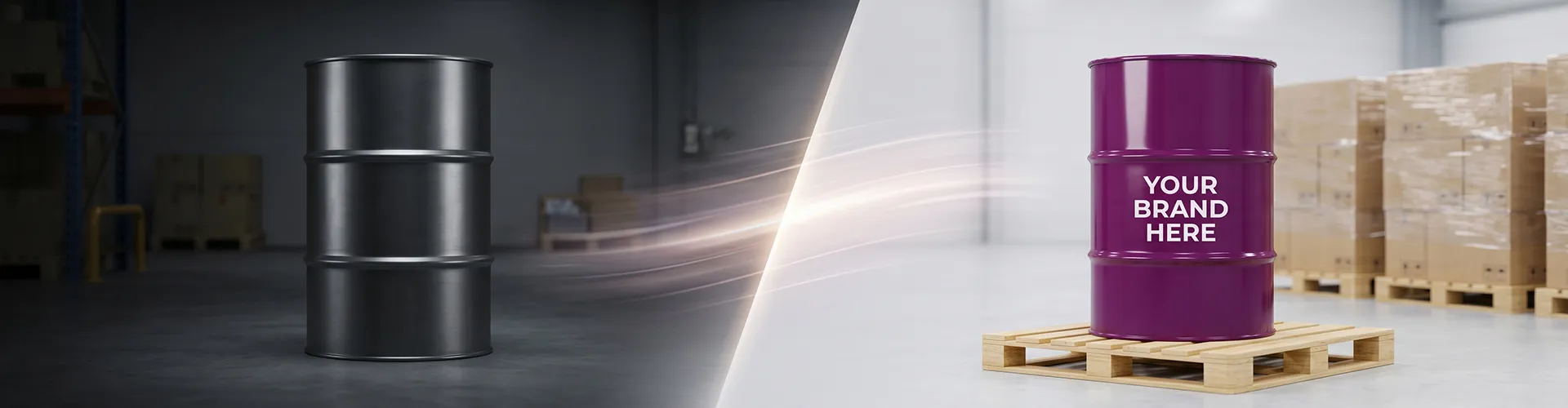
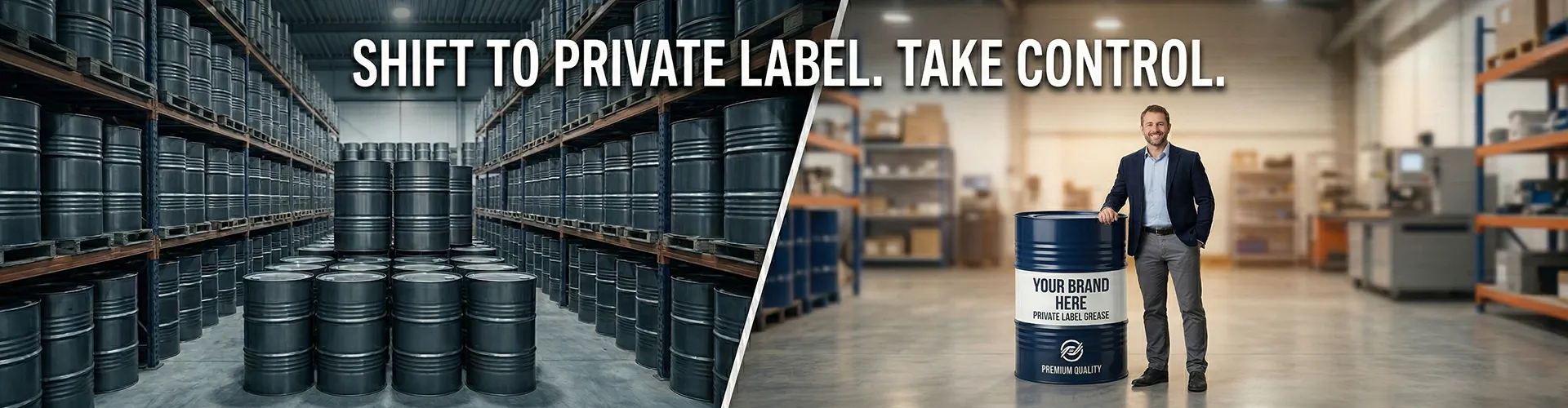
Starting your own grease brand can feel like a huge step, especially if you’re entering the lubricants market for the first time. But the truth is, developing a grease brand is far more achievable today than it was a decade ago, thanks to private label grease manufacturing, flexible production capabilities, and ready-made formulations trusted all over the world. Check our latest update about private label grease production timeline.
If you’re looking for someone who has been thinking, “I want to start my own grease brand, but I don’t know where to begin,” this guide will help you through every important step clearly, simply, and realistically. Learn more about why distributors choose private label grease.
Whether your intent is to launch a grease brand, expand your current automotive product line, or enter the white label vs private label grease business, this step-by-step breakdown will give you a practical roadmap from idea to shelf-ready products. Find out more about start a private label grease business in the Philippines, and launch a grease brand in Armenia.
1. Understand the Market Before You Build the Brand
Before anything else, you need a clear path on what part of the grease industry you want to enter. The grease market is not a huge audience; it’s built with different sectors:
- Automotive workshops
- Industrial plants
- Heavy-duty equipment users
- Transport fleets
- Marine and off-road applications
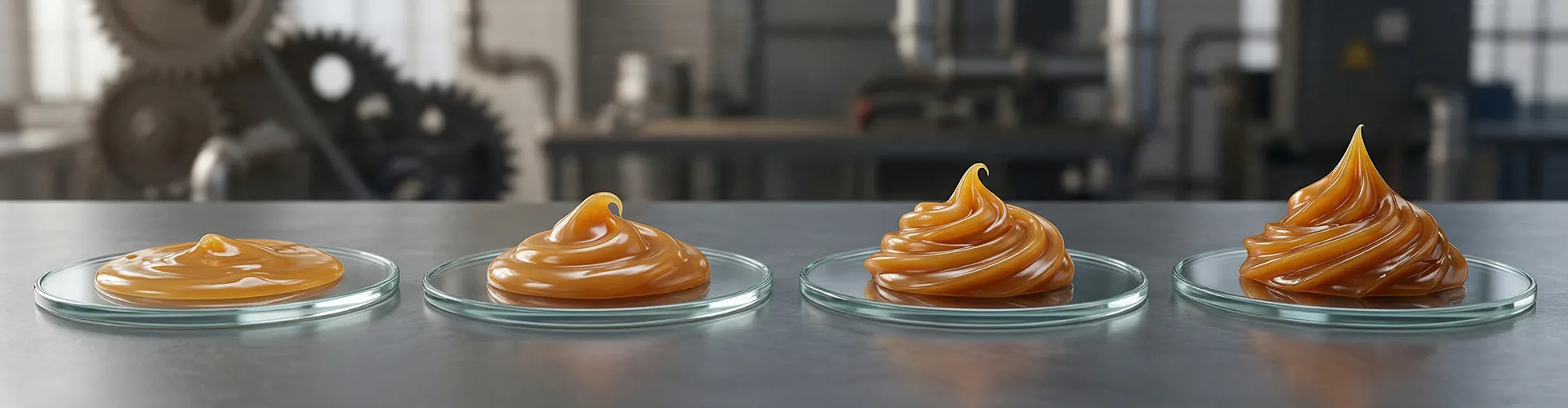
Each sector utilizes a different type of grease: lithium, calcium, synthetic, multi-purpose, bearing grease, high-temperature grease, and many more.
Why these matters?
You can’t make up a strong brand without understanding who you want to serve. A brand targeting automotive garages will look different from a brand selling to factories or fleets.
Tip:
Take a look at what are the leading products in your targeted region. Wrote down their packaging, pricing, and positioning. Make a List of
- what they do well?
- what you can do different?
2. Decide What Type of Grease Your Brand Will Offer
Once you understand and examine the market, it’s the best time to decide your product range. You don’t need 20 products to start with.
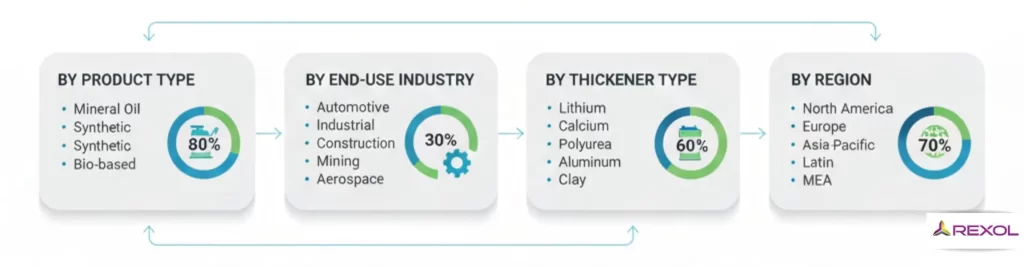
A typical starter range might include:
- Lithium EP2 grease
- Lithium complex grease
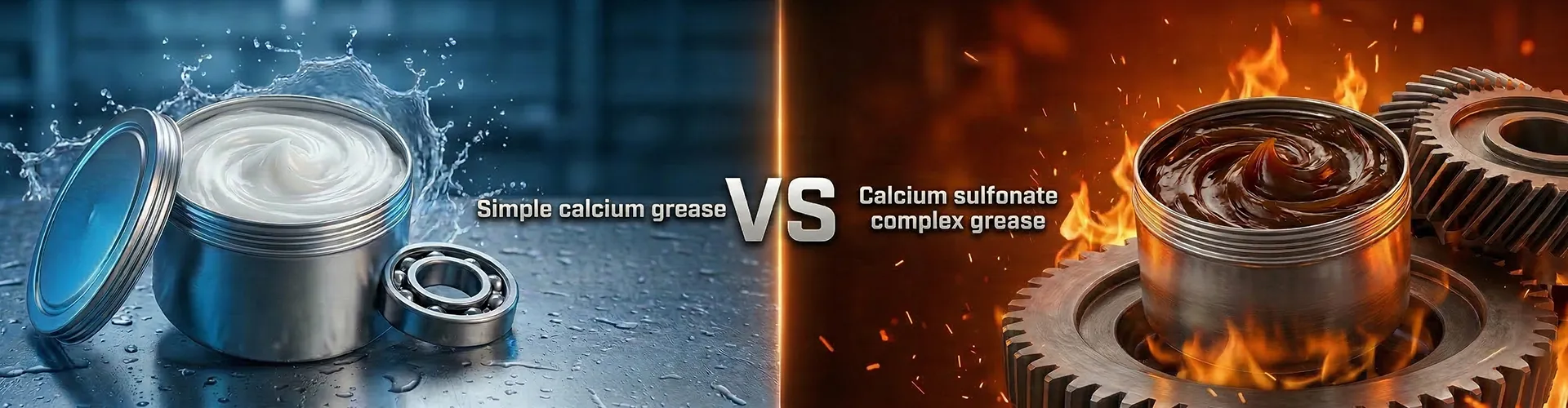
- Calcium grease
- High-temperature grease
- Multipurpose NLGI 2 greases
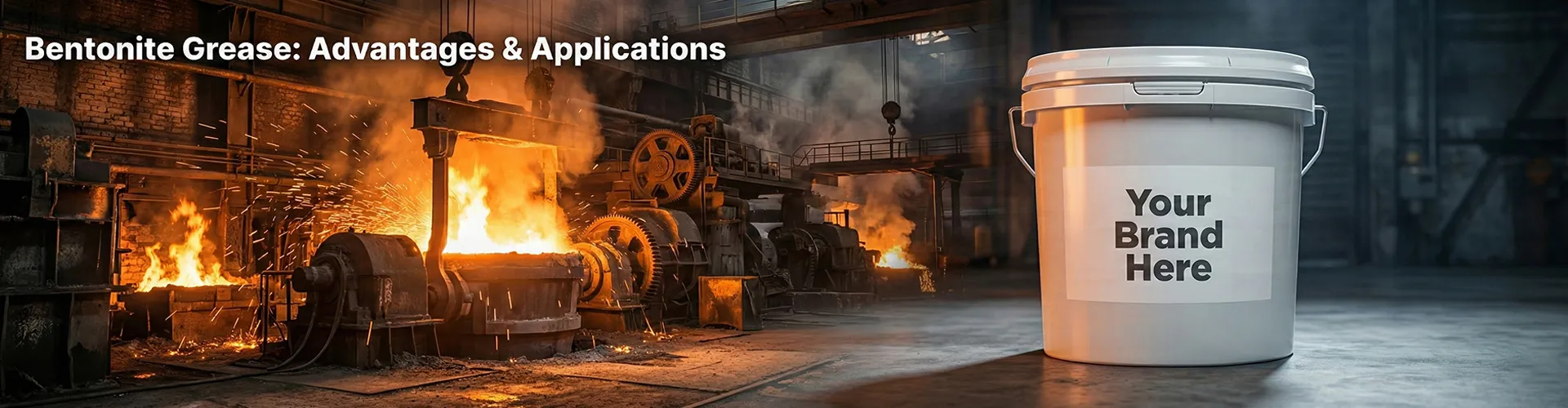
- Bentonite Grease
- Hydrated Calcium Grease
Many new brands start with well-established formulations like Rexol Lithium EP2 Grease or Rexol Multipurpose Grease, as these products cover the huge portion of automotive and industrial demand and are easy to market for beginners in private label grease development. You can learn more about best grease formulations for private label brands.
3. Choose the Right Private Label Grease Manufacturer
A strong private label grease partner will build the quality, consistency, packaging, and reliability of your brand. This is the most significant part of your entire process.
Here’s what to look for:
Manufacturing certifications
Does the manufacturer follow ISO quality standards? Do they test every batch of products?
Range of formulations
Can they produce or manufacture the type of grease you want to launch?
Packaging flexibility
Do they offer drums, and bulk packaging?
Low MOQ for beginners
Starting small reduces your own risk.
Experience in private label development
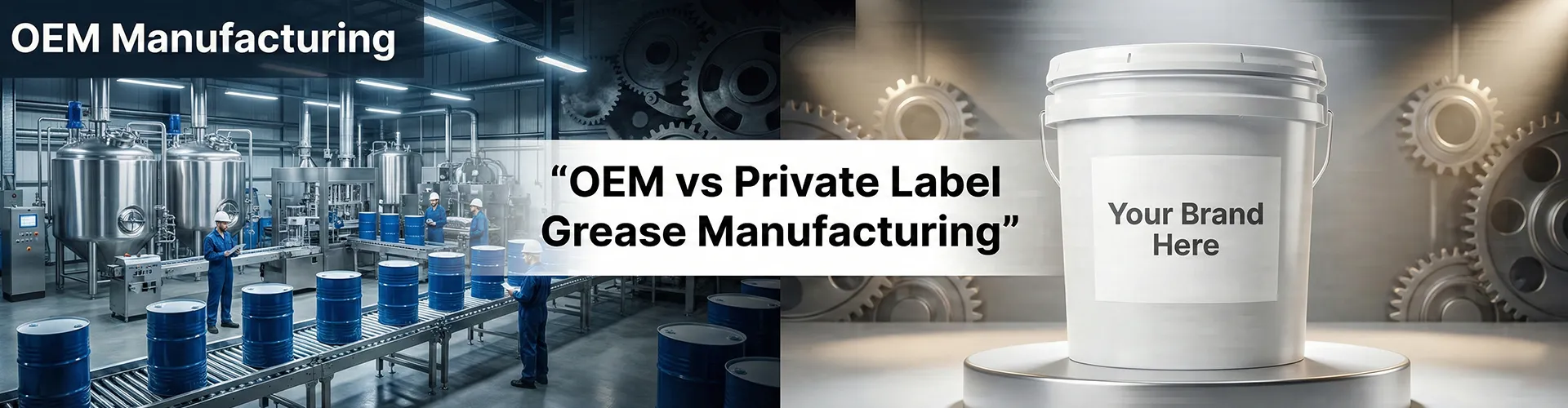
You want a partner who understands branding, labeling, product registration, and export processes. You will find the best OEM vs private label grease manufacturing Page.
For example, brands that choose Rexol High-Temperature Grease often benefit from its proven performance data, making marketing easier when stepping into a competitive market. Find out more about how to choose the right grease supplier, and private label grease vs branded grease.
Check our private label grease pricing model page for guidance.
4. Develop Your Brand Identity
Now that you have a manufacturer, it’s the best time to build your brand identity.
You’ll need:
- Brand name
- Logo
- Label design and planning
- Packaging theme
- Tagline or message
- Product categorization style
Important Note
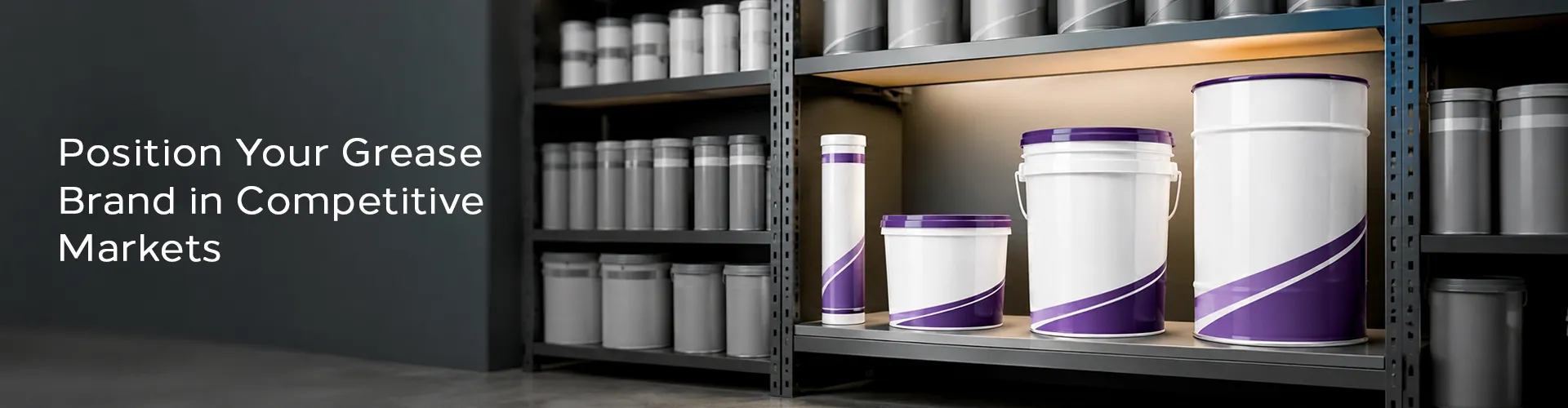
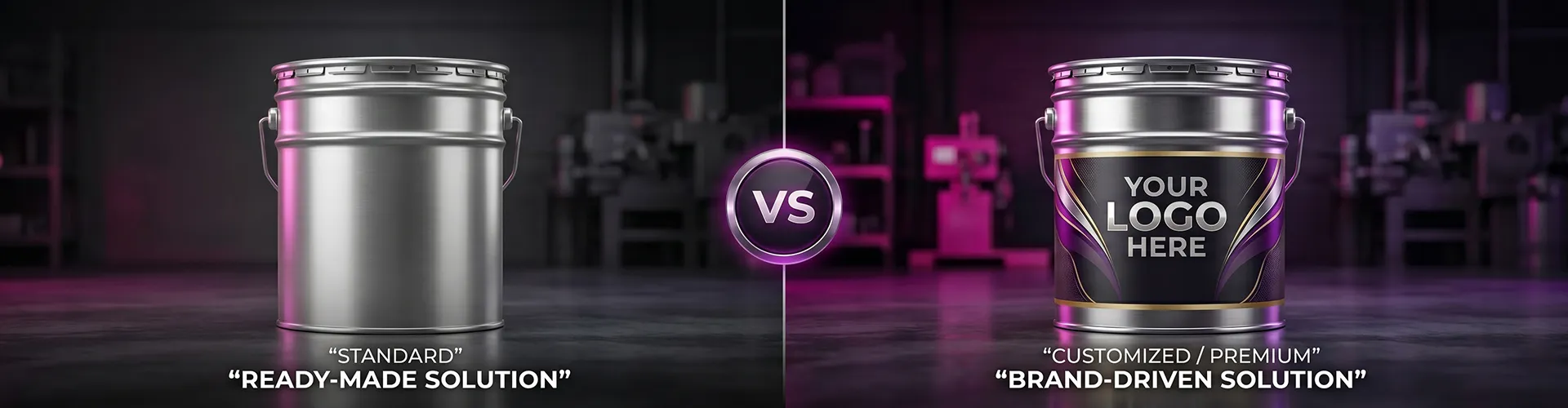
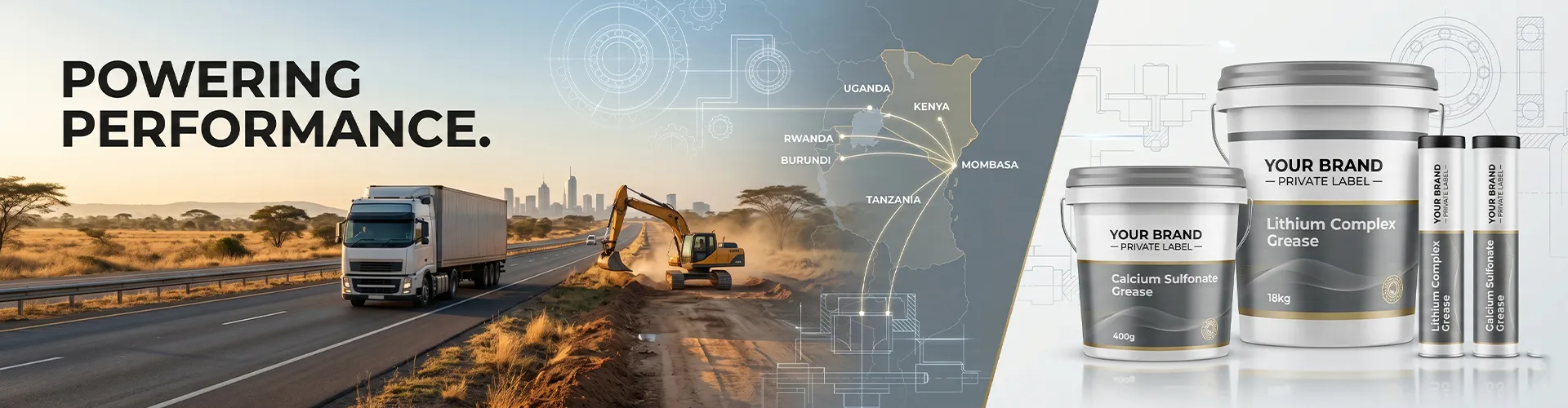
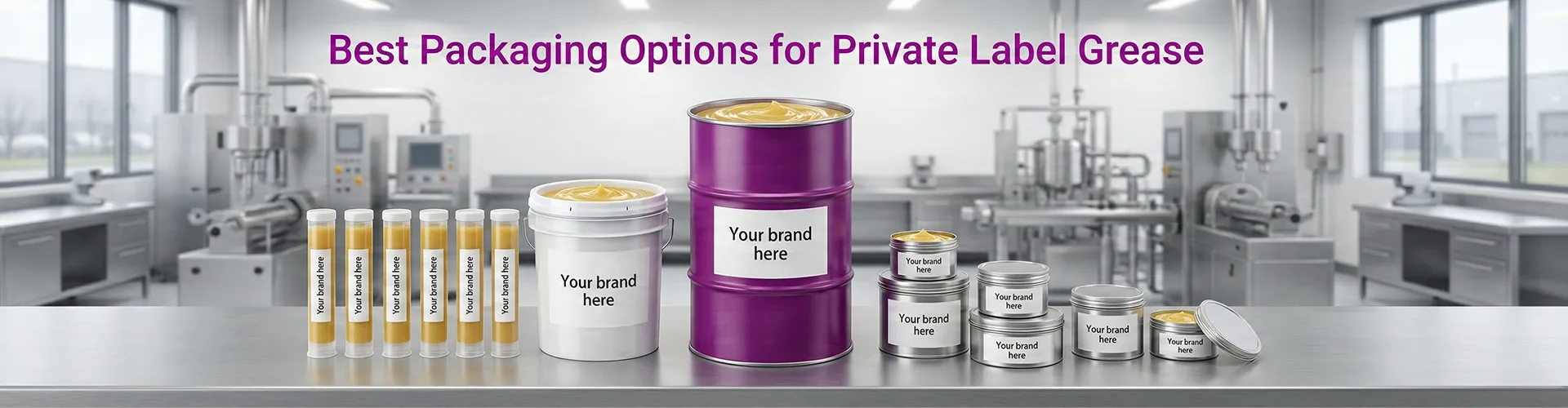
Your packaging should look trustworthy, technically strong, and professional. Grease buyers especially workshops and industrial customers judge by their quality that heavily based on packaging. You can explore our best packaging options for private label grease brands.
Make sure your design highlights:
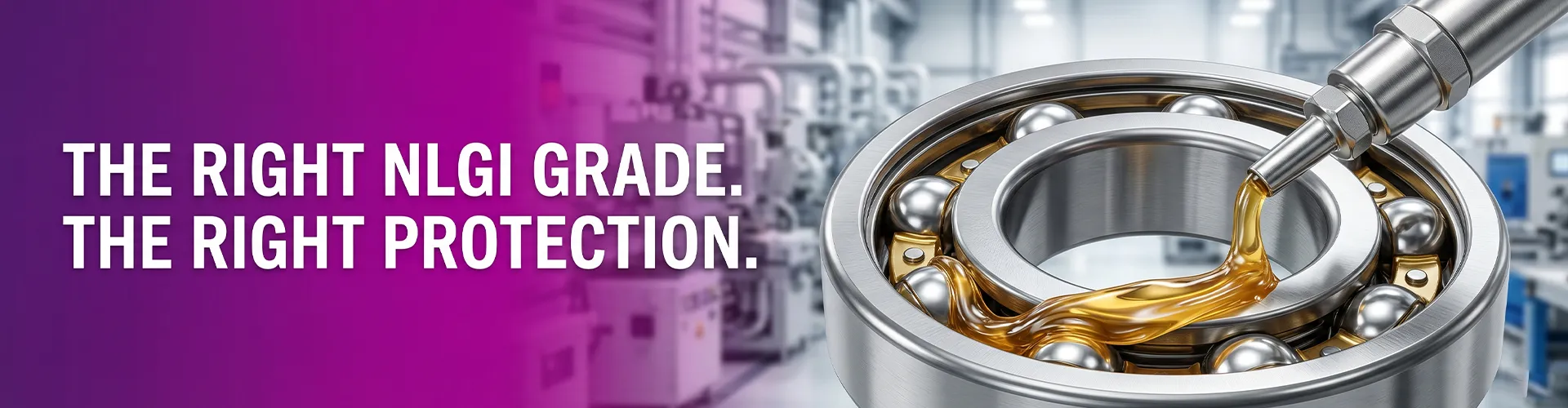
- NLGI grade
- Performance level
- Application compatibility
- Temperature range
- Technical benefits (List)
A private label partner can assist you with these details.
Explore Private Label Grease Manufacturing for design support.
5. Finalize Your Grease Formulations and Specifications
Your manufacturer will help you to select the right formulations of greases, but you need to understand the basics.
Each grease should have:
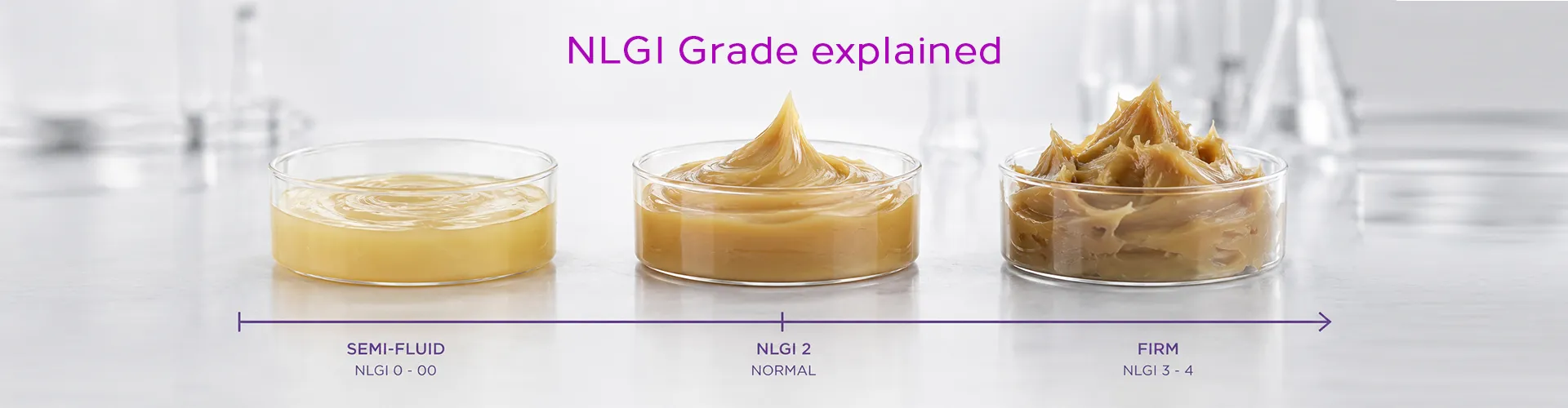
- NLGI grade (0, 1, 2, etc.)
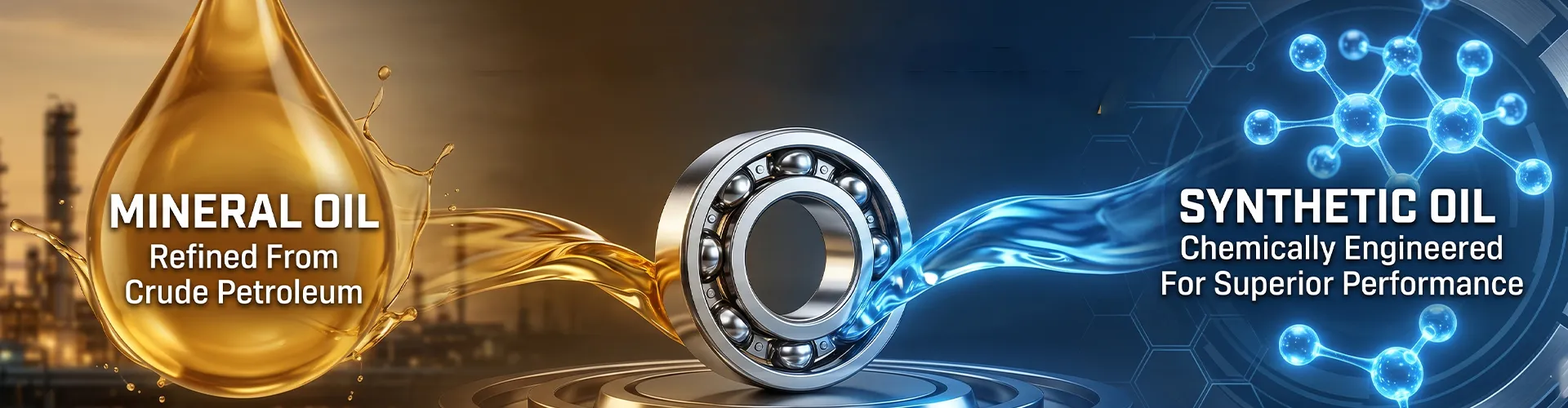
- Base oil type (mineral, synthetic)
- Thickener type (lithium, calcium, lithium complex)
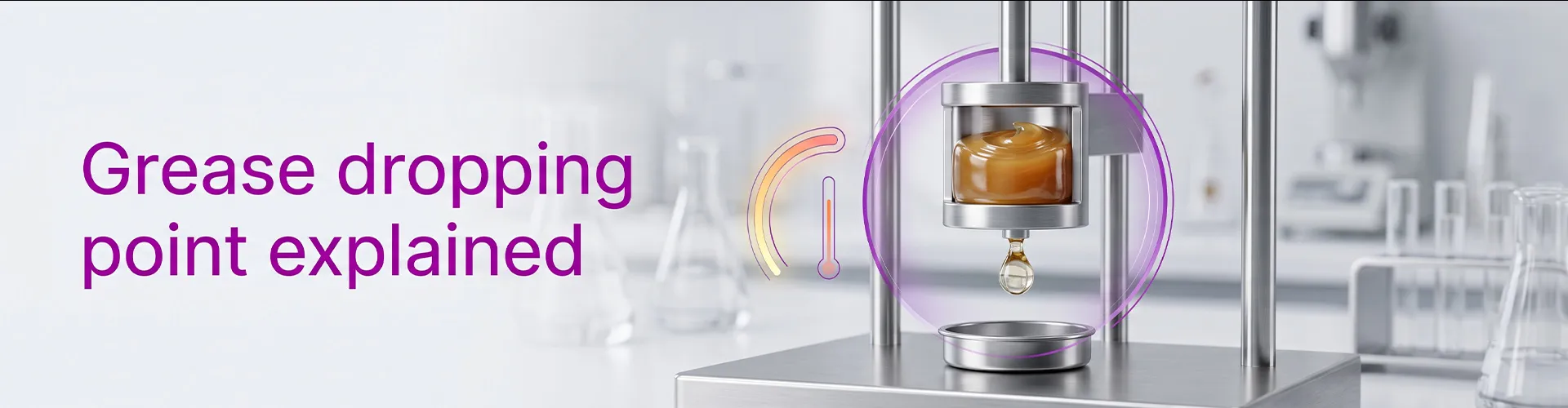
- Dropping point
- Water resistance
- Load-carrying capability
- Operating temperature
Why these matters?
Clients especially industrial buyers won’t purchase anything unless they trust the technical specifications.
See Custom Grease Formulation for detail.
6. Register Your Brand and Prepare Documentation
Depending on your country, you may be required to submit:
- Trade license
- Brand registration
- Label approval
- MSDS sheets
- Technical Data Sheets (TDS)
- Import/export documents
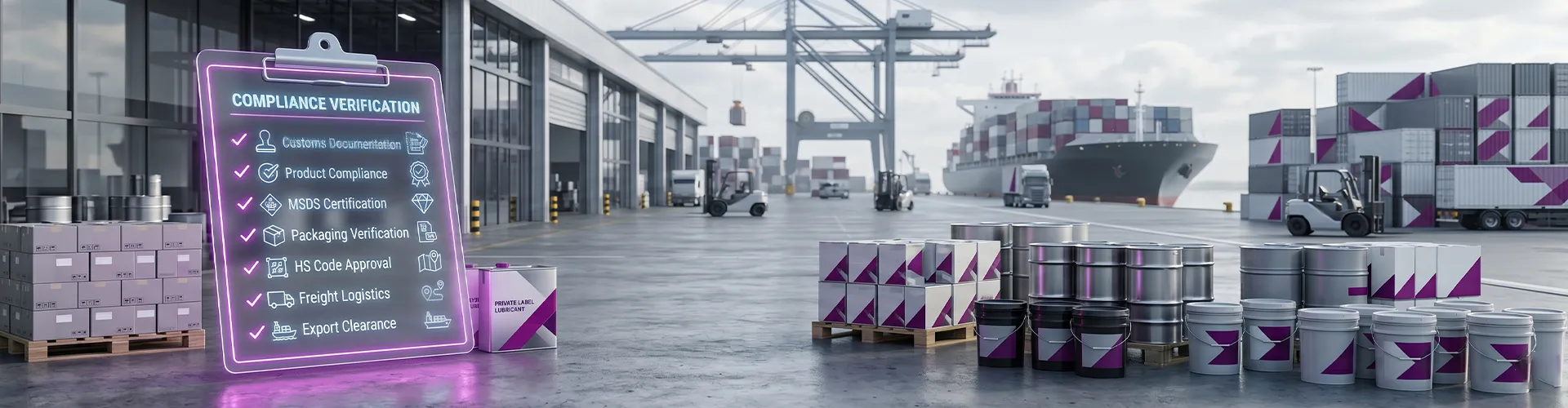
Your private label grease manufacturer can support you with MSDS, TDS, and product compliance. Find more about import documents for private label grease.
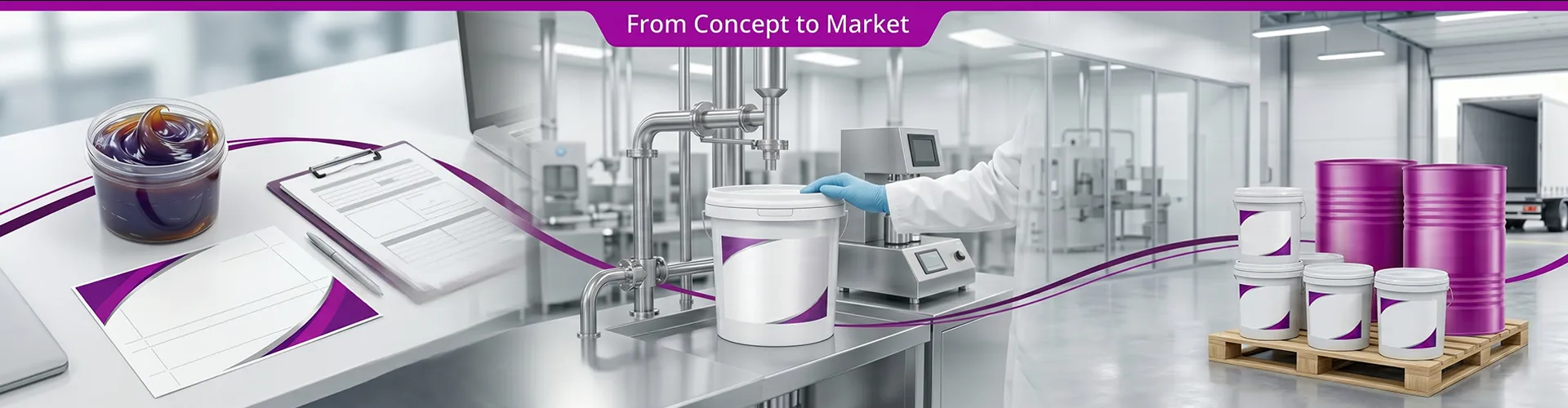
7. Plan Your First Production Unit
Once everything is ready and your logo, labels, packaging, and formulations are approved, manufacturer will schedule a production based on:
- Product quantities
- Packaging sizes
- Delivery method
- Storage arrangements
Important
Start with a small range. Get market feedback. Improve. Then increase. Find out more about build a grease brand without a factory.
8. Build a Realistic Marketing Strategy
You can promote your grease brand through:
- Distributors and wholesalers
- Auto parts shops
- Mechanics and workshops
- Industrial clients
- Online marketplaces
- Your own website
- Paid ads or social media campaigns
Provide customers a guidebook about grease types, applications, and maintenance. Then give your product as a remarkable solution to their problems. You can learn more about moq explained for private label grease.

9. Test Your Products in the Market
Your first grease collection is not the final version. Every successful grease brand enhanced their reliability over time.
Collect products’ feedback regarding:
- Performance
- Price
- Packaging durability
- Grease texture and consistency
- Overall satisfaction
Use this feedback to adjust future product versions.

10. Scale Your Brand into a Full Product Line
Once you gain interaction, you can introduce more specific and specialized products like:
- Synthetic greases
- Moly greases
- Wheel bearing grease
- Marine water-resistant grease
- High-load industrial grease
Scaling slowly and strategically ensures long-term success.
Final Thoughts
Starting your own grease brand is not as difficult as it seems when you have the right guidance and a strong private label grease partner.
From understanding the market to choosing formulations, developing packaging, and launching your initial product queue, the entire process becomes smoother and more achievable when backed by an experienced manufacturer.
If you want to develop your own grease brand, contact Rexol for private label grease production. We help new brands launch with confidence from formulation to packaging to market-ready delivery.
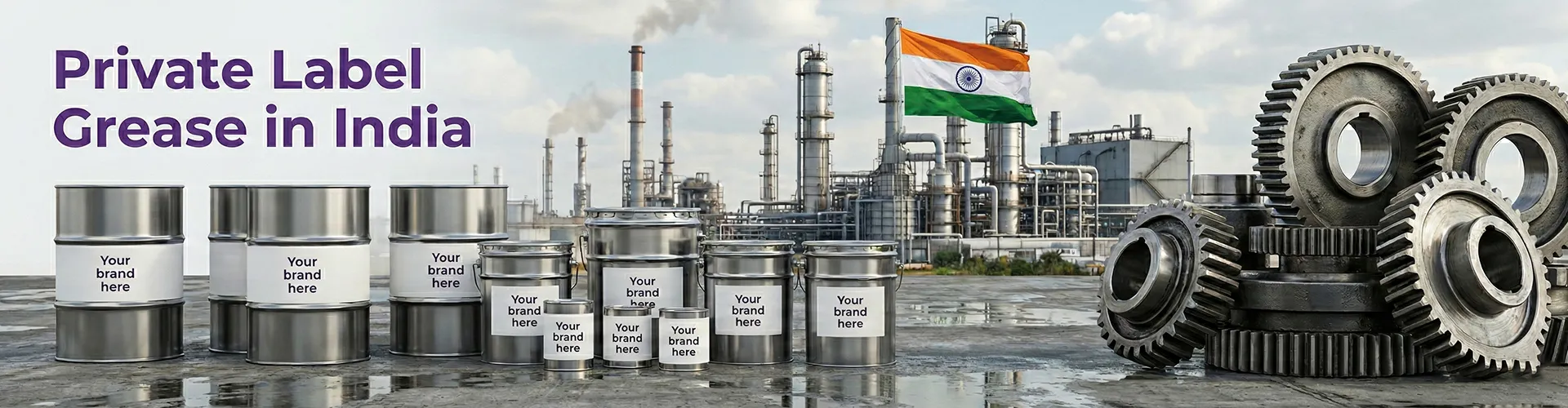
🔗 Contact for Private Label Grease Inquiry to get started. If you want guidance by region, read our launch a private label grease brand in Singapore, private label grease in India, Private label grease in Japan, Private label grease in Kenya, and Private label grease in Uzbekistan.