Private Label Grease vs Branded Grease – Which Is More Profitable?
One strategic question often determines long-term margins and market positioning for distributors, importers, and lubricant traders:
Private label grease vs branded grease — which is more profitable?
At first glance, selling established global brands may seem like the safer route. The products are known, technically validated, and widely recognized. However, as markets mature and competition intensifies, many distributors begin to reconsider whether relying solely on branded grease truly maximizes their growth potential.
This guide will take a practical, business-focused look at both models not from a theoretical perspective but from real-world distribution economics. If you are evaluating your next move in the lubricants sector, this breakdown will help you make a structured decision. Explore our latest update about why distributors choose private label instead of big brands.
Understanding the Two Models
Before comparing profitability, it’s important to clarify what each model involves. Explore white label vs private label grease profitability.
Branded Grease Distribution
In this model, you will purchase grease under a global or regional brand name and resell it within your territory. Your role is primarily commercial — sales, warehousing, and distribution.
Advantages typically will include:
- Immediate brand recognition
- Pre-developed marketing materials
- Technical data already validated
- Lower branding responsibility
However, the margins are usually controlled by the manufacturer, and pricing flexibility is limited. Read our latest update about private label grease pricing model.
Private Label Grease
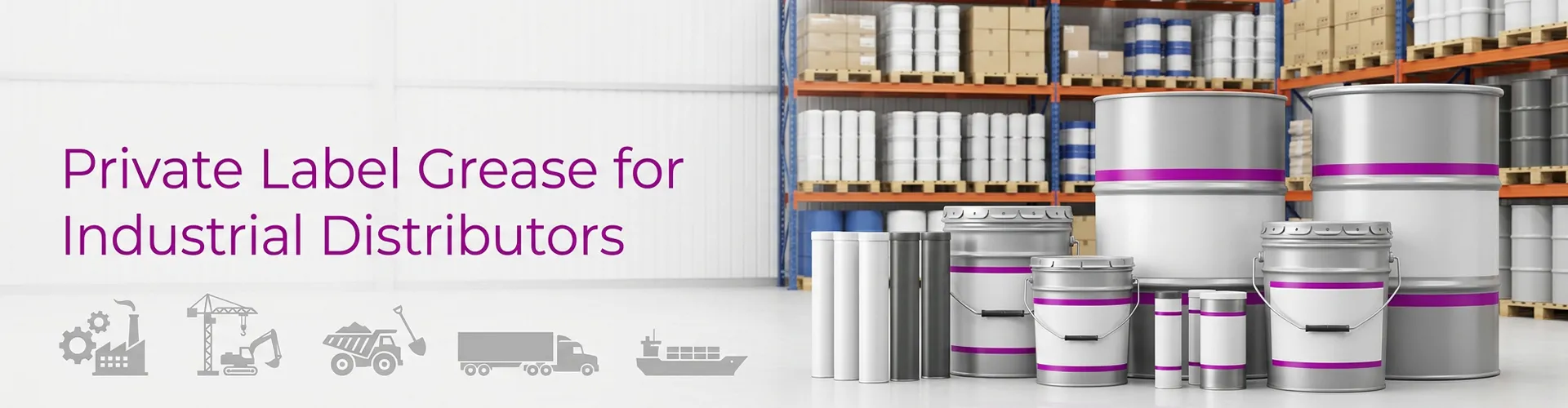
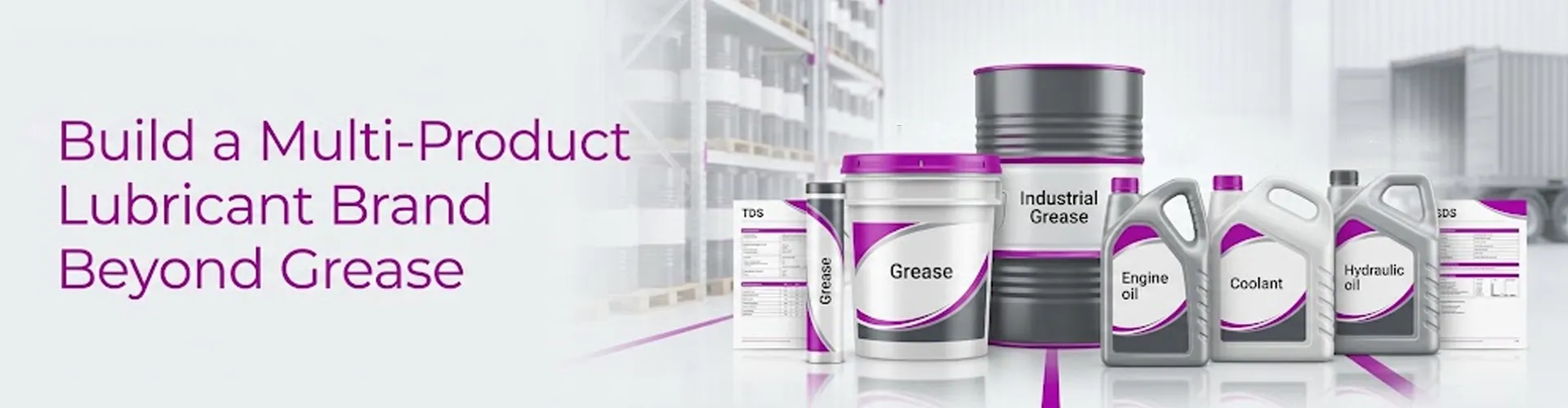
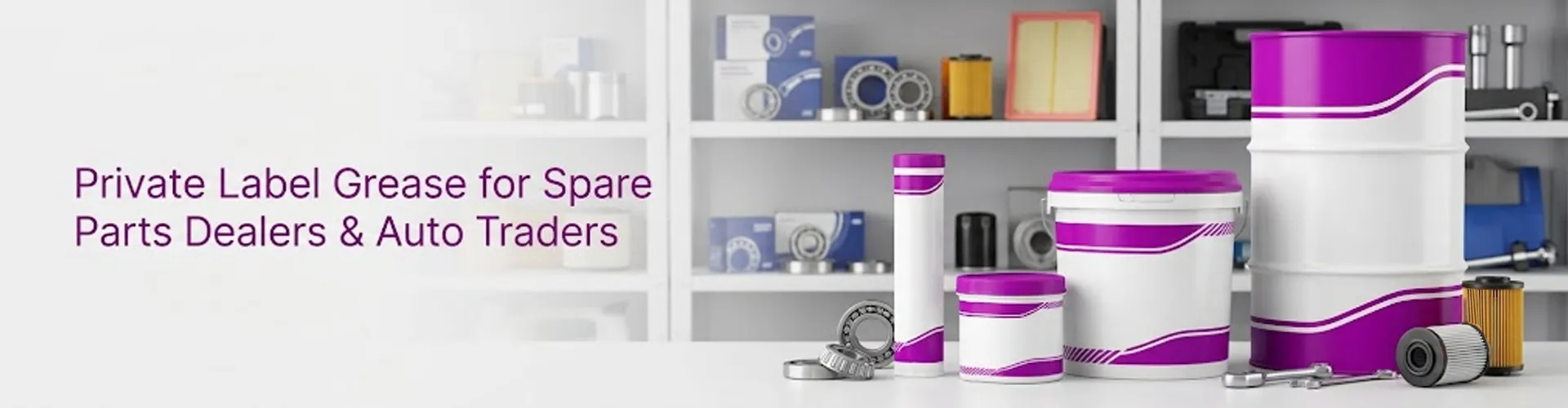
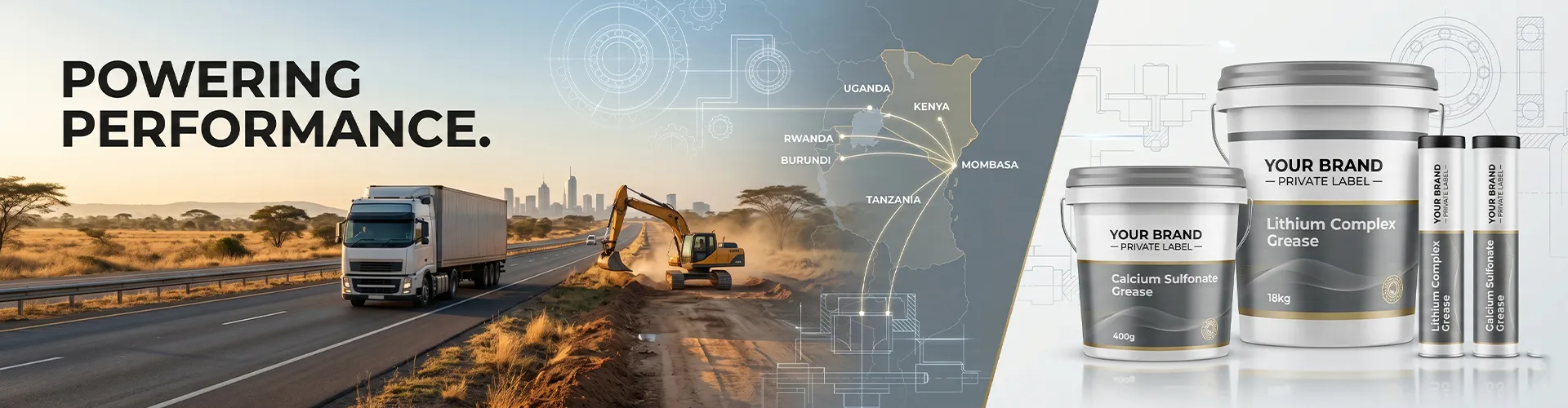
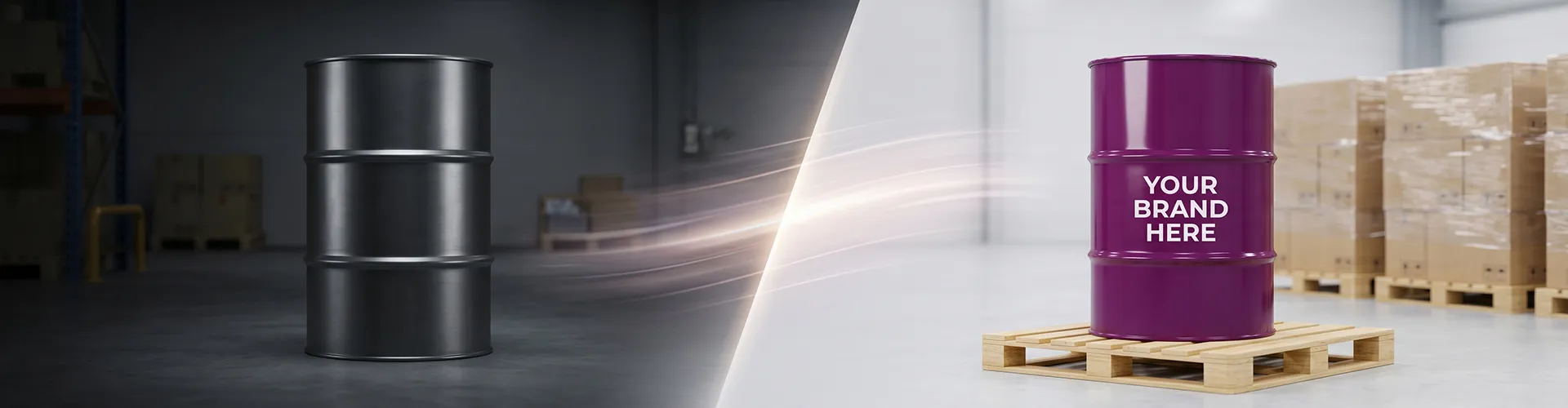
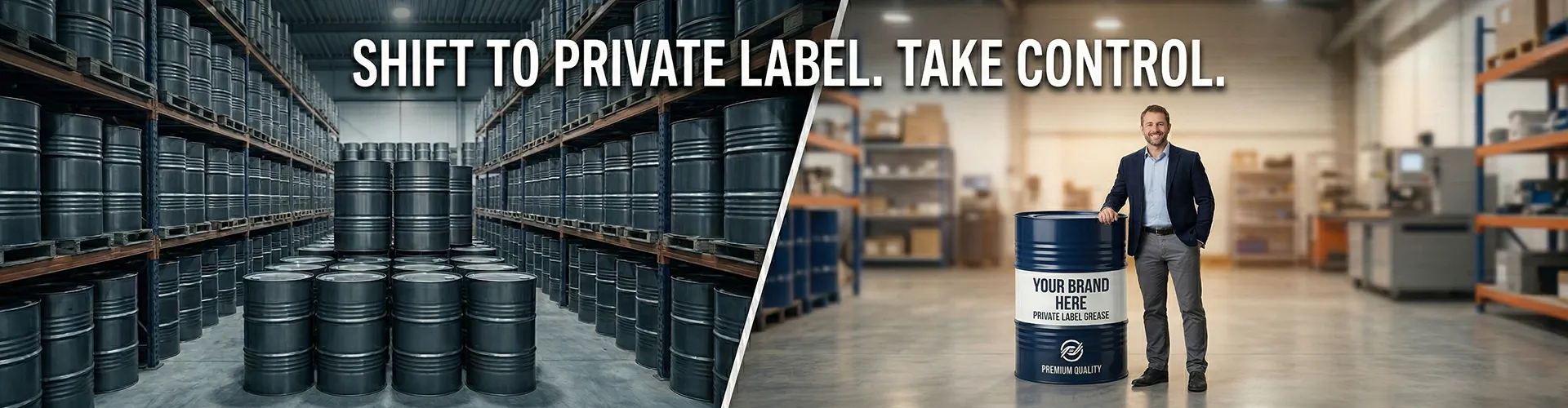
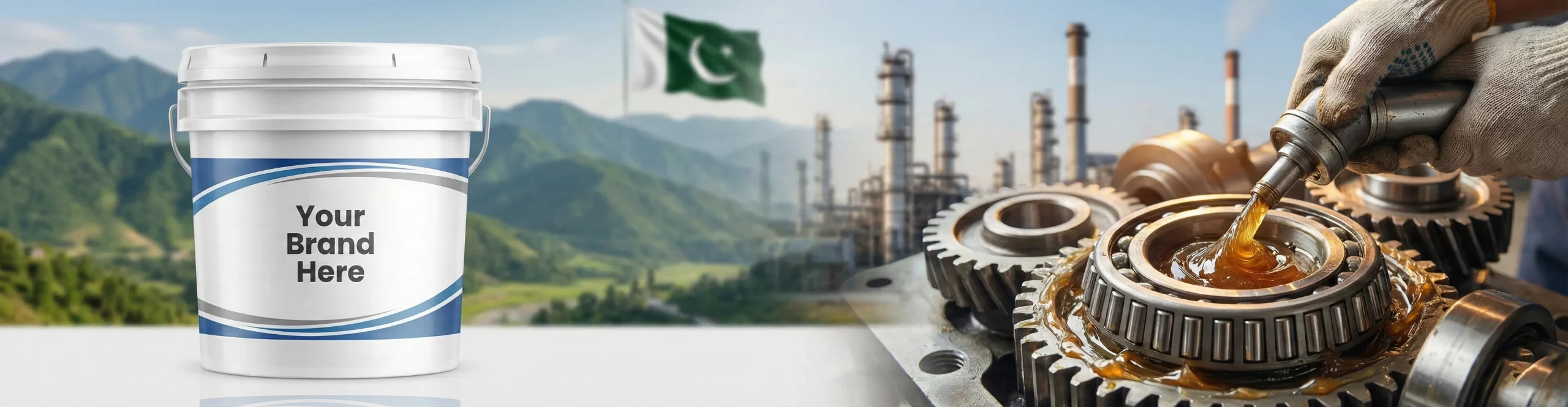
Private label grease will allow you to sell products manufactured by an experienced producer under your own brand name.
You do not invest in blending facilities or production equipment. Instead, you control:
- Brand positioning
- Pricing strategy
- Distribution focus
- Market segmentation
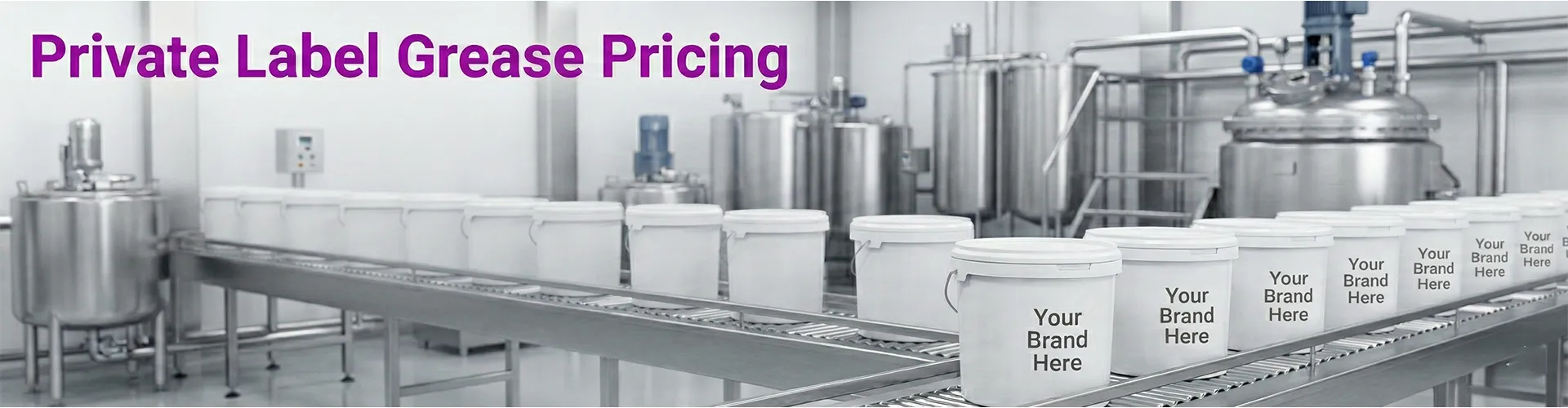
Manufacturing, quality control, formulation, and packaging are handled by a specialized partner. Find out more about how to choose a private label grease manufacturer, and creating a grease brand without owning a factory
If you want to understand the structure of this model in more detail, you can review the process on our Private Label Grease page, where production and branding steps are outlined clearly. Find out more about start your own grease brand.
Profit Margin Comparison: Where the Real Difference Lies
The core debate around private label grease vs branded grease ultimately comes down to margin control.
1. Gross Margin Potential
Your purchase price is determined by the manufacturer’s global pricing strategy with branded grease. This leaves limited room for differentiation. Competing distributors often sell the same product, which compresses margins. Find out more about OEM vs private label grease manufacturing.
In contrast, private label lubricant profit potential is higher because:
- You control retail pricing
- You are not competing against identical brand distributors
- You build value into your own name
While initial marketing effort is higher, long-term margin retention is significantly stronger.
2. Pricing Flexibility
Branded suppliers often enforce:
- Fixed distributor pricing structures
- Regional price alignment
- Promotional limitations
Private label grease will allow you to adjust pricing according to:
- Local purchasing power
- Sector-specific needs (fleet vs workshop)
- Volume contracts
This flexibility will become especially important in fleet-driven and construction-heavy markets where competitive pricing directly influences contract wins.
3. Long-Term Asset Value
One of the most overlooked aspects of grease branding is equity creation.
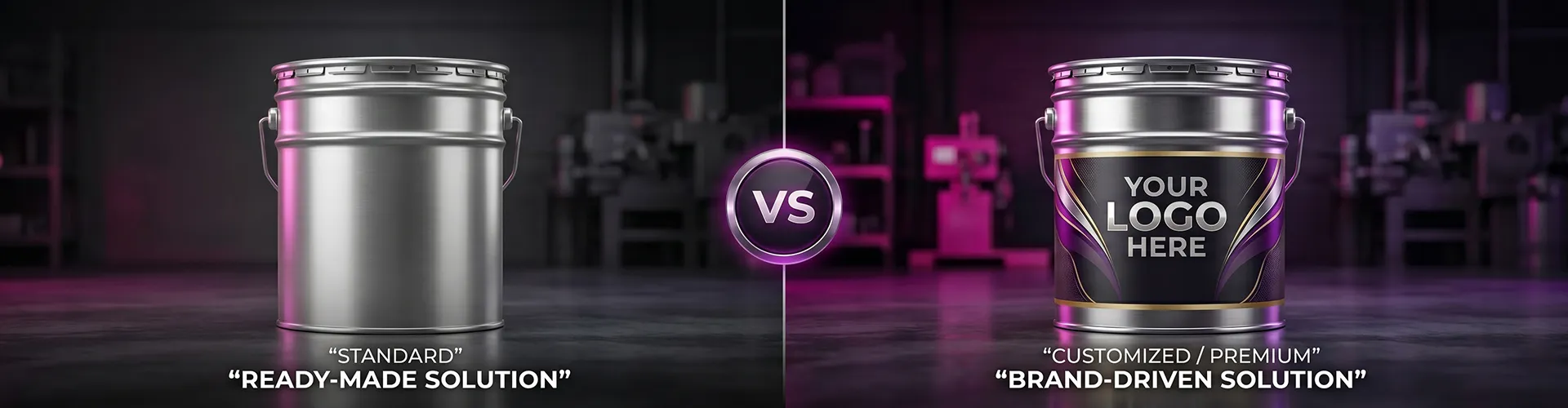
When you sell branded grease, you build the manufacturer’s brand — not your own.
When you develop a private label line, you build:
- Customer loyalty to your brand
- Recognized product identity in your market
- A resale-ready commercial asset
Your brand itself becomes valuable over time.
Market Conditions That Favor Private Label
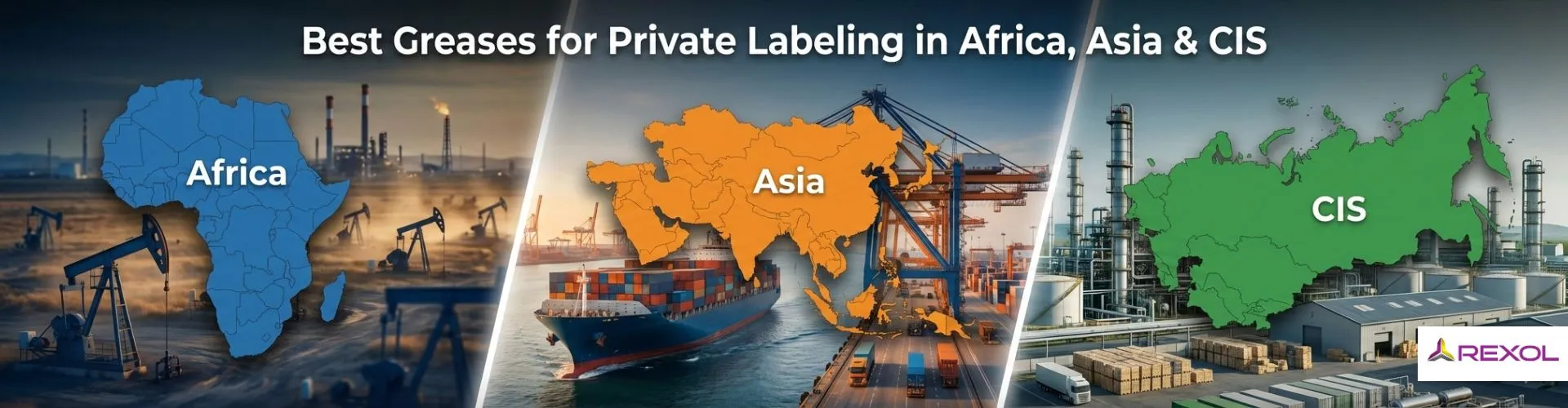
Not every market behaves the same way. In developing regions, including parts of Africa, Central Asia, and Southeast Asia, buyers often prioritize:
- Reliable supply
- Competitive pricing
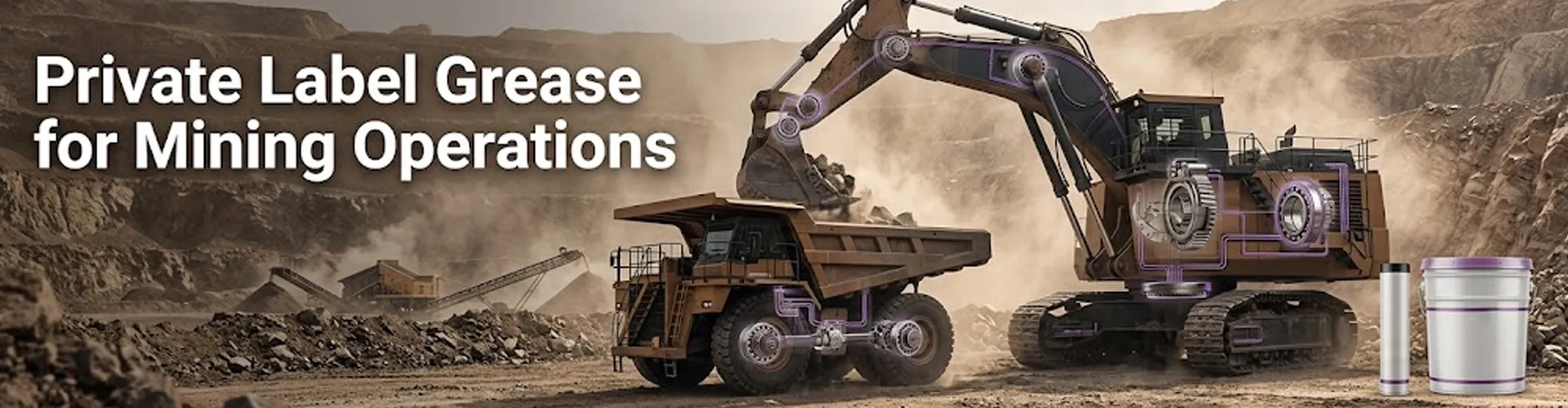
- Suitable performance for fleets and construction equipment
Brand loyalty is often secondary to performance and availability. In these environments, distributors frequently discover that private label lubricant profit margins outperform traditional branded distribution.
Product Performance Considerations
A common concern when comparing OEM grease vs private label or branded vs private label is quality consistency. In reality, product performance depends on the manufacturer, not the branding model.
For example, formulations similar to:
- Lithium EP2 Grease
- Lithium Complex EP 220 or Lithium Complex EP 460
- Moly Grease for heavy loads
are widely used across private label projects and commercial brands alike.
In many cases, private label products are produced in the same type of facilities that manufacture well-known branded lubricants.
The key is selecting a technically competent partner.
Risk & Investment Analysis
Branded Grease
- Lower branding investment
- Lower marketing responsibility
- Lower control
- Limited margin growth
Private Label Grease
- Higher initial branding effort
- Greater pricing control
- Stronger margin scalability
- Long-term brand ownership
Private label does not necessarily mean higher financial risk especially when MOQ structures are flexible and product selection is focused. Explore our latest update about minimum order quantity for private label grease.
A structured launch with 3–5 core SKUs can significantly reduce exposure.
Competitive Positioning: Differentiation Matters
Multiple distributors often operate in the same territory with branded grease. This will create price competition and weaken exclusivity.
With private label grease:
- You differentiate your offer
- You build a unique brand identity
- You control distribution agreements
In competitive fleet markets, this difference alone can determine contract success. Find out more about private label grease for transport fleets.
When Branded Grease Still Makes Sense
To provide a balanced perspective, there are scenarios where branded grease is appropriate:
- Highly regulated industrial tenders requiring specific approvals
- Premium segments demanding global brand names
- Short-term trading opportunities
Some distributors even operate hybrid models maintaining branded lines while gradually building their own grease branding strategy.
A Strategic Hybrid Approach
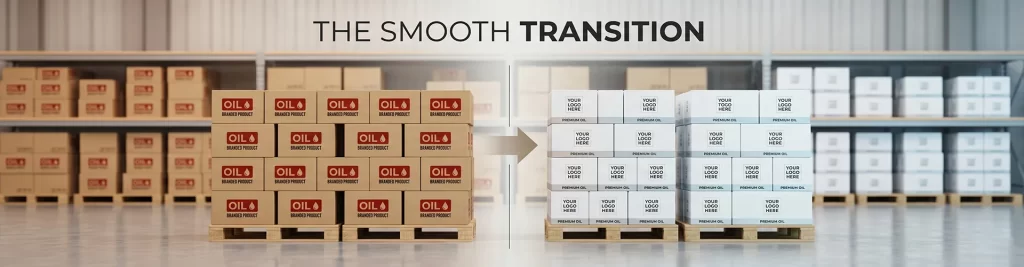
Many successful distributors adopt a phased transition:
- Maintain branded grease for credibility
- Introduce private label grease in high-volume segments
- Gradually expand their own brand
- Improve overall margin blend
This approach will reduce disruption while improving profitability over time.
So, Which Is More Profitable?
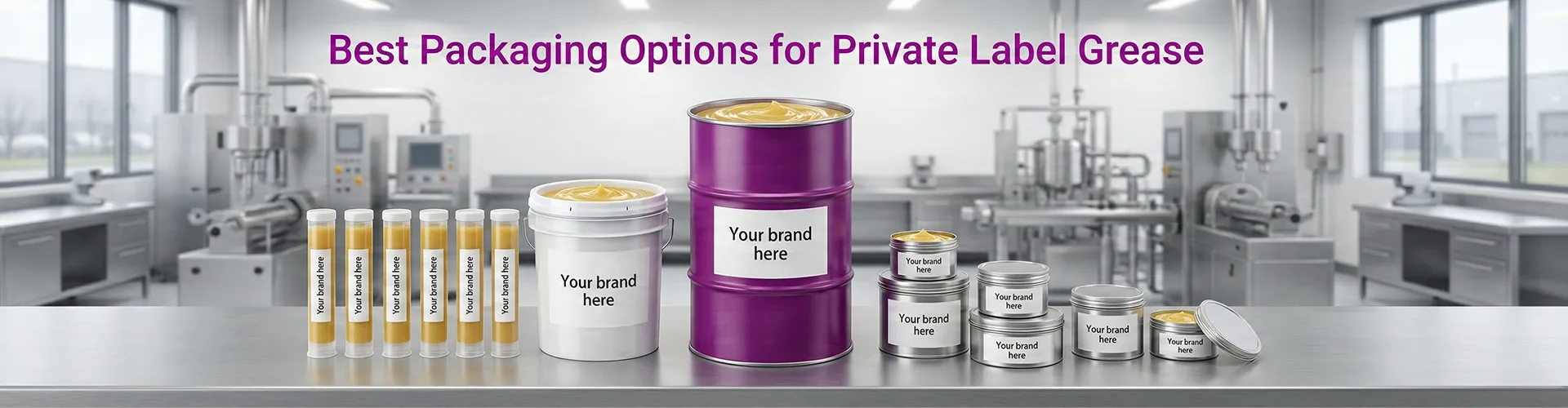
If the objective is long-term margin control, brand ownership, and scalability, private label grease typically offers stronger profit potential. Find our latest update about best packaging options for private label grease brands.
If the objective is short-term stability with minimal branding responsibility, branded grease may feel more comfortable.
However, in most emerging and mid-sized markets, distributors eventually find that private label lubricant profit margins create more sustainable growth. Read our latest blog about how long private label grease production takes.
The real question becomes not “Which is easier?” but rather “Which builds long-term commercial value?”
Final Thoughts
The comparison between private label grease vs branded grease is not simply about product quality. It is about control, positioning, and long-term profitability.
Distributors who understand their market and partner with the right manufacturer often discover that owning the brand — rather than renting it — changes the economics of their grease distribution business entirely. Read our latest update about private label grease business in Kenya.
If you are evaluating your next move, the private label model deserves serious consideration.
Ready to Explore Private Label Opportunities?
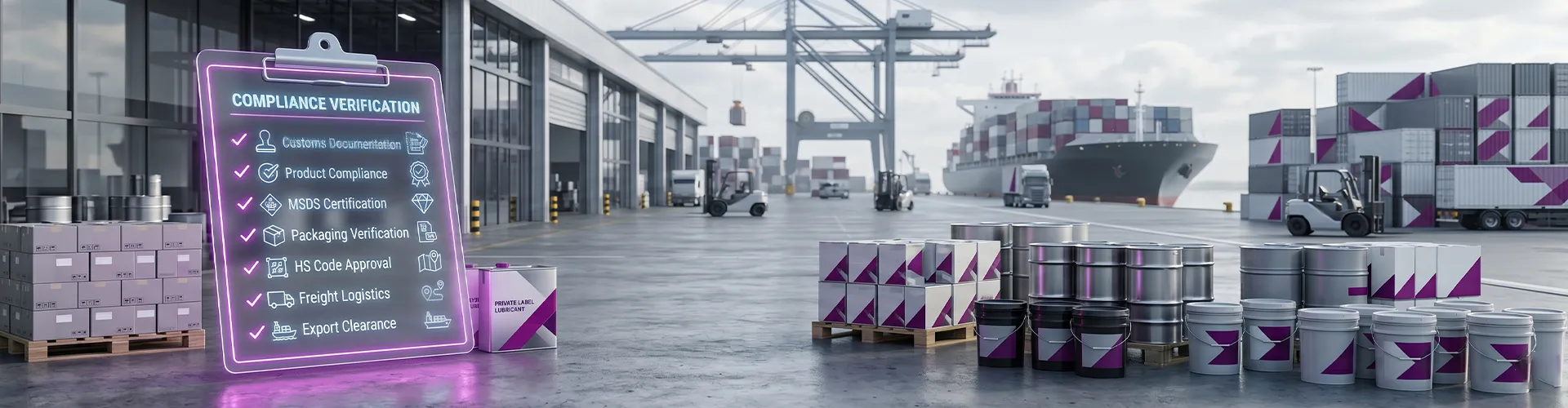
If you’re assessing whether private label grease fits your strategy, Rexol supports complete Private Label Grease manufacturing — from formulation and packaging to export logistics and documentation.
👉 Visit our Private Label Grease page to explore how we can help you build a competitive, profitable grease brand in your market.
Let’s turn distribution into brand ownership.