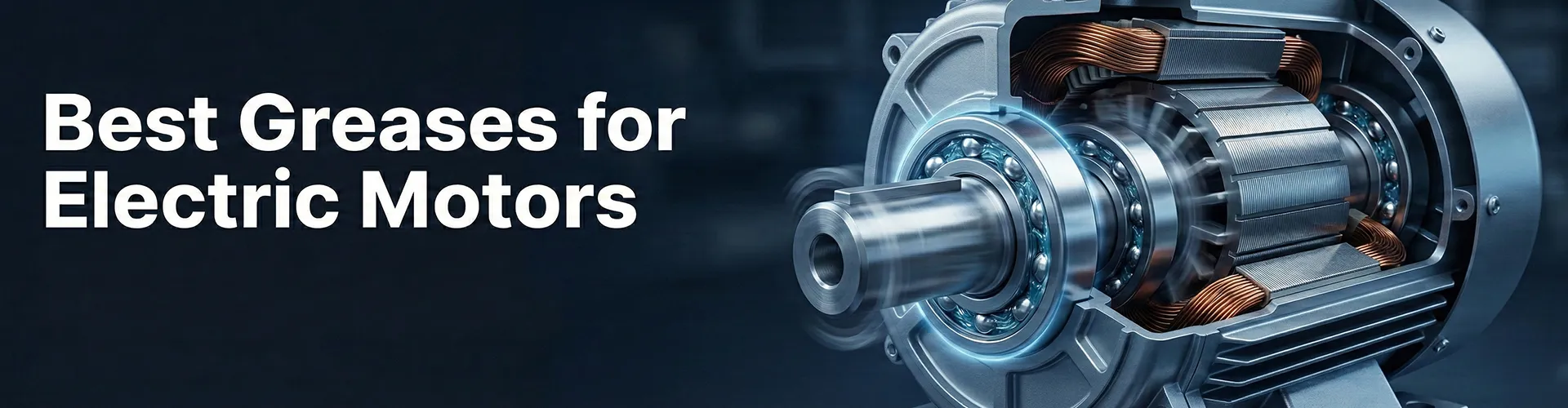
Best Greases for Electric Motors
All industrial machinery, fans, pumps, conveyors, and compressors have electric motors. Simple-looking motors have bearings inside them, which are very sensitive when it comes to lubrication quality. Choosing the best grease for electric motors is really critical. It directly affects efficiency, noise levels, service life, and unplanned downtime.
Among all grease types available in the market, polyurea grease for electric motors has become the preferred choice in many industries. This article explains why choosing the right grease for electric motors is required, how it should be selected, and when polyurea greases make the most sense.
Why electric motor bearings require special grease
Electric motor bearings operate continuously at moderate to high temperatures. Its rapid rotations, long relubrication intervals, and limited tolerance to noise or vibration make it very difficult for grease to stay in place.
Electric motor bearings require a grease that can release oil consistently at high speed, resist oxidation over long periods, and stay mechanically stable without hardening or softening.
Using the non-compatible grease can lead to:
- Overheating
- Bearing noise
- Premature bearing failure
- Increased power consumption
This is why electric motor bearing grease should be selected more precisely. Check our latest update about select the right grease for different applications.
What Makes a Grease Suitable for Electric Motors?
Electric motors require grease with these properties:
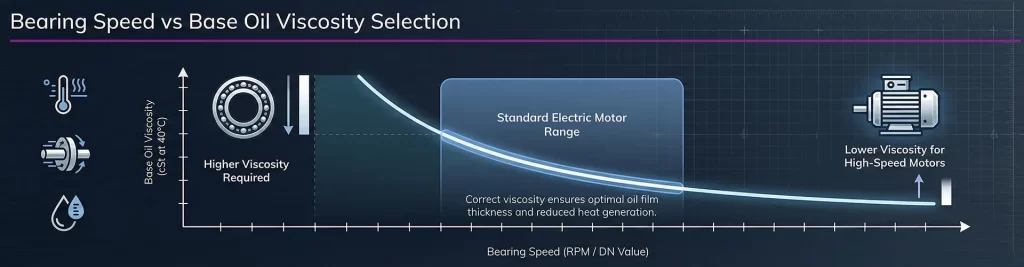
- Correct base oil viscosity (usually lower than industrial gear applications)
- Excellent oxidation stability
- Low oil bleed and good consistency control
- Mechanical stability at high speed
- Low noise characteristics
Greases designed for heavy loads or extreme pressure are often not suitable for motors, as they can generate excess heat or noise.
Why Polyurea Grease Is Ideal for Electric Motors
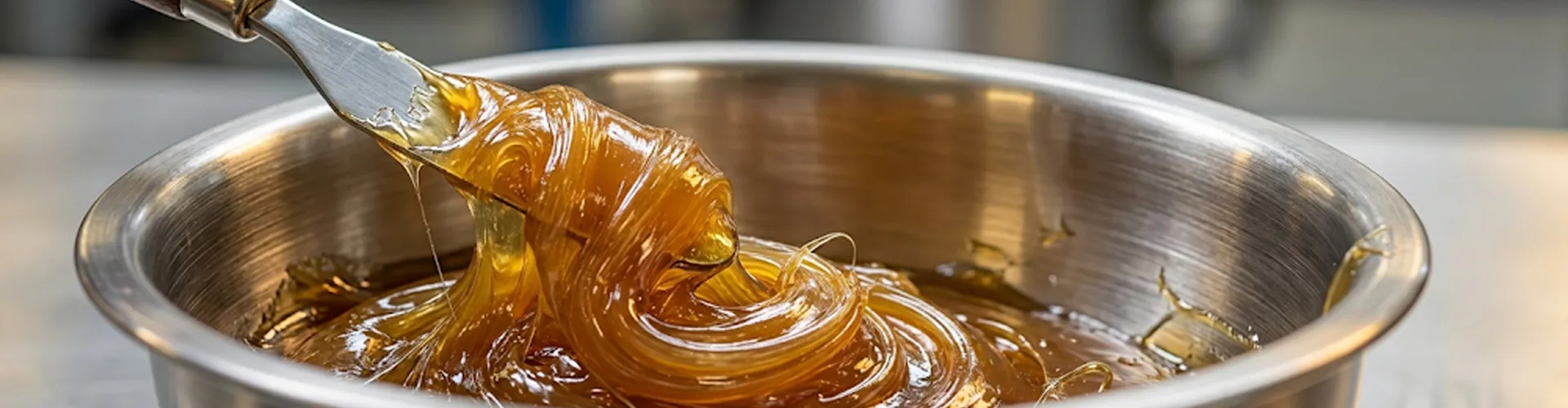
Polyurea grease is the most widely recommended option for electric motors.
The main advantages of using polyurea grease are:
- Superior protection against oxidation
- Longer service life
- High temperature stability
- Great mechanical stability
- Low oil separation
- Compatible with sealed-for-life bearings
Polyurea grease uses an organic thickener system that is naturally resistant to oxidation. This makes polyurea grease an ideal choice for electric motors that run continuously for long periods. You can read our detailed guide on Polyurea grease usage and benefits here.
Polyurea Grease for Electric Motors: Real-World Benefits
1. Longer Relubrication Intervals
Polyurea grease has excellent oxidation resistance that allows the bearings to run for a longer period of time without the need for relubrication. This property is very critical for motors that are installed in hard-to-reach locations.
2. Stable Performance at Elevated Temperatures
Electric motors often operate at high-temperatures. At this temperature, greases often start to lose their structure and degrade. Polyurea grease maintains its structure and lubrication film even when exposed to high temperatures.
3. Reduced Bearing Noise
A common problem in electric motors is noise. Polyurea grease can overcome this problem by providing smooth lubrication and low vibration. This makes it suitable for motors where quiet operation matters.
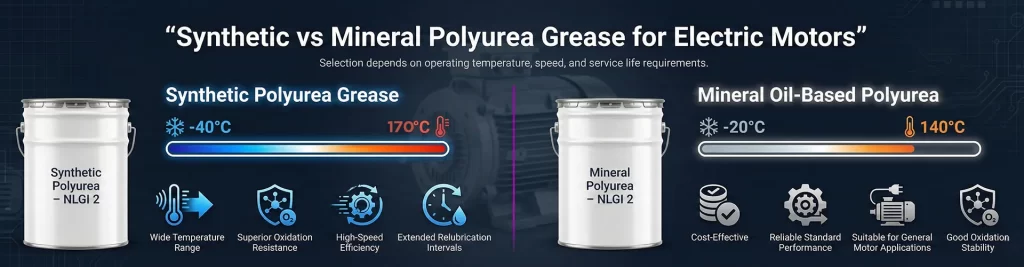
Synthetic Polyurea vs Mineral Oil Polyurea
There are different types of polyurea greases, and they all are not the same.
Synthetic Polyurea Grease
Synthetic polyurea grease uses synthetic base oils. It offers:
- Wide range of operating temperatures
- Better efficiency at low temperatures
- Superior resistance to oxidation
These properties make it an ideal choice for:
- Crucial motors
- Continuously running industrial applications
- Motors exposed to temperature fluctuations
Take a look at Rexol Synthetic Polyurea Grease
Polyurea Grease Mineral Oil based
Mineral-based polyurea grease still performs very well in many standard motor applications and offers a good balance between performance and cost.
Check out Rexol Polyurea Grease (Mineral Oil Based)
Why NLGI-2 Is the Most Common Choice for Electric Motors
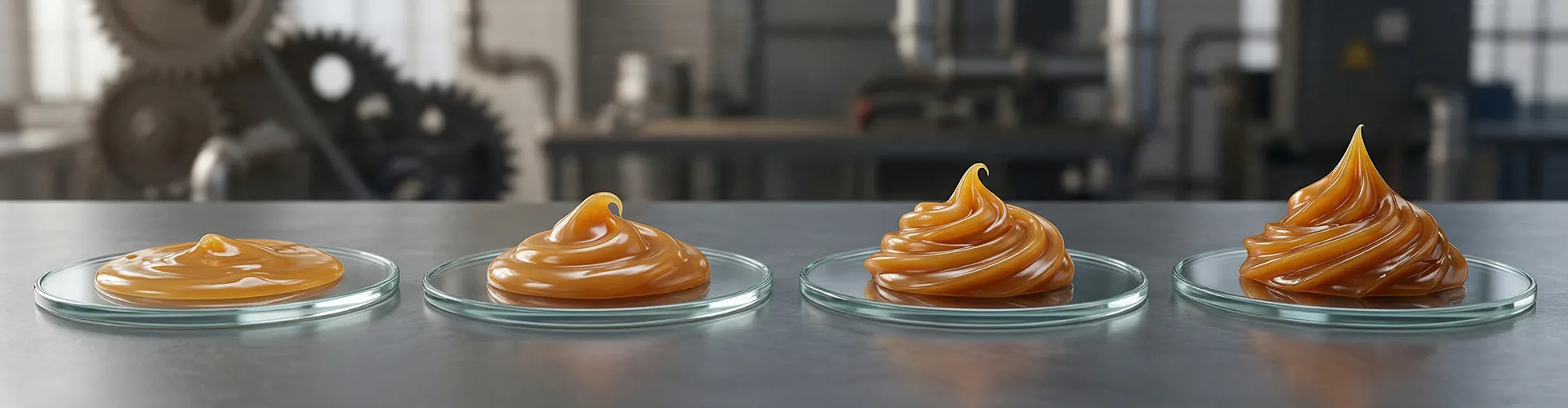
NLGI-2, the most widely used grease type, is well known for its consistency. It protects against contaminants, doesn’t lose its structure at high speed, and offers stable grease distribution within bearings.
While softer greases (NLGI-1) may be used in very high-speed or low-temperature environments, NLGI-2 remains the industry standard for most electric motor bearing grease applications.
Common Electric Motor Applications Using Polyurea Grease
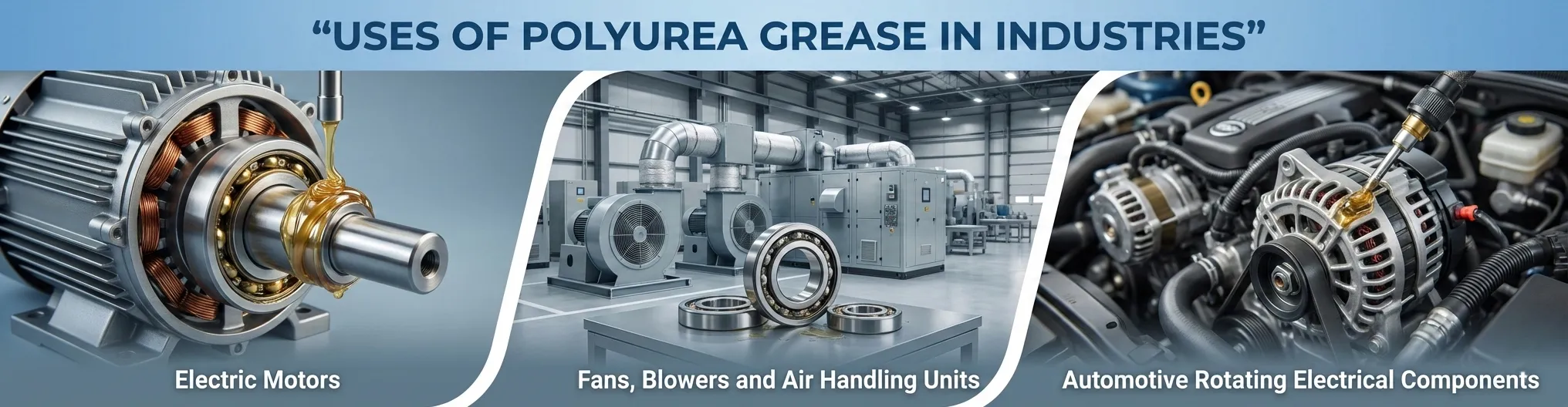
Polyurea grease is widely used in:
- Industrial electric motors
- HVAC fan motors
- Cooling tower fan motors
- Pump motors
- Conveyor drive motors
In many cases, polyurea grease is also factory-filled in sealed bearings supplied by OEMs.
Grease Compatibility: A Critical Warning
One major thing to take care of with polyurea grease is: compatibility.
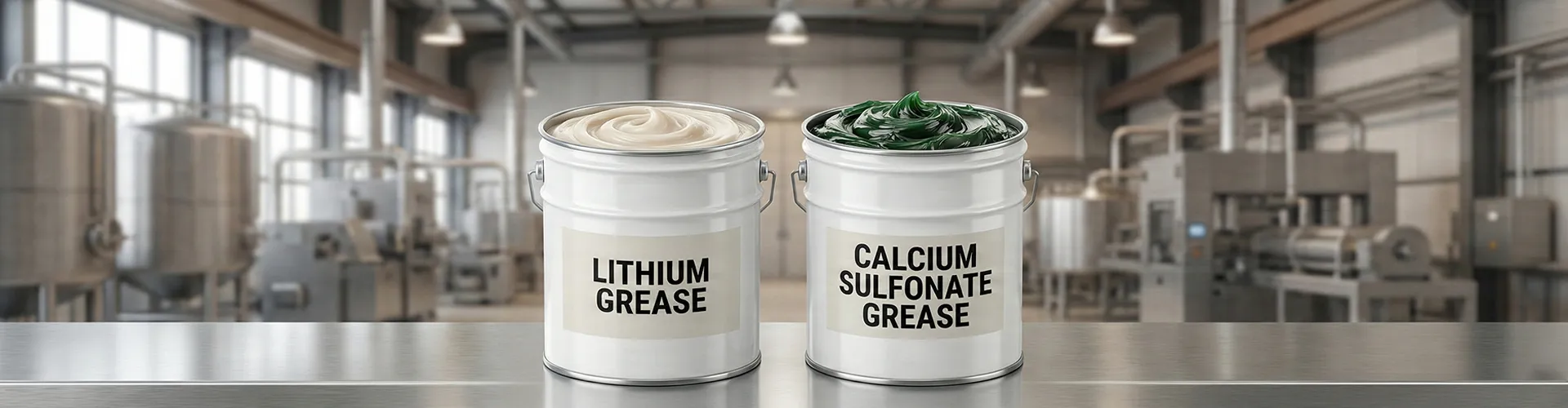
It is not always compatible with calcium or lithium greases. Mixing these incompatible greases can lead to softening or hardening of grease, oil separation or reduced performance
When you are switching to polyurea grease:
- First fully remove the old grease
- Second properly clean the motor
- After proper cleaning, follow proper procedure to switch the grease
- Avoid topping up with a different thickener type
How Rexol Supports Electric Motor Grease Requirements
Rexol manufactures a high-quality polyurea grease range designed especially for electric motor applications.
Key features of Rexol’s polyurea greases:
- Stable NLGI-2 consistency
- Excellent oxidation resistance
- Smooth performance at high speed
- Suitable for both mineral and synthetic formulations
These greases are developed with real industrial motor conditions in mind—not just lab tests. Check our latest update about high temperature greases for industrial equipment.
Best Practices for Lubricating Electric Motors
Even the best grease for electric motors can fail if lubrication practices are poor. So, it is very crucial to follow the proper process to get the best performance from polyurea grease.
This process includes:
- Using the correct relubrication quantity
- Avoid over application of grease (a common cause of motor failure)
- Match grease viscosity to bearing speed
- Monitor bearing temperature and noise
- Follow OEM lubrication intervals
Final Thoughts
Electric motor bearings require proper lubrication for a long run. The wrong grease can quietly reduce efficiency, increase energy consumption, and shorten bearing life.
For most modern motors, polyurea grease for electric motors—especially NLGI-2 and synthetic polyurea grades—offers the best balance of longevity, stability, and performance.
When reliability, uptime, and low maintenance matter, polyurea grease is not just a recommendation—it’s a proven industry choice. Check our update about start your own grease brand.
Rexol supports you in producing high-performance polyurea grease under your own brand name. Explore our private label grease process on the Private Label Grease Manufacturing page. Choose private labeling and rely on expert manufacturers for proven formulations and consistent quality.