OEM vs Private Label Grease Manufacturing – Which Is Right for You?
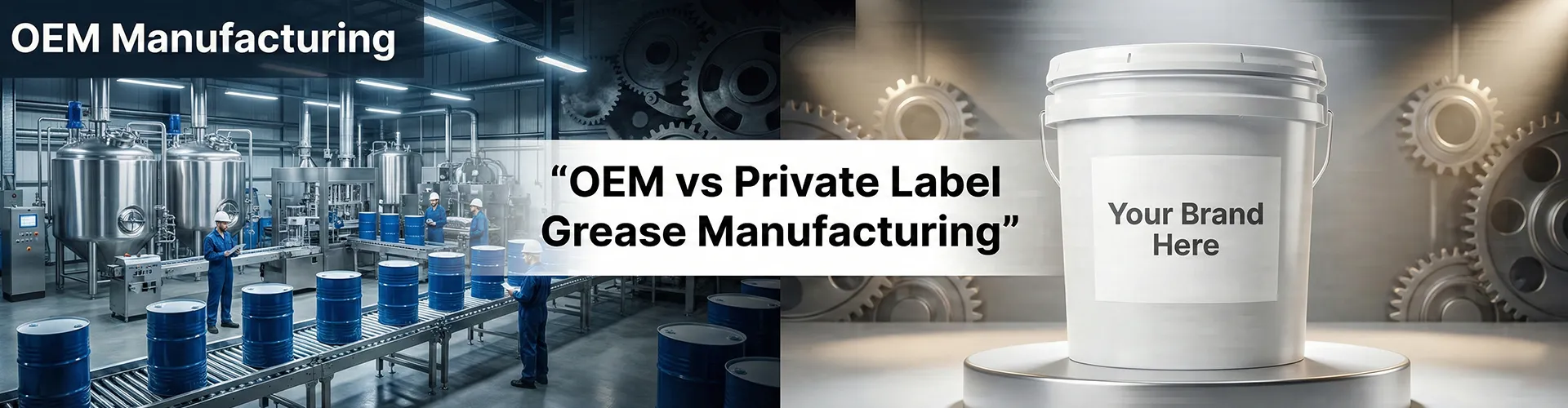
If you’re planning to enter the lubricants market or expand your existing product range, one of the first strategic decisions you’ll face is choosing between OEM grease manufacturing and private label grease manufacturing.
Both models are widely used in the global lubricants industry, but they serve very different business goals. Understanding the real differences between OEM vs private label grease is going to help you avoid costly mistakes and choose a model that will fit your market strategy, investment capacity, and long-term vision.
This guide explains how each approach works, compares OEM grease vs private label manufacturing in practical terms, and helps you to decide which option is right for your business. Learn More about start your own grease brand.
What Is OEM Grease Manufacturing?
OEM grease manufacturing refers to grease products that are produced specifically for equipment manufacturers or industrial brands. These greases are typically designed to meet exact technical specifications defined by the OEM and are often supplied for use during equipment assembly or recommended for warranty-approved maintenance.
The grease formulation, performance parameters, and approvals are controlled in this model,
Key Characteristics of OEM Grease Manufacturing
- Strict performance and validation requirements
- High emphasis on consistency and compliance
- OEM branding or equipment-specific labeling
- Custom-developed formulations
- Long-term supply agreements
OEM grease manufacturing is commonly used in sectors such as:
- Power generation and mining OEMs
- Industrial equipment producers
- Automotive OEMs
- Heavy machinery manufacturers
Businesses can often explore dedicated OEM manufacturing to understand technical and approval requirements for more details.
What Is Private Label Grease?
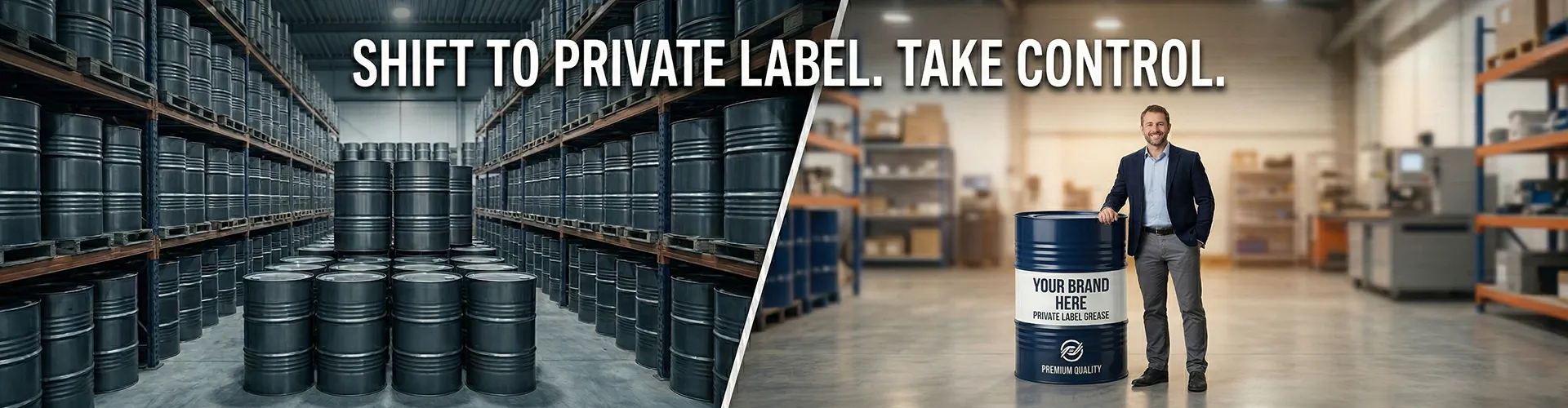
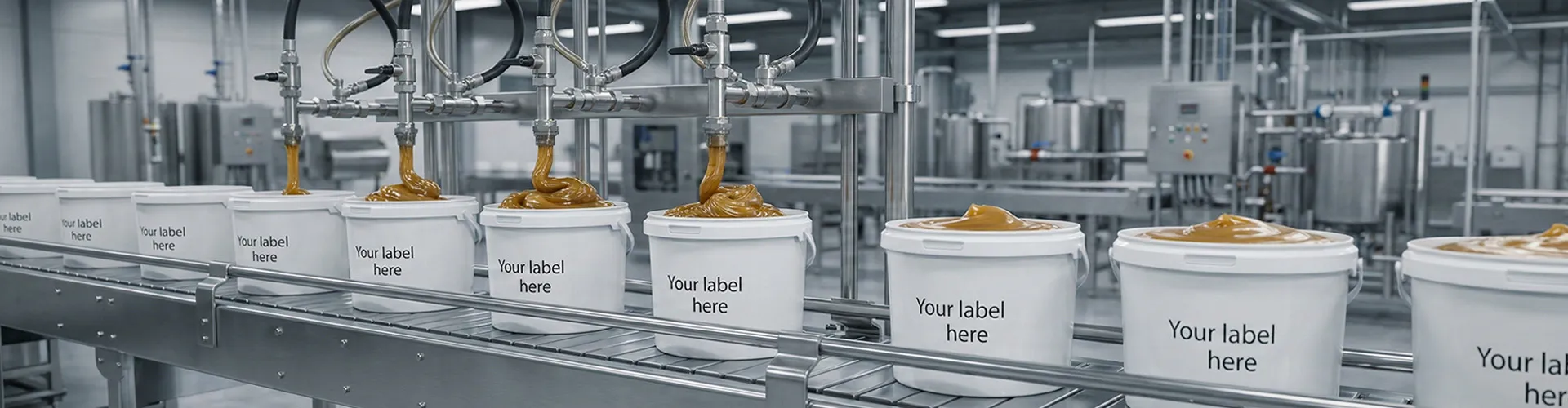
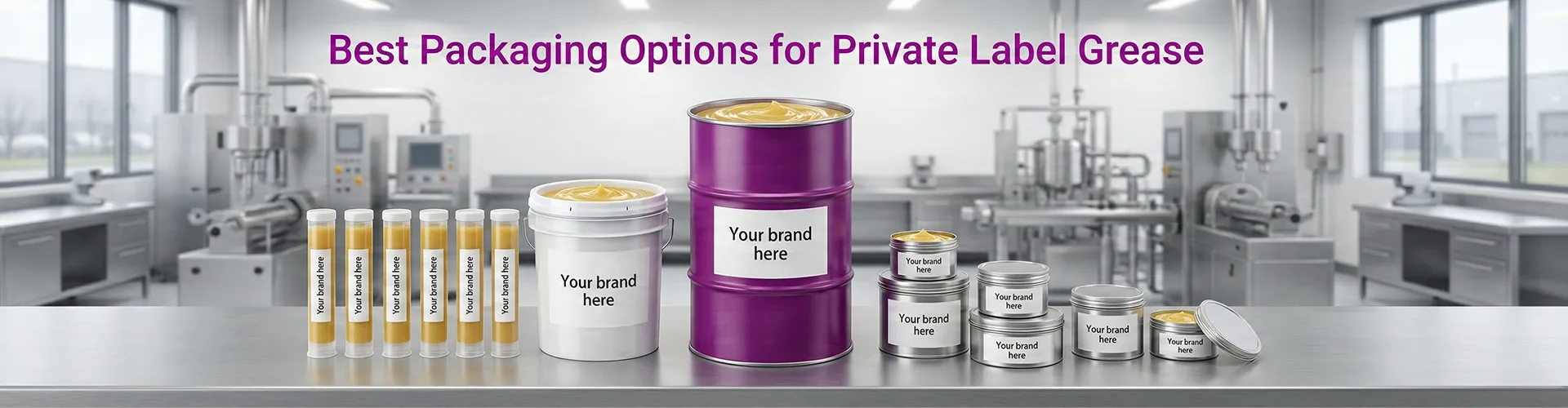
Private label grease manufacturing allows you to sell grease products under your own brand name, while the manufacturing is handled by an experienced manufacturer. Brands should focus on marketing, distribution, and customer relationships instead of building production facilities.
This is widely used by:
- Export-focused trading companies
- Automotive aftermarket brands
- Lubricant distributors
- Industrial suppliers
Features of Private Label Grease Manufacturing are
- Flexible MOQs depending on project size
- Full branding and packaging support
- Faster time to market
- Ready or semi-custom formulations
- Easier market entry
Private label grease is allowing a brand the freedom to build their own identity without the complexity of in-house manufacturing. This is why many companies start by exploring a Private Label Grease Manufacturing page before launching.
Key Differences Explained: OEM vs Private Label Grease:
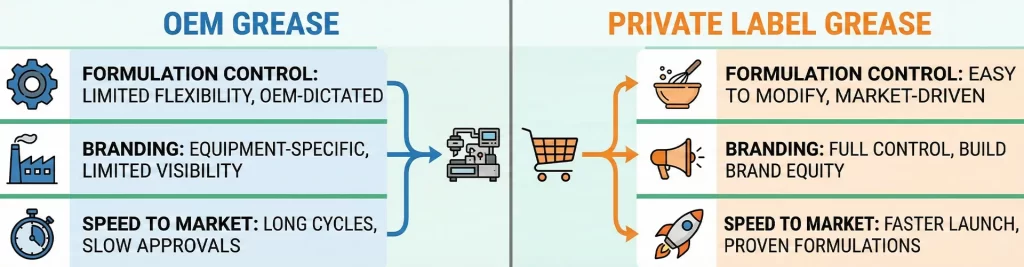
1. Control Over Formulation
OEM Grease Manufacturing
- Limited flexibility once specifications are finalized
- Formulation is usually dictated by the OEM
- Requires extensive testing and approvals
Private Label Grease Manufacturing
- Easier to modify product range as demand evolves
- Formulations can be selected or adjusted based on market needs
- Ideal for distributors serving diverse applications
If you need absolute technical control for equipment warranty purposes, then the OEM grease manufacturing is the better fit. If market flexibility matters more, then the private label grease offers clear advantages.
2. Branding and Market Positioning
OEM Grease
- Limited visibility outside OEM-approved channels
- Branding is often tied to equipment or industrial systems
Private Label Grease
- Full control over brand name, packaging, and positioning
- Ability to build long-term brand equity
- Easier to differentiate in competitive markets
That is why many companies are comparing private label vs OEM lubricants and choose private label when brand ownership is a priority.
3. Investment and Entry Barriers
OEM Grease Manufacturing
- Usually suited for established manufacturers
- Longer approval timelines
- Higher development and testing costs
Private Label Grease Manufacturing
- Suitable for both new and established businesses
- Lower upfront investment
- Faster product launch
Private label grease can significantly reduce the risk for companies entering a new region or testing demand. You can find the private label grease pricing model.
4. Speed to Market
OEM Grease
- Long development cycles
- Approval processes can take months or years
Private Label Grease
- Proven formulations already available
- Faster production and delivery timelines
Speed is often a deciding factor when choosing between OEM grease vs private label for fast-growing markets.
5. Product Range Flexibility
OEM Grease Manufacturing
- Focused on specific applications
- Limited product variety
Private Label Grease Manufacturing
- Easy to build a full grease portfolio
- Covers automotive, industrial, marine, and heavy-duty segments
Many private label brands start with different core products such as:
- Lithium EP2 Grease
- Multipurpose NLGI 2 Grease
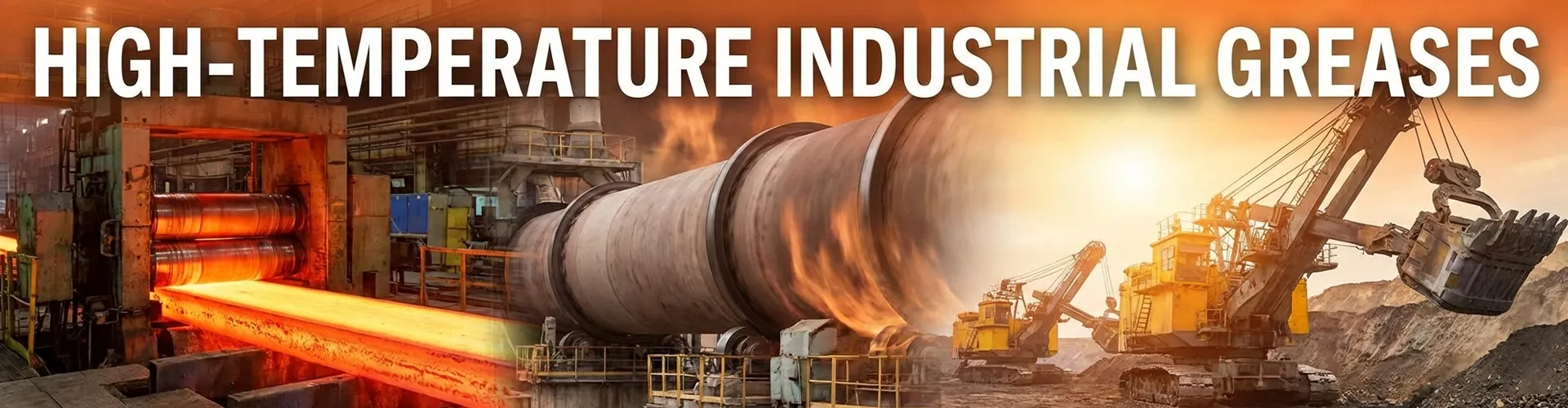
- High-Temperature Grease
- Lithium Complex EP 220 or EP 460
Formulations similar to Rexol Lithium Complex EP 220 and EP 460 are often used as benchmarks due to their reliability across heavy-load applications.
When OEM Grease Manufacturing Makes Sense
OEM grease manufacturing is the right choice when:
- You supply grease directly to equipment manufacturers
- Warranty compliance is critical
- Custom specifications are non-negotiable
- Long-term supply contracts justify higher development costs
OEM manufacturing focuses on precision, not speed.
When Private Label Grease Is the Better Option
Private label grease manufacturing is ideal if:
- You want to launch or expand your own grease brand
- You serve multiple industries or regions
- Flexibility and speed matter
- You want to control branding and pricing
This model is working especially well for export-driven businesses and aftermarket-focused distributors.
This grease type is also available for Private Label production under your own brand name, allowing you to compete with established brands without manufacturing complexity.
Can You Combine OEM and Private Label Models?
Yes—many established lubricant companies use both models.
- OEM grease manufacturing for strategic, high-spec contracts
- Private label grease for aftermarket and distributor channels
Working with a manufacturer that supports both approaches allows you to scale intelligently while diversifying revenue streams.
Choosing the Right Manufacturing Partner
Whether you choose OEM or private label grease manufacturing, the right partner should offer:
- Long-term formulation stability
- Flexible production planning
- Consistent quality control
- Technical documentation (TDS, MSDS)
- Export-ready packaging
Manufacturers like Rexol are supported by both OEM grease manufacturing and private label grease programs, allowing businesses to grow without switching suppliers as their needs evolve. Find the latest update about private label grease opportunities in Uzbekistan.
Final Thoughts: OEM vs Private Label Grease
There is no one-size-fits-all answer when comparing OEM vs private label grease. The right choice depends on your market, customers, investment level, and long-term goals.
- OEM grease manufacturing prioritizes precision, approvals, and equipment-specific performance
- Private label grease manufacturing focuses on speed, branding, flexibility, and market reach
Understanding these differences will help you to choose a model that supports sustainable growth, not just short-term sales.
If you’re unsure which path fits your business, working with a manufacturer experienced in both OEM and private label lubricants can help you make an informed, future-proof decision.