Private Label Grease Pricing Model—What Really Affects the Cost?
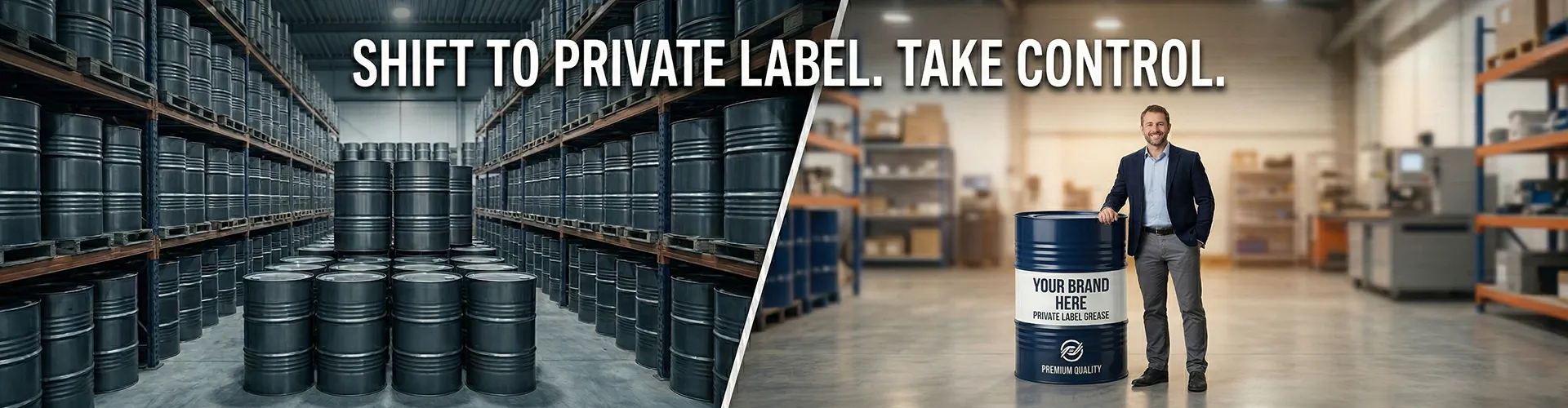
One of the primary concerns businesses have while starting private label grease is, “How much does private label grease cost?” The answer is—it depends on different factors. It may sound a little confusing, but there are practical reasons why there is no single fixed private label grease price.
Private label grease pricing depends on the combination of raw materials, formulations, volumes, packaging, and logistics. It also depends on how you wish to represent your brand in the market. This article explains to you the main factors that affect the private label grease cost in depth so you have a clear picture before entering the market and starting with private label grease.
First, what do we actually mean by “private label grease pricing”?
When we talk about grease private label pricing, then we actually refer to the total cost of a grease product, which includes:
- Grease formulation
- Manufacturing and quality control
- Packaging and labeling
- MOQ
- Logistics and documentation
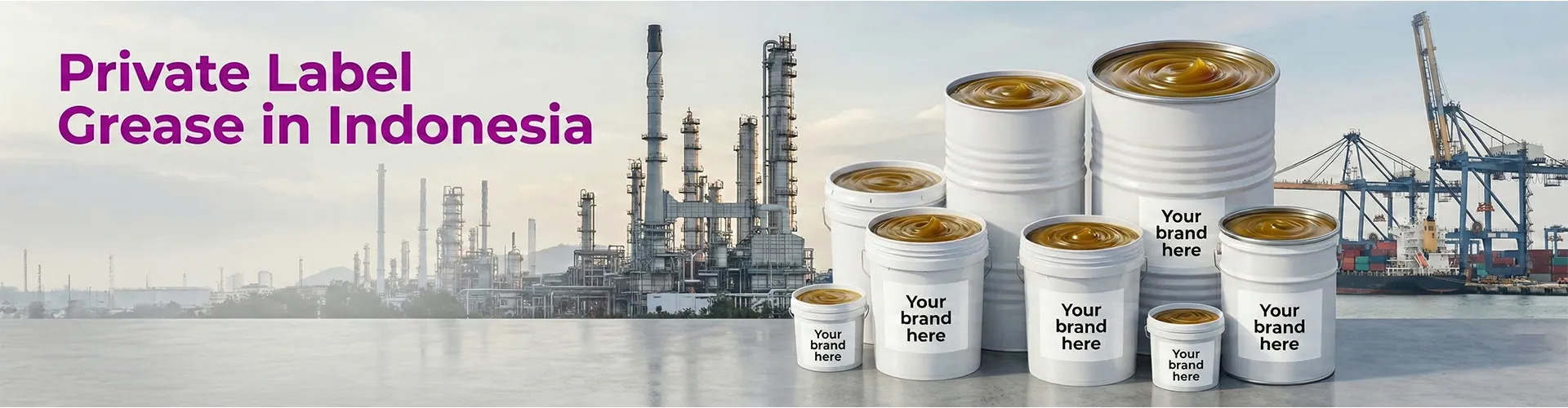
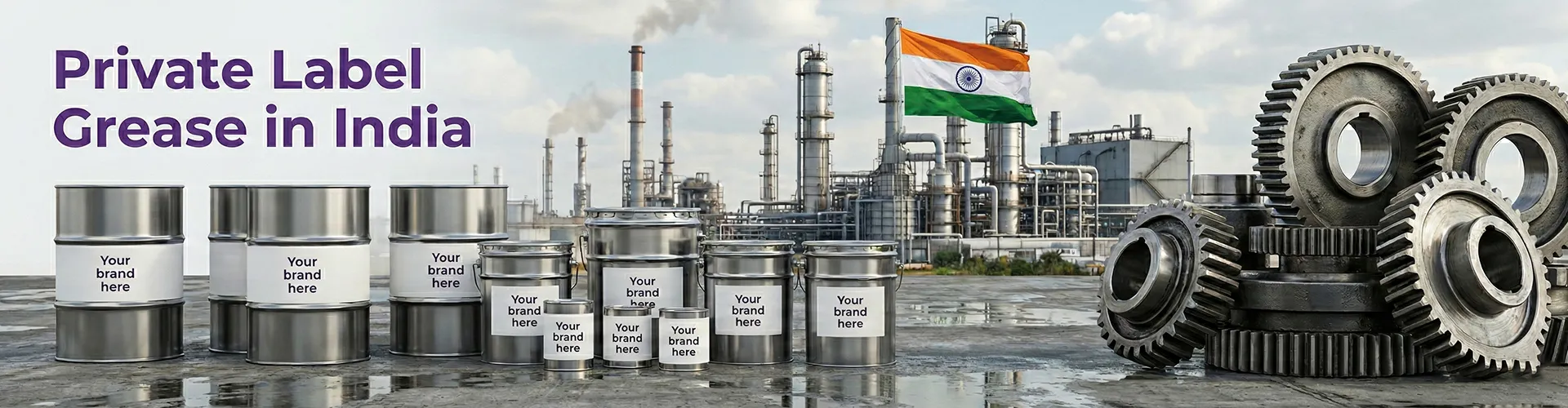
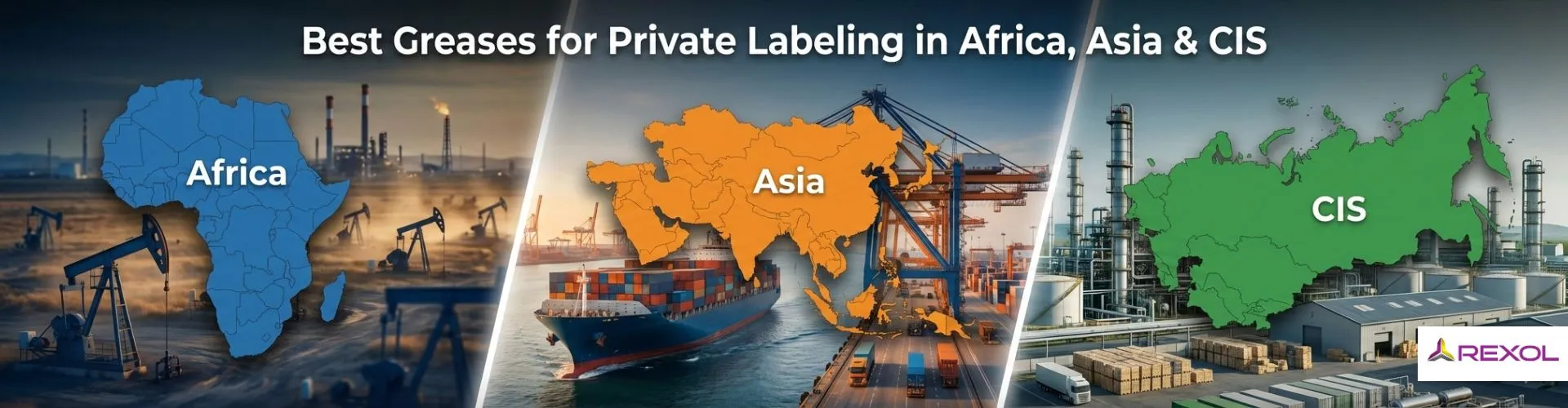
Unlike buying an off-the-shelf branded product, private label grease is built around your commercial plan. That flexibility is powerful—but it also means pricing is variable. Best grease formulation for private labeling in Africa.
1. Grease formulation: the major cost factor
The type of grease you choose plays the biggest role in the private label grease price.
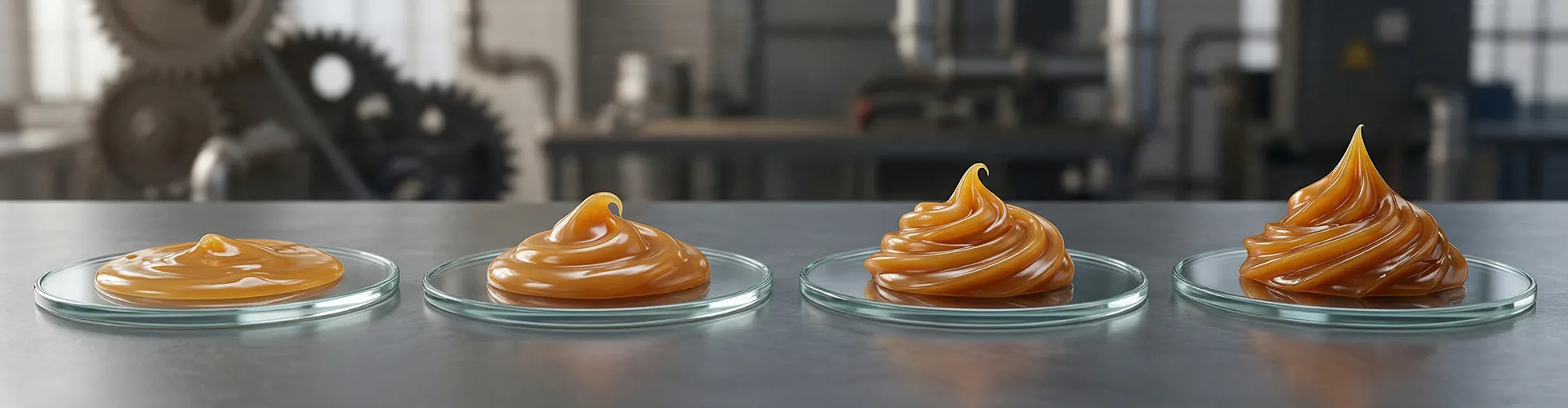
Thickener system
Different thickeners have very different cost structures:
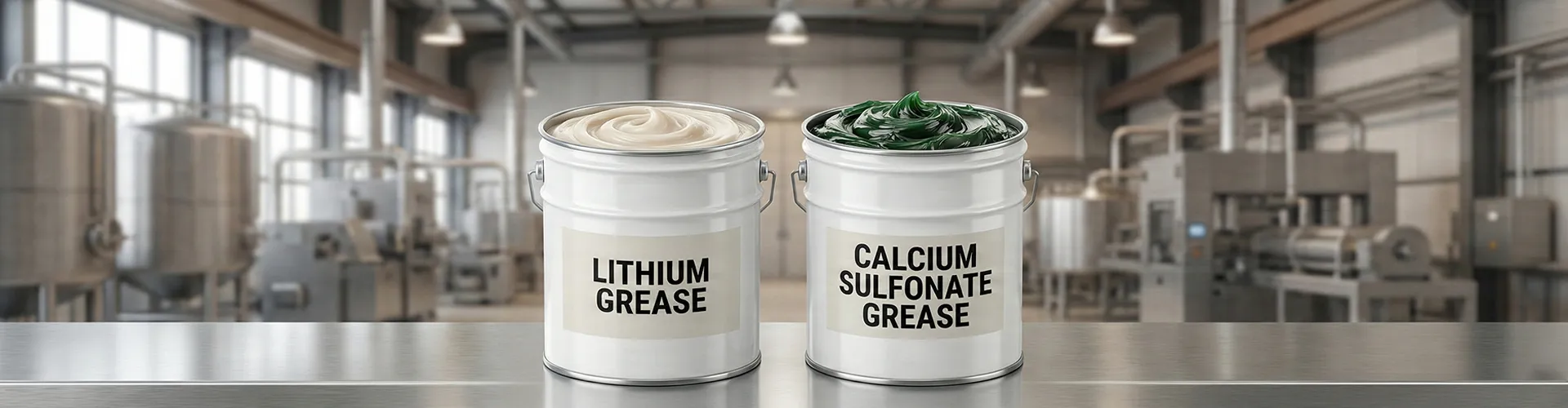
- Lithium greases are mostly low-cost
- Lithium complex greases are slightly costlier due to higher-temperature performance
- Polyurea greases are costly than Lithium complex and lower than calcium sulfonate greases because of formulation complexity
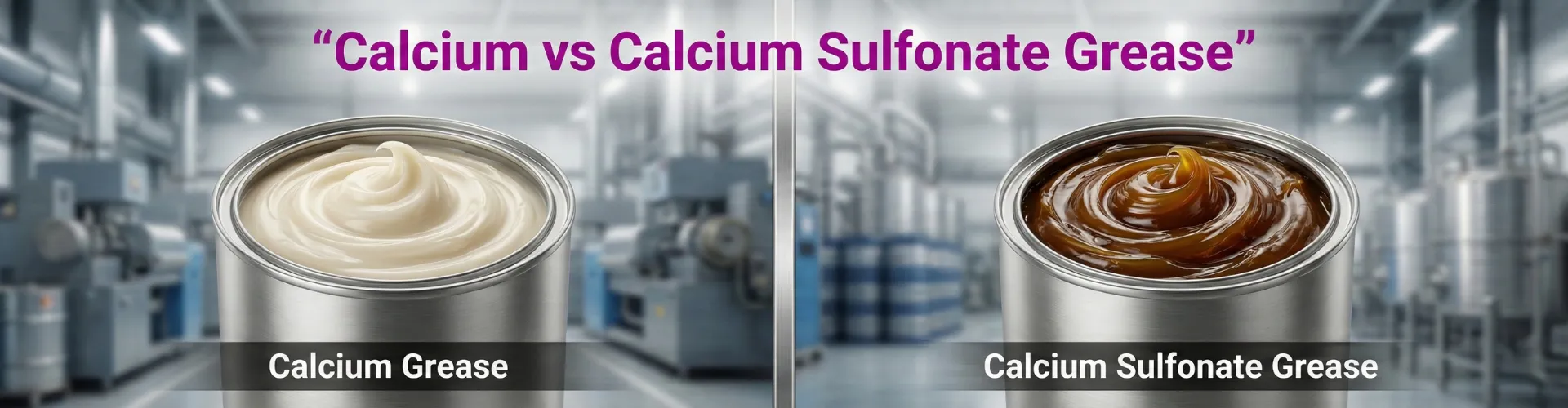
- Calcium sulfonate greases are the premium end due to raw material and processing costs
For example, a high-performance calcium sulfonate grease will always have a higher cost than a standard Lithium EP grease.
Check out our wide product range and select the best grease that suits your market.
Base oil type
Synthetic or semi-synthetic greases are costlier because they provide better performance in high temperatures or long service intervals. Mineral oil-based, on the other hand, is a more cost-effective option.

2. NLGI grade and performance level
NLGI grade doesn’t directly affect the price. But the performance level does affect the cost of the grease. If your grease needs customization like a higher dropping point, stronger EP properties, better oxidation resistance, and longer relubrication intervals, then the additives used must also have advanced properties to match these requirements. This directly affects the private label grease price.
This is why two greases that look similar on paper can have noticeably different pricing.
3. Packaging—the most underrated factor
The most underrated factor when calculating the private label grease cost is the packaging.
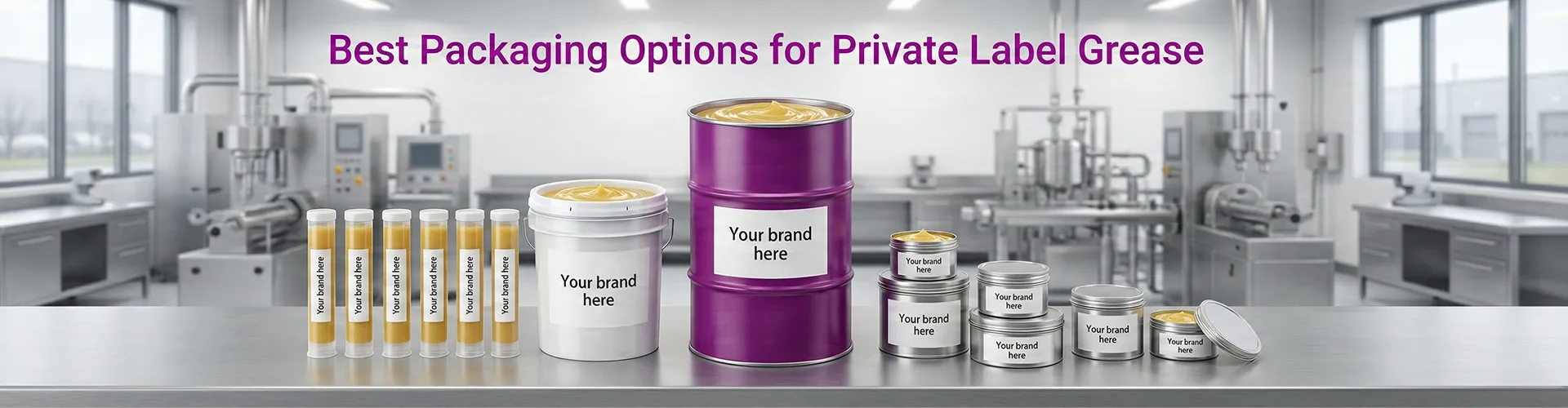
Common packaging formats
- Cartridges (400g / 450g)
- Metal cans (500g to 4kg)
- Buckets (10kg, 15kg, 20kg)
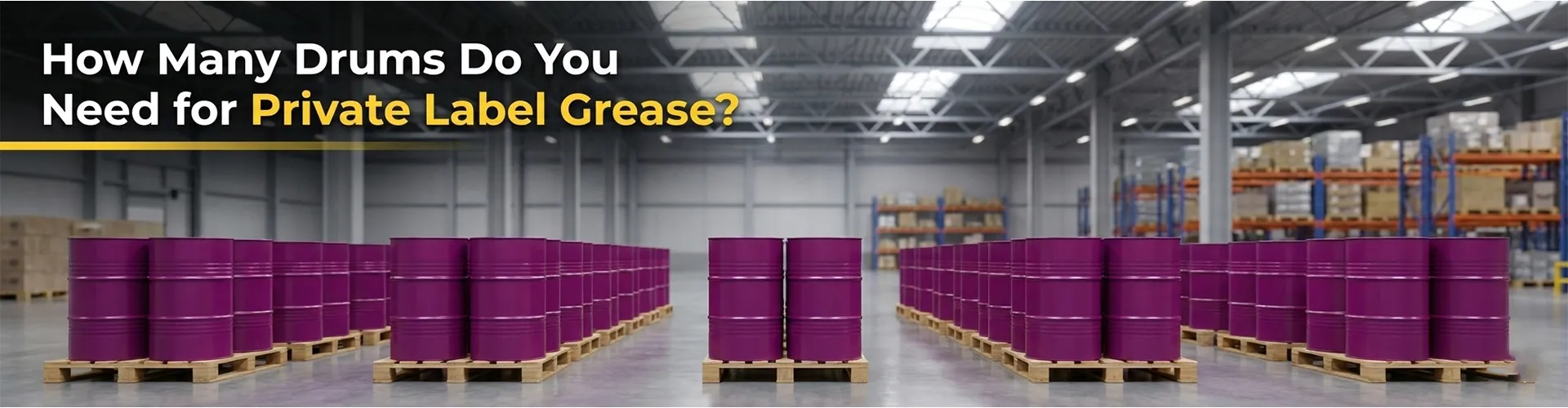
- Drums (180kg)
Different packaging formats have different pricing patterns. For example, drums offer the lowest per-kg pricing. Cartridges, on the other hand, are on the higher side because of the packaging material, filling precision, and labor.
If your market is price-sensitive, packaging strategy alone can make a big difference.
4. Label design and branding level
Most private label grease costs are inclusive of basic label printing. If the labels require more complex branding, like multiple colors, special touches, or multilingual labels, then it can add cost.
This doesn’t usually dominate the private label grease cost, but it can influence your final landed price—especially at smaller volumes.
5. MOQ and order volume
MOQ is one of the most misunderstood parts of the grease private label pricing.
Lower volumes almost always mean:
- Higher per-unit cost
- Less raw material optimization
- Higher setup cost per batch
Higher volumes allow manufacturers to:
- Optimize production
- Reduce waste
- Spread fixed costs
This is why the same grease can have very different pricing at different quantities.
Rexol helps with flexible MOQs depending on the project size. This allows the brands to start small and slowly grow.
6. Export logistics and destination
Export cost is often overlooked when people ask, “How much does private label grease cost?”
Factors that are included in export cost are:
- Destination country
- Shipping mode (road, sea)
- Palletization
- Documentation requirements
- Container utilization
For example, exporting from the UAE to distant markets is costlier than exporting to nearby regions like the Middle East or Africa.
Rexol avoids hidden costs by smoothly managing the export documentation and executing proper logistics planning.
So… how much does private label grease actually cost?
Instead of a number, here’s the realistic answer:
Private label grease price is a combination of formulation, packaging, volume, and market strategy.
Two customers ordering “polyurea grease” can end up with very different pricing because their performance expectations, packaging, MOQs and target markets are totally different. OEM vs private label cost comparison
This is where Rexol’s procedure makes a big difference. Rather than giving you a fixed pricing template, Rexol customizes their approach according to your business goal. You can check our latest update about packaging cost considerations for private label grease.
1. Application-first product selection
Instead of giving you a high price, Rexol helps select the right grease—not the most expensive one.
You can explore Rexol’s wide product range and select the right grease that best suits your market.
2. Flexible MOQs
Rexol designed MOQ in such a manner that it supports new brands, market testing, and gradual scaling.
3. Transparent pricing logic
Rexol justifies the product cost so that the customers can adjust volume, formulation, or packaging to reach their target price.
4. End-to-end private label support
Starting from selecting the right grease type to exporting the finished product to the destination, Rexol handles it all. This support reduces the delays and coordination costs.
You can learn more about the overall process here: Private Label Grease Manufacturing
Final thoughts
If the question is “How much does private label grease cost?”, the better question will be:
“What combination of performance, packaging, and volume fits my market?”
It’s not about finding the cheapest option for private label grease, it’s about finding the correct balance between performance, cost, and reliability.
With Rexol, the right partner, the private label grease business becomes a more scalable and profitable business. If you want a region based approach for a private label grease, you have to check our latest update about Private label grease in Saudi Arabia, and Private label grease in Japan.
Talk to our technical team now and learn more about private label grease.