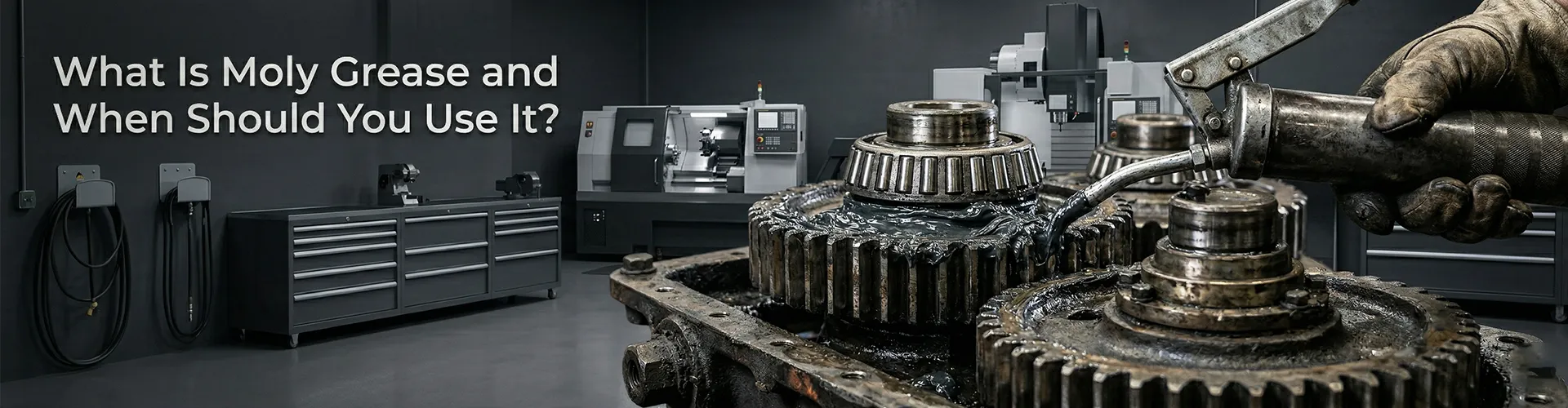
What Is Moly Grease and When Should You Use It?
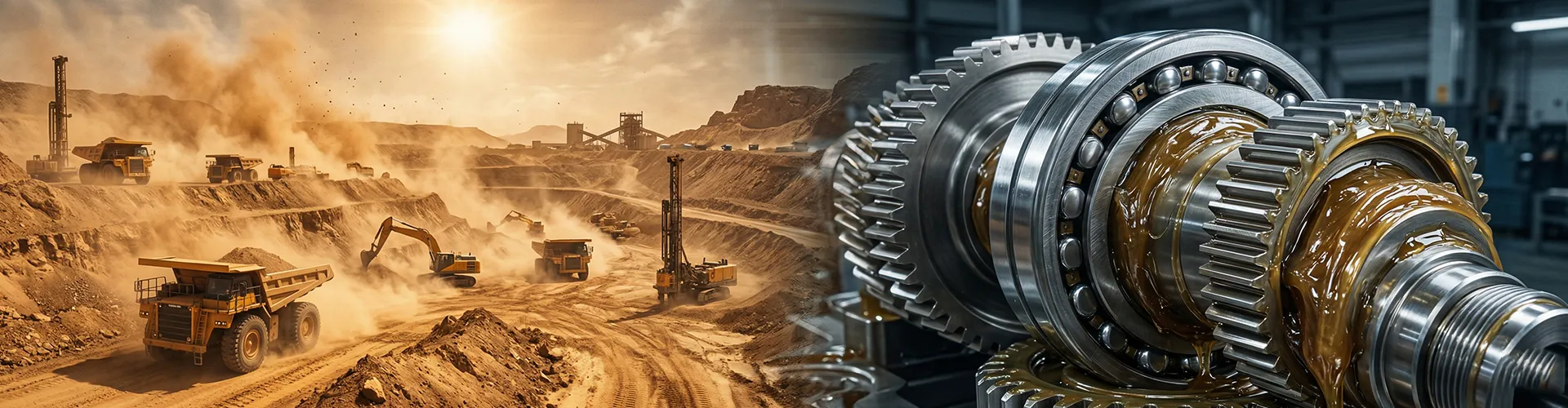
In heavy-duty lubrication, few products are as widely discussed and misunderstood as moly grease. It is known for its ability to handle extreme pressure and shock loads. Moly grease is commonly used in construction, mining, agriculture, and off-road equipment.
This guide will explain what is moly grease, where it performs best, and how to use it correctly without risking over- or misapplication.
What Is Moly Grease?
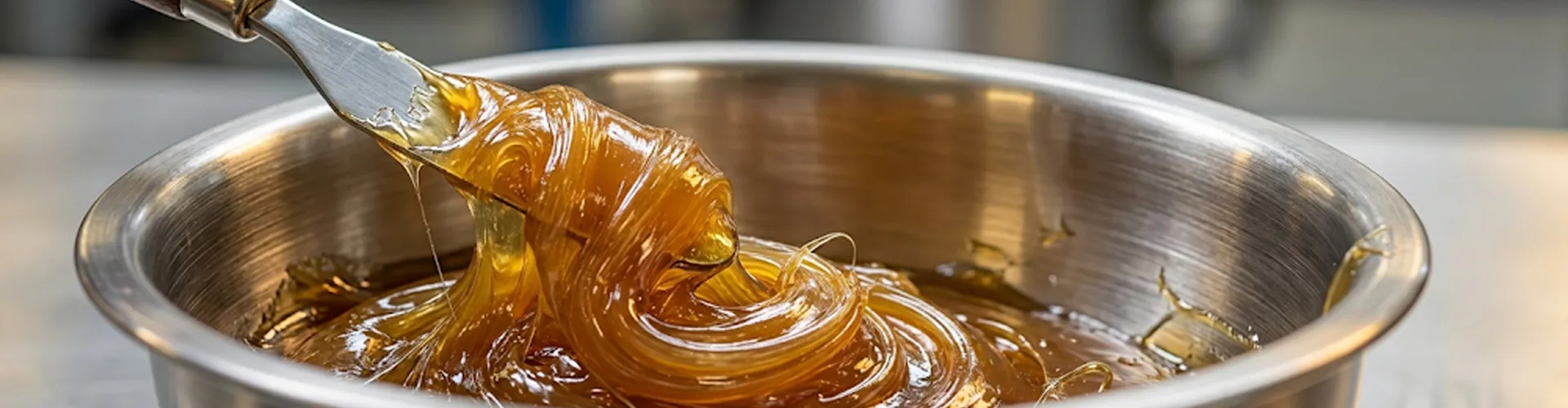
Moly grease is a lubricating grease formulated with molybdenum disulfide as a solid lubricant additive.
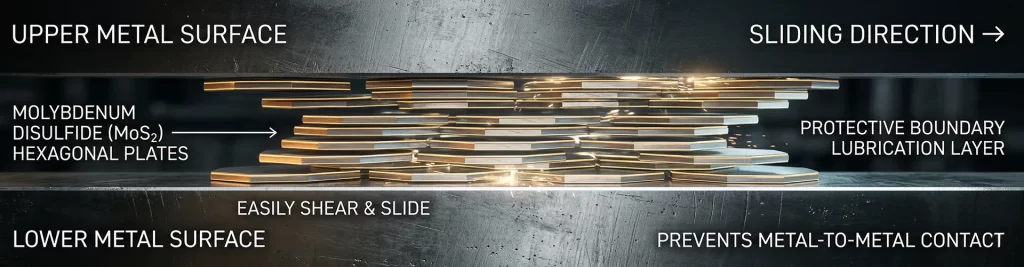
Molybdenum disulfide forms a microscopic, plate-like layer on metal surfaces. This layer:
- Reduces friction
- Prevents metal-to-metal contact
- Continues to protect even if the grease film is displaced
This is why moly grease is often described as a “boundary lubrication” solution. It protects surfaces when conventional oil films fail.
Lithium Molybdenum Grease Explained
Most commercial moly greases are based on a lithium soap thickener, creating what is commonly called lithium molybdenum grease.
This formulation combines:
- The mechanical stability and water resistance of lithium grease
- The extreme-pressure protection of molybdenum disulfide
The result is a grease designed for high-load, slow-speed, shock-prone applications.
Rexol’s molybdenum grease range follows this proven formulation philosophy for demanding industrial and off-road use.
What Does “3% Moly Grease” Mean?
When buyers refer to 3% moly grease, they are talking about the percentage of molybdenum disulfide content in the grease.
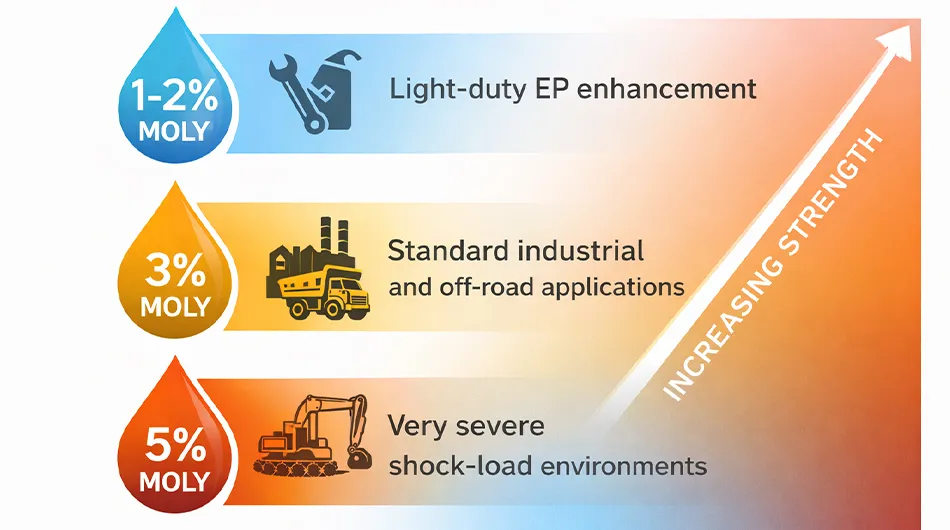
Typical moly concentrations include:
- 1–2% moly: Light-duty EP enhancement
- 3% moly: Standard industrial and off-road applications
- 5% moly: Very severe shock-load environments
A 3% moly grease will offer an excellent balance between protection and grease stability, making it one of the most widely used grades in heavy machinery.
How Moly Grease Works Under Load
Moly grease is particularly effective when:
- Equipment experiences frequent shock loading
- Loads are extremely high
- Motion is slow or oscillating
If grease is squeezed out of the contact zone, molybdenum disulfide remains bonded to the metal surface, continuing to protect against wear.
That is why moly grease is often specified where conventional EP greases may struggle.
Common Uses for Moly Grease Applications are
1. Construction and Earthmoving Equipment
One of the most common moly grease applications is in:
- Articulated joints
- Excavator pins and bushings
- Loader pivot points
- Track components
These components will operate under high loads, low speeds, and constant shock, ideal conditions for moly grease.
2. Mining and Quarry Equipment
Mining machinery demands maximum protection due to:
- Intermittent movement
- Heavy static loads
- Dust contamination
Lithium molybdenum grease provides reliable wear protection where relubrication intervals may be extended.
3. Agricultural Machinery
Moly grease is widely used in:
- Tractor linkages
- Harvester joints
- PTO components (where specified)
Its ability to protect during start and stop motions makes it suitable for seasonal equipment.
4. Industrial Sliding and Oscillating Components
Moly grease performs well in:
- Low-speed bearings under heavy load
- Slideways
- Guide rails
- Open gears (where grease is specified)
When You Should NOT Use Moly Grease
Moly grease is not suitable for every application despite its strengths.
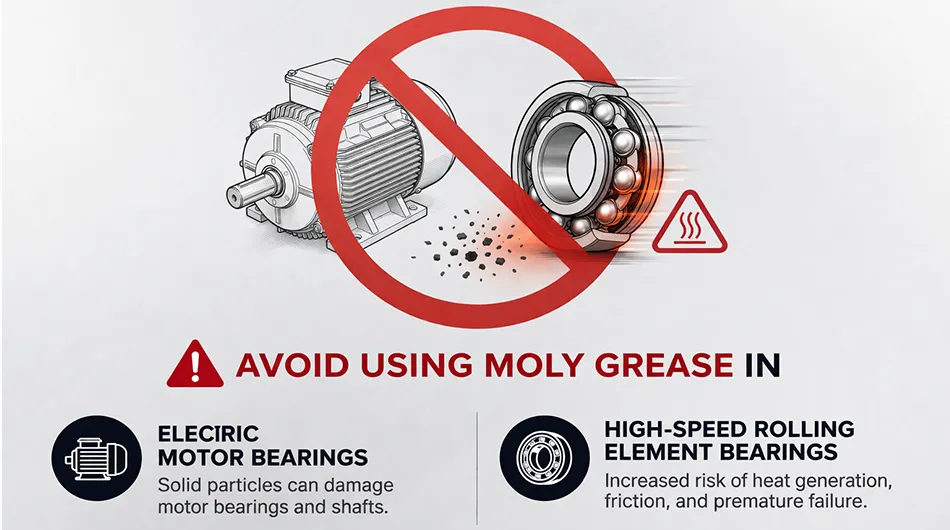
Avoid moly grease in:
- Electric motor bearings
- High-speed rolling element bearings
- Applications requiring ultra-clean lubrication
- Centralized lubrication systems not designed for solids
Solid moly particles can interfere with rolling motion and increase heat generation in high-speed bearings.
Moly Grease vs Standard EP Grease
| Feature | Moly Grease | Standard EP Grease |
| Solid lubrication | Yes | No |
| Shock load resistance | Excellent | Good |
| High-speed suitability | Limited | Better |
| Sliding applications | Ideal | Limited |
| Clean environments | Not recommended | Suitable |
This comparison highlights why moly grease should be selected based on application conditions not just load rating.
Rexol Molybdenum Grease Solutions
Rexol manufactures high-performance molybdenum greases designed for severe-duty applications, including:
- Lithium-based moly grease with optimized MoS₂ content
- Consistent EP performance under shock loading
- Excellent adhesion and mechanical stability
These products are developed to meet the needs of construction, mining, and industrial customers operating in harsh conditions.
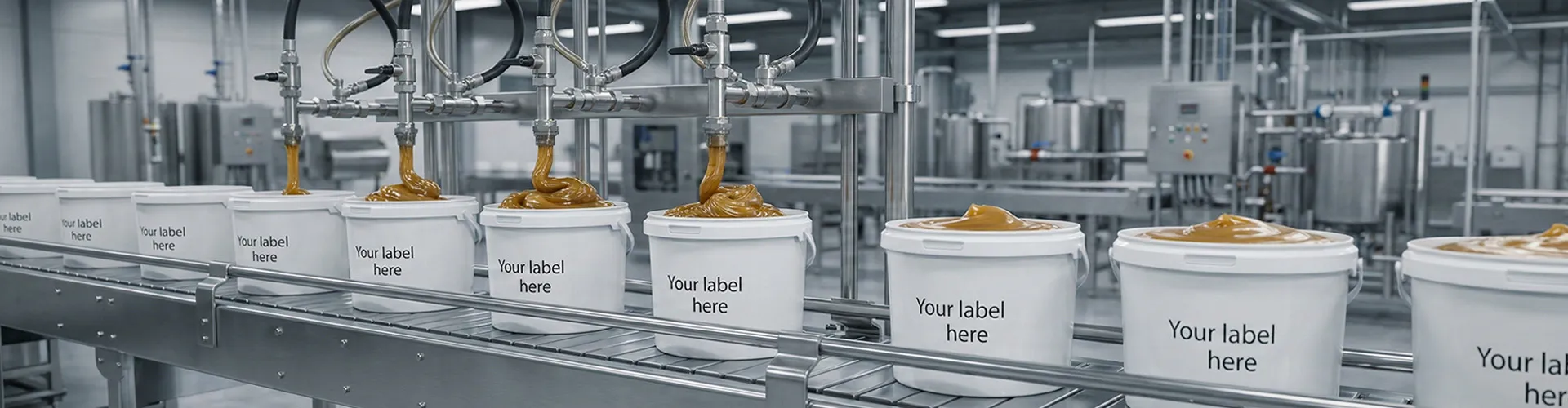
This grease type is also available for Private Label production under your own brand name.
Private Label Moly Grease Manufacturing
Moly grease is a strong candidate for private label programs due to its:
- Relatively standardized specifications
- Clear application positioning
- High demand in heavy industries
Rexol supports private label moly grease projects with:
- Export-ready formulations
- Flexible MOQs based on project size
- Custom branding and packaging formats
- Technical support and documentation
You can learn more on Rexol’s Private Label Grease Manufacturing page.
Final Thoughts
Moly grease is not a universal solution, but in the right application, it will deliver exceptional protection where standard greases fall short. Where boundary lubrication is critical, its strength lies in high-load, slow-speed, shock-prone environments,
Selecting moly grease correctly improves equipment life, reduces wear, and lowers maintenance costs. When in doubt, working with an experienced manufacturer like Rexol ensures the grease matches both the application and operating conditions not just the specification sheet.