Why Distributors Choose Private Label Instead of Big Brands
For decades, grease distribution followed a familiar pattern: buy from a big brand, sell at fixed margins, and compete mainly on price and availability. That model still exists—but it’s no longer the most attractive one.
Across many markets, more distributors are shifting toward private label grease. This is not about chasing trends. It’s about long-term business stability.
This guide explains to you why distributors are now shifting to private label grease and what this shift really means in day-to-day business.
The Changing Reality for Grease Distributors
Big brands come with a strong marketplace, but they do have some limitations. They have fixed pricing structures, formulations are fixed, control over the branding is little, and there is intense competition in the market.
As the market is growing, customers are becoming more price-sensitive, and distributors are finding a way to stand out without compromising on quality. That’s where private label lubricants for distributors start to make sense.
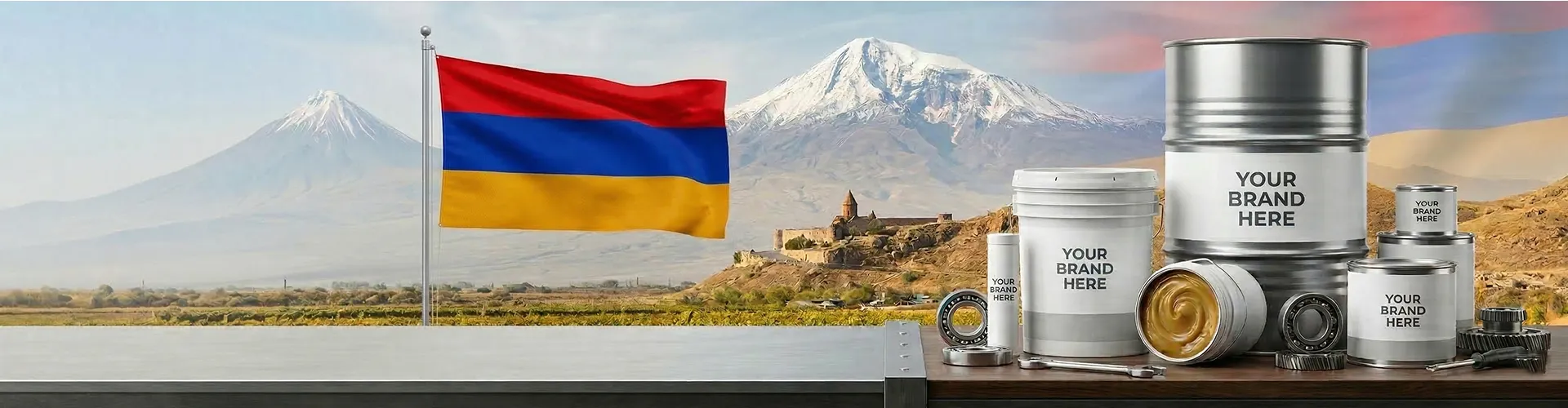
Private labeling allows distributors to sell proven grease formulations—manufactured by an experienced producer—but under their own brand.
What Private Label Really Means for Distributors
Private label grease does not mean low quality products or only generic products. Many private label projects produce greases in the same facilities as the branded products.
The only difference is ownership:
- You own the brand
- You control positioning
- You decide how the product is sold
For distributors, this shifts grease from a traded commodity to a branded asset.
Better Margins Without Compromising Quality
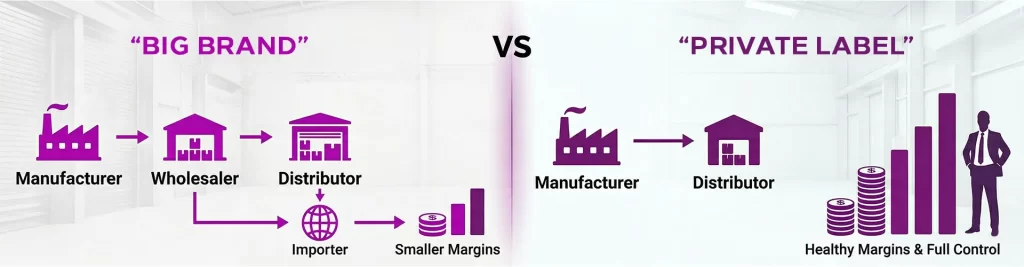
One of the main reasons why distributors turn to private labels is the margin control.
Big brands come with:
- Fixed pricing structure
- Limited discounts
- Many competitors
While on the other hand, private label grease manufacturing comes with:
- Full control over the cost
- Design your pricing strategy
- You build healthier margins
Because private label grease is produced directly by an expert manufacturer like Rexol, distributors avoid multiple layers of markup while still offering high-performance products.
No Direct Brand Competition
When selling a global brand, you are rarely the only distributor. Your customer can easily compare prices from another dealer selling the same grease.
Private label changes this dynamic completely.
When you sell grease under your own brand:
- You avoid direct price comparison
- Customers buy from you, not the brand
- Loyalty shifts from manufacturer to distributor
This is one of the most overlooked benefits of private label grease—it protects your customer base.
Flexibility to Match Local Market Needs
Big brands often design products for global averages, not local realities. Distributors know their markets better than anyone else.
Private label allows you to:
- Select grease grades that actually sell
- Focus on specific applications (automotive, industrial, marine, mining)
- Adjust product range based on demand
For example:
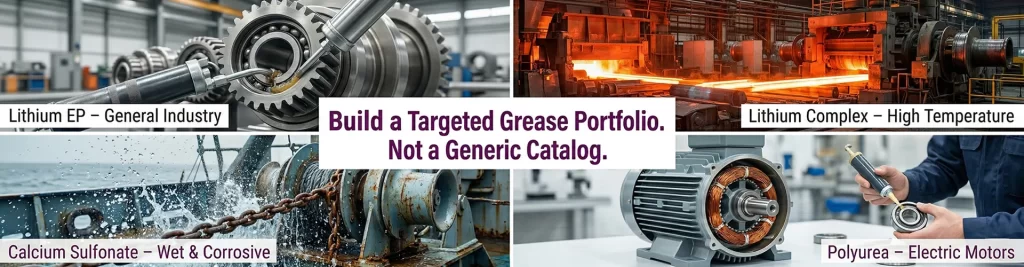
- Lithium EP grease for general industrial use
- Lithium complex grease for higher temperatures
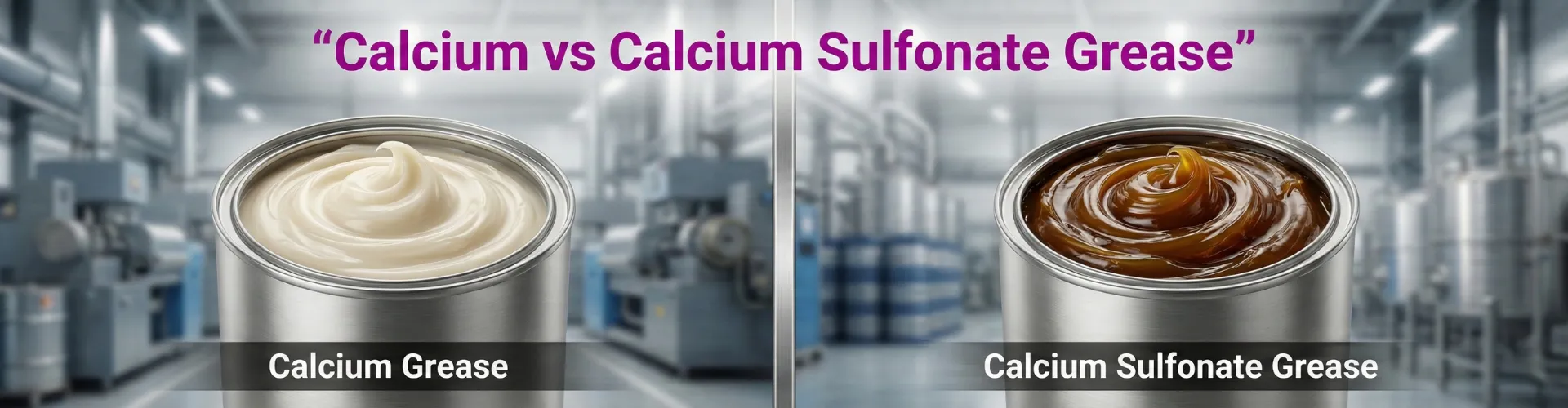
- Calcium sulfonate grease for wet or corrosive environments
- Polyurea grease for electric motors
Rexol supports this approach with a wide portfolio, including:
These can all be supplied under private label, allowing distributors to build a targeted product mix, not a bloated catalog.
Private Label Grease Builds Long-Term Brand Value
When distributors rely only on big brands, they are always building someone else’s brand equity.
With private label:
- Your brand scale with every sale
- Your packaging becomes more recognizable
- You create a strong bond between you and the customer
As the time passes, the small product line becomes a big business asset and this benefits the distributors who are looking for long-term growth and market expansion.
Reduced market barriers
The most common misunderstanding distributors have before starting a private label project is that it requires huge volumes and large investments.
In reality, experienced manufacturers offer
- Flexibility in MOQs
- Slow increase in the product range
- Support for new product launches
Rexol structures private label programs in such a way that it supports:
- Existing distributors to expand their product line
- New distributors to enter the grease market
This makes private label grease for distributors more approachable.
Consistent Supply Without Brand Dependency
When we rely on a single global brand, we are at risk of having issues like:
- Allocation issues
- Long lead times
- Sudden pricing changes
With private label, distributors don’t have to worry about these problems. Distributors directly work with the manufacturer, which improves the transparency.
Rexol supports distributors with:
- Consistent formulations
- Strong production planning
- Strict quality control
- Market-ready packaging and documentation
This reliability is critical for distributors supplying industrial customers who cannot afford downtime.
Technical Compromise
Another concern that is common in private label projects is the technical authority of the grease.
Private label grease manufacturers often provide:
- Detailed TDS and MSDS
- Proven high-quality formulations
- Technical support according to application
Distributors can easily market these products knowing that these private label products are designed to match the application requirements, which enhances the overall performance.
Why Rexol Is a Preferred Private Label Partner
Rexol focuses on long-term partnerships. It offers more than just a business unit to the distributors.
Rexol supports its distributors with:
- A wide range of greases
- Application based grease selection
- Branding and packaging support
- MOQs based on project sizes
- Experience in export across multiple regions
You can explore the full process on the Private Label Grease Manufacturing page.
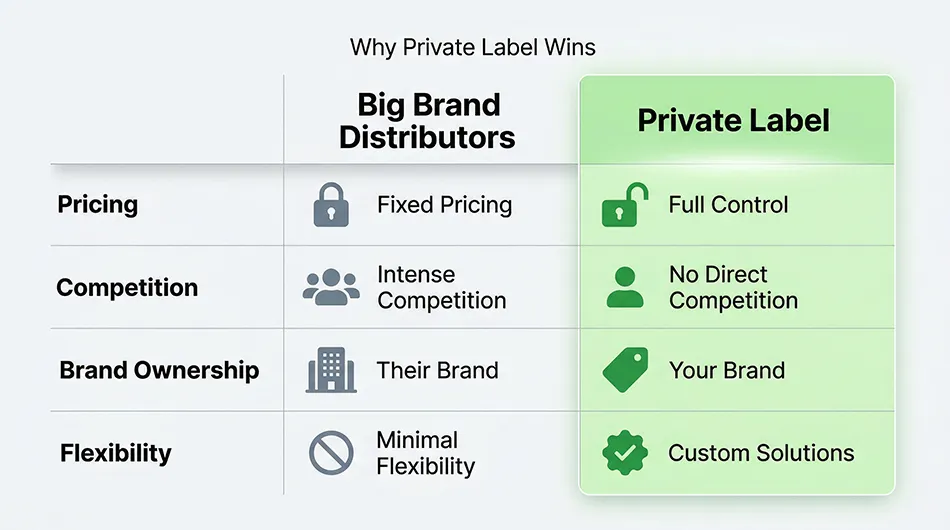
Big Brands vs Private Label: A Practical Comparison
Pricing: Due to a fixed pricing strategy, big brands offer limited control over price. While on the other hand private label gives you full control over the pricing
Competition: Big established brands have high competition compared to private label brands that are under their own name.
Brand ownership: Private label allows you to market your product under your brand name.
Flexibility: Big brands do have their own fixed strategy and formulations. Private label gives you the flexibility to customize your products according to your requirements.
This comparison shows why distributors are shifting to private label instead of big global brands.
Final Thoughts
Switching from big brands to private label doesn’t mean compromising on quality or taking shortcuts. It’s about taking control. Distributors who choose private label grease experience great benefits, and with the right manufacturing partner, private label grease becomes a growth strategy—not just another product.