Base Oil Selection in Grease (Mineral vs Synthetic)
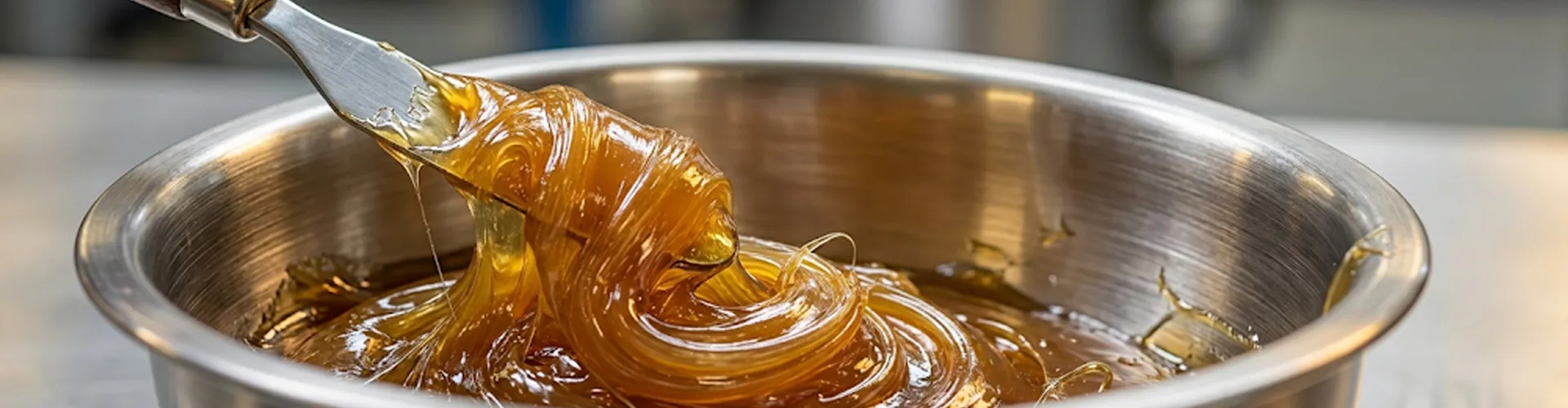
When talking about grease performance, people focus on lithium, calcium, or high-temperature greases. But the main thing that improves the performance is the grease base oil used. The thickener used in the grease simply holds the oil in place. When the grease is applied to the equipment, then it’s the oil that makes sure that it separates metal surfaces and prevents wear.
Therefore, understanding base oil selection is more essential, particularly when it comes to mineral vs synthetic base oil. Various maintenance practices totally depend on this choice.
This latest Rexol guide has put together all information regarding how grease base oil works, when mineral oil is sufficient, and where synthetic grease truly makes a difference. Explore our latest update about select the right grease for different applications.
What is base oil used in grease?
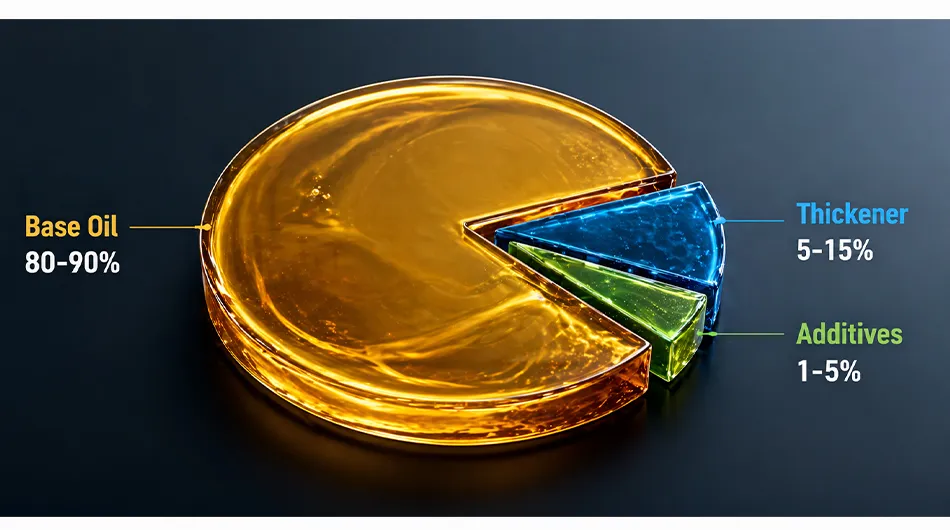
Grease is produced from three main components:
- Base oil
- Thickener
- Additives
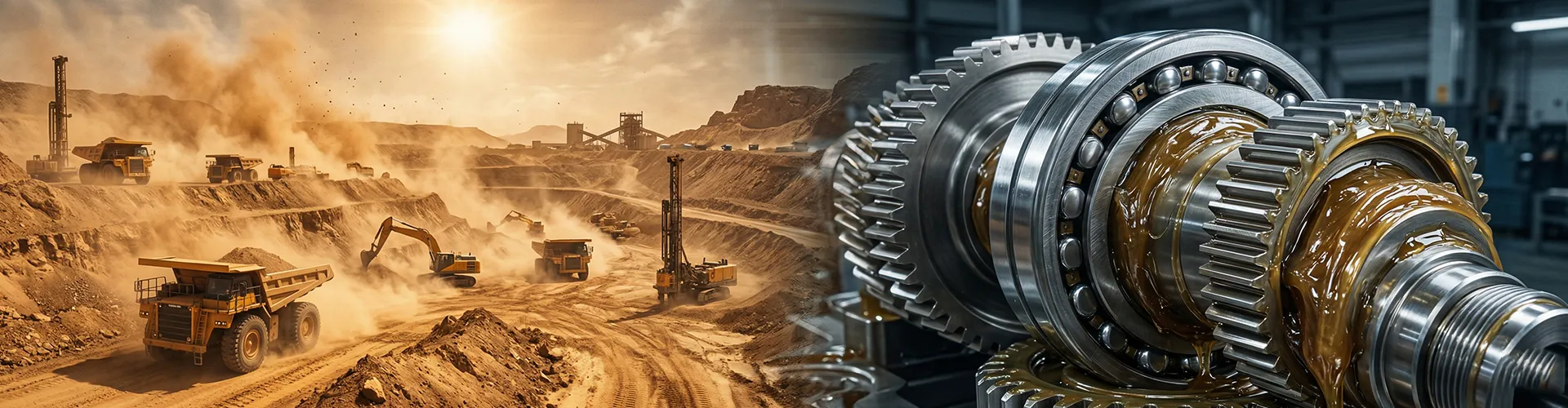
The grease base oil typically makes up 70–90% of the formulation. When a bearing rotates, pressure releases small amounts of oil from the thickener structure. That oil forms the lubricating film between moving surfaces. Find out more about grease thickener types explained.
If the base oil viscosity is wrong—or if the oil can’t tolerate the operating temperature—the grease will fail regardless of how advanced the thickener is.
So before comparing lithium vs polyurea or EP vs non-EP, it’s important to understand what oil is actually inside the grease.
Mineral Oil-Based Grease: The Industry Standard
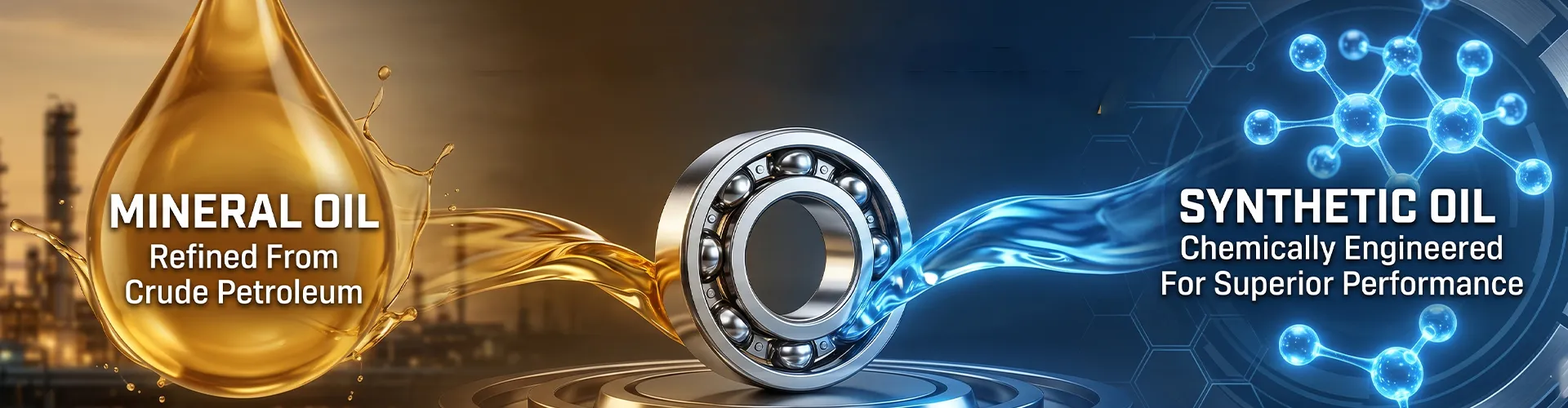
Mineral oil is refined from crude petroleum. It is one of the most commonly used base oils in grease because it performs well in the majority of standard industrial applications. Explore our latest update about how VG grade greases improve equipment life.
Where Mineral Grease Works Well
- Moderate operating temperatures
- Normal relubrication intervals
- General automotive and fleet use
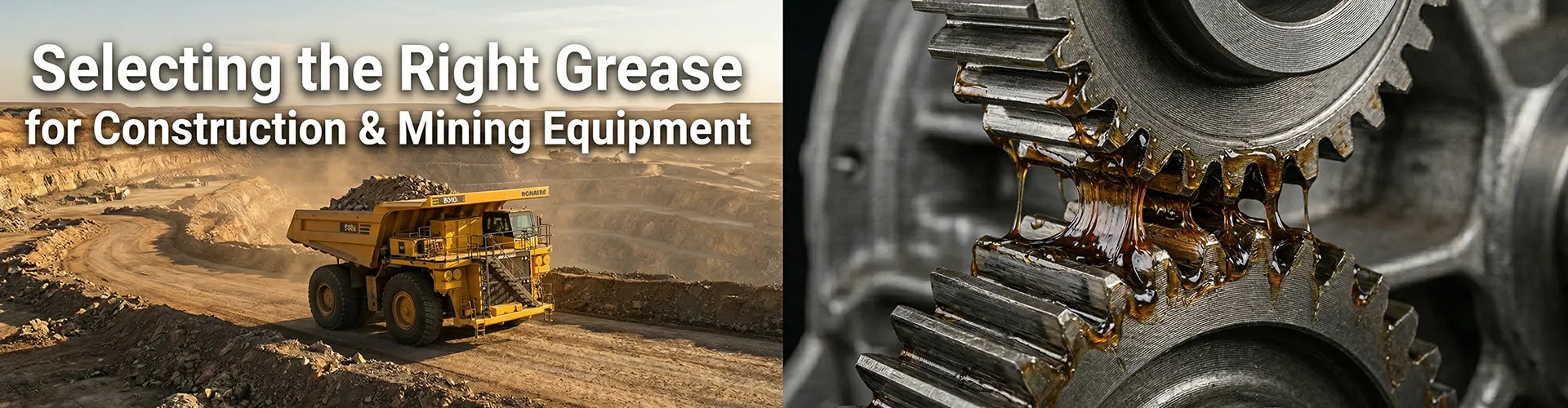
- Construction equipment
- Agricultural machinery
Mineral oil-based greases are often cost-effective and work reliably well when the operation condition of the application stays within the typical temperature and load ranges. Read our latest blog about lithium complex EP grease explained.
Rexol Lithium Complex EP Grease is produced with high-quality mineral base oil and performs incredibly well in applications like construction equipment and fleet maintenance
Mineral oil is perfect for many industries. But once the demand rises for performance or the temperature increases, then people start considering synthetic options.
Synthetic Grease: When Performance Demands More
When performance demands more, chemically engineered synthetic oils work best. Common synthetic base oils use PAO (polyalphaolefin) and ester-based fluids that give the main advantage, which is strength.
Synthetic Grease Benefits
- Better high-temperature resistance
- Improved oxidation stability
- Lower vaporization at elevated heat
- Extended service life
- Better low-temperature flow
- Reduced relubrication frequency
Synthetic grease can remarkably improve reliability in the equipment running continuously at high temperatures.
Rexol Synthetic Polyurea Grease is designed for high-temperature environments where long service life matters.
This is where the real synthetic grease benefits become clear—less downtime and fewer relubrication cycles. Find the latest update about where to use polyurea grease.
Mineral vs Synthetic: The Practical Comparison
Here’s how they compare in real-world use:
| Factor | Mineral Base Oil | Synthetic Base Oil |
| Cost | Lower | Higher |
| High-Temperature Stability | Moderate | Excellent |
| Oxidation Resistance | Good | Very High |
| Service Life | Standard | Extended |
| Low-Temperature Flow | Limited | Superior |
| Energy Efficiency | Normal | Often Improved |
If your equipment operates in moderate conditions and maintenance schedules are frequent, mineral oil grease works perfectly fine.
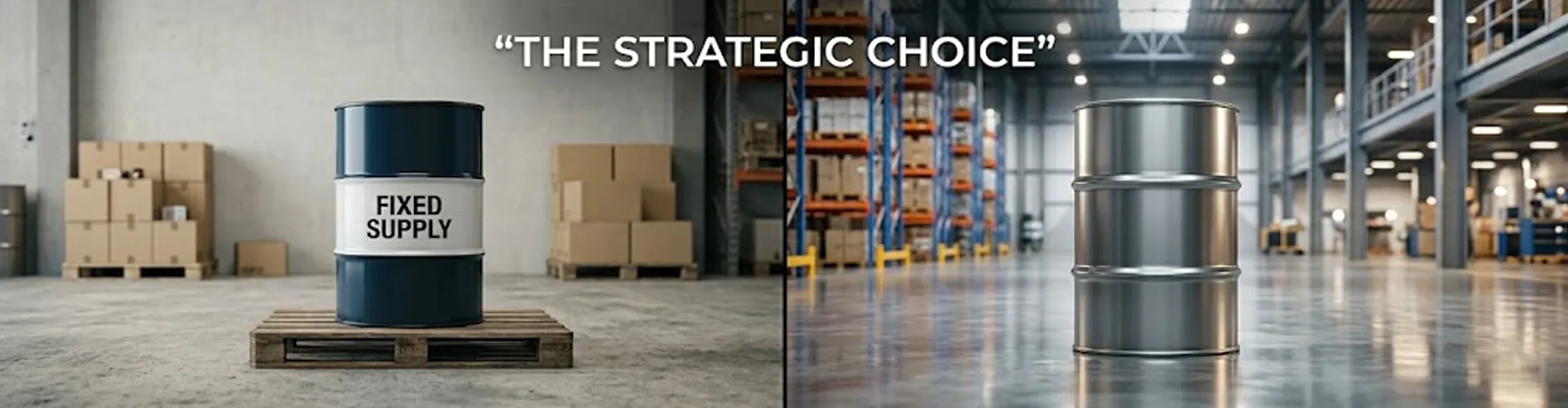
If your equipment runs hot, fast, or continuously—and downtime is expensive—synthetic grease may justify the higher initial cost.
Temperature: The Deciding Factor
Temperature is usually the biggest driver when choosing grease base oil.
Mineral oils begin to oxidize faster as temperature increases. Over time, this causes:
- Oil thickening
- Deposit formation
- Grease hardening
- Reduced lubrication
Synthetic oils resist oxidation much better, which means:
- More stable viscosity
- Cleaner operation
- Longer grease life
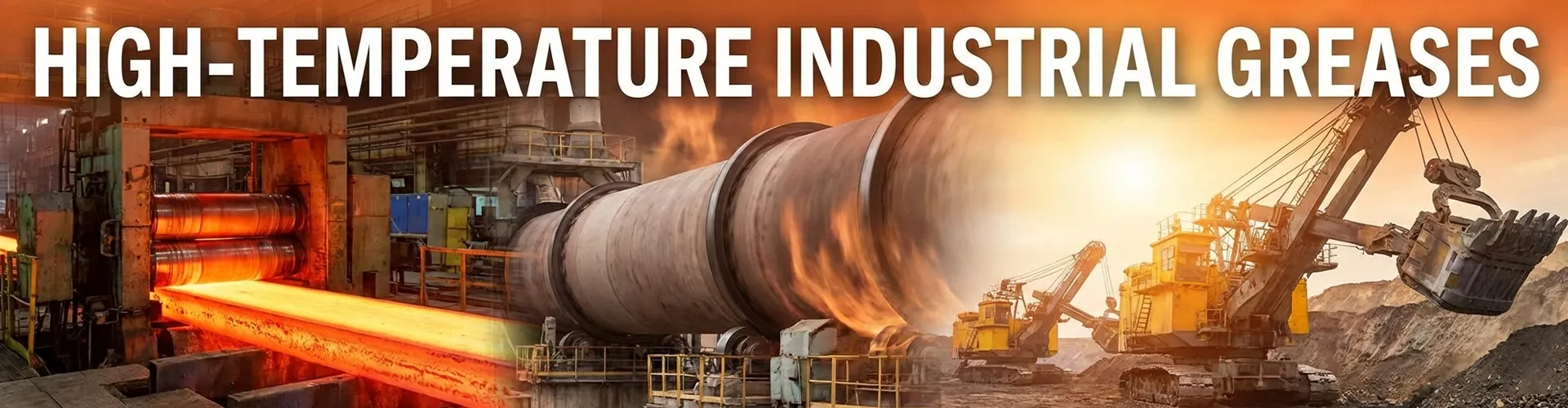
For electric motors, for example, synthetic polyurea grease is often preferred because it combines high oxidation resistance with excellent high-speed stability. Find out more about high temperature greases for industrial equipment.
Service Interval and Maintenance Cost
This is where the decision becomes economic.
A synthetic grease may cost more per kilogram, but if it:
- Doubles relubrication interval
- Reduces bearing replacement
- Lowers downtime
Then the total operating cost may actually decrease.
That’s why many industries are shifting to synthetic grease for critical equipment while still using mineral-based grease for general applications.
It’s not about choosing one over the other universally—it’s about matching the grease base oil to the application. Find out more about grease compatibility and base oil selection.
Application-Based Recommendations
Mineral oil grease can be a better option when:
- Equipment runs under medium temperature
- Regular maintenance is scheduled
- Budget sensitivity is high
- Application is general-purpose
Synthetic grease can be a better option when:
- Equipment is running continuously
- Constant high temperature
- Relubrication is difficult
- Extended service life is required
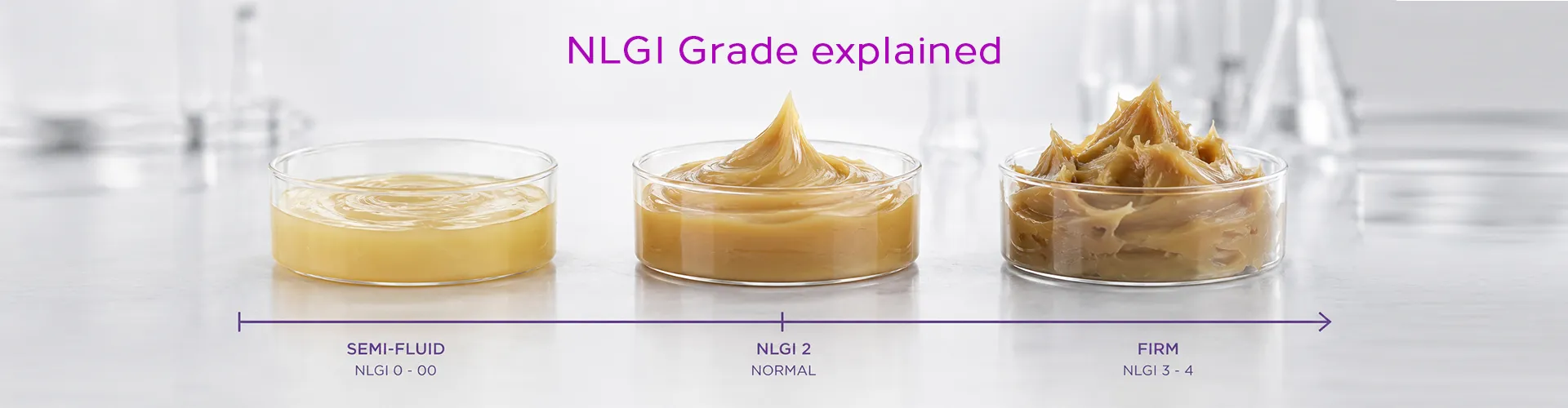
In real-world operations, both grease types are used. Mineral grease is used for standard equipment, and synthetic grease is used for critical assets. Find our latest blog about NLGI grades explained for calcium sulfonate grease.
How Rexol Supports Base Oil Selection
Rexol produces greases that use both mineral and synthetic base oils. This allows customers to choose based on their application’s operating conditions.
The product range includes different high-performance formulations developed for extended life:
- Mineral-based Lithium and Lithium Complex EP Greases for construction, fleet, and industrial equipment
- Synthetic Polyurea Grease for electric motors and high-temperature applications
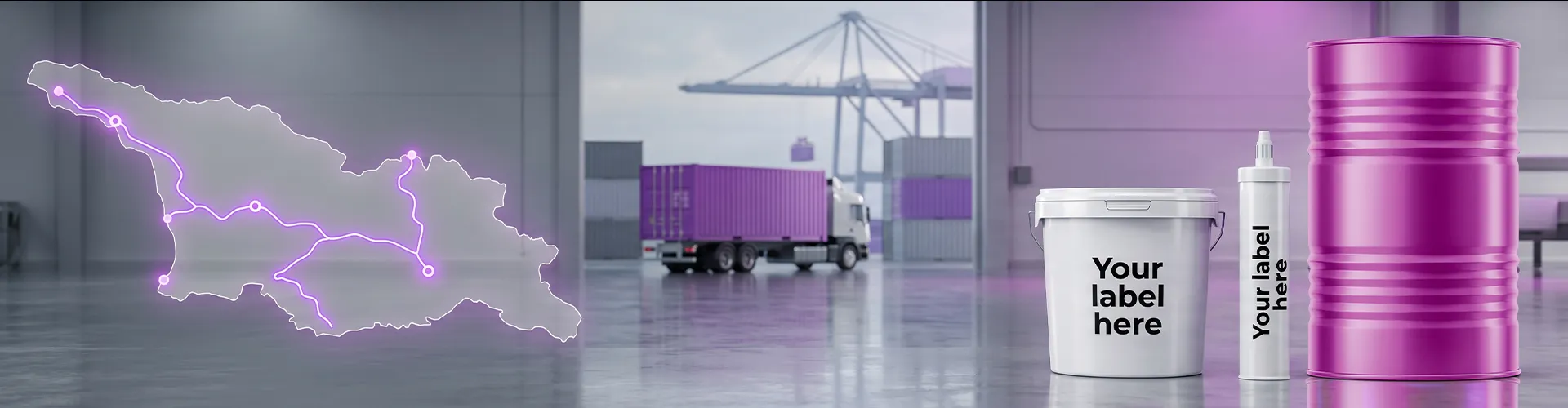
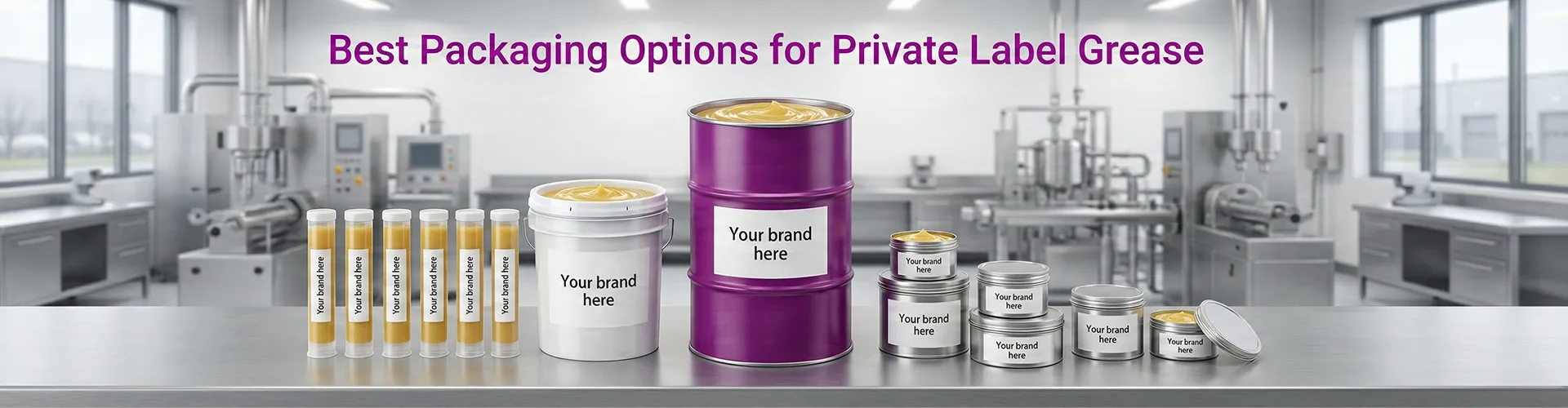
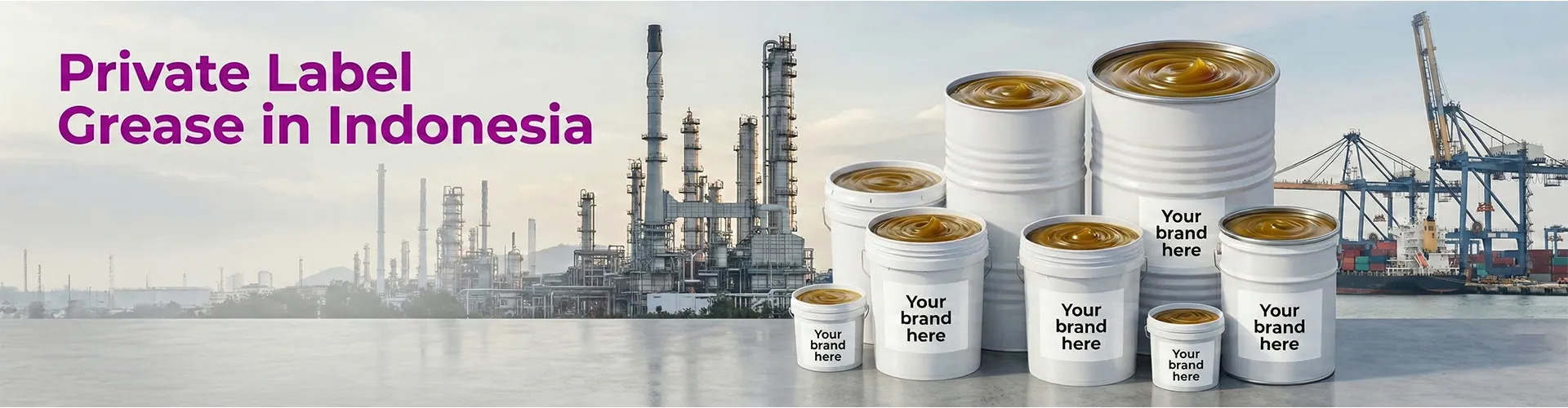
Rexol offers private label grease manufacturing, allowing distributors and brand owners to have a customized product range under their own brand.
You can learn more on the Private Label Grease Manufacturing page.
This flexibility allows customers to build product ranges that cover both mineral and synthetic options depending on market demand.
Common Mistakes in Base Oil Selection
- Confusing NLGI grade with oil viscosity
- Selecting synthetic grease when not required
- Using mineral grease in high-temperature sealed motors
- Ignoring operating temperature when specifying grease
Remember: viscosity and thermal stability matter more than brand name. Find out more about NLGI grade vs base oil viscosity.
Final Thoughts
The thickener gives grease its structure—but the grease base oil does the actual lubricating work.
Mineral oil-based grease remains the backbone of industrial lubrication because it performs well in most standard conditions. Synthetic grease, on the other hand, offers high performance when heat, speed, and long service intervals become critical.
Understanding this difference and its correct application extends the equipment life to a greater extent. It reduces the downtime and improves the overall reliability of the equipment.
In the end, it’s not about choosing mineral or synthetic. It’s about choosing the right grease base oil for the job.