How Distributors Can Build a Grease Brand Without a Factory
Starting your own lubricant brand used to mean one big thing:
You needed a factory.
Today, that’s no longer true.
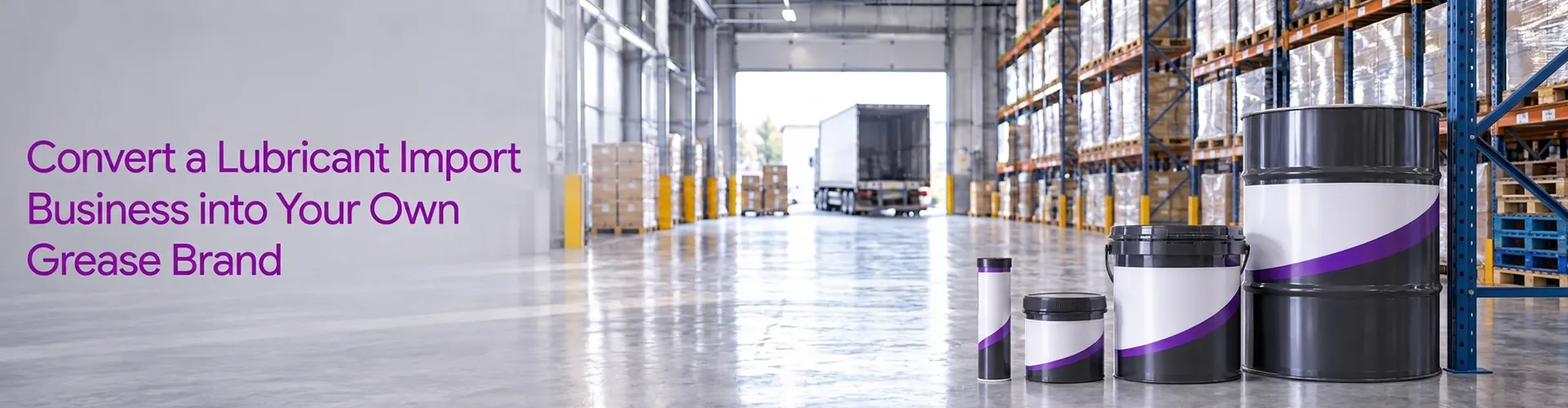
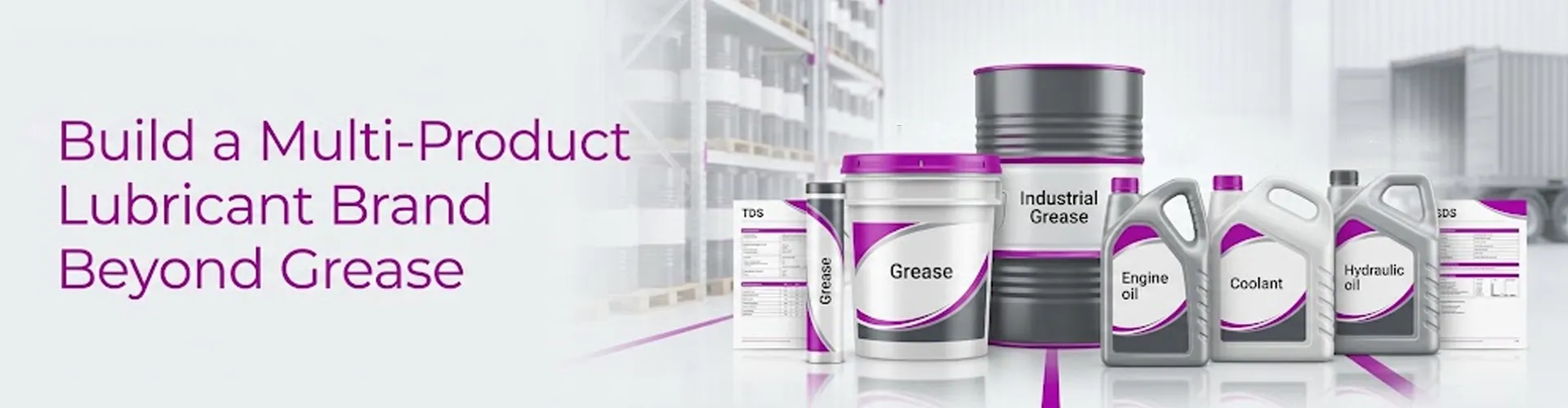
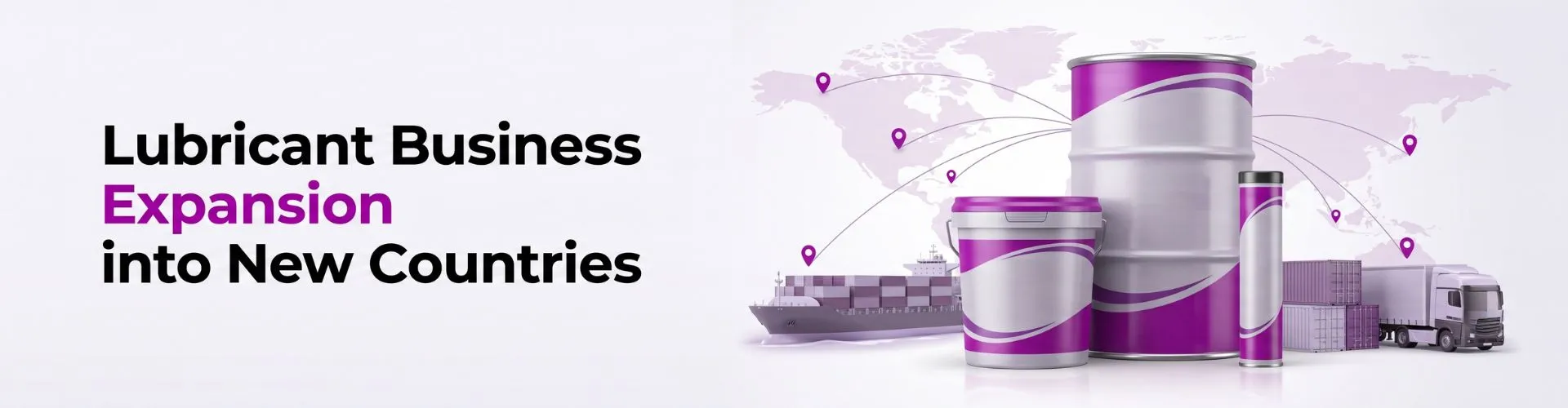
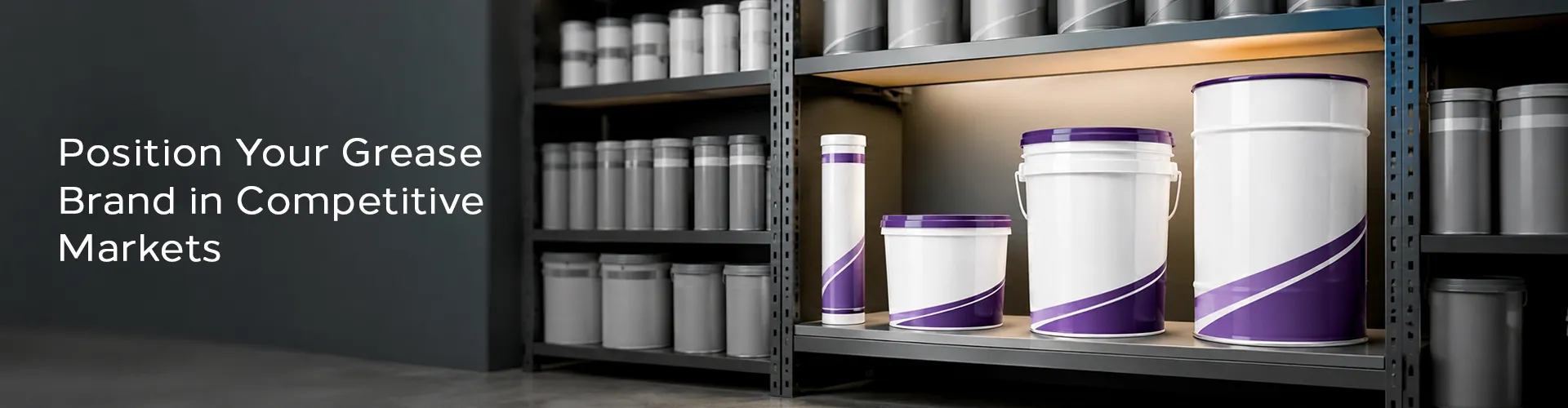
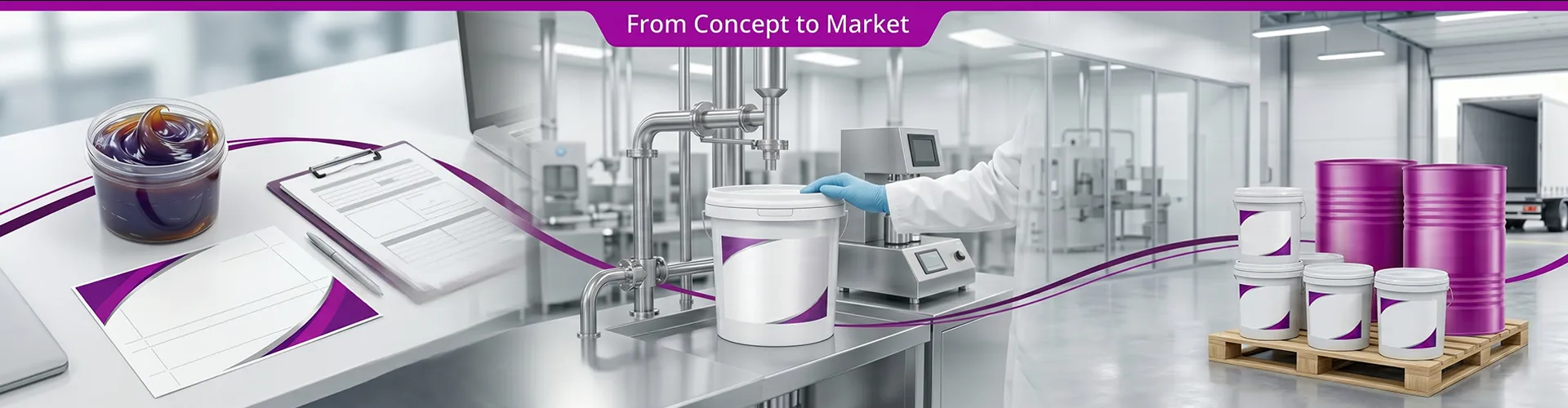
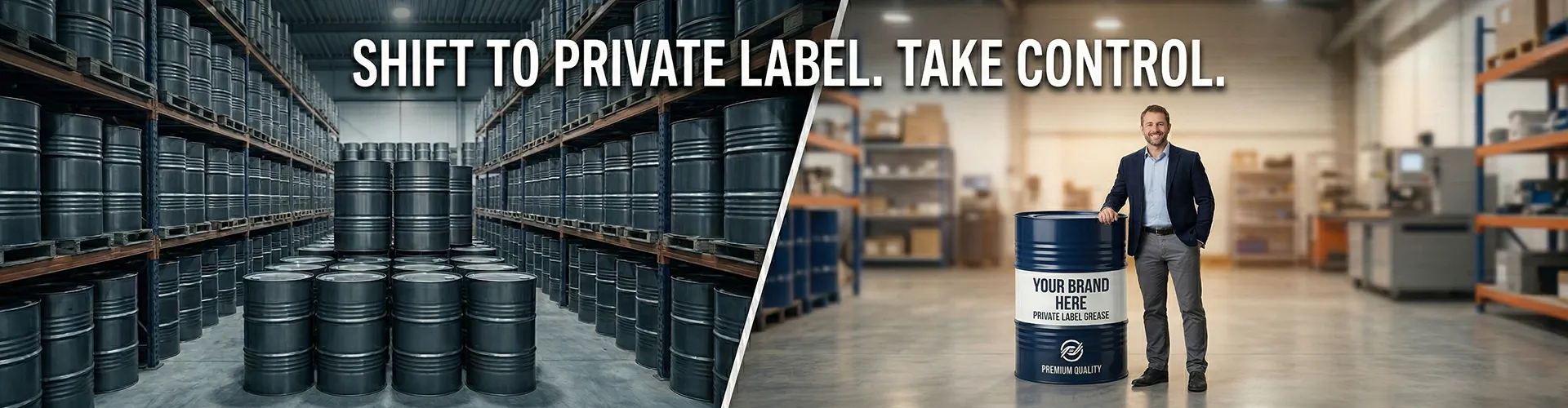
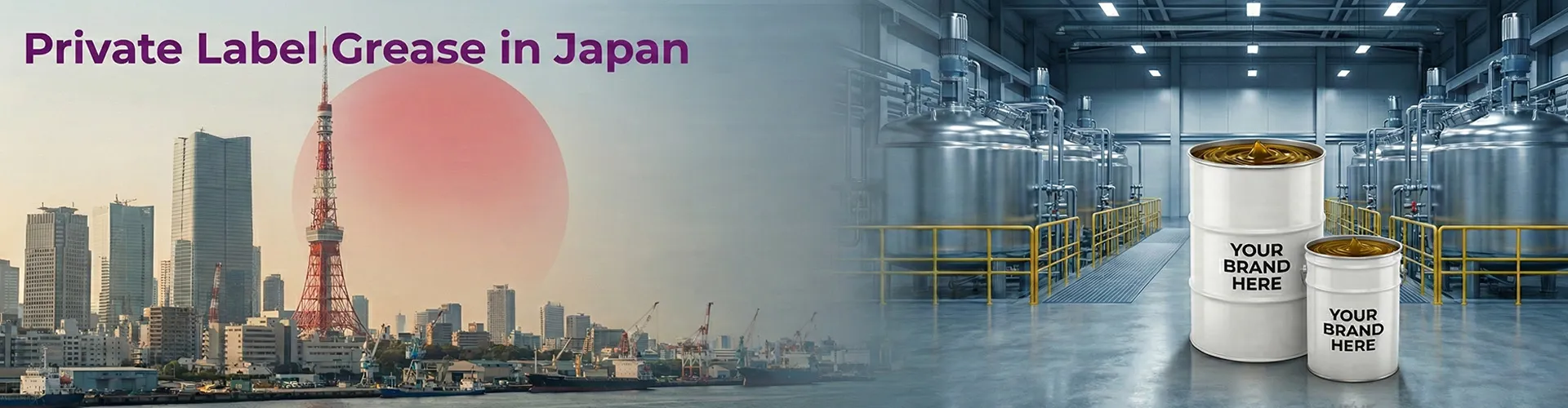
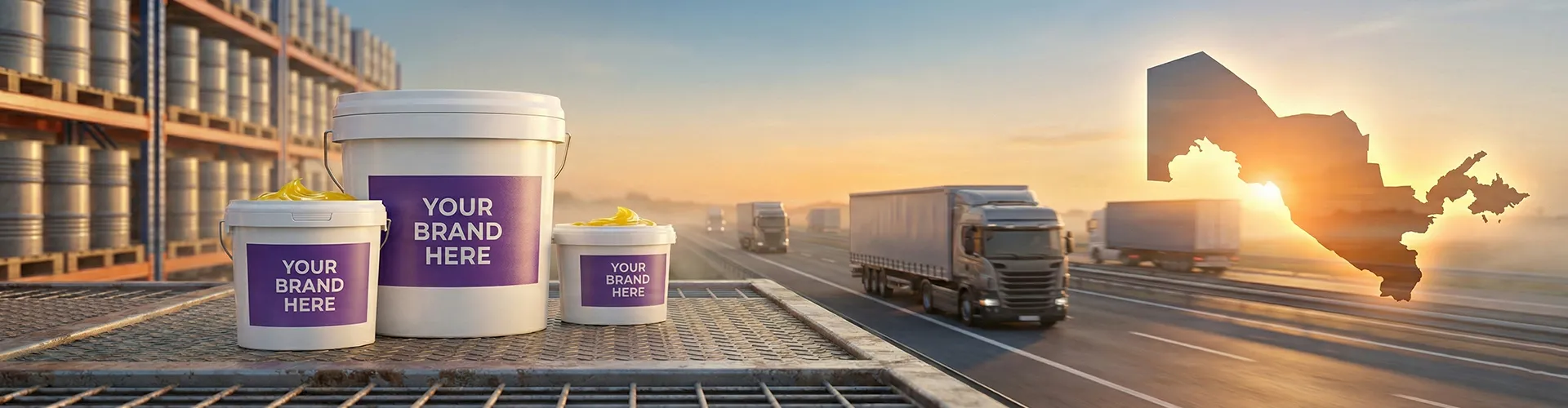
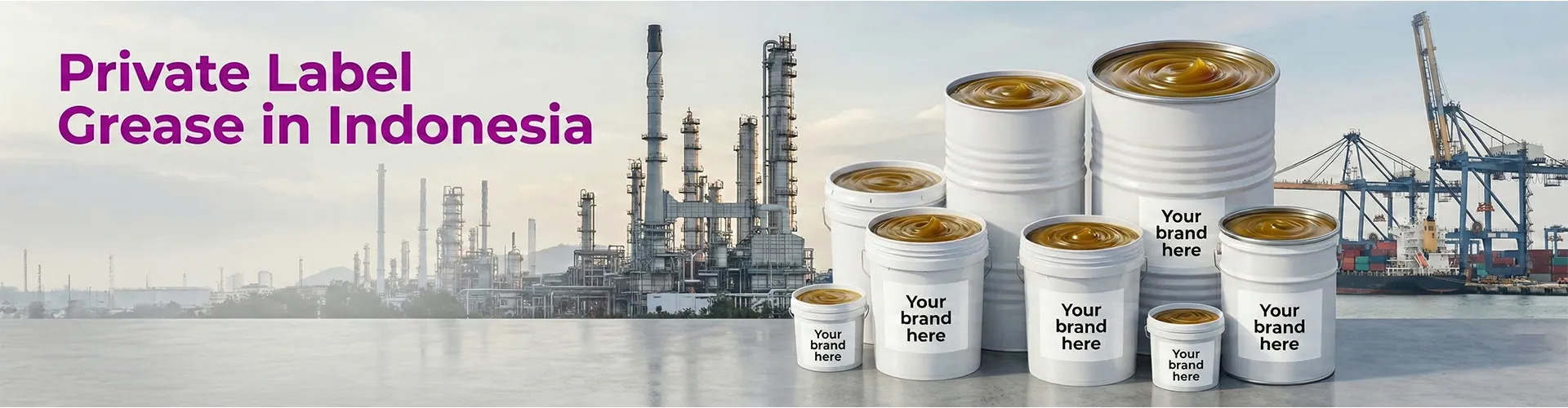
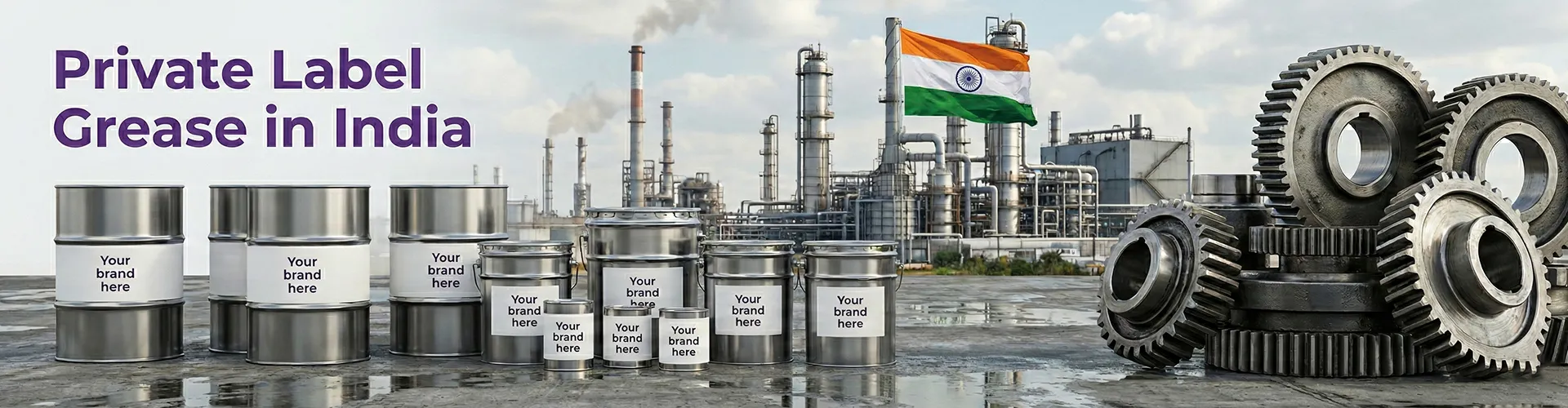
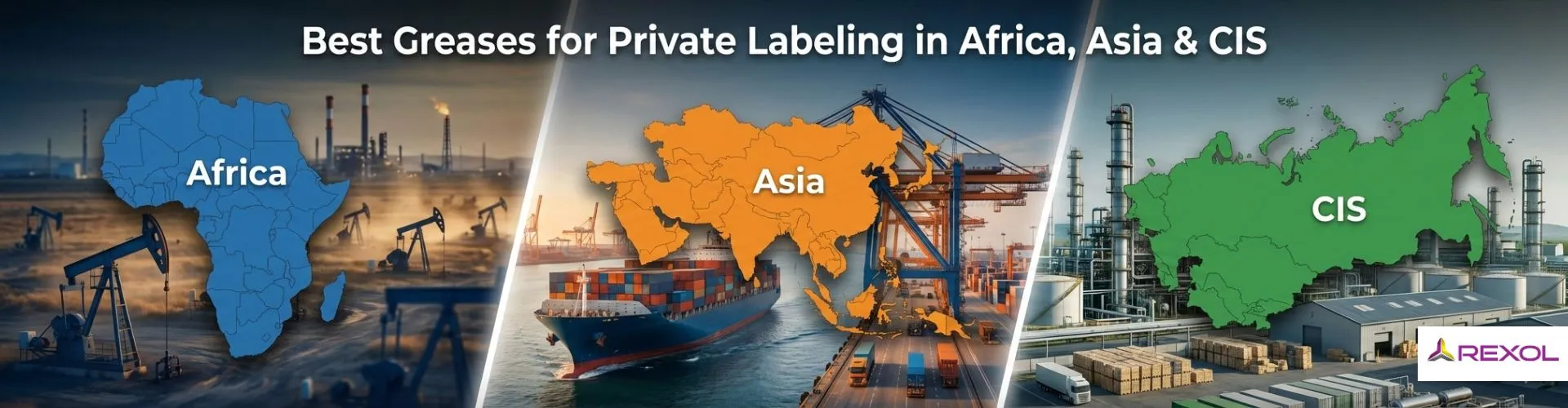
Across Africa, the Middle East, and fast-growing industrial regions, many successful distributors are choosing a smarter route — they build a grease brand through private label manufacturing instead of investing millions in production plants.
If you are already in the grease distribution business, this approach can help you move from being just a reseller to becoming a real brand owner with stronger margins and long-term value. Read out more about start your own grease brand.
Let’s walk through how distributors can realistically build a grease brand without owning a factory.
Why distributors are launching their own grease brands
Most distributors reach a point where reselling other brands becomes limiting.
Common challenges include:
- Low profit margins
- No control over pricing
- Dependence on one supplier
- Difficulty building customer loyalty
Creating your own private label grease line solves many of these problems.
With your own brand:
- You control pricing and positioning
- Customers remember your name, not the manufacturer’s
- Margins improve over time
- You build a long-term business asset
And the best part?
You don’t need blending kettles, reactors, or filling lines to start. Find out more about private label grease vs branded grease which is more profitable.
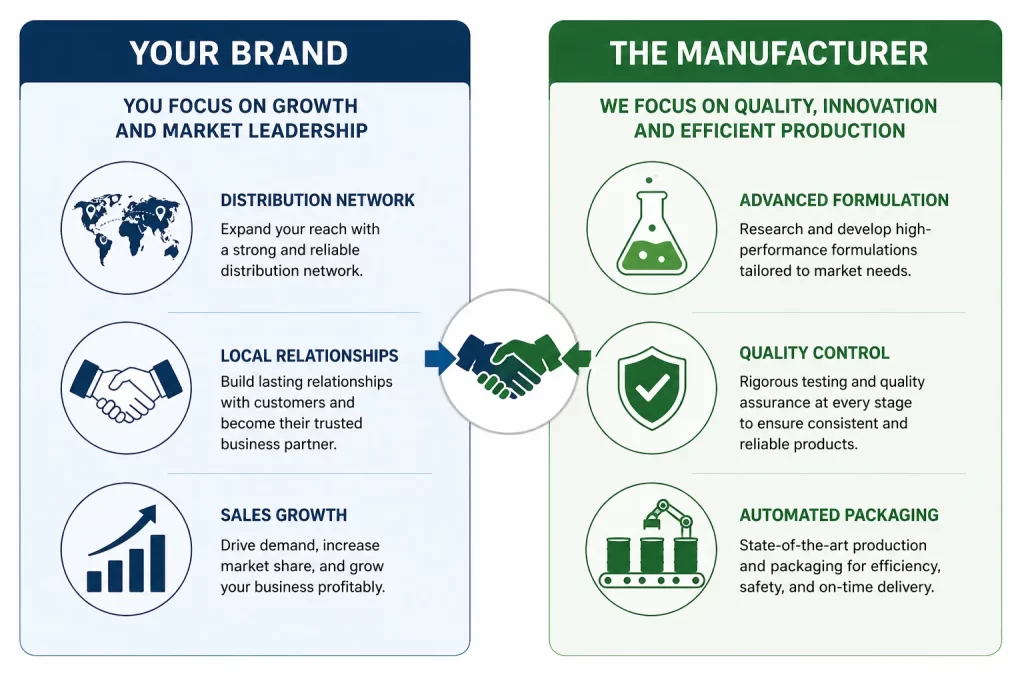
The private label model explained simply
Private label manufacturing means:
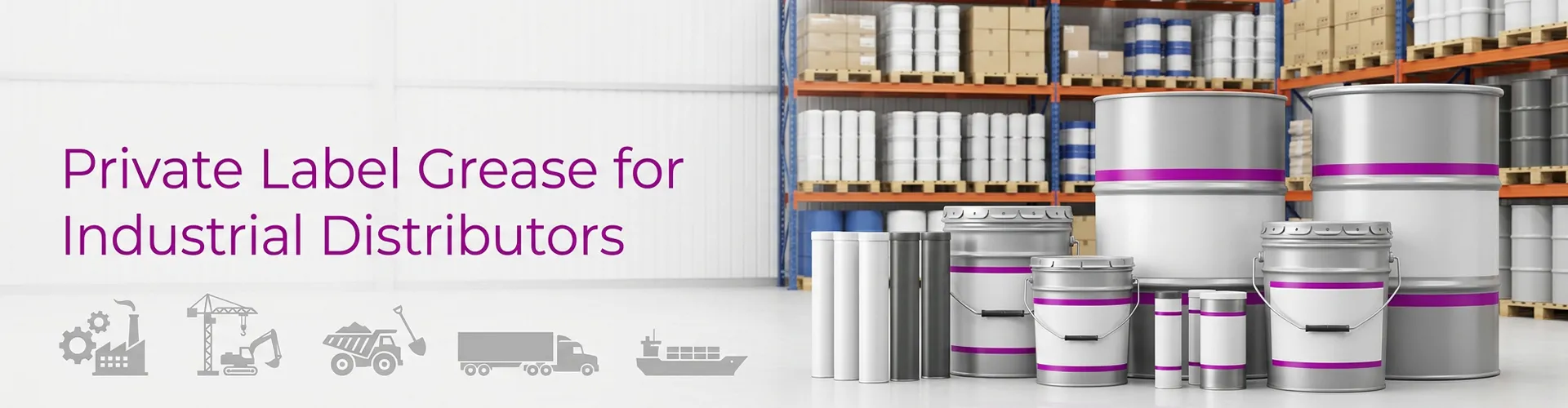
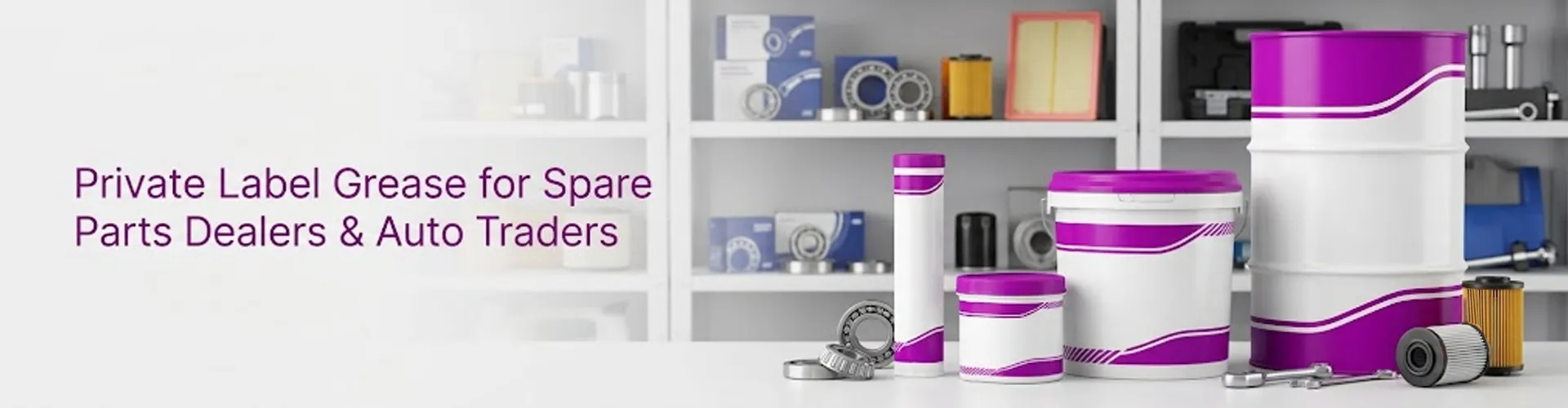
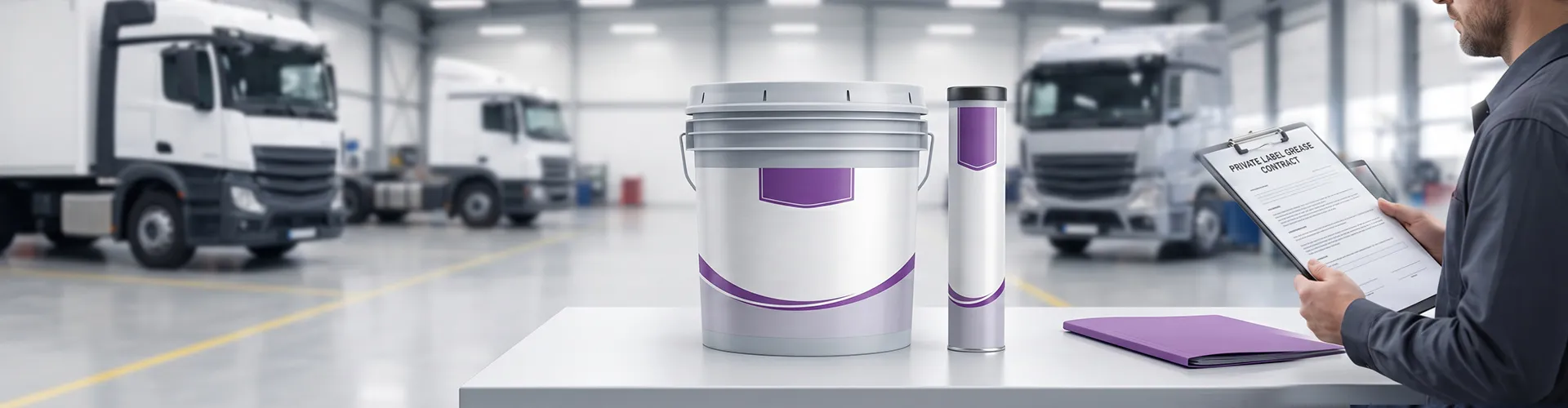
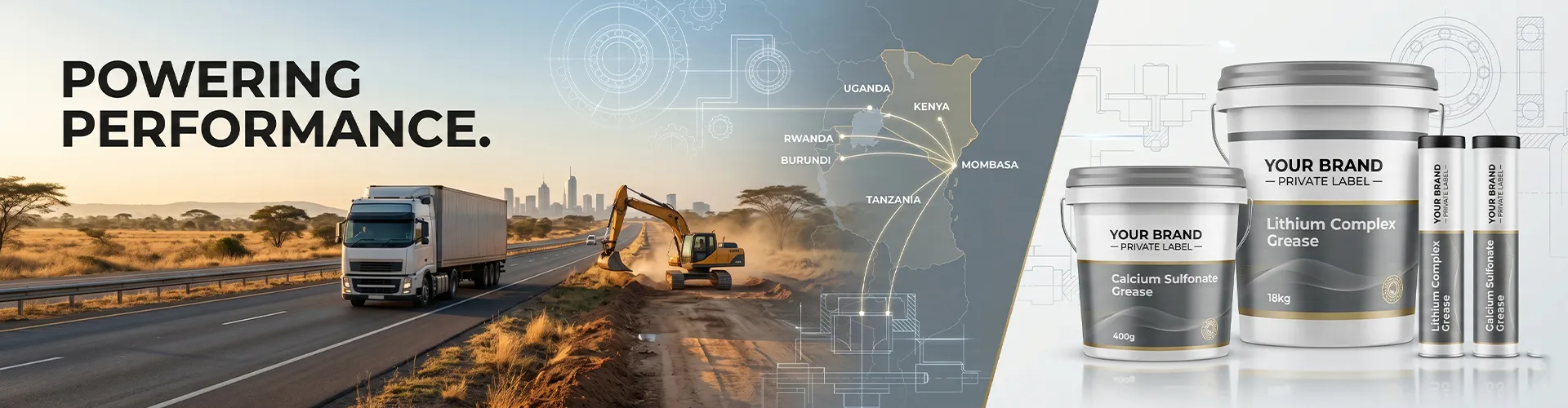
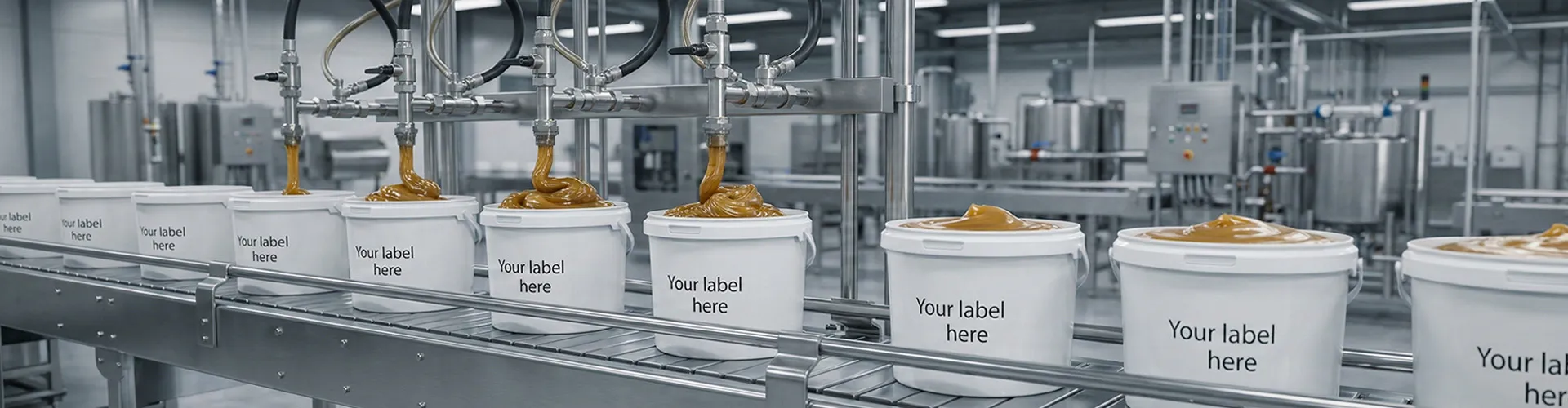
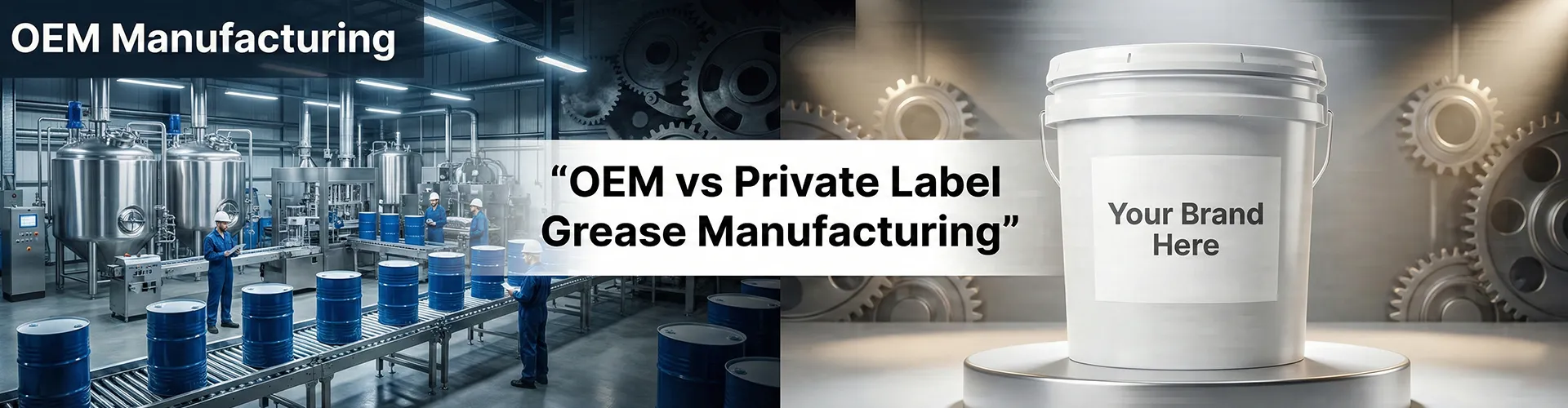
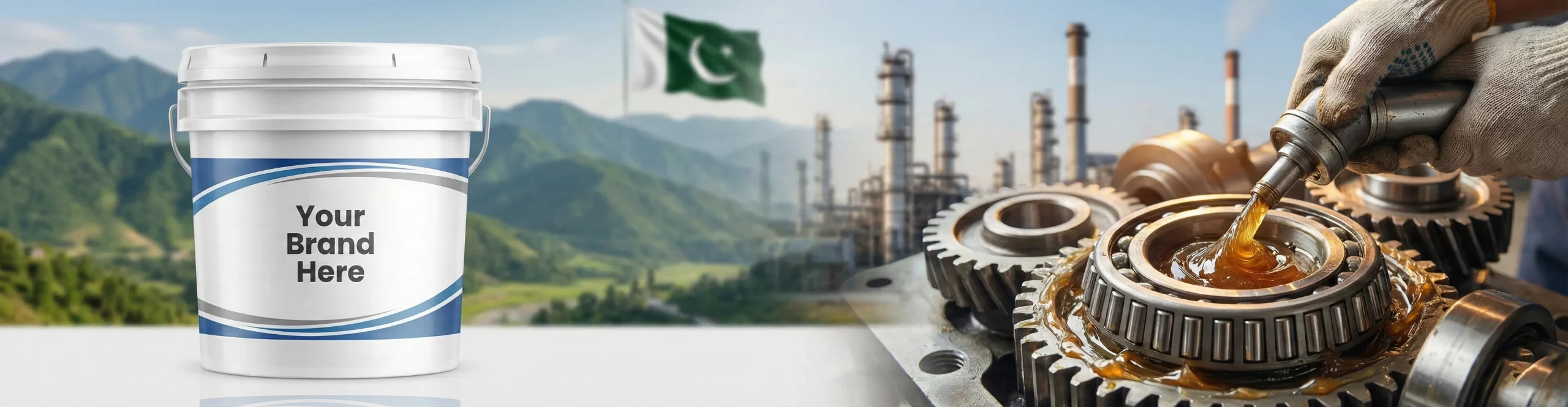
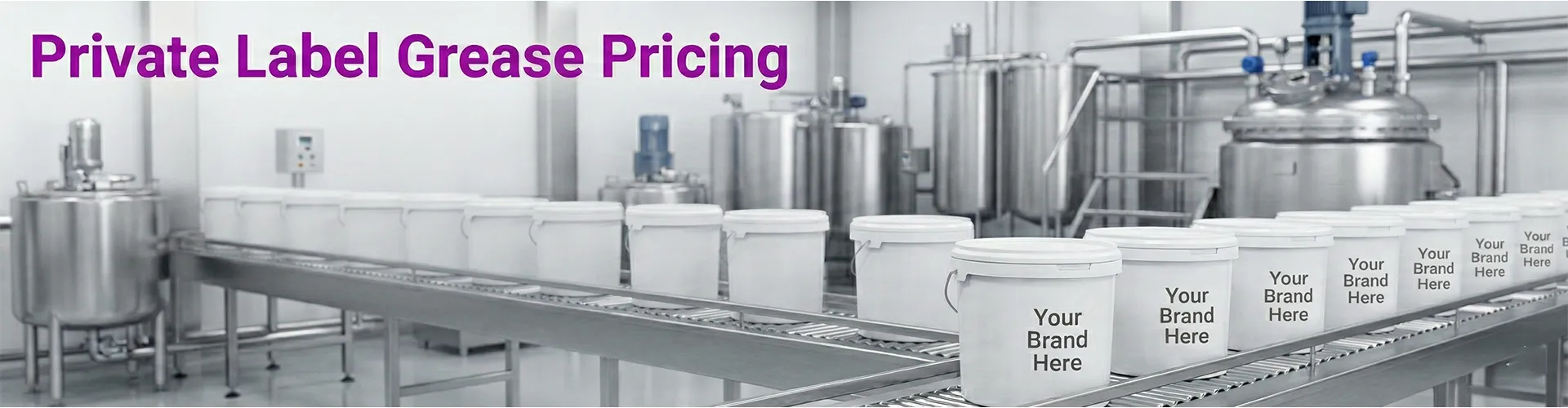
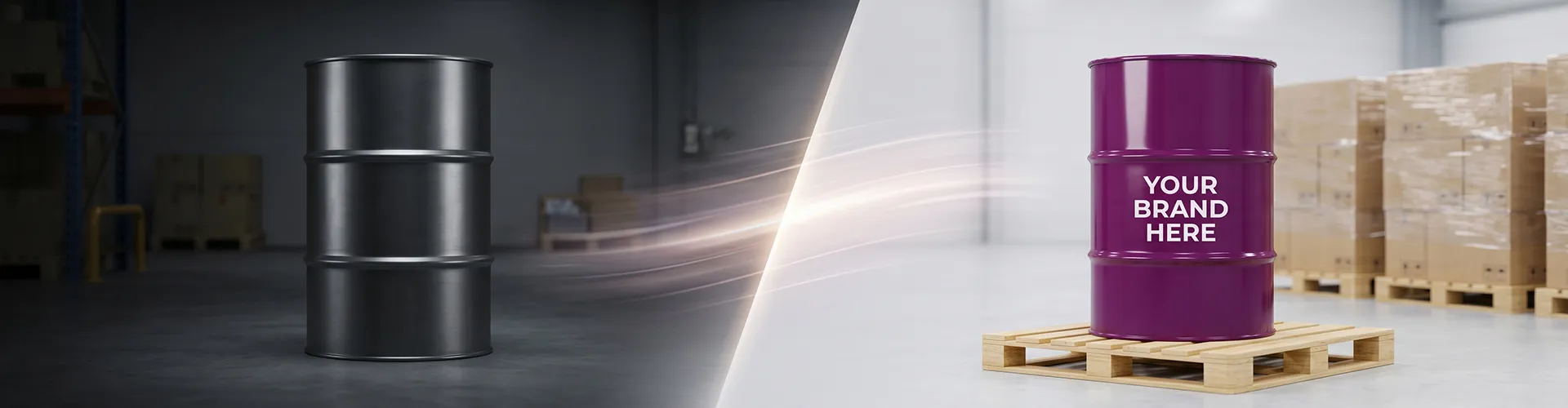
A specialized grease manufacturer produces lubricants under your brand name, based on agreed specifications, packaging, and volumes.
You focus on:
- Distribution
- Sales network
- Local relationships
- Market knowledge
The manufacturer handles:
- Formulation
- Production
- Quality control
- Packaging
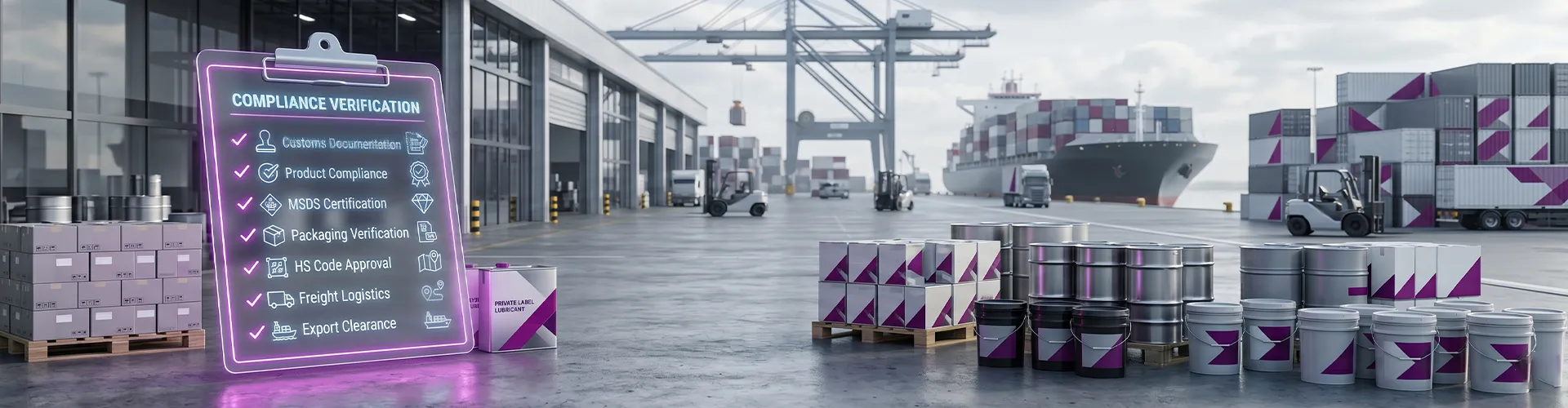
- Export documentation
This is why private label has become the fastest way to build a grease brand in emerging markets. Find out more about OEM vs private label grease manufacturing
Step 1 — Study your target market first
The very first step to build your grease brand is to study your market carefully.
Ask these practical questions:
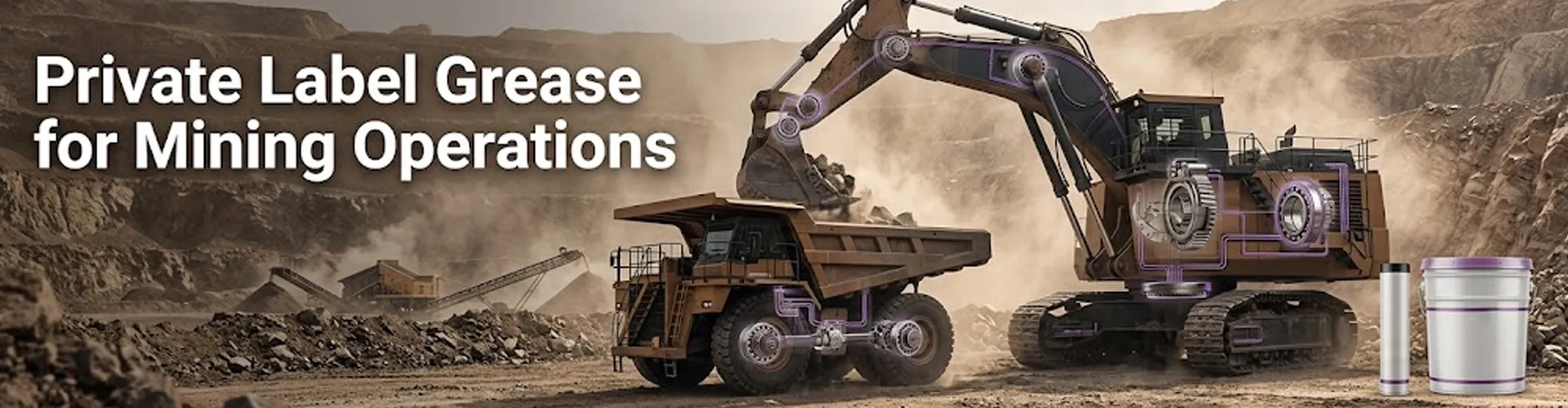
- Which industries lead locally – construction, transport, mining, agriculture?
- At what temperature and dust conditions does the equipment start getting affected
- Are customers price-sensitive or quality-focused?
- Which grease grades sell the most today?
Many new brands fail not because of quality, but because they copy another country’s product mix instead of matching local demand.
A good private label partner can also guide you using their experience across multiple regions. Read our latest update about private label grease for fleets and logistics companies.
Step 2 — Select the right product range (start small)
You don’t need 25 products on day one.
Most successful new brands begin with 4 to 6 fast-moving greases, such as:
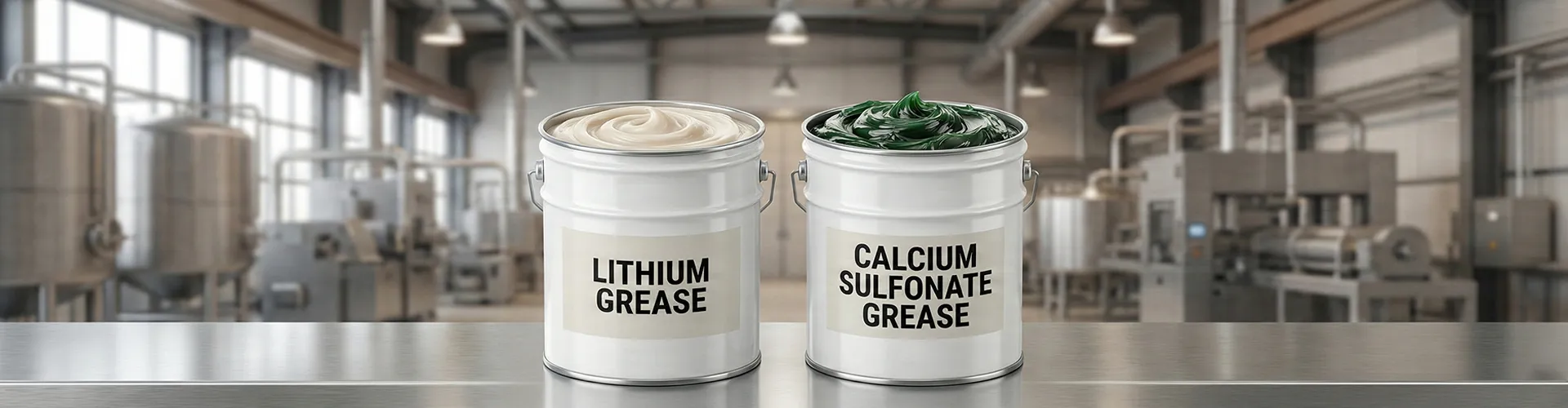
- Multipurpose lithium grease
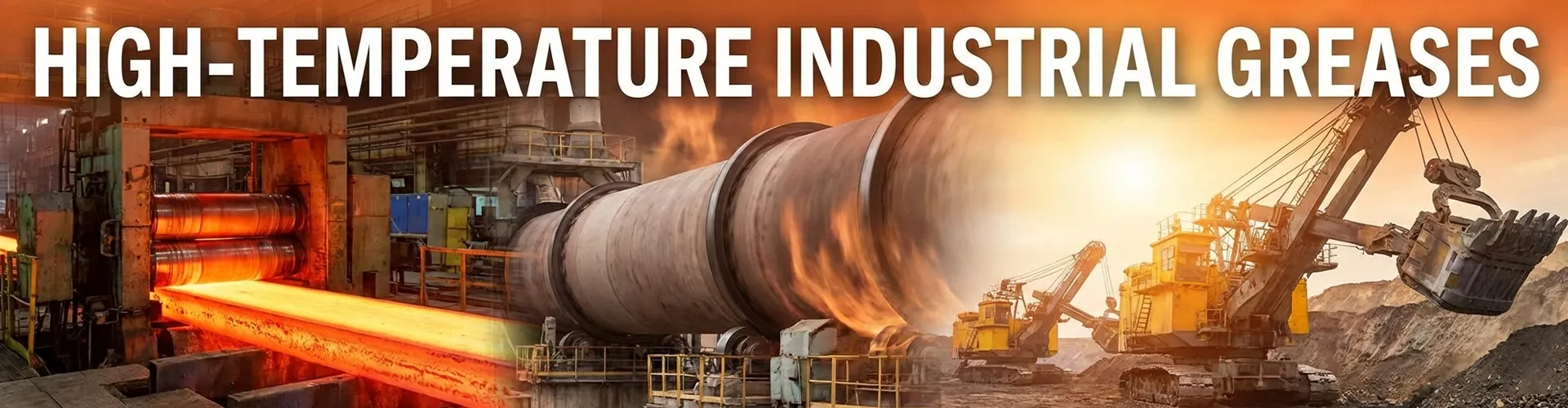
- High-temperature grease
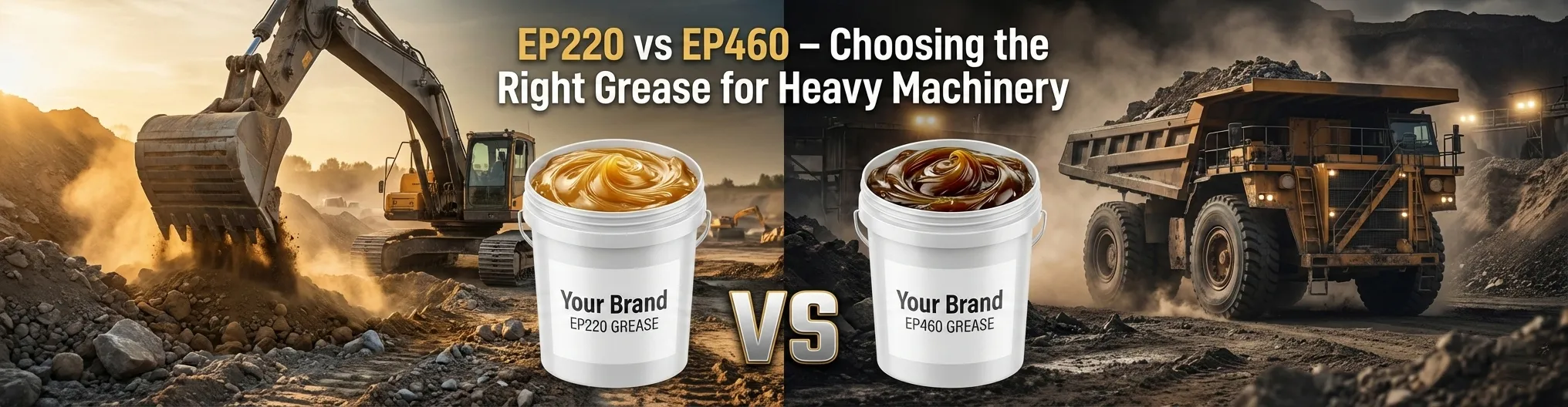
- EP grease for heavy equipment
- Pin and bush grease for construction and mining
- Water-resistant grease for wet conditions
Starting like this keeps
- Inventory manageable
- Investment lower
- Branding clearer
As your grease distribution business grows, you can expand the range gradually.
Step 3 — Choose an experienced private label manufacturer
This is the most critical decision. Find our more about white label and private label grease options.
Your manufacturer becomes the technical backbone of your brand, so reliability matters more than the lowest price.
Look for manufacturers who have:
- Proven export experience
- Consistent product quality
- Flexible packaging options
- Reasonable minimum order quantities
- Technical support and documentation
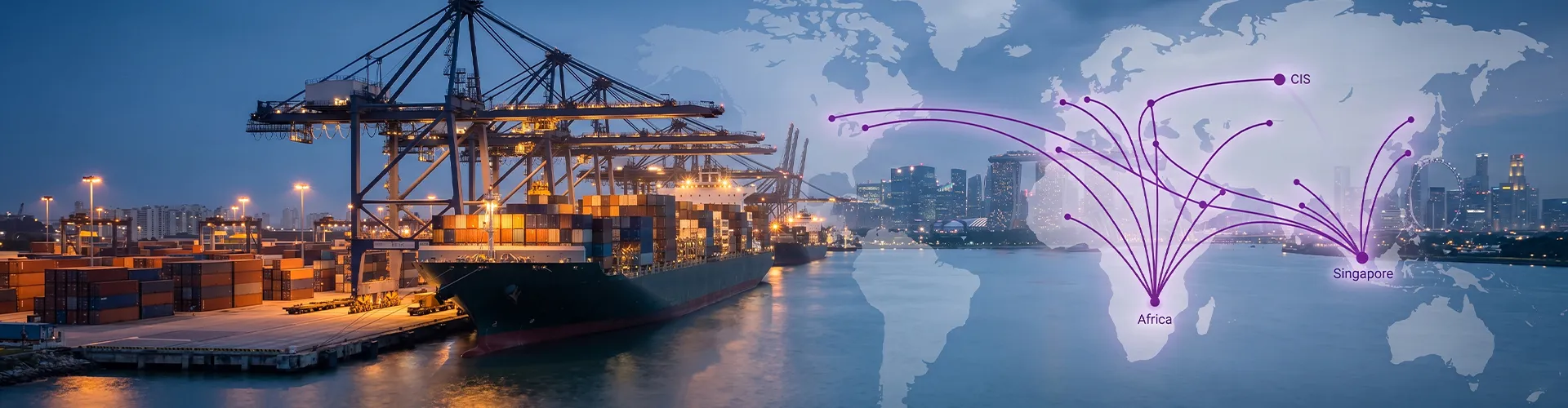
Working with an established partner like Rexol’s private label manufacturing program gives distributors access to ready-tested grease formulations, professional packaging, and international supply capability — without factory investment. Read our latest blog about choosing a private label grease supplier.
This dramatically reduces startup risk. Explore our latest update about private label grease pricing model.
Step 4 — Build a professional brand identity
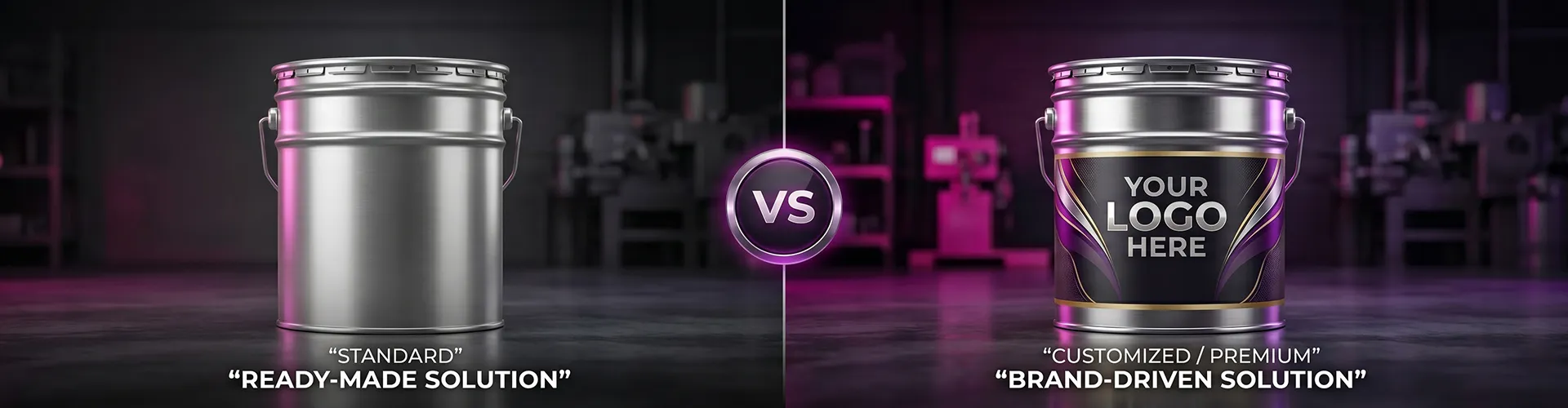
This is one of the important and often overlooked step. The high-quality grease won’t sell if the branding is not good enough.
Your label should convey
- Durability
- Industrial strength
- Reliability in harsh conditions
Key elements to prepare:
- Brand name and logo
- Standard color theme for packaging
- Product naming structure
- Clear technical labeling
Simple, strong branding builds trust quickly in workshops, fleets, and industrial sites.
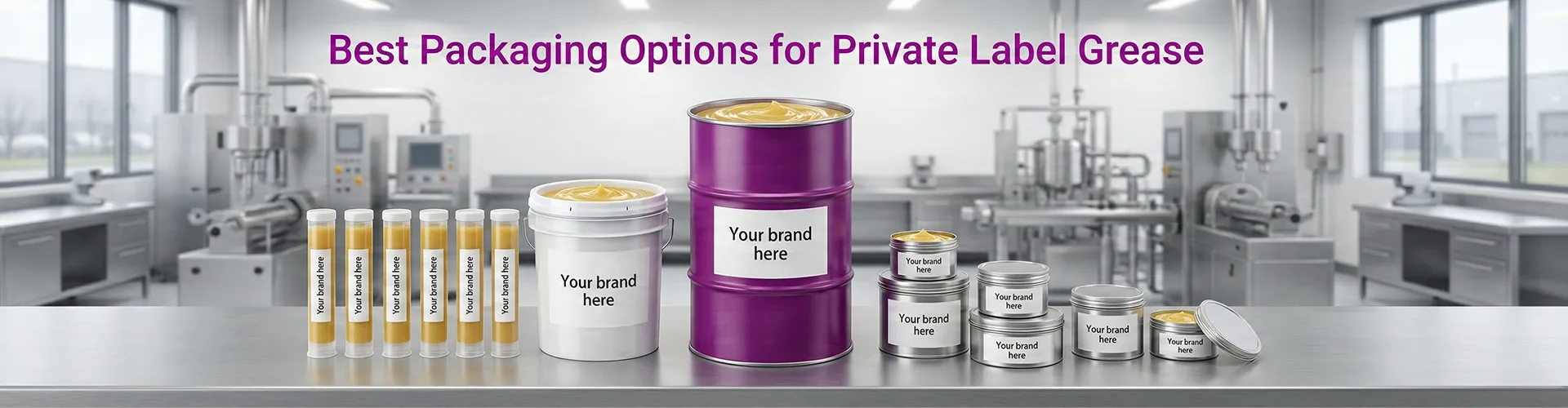
Always remember, customers often judge quality first by appearance, then by performance. Find out more about best packaging options for private label grease brands
Step 5 — Plan packaging based on real usage
Packaging should be planned according to how customers actually buy grease.
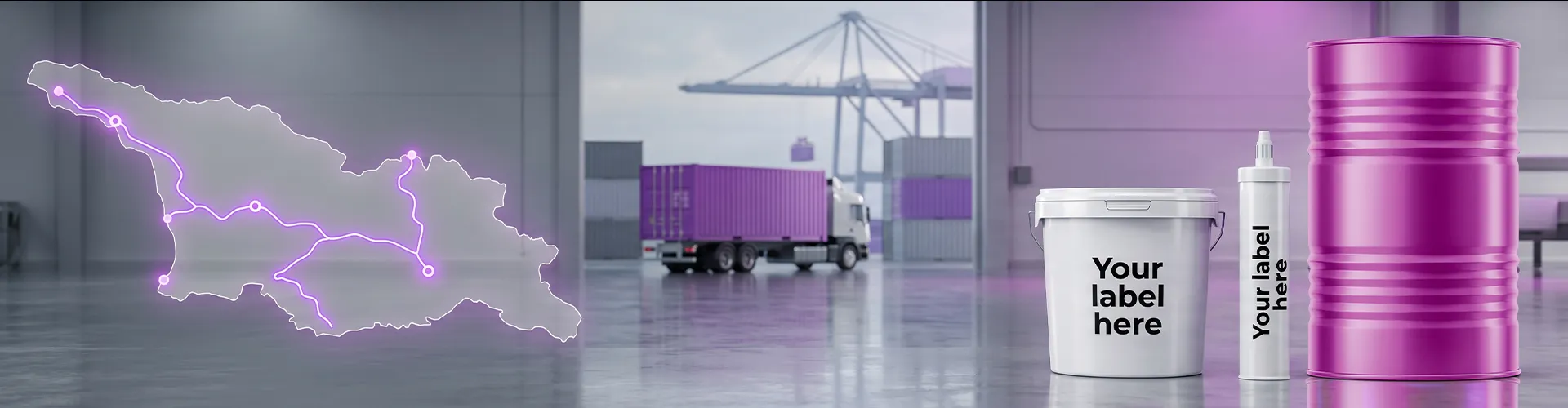
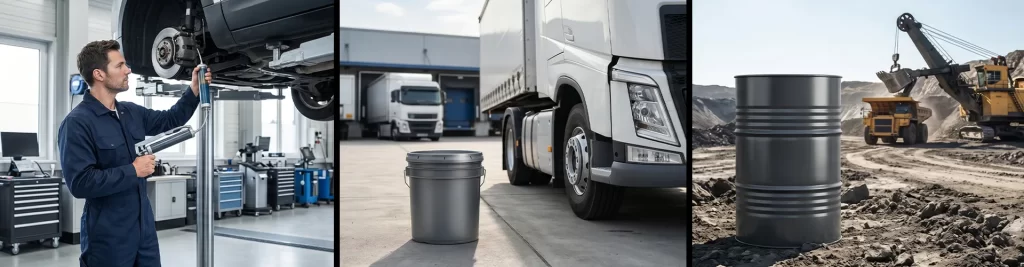
Common packaging used are
- 400g cartridges → workshops and service centers
- 1kg & 5kg packs → retail and small fleets
- 18kg pails → contractors and transport fleets
- 180kg drums → mining and large industry
An expert manufacturer would be able to supply the mix of multiple pack sizes under your own brand name. This can help you serve different segments without complexity.
Step 6 — Focus on distribution strength, not production
Your real advantage as a distributor is market access, not manufacturing.
So, spend energy on:
- Dealer network expansion
- Mechanic relationships
- Fleet partnerships
- Credit control
- Fast delivery
These activities grow sales far faster than owning machinery. Find more about build a grease brand in the Philippines.
Many of today’s well-known regional lubricant brands started exactly this way — as distributors who chose to build a grease brand first, then scale later. Read our latest update about why distributors choose private label instead of big brands.
Step 7 — Grow step-by-step, not all at once
The smartest private label brands expand gradually:
Year 1:
Launch core grease range in local market.
Year 2:
Add new grades and increase the product line gradually.
Year 3+:
Expand into more countries or related lubricants.
This consistency keeps the cash flowing and also building the real brand value.
Common mistakes to avoid
New brands often struggle because they:
- Try to launch too many products
- Choose the cheapest manufacturer
- Ignore branding quality
- Underestimate working capital needs
- Expect instant market share
Avoiding these mistakes already puts you ahead of many competitors. Explore our latest post about how long private label grease production takes.
Final thoughts
You no longer need a blending plant to enter the lubricant industry.
With the right strategy and a reliable private label grease partner, distributors can confidently build a grease brand, strengthen margins, and create a long-term business asset.
The opportunity is especially strong in fast-growing construction, mining, and transport markets where dependable lubrication is always in demand.
If you’re ready to move beyond simple trading and start building something of your own, the private label route offers one of the most practical and scalable paths forward.
And with experienced manufacturers like Rexol, supporting formulation, packaging, and export, your focus can stay exactly where it belongs — growing your grease distribution business and your brand name in the market.
Get in touch with us and start your own grease brand today.