Grease Thickener Types Explained (Lithium, Polyurea, Calcium)
When talking about grease performance, brands always focus on the NLGI grade, color or type. But one of the main things that is often overlooked is the thickener system. Understanding different grease thickener types is one of the most important steps in choosing the right lubricant for your application.
The most used thickener system among the industrial and automotive applications are: Lithium, polyurea and calcium-based systems. Each behaves differently under heat, load, moisture, and speed. Knowing where each one fits can prevent premature wear, overheating, or lubrication failure.
This guide breaks down the major grease thickener families, explains the practical differences—especially lithium vs polyurea grease—and highlights how Rexol supports a wide range of real-world lubrication needs. Find out more about select the right grease for different applications.
What Does a Grease Thickener Actually Do?
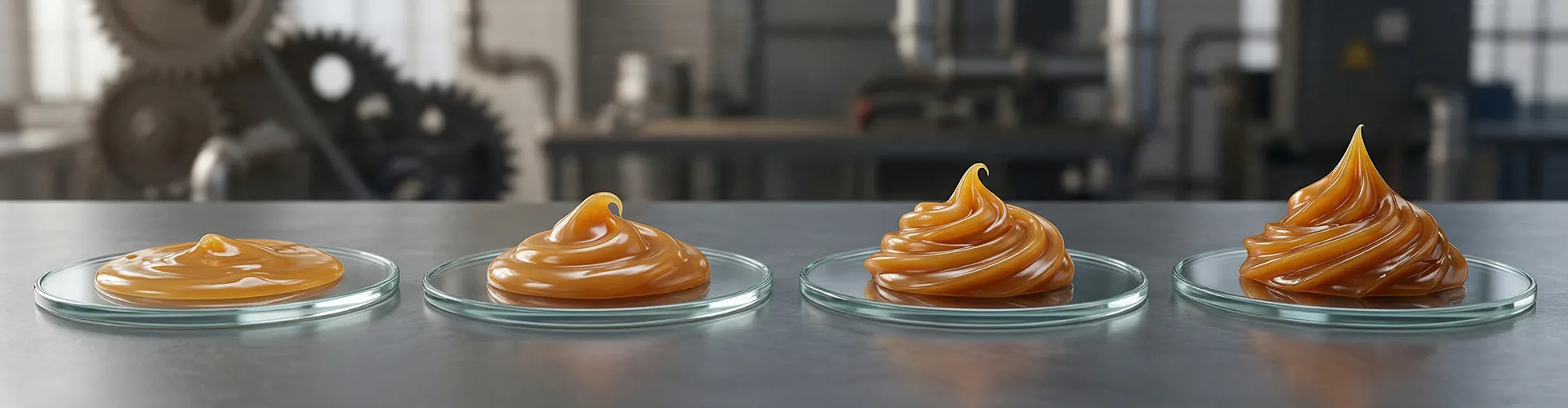
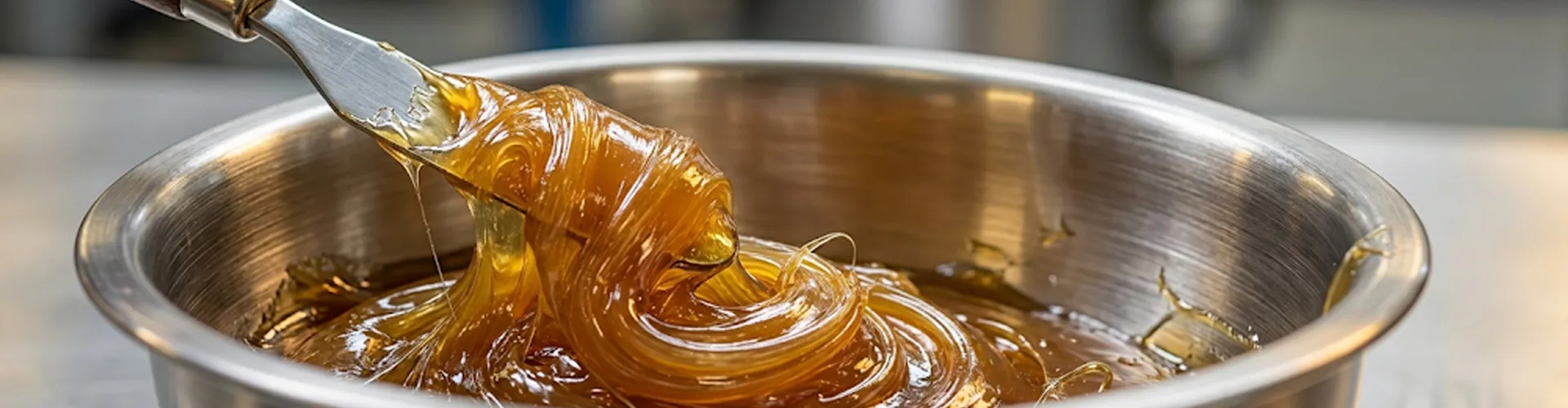
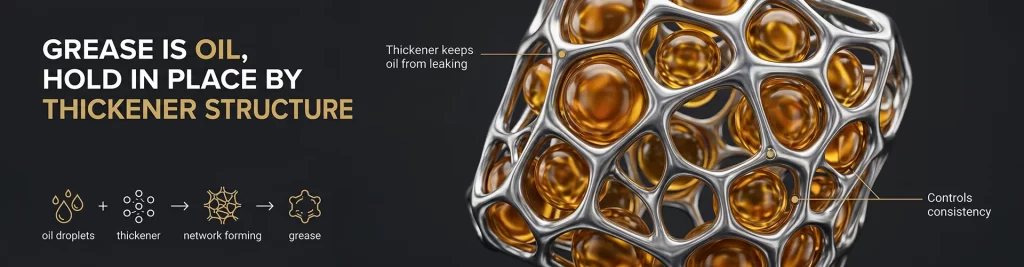
Grease is essentially oil held in place by a thickener structure. The oil performs the lubrication, while the thickener:
- Keeps oil from leaking away
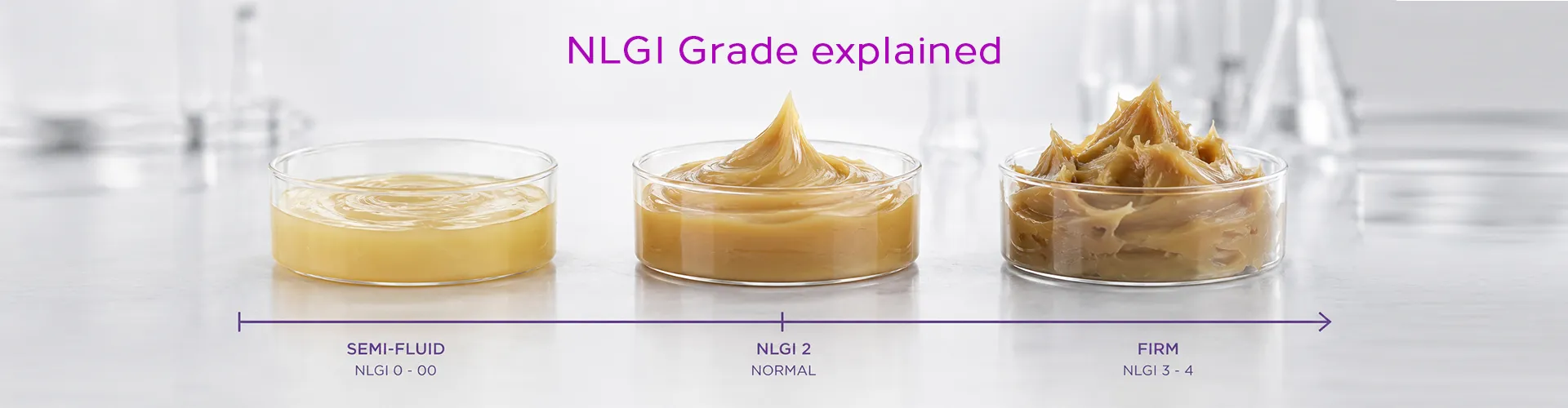
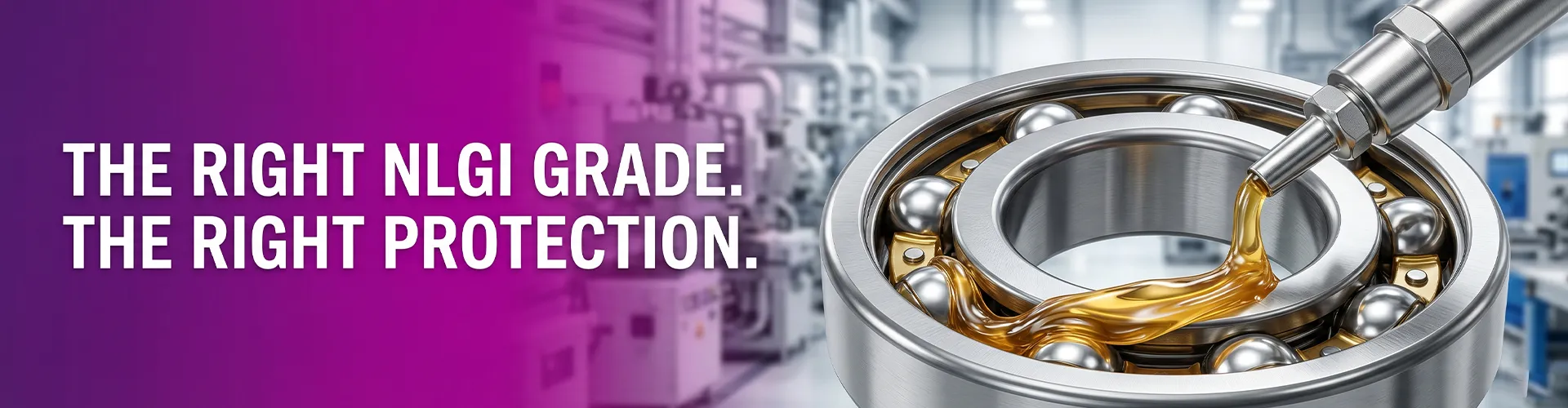
- Controls consistency (understanding NLGI grease grades)
- Influences temperature resistance
- Affects water tolerance and stability
Different thickener chemistries create very different performance characteristics. That’s why understanding grease thickener types matters just as much as choosing the right base oil viscosity. Find out more about grease base oil selection guide.
Lithium Grease: The Most Widely Used All-Rounder
Lithium-based greases are by far the most common lubricants used across automotive and industry. Their popularity comes from balanced performance and cost efficiency.
Key features of lithium grease are
- Excellent mechanical stability
- Medium to high temperature capability
- Superior performance when carrying loads (especially lithium complex EP types)
- Broad compatibility with many applications
Lithium grease is commonly used in:
- Wheel bearings
- Chassis lubrication
- General industrial bearings
- Construction equipment
Rexol Lithium EP grease, designed for everyday lubrication, provides improved thermal stability and durability.
Because of its different qualities, lithium grease is often chosen as the starting point when selecting from different grease thickener types.
Polyurea Grease: Designed for High Temperature and Long Life
Polyurea greases work very differently as compared to soap-based thickeners like lithium or calcium. Instead of metallic soap, they use an organic thickener structure, which gives them unique advantages.
Main features of polyurea grease are
- Better oxidation stability
- Extended lifespan in sealed components
- Effortless performance at elevated temperature
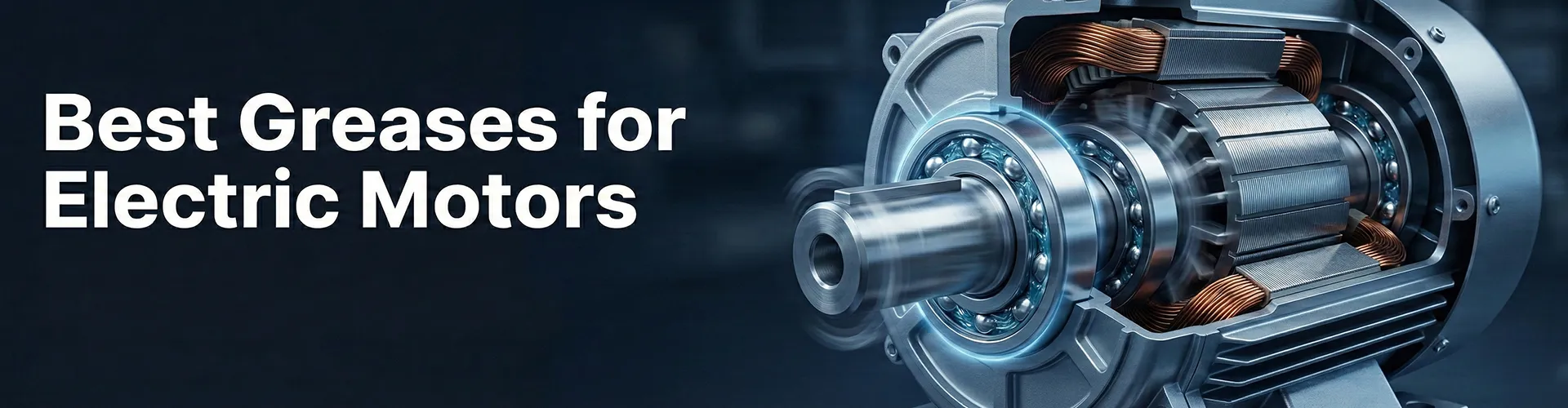
- Low noise in electric motors
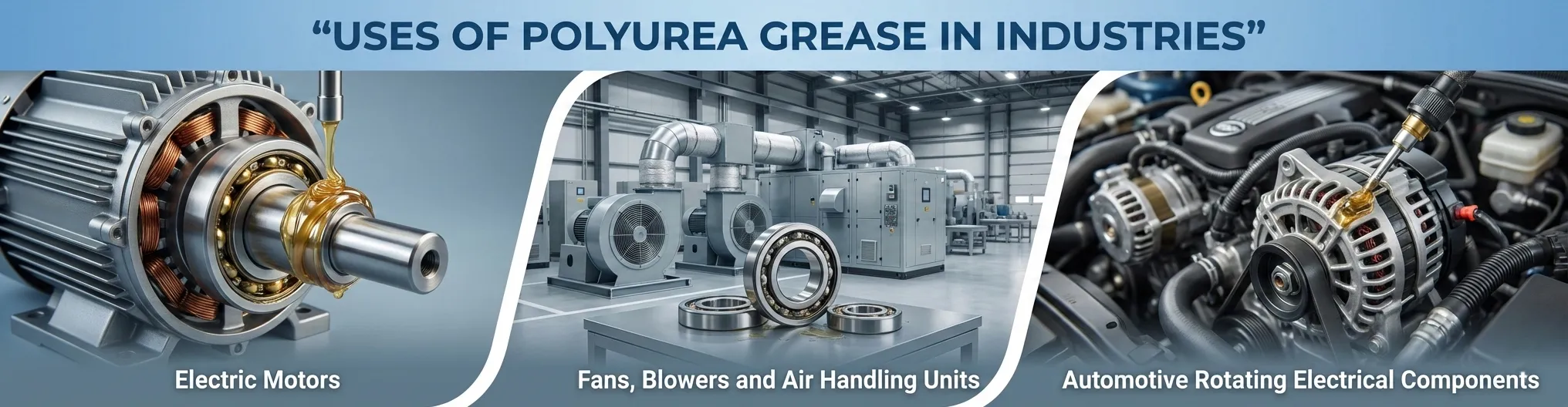
These properties make polyurea grease especially suitable for:
- Electric motor bearings
- HVAC fans and blowers
- High-speed industrial bearings
- Long relubrication interval applications
Examples include Rexol Polyurea Grease and Rexol Synthetic Polyurea Grease, both developed for continuous-running equipment.
When comparing lithium vs polyurea grease, the biggest difference is service life and oxidation resistance. Polyurea typically lasts longer in high-temperature, sealed environments, while lithium offers broader general-purpose flexibility. Find out more about where to use polyurea grease.
Calcium-Based Grease: Strong Protection Against Water and Load
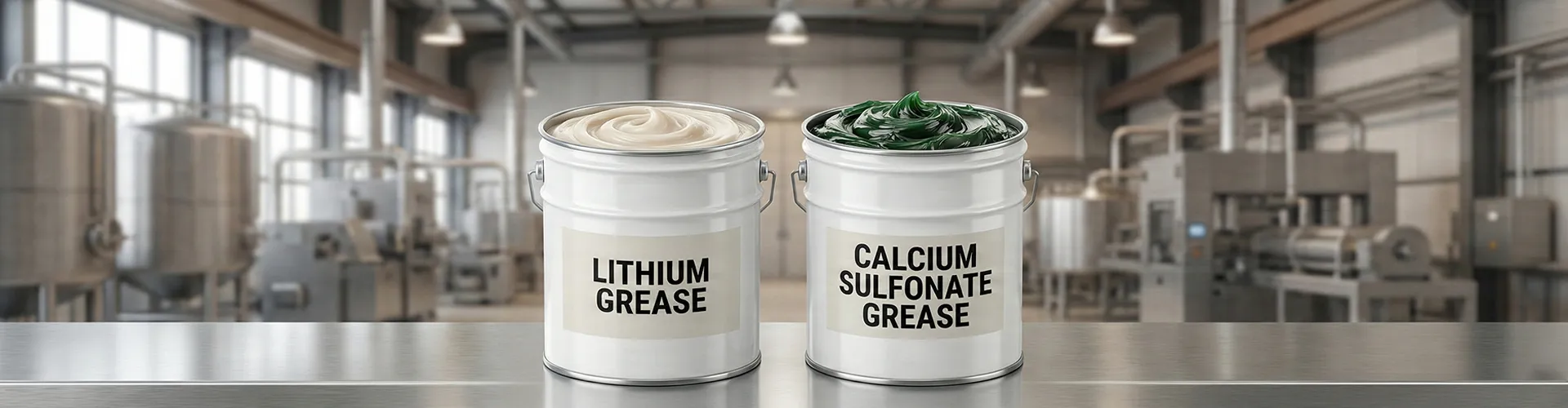
Calcium greases are known for one main strength—excellent water resistance. Traditional calcium grease has been used for decades in wet or marine environments.
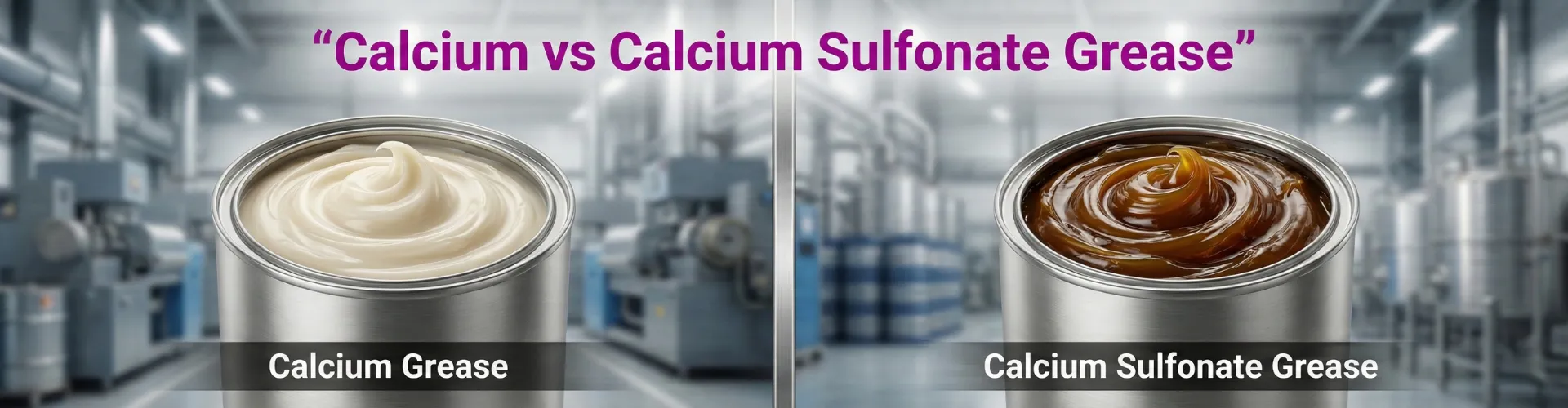
However, modern lubrication has moved toward calcium sulfonate technology, which dramatically improves performance.
Advantages of calcium and calcium sulfonate greases
- Outstanding resistance to water washout
- Strong corrosion protection
- Very high load-carrying capability (especially sulfonate complex)
- High dropping point and thermal stability
These greases are commonly used in:
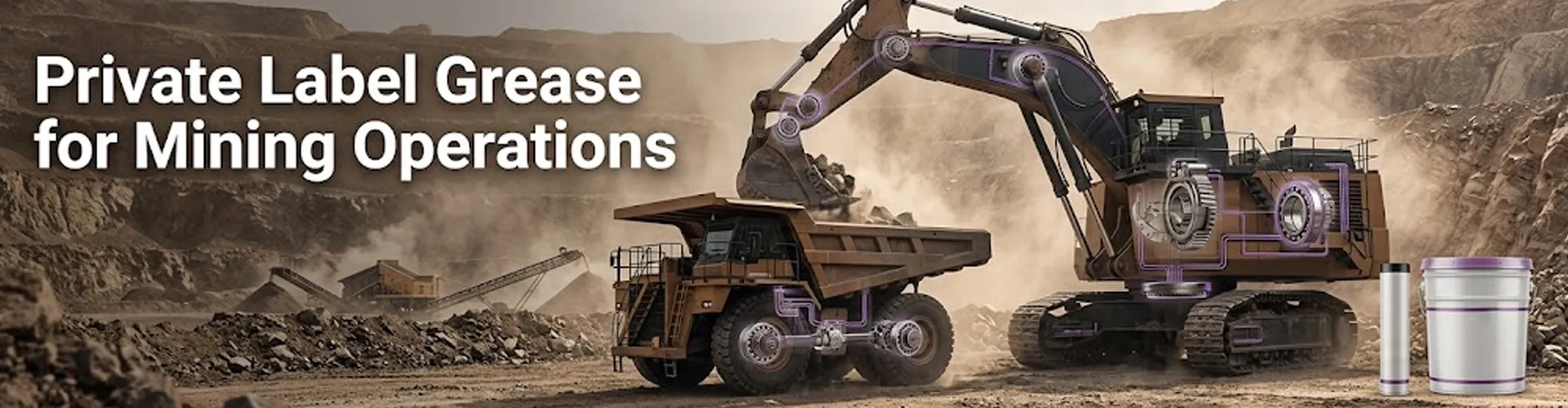
- Mining and quarry equipment
- Marine and offshore machinery
- Heavy construction pivot points
- Wet industrial environments
A typical example is Rexol Calcium Sulfonate Grease, designed for severe duty where both load and moisture are present.
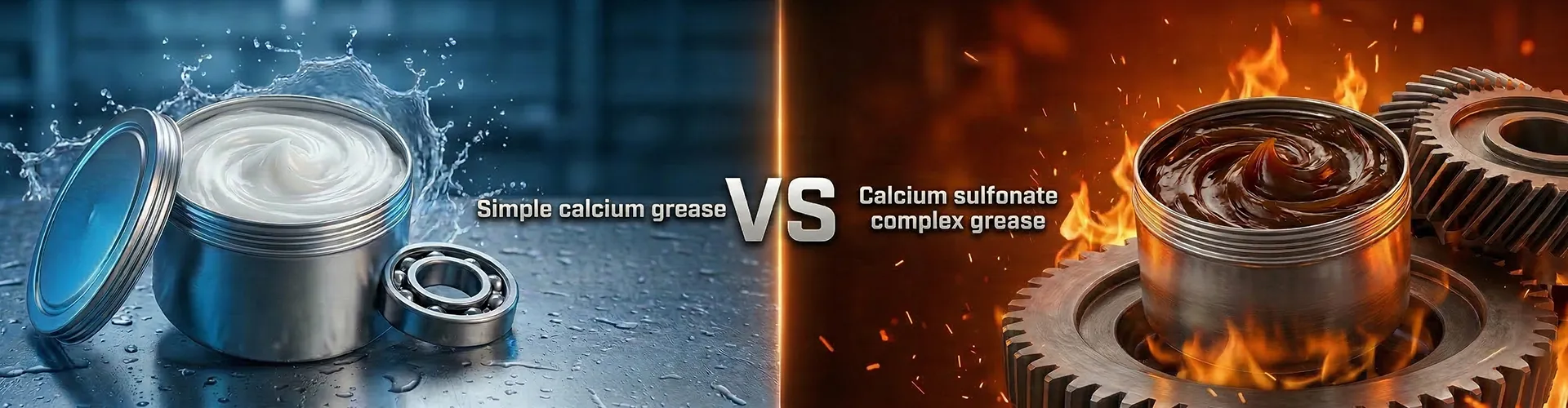
Among all grease thickener types, calcium sulfonate systems often provide the strongest protection under extreme conditions. Explore our latest update about calcium vs calcium sulfonate grease differences.
Lithium vs Polyurea Grease: Practical Differences
The comparison between lithium vs polyurea grease is one of the most common questions in lubrication.
Lithium grease is better when:
- Applications are general purpose.
- Load conditions vary
- Cost efficiency is important
- Frequent relubrication is acceptable
Polyurea grease is better when:
- Bearings run continuously at high temperatures.
- Long service intervals are required
- Electric motor noise reduction matters
- Sealed-for-life lubrication is preferred
In simple terms:
- Lithium = versatility
- Polyurea = longevity in heat
Choosing between them depends entirely on operating conditions. Read our latest blog about what is bentonite grease and its applications.
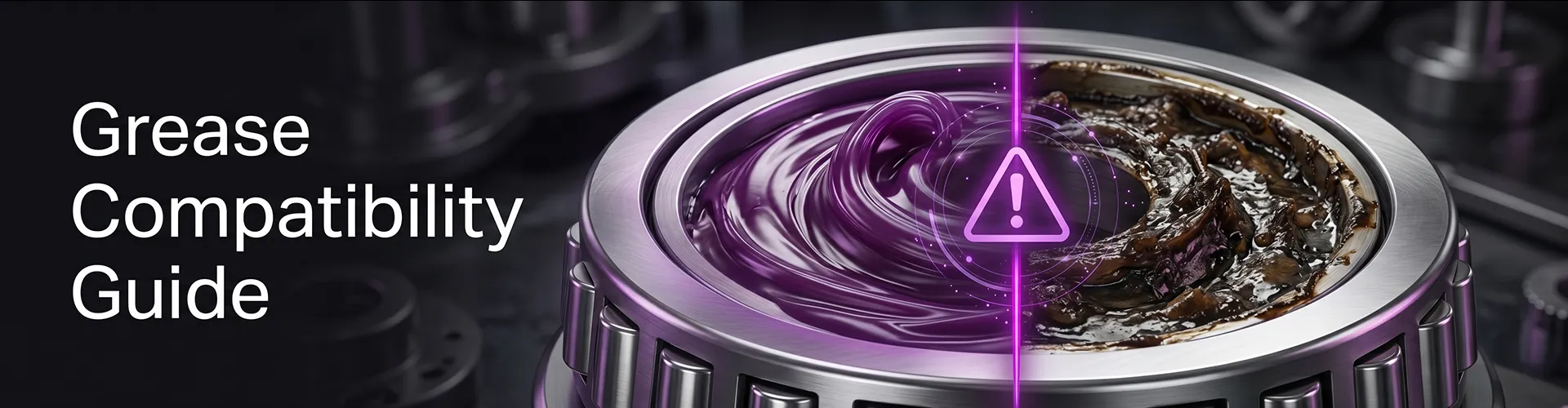
How Thickener Type Affects Grease Compatibility
One important but often overlooked topic is mixing different grease thickeners. Not all thickener systems go well with each other. Mixing these grease thickeners can often lead to:
- Softening or hardening of grease
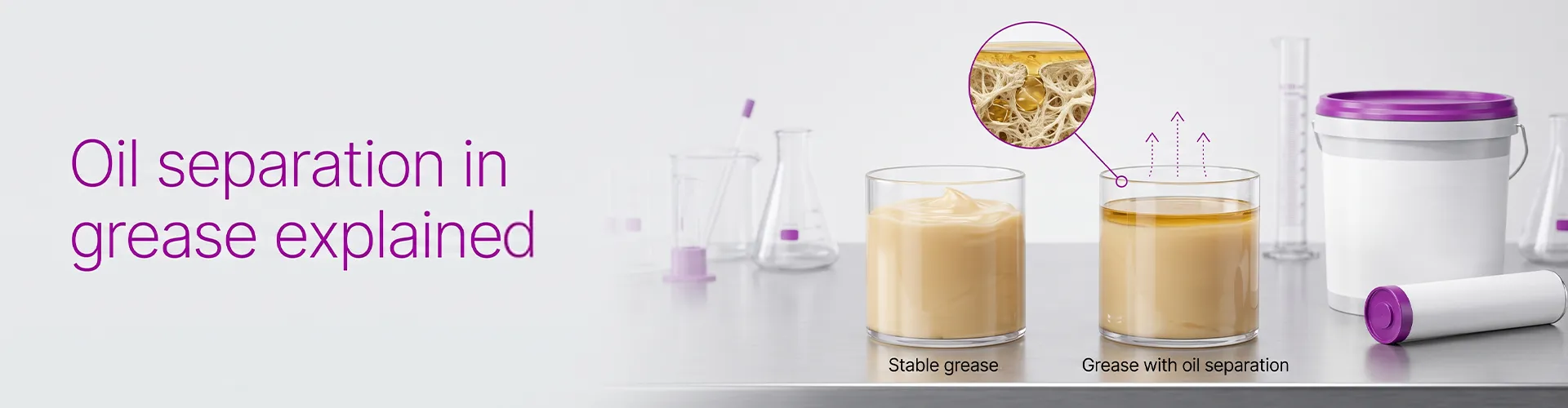
- Oil separation
- Loss of lubrication performance
Whenever changing grease type, proper cleaning is very necessary to prevent any costly compatibility problems. This is why having a proper knowledge on grease thickener types is essential. Find out more about grease compatibility guide, and best greases for electric motors.
How Rexol Supports Multiple Grease Thickener Technologies
Rexol manufactures greases using the main thickeners often used in industry, which include:
- Lithium and lithium complex EP greases for general and heavy-duty use
- Polyurea greases for electric motors and long-life applications
- Calcium sulfonate greases for extreme load, water, and corrosion exposure
This wide range of grease allows the distributors and industrial users to match the grease precisely with the operation condition rather than relying on one universal product.
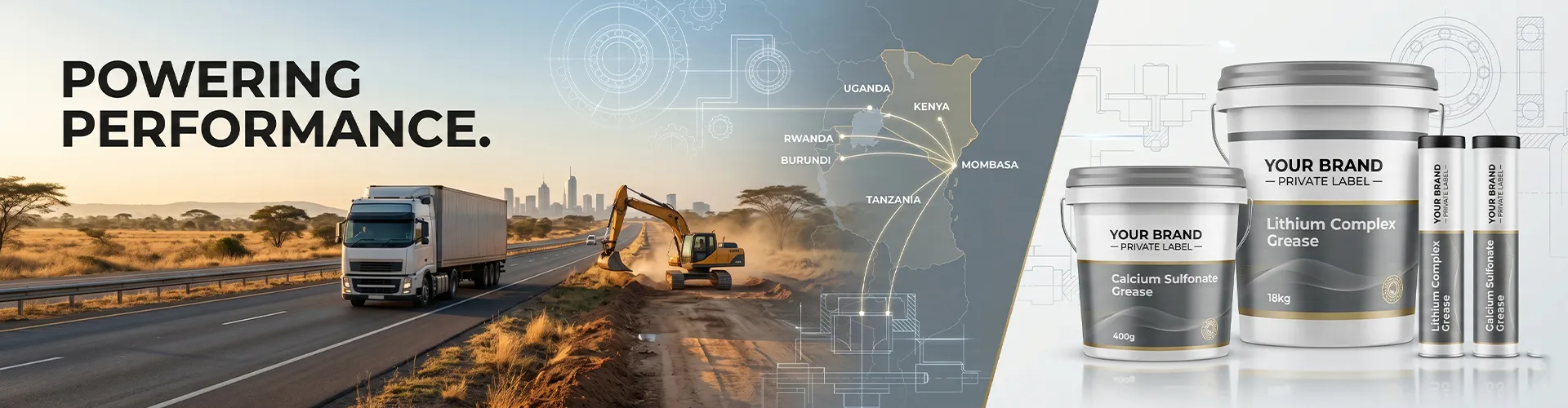
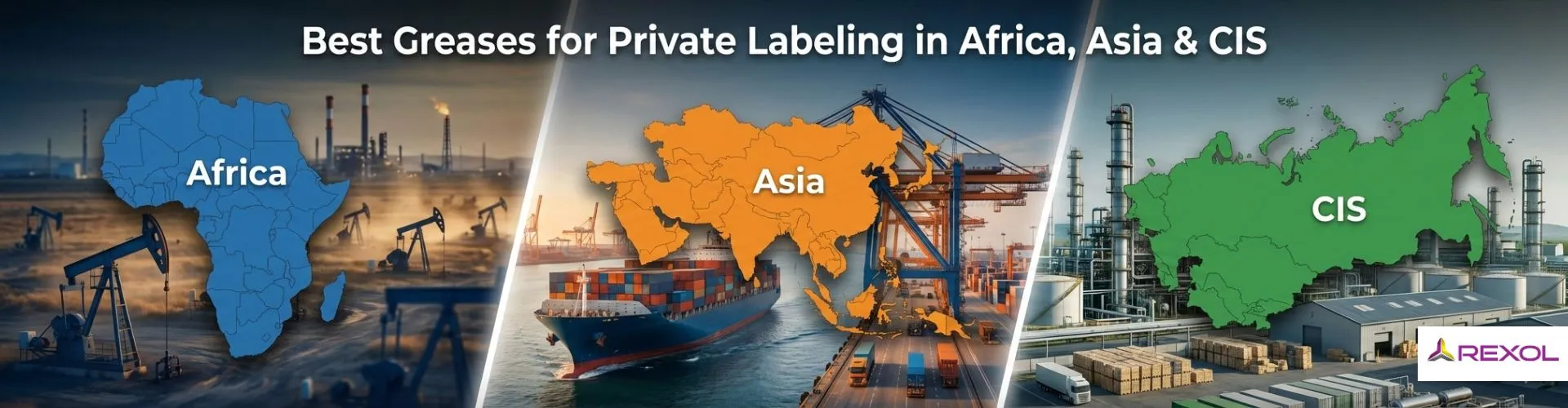
For distributors looking to enter the market or expand their product range, Rexol makes these technologies available through private label grease programs also. This allows you to have customized branding and product selection.
Know more on our Private Label Grease Manufacturing page.
Choosing the Right Thickener for Your Application
Choosing the right thickener for your application becomes easier when you answer these questions:
- Is the application highly exposed to water? → Choose calcium sulfonate
- Are the application’s temperature and service life critical? → Choose polyurea
- Is the application general-purpose or mixed duty? → Lithium complex is often ideal
There is no single “best” grease—only the best match for the operating environment. Explore our latest update about calcium sulfonate complex grease vs simple calcium grease.
Final Thoughts
Understanding grease thickener types is very essential to get the most out of the grease. Lithium, polyurea, and calcium all operate differently in different conditions and solve different engineering problems.
The real key is not choosing the most advanced grease but choosing the right chemistry for the job.
With a full range of lithium, polyurea, and calcium sulfonate technologies—plus private label manufacturing support—Rexol helps distributors and industrial users apply the correct lubrication strategy with confidence.