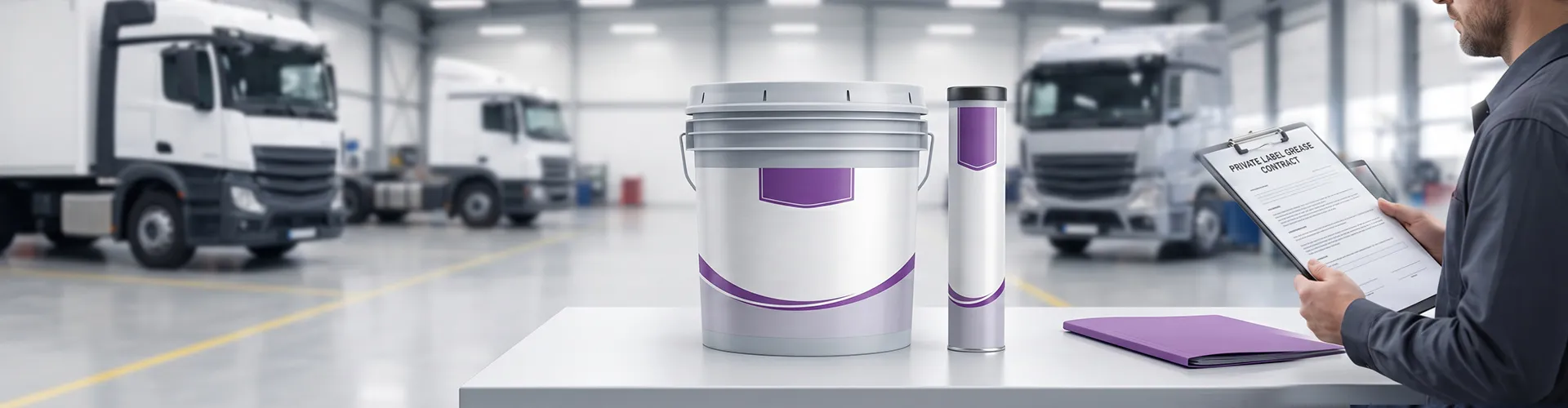
Private Label Grease for Fleets, Trucks & Logistics Companies
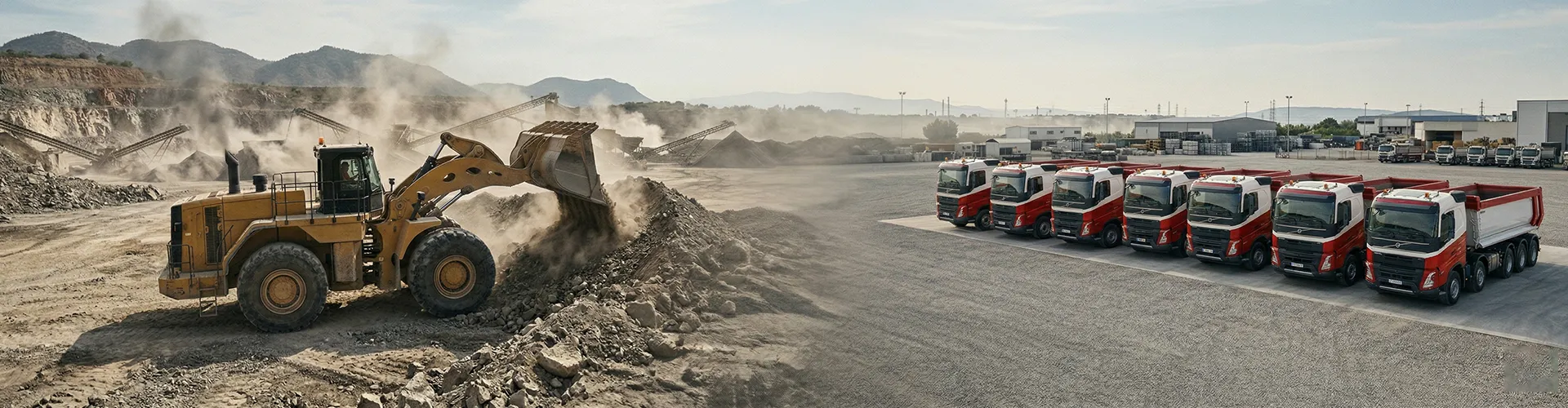
Reliability is the key to keeping fleets on the road. Every piece of moving equipment, whether it’s logistics trailers, long-haul trucks, delivery vans, or construction vehicles, needs proper and regular lubrication. All the components experience heavy loads, vibration, and long operating hours.
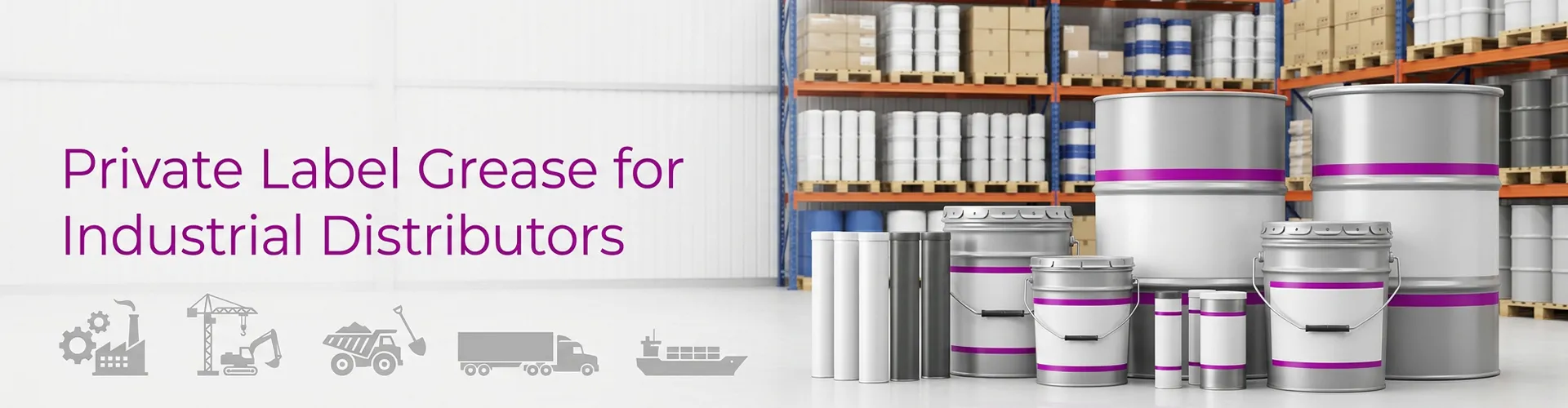
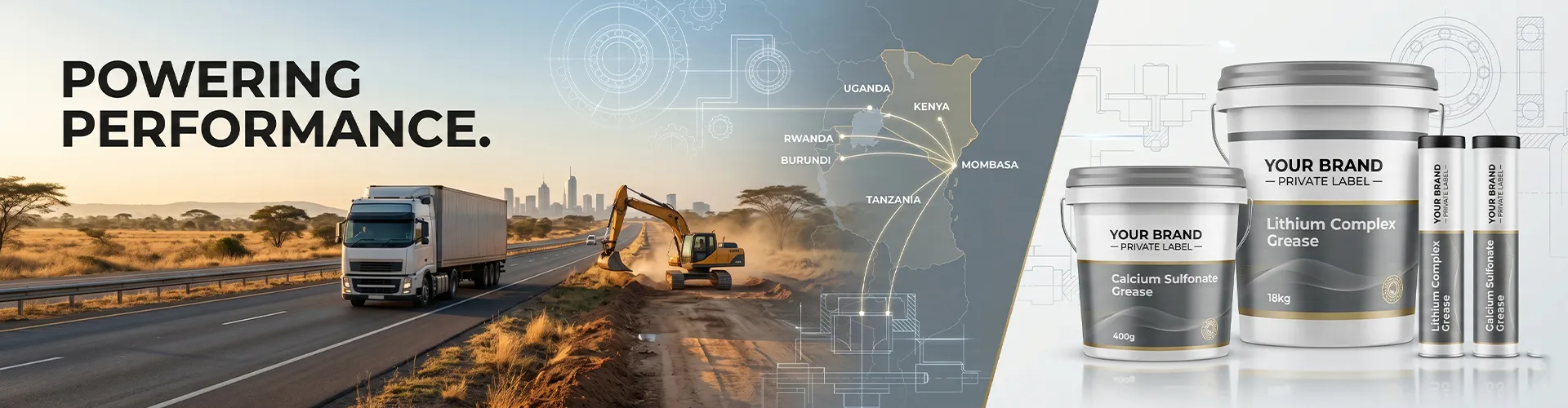
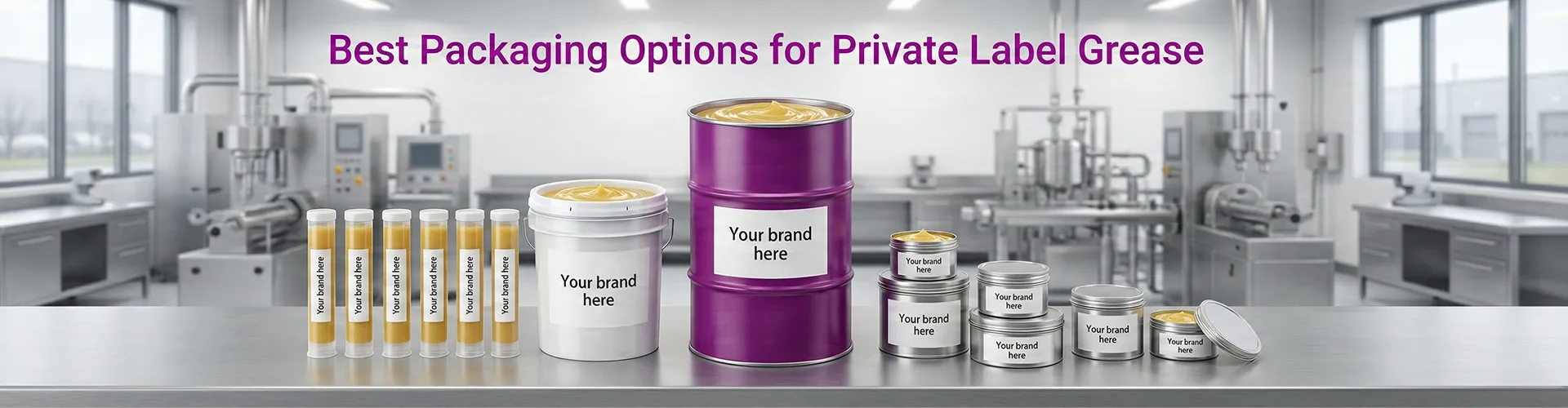
That’s why many fleets and logistics companies are now heading towards private label grease for fleets instead of relying on global brands. This system allows them to manage costs, control quality, and build a consistent lubrication program specially designed for real operating conditions. Find out latest update about start your own grease brand.
In this guide, we’ll look at how fleet lubrication works, what makes a reliable truck grease, and why working with the right fleet grease supplier can improve uptime and reduce long-term maintenance costs.
What differentiate fleet and truck Lubrication from standard industrial use?
Fleet vehicles undergo a different combination of stresses, like:
- They experience continuous vibration during long-distance driving
- They experience heavy loads on wheel bearings and suspension.
- They are more exposed to dust, water and road contaminants
- They have to undergo frequent stop-and-go operation in urban delivery fleets
- They experience different temperatures across different routes and regions
All these stresses often lead to the failure of general-purpose greases. Poor lubrication leads to:
- Premature bearing failure
- Increase in friction and heat
- Higher fuel consumption
- Unexpected vehicle downtime
Downtime of the fleet vehicle not only leads to repair costs, but it also means delayed deliveries and loss in revenue. So, selecting the right truck grease becomes one of the strongest and most strategic decisions. Explore our latest blog about private label grease for Philippine fleets and logistics companies.
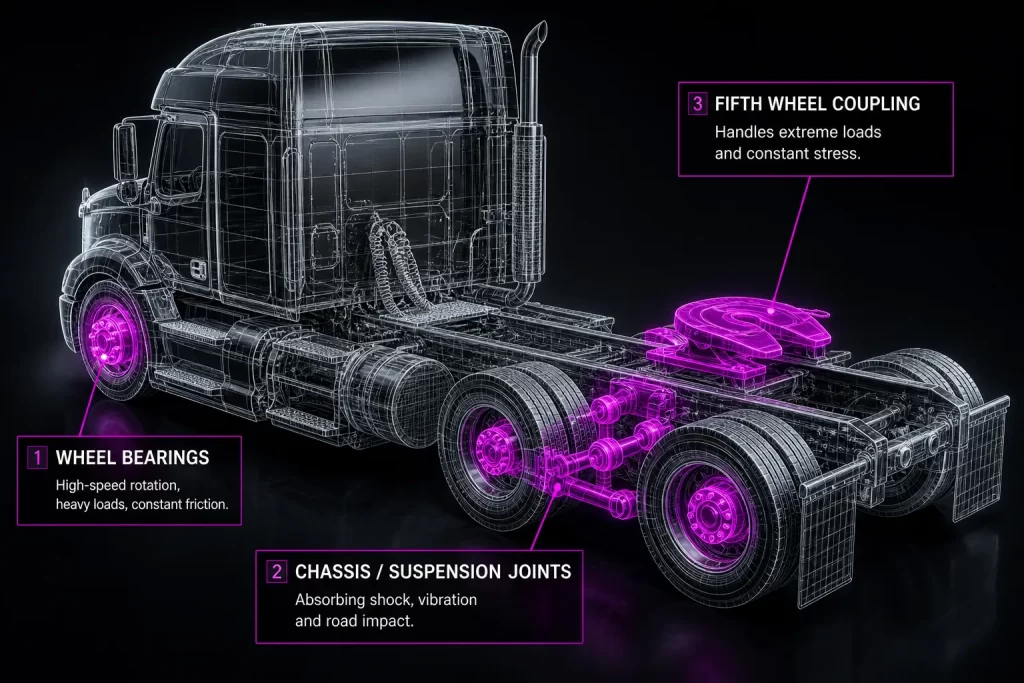
Key Lubrication parts in Fleet and Logistics Vehicles
Understanding the key lubrication parts in fleet vehicles helps to decide the right product for each part.
Wheel Bearings
Wheel bearings often carry continuous load at highway speed. They need grease that has the below properties:
- High temperature stability
- Strong oxidation resistance
- Long relubrication interval
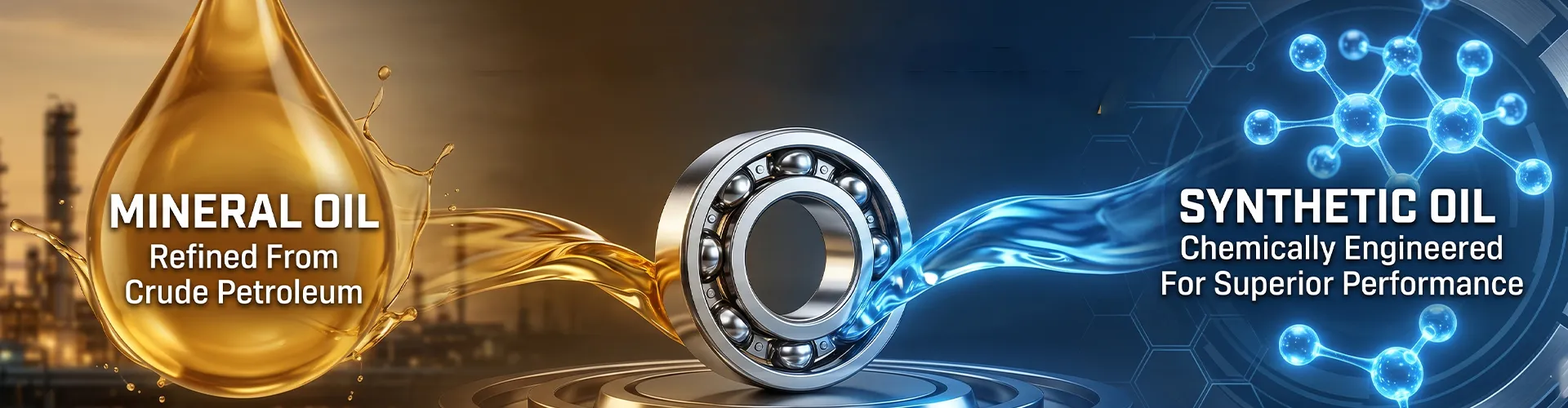
Lithium complex or synthetic greases are typically suitable for wheel bearings.
Chassis and Suspension Components
Pins, bushings, and suspension joints operate under vibration and heavy pressure. These areas need:
- Strong extreme-pressure (EP) protection
- Adhesion to metal surfaces
- Resistance to water and contamination
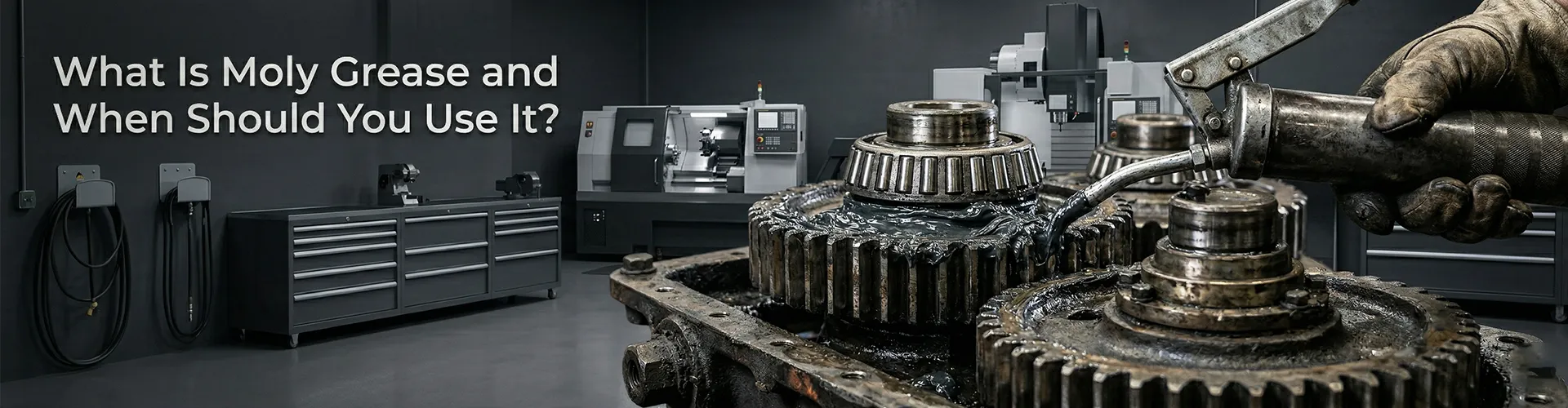
Moly or EP greases are often preferred for chassis and suspension components
Fifth Wheel and Coupling Systems
Fifth wheel and coupling systems are heavy-duty devices that experience sliding contact and heavy load transfer between truck and trailer. Grease used in them must provide the following:
- Thick lubricating film
- Wear protection under shock load
- Resistance to squeeze-out
Heavy-duty EP greases perform best in these applications.
Why fleets are turning towards Private Label Grease
Earlier fleets were dependent on major well-known lubricant brands. But nowadays, many operators and logistics companies are choosing private label grease for fleets due to many reasons.
1. Cost Control Without Compromising Quality
Using private labeling for fleets allows keeping performance aligned with fleet requirements and, at the same time, managing operating budgets more effectively by removing the premium brands. Find out more about private label grease vs branded grease.
2. Consistent Product Across the Entire Fleet
One standardized grease applied across vehicles simplifies:
- Maintenance training
- Inventory management
- Lubrication scheduling
Consistency reduces the risk of incorrect grease application.
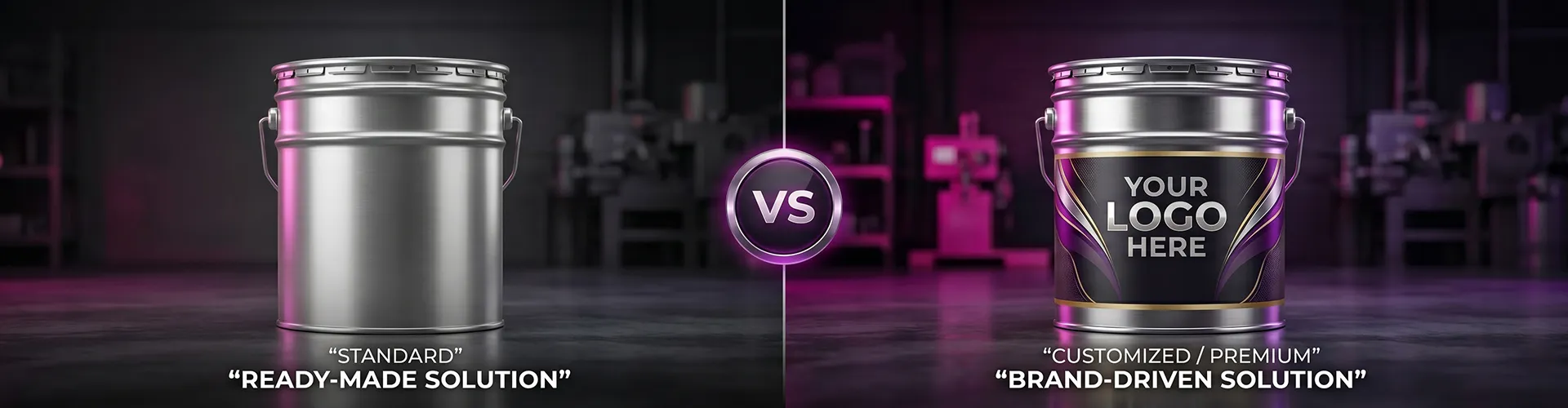
3. Branding Opportunity for Distributors and Transport Groups
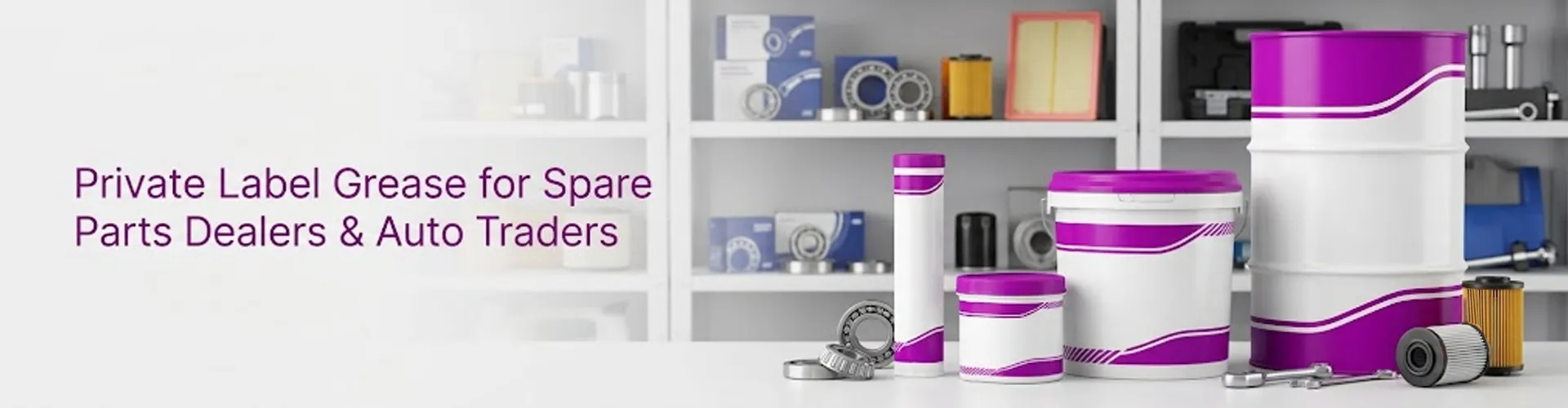
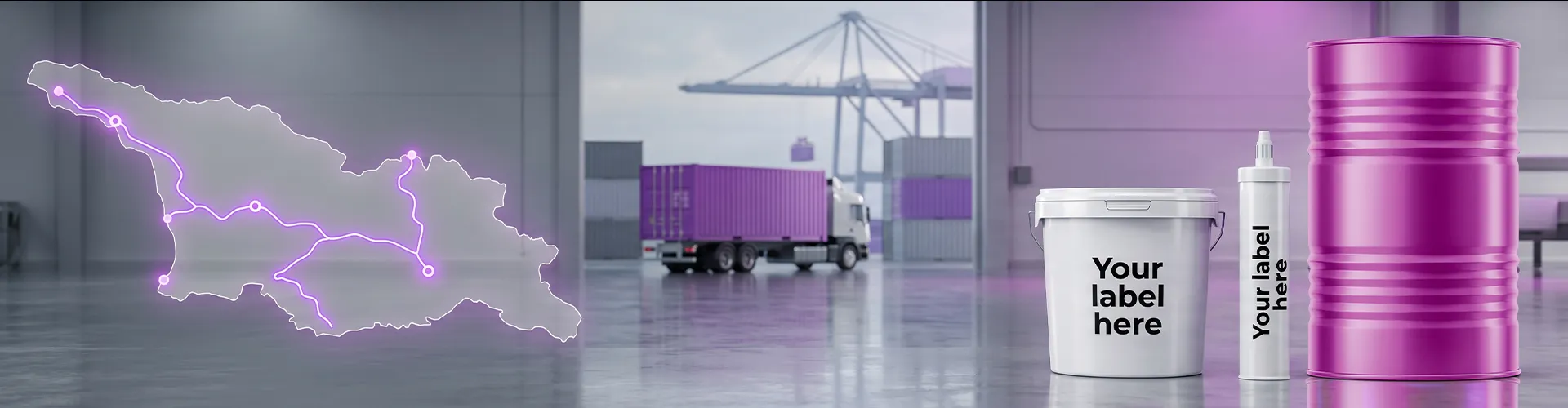
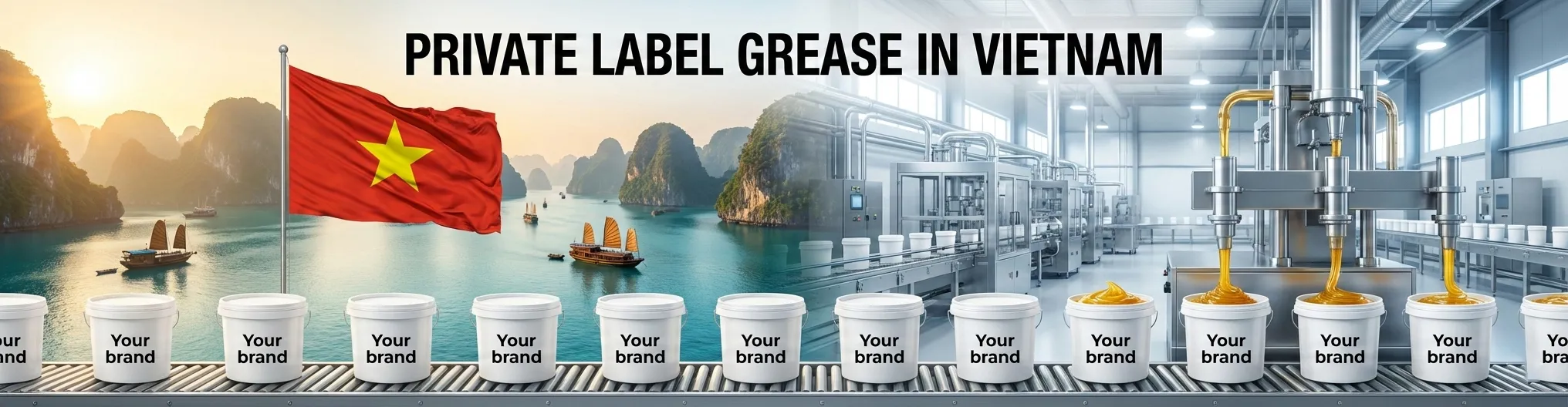
Private labeling allows operators to sell grease under their own brand name, which not only strengthens customer loyalty but also strengthens your market presence. Explore our latest update about private label grease for fleet operators, and build a grease brand without a factory
4. Custom Formulations for Real Operating Conditions
Private label programs allow grease selection based on different temperature ranges, loads, equipment types, and relubrication intervals.
This flexibility is rarely possible with off-the-shelf branded lubricants.
Choosing the Right Fleet Grease Supplier
Choosing a reliable fleet grease supplier is as important as choosing the grease itself. The main factors that have to be taken into consideration are:
- Consistent manufacturing quality
- Proven EP and temperature performance
- Availability of multiple grease types
- Flexible packaging for workshops and bulk use
- Export and logistics capability for regional fleets
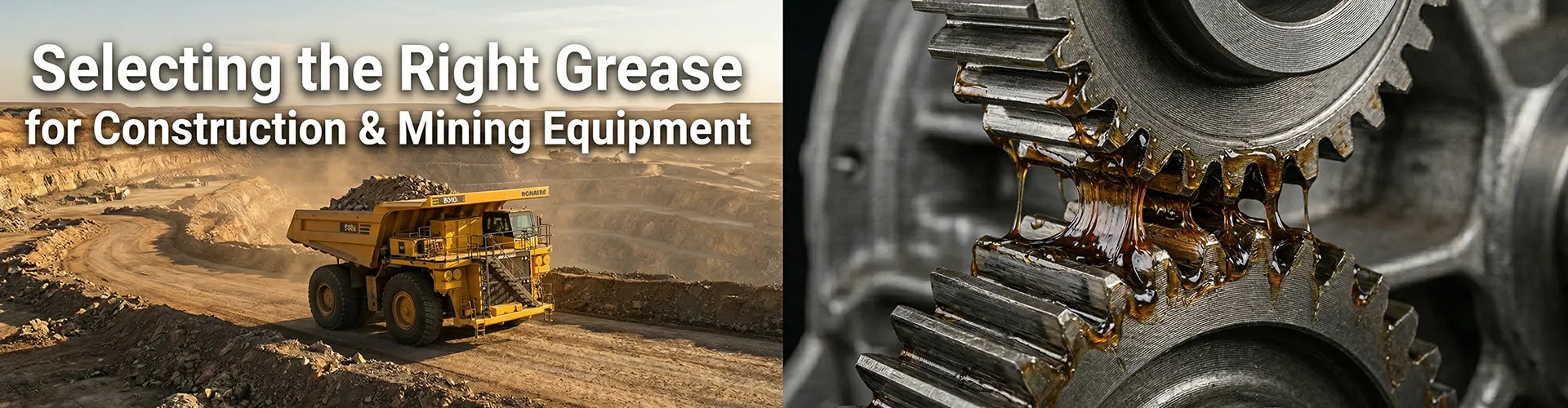
A strong relationship with the supplier ensures a steady lubrication performance across the entire fleet lifecycle. Read our latest update about reliable private label grease supplier, and selecting the right grease for construction & mining equipment.
How Rexol Supports Fleet, Truck & Logistics Lubrication
Rexol manufactures a dedicated range of greases designed for fleet and heavy-duty vehicle lubrication, including:
- Lithium Complex EP Grease for wheel bearings and general chassis use
- Moly EP Grease for pins, bushings, and suspension joints
- Heavy-duty EP greases for fifth wheels and load-bearing components
These products are exclusively produced for real operating conditions like continuous vibration, long driving hours, and varying climates.
Not only product supply, Rexol supports fleet operations and distributors with the following:
- Consistent and strict production quality and batch reliability
- Availability of multiple packaging sizes for workshops and bulk storage
- Technical guidance from experts on grease selection and application
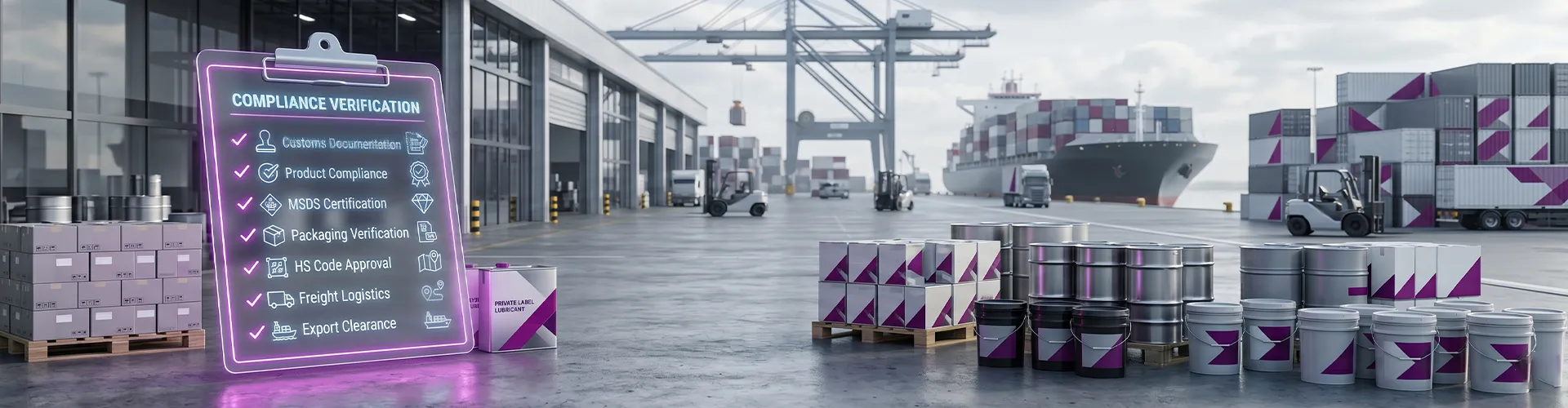
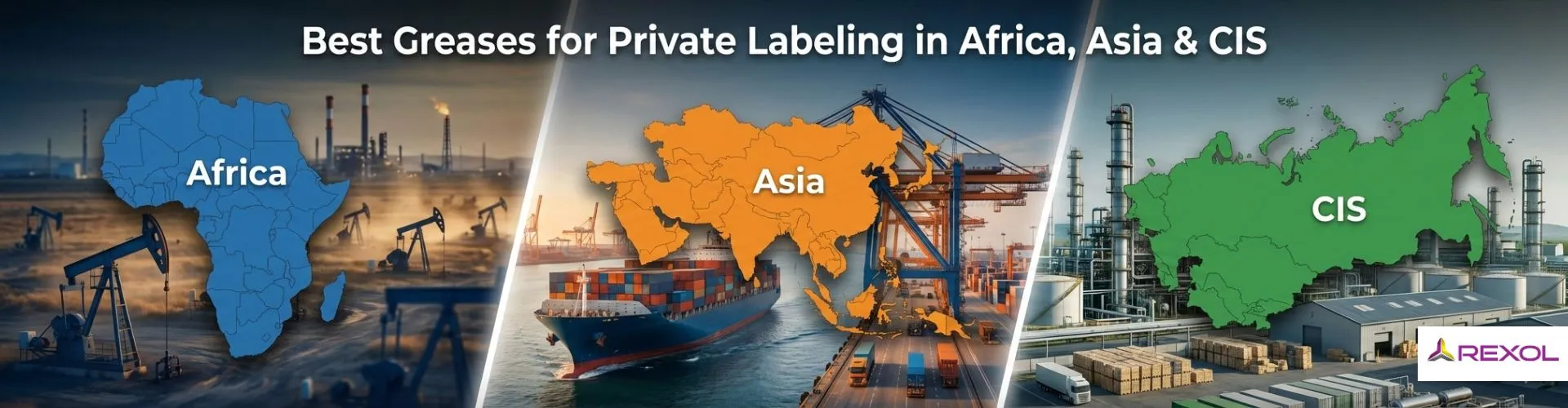
- Export experience for regional and international logistics markets
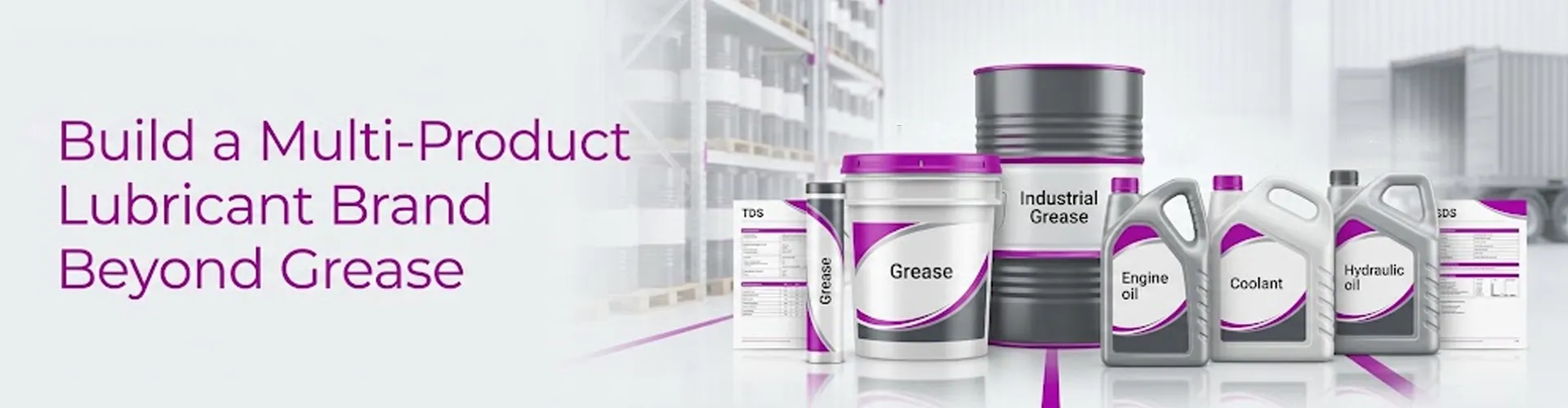
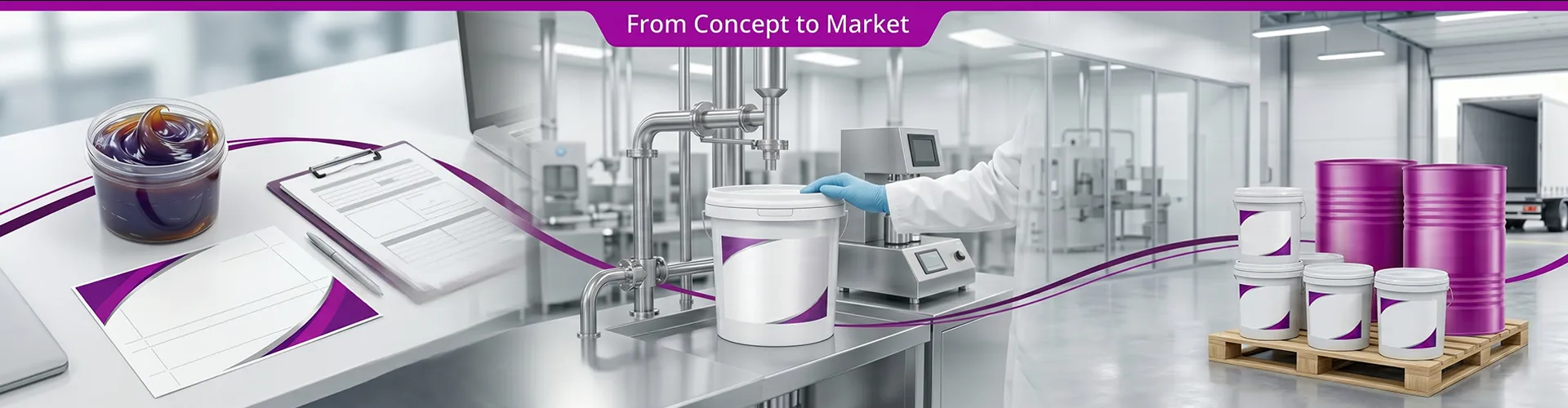
Above all, Rexol offers a full private label grease manufacturing program allowing fleet operators and logistics companies to build their own branded lubrication range developed specifically for transport applications. Read our latest update about private label grease for Singapore-based distributors, and why distributors choose private label instead of big brands.
You can explore this in detail on the Private Label Grease Manufacturing page.
Best Practices for Fleet Greasing Programs
Fleet lubrication should be conducted with utmost care and precautions. If correct maintenance practices are not applied, then in that case even the best grease can fail. A good fleet lubrication practice should include the following:
- Planned relubrication that is based on hours or mileage
- Cleansing grease points before application
- Preventing mixing of incompatible grease types
- Keep an eye on bearing temperature and noise
- Giving training to maintenance staff on correct grease usage
A correct and disciplined lubrication program can remarkably increase the component’s life and reduce the unexpected failures. Explore our latest update about how long private label grease production takes.
Final Thoughts
For logistics companies, lubrication is a small cost compared to downtime, repair, and operational disruption. Choosing private label grease for fleets comes with:
- Predictable expenses for maintenance
- Good vehicle uptime
- Stronger brand identity for distributors
- Flexibility to match real operating conditions
Slowly, these benefits convert into noticeable operational savings. The right truck grease supplied by a reliable fleet grease supplier helps in reliable lubrication and plays a major role in keeping vehicles moving and maintenance predictable. Read our latest blog about NLGI 2 grease for fleet applications.
Private labeling takes this one step further, giving fleets control over quality, cost, and branding while ensuring lubrication matches real-world transport demands. Find out more about grease for hot climate & off-road markets.
With dedicated heavy-duty grease technologies and full private label manufacturing support, Rexol helps fleets and distributors build lubrication programs designed for long-term reliability—not just short-term supply.