Importing Private Label Grease: Documents, HS Codes & Compliance
If you’re planning to import private label grease, the commercial side is usually the easy part. The technical and compliance side is where most first-time importers get delayed.
Grease is not just another packaged product. It’s an industrial lubricant that is based on chemicals. Because of this reason, authorities need the correct documentation, proper specifications, and full compliance with the local grease import regulations.
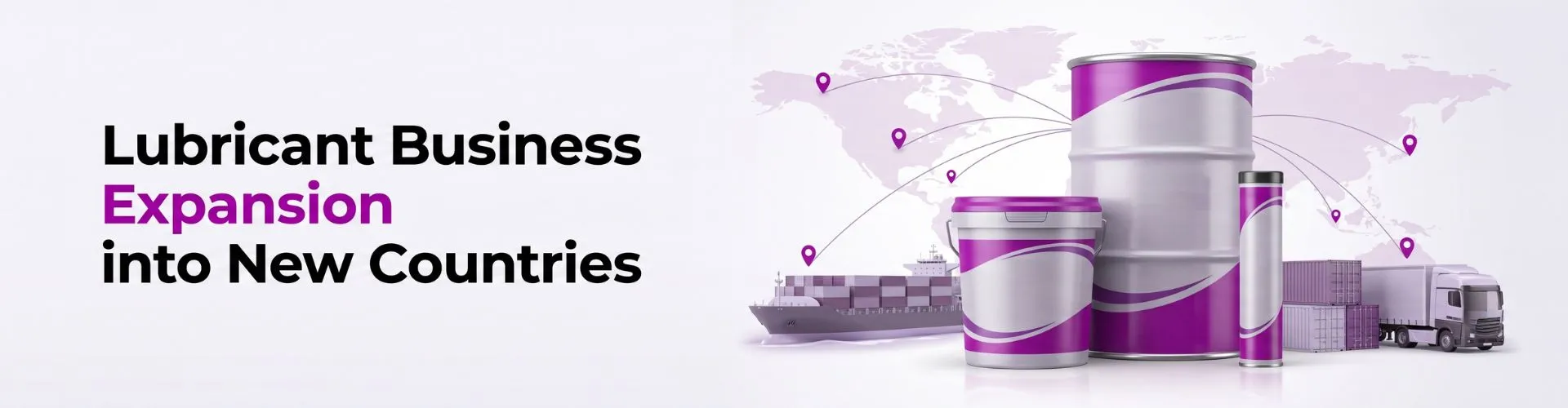
Industrial suppliers looking to expand their product line or distributors starting their own brand need to understand this documentation process before importing private label grease.
This Rexol guide discusses all the essentials like HS codes, shipping paperwork, and compliance considerations to help distributors and suppliers to avoid any costly mistakes. Find out more about how to start your own grease brand.
What are HS Codes for grease imports?
The very first step in the process of importing lubricating grease is proper categorization.
The Harmonized System code (HS code) is a standard numerical identifier used to classify the exact types of goods you are shipping.
Grease falls under HS Code 2710, which covers petroleum oils and preparations. More specifically, lubricating greases are generally classified under:
HS Code 2710.19.99 (or country-specific variations)
Where
- 27 is chapter
- 2710 is heading covering petroleum oils and oils obtained from bituminous minerals, other than crude
- 2710.19 is subheading narrowing it down to other petroleum oils and preparations (not crude)
- The last two digits (99) are country-specific extensions used to further classify products for customs purposes.
But HS codes can vary slightly depending on:
- Base oil type (mineral vs synthetic)
- Additive content
- National customs sub-classifications
- Free trade agreements
It’s important to confirm the correct HS code with your customs broker before shipment. Mistakes in this classification can lead to:
- Delay in clearance process
- Mistake in duty calculation
- Regulatory review
Brands, while importing private label grease, should always verify the HS code with the product formulation and supporting documents.
What are the main documents required to import private label grease?
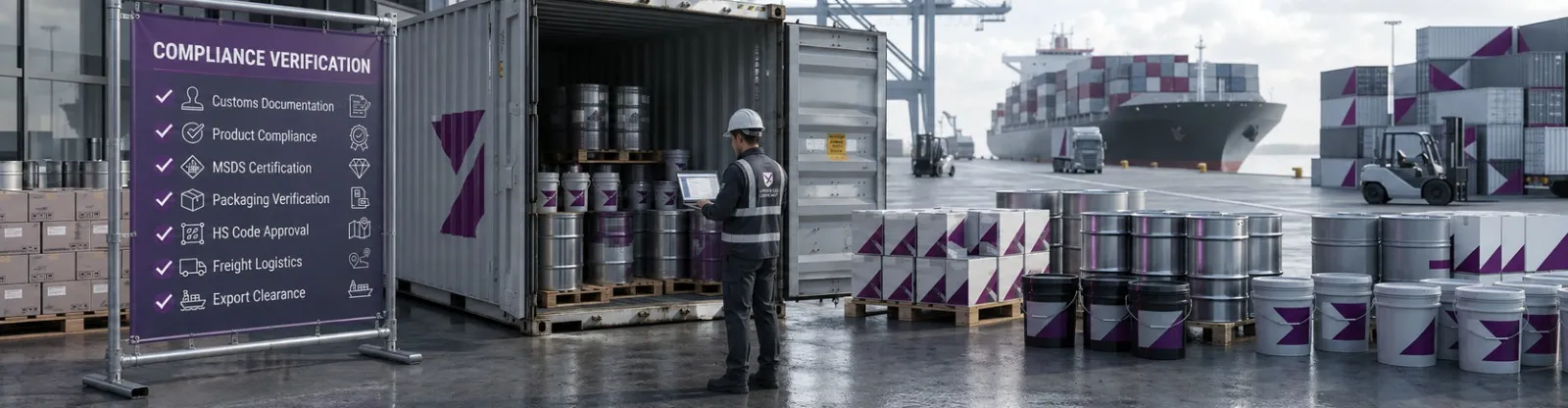
Most of the countries have their standard sets of commercial and technical documents while importing grease. These documents include:
1. Commercial Invoice
A commercial invoice is an important legal document required for imports. This document must have:
- Product name (same as mentioned in the label)
- HS code
- Quantity and packaging details
- Unit price and total value
- Country of origin
2. Packing List
Packing list are mainly used by shippers, carriers, and customs to verify the cargo and implement custom clearance without disclosing the product price. The packing list document must have:
- Packaging type (cartridges, pails, drums)
- Gross and net weight
- Number of pallets or containers
3. Certificate of Origin
A Certificate of Origin (CO) is a vital international trade document required in many regions for customs clearance and tariff calculation.
4. Bill of Lading / Airway Bill
A Bill of Lading (BL) is a critical, legal shipping document issued by the carrier. Find out more about how long private label grease production takes.

What is MSDS – A Critical Compliance Document
One of the most important technical documents when you import private label grease is the MSDS (Material Safety Data Sheet) — now commonly referred to as SDS under GHS standards.
The MSDS provides different details of the product, which include:
- Overview of the chemical composition
- Hazard identification
- Instructions on handling and storage
- Measures required for fire-fighting
- Transportation classification
- Information on environmental impact
The majority of the greases are classified as non-hazardous for transport, but still, customs authorities need MSDS for verification.
Without a properly formatted MSDS, clearance can be delayed.
Your supplier must provide an updated, regulation-compliant MSDS aligned with GHS standards. Find out more about grease supplier with export documentation support.
Labeling and Packaging Compliance
Rules for grease import often include the requirement of labels. Depending on the destination country, it may be required to show the following on the label:
- Name of the product
- Batch number
- Net weight
- Country of origin
- Manufacturer details
- Safety instructions
Some markets require labels in the local language. Others require hazard pictograms if applicable.
Before importing private label grease, confirm:
- Whether your target market requires local language labeling
- Whether pre-registration or chemical inventory registration is required
- If environmental declarations are necessary
These small details can make the difference between smooth clearance and weeks of port delay. Explore our latest update about best packaging options for private label grease brands.
Regulatory Compliance Considerations by Region
Different regions handle grease imports differently.
Middle East
Typically straightforward if documentation is complete. MSDS and certificate of origin are commonly required.
Africa
Requirements vary by country. Some markets may require pre-shipment inspection certificates.
Europe
More regulated. Compliance with REACH (for chemical substances) may apply depending on volume and product type.
Asia
Often requires accurate HS classification and documentation alignment. Find more about importing private label grease into the Philippines.
Because grease falls under chemical products, grease import regulations may include environmental or hazardous material checks depending on additives. Find a quick about OEM vs private label grease manufacturing.
Duties and Taxes
Import duties depend on:
- HS code classification
- Country of origin
- Trade agreements
- Free zone arrangements
When sourcing from different countries, many importers fail to take tariff differences seriously. Proper verification of the HS code and origin certification can significantly reduce the duties.
Why Supplier Support Matters
The quality of your documentation directly affects your supplier when you import private label grease.
An experienced manufacturer should provide:
- Accurate HS code classification
- Complete MSDS documentation
- Properly formatted commercial invoices
- Clear batch traceability
- Export-compliant packaging
This is the reason working with an expert and experienced manufacturer becomes important.
Rexol fully supports our international customers through proper documentation and a structured export process. For companies planning to start your grease brand, you can quickly check out our private label grease manufacturing program and build a grease brand without a factory. Find out more about why distributor choose private label instead of big brands.
Common Mistakes First-Time Importers Make
- Using the wrong HS code
- Receiving incomplete MSDS documentation
- Ignoring labeling requirements
- Underestimating customs review time
- Failing to coordinate with a customs broker early
Importing grease is not complicated, but it requires attention to detail. Explore our latest update about minimum order quantity for private label grease.
Practical Checklist Before You Import Private Label Grease
This checklist is divided into three parts
Checklist before shipment:
- Confirm HS code with customs broker
- Verify MSDS compliance
- Cross -check labeling meets destination country requirements
- Ensure commercial invoice accuracy
- Check certificate of origin format
- Review palletization and packaging details
Checklist during shipment:
- Track Bill of Lading
- Pre-submit documentation to customs if possible
Checklist after arrival:
- Inspect packaging integrity
- Verify batch numbers
- Ensure documentation matches shipment exactly
Final Thoughts
To successfully import private label grease, you need more than just a product and a brand label. You need correct classification, complete documentation, and compliance with grease import regulations. Find out more about white label vs private label grease.
The good news is that when documentation is handled properly — especially HS codes, MSDS, and labeling — the process is smooth and predictable.
For distributors and industrial suppliers expanding their product range, private label grease can be a strong business opportunity. But compliance must be handled professionally from day one.
If you’re planning to import private label grease under your own brand, working with a manufacturer experienced in international export documentation makes the entire process far easier.
And as always in lubrication, details matter.