Bearing Failure Due to Poor Lubrication: What Role Does Grease Play?
Bearing failure is one of the most common problems in industrial, automotive, fleet, and heavy-duty equipment. In many cases, the bearing itself is not the real problem. The failure starts because the bearing is not getting the right lubrication.
This is where grease for bearing failure becomes an important topic.
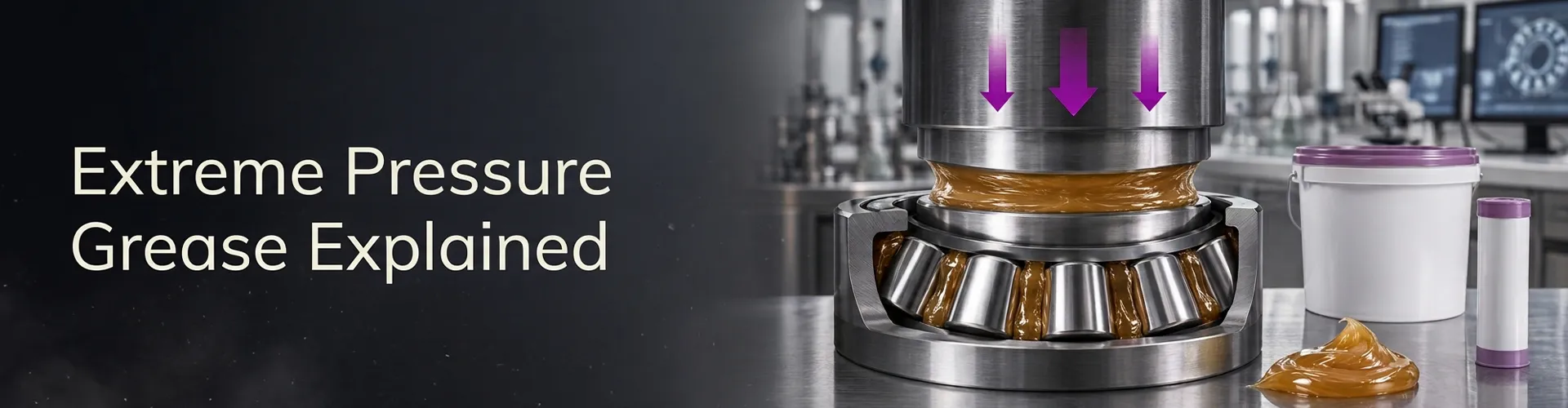
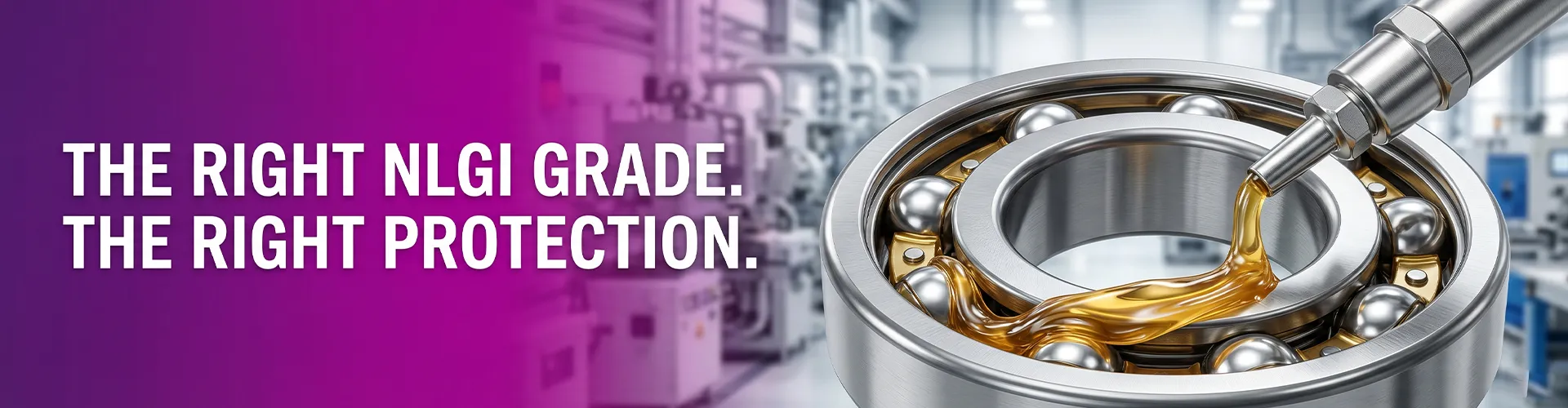
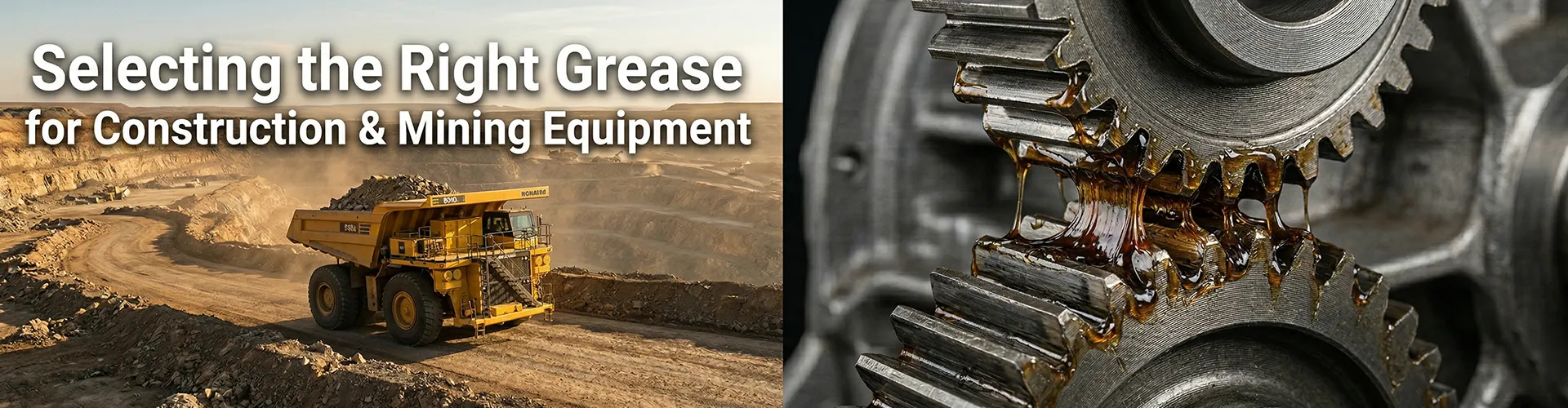
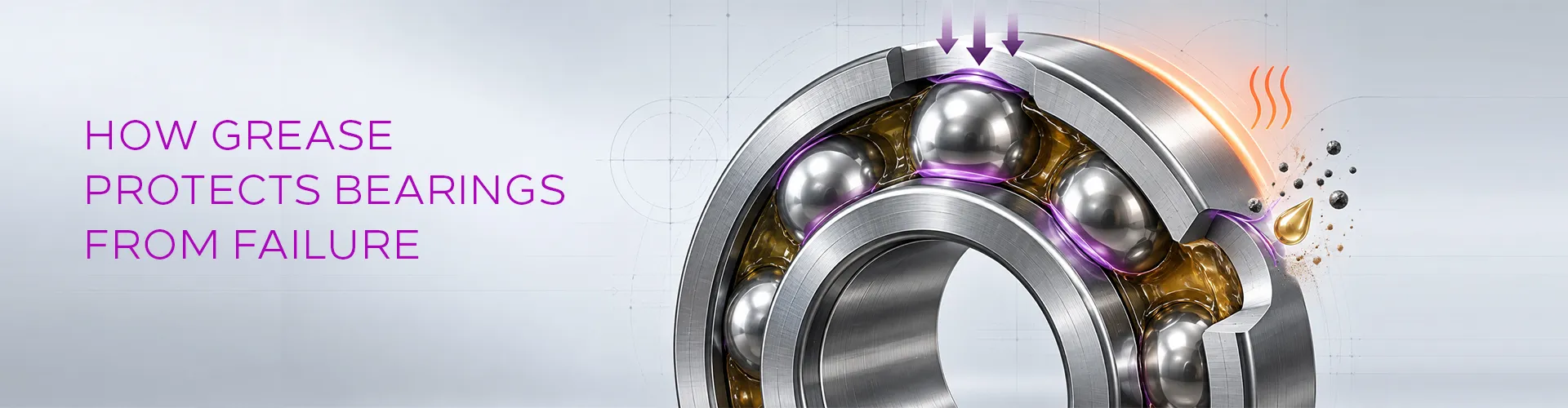
Grease is not only used to reduce friction. It also helps in protecting bearing surfaces, reducing wear, resisting contamination, controlling heat, and supporting smooth movement. When the wrong grease is used, or when grease is applied incorrectly, bearing life can reduce quickly.
Why Bearing Failure happens ?
Bearing failure happens when the bearing doesn’t receive the right grease, the right amount of grease, or lubrication at the right interval.
Poor lubrication can cause metal surfaces inside the bearing to rub, overheat, wear, or become damaged before their expected service life.
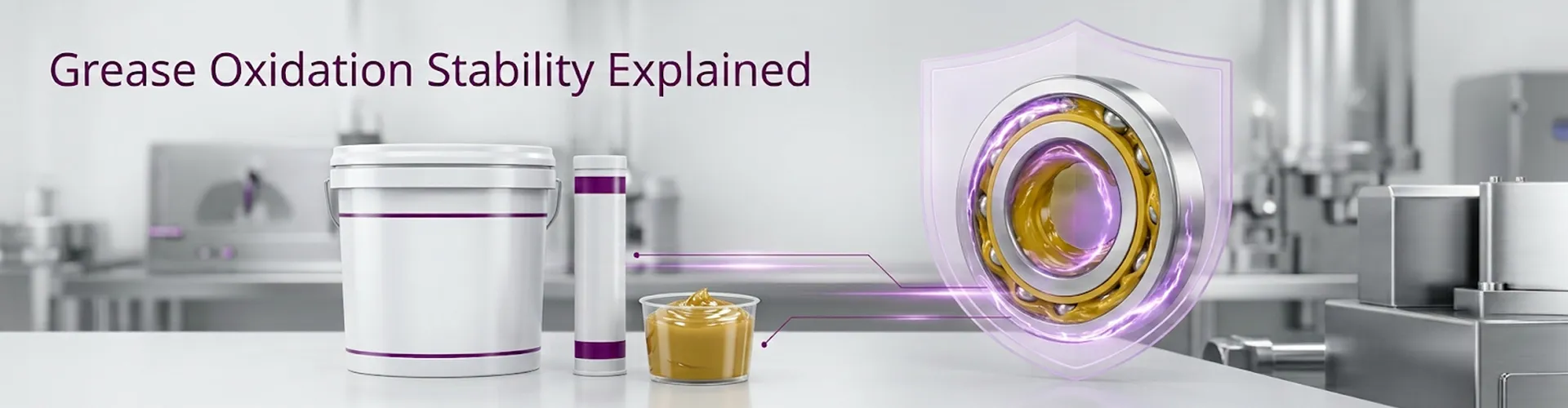
What Is the Role of Grease in Bearings?
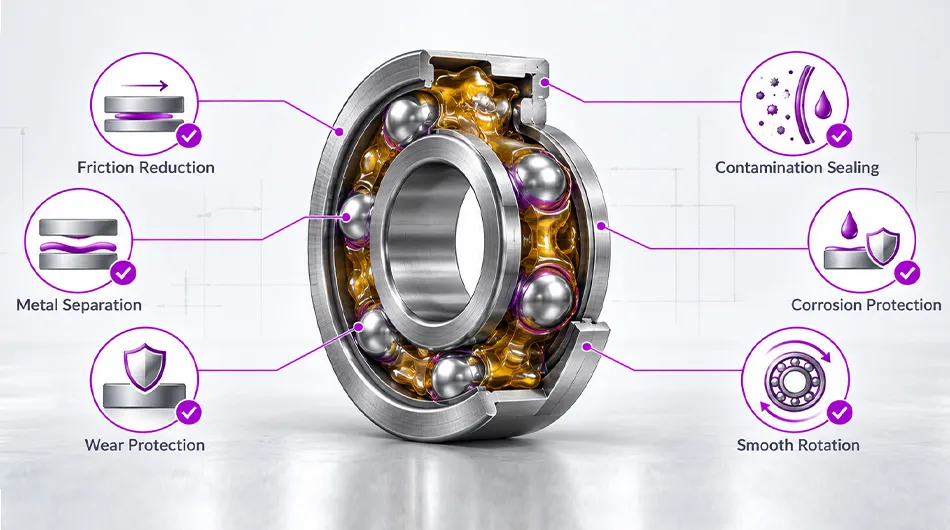
Grease helps with several important things inside a bearing.
It helps to:
- Reduce friction between moving surfaces
- Separate metal contact points
- Protect against wear and scoring
- Help seal out dust, water and contamination
- Reduce corrosion risk
- Support smooth rotation
- Stay in place longer than oil in many applications
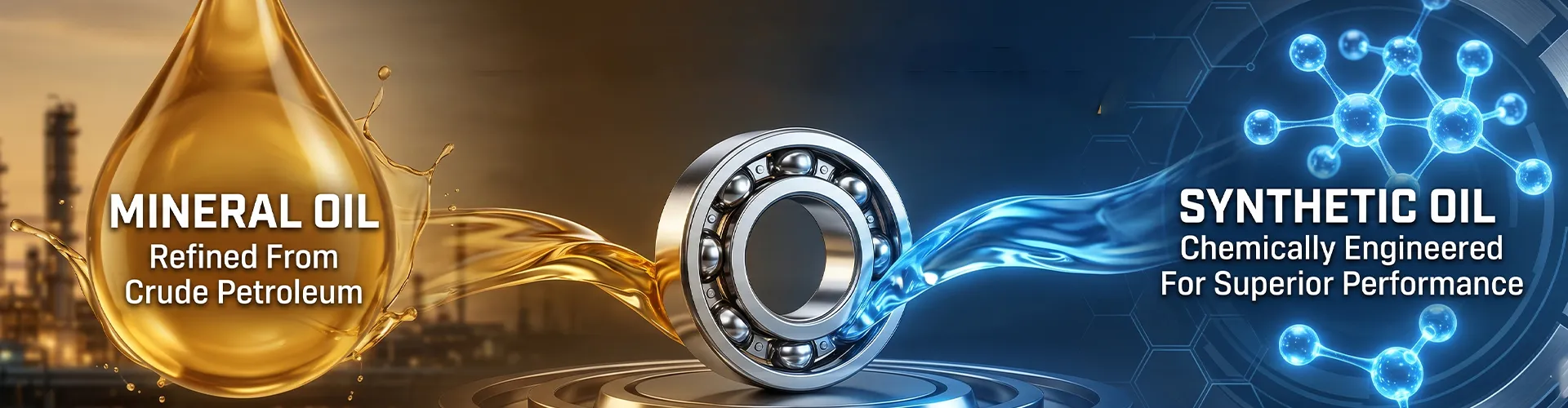
- Carry additives to protect the bearing under load
Good grease keeps the bearing protected during normal operation. Poor grease selection or poor lubrication practice can do the opposite. Learn how to select the right grease and increase your bearing life
What Are Common Lubrication Failure Causes?
There are many lubrication failure causes that can lead to bearing damage.
Bearing lubrication failure can happen due to:
- Wrong grease type
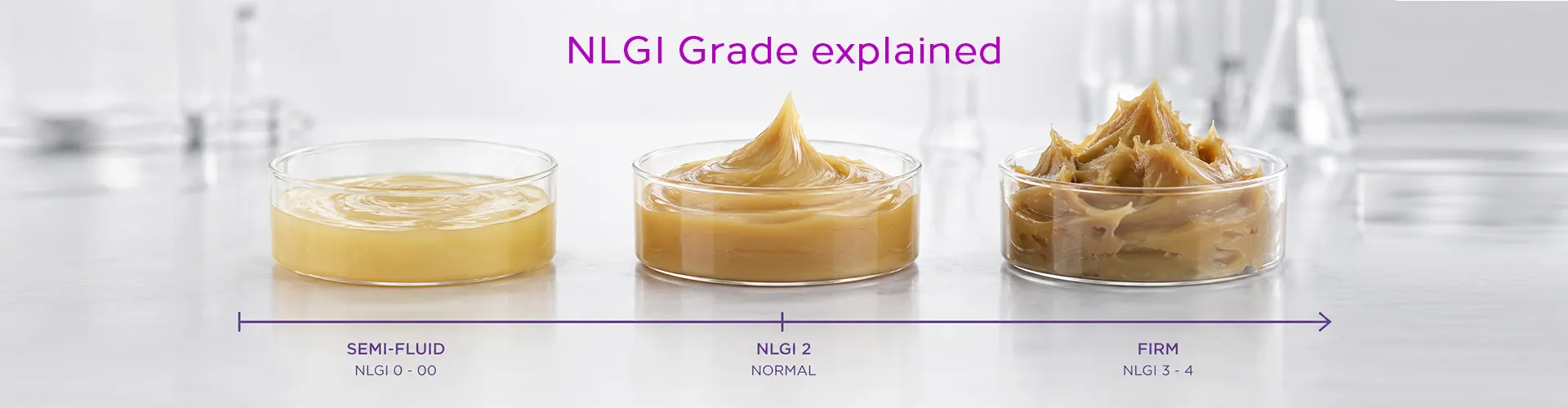
- Wrong NLGI grade
- Too little grease
- Too much grease
- Poor water resistance
- Weak load protection
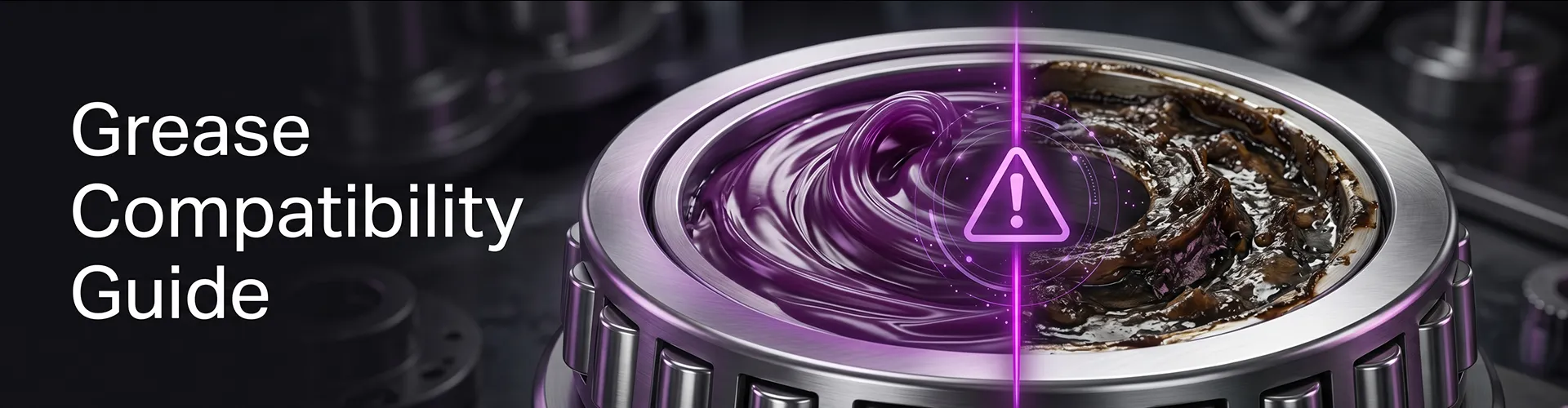
- Incompatible grease mixing
- Dust, water or dirt contamination
- Grease hardening or softening
- Long relubrication intervals
- High temperature breakdown
- Poor grease storage or handling
Many of these problems can be reduced by selecting the right grease and following a proper maintenance schedule.
How Does Wrong Grease Cause Bearing Failure?
Grease type differs for different bearing applications. If the grease doesn’t suit the application condition, then it may fail to protect the bearing properly.
The common problems and their consequences are:
- Grease too soft – It may leak out and make the bearing under-lubricated
- Grease too hard – It may not flow easily inside the bearing
- Less protection against load – It may cause wear of bearing surfaces because of heavy load
- Poor protection against water – It may cause corrosion and grease can be washed out
- Poor oxidation stability – It may cause grease to harden, dry out or form deposits
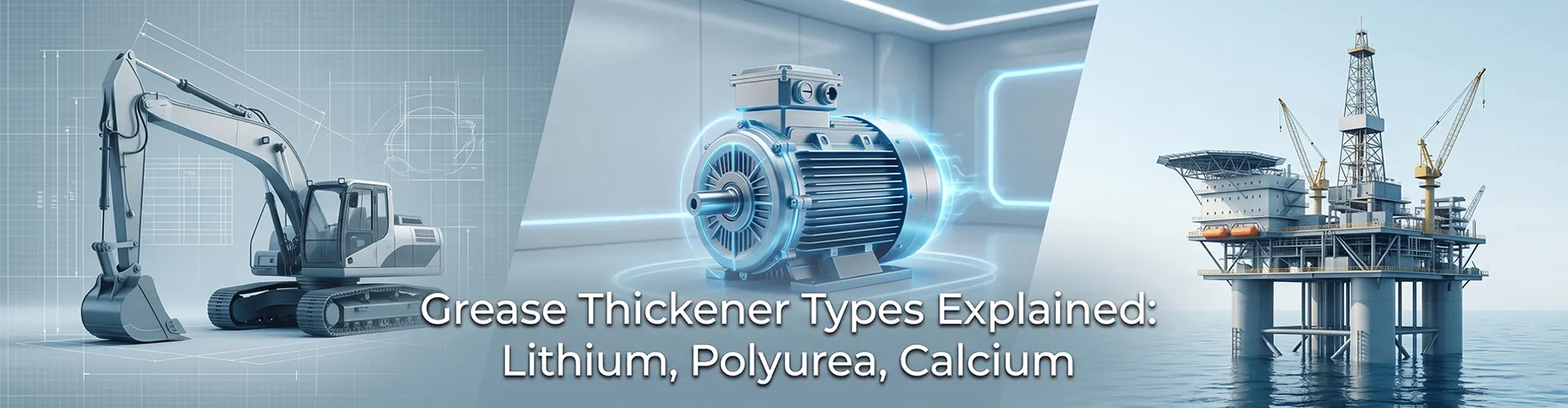
- Wrong thickener type –Grease may not be suitable for environment or temperature.
- Contaminated grease – This grease may damage the bearing surfaces
This is why bearing grease selection should not be based only on price or availability.
What Are Signs of Bearing Lubrication Failure?
A bearing may show warning signs before complete failure.
These warning signs include:
- Unusual noise
- Increased vibration
- High temperature
- Grease leakage
- Dry or hardened grease
- Dark, burnt or contaminated grease
- Rough rotation
- Frequent bearing replacement
- Rust or corrosion marks
- Visible wear on bearing parts
If these signs appear regularly, then you should definitely review the grease type, quantity, relubrication interval and operating condition.
How Do You Choose the Right Grease for Bearings?
The right grease for the bearing depends on its design and its working environment.
Before selecting grease, check:
- Type of bearing
- Speed of operation
- Load condition
- Operating temperature
- Water or moisture exposure
- Dust or contamination risk
- NLGI grade requirement
- Base oil viscosity
- Thickener type
- EP or anti-wear requirement
- Relubrication interval
- Equipment manufacturer recommendation
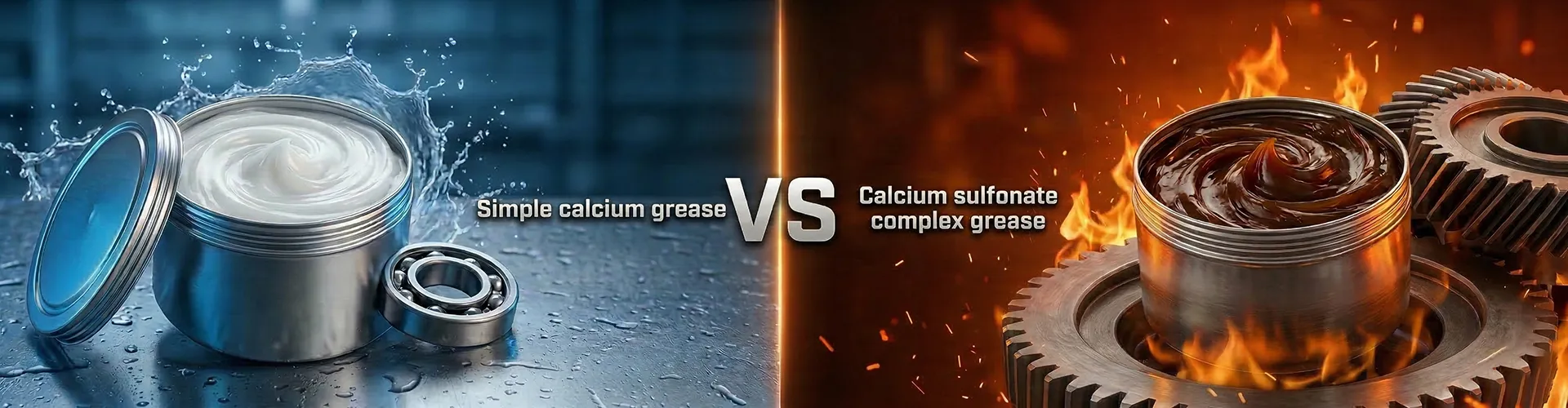
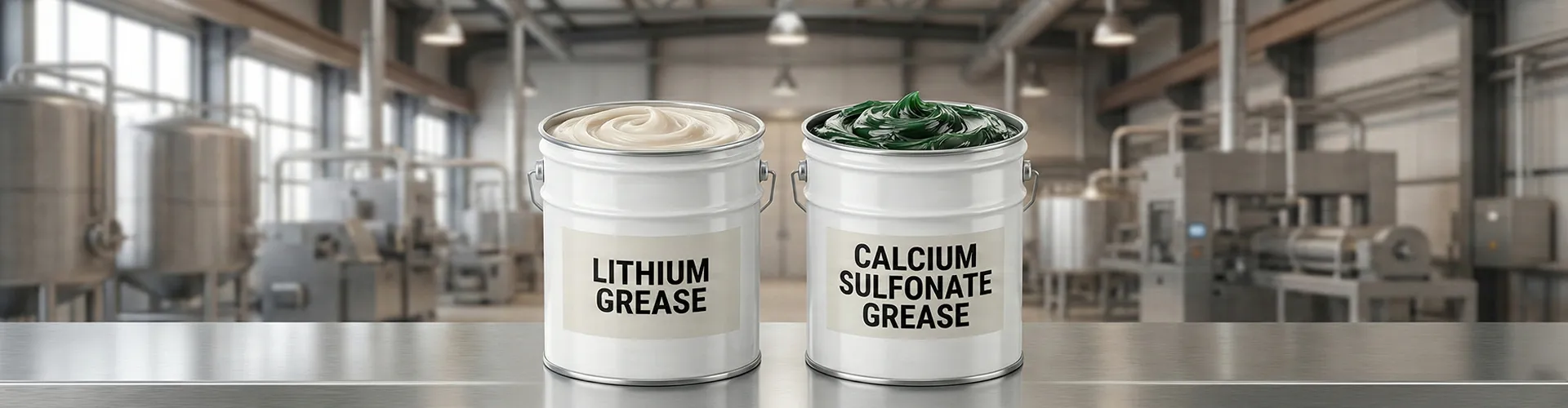
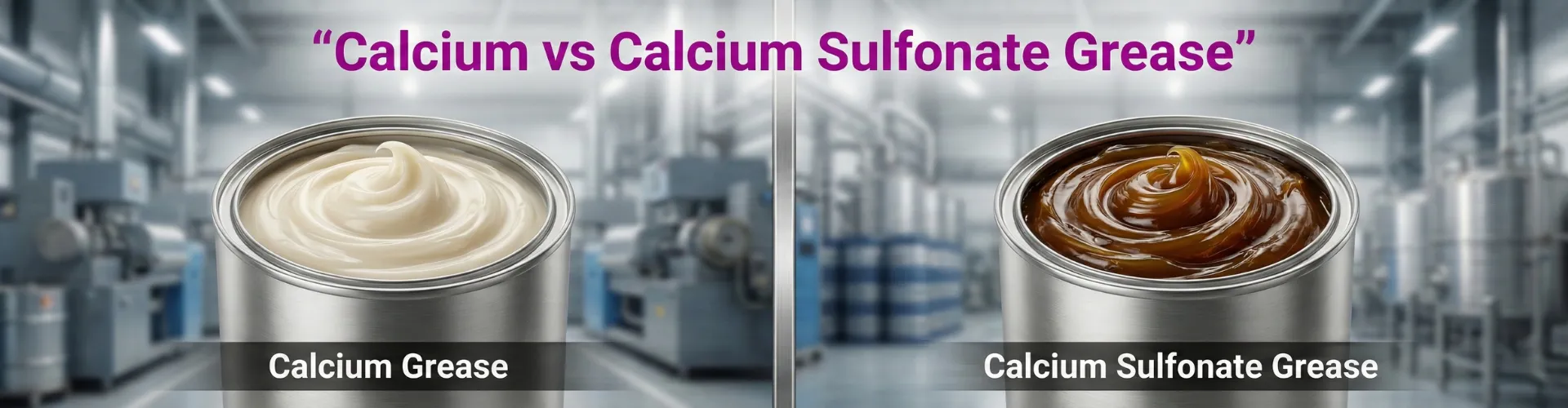
For general bearing use, Lithium EP Grease is commonly used. For higher temperature and heavier load conditions, Lithium Complex EP Grease may be suitable. For wet or corrosive conditions, Calcium Sulfonate Grease can be considered. For selected long-life bearing applications, Polyurea Grease may also be used.
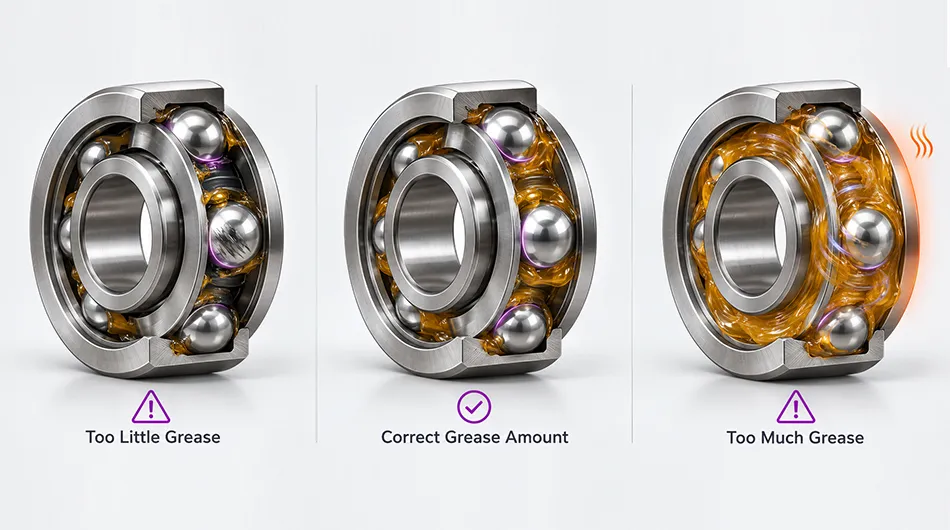
Is More Grease Always Better?
No. Over-greasing can also damage bearings.
Too much grease can cause:
- Higher operating temperature
- Excess churning
- Seal damage
- Energy loss
- Grease leakage
- Shorter bearing life
Under-greasing is also harmful because the bearing may not receive enough lubricant film. The goal is not to use more grease, but to use the correct amount at the correct interval.
Right Grease, Right Amount, Right Interval
Bearing lubrication is not only about choosing the right grease. The amount and relubrication interval also matter.
- Too little grease can leave the bearing without enough lubricant film.
- Too much grease can increase temperature and churning.
- Long relubrication intervals can allow grease to degrade before it is replaced.
- The correct approach is to follow the equipment manufacturer’s recommendation.
How Can Maintenance Teams Reduce Bearing Failure?
A practical bearing lubrication program should include:
- Use the correct grease for the application
- Follow equipment manufacturer recommendations
- Avoid mixing unknown or incompatible greases
- Keep grease clean during storage and handling
- Use the correct relubrication interval
- Monitor bearing temperature and vibration
- Check used grease condition
- Train maintenance teams on correct grease application
- Review TDS and SDS/MSDS documents before use
Small changes in lubrication practice can make a major difference in bearing life.
How Rexol Supports Bearing Grease Selection
Rexol supports distributors, workshops, and industrial customers with grease solutions for bearing protection, heavy-duty lubrication and long-term equipment reliability.
Rexol’s grease portfolio can support different bearing applications depending on load, speed, temperature, water exposure and operating environment.
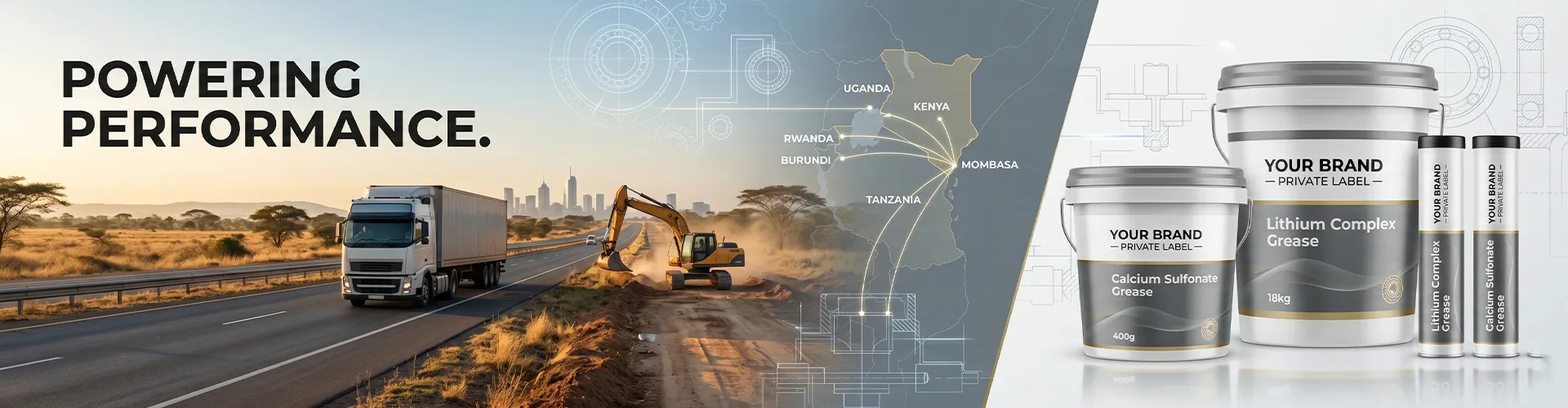
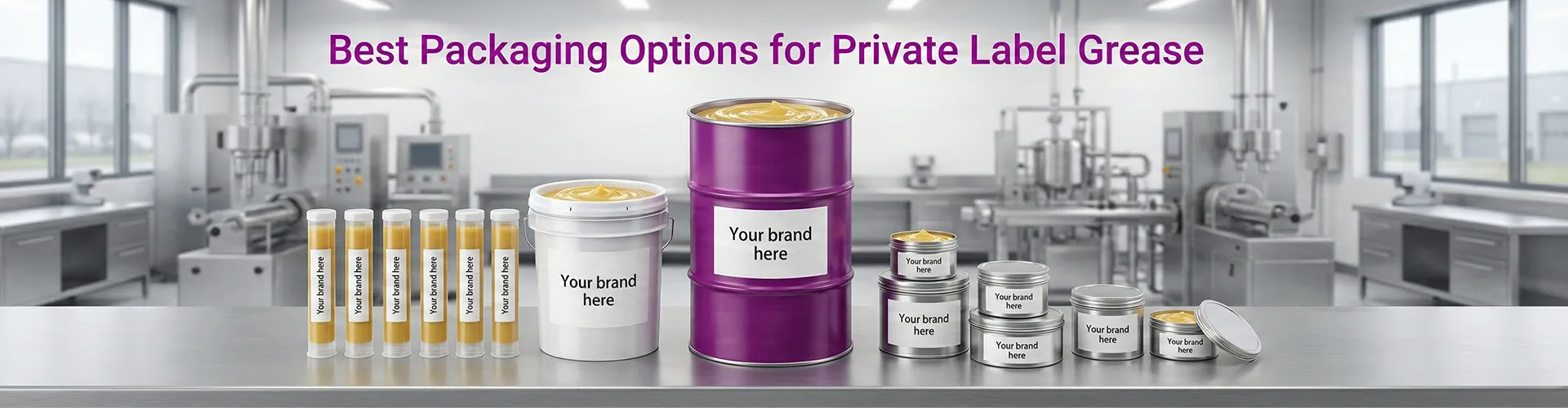
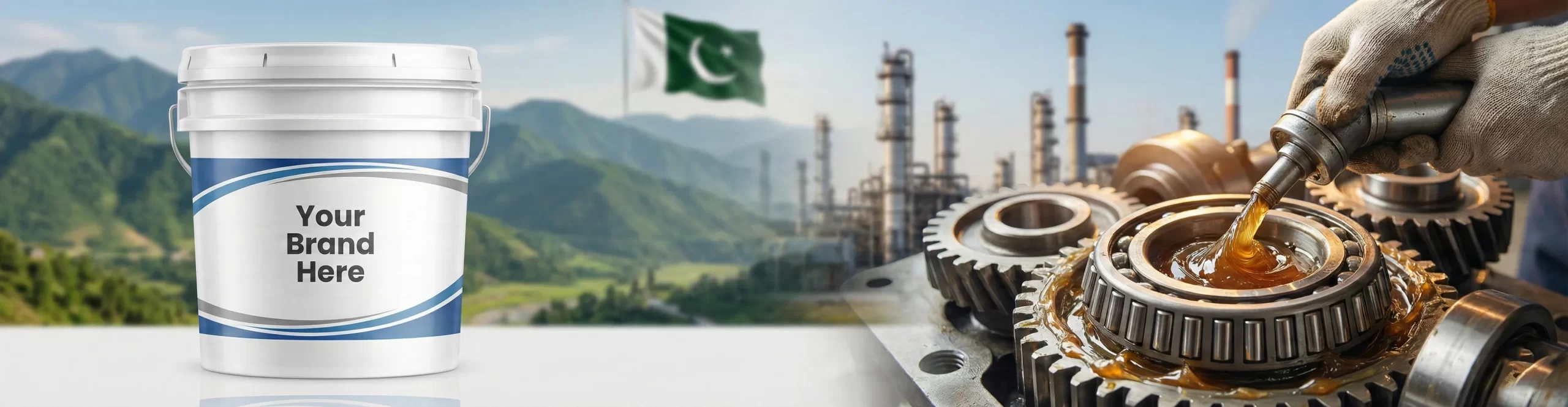
Rexol offers a complete private label grease solution for businesses looking to build their own brand. We support distributors through every step and make sure that the customer selects the right grease for their application.
Final Thoughts
Bearing failure due to poor lubrication is often unavoidable. The right grease helps reduce friction, protect metal surfaces, resist contamination, and support reliable bearing performance.
However, grease must be selected based on the real application. Load, speed, temperature, water exposure, NLGI grade, thickener type, and relubrication interval all matter. With the right grease selection and maintenance practice, Rexol helps customers improve bearing reliability and reduce lubrication-related failures.