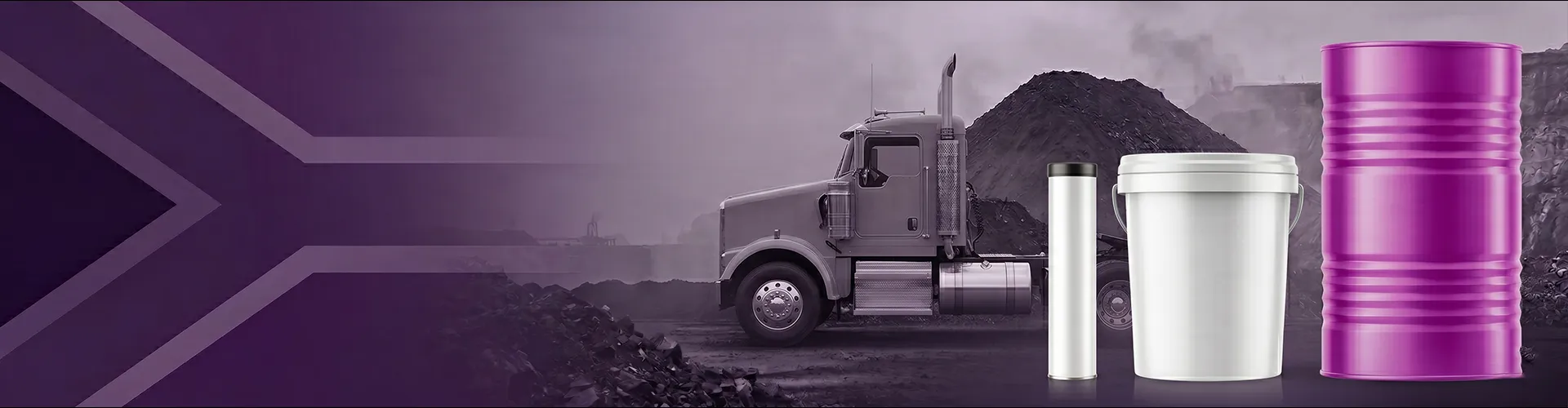
Private Label Grease in South Africa: What to Keep in Mind Before Starting
South Africa has a strong market that includes a well-developed transport sector, mining sector, agricultural sector, and ports. This gives a good opportunity for the lubricant distributors, traders, and entrepreneurs to establish a grease portfolio through private label manufacturing.
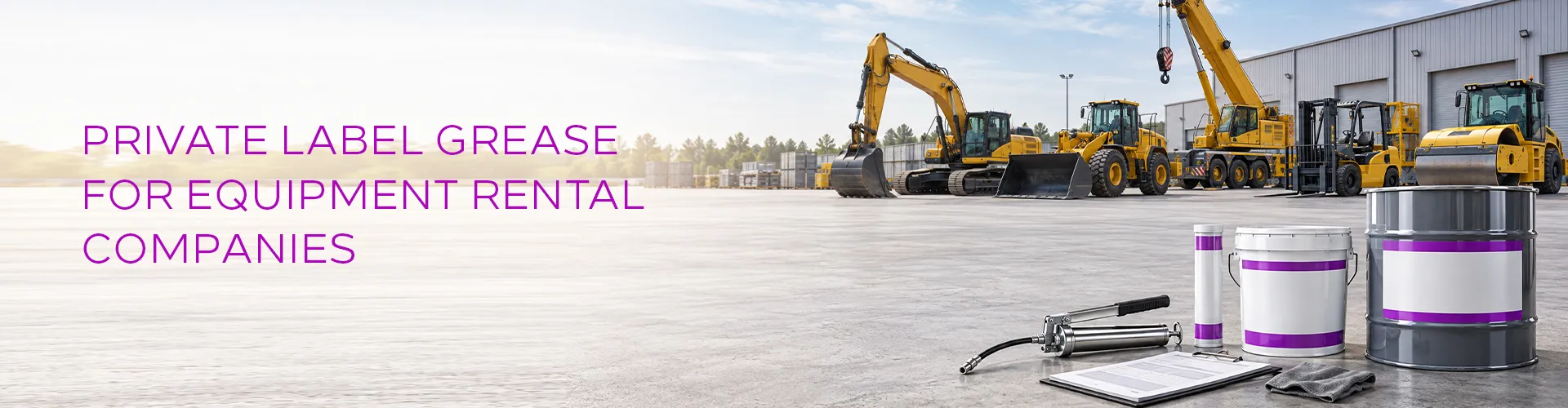
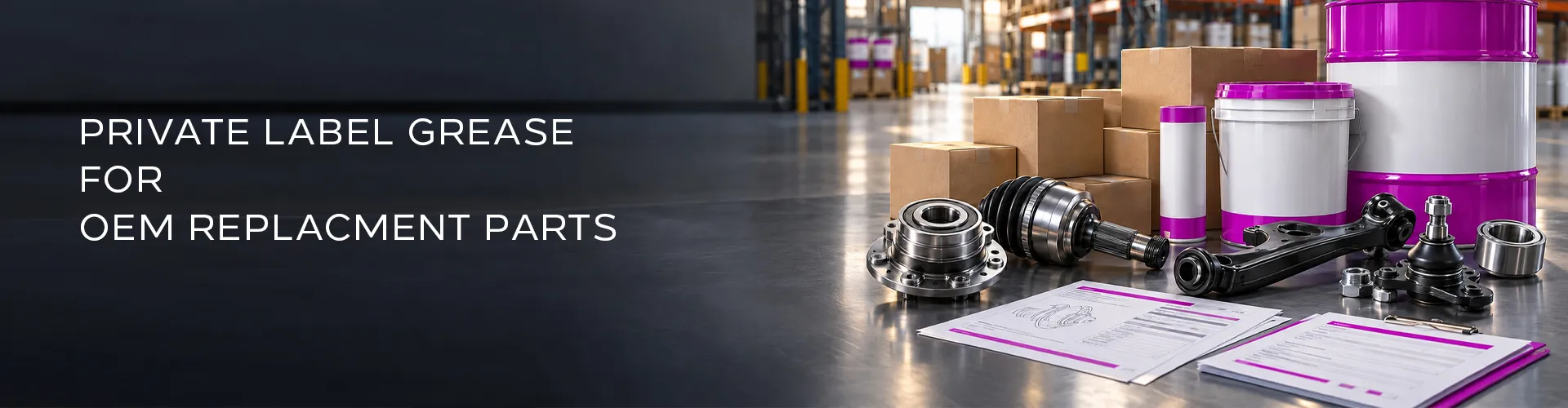
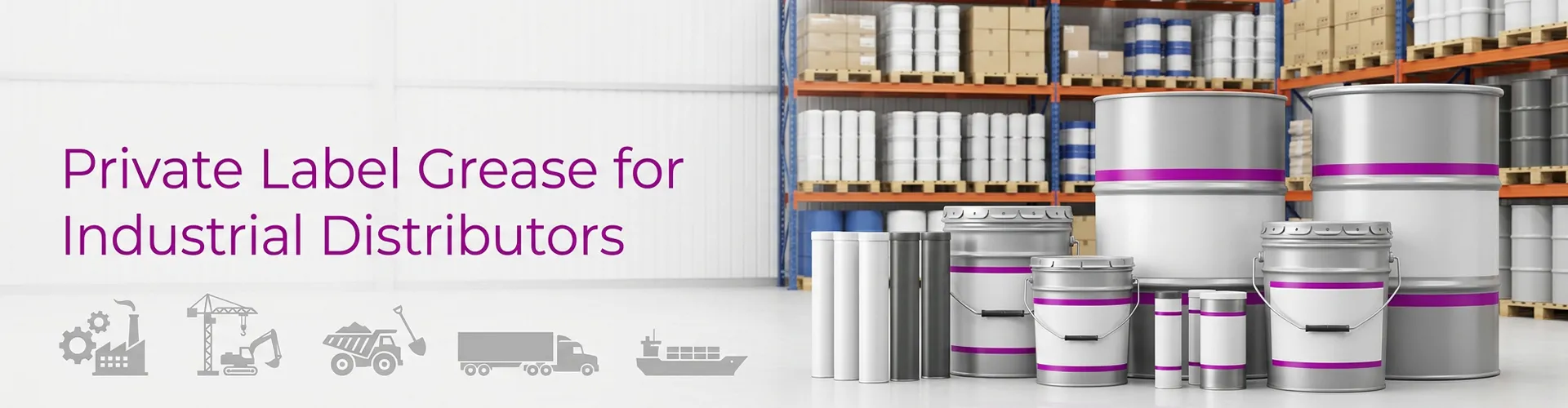
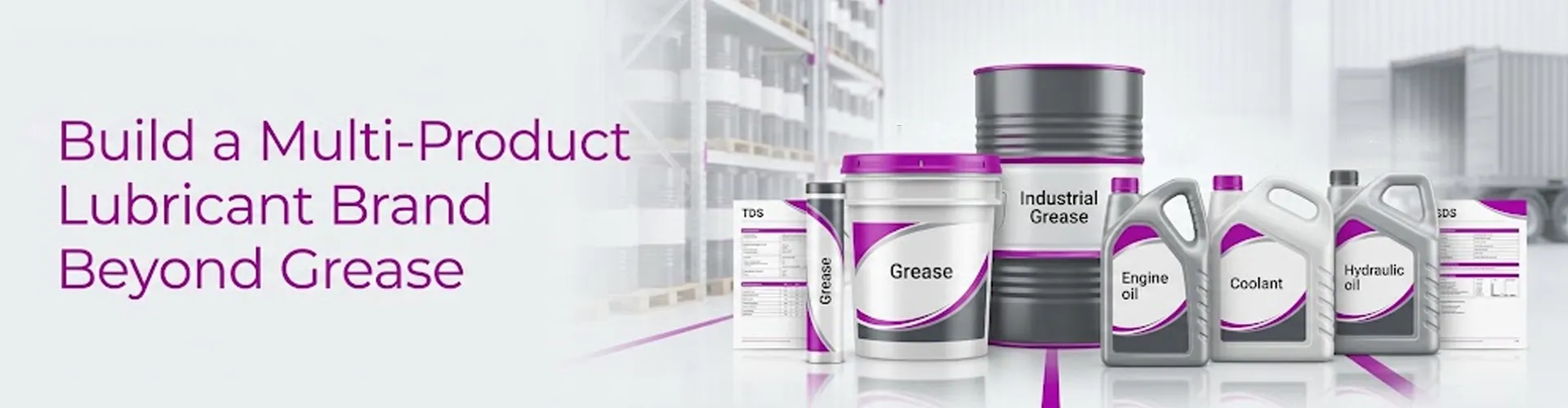
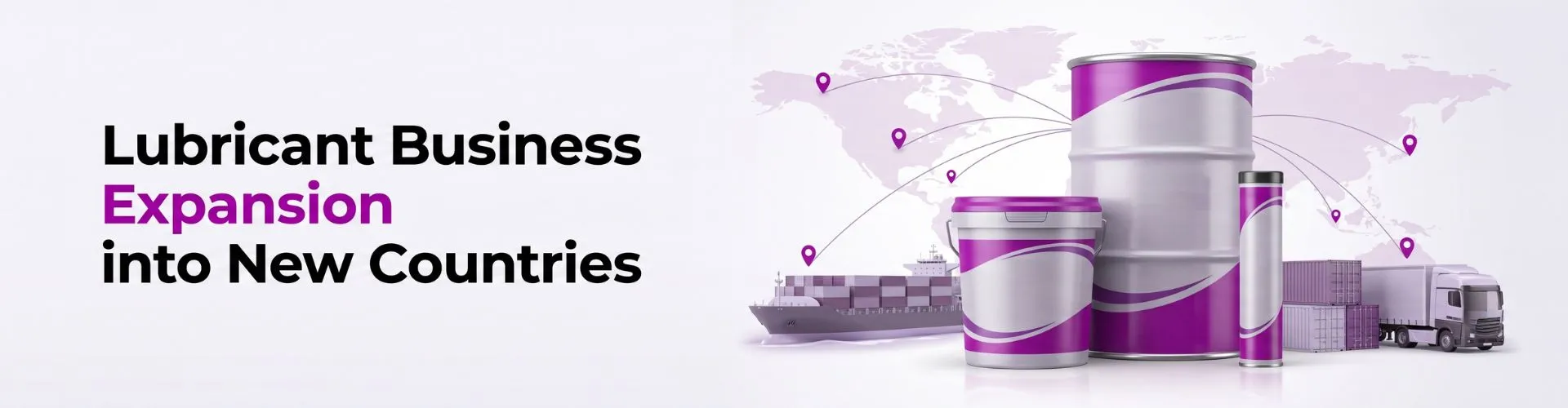
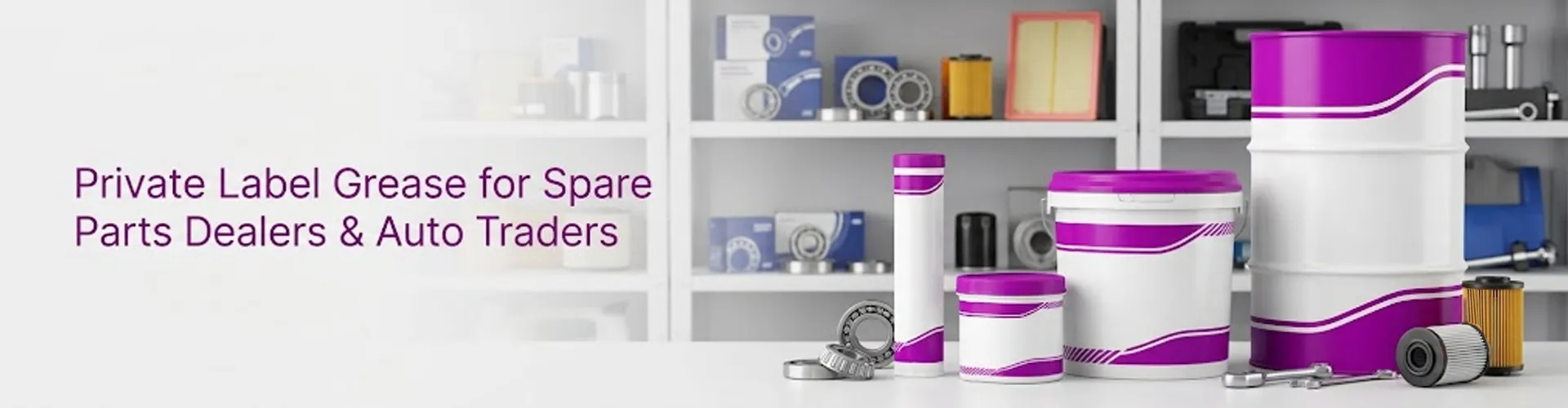
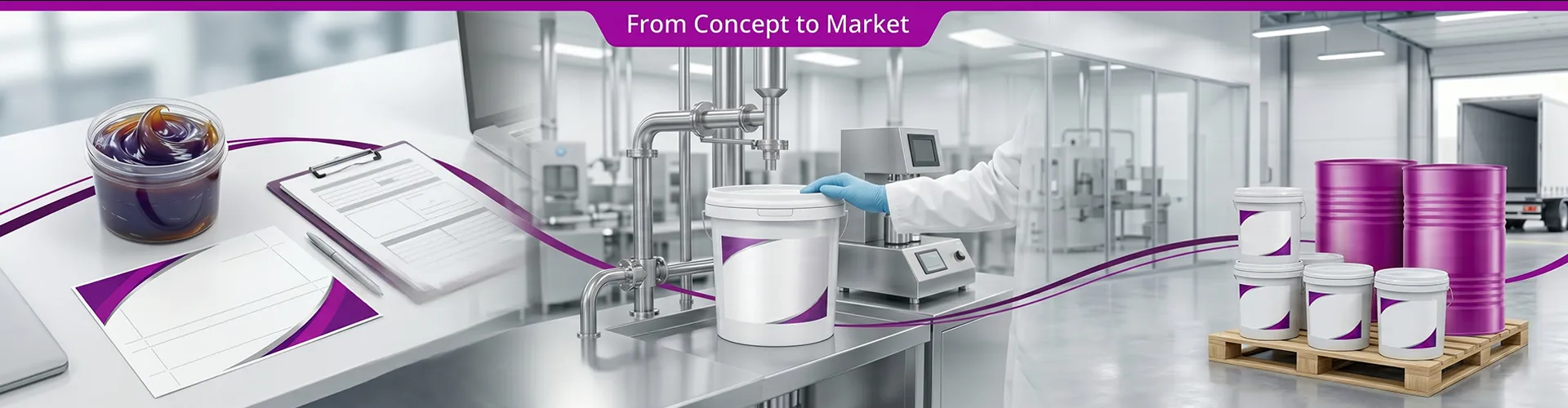
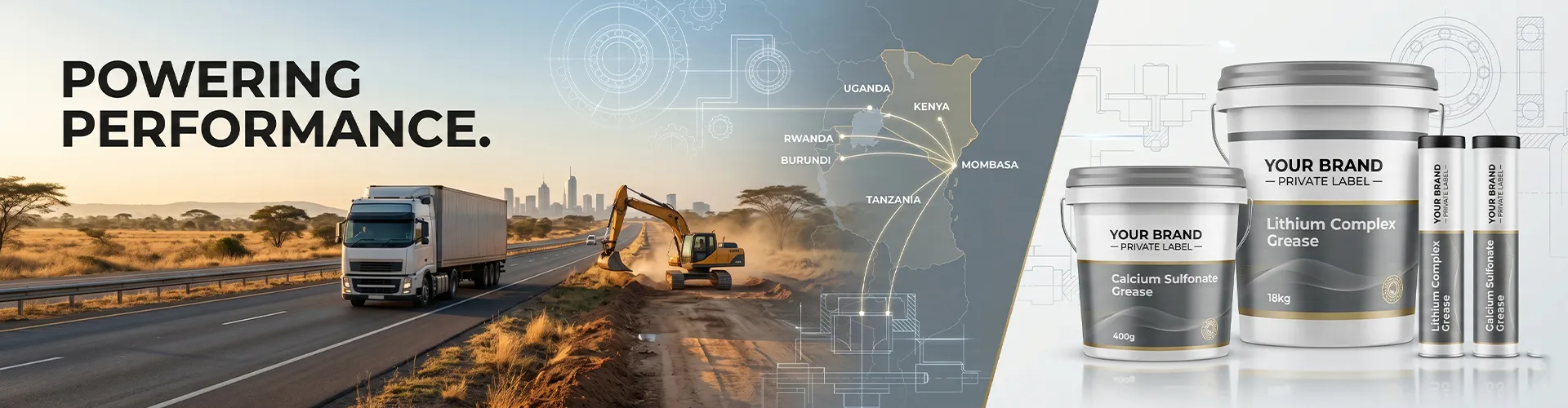
Private label grease in South Africa allows businesses to sell grease products under their own brand name without setting up a manufacturing plant. Instead, the distributor works with an experienced grease manufacturer that supports formulation, production, packaging, technical documentation, and export supply.
However, starting a private label grease business is not only about choosing a product and printing a label. This guide will help you understand why you should consider private label grease in South Africa, what to check before starting, product requirements, packaging, and how to build trust and a competitive brand with the help of a reliable manufacturer.
Which Industries Can a Private Label Grease Brand Serve?
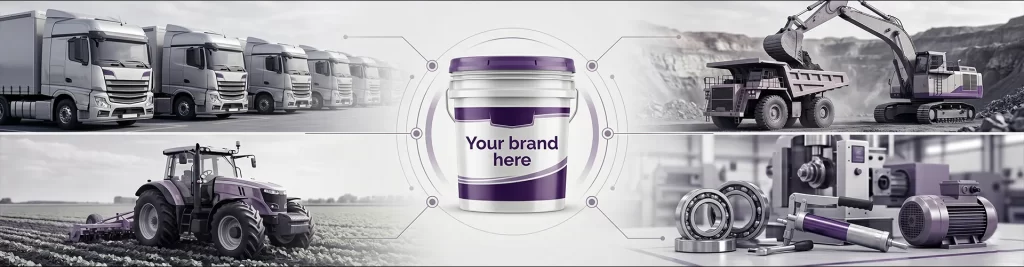
In South Africa, greases are used in several sectors like machinery, bearings, pins, bushings, agricultural equipment, and industrial systems.
Key sectors include:
- Automotive workshops
- Trucking and logistics fleets
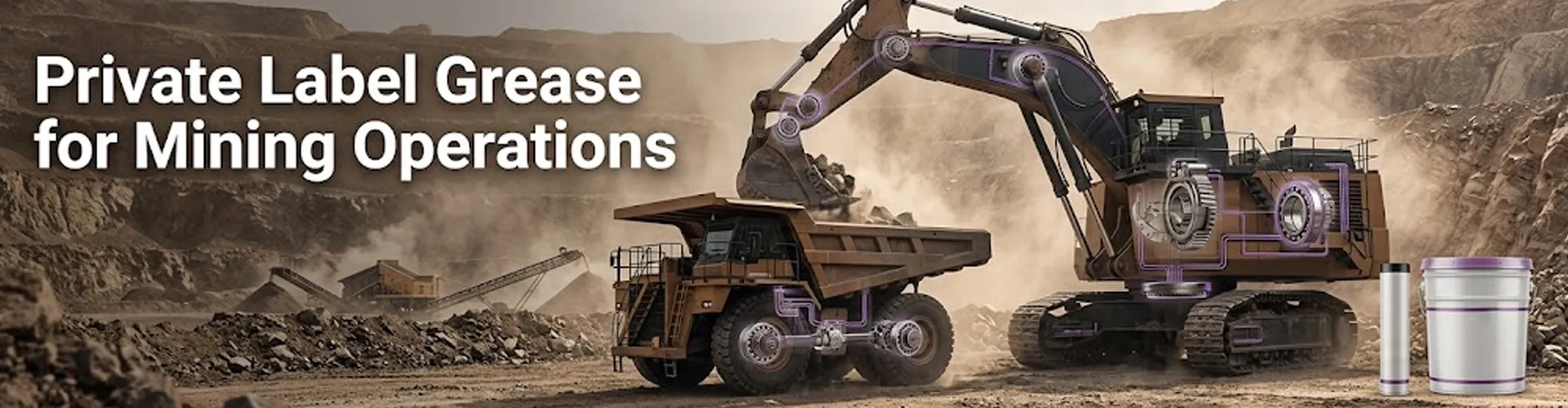
- Mining and quarry operations
- Construction contractors
- Agricultural machinery users
- Marine and port-related operations
- Industrial maintenance companies
| Customer segment | Common operating conditions | Suitable grease categories |
|---|---|---|
| Trucking and logistics fleets | Long service hours, vibration and heavy loads | Lithium EP2 and lithium complex grease |
| Mining and quarrying | Shock loads, dust, water and heavy equipment | Moly grease and calcium sulfonate grease |
| Agriculture | Moisture, dirt and seasonal operation | Multipurpose lithium grease |
| Construction | Pins, bushings and outdoor exposure | Moly EP and lithium complex grease |
| Ports and marine operations | Water, humidity and corrosion | Calcium sulfonate grease |
| Industrial maintenance | Bearings, machinery and high temperatures | Lithium complex and high-temperature grease |
Final grease selection should be based on the equipment manufacturer’s requirements, operating conditions, and the product technical data sheet.
For distributors, private label grease offers a way to serve these customers with their own brand instead of reselling only international lubricant brands.
What Should You Check Before Starting?
Before launching private label grease in South Africa, businesses should focus on these key areas:
- Target customers/market: Understanding the requirement is very important, and so this step helps you choose the right grease and packaging accordingly.
- Product range: Correct product range ensures your brand serves real market demand
- Different packaging: This allows businesses to support different buyers like workshops, fleets, and retail and industrial buyers.
- Technical documents: This helps build trust with serious commercial customers
- Supplier capability: This is the most important area, because this directly affects product quality, delivery, and long-term growth.
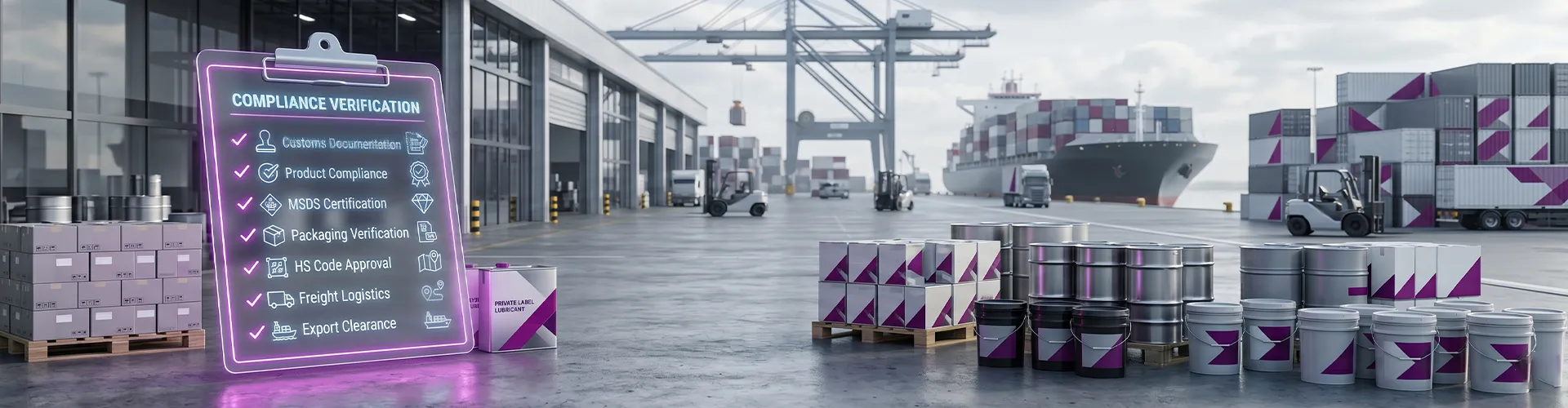
- Import and compliance needs: This process helps avoid any delays or issues in documentation.
- Brand positioning: This defines how your product will compete in the market
Which Grease Products Should You Start With?
A new grease brand does not need a huge product range in the beginning. It is usually better to start with a focused range that serves multiple industries.
Suggested Starter Grease Range for South Africa
| Grease Type | Typical Use | Suitable Customer Segment |
| Lithium EP2 Grease | Wheel bearings, chassis lubrication, general machinery | Workshops, fleets, general maintenance |
| Lithium Complex Grease | Higher-temperature and heavy-duty applications | Construction, industrial equipment, fleets |
| Moly Grease | Pins, bushings, shock-load areas | Mining, off-road equipment, construction |
| Calcium Sulfonate Grease | Wet, corrosive, and heavy-load environments | Marine, mining, ports, harsh industrial use |
| High-Temperature Grease | Applications exposed to heat | Industrial plants and heavy machinery |
This type of product structure gives distributors enough flexibility to serve different customer groups without making the first launch too complicated.
How Do You Choose the Right Packaging?
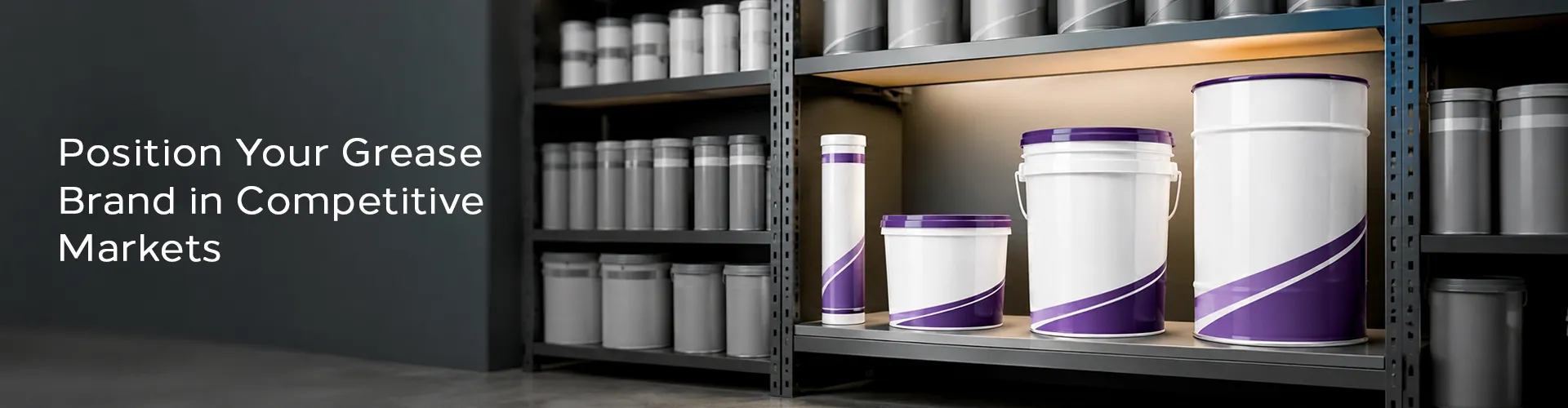
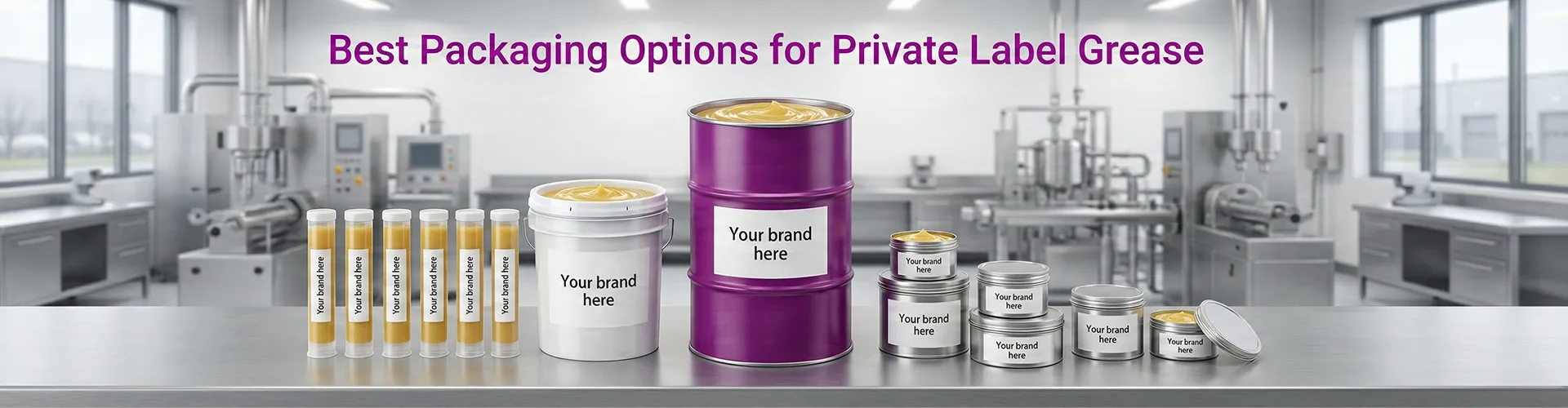
Packaging has a major impact on sales. The same grease product may need different pack sizes depending on where it will be sold.
| Packaging Format | Best For |
| 400g cartridges | Workshops and grease gun applications |
| 500g to 1kg packs | Retail, small workshops, and regular maintenance users |
| 15kg or 18kg pails | Fleets, service centers, contractors, and industrial users |
| 180kg drums | Mining, manufacturing, and high-volume users |
For private label grease in South Africa, it is useful to offer both small packs and bulk packaging. This allows your brand to serve workshops, resellers, fleets, and industrial buyers from the same product range.
What Documents Should You Ask for from the Manufacturer?
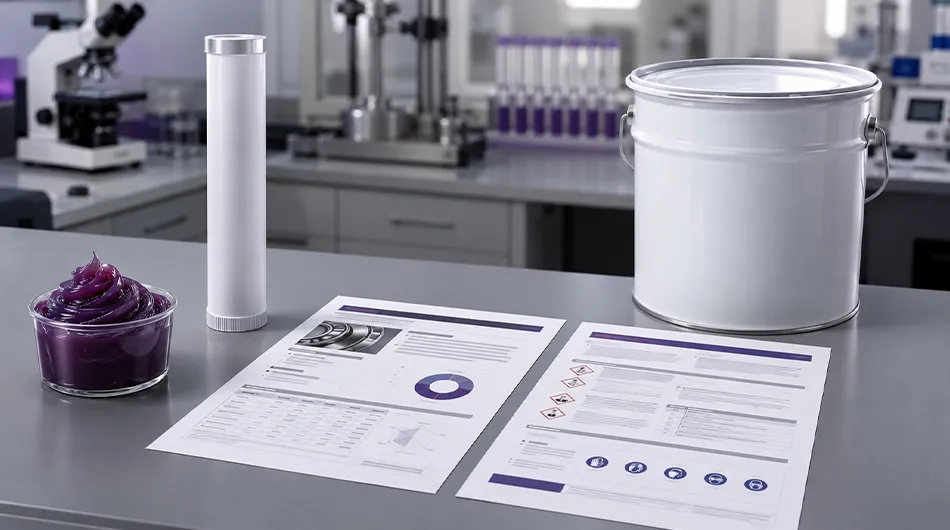
Professional buyers often ask for technical documents before approving a grease product. If you want to sell to fleets, mining companies, construction firms, or industrial customers, documentation is important.
Ask your manufacturer for:
- TDS, which is Technical Data Sheet
- MSDS (Material Safety Data Sheet) or SDS (Safety Data Sheet)
- Exact product specifications
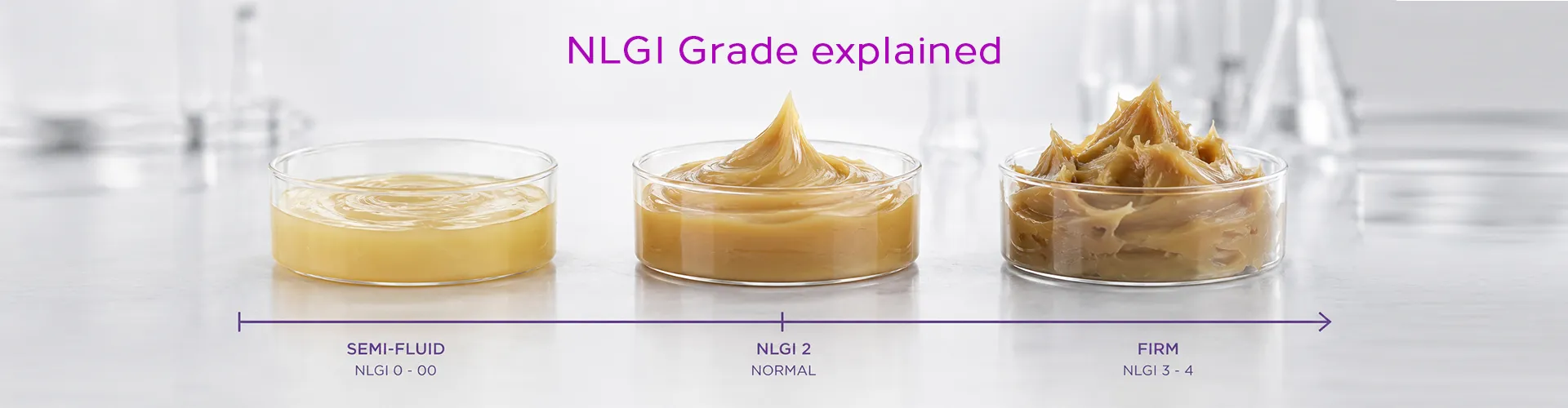
- NLGI grade
- Details on thickener type
- Operating temperature guidance
- Packaging and labelling details
- Export documents, where applicable
These documents are helpful for your customers to understand the product better. This also support your sales team when dealing with serious industrial buyers
How Important Is Supplier Selection?
The most important decision in private label manufacturing is to choose the right grease manufacturer. A supplier offering low-cost products may seem attractive at first, but in the long run it can damage your brand because of poor quality, inconsistent batches, delayed supply, or documentation issues.
A reliable private label grease manufacturer should offer:
- Consistent product quality
- Experience with different grease technologies
- Flexible packaging options
- Technical support
- Private label branding support
- Export documentation assistance
- Scalable production capacity
- Clear communication
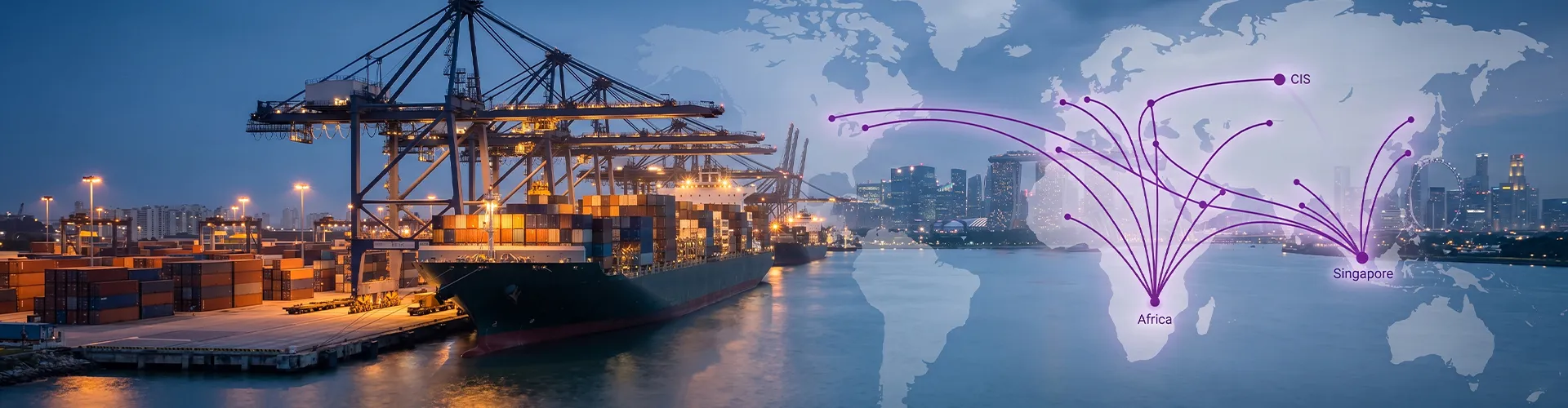
The supplier should be able to support export-ready production and should also be able to understand the international supply requirements for South African distributors
What Questions Should You Ask Before Finalizing a Supplier?
Ask these practical questions before confirming a private label grease manufacturer:
- Which grease types do you manufacture?
- Can you support private label packaging?
- What packaging sizes are available?
- What is the minimum order quantity?
- What is the usual production lead time?
- Can you support export documentation?
- Can the product range be expanded later?
- How is quality checked before dispatch?
- Can you guide us on product selection for South African industries?
These questions help you compare suppliers beyond price.
What Are the Common Mistakes to Avoid?
Many brands face serious problems because they rush the launch process. Before starting private label grease in South Africa, avoid these mistakes:
- Starting with too many products
- Wrong selection of packaging
- Focusing only on price instead of quality
- Not going through technical documents
- Ignoring import and labelling requirements
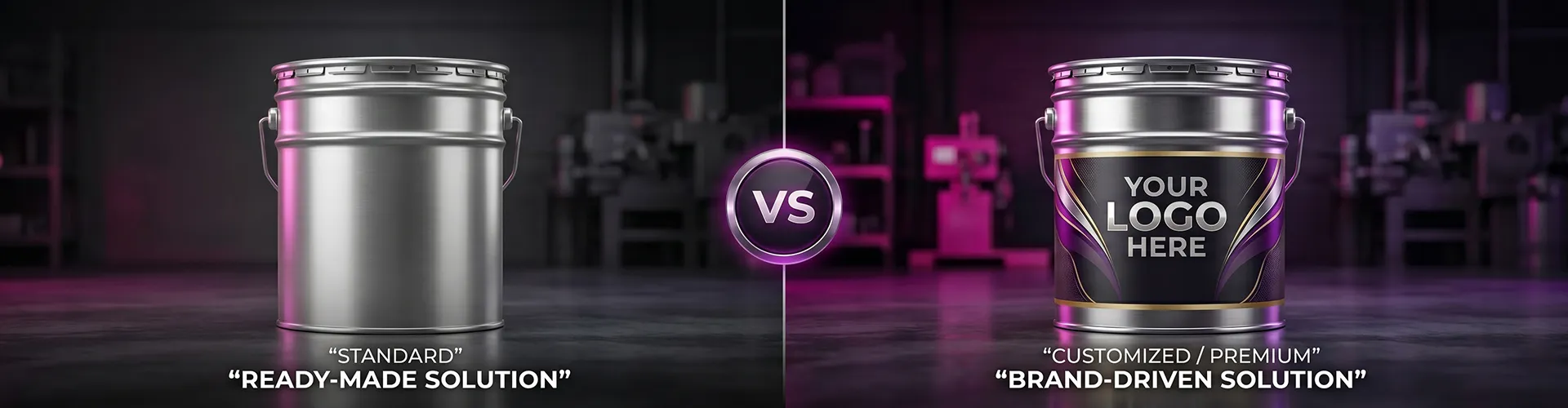
- Using unclear branding
- Not planning stock and delivery timelines
- Selling products without proper application guidance
A strong grease brand should be simple, reliable, and easy for customers to understand.
How Can Rexol Support Private Label Grease Brands?
Rexol supports new brands, distributors, and lubricant businesses with private label manufacturing for different applications, including automotive, industrial, fleet, construction, mining, and heavy duty.
Rexol supports product selection, packaging options, technical documentation, and export-ready supply for businesses planning to launch private label grease in South Africa.
With our structured grease portfolio and perfect private label grease program, distributors can build a professional product range that serves workshops, transport companies, industrial buyers, and heavy equipment operators.
Final Thoughts
Private label grease in South Africa can be a strong opportunity for businesses looking for more brand control, a better position in the market, and a flexible product range. The key is to understand the market first and find a reliable grease manufacturing partner.
By working with an experienced private label grease manufacturer, businesses can build a professional grease brand that serves South Africa’s different sectors with confidence.