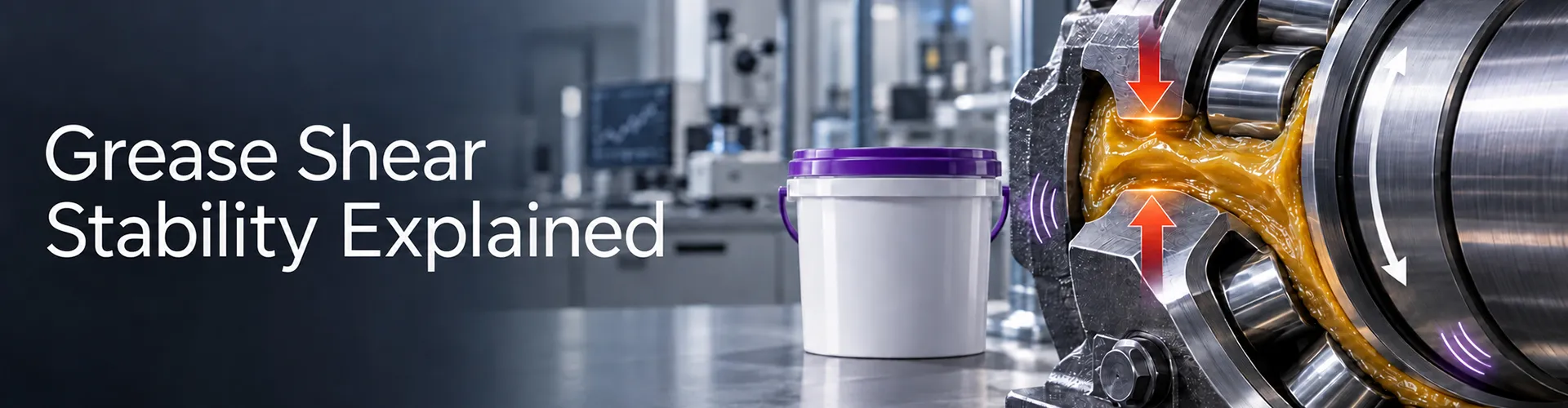
Grease Shear Stability Explained: Why Mechanical Stability Matters
Grease is expected to maintain its consistency and protective properties even after thousands of hours of operation. Whether it’s lubricating industrial bearings, construction equipment, mining machinery, or fleet vehicles, grease is continuously subjected to pressure, friction, and mechanical stress. If it cannot withstand these forces, its performance deteriorates, increasing the risk of equipment wear and unexpected downtime.
This is where shear stability grease is becoming an essential consideration. Shear stability is the measure of grease’s ability to retain its original consistency after repeated mechanical working. Greases with an excellent shear stability will provide longer service life, more reliable lubrication, and better protection for critical components.
In this guide, we will explain what shear stability is, why it matters, how it is tested, and how choosing the right grease improves equipment reliability.
What Is Shear Stability in Grease?
Shear stability is referred to as a grease’s ability to resist changes in consistency when exposed to continuous mechanical stress.
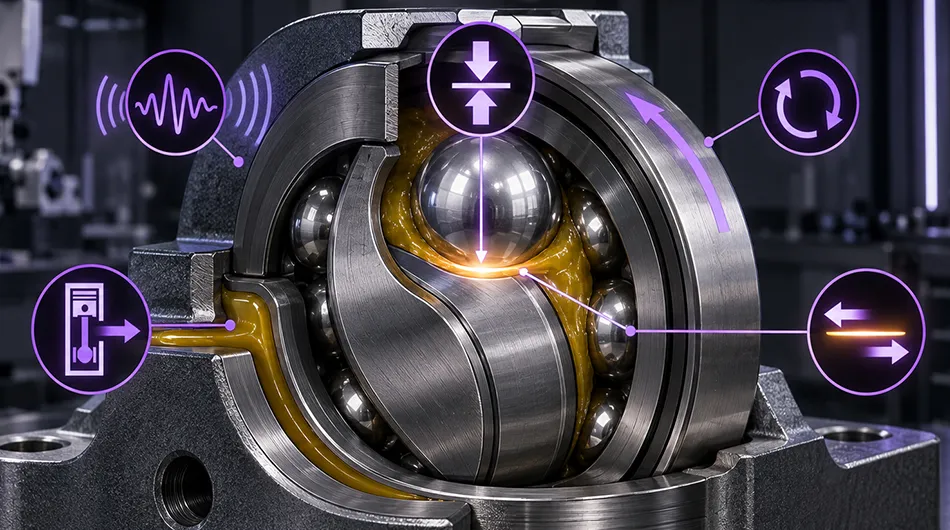
During operation, grease is constantly doing the following:
- Compressed between moving surfaces
- Rolled inside bearings
- Pumped through centralized lubrication systems
- Subjected to vibration and heavy loads
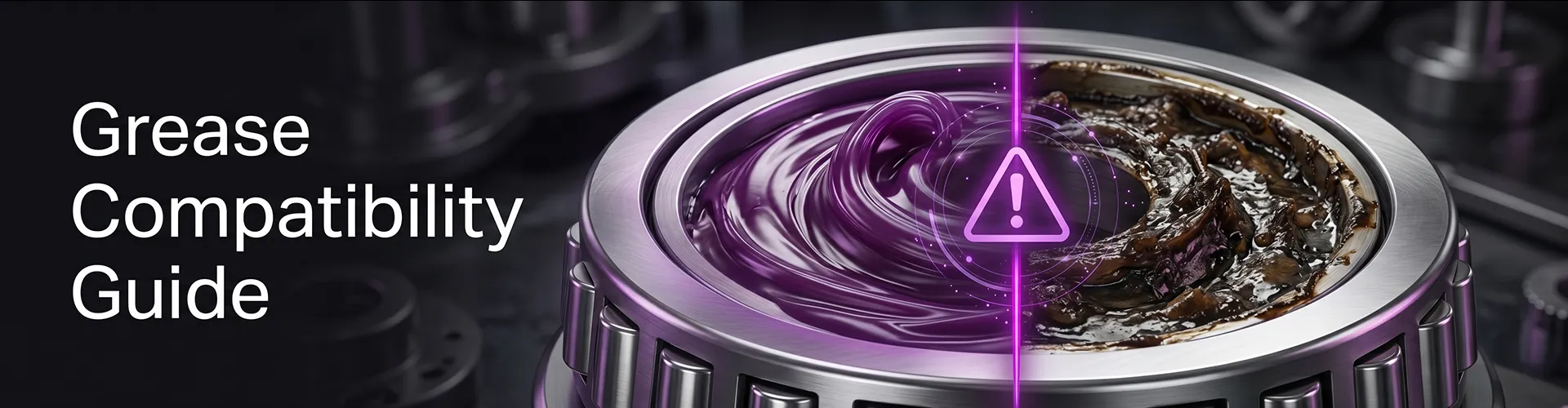
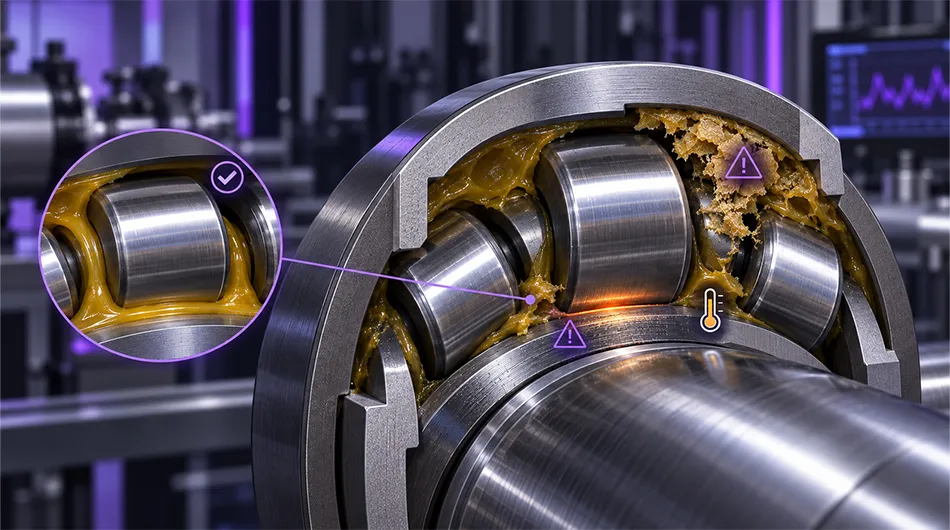
These forces will gradually break down the grease structure. If the thickener does not maintain its integrity, the grease may become softer or harder, reducing its ability to protect equipment.
High-quality shear stability grease maintains its consistency throughout its service life, ensuring dependable lubrication under demanding conditions.
Why Is Mechanical Stability Important?
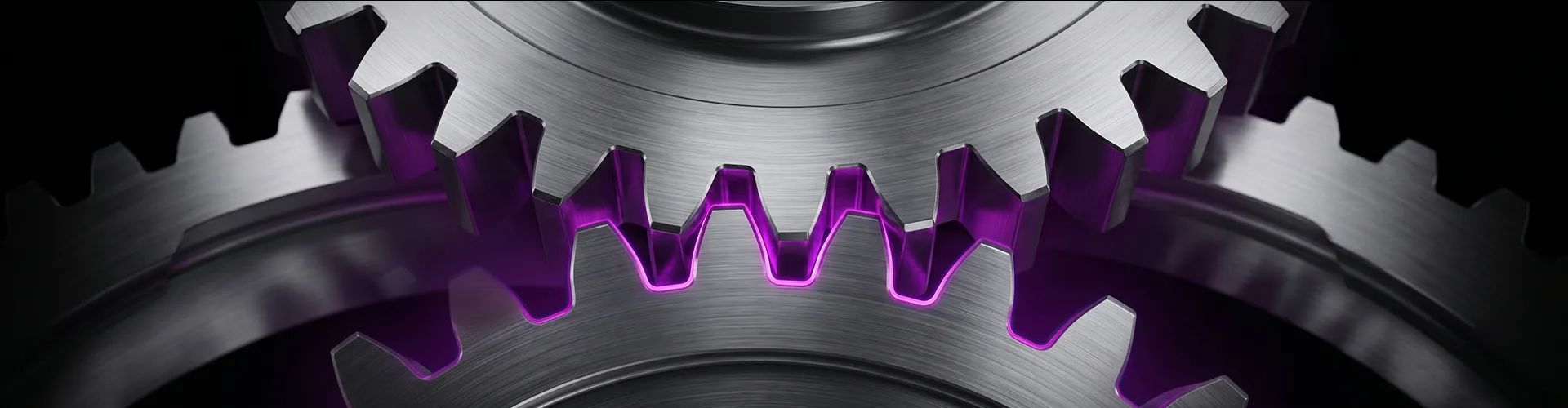
The thickener inside grease is acting like a framework that holds the lubricating oil in place. This framework is repeatedly stressed during operation.
A grease with excellent mechanical stability grease characteristics continues to:
- Hold the base oil effectively
- Stay in the lubrication zone
- Resist excessive softening
- Maintain proper sealing properties
- Protect components under load
Poor mechanical stability is leading to grease degradation, increased wear, and shorter maintenance intervals.
What Causes Grease to Lose Shear Stability?
Several operating conditions are contributing to the breakdown of grease structure.
Heavy Mechanical Loads
Construction equipment, mining machinery, and industrial bearings place continuous stress on grease.
Repeated pressure gradually weakens the thickener network.
High-Speed Operation
Bearings operating at high speeds generate constant shearing forces.
Grease is softened excessively and lose its protective characteristics without adequate stability.
Elevated Temperatures
Heat accelerates grease degradation and may weaken the thickener structure over time.
Applications operating under high temperatures require grease with excellent thermal and mechanical stability.
Water and Contamination
Dust, dirt, moisture, and contaminants accelerate the breakdown of grease, reducing its ability to lubricate moving parts effectively.
How Shear Stability Affects Equipment Performance
Good shear stability directly contributes to reliable equipment operation.
Longer Bearing Life
Stable grease will maintain a consistent lubricating film, reduce metal-to-metal contact, and extend bearing life.
Improved Lubrication
Grease that retains its consistency continues delivering lubricant where it is needed throughout the service interval.
Reduced Leakage
When grease is softened excessively, it will leak past seals and bearings.
Stable grease will minimize leakage and keep components properly lubricated.
Lower Maintenance Costs
Greases with superior shear stability require fewer relubrication cycles, reducing maintenance time and lubricant consumption.
How Is Shear Stability Tested?
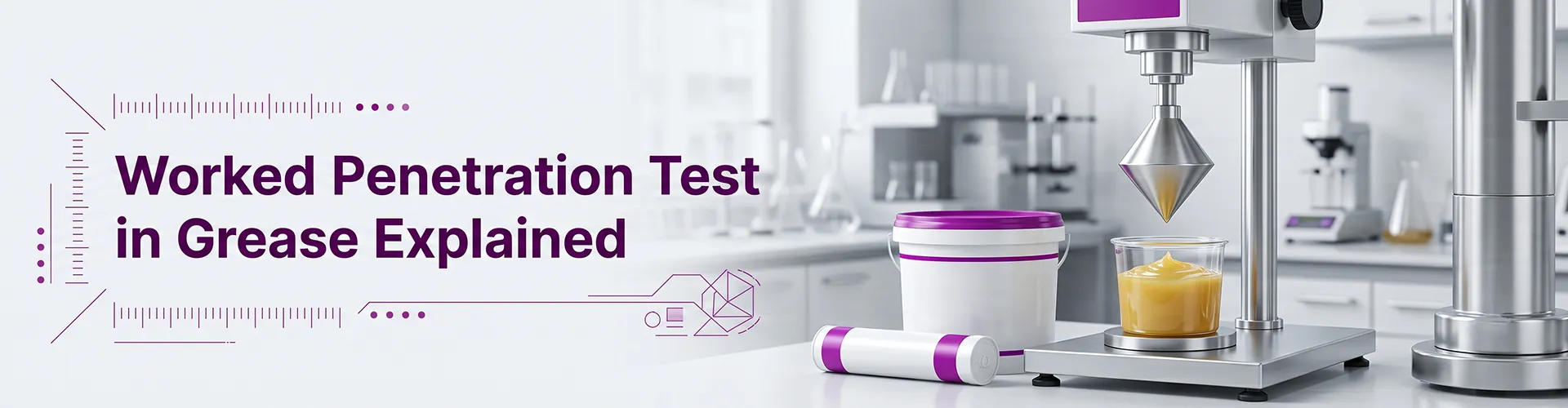
Manufacturers are evaluating grease using standardized laboratory procedures that simulate mechanical working.
Common testing methods involve repeatedly working the grease under controlled conditions before measuring changes in consistency.
The results indicate how well the grease will maintain its original structure after prolonged mechanical stress.
A grease that shows minimal change in consistency demonstrates excellent mechanical stability grease performance.
These tests are helping engineers compare products and select the most suitable lubricant for demanding applications.
Signs That Grease Is Losing Shear Stability
Maintenance teams should review the grease if they notice:
- Grease leaking from bearings or seals
- Grease becoming very soft during operation
- Grease hardening inside the component
- Higher bearing temperature
- More frequent relubrication needed
- Increased vibration or noise
- Grease not staying in the lubrication zone
- Premature bearing wear
Grease Degradation and Its Impact
One consequence of poor shear stability is grease degradation.
As grease degrades, it may have the following:
- Become too soft
- Harden excessively
- Lose its ability to retain oil
- Provide insufficient lubrication
- Increase friction and wear
In severe cases, degraded grease will contribute to premature bearing failure and unexpected equipment downtime.
Selecting grease with strong shear stability will help to reduce these risks.
Applications That Require High Shear Stability
Some industries place an exceptional demand on grease performance.
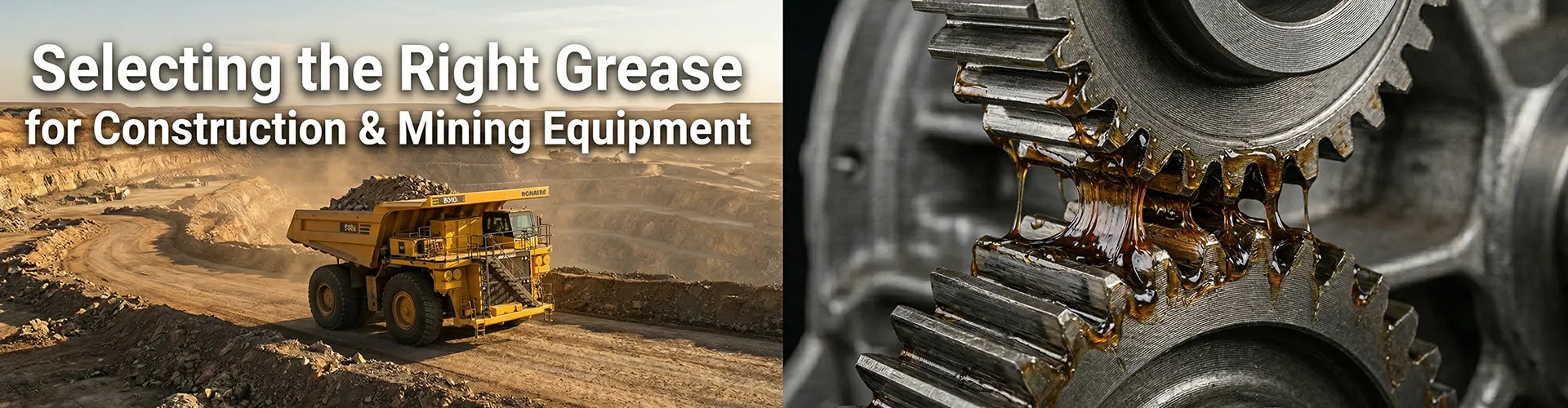
Construction Equipment
Excavators, loaders, and cranes experience heavy loads, shock, and vibration.
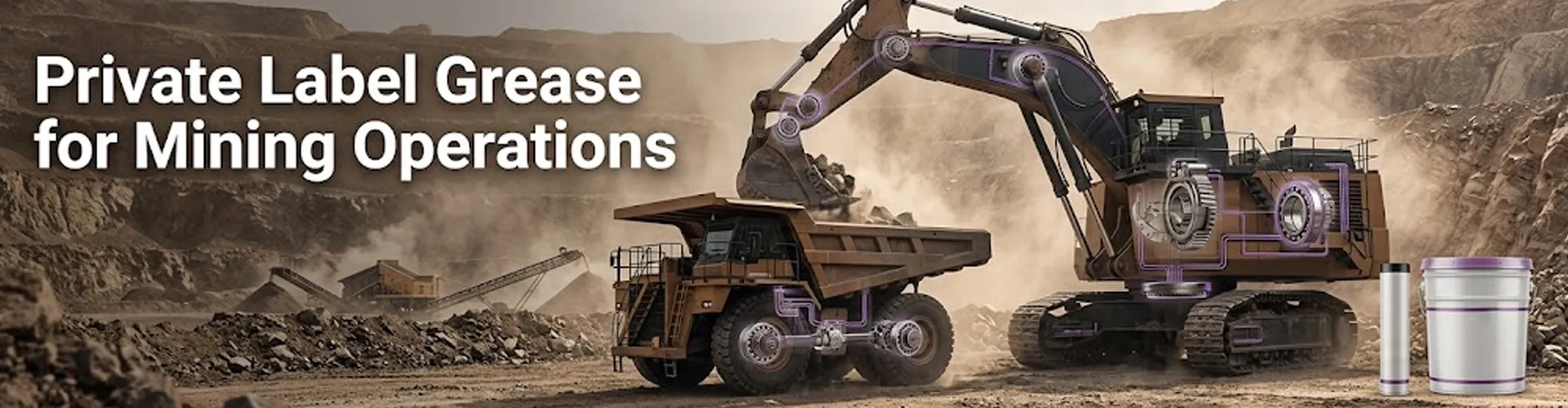
Mining Operations
Mining equipment is operated continuously under extreme pressure and contamination.
Industrial Manufacturing
Conveyor systems, rolling mills, and heavy machinery require grease capable of maintaining consistency over long operating periods.
Commercial Vehicle Fleets
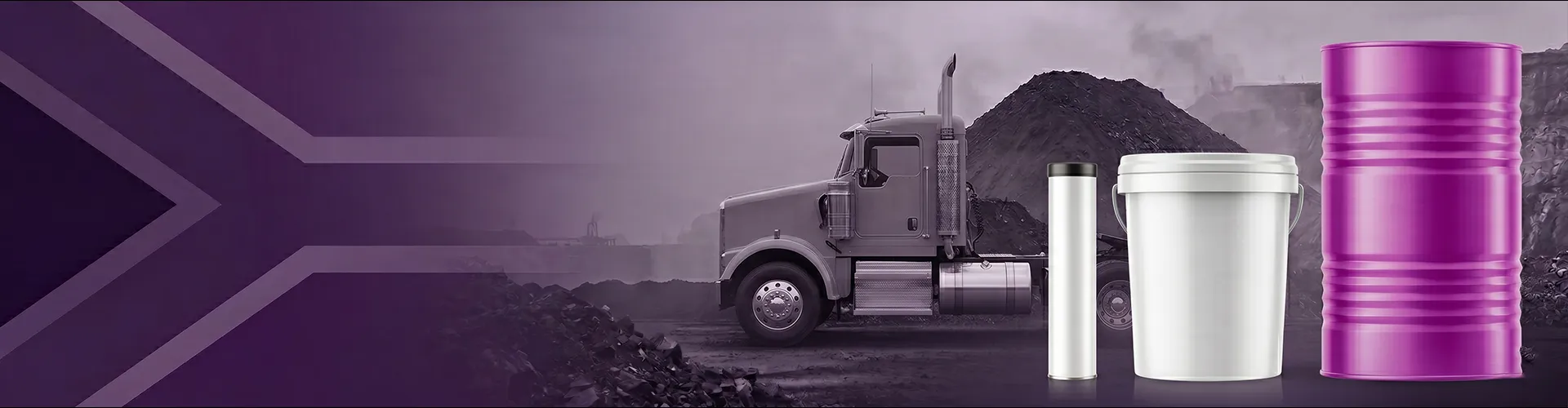
Wheel bearings, chassis components, and suspension systems are relying on stable grease to withstand continuous road conditions.
Choosing a long-life grease with excellent shear stability will significantly improve equipment reliability in these environments.
Which Grease Technologies Offer Better Shear Stability?
Different grease formulations are providing varying levels of mechanical stability.
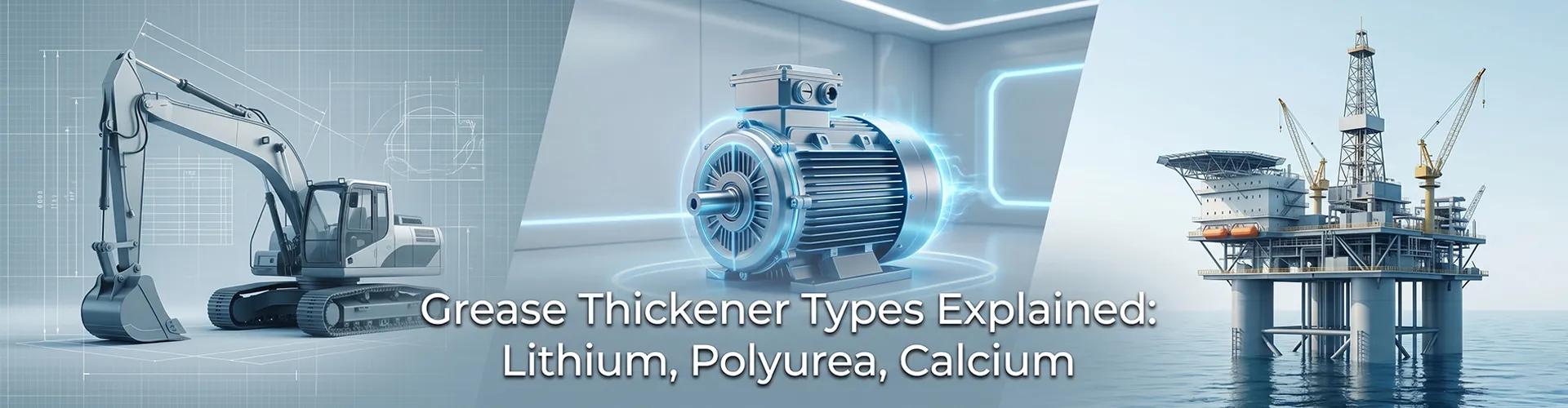
Lithium EP Grease
Lithium EP grease is used for general industrial and automotive applications because it offers a good balance of performance, water resistance, and mechanical stability.
Lithium Complex Grease
Lithium complex grease is providing enhanced:
- Shear stability
- Thermal resistance
- Extreme pressure performance
- Longer service intervals
Products such as Rexol Lithium Complex EP 220 and Rexol Lithium Complex EP 460 are ideal for heavy-duty industrial equipment where long-term consistency is essential.
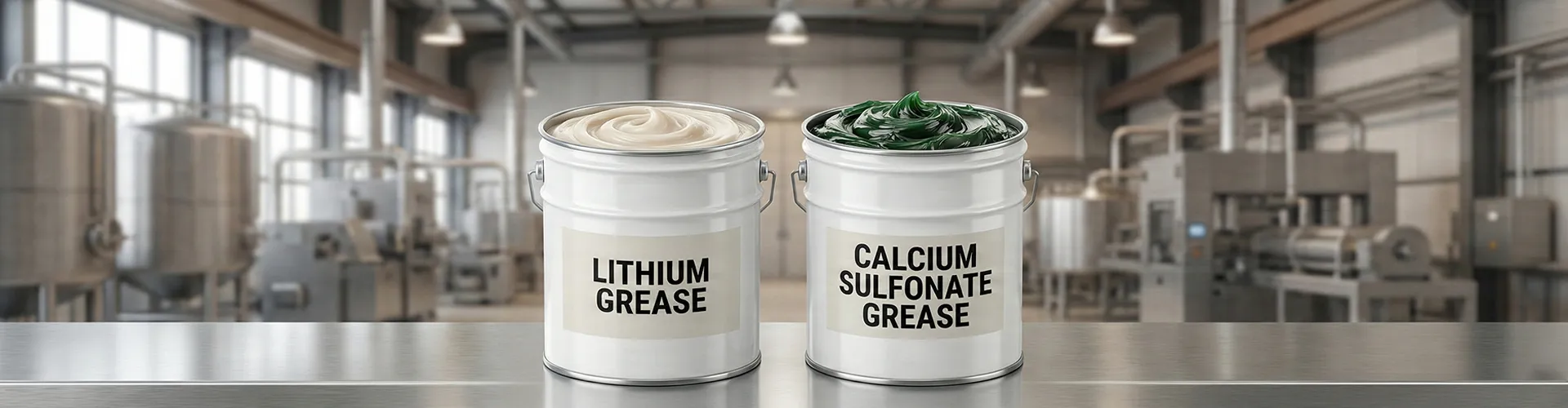
Calcium Sulfonate Grease
Calcium sulfonate grease offers an outstanding:
- Mechanical stability
- Water resistance
- Corrosion protection
- Load-carrying capability
It will perform exceptionally well in marine, mining, and outdoor industrial environments.
Polyurea Grease
Polyurea grease is known for the following:
- Excellent oxidation resistance
- Long service life
- High-temperature performance
- Superior mechanical stability
It is used in electric motors and sealed-for-life bearings.
Choosing a Long-Life Grease
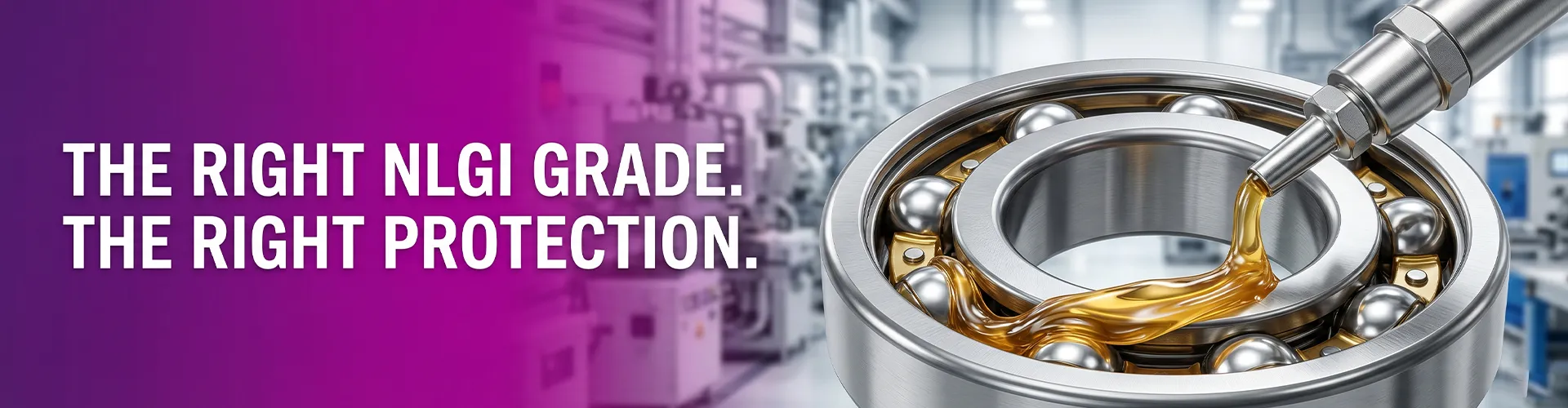
When selecting a long life grease, consider more than just NLGI grade or operating temperature.
Important factors are:
- Shear stability
- Base oil viscosity
- Oxidation resistance
- Water resistance
- Load-carrying capacity
- Thickener technology
Evaluating these properties will ensure optimal equipment protection and longer service intervals.
Why Rexol Greases Deliver Reliable Performance
Rexol is manufacturing high-performance grease engineered for demanding industrial environments where mechanical stability is critical.
Our product portfolio includes the following:
- Rexol Lithium EP Greases
- Rexol Lithium Complex EP 220
- Rexol Lithium Complex EP 460
- Rexol Calcium Sulfonate Greases
- Rexol Polyurea Greases
- Rexol Molybdenum Greases
These formulations are designed to provide the following:
- Excellent shear stability
- Strong wear protection
- Long service life
- High thermal stability
- Reliable performance under heavy loads
Whether your application involves mining, construction, manufacturing, transportation, or industrial maintenance, Rexol offers grease solutions that help maximize equipment reliability.
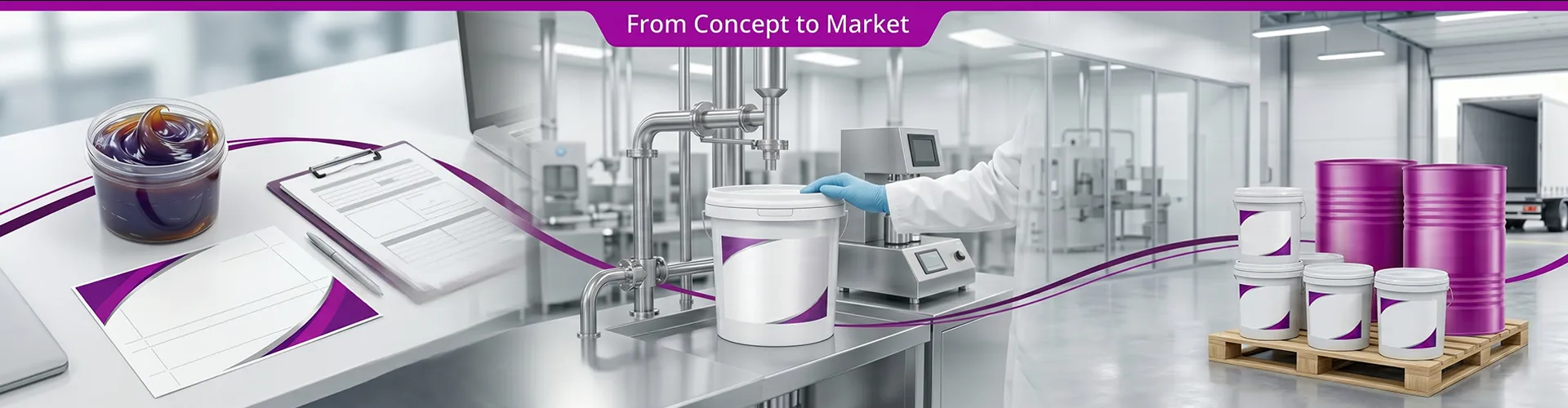
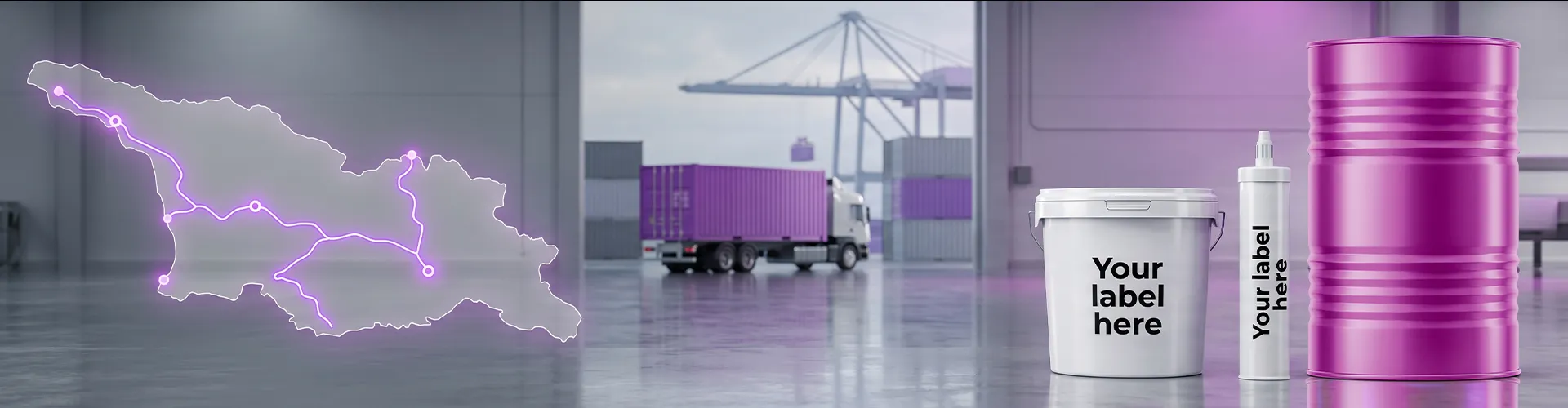
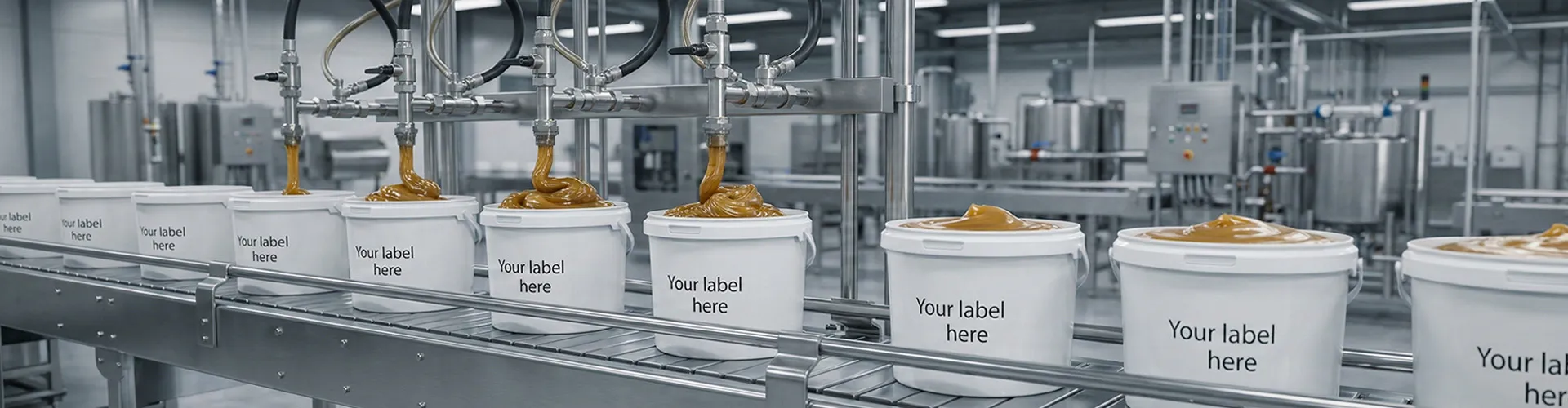
These grease products are also available for Private Label production under your own brand name.
Final Thoughts
Shear stability grease plays a vital role in maintaining lubrication performance under real-world operating conditions. A grease that retains its consistency despite continuous mechanical stress provides better equipment protection, reduces maintenance costs, and extends service life.
Understanding mechanical stability grease properties helps maintenance professionals select products that resist grease degradation and continue performing under demanding conditions.
For industries where reliability and uptime are essential, investing in a long-life grease with excellent shear stability is a smart choice that will deliver long-term operational benefits.
Explore Rexol High-Performance Greases
Discover Rexol’s range of Lithium EP, Lithium Complex, Calcium Sulfonate, and Polyurea greases engineered to deliver outstanding mechanical stability and long-lasting protection. If you’re looking to launch your own lubricant brand, explore our Private Label Grease solutions and bring premium grease technology to your market under your own name.