How to Sell Grease to Large Industrial Buyers: A Distributor’s Guide
Selling grease to small workshops is different from selling grease to large industrial buyers. Industrial customers do not usually buy only because the price is low. They look for product reliability, technical support, consistent supply, documentation, and a supplier who understands their application.
Learning how to sell grease to industrial buyers allows you to get large orders, repeat business, and long-term supply contracts.
In this guide, Rexol explains to you how to approach these big industrial buyers and build a long-term relationship.
Who Are Large Industrial Grease Buyers?
Large industrial grease buyers are the companies that need grease for their heavy-duty machinery, vehicles, bearings, and production lines.
Common examples of these companies are:
- Manufacturing plants
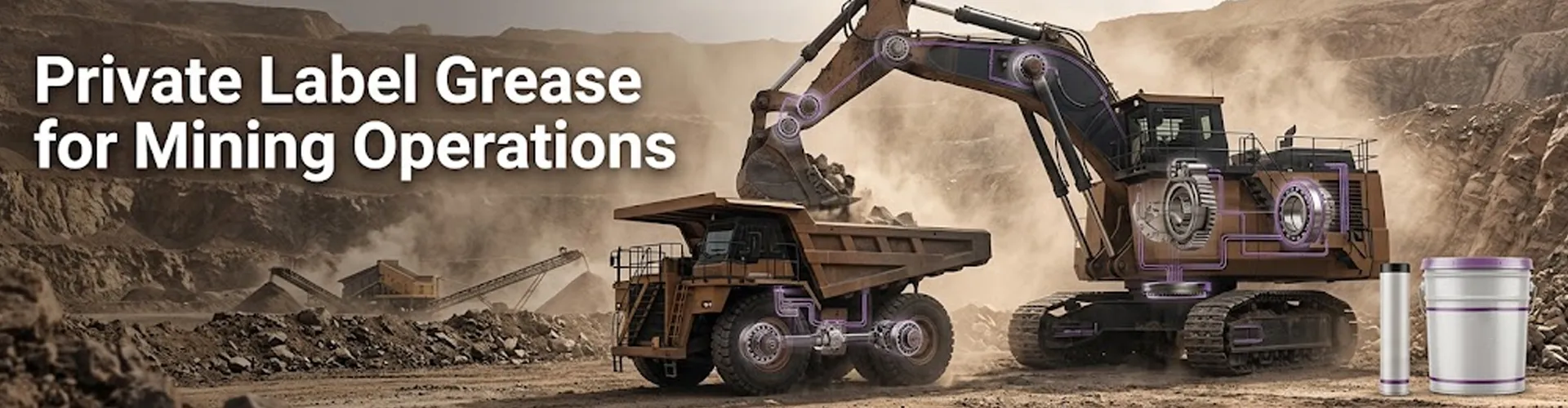
- Mining companies
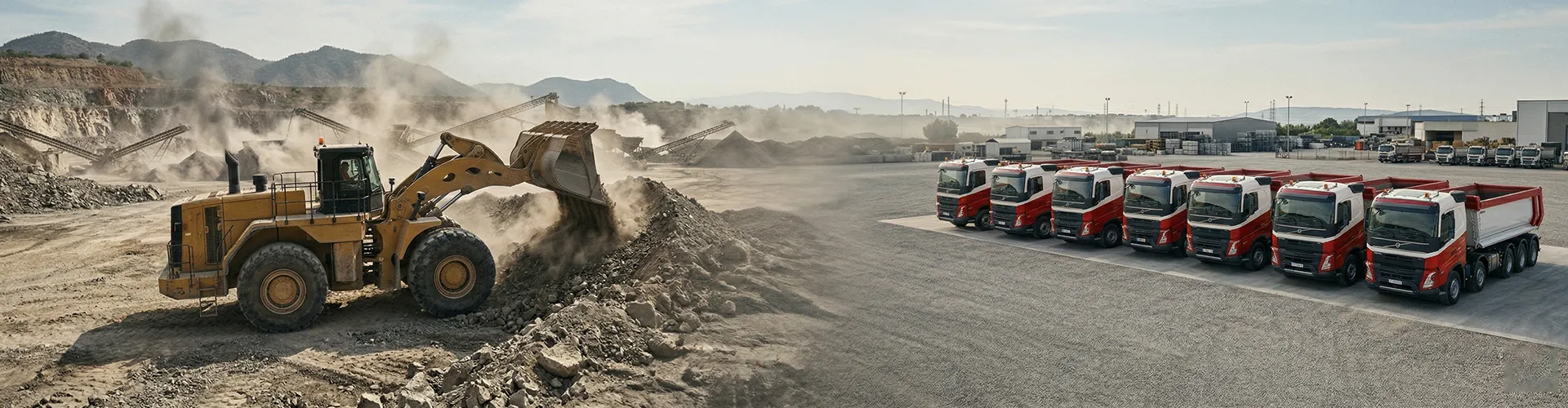
- Construction contractors
- Fleet operators
- Steel and cement plants
- Marine and port operators
- Agricultural equipment users
- Industrial maintenance companies
- Government and infrastructure contractors
These large industries need a reliable lubrication support that helps reduce downtime and protect the equipment.
What Do Industrial Buyers Look for in Grease?
Industrial buyers focus on performance and supply reliability. A grease product must match the equipment and working condition.
They usually check:
- NLGI grade
- Thickener type
- Base oil viscosity
- EP performance
- Water resistance
- Dropping point
- Operating temperature range
- Mechanical stability
- Oxidation stability
- Technical Data Sheet
- Safety Data Sheet or MSDS
- Packaging options
- Supply availability
For industrial customers, the real question is not only “What is the price?” It is also “Will this grease protect our equipment and remain available when we need it?”
How Should Distributors Prepare Before Selling?
Before approaching industrial buyers, distributors should prepare properly.
Start by understanding:
- The buyer’s industry
- Equipment type
- Current grease used
- Main lubrication problems
- Monthly or yearly grease consumption
- Packaging preference
- Purchase process
- Required documents
- Delivery expectations
- Decision makers involved
A distributor who understands the customer’s operation will be taken more seriously than one who only sends a price list.
Which Grease Products Should You Offer?
A well-built industrial grease sales strategy should include an industry-driven product range. Do not offer too many products initially. Start with products that match the buyer’s application.
- For general maintenance, common bearing and machinery use suggests Lithium EP Grease
- For heavy-duty machinery that experiences load and higher temperature conditions, suggest Lithium Complex EP Grease
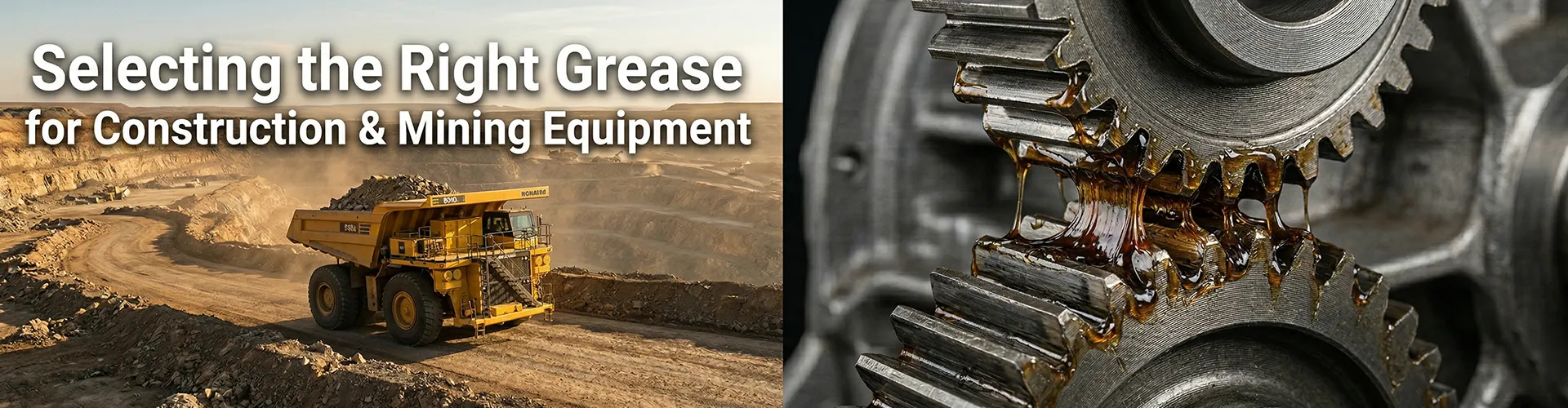
- For the use in mining and construction industries, suggest Moly EP Grease
- For strong water resistance and corrosion protection, suggest Calcium Sulfonate Grease
- For long-ling and high-speed bearing applications, suggest polyurea grease
How Do You Sell Value Instead of Only Price?
Large buyers may negotiate price, but price alone should not be your only selling point.
Focus on points that actually bring value for industrial buyers like reduced downtime, superior protection, fewer failures, technical documents, application guidance, and consistent product quality.
Instead of focusing on:
We can supply grease that is comparatively low in price.
Focus on:
We can help you with a complete grease solution, from selecting the right grease for your equipment till supplying the products.
This redirects the discussion from price to solution.
Why Is Bulk Grease Supply Important?
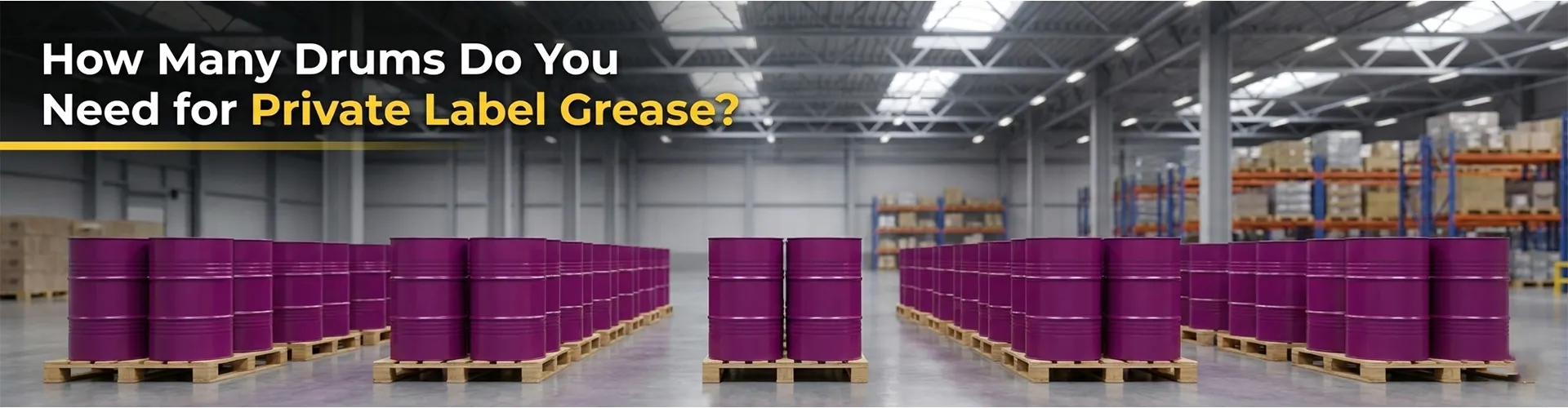
Large industrial buyers often purchase grease in bigger quantities. This is where bulk grease supply becomes important.
Common packaging options include:
- 15kg or 18kg small drums/pails for maintenance teams
- 50kg drums for medium-volume users
- 180kg drums for industrial and high-volume customers
Before committing to bulk supply, always check storage, frequency of delivery, shelf life of product, and handling requirements. A good supply plan helps customers avoid both stock shortages and overstocking.
What Documents Help Close Industrial Grease Sales?
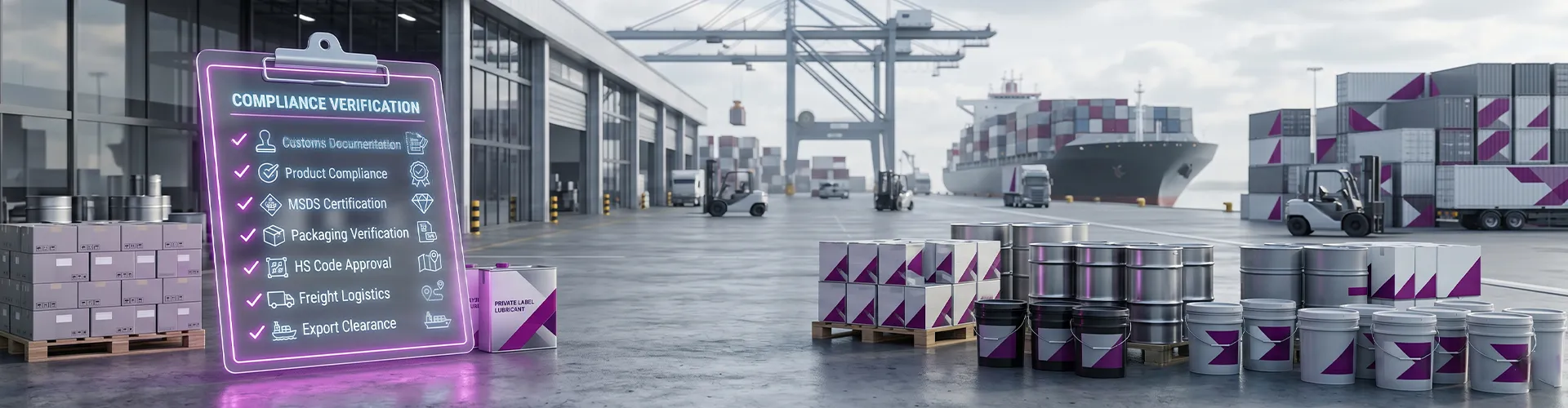
Industrial buyers always ask for documents before approval. Be ready with all the technical documents such as:
- Technical Data Sheet
- Safety Data Sheet or MSDS
- Product specifications
- Application guidance
- Packaging details
- Test values, if available
- Certificate of analysis, if required
Trust builds when you are transparent, and good documentation always brings this transparency. It also helps maintenance teams compare products internally before making a decision.
How Can Private Label Grease Help Distributors?
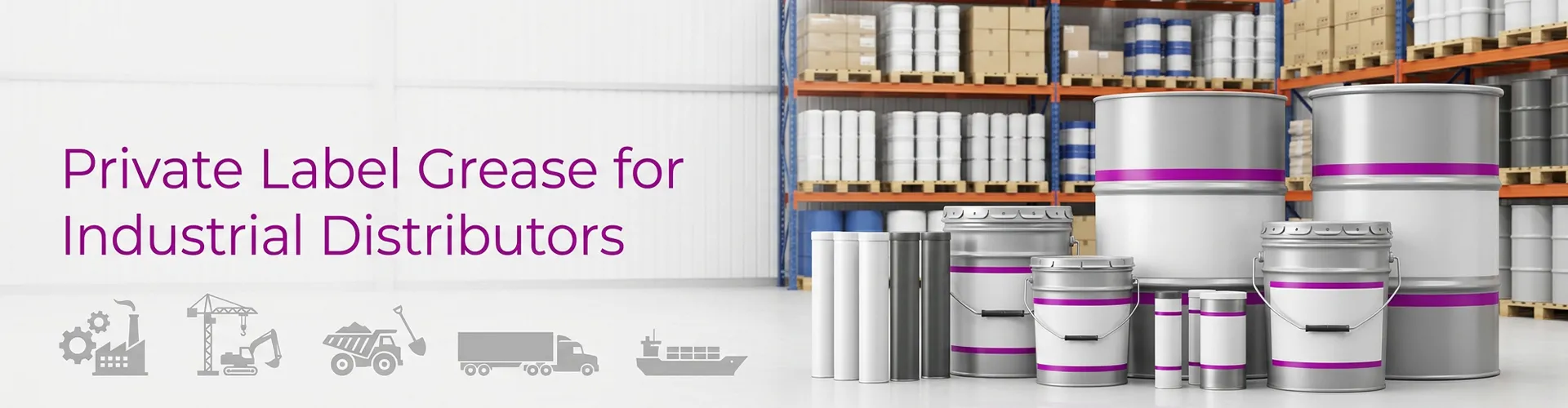
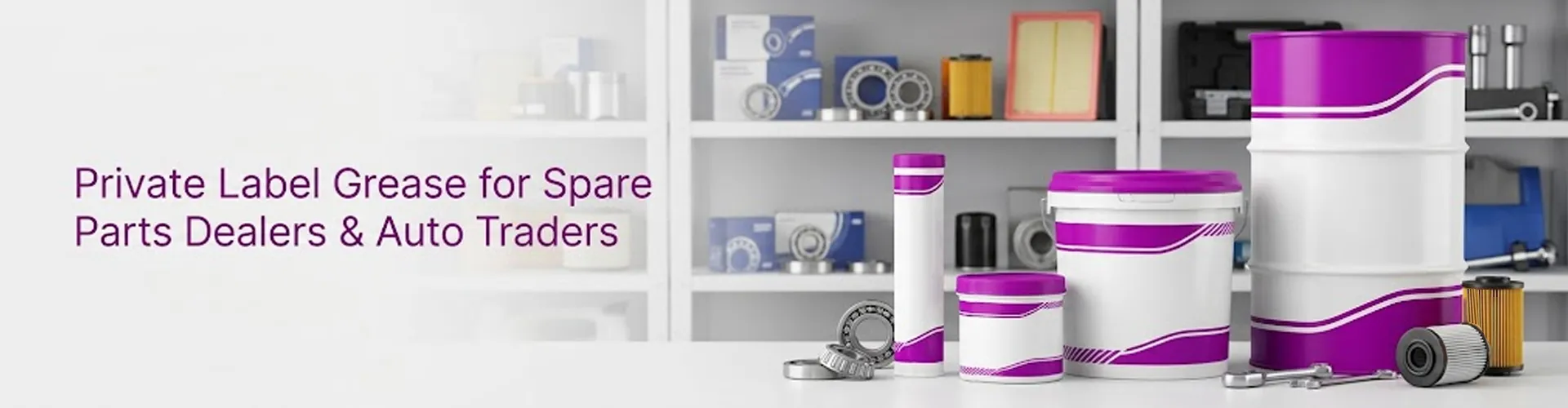
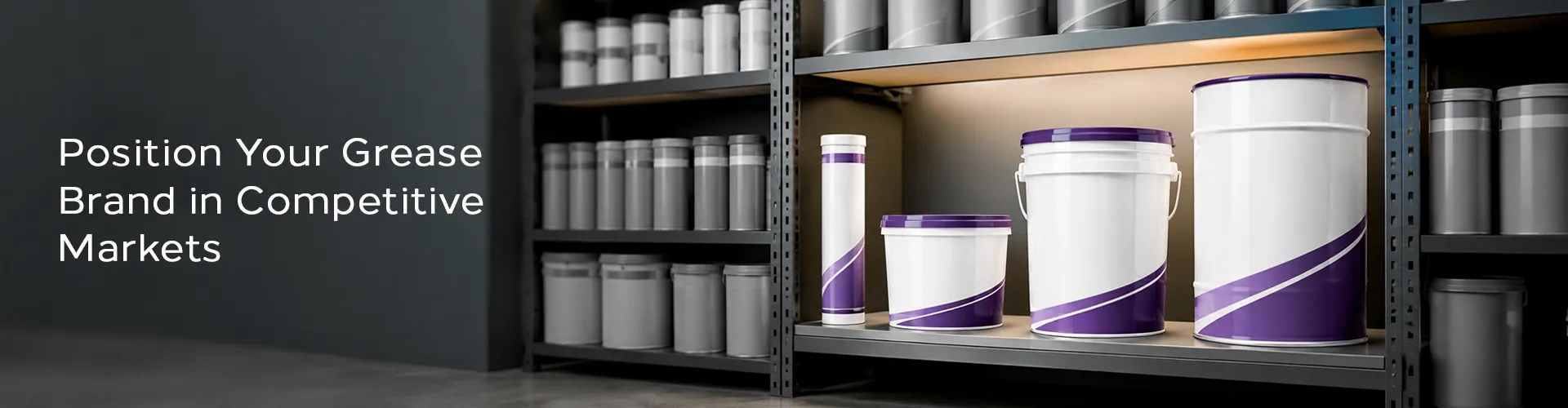
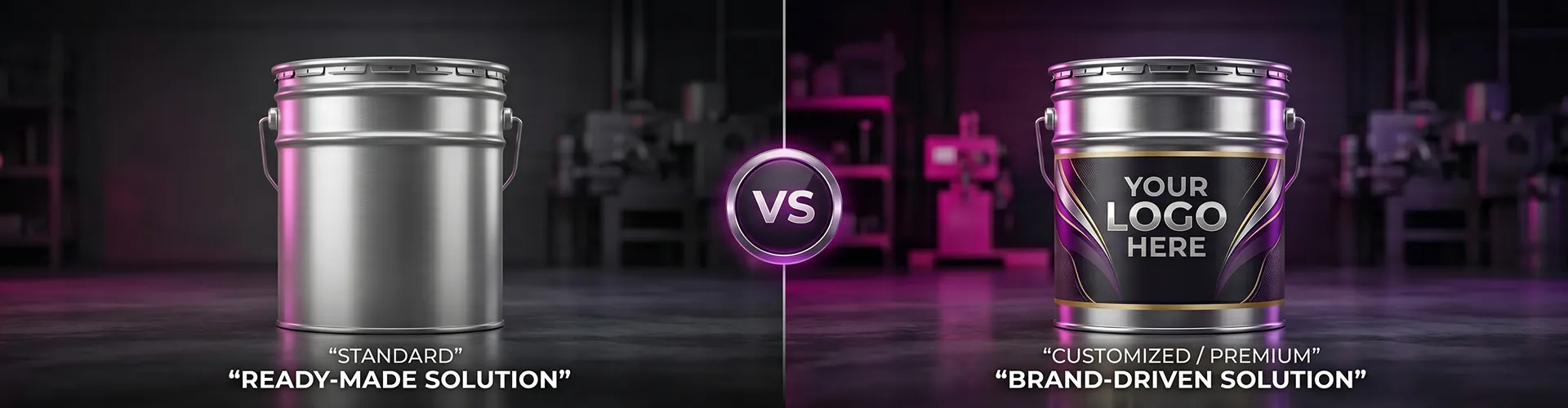
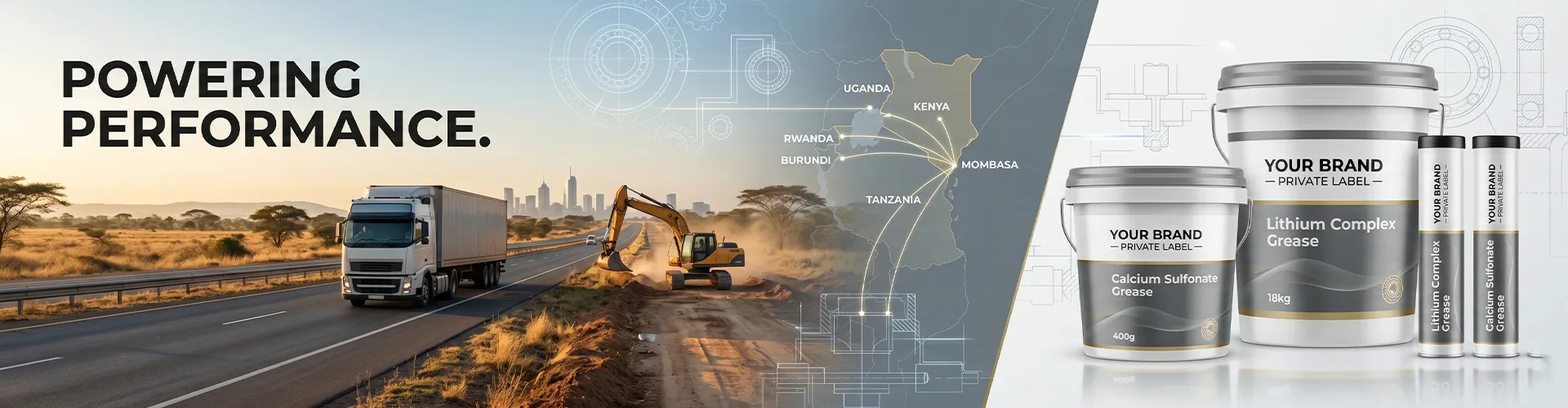
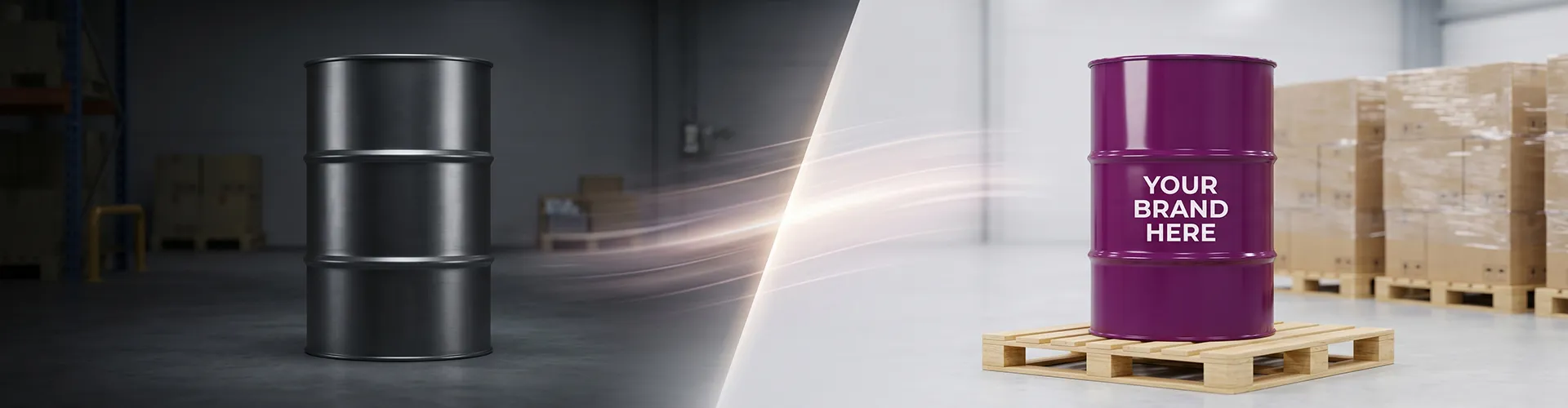
Distributors can supply grease under their own brand name instead of reselling other brands. This is where private label grease comes into play.
Some distributors want to supply industrial buyers under their own brand. This is where private label grease manufacturing becomes useful.
Private label grease can help distributors with:
- Brand ownership
- Better customer loyalty
- Flexible packaging
- Market-specific product range
- Stronger positioning
- Long-term contract opportunities
- Better control over customer relationships
Distributors planning to start their own industrial grease brand can explore Rexol’s private label grease solutions for bulk grease supply and long-term customer contracts.
What Mistakes Should Distributors Avoid?
Always avoid these mistakes when selling to industrial buyers:
- Selling always at a low price
- Not understanding their application
- Offering many products at once
- No proper documentation
- Ignoring packaging requirements
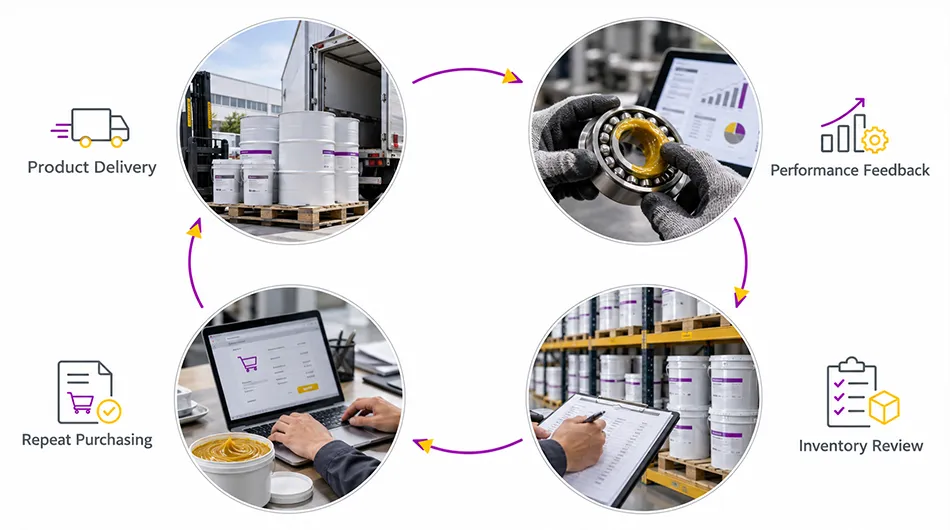
- Not planning repeat supply
- Making unsupported claims on performance
- Not following up after trial supply
- Treating industrial buyers like retail customers
Industrial sales take patience. Trust is built through product consistency, technical support, and reliable delivery.
How Rexol Supports Industrial Grease Distributors
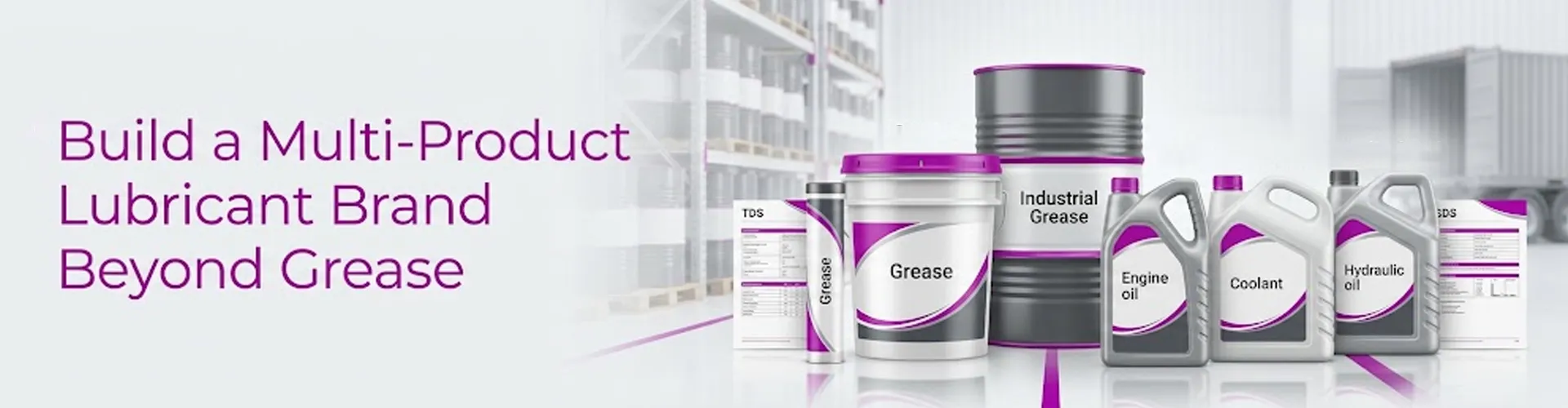
Rexol supports lubricant distributors and brand owners with grease solutions for automotive, fleet, construction, mining, marine, and industrial applications.
Rexol’s grease range includes different greases like Lithium EP, Lithium Complex EP, Moly EP, Calcium Sulfonate, and Polyurea grease used for different applications. These products support general maintenance to heavy-load and wet-condition environments.
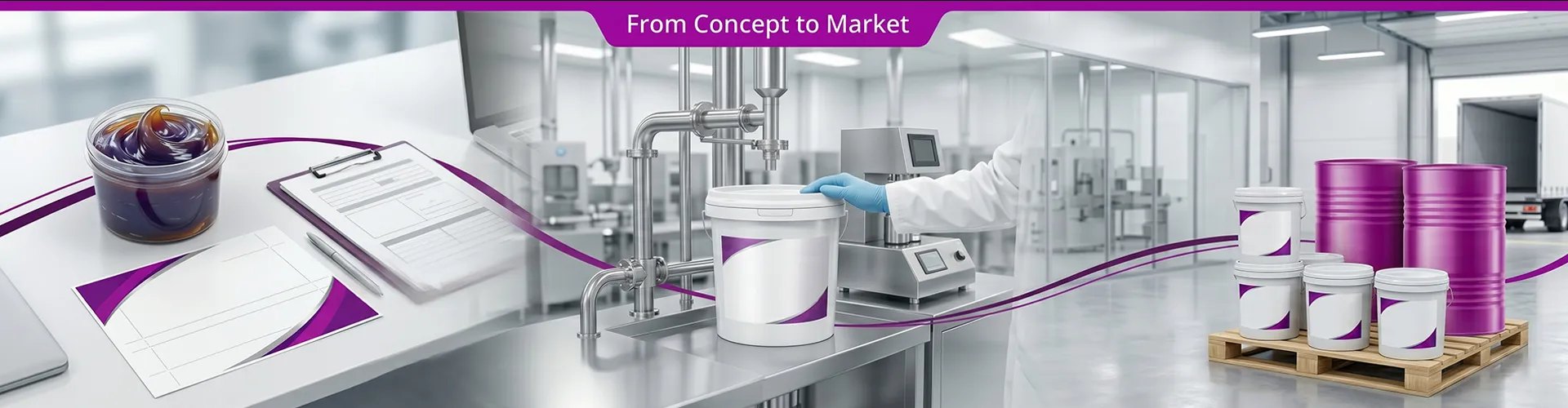
Rexol supports distributors planning to build their own brand with product selection, packaging options, technical documentation, and export-ready supply.
Final Thoughts
To sell grease to industrial buyers, distributors need more than a product list. They need to understand the customer’s equipment, application, supply needs, and approval process.
A strong industrial grease sales strategy focuses on product fit, documentation, packaging, repeat supply, and long-term trust.
With Rexol’s grease range and private label grease manufacturing support, distributors can build stronger industrial customer relationships and grow their bulk grease supply business.