How to Position Your Grease Brand in Competitive Markets
Launching a grease brand is one thing. Making customers remember it, trust it, and choose it again is another challenge.
In many markets, lubricant distributors compete with global brands, local suppliers, and price-focused traders. That’s why new or growing grease brands require strong grease brand positioning to help their products stand out for the right reasons.
Grease brand positioning doesn’t mean having a low price or attractive packaging. It is about gaining the trust of your customers and making them believe that your product is relevant, reliable, and suitable for their applications.
As a private label grease manufacturer, Rexol supports distributors and lubricant brands with grease manufacturing, packaging options, technical documentation, and product range development. This allows businesses to build a more focused grease brand strategy for competitive markets.
What Is Grease Brand Positioning?
Grease brand positioning is nothing but the trust that customers have in your product as compared to other lubricant brands available in the market.
In simple terms, it answers these three questions:
- Who can use this grease brand?
- What problems does it solve?
- Why should customers choose it instead of another grease brand?
A clear positioning strategy helps customers understand your brand faster.
Why Does Grease Brand Positioning Matter?
Grease is often treated as a commodity, especially in price-sensitive markets. Many customers may ask only for “EP2 grease” or “moly grease” without thinking much about brand value.
This is where positioning becomes important.
A strong grease brand can move the conversation from:
“What is your lowest price?”
to:
“Which product is right for my fleet, machinery, or operating condition?”
Good positioning can help distributors:
- Build stronger brand recognition
- Improve customer trust
- Reduce price-only competition
- Support repeat sales
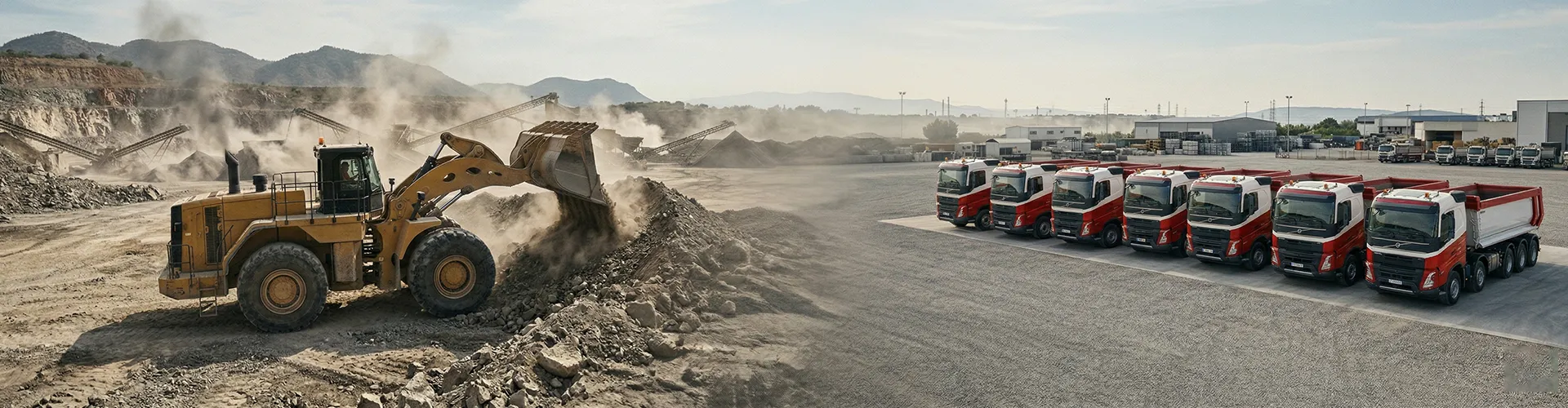
- Enter fleet, construction, mining and industrial accounts
- Create a more professional lubricant marketing strategy
Who Should Your Grease Brand Target?
Before creating labels, catalogs, or product pages, define your target customer clearly. A grease brand that tries to serve everyone often becomes difficult to explain.
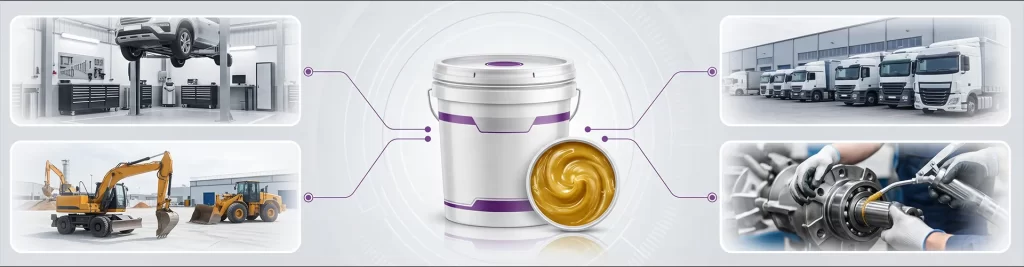
Common Customer Segments for Grease Brands
| Target Segment | What They Usually Need | Product Focus |
| Automotive workshops | Reliable grease for routine service | Lithium EP grease |
| Fleet operators | Consistent grease supply and packaging | Lithium EP2, Moly EP, and chassis greases |
| Construction companies | Heavy-load and shock-load protection | Moly grease, Lithium-complex grease |
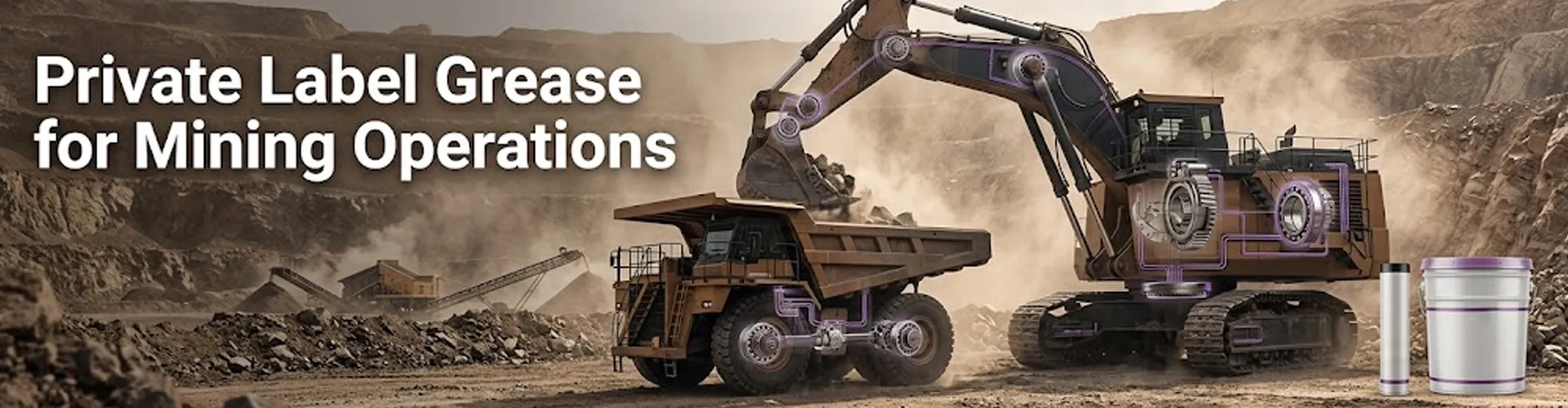
| Mining and quarry operations | Severe-duty grease for harsh conditions | Moly EP and calcium sulfonate-based greases |
| Marine and wet environments | Water resistance and corrosion protection | Calcium sulfonate grease |
| Industrial maintenance teams | Product consistency and technical documentation | Application-specific industrial grease |
Once you know your target customer, your brand message becomes easier to create.
How Do You Choose the Right Brand Position?
A strong grease brand strategy usually fits one of the following positioning directions.
Grease Brand Positioning Options
| Positioning Direction | Best For | Example Brand Message |
| Value-focused | Price-sensitive workshops and small users | Reliable grease for everyday maintenance |
| Heavy-duty performance | Construction, mining and fleets | Built for load, pressure and demanding equipment |
| Water-resistant protection | Marine, ports, agriculture and wet sites | Grease protection for wet and corrosive environments |
| Fleet maintenance support | Transport and logistics companies | Consistent grease supply for commercial fleets |
| Industrial reliability | Factories and maintenance teams | Technical grease solutions for industrial operation |
| Private label distributor brand | Lubricant traders and regional suppliers | Professional grease products under your own brand |
The goal is not to claim everything. The goal is to own a clear place in the customer’s mind.
What Should Be Included in a Grease Brand Strategy?
A practical grease brand strategy should connect product, packaging, technical support, and sales messaging.
Key elements to define
- Target customer segment
- Product range
- Packaging sizes
- Technical documentation
- Brand promise
- Price positioning
- Distribution channel
- Sales support materials
- Product application guidance
- Long-term supply plan
For example, a fleet-focused brand should not only offer grease products. It should offer a reliable fleet grease supply concept with suitable packaging, regular availability and application guidance.
How Can Private Label Grease Help Brand Positioning?
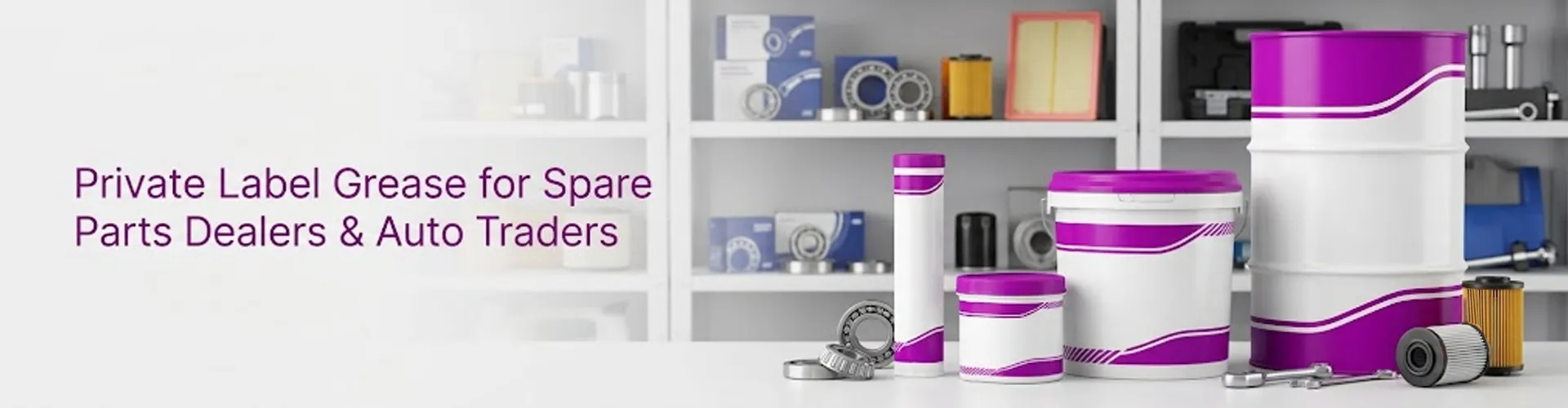
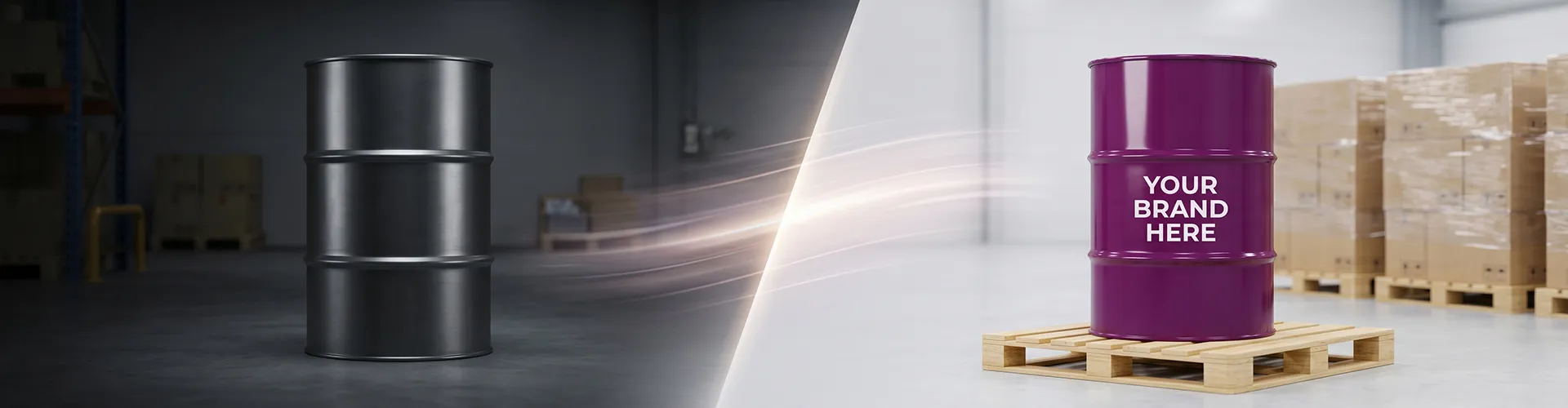
Private label grease gives distributors more control over how their products is presented in the market.
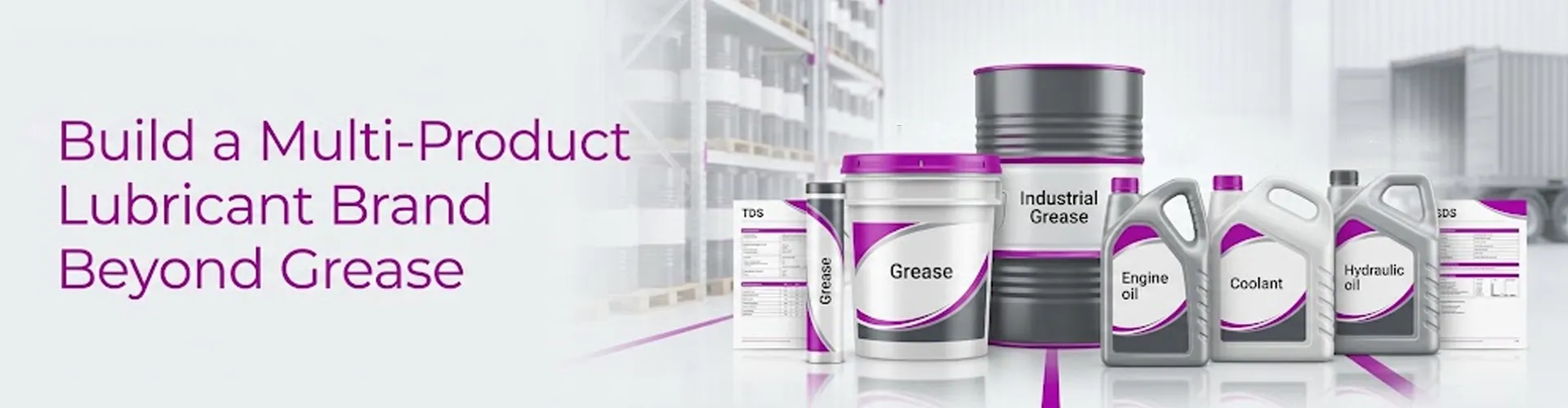
Instead of selling another company’s brand, distributors can build their own identity using product performance, packaging design, customer segment, regional market needs, technical support, pricing strategy, long-term customer relationships.
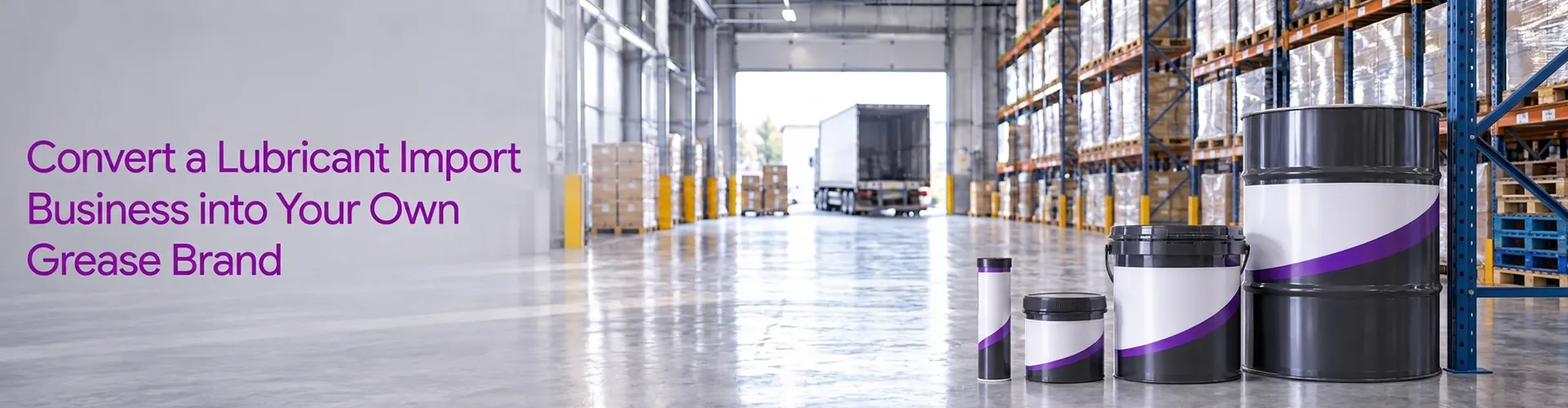
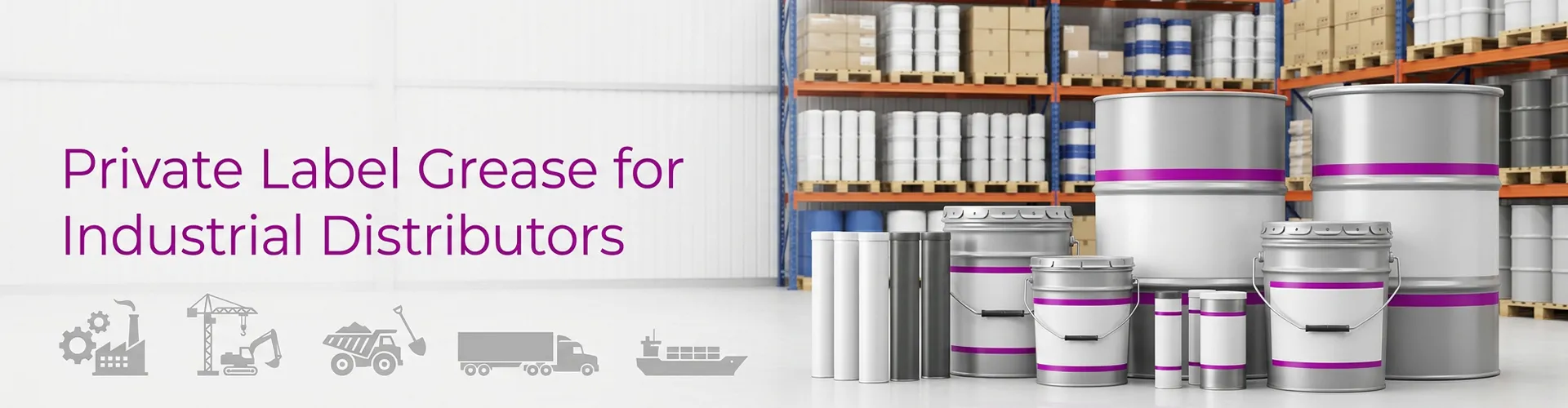
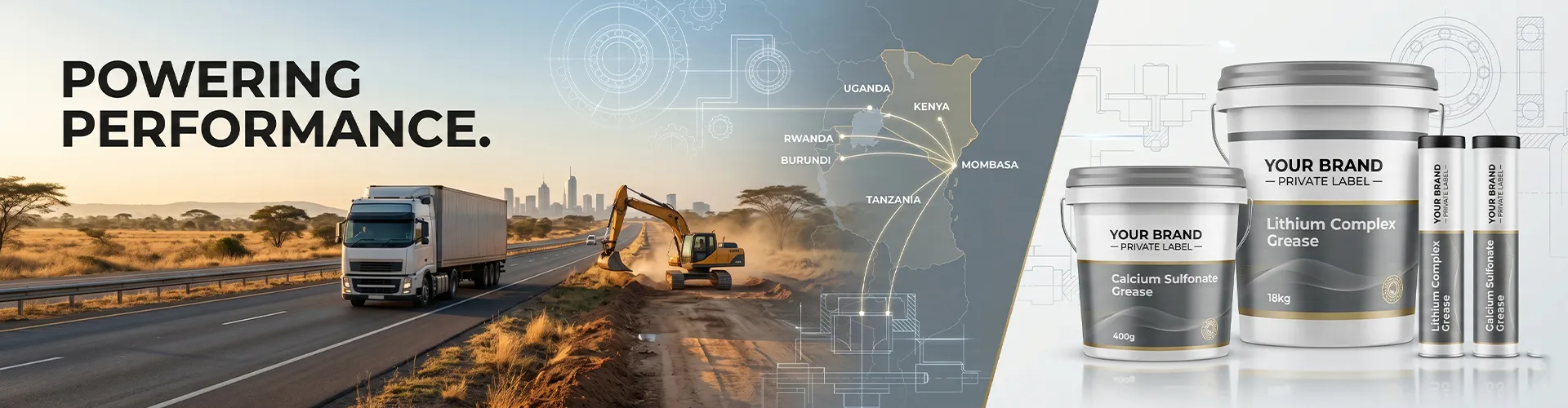
As a private label grease manufacturer, Rexol helps distributors develop good quality grease products under their own brand name. This supports businesses that want to create a differentiated position in competitive lubricant markets.
Which Products Should Be in a Strong Grease Portfolio?
A well-positioned grease brand does not need too many products at the start. It needs the right products for the target market.
Suggested Core Grease Portfolio
- Lithium EP Grease – General automotive, workshop and fleet applications
- Lithium Complex Grease – Higher temperature and heavy-duty applications
- Moly EP Grease – Pins, bushings, fifth wheels and shock-load points
- Calcium Sulfonate Grease – Wet, harsh and corrosion-prone environments
- High-Temperature Grease – Heat-exposed industrial components
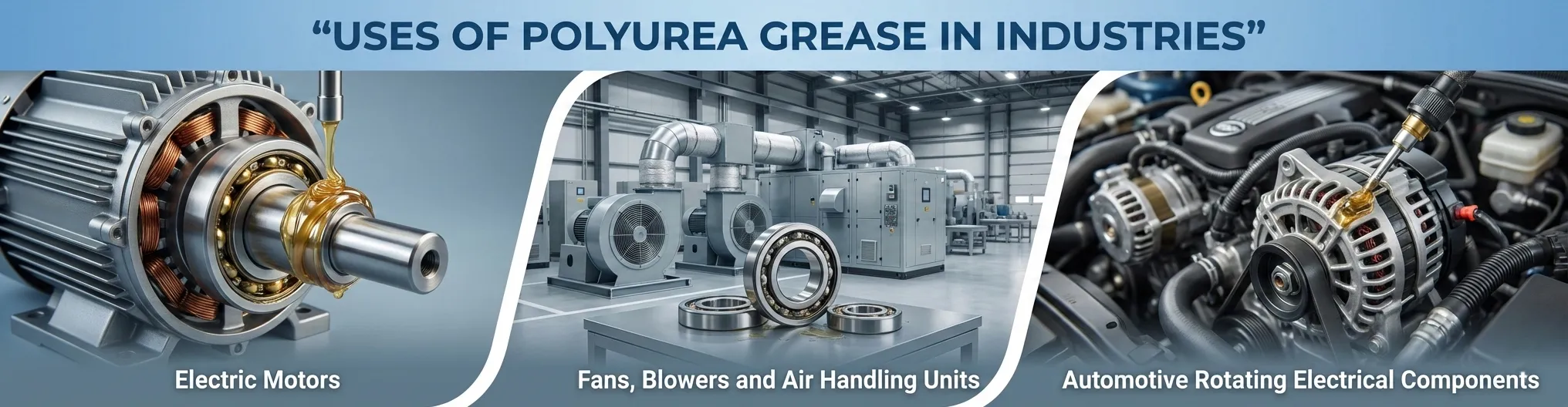
- Polyurea Grease – Electric motors and long-life bearing applications
The product range should match the brand promise. If your brand is positioned for heavy-duty sectors, the portfolio should include products that support load, water resistance, and severe operating conditions.
How Should Packaging Support Your Brand Positioning?
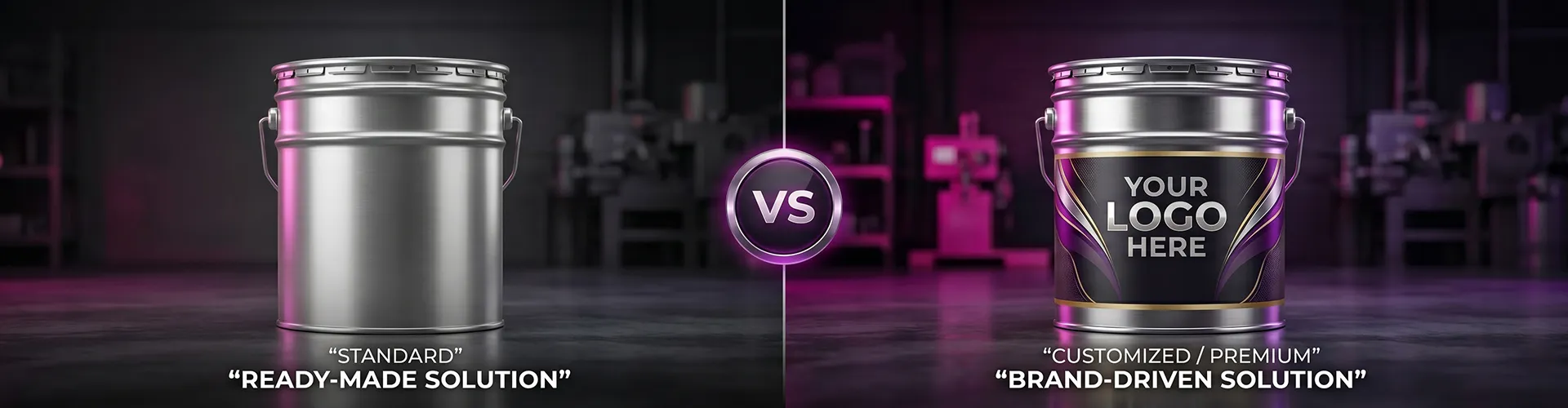
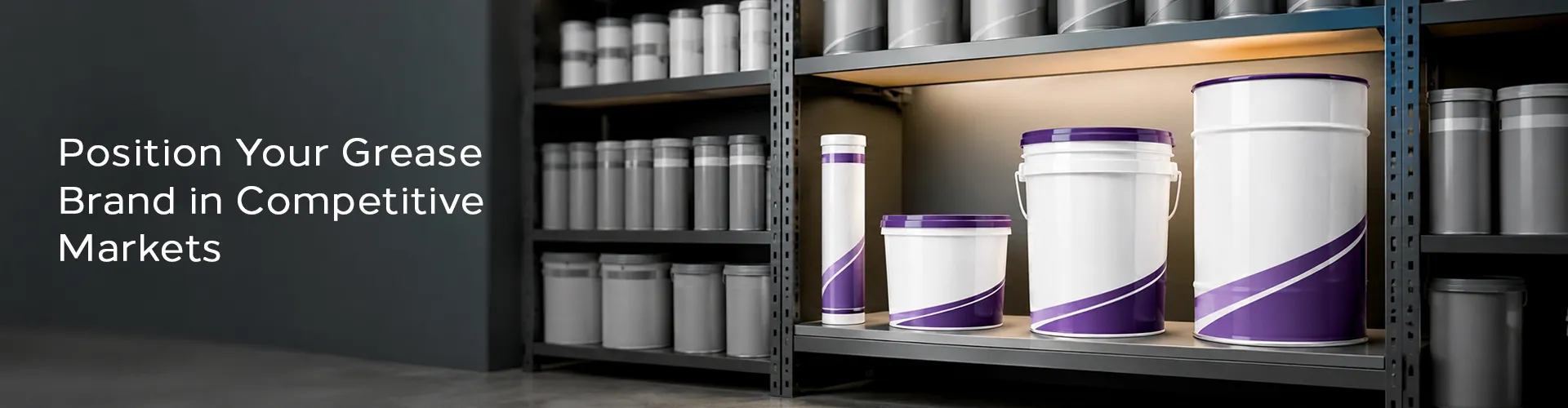
Packaging is often the first thing customers notice. Markets are turning competitive, and so your packaging can influence trust before the customer even tests the product.
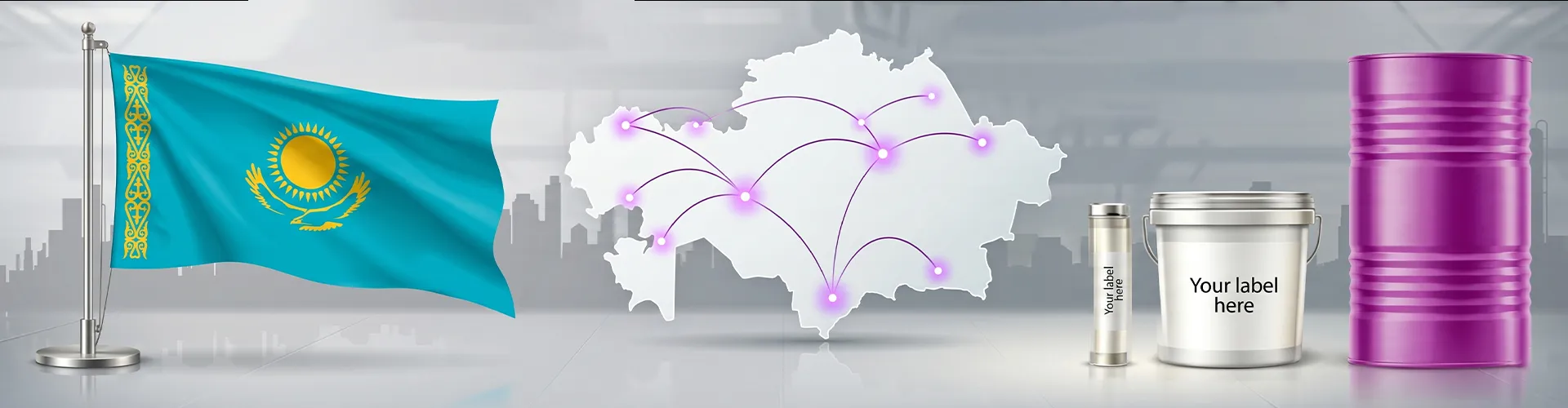
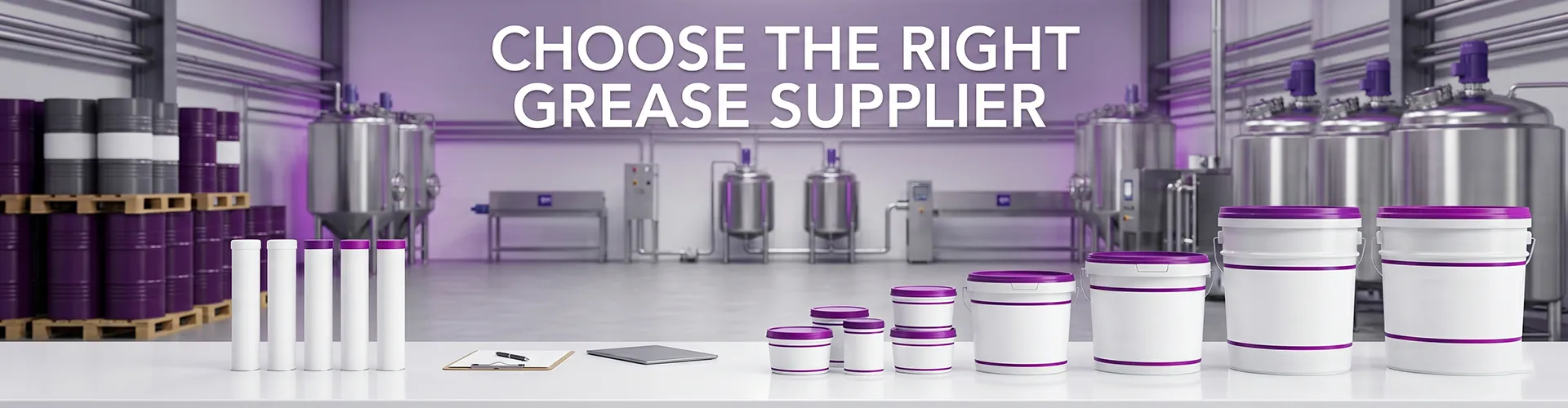
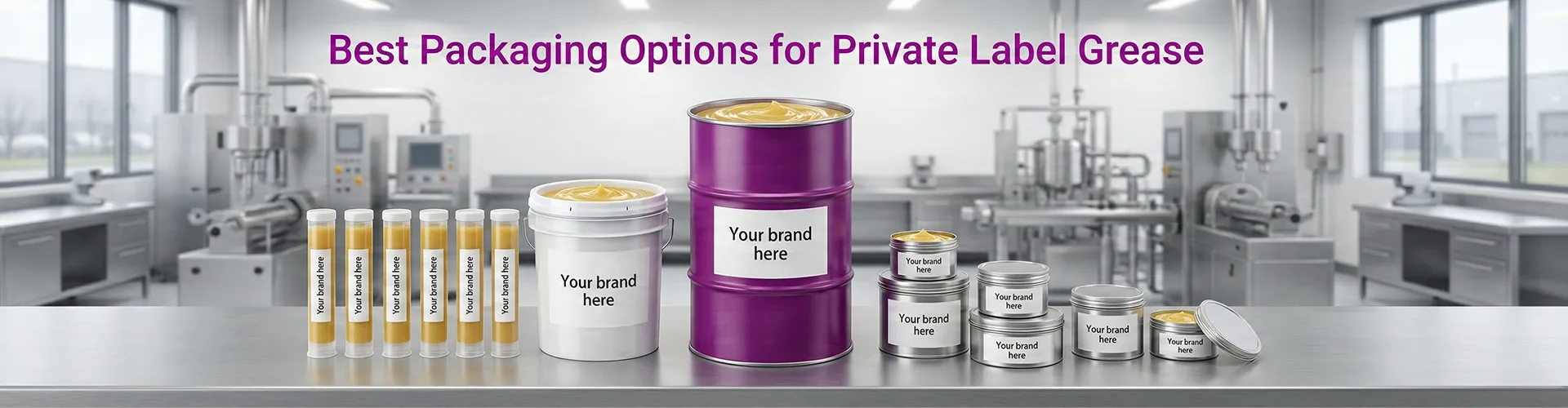
Packaging format required as per market
- Cartridges – It is best for workshops and grease gun applications.
- 500g to 1kg packs – It works best for retail and small maintenance users. This packaging is very easy to resale and helps increase brand visibility
- 15kg to 18kg pails – It is practically for fleets, contractors and service centers
- 180kg drums – It is suitable for industrial and high-volume users.
Good packaging should be clear, application-focused, and durable. The label should help the buyer understand what the grease is for, not only show the brand name. To know more about packaging, explore the best packaging options for private label grease brands.
What Messages Help a Grease Brand Stand Out?
Your lubricant marketing strategy should focus on the customer’s actual problem.
Instead of claiming it to be suitable for all applications, use clearer messages like:
- Grease solutions for fleet maintenance
- Heavy-duty grease for construction equipment
- Water-resistant grease for wet and marine environments
- Moly grease for pins, bushings and shock-load areas
- Private label grease for distributors building their own brand
Specific messaging makes it more credible and easier to trust.
How Can Technical Documentation Improve Brand Trust?
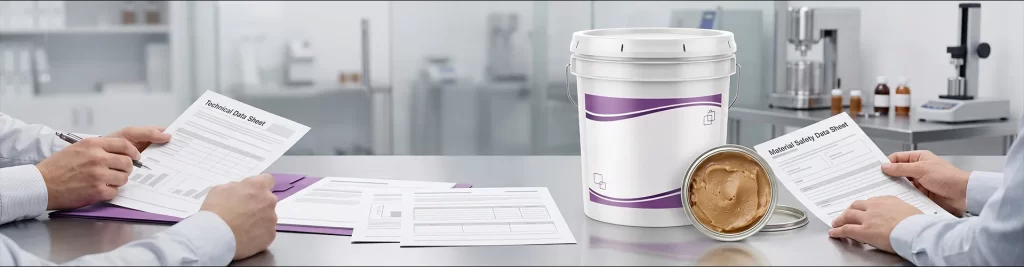
High-volume users like fleet customers or industrial buyers need more than a product label. They ask for technical documents before confirming a grease brand.
These important documents include:
- TDS or Technical Data Sheet
- Safety Data Sheet or MSDS
- Product specifications
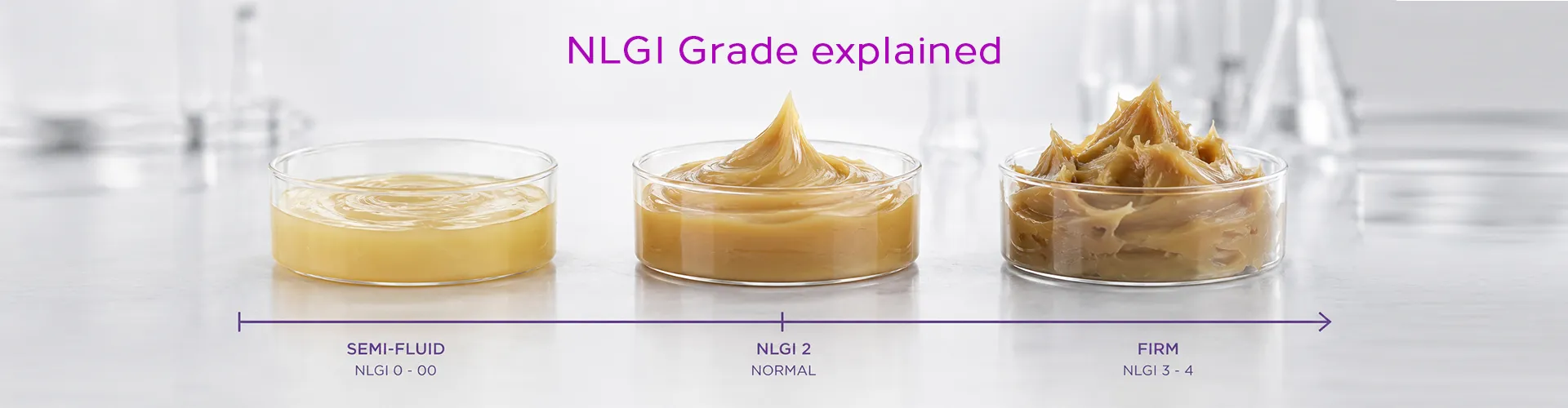
- NLGI grade details
- Thickener type
- Application guidance
- Packaging information
Proper format and providing these documents to customers make your brand look more professional and reliable.
What Mistakes Should Grease Brands Avoid?
Many new grease brands struggle because they enter the market without a clear position.
Avoid these mistakes:
- Competing only on price
- Offering too many products at launch
- Using generic product names
- Not defining the target customer
- Copying global brand language without differentiation
- Ignoring packaging quality
- Not providing technical documents
- Making claims that are not supported by product data
- Changing product quality between batches
- Not training the sales team on application use
A good grease brand should be easy to understand, easy to sell and easy to trust.
How Rexol Supports Grease Brand Positioning
Rexol supports distributors and lubricant companies with private label grease manufacturing for automotive, fleet, construction, mining, marine, and industrial markets.
As a private label grease manufacturer, Rexol can help brands create a structured grease portfolio with reliable and suitable product categories, packaging options, and technical documentation. Whether your brand needs grease for general maintenance, heavy-duty applications, or wet environments, Rexol has a wide product range of products to fulfill all your requirements.
Distributors can also explore Rexol’s private label grease solutions to build a market-ready grease brand with stronger positioning and long-term growth potential.
Final Thoughts
Positioning is what helps a grease brand move from being “another product” to becoming a trusted solution in the customer’s mind.
A strong grease brand positioning strategy should be built around the customer, the application, and the value your product brings to the market. With the right product range, packaging, technical support, and messaging, distributors can build grease brands that compete more effectively in crowded lubricant markets.
As a private label grease manufacturer, Rexol helps lubricant businesses create structured grease portfolios that support stronger market positioning and long-term brand growth.