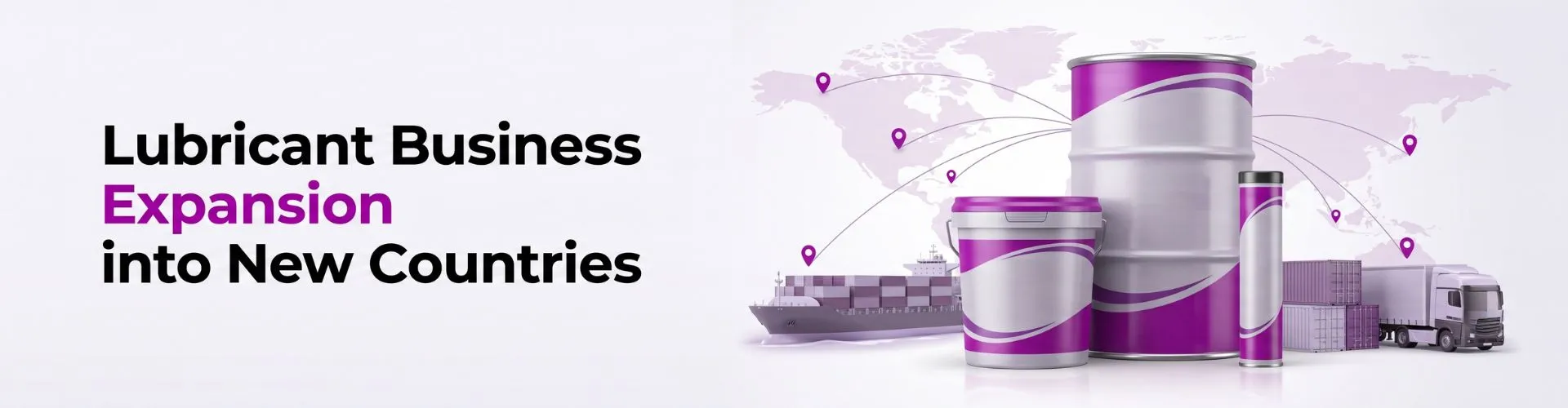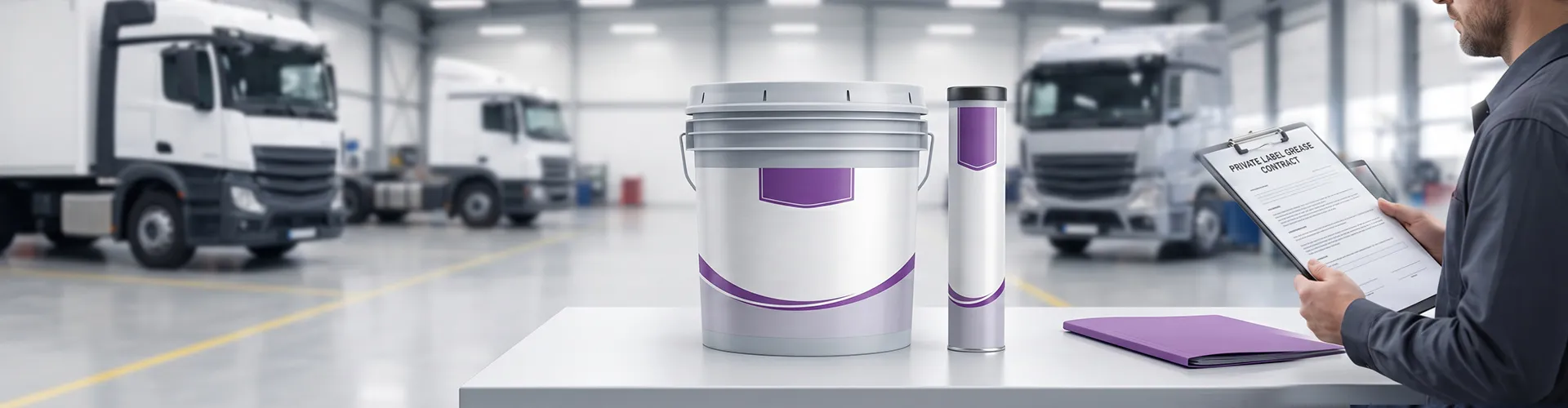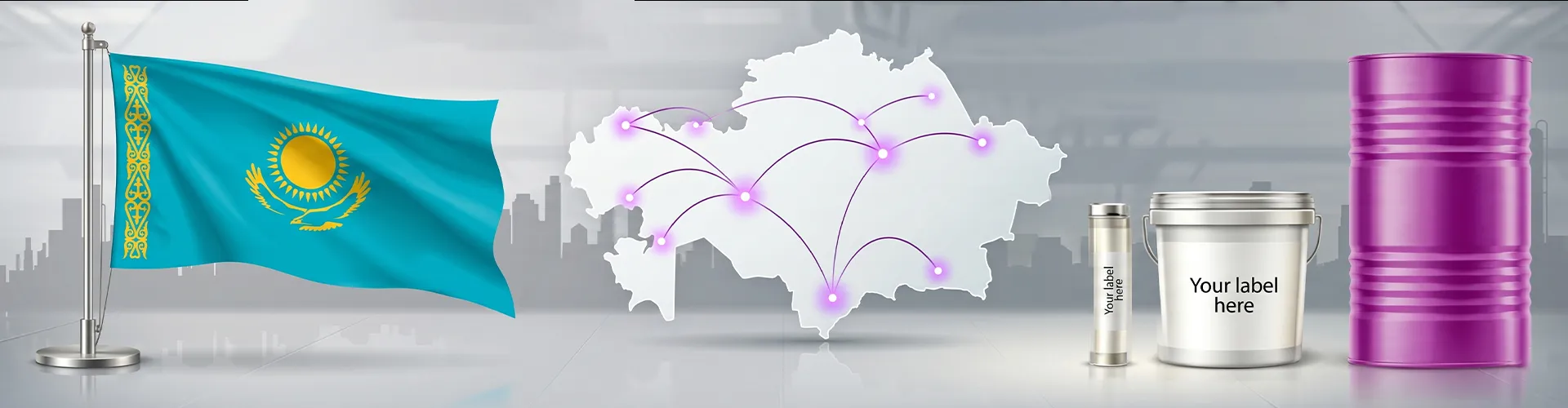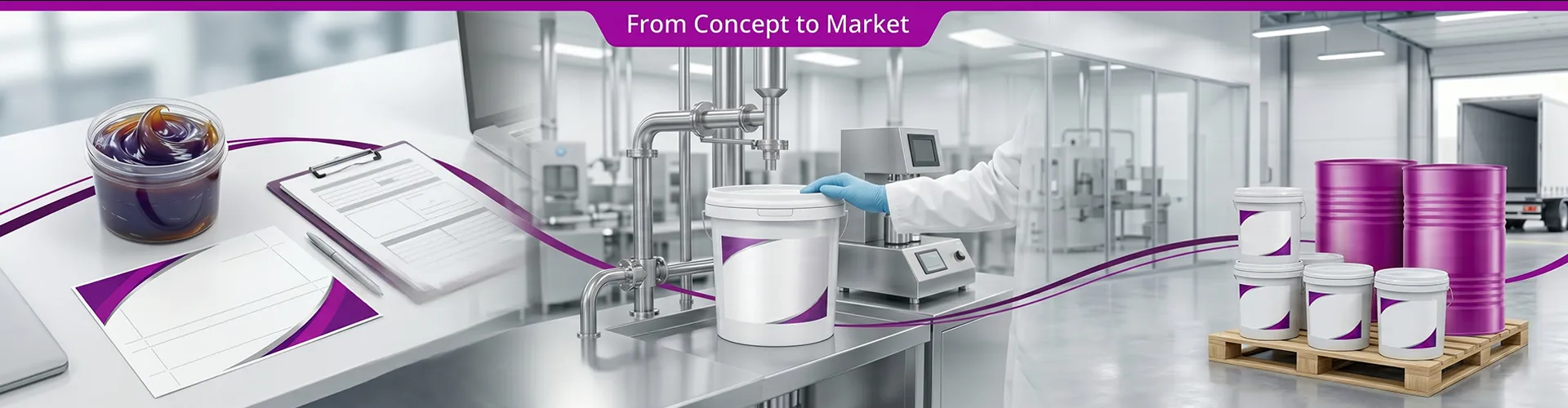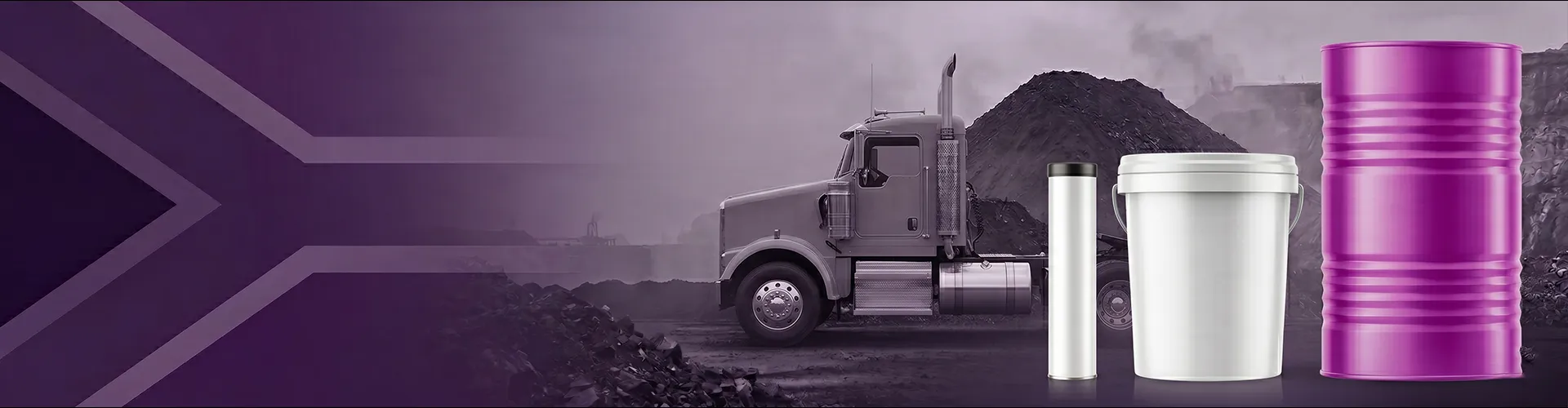
How to Convert a Lubricant Import Business into Your Own Grease Brand
Many lubricant importers start by bringing in products from different suppliers and selling them in their local market. This is a practical business model, especially when you already understand customers, pricing, logistics and demand.
But after some time, one question naturally comes up:
Can I start my own grease brand instead of only importing and reselling other brands?
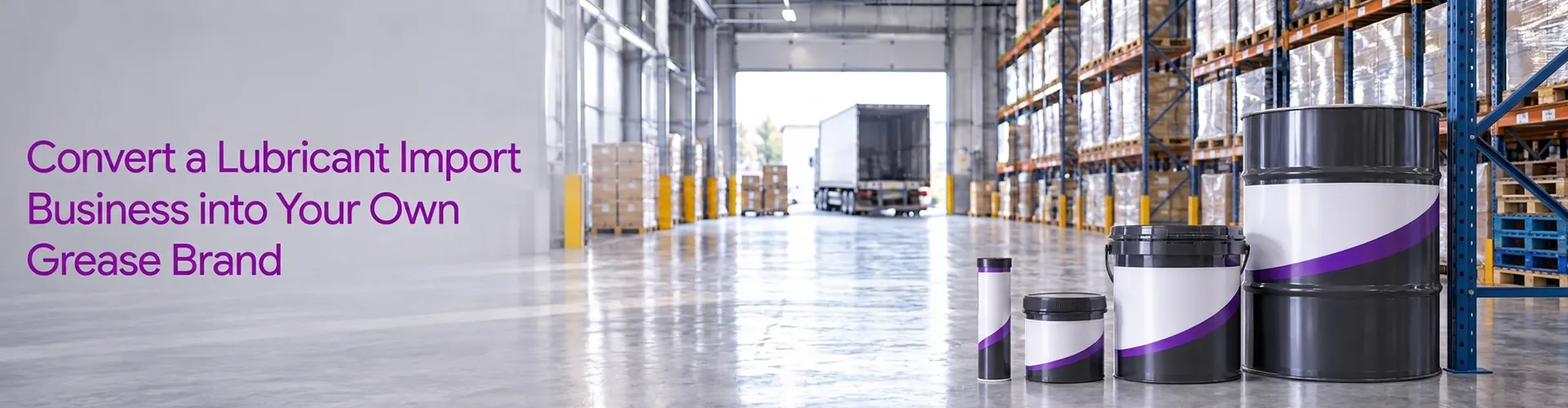
The answer is yes. If you are already a lubricant importer, you already have a strong starting point. You know the market, customer needs, fast-moving products, and common price challenges. With the right private label manufacturing partner, you can convert your grease import business into your own branded grease range.
What Does It Mean to Start Your Own Grease Brand?
To start your own grease brand means selling grease products under your own brand name instead of only reselling another company’s label.
In simple terms:
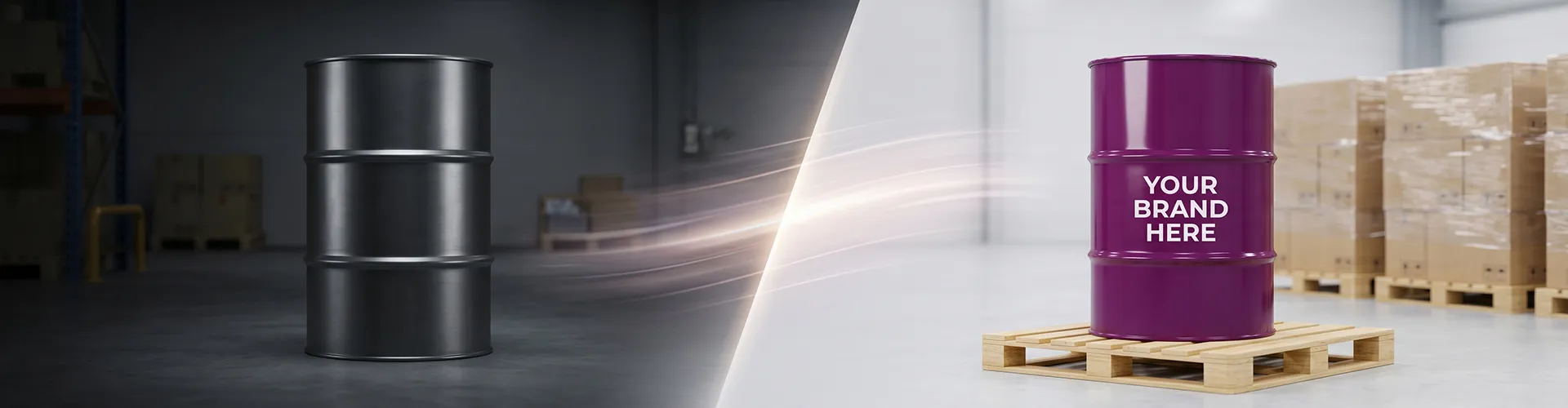
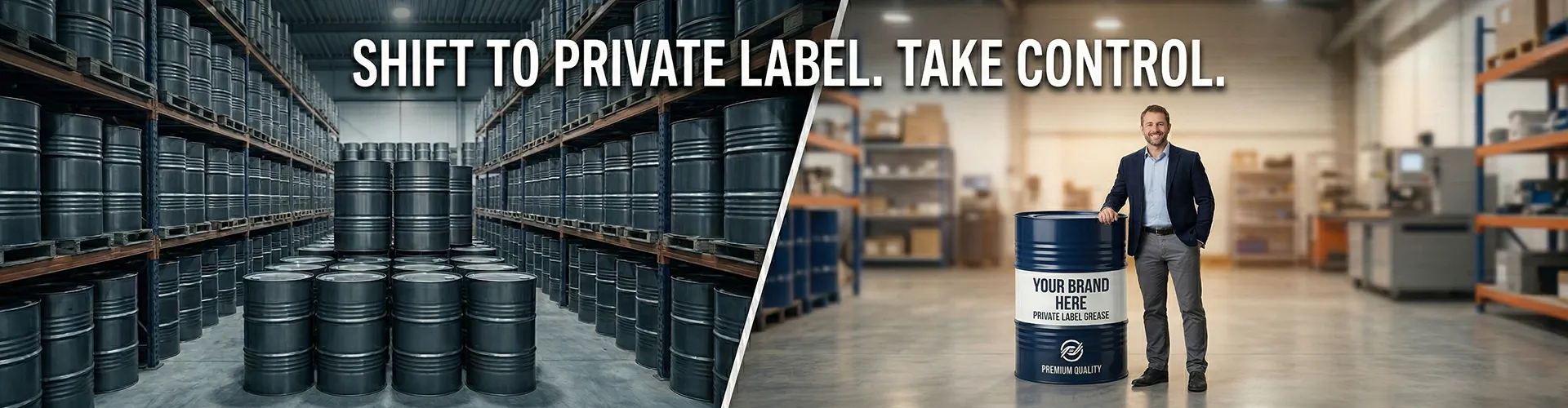
You choose the grease range, packaging style, brand name and market positioning, while a manufacturing partner produces the grease for you.
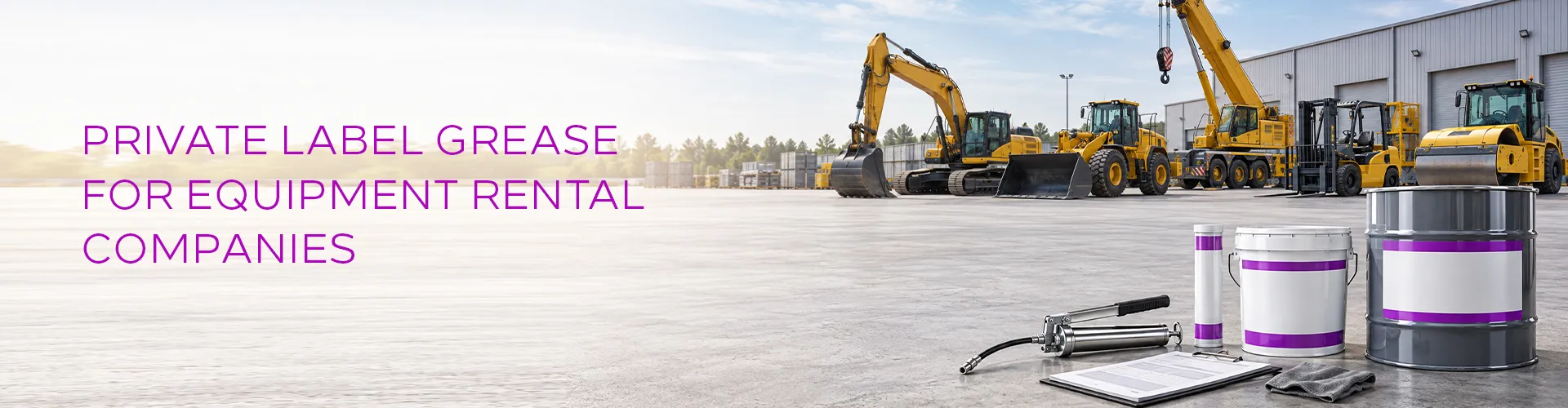
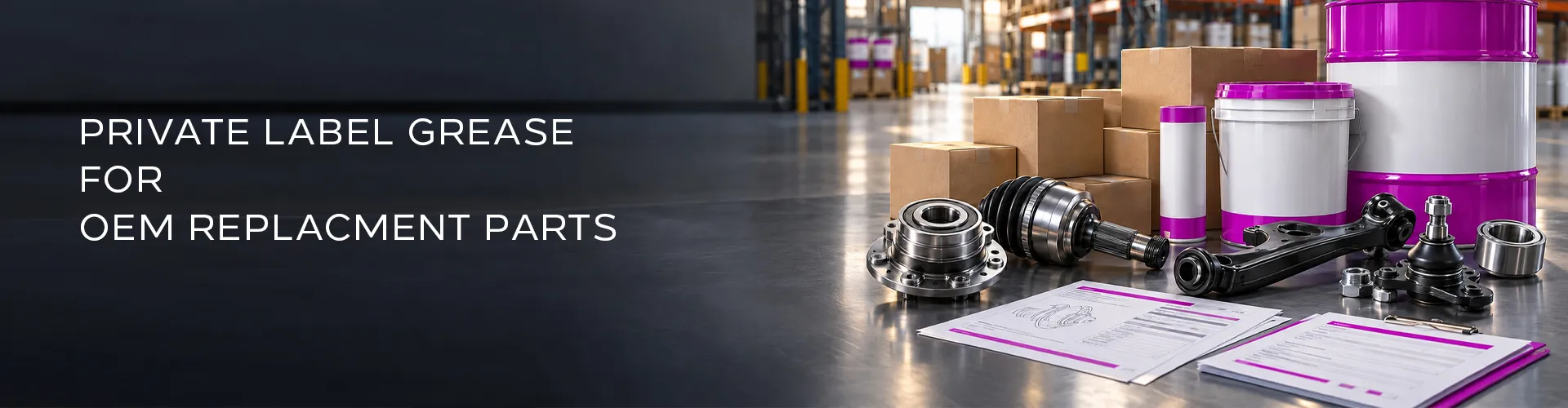
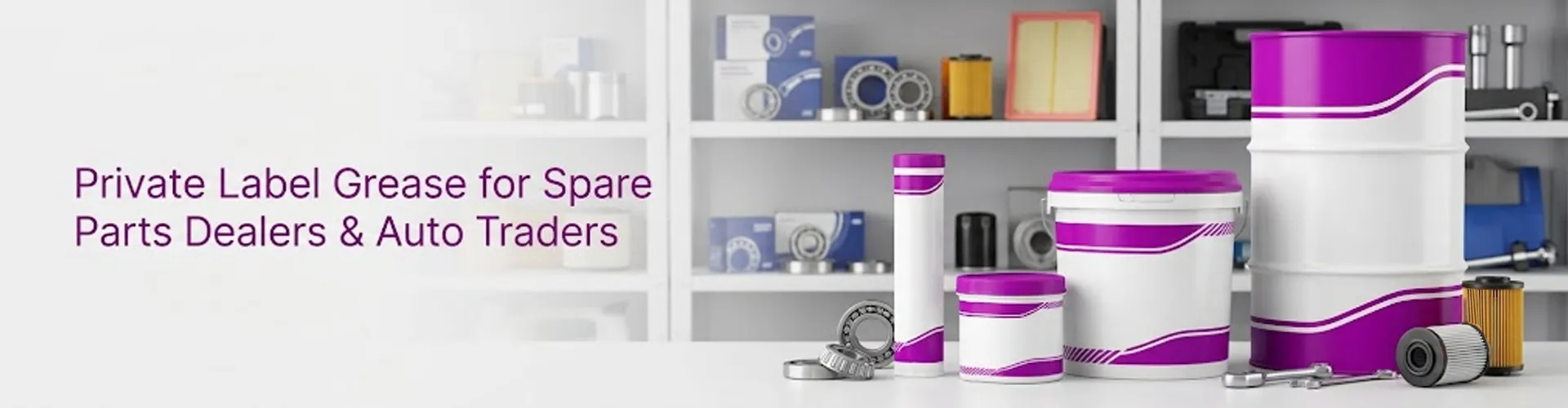
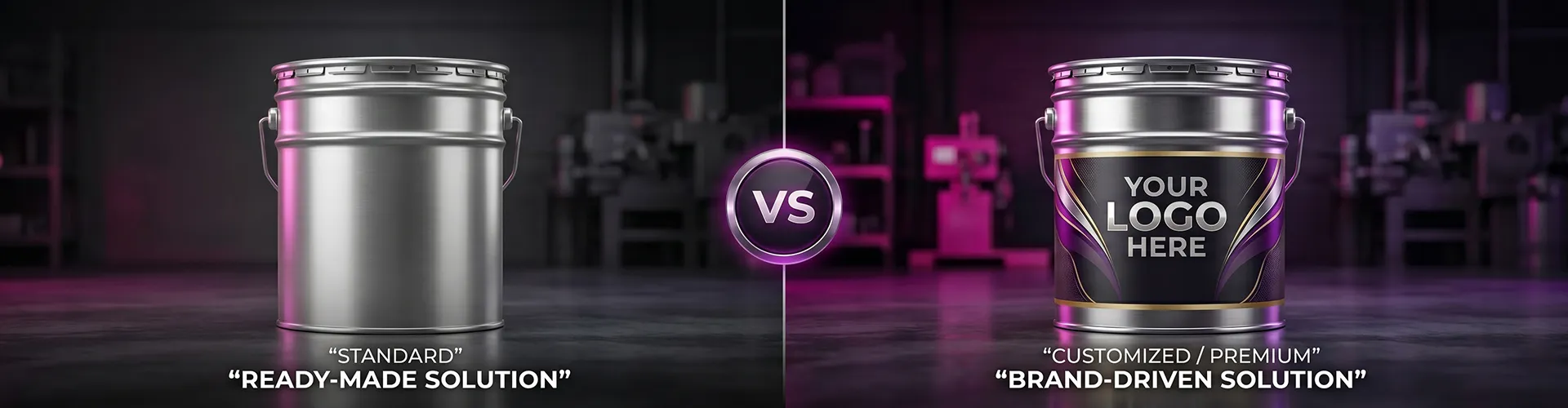
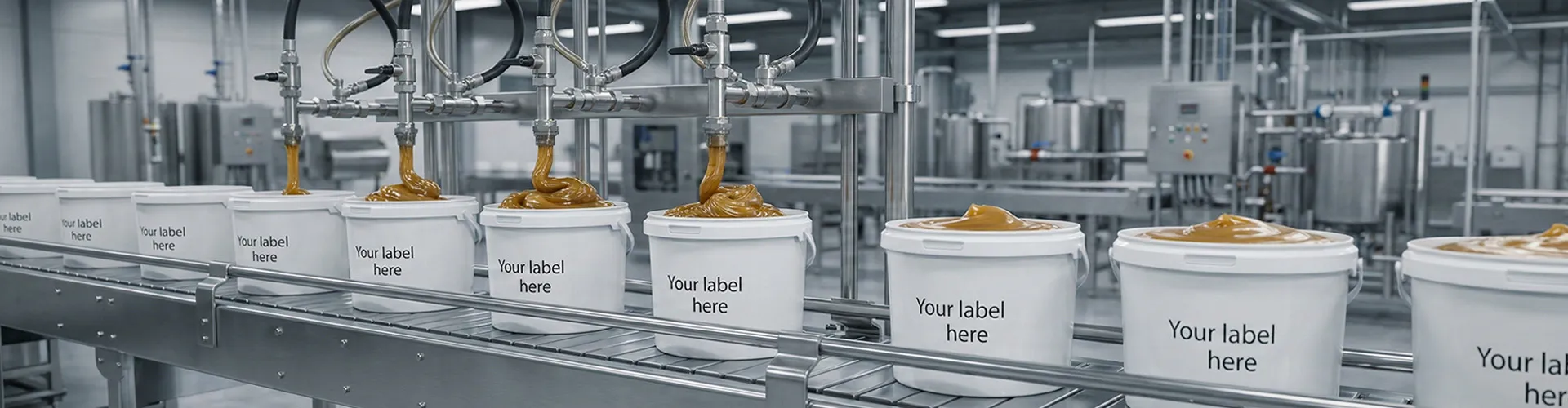
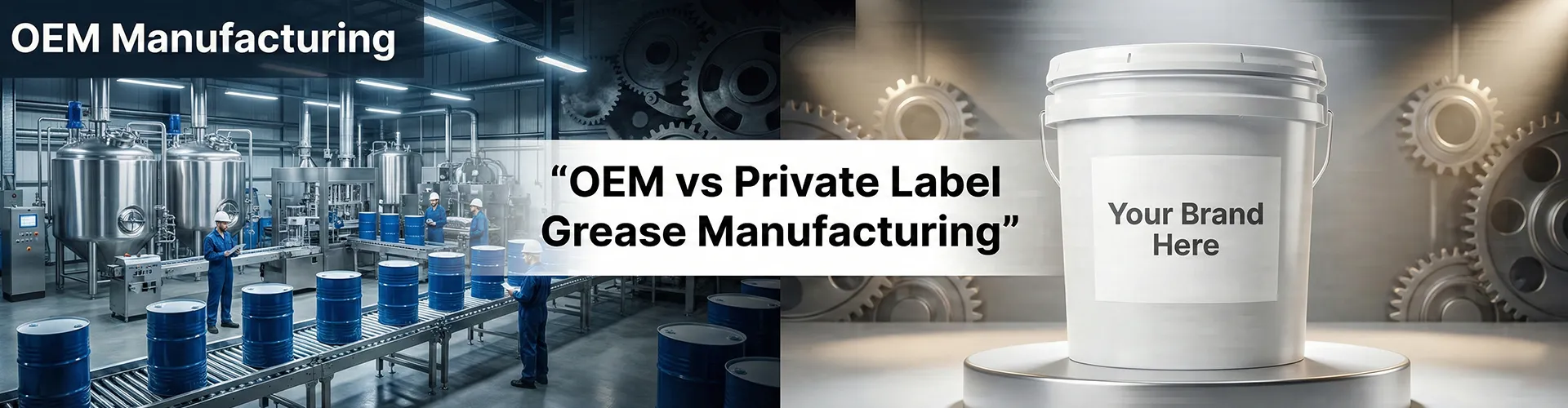
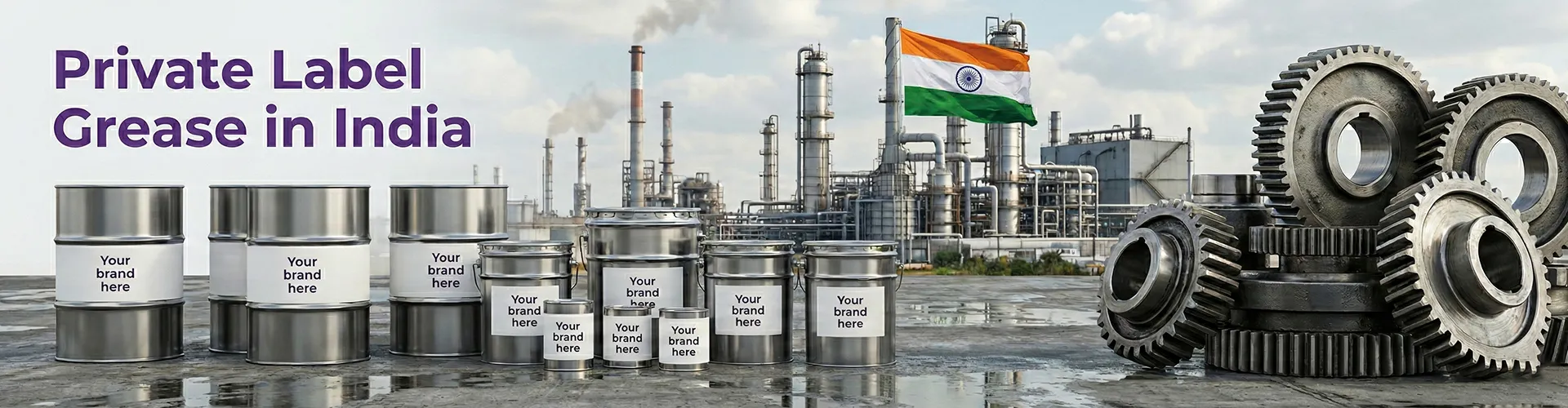
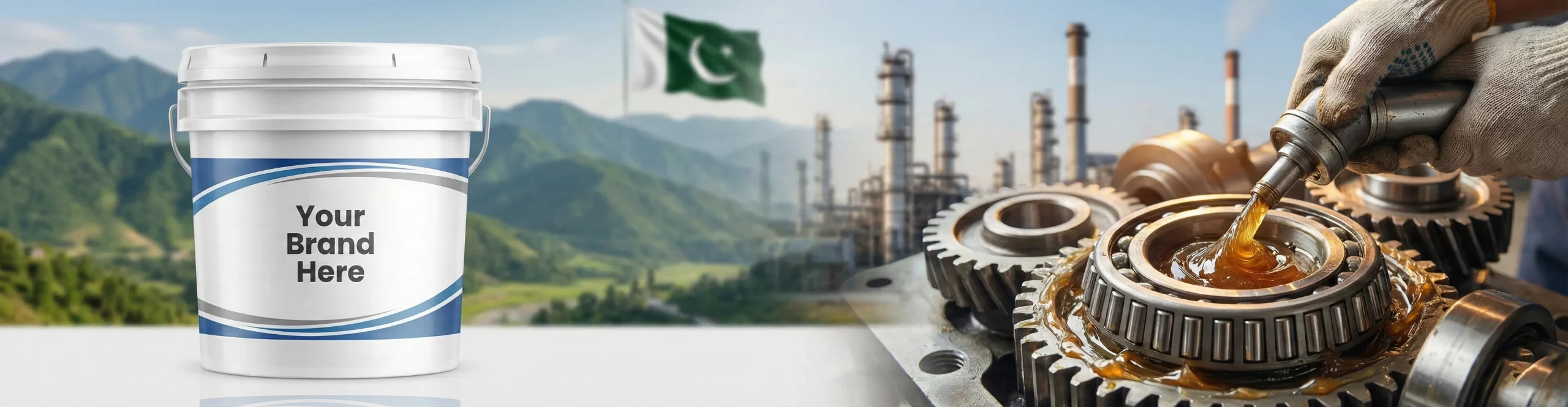
This model is usually called private label grease manufacturing. It helps importers build brand ownership without setting up their own grease manufacturing plant.
Why Should Lubricant Importers Consider Their Own Grease Brand?
Importing branded lubricants can work well, but it also has limits. Many importers face price competition because other traders may sell similar products.
Building your own grease brand can help you:
- Create your own market identity
- Reduce direct price comparison
- Improve customer loyalty
- Build long-term brand value
- Offer packaging that fits your market
- Target workshops, fleets and industries more clearly
- Control product positioning better
- Create repeat business under your own name
For importers who already have customers, private label grease is a practical next step.
Reselling Imported Grease vs Building Your Own Brand
| Factor | Reselling Imported Grease | Your Own Grease Brand |
| Brand ownership | Ownership with different brand | Full ownership |
| Pricing control | Often limited | More flexible |
| Customer loyalty | Customer may follow the original brand | Customer connects with your brand |
| Differentiation | Difficult if others sell similar products | Easier with packaging, range and positioning |
| Long-term value | Builds sales | Builds brand equity |
| Packaging control | Limited | Can be market-specific |
| Growth potential | Depends on supplier terms | Can be built around your strategy |
Private label grease is not a shortcut. It still needs product quality, planning, and customer support. But for a serious importer, it gives more control than simple resale.
What Should You Check Before Starting?
Before launching your own grease brand, review your existing business clearly.
Ask yourself:
- Which grease products are already selling well?
- Who are my regular buyers?
- Do customers ask for better price, packaging or availability?
- Which sectors do I serve: workshops, fleets, construction, mining or industry?
- What packaging sizes are most demanded?
- Can I manage stock and repeat supply?
- Do I have a clear brand name and market message?
- Do I have access to TDS, SDS/MSDS and product support?
If you already have regular buyers, your launch risk is lower because you are not starting from zero.
Which Grease Products Should an Importer Start With?
Do not start with too many products. A focused grease range is easier to sell and manage.
Suggested Starter Grease Portfolio
- Lithium EP Grease
This is a best starting product for workshops, fleets and general maintenance customers. It is commonly used in everyday lubrication needs and can move faster in the market. - Lithium Complex Grease
This can be added in your range for customers who have more demanding applications like heavy load and high temperature applications. It helps position your brand beyond only basic general-purpose grease. - Moly EP Grease
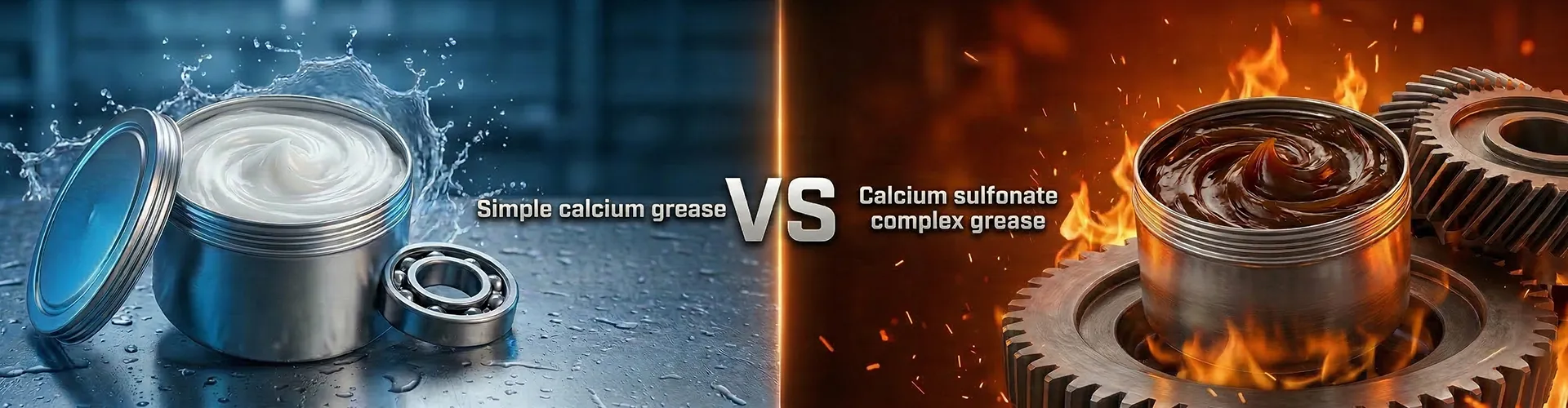
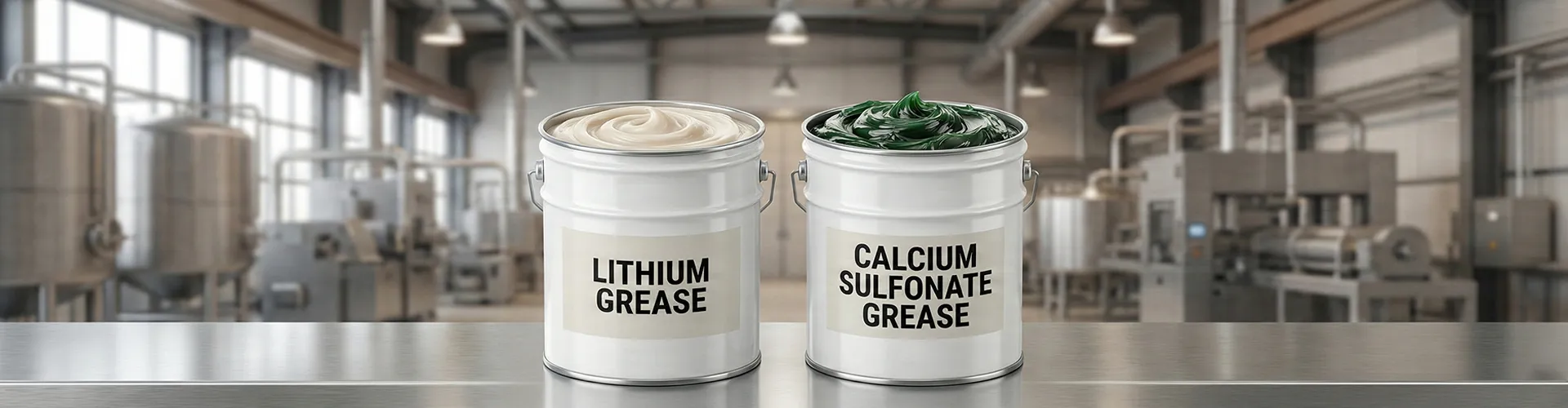
Moly EP grease is useful for pins, bushings, joints and shock-load areas. It gives the brand a stronger application-based product for construction, mining and heavy equipment customers. - Calcium Sulfonate Grease
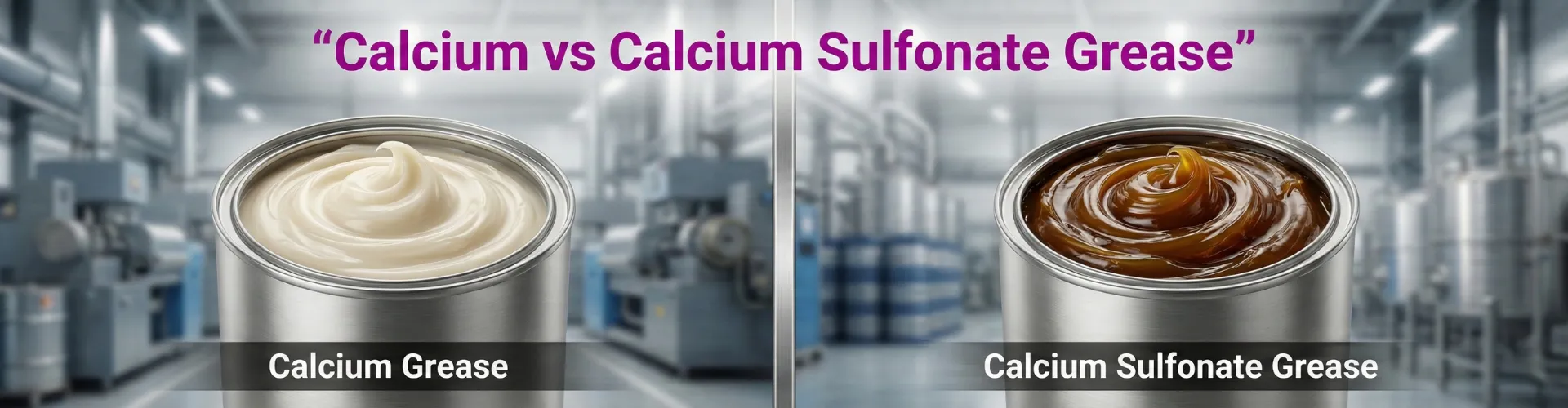
This is a good option for wet, marine, outdoor and harsh environments. It can help your brand offer a more premium water-resistant grease solution. - Polyurea Grease
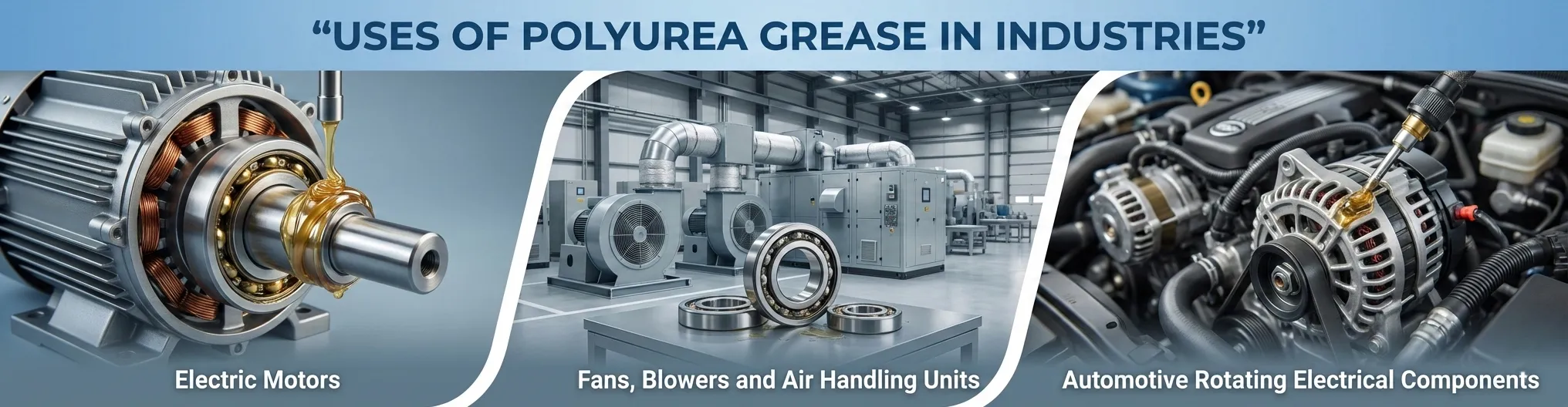
Polyurea grease can be included for electric motors, long-life bearings and selected industrial applications. It is more specialized, so it can be added once the brand is ready to serve technical customers.
Start with the products your current customers already understand. Then expand based on demand.
How Can Private Label Grease Help a Grease Import Business?
Private label grease helps importers move from trading to brand building.
Private label grease can help your business through:
- Custom brand name and label design
- Several packaging options
- Product choice for your market
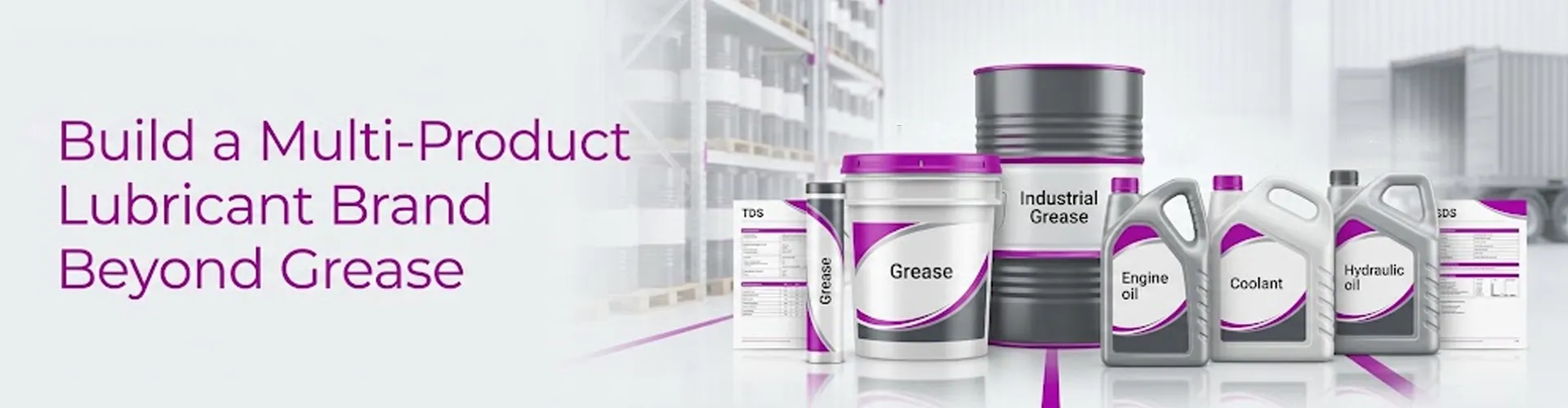
- Technical documents for buyers
- More control over pricing
- Stronger product recall
- Long-term distributor positioning
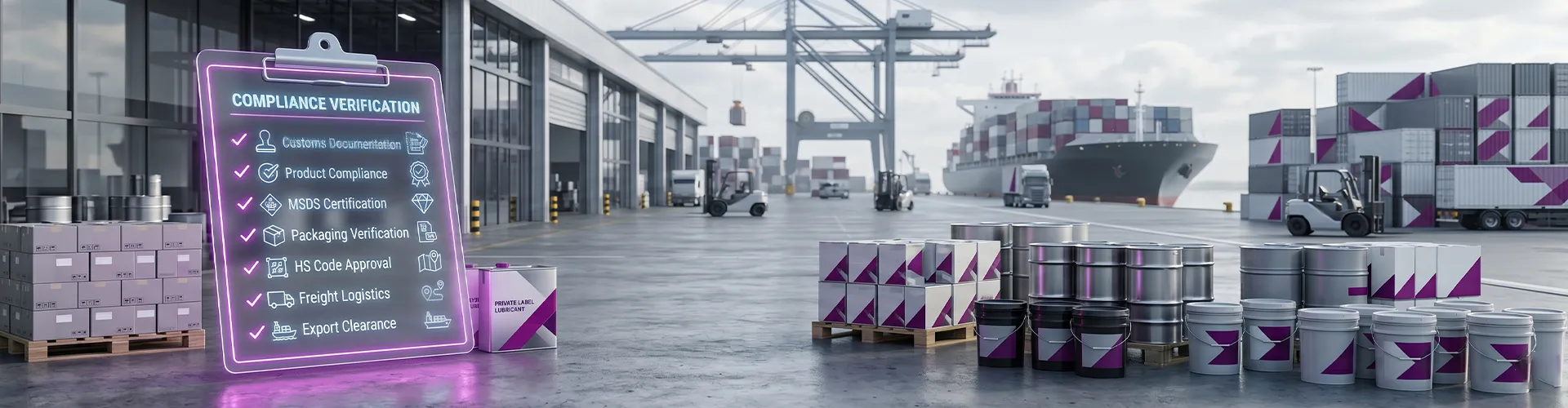
- Export-ready supply from the manufacturing partner
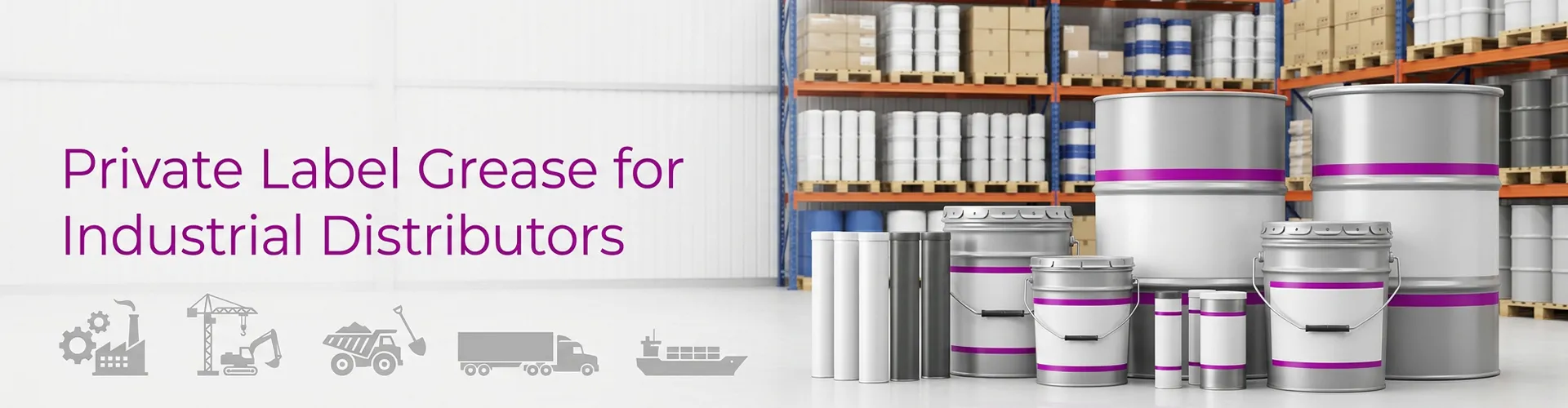
Lubricant importers can explore Rexol’s private label grease manufacturing solutions to build their own grease range with suitable products, packaging, and technical documentation.
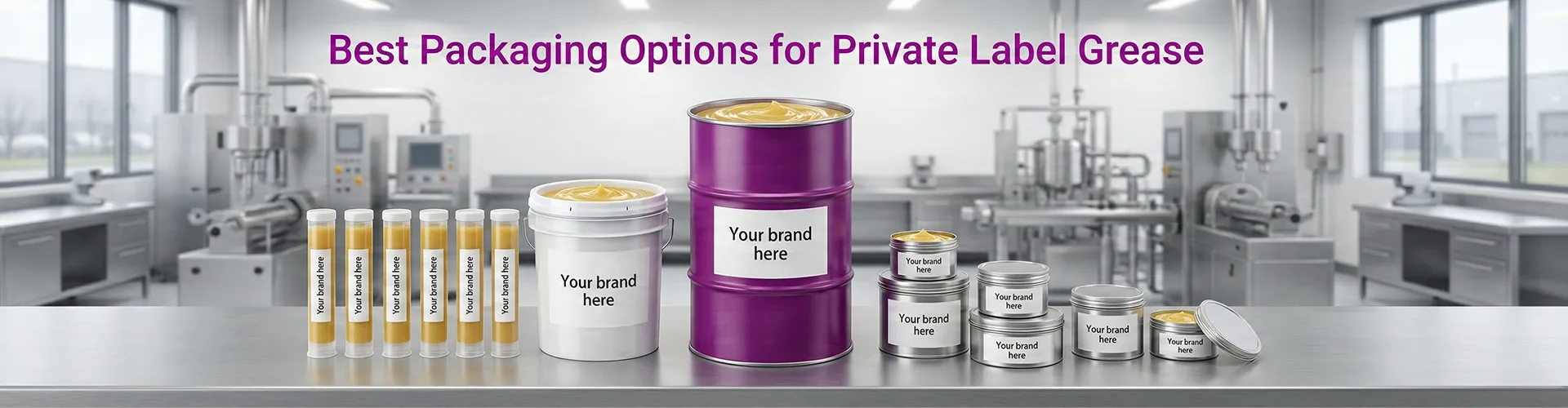
What Packaging Should You Choose?
Packaging should match your customer type. Do not choose packaging only because it looks good.
Common options include:
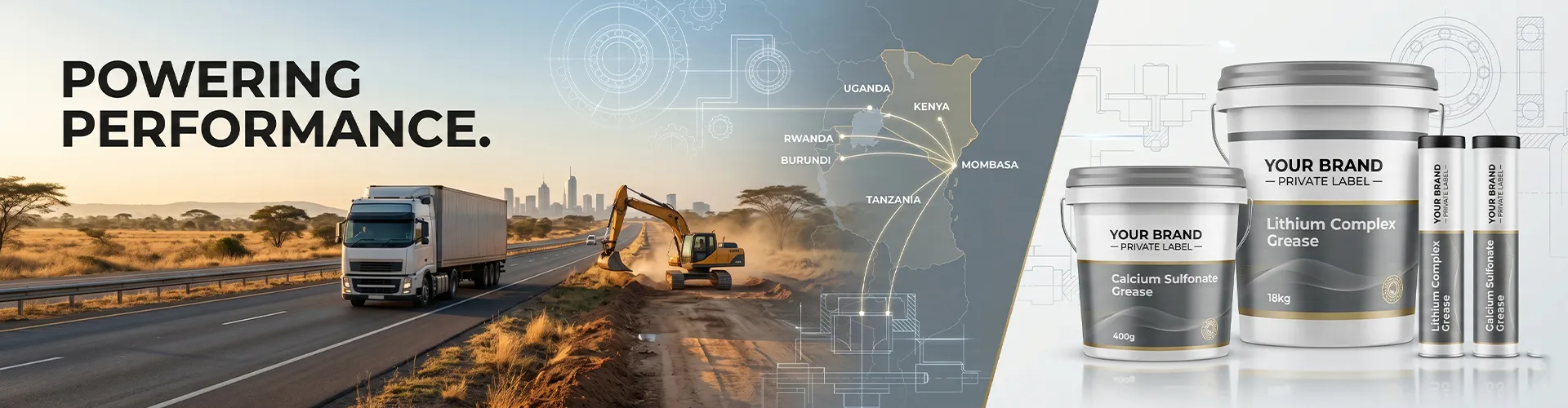
- 400g cartridges
- 500g or 1kg packs
- 15kg or 18kg pails
- 180kg drums
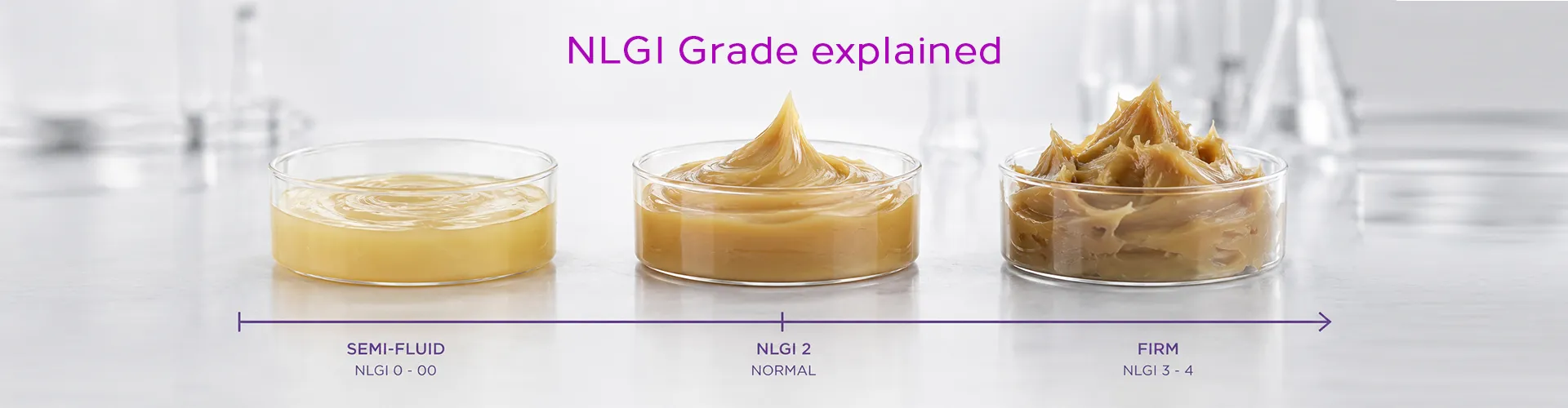
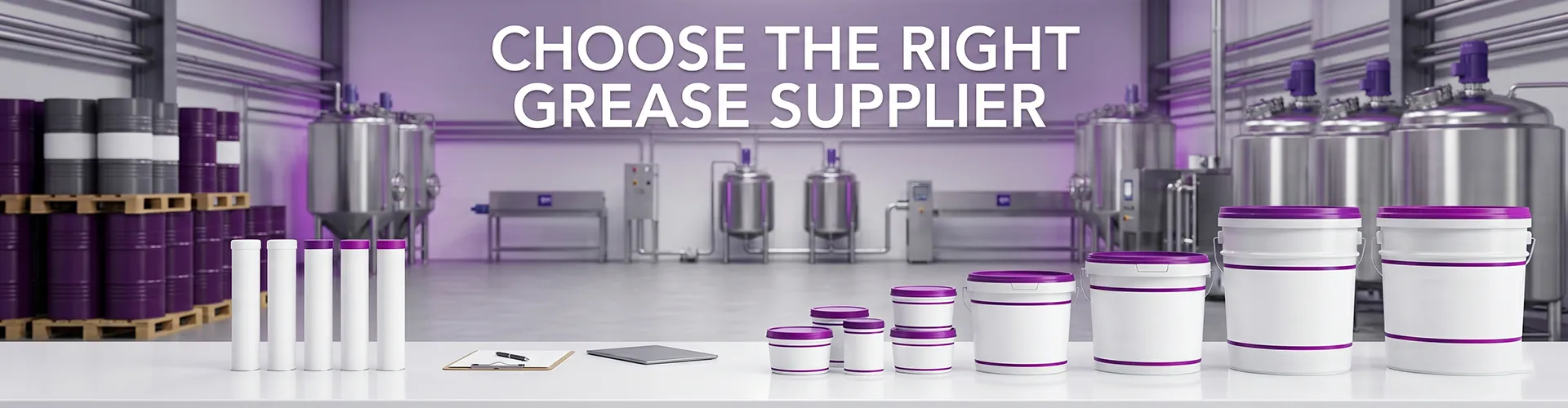
For a new grease brand, packaging should be clear, strong and easy to identify. The label should show the grease type, NLGI grade, application and key product details.
How Do You Position Your New Grease Brand?
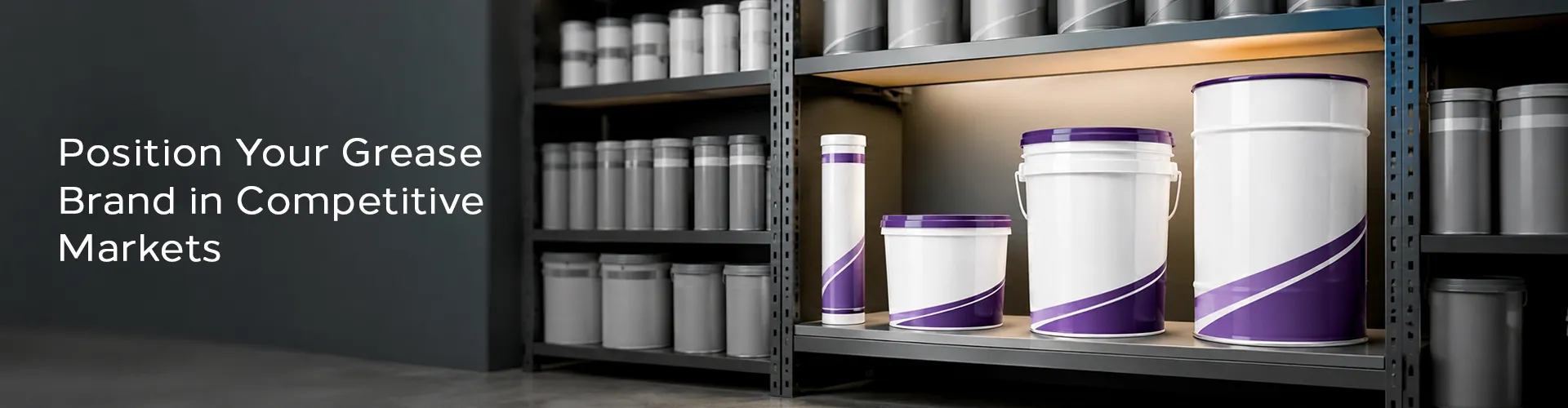
Your brand should not try to speak to everyone at once. Choose a clear market position. Start with one and then expand. For example: grease for workshops and auto parts dealers, heavy-duty grease for fleets and construction, water-resistant grease for marine and wet conditions, and EP grease for mining and construction.
A clear position makes it easier for your sales team to explain the brand and for customers to remember it.
What Mistakes Should Importers Avoid?
Avoid these common mistakes when starting your own grease brand:
- Launching too many products at once
- Choosing products without checking demand
- Competing only on low price
- Using weak or unclear packaging
- Not preparing TDS and SDS/MSDS documents
- Ignoring application guidance
- Changing quality between batches
- Not planning repeat stock
- Copying another brand without a clear strategy
A good grease brand is built slowly through consistency, trust and repeat supply.
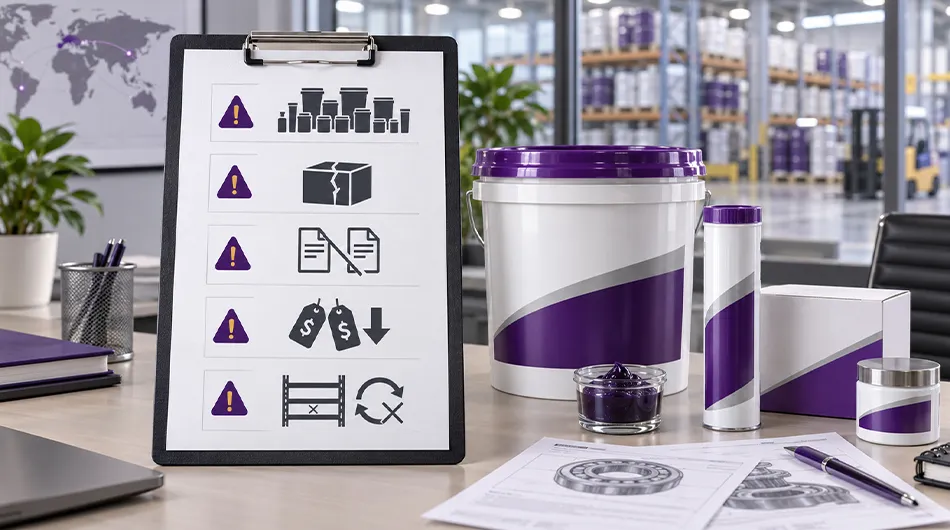
How Rexol Supports Lubricant Importers
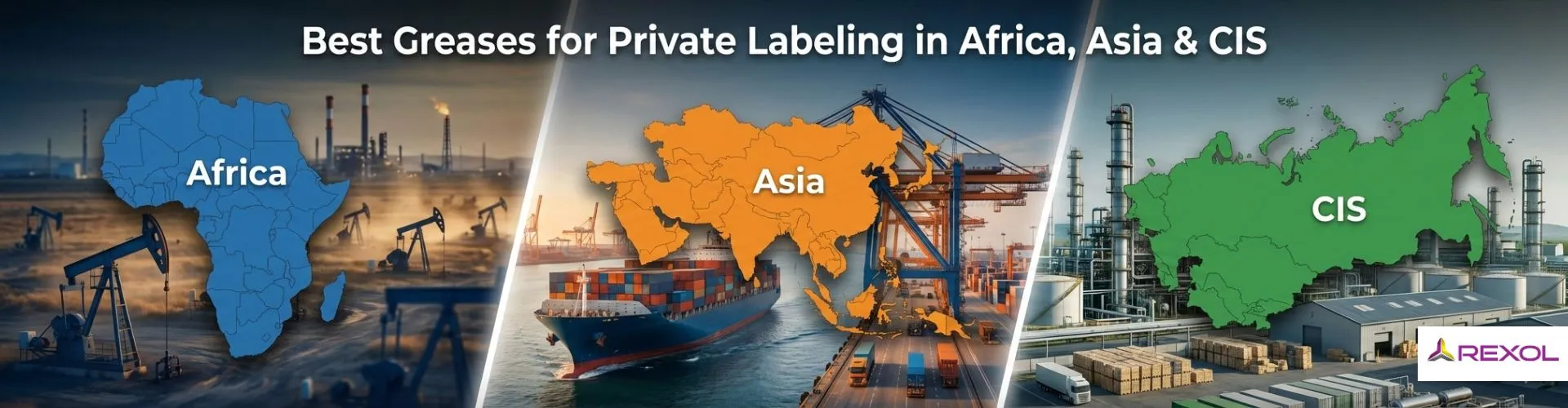
Rexol supports lubricant importers, distributors, and brand owners with private label grease manufacturing for automotive, fleet, construction, mining, marine, and industrial markets.
Rexol can help with product selection, packaging options, technical documentation, and export-ready grease supply. This allows importers to build their own grease brand without investing in a manufacturing facility.
If you are ready to convert your grease import business into your own branded grease range, Rexol can support your next step with a practical private label grease solution.
Final Thoughts
If you are already a lubricant importer, you may be closer to building your own grease brand than you think. You already understand customer demand, product movement, and market challenges.
The next step is to move from only reselling products to building your own brand identity. With the right product range, packaging, technical documents, and supply partner, your grease import business can become a stronger branded lubricant business.
Rexol’s private label grease manufacturing support helps importers start their own grease brand with more confidence and long-term growth potential.
Contact Rexol and start your own grease brand today.