Understanding Profit Margins in the Grease Distribution Business
For any grease distributor, profit margin is not just a number on paper. It decides how much room you have to grow, offer better service, manage stock, give credit to customers, and still keep the business healthy.
Many distributors think margin is simply the difference between buying price and selling price. But in real business, it is not that simple. Freight, storage, packaging, discounts, delayed payments, and damaged stock can all reduce the final profit.
That is why understanding grease distribution profit margin is important before choosing products, suppliers, or customers. It also helps distributors decide whether they should continue only with resale products or start building their own private label grease brand.
What Is Grease Distribution Profit Margin?
“Grease distribution profit margin” means the profit percentage a distributor makes after selling grease to customers.
In simple words:
It is the sum you keep after paying for the product and other business costs.
A basic formula is:
Profit Margin (%) = Profit ÷ Selling Price × 100
For example, if you buy and handle a grease product for $70 and sell it for $100, your profit is $30. That means your margin is 30%.
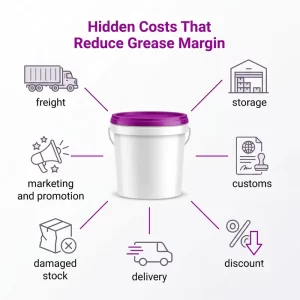
In real distribution, the cost should include freight, storage, customs, delivery, discounts, damaged stock and credit risk, not only the product purchase price.
What Costs Reduce Grease Resale Profit?
To understand your real grease resale profit, you need to look at all the costs involved, not only the purchase price.
Common costs include:
- Cost to buy products
- Cost of freight and import
- Cost of customs and documentation
- Cost of warehouse rent or storage
- Cost of local delivery
- Sales commission
- Credit given to customers
- Discounts
- Marketing and promotion
- Damaged or leaked products
- Slow-moving stock
- Currency fluctuation, if importing
Ignoring these costs may make your business look more profitable at first, but the actual margin can be much lower.
Gross Margin vs Net Margin: What Is the Difference?
Gross margin measures how the product
Distributors often look at gross margin, but net margin is what really matters.
| Margin Type | Simple Meaning | Why It Matters |
| Gross margin | Selling price minus product cost | Shows basic product profit |
| Net margin | Profit after all expenses | Shows real business profit |
| Product margin | Profit from each grease product | Helps compare products |
| Customer margin | Profit from each customer type | Helps identify better customers |
A product may look attractive because it sells fast, but if it needs heavy discounting or high delivery cost, the final profit may not be strong.
What Affects Lubricant Margins?
Lubricant margins are affected by more than competition. The type of grease, customer segment, and selling method all matter.
Main factors include:
- Product quality and application value
- Packaging size
- Customer type
- Order volume
- Supplier pricing
- Import and logistics cost
- Market competition
- Availability of technical documents
- Brand strength
- After-sales support
For example, basic general-purpose grease may sell in good volume, but it may also face more price pressure. On the other hand, specialized grease for mining, marine, fleet, or high-temperature applications can be positioned better if the product is supported with proper technical information.
Which Grease Products Can Support Better Margins?
A good grease business should not depend on only one product. It is better to have a mix of fast-moving products and higher-value products.
| Grease Category | Common Use | Margin Opportunity |
| Lithium EP Grease | Workshops, fleets and general maintenance | Good volume potential |
| Lithium Complex Grease | Heavy-duty and higher-temperature applications | Better value positioning |
| Moly Grease | Pins, bushings and shock-loaded equipment | Strong application-based selling |
| Calcium Sulfonate Grease | Wet, corrosive and heavy-duty environments | Premium positioning potential |
| Polyurea Grease | Electric motors and long-life bearings | Specialist application value |
| High-Temperature Grease | Heat-exposed industrial equipment | Technical selling opportunity |
Reselling Grease vs Building a Private Label Brand
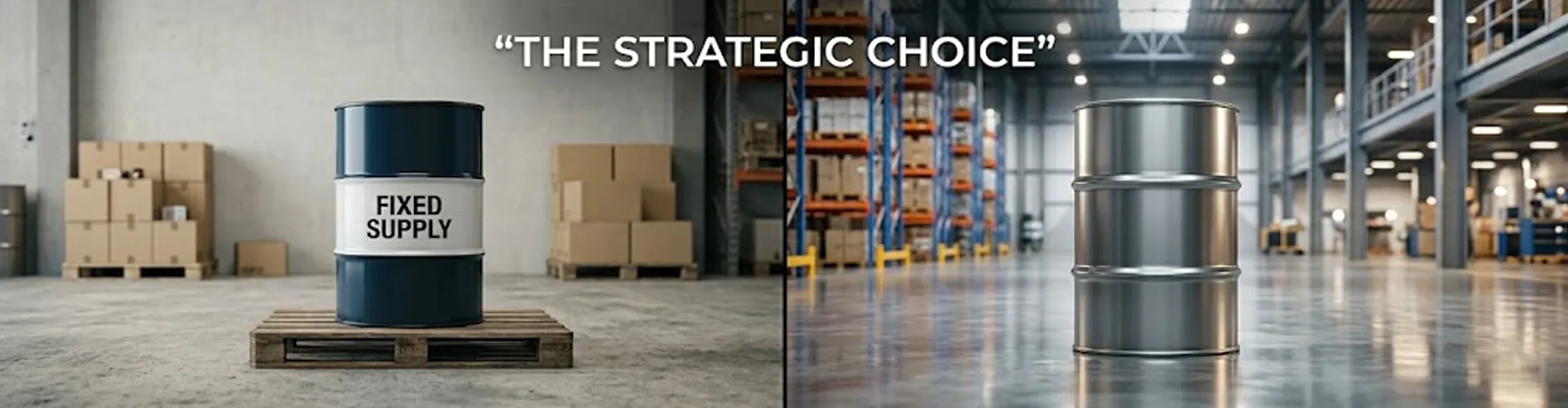
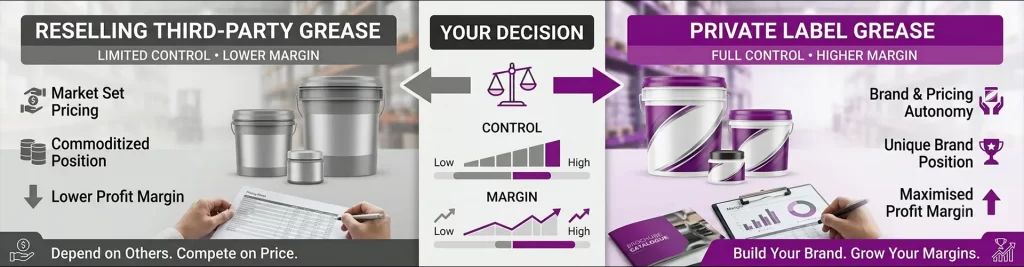
Many distributors start by reselling existing brands. This is a quite practical and common way to enter the market. But you will not be the only distributor of that brand, and over time this can become your main concern. It can become difficult to grow if many other sellers are offering the same products.
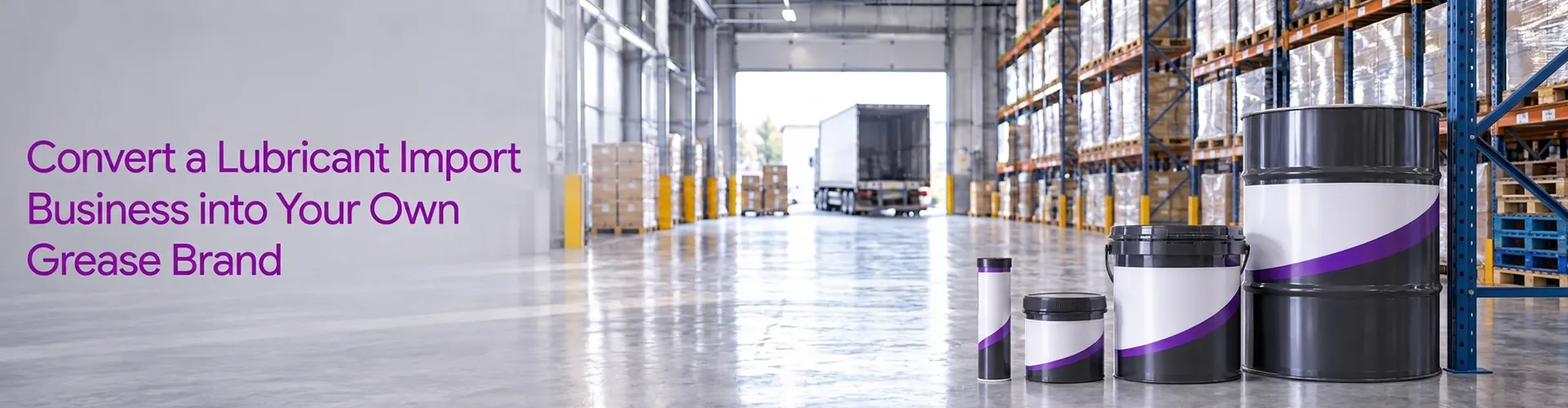
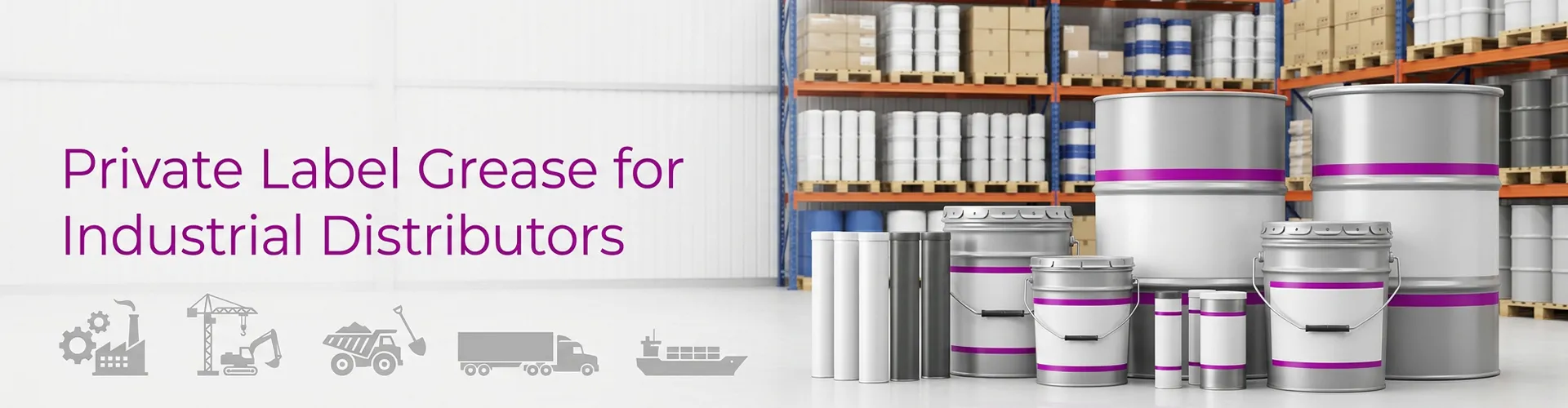
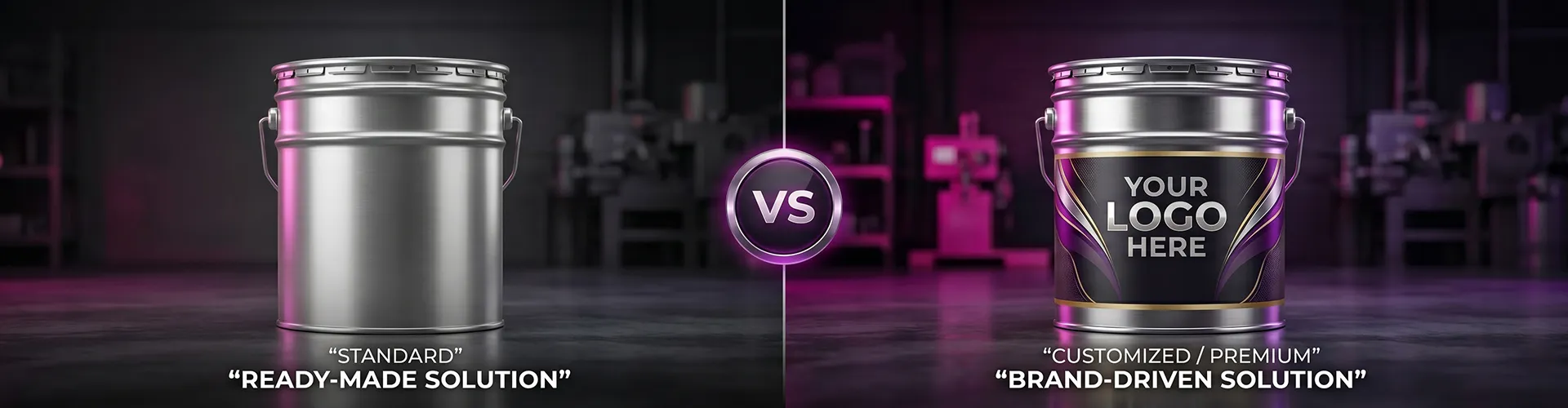
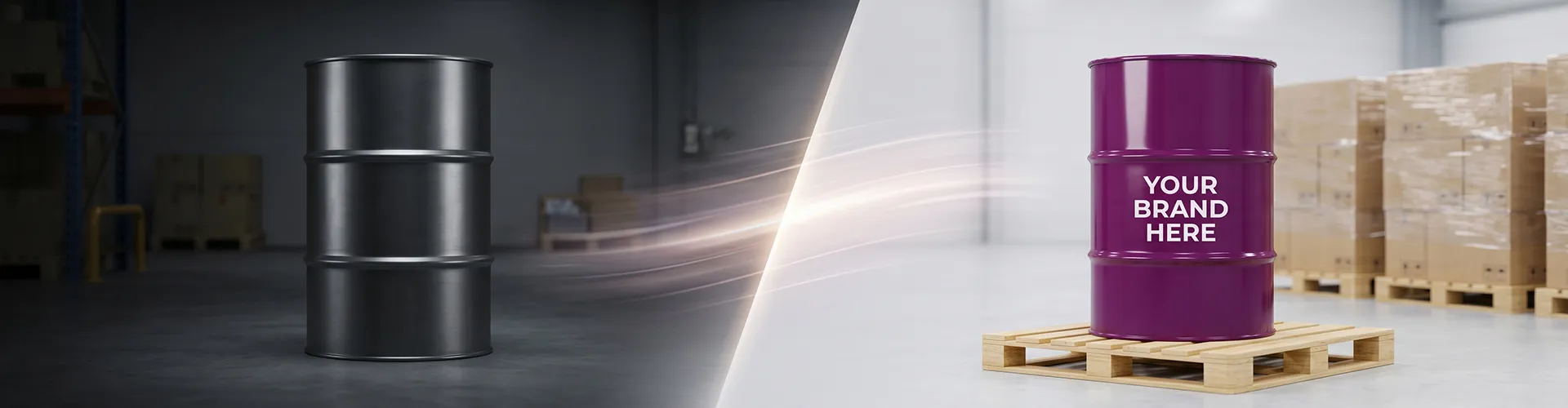
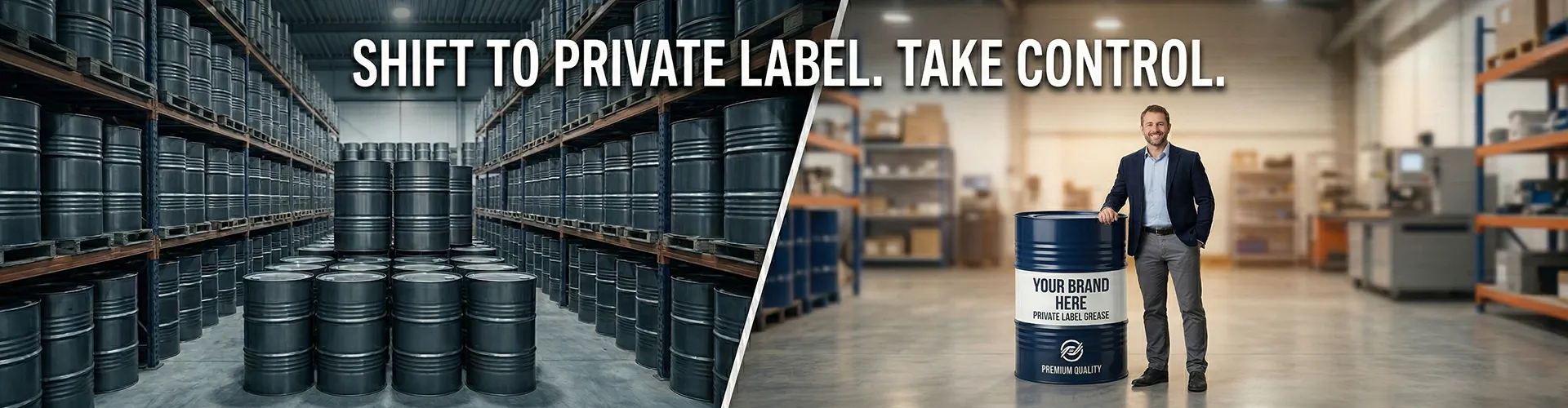
Reselling branded grease can be a good starting point, but it often limits pricing control. Private label grease gives distributors more control over branding, packaging, product positioning, and customer relationships.
| Factor | Reselling Branded Grease | Private Label Grease |
| Brand ownership | Belongs to another company | Belongs to the distributor |
| Pricing control | Limited | More flexible |
| Customer loyalty | The customer may switch to another reseller | Customer connects with your brand |
| Competition | Easier to compare prices | Easier to differentiate |
| Margin control | Often restricted | Better control when planned well |
| Long-term value | Limited brand value | Builds your own business asset |
Private label grease is not a shortcut to profit. It still needs the right product, packaging, quality, and supplier. But when planned properly, it can give distributors better control than simple resale.
How Can Private Label Grease Improve Margins?
Private label grease can improve margin control because the distributor is not only selling someone else’s product. They are building their own brand in the market.
It can help through:
- Better control over pricing
- Stronger customer loyalty
- More flexible product positioning
- Packaging options for different customer types
- Ability to target specific industries
- Better brand recall
- Repeat business from workshops, fleets and industrial buyers
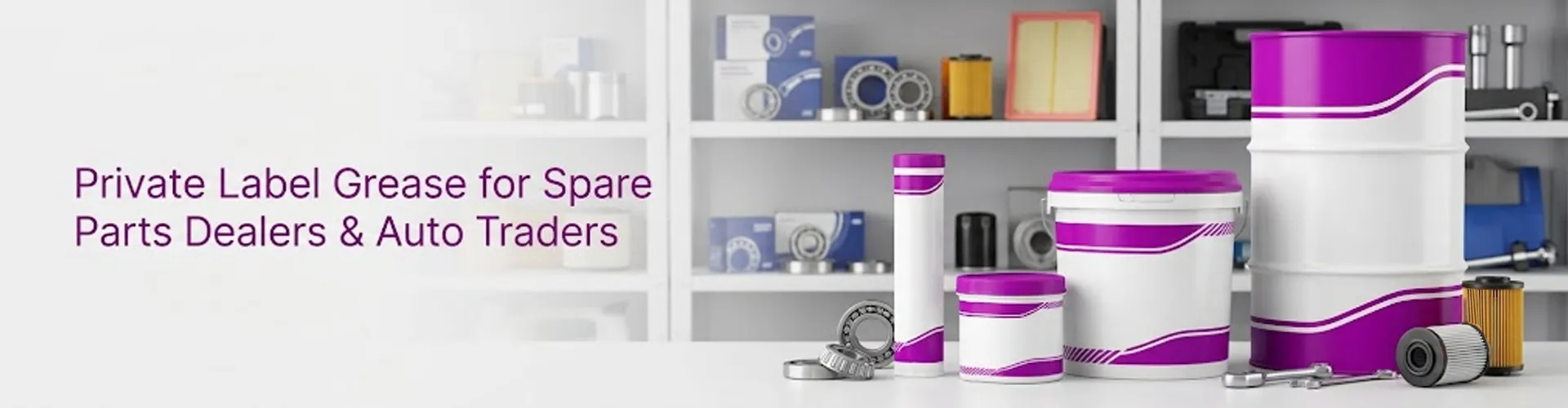
Rexol is a private label grease manufacturer supporting distributors and lubricant brands with grease manufacturing, product selection, packaging options, and technical documentation. This allows distributors to create a grease range that fits their own market instead of depending only on third-party brands.
Grease Distributor Margin Improvement Checklist
Before increasing prices, check these areas:
- Are you including freight and storage in your margin calculation?
- Are you giving too many discounts?
- Are slow-moving products blocking cash flow?
- Are you selling only by price instead of application?
- Are you offering the right packaging sizes?
- Are you targeting repeat customers like workshops, fleets and industrial buyers?
- Are you using technical documents to support higher-value sales?
- Can private label grease give you better brand control?
Why Packaging Matters for Profit Margin
Packaging can make a big difference in grease distribution. The same grease can be sold to different customers in different pack sizes.
| Packaging Format | Best For | Margin Benefit |
| 400g cartridges | Workshops and grease gun users | Good unit value |
| 500g to 1kg packs | Retail and small maintenance users | Better shelf visibility |
| 15kg or 18kg pails | Fleets, contractors and service centers | Strong repeat orders |
| 180kg drums | Mining and industrial users | Good for bulk supply |
Offering only one pack size leads to losing many customer segments. A proper plan helps the distributor serve both small and bulk buyers.
How can distributors take care of their margins?
Improving margin is not always about increasing price. Sometimes it is about reducing waste, choosing better customers, and selling smarter.
Distributors can protect margins by:
- Avoiding unnecessary discounts
- Choosing a focused product range
- Selling by application, not only by price
- Managing stock properly
- Avoiding too many slow-moving products
- Offering technical documents to serious buyers
- Building repeat customers
- Targeting fleets, workshops, mining and industrial users
- Creating their own private label grease brand
The best customers are not always the ones who buy once in large quantity. Often, the most valuable customers are the ones who buy regularly and trust your brand.
Common Mistakes That Reduce Grease Resale Profit
Many grease distributors lose margin because they focus only on sales volume.
Common mistakes include:
- Selling too many similar products
- Competing only on the lowest price
- Ignoring freight and storage cost
- Giving heavy discounts too quickly
- Offering long credit without cash flow planning
- Keeping slow-moving stock for too long
- Using weak packaging
- Not giving technical support
- Selling products that competitors can easily undercut
- Not building a clear brand identity
A healthy grease distribution business should focus on products that are repeatable, profitable and easy to explain to customers.
How Rexol Supports Grease Distributors
Rexol offers a complete private label grease manufacturing solution to distributors with products for different applications like automotive, industrial, fleet, construction, mining, and marine.
This allows distributors to develop their own brand, have suitable packaging, and have an export-ready supply. This helps businesses to have brand control, pricing flexibility, and long-term customer relationships.
Final Thoughts
Distributors can make better decisions about products, pricing, suppliers, and customers, when they properly understand grease distribution profit margin
Private label grease offers distributors more control over their own brand and long-term customer relationships.
With the right product range, packaging, and manufacturing partner, a grease distribution business can move from simple resale to a stronger branded supply model.
For distributors looking to improve margins and build long-term value, Rexol’s private label grease manufacturing support can help create a more focused and professional grease portfolio.