What Is Four Ball Test in Grease? (Wear & Weld Load)
When selecting grease for heavy-duty equipment, one common question is, how well can the grease protect metal surfaces under load and movement?
This is where the four-ball test grease method becomes useful. It helps evaluate how grease performs under wear and extreme pressure conditions.
For buyers, distributors, and maintenance teams, the Four Ball Test gives a better understanding of grease protection, especially when the product is used in bearings, pins, bushings, gears, and heavy machinery.
In this blog, Rexol gives a clear explanation of what is Four Ball Test, why is it important, what does the result mean, difference between Four Ball Wear test and Four Ball EP test, and Where Is Four Ball Tested Grease Commonly Used.
What Is the Four Ball Test in Grease?
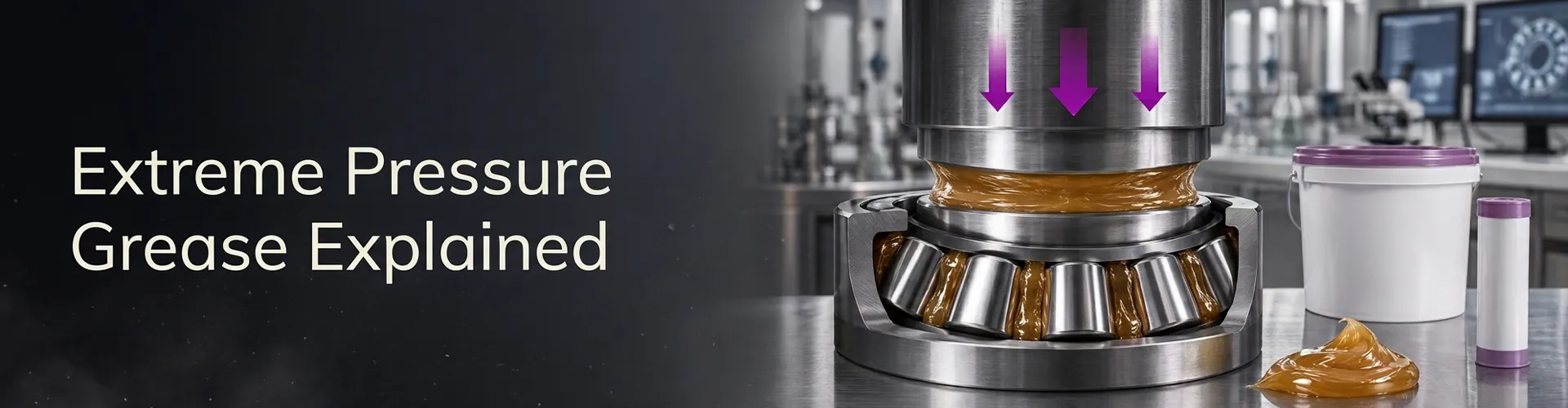
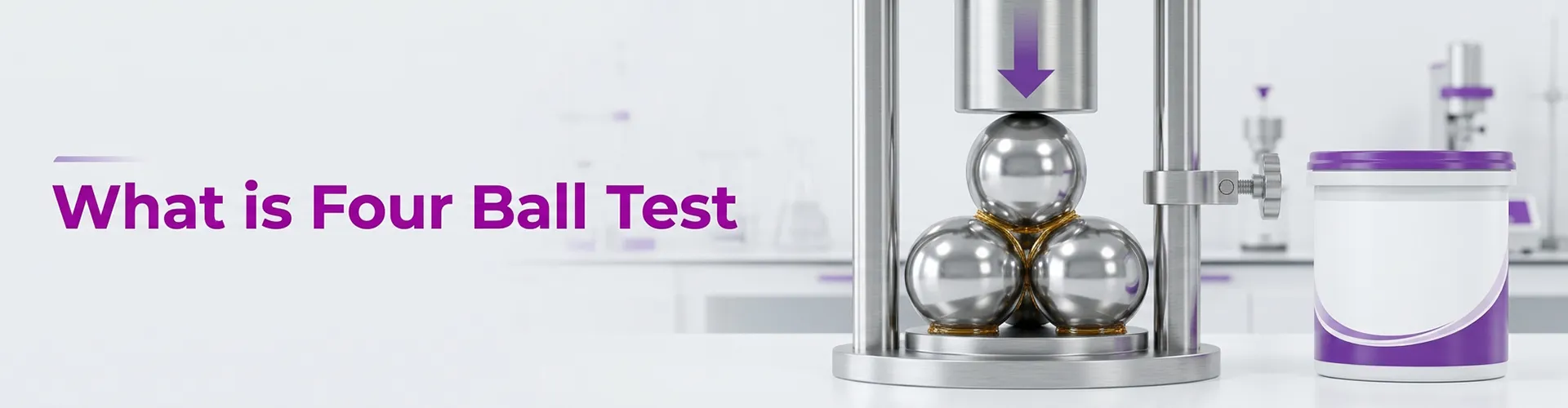
The Four Ball Test is a laboratory test used to check how well grease protects metal surfaces when steel balls are pressed and rotated under load.
The test uses four steel balls. Three balls are fixed at the bottom, and one ball rotates on top while grease is applied between them. Load, speed, and temperature are controlled during the test.
After testing, the metal surface is checked for wear scar size or weld load, depending on the test method.
Why Is the Four Ball Test Important?
Grease is used to reduce friction, prevent wear, and protect equipment parts. But in real machines, grease often works under pressure, heat, and movement.
The Four Ball Test helps show whether grease can handle:
- Friction between metal surfaces
- Wear under controlled load
- Extreme pressure conditions
- Heavy-duty contact points
- EP additive performance
- Surface protection during operation
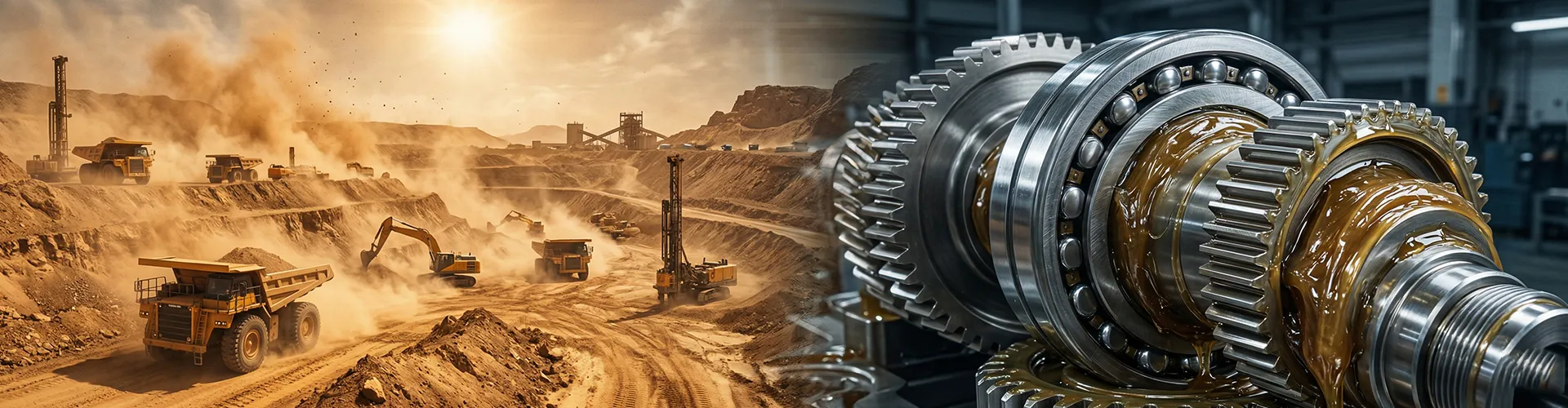
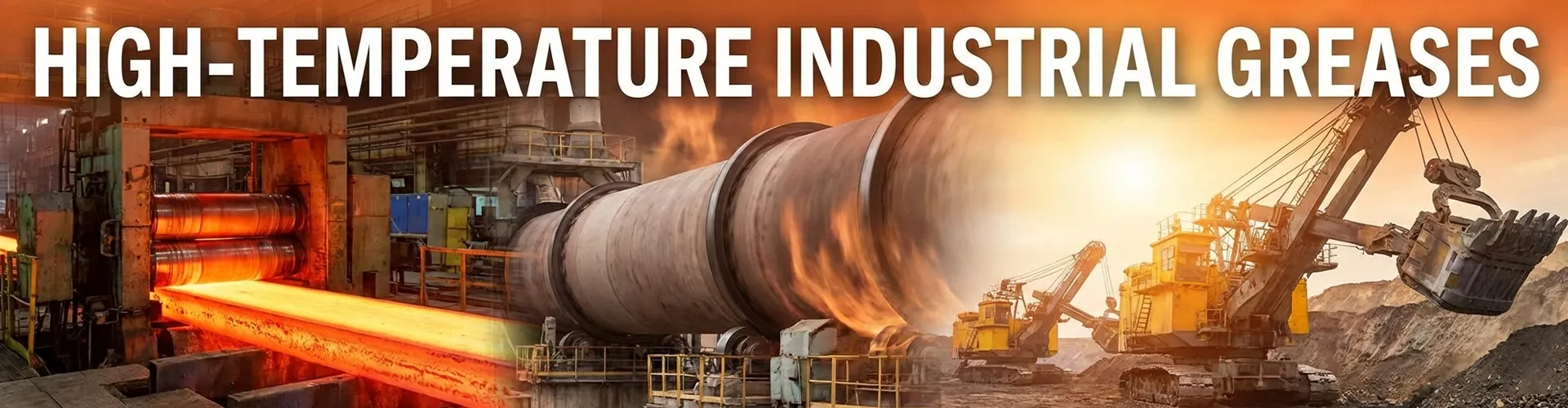
This makes the test important for evaluating EP grease used in mining, construction, fleet, industrial, and agricultural applications.
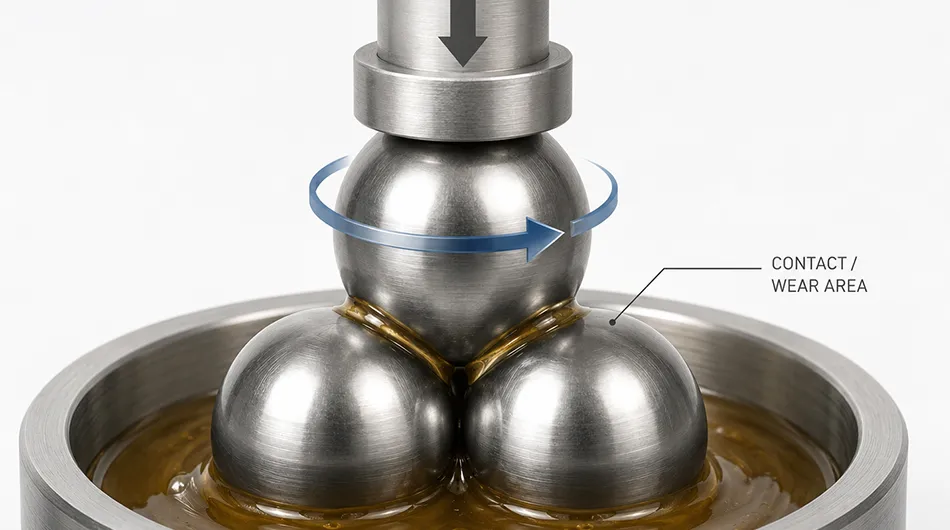
What Is Wear Scar in Grease Testing?
Wear scar grease testing shows how much wear appears on the steel balls after the test.
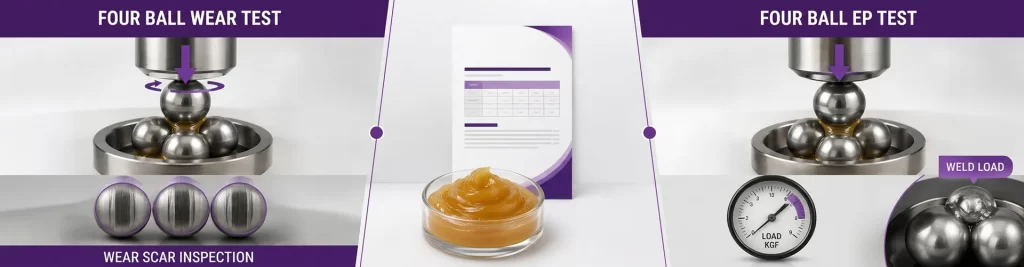
In the Four Ball Wear Test, the equipment runs under a set load, speed, temperature, and time. After the test, the wear marks on the lower balls are measured.
Wear scar shows how much surface wear happened during the test.
A smaller wear scar usually means better anti-wear protection.
A larger wear scar usually means more surface wear under the test conditions.
This result helps compare grease products, especially where long-term bearing protection and reduced friction are important.
What Is Weld Load in Grease Testing?
Weld load grease testing is used to understand the extreme pressure limit of grease.
In this test, the load is increased step by step until the rotating ball and the fixed balls weld together due to pressure, friction and heat.
The load at which welding happens is called the weld load.
In simple terms:
Weld load is the load at which grease can no longer prevent severe metal contact under extreme pressure. A higher weld load usually shows stronger EP performance, but it should not be used alone to select grease.
Four Ball Wear Test vs Four Ball EP Test
The Four Ball Test can be used in different ways depending on what needs to be measured.
| Test Type | What It Measures | Why It Matters |
| Four Ball Wear Test | Wear scar size | Shows anti-wear protection |
| Four Ball EP Test | Weld load and load-carrying ability | Shows extreme pressure performance |
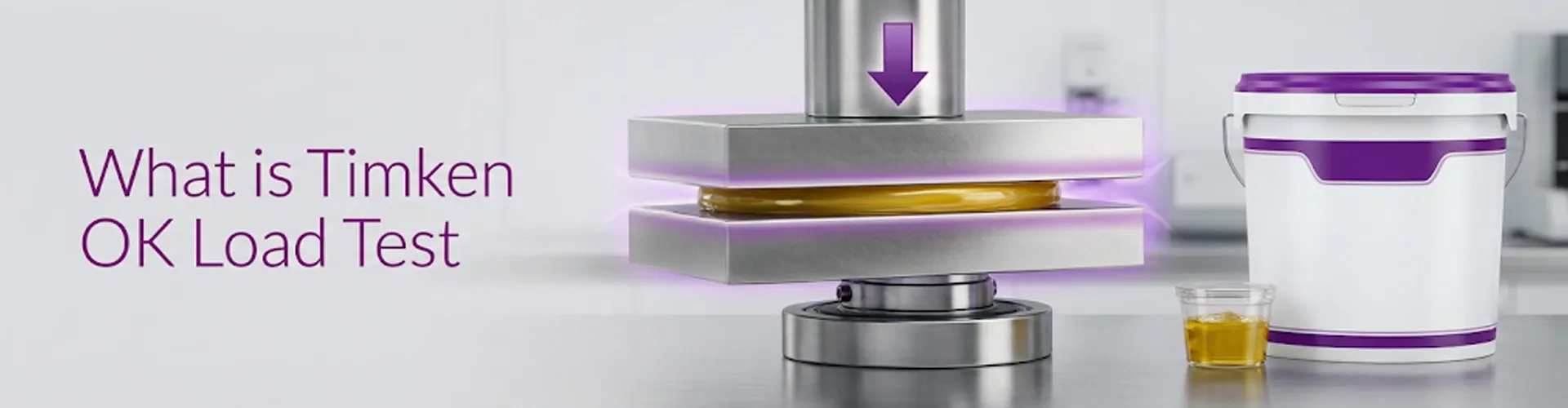
| Timken OK Load Test | Load before scoring | Another method for checking EP performance |
Wear scar and weld load are both useful, but they do not mean the same thing. Wear scar explains anti-wear protection, while weld load explains extreme pressure capacity.
What Role Do EP Additives Play?
EP additives are used in grease to protect metal surfaces when load becomes high and the normal lubricating film becomes thin.
EP additives testing helps show whether these additives are working properly under pressure.
In heavy-duty grease, EP additives may help:
- Reduce scoring
- Protect against welding
- Lower surface damage
- Improve load-carrying performance
- Support shock-load protection
- Improve grease reliability in severe applications
This is why Four Ball EP results are often checked when selecting grease for demanding equipment.
Where Is Four-Ball Tested Grease Commonly Used?
Grease with strong wear and EP performance is commonly used in applications where parts face heavy loads, sliding contact, or shock impact.
Common applications include:
- Mining equipment
- Construction machinery
- Industrial bearings
- Agricultural equipment
- Pins and bushings
- Crushers and conveyors
- Fifth wheels
- Heavy-duty fleet components
- Steel and cement plant machinery
For these applications, buyers often look for EP grease with reliable wear-scar and weld-load performance.
Is a Higher Weld Load Always Better?
Not always.
A higher weld load usually suggests better extreme pressure performance, but it does not always mean the grease is the best choice for every application.
Grease selection should also consider:
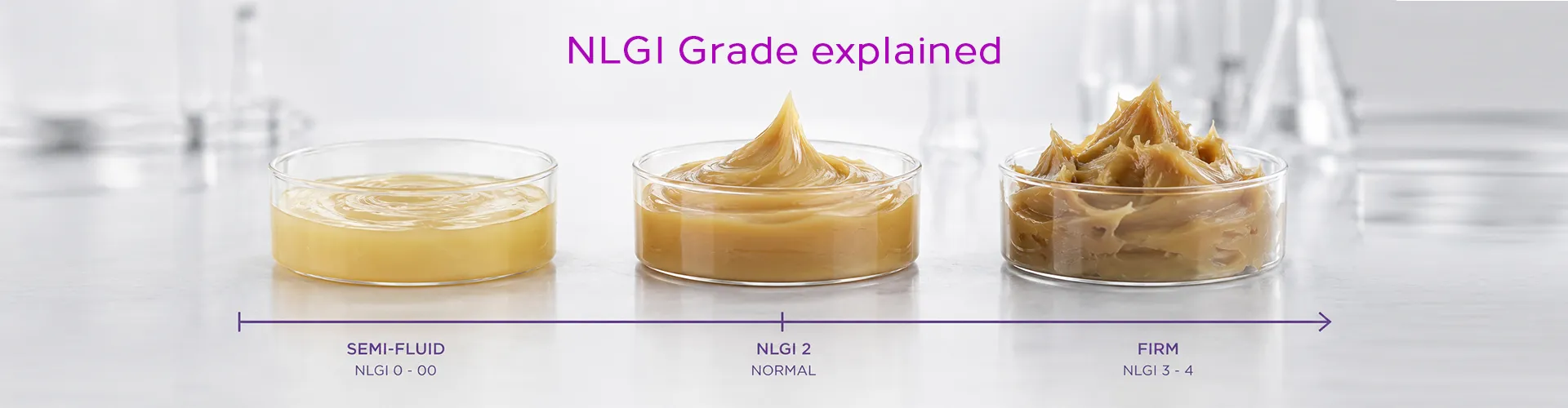
- NLGI grade
- Base oil viscosity
- Thickener type
- Operating temperature
- Water resistance
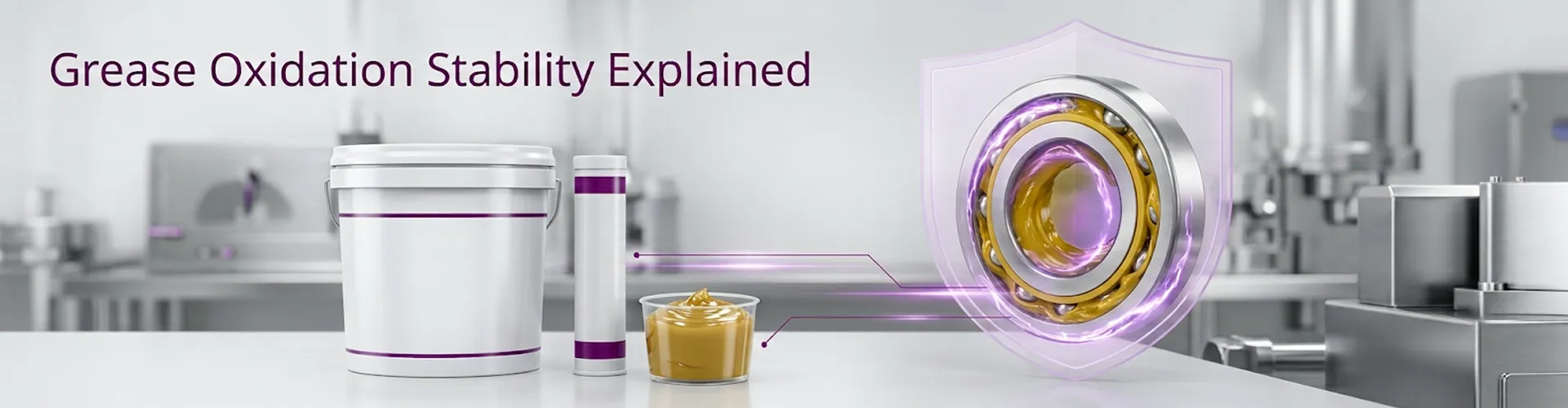
- Oxidation stability
- Mechanical stability
- Equipment recommendation
- Relubrication interval
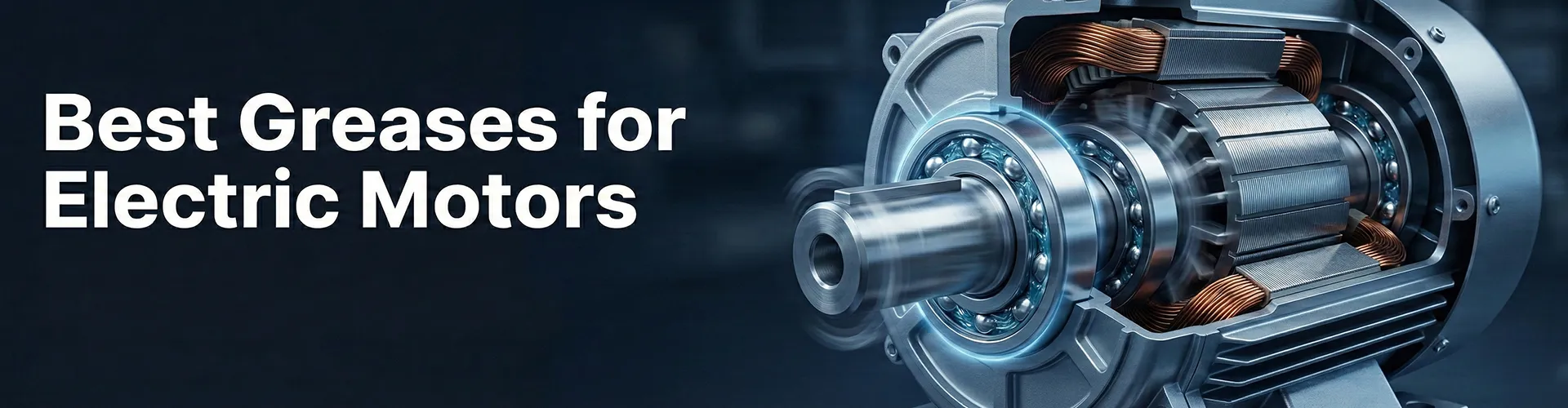
For example, an electric motor grease may need long life and low noise more than very high EP performance. A mining grease may need strong weld load, water resistance, and shock-load protection.
How Should You Read Four Ball Test Results?
When reading a technical data sheet, check whether the value is related to wear scar or weld load.
Look at:
- Test method used
- Wear scar diameter
- Weld load value
- Load, time and temperature conditions
- Other EP and anti-wear test results
- Application recommendation
Do not compare results without understanding the test conditions. A technical value is useful only when read with the full product data.
How Rexol Supports EP Grease Selection
Rexol supports distributors and lubricant brands with grease solutions for heavy-duty, industrial, fleet, mining, construction, and marine applications.
For applications requiring strong load protection, Rexol offers EP grease options such as
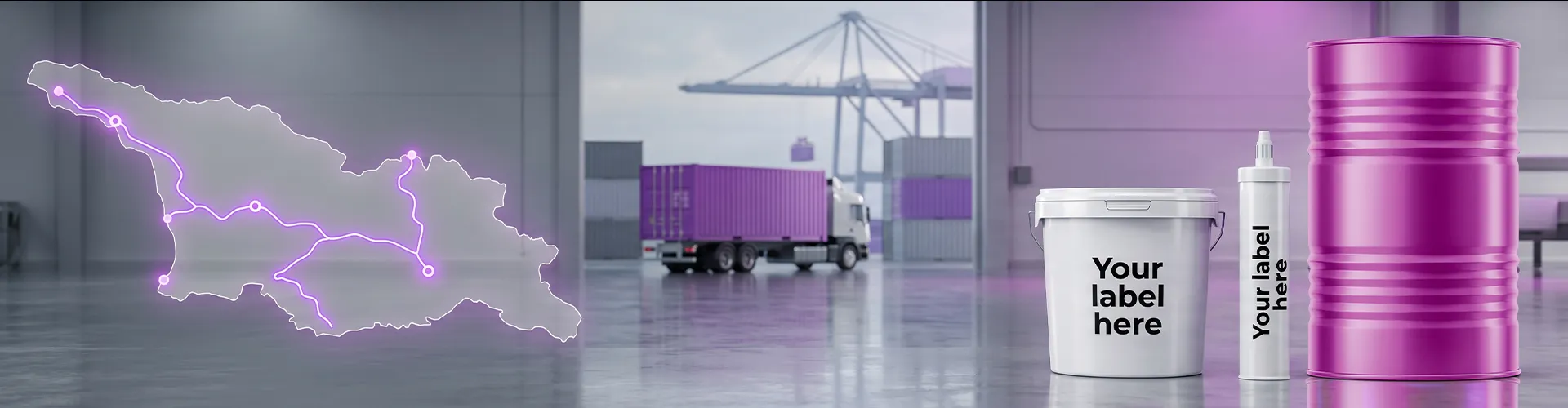
Businesses building their own lubricant brand can also explore Rexol’s private label grease solutions. Rexol can support product selection, packaging options, and technical documentation for grease products designed for demanding markets.
Final Thoughts
The Four Ball Test is an important grease test because it helps show how grease performs against wear and extreme pressure. Wear scar results help explain anti-wear protection, while weld load results help show EP performance.
However, these results should not be used alone. The right grease should be selected by reviewing the full technical data, application conditions, and equipment requirements.
For distributors and lubricant brands, Rexol can support EP grease selection and private label grease manufacturing for demanding industrial markets.