How to Build a Multi-Product Lubricant Brand Beyond Grease
Many lubricant distributors start with grease because it is practical, repeatable, and used across many industries. But after building customer trust, the next question often comes up:
Should we expand into other lubricant products too?
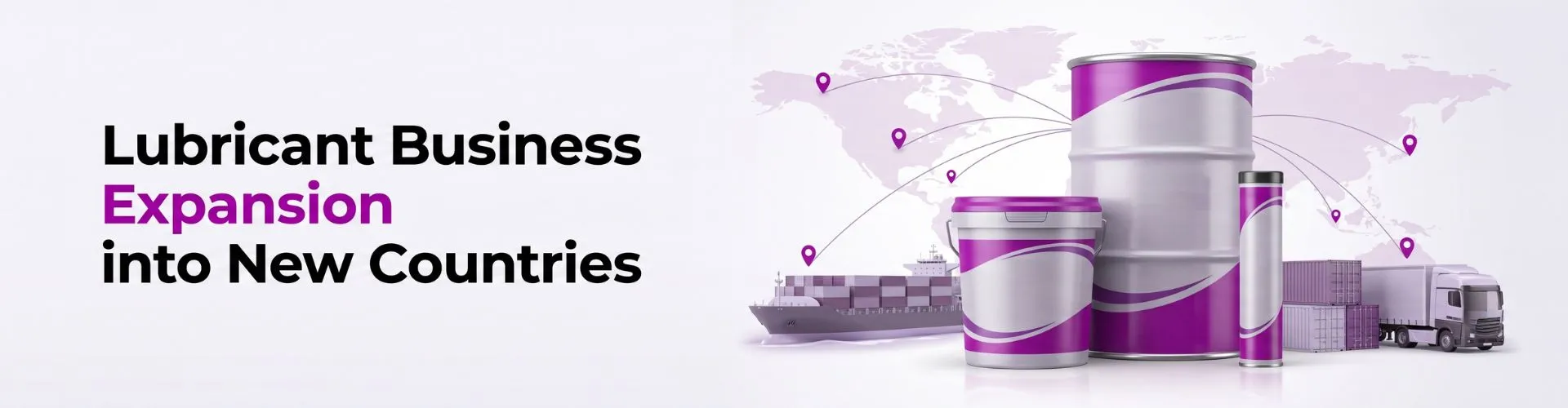
A brand that begins with grease can slowly think of lubricant brand expansion and grow into oils, coolants, hydraulic fluids, gear oils, and other products if the expansion is planned properly.
The goal is not to add every product at once. The goal is to build a useful, clear and sellable lubricant portfolio that fits your customers and market.
In this blog, Rexol explains what lubricant brand expansion is, why grease brands should expand beyond grease, what is the right time to expand, what should be the strategy, which products to add first, and what mistakes to avoid.
What Is Lubricant Brand Expansion?
Lubricant brand expansion is the process of extending a lubricant brand from one product category to a wider product range.
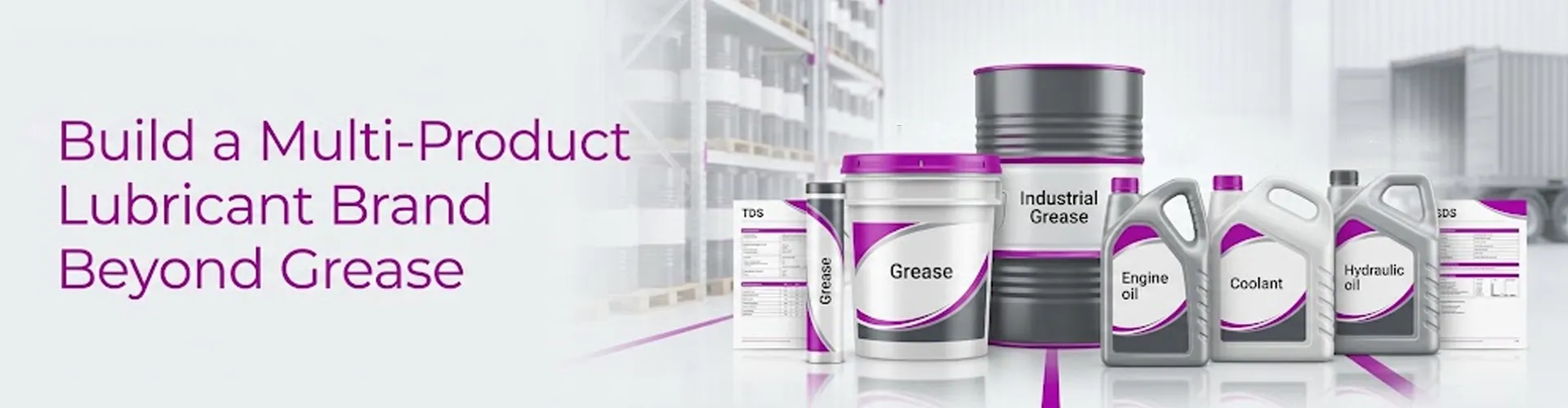
For example, a distributor might begin with grease products and then add:
- Engine oils
- Hydraulic oils
- Gear oils
- Transmission fluids
- Coolants
- Industrial oils
- Specialty lubricants
In simple terms:
Lubricant brand expansion is the process of taking a single product brand and turning it into a more complete lubricant portfolio for different customers and applications.
Why Start with Grease Before Expanding?
Grease is a good foundation because it is used repeatedly across many industries. Once customers trust your grease quality, they may also consider your brand for related lubricant products.
If your brand already serves different customers, adding new products to your product range can help you:
- Drive repeat orders
- Serve more customer needs
- Raise Brand Awareness
- Build stronger relationships with distributors
- Reduce reliance on a single product category
- Deliver comprehensive maintenance solutions
- Compete with major lube brands
- Increase long-term business value
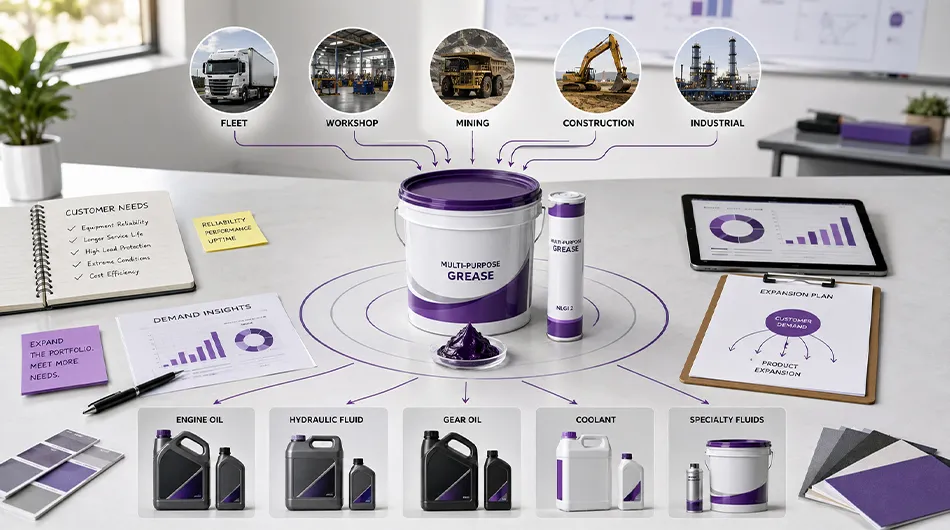
For example, a fleet customer purchasing chassis grease may also need engine oil, gear oil, coolant and hydraulic oil. A mining customer buying heavy-duty grease may also need industrial gear oil and hydraulic oil.
This makes brand expansion more natural and less risky.
When Is the Right Time to Expand Your Lubricant Brand?
Expansion should happen when the business is ready, not just because competitors have more products.
You are ready when:
- Your grease products have repeat customers
- Buyers are asking for more lubricant categories
- Your sales team understands customer applications
- You have reliable supply support
- Your packaging and brand identity are consistent
- You can manage stock without blocking cash flow
- You have proper product documents and specifications
If the first product range is still unclear, it is better to strengthen that before adding more products.
How Do You Plan a Grease Oil Brand Strategy?
A good grease oil brand strategy should connect your grease range with the next products your customers naturally need.
Do not expand randomly. Start by asking:
- Who are our main customers?
- What other lubricants do they already buy?
- Which products are fast-moving in our market?
- Which products need technical support?
- Which packaging sizes are most practical?
- Which products match our brand position?
- Can we supply consistently?
The best strategy is usually built around customer groups, not just product names.
Important: Do Not Expand Randomly
A multi-product lubricant brand should be built around customer needs, not just product names. Before adding a new product, check whether your existing customers already need it, whether you can supply it consistently, and whether your sales team can explain it clearly.
What Products Should You Add First?
The right product mix depends on your market. But for many distributors, expansion can happen in stages.
Suggested Lubricant Portfolio Building Plan
Stage 1 Grease range – Builds industrial and maintenance customer base
Stage 2 Hydraulic fluid – Common demand in construction, mining and industry
Stage 3 Gear oils – Good for fleets, machinery and industrial equipment
Stage 4 Engine Oils – Good for automotive, fleet and transport customers
Stage 5 Specialty fluids and coolants – Adds value to workshops and fleet maintenance
This kind of lubricant portfolio building helps distributors to expand step by step without creating too much confusion in the product range.
Which Grease Products Build a Strong Base?
Before moving beyond grease, your grease range should be clear and application-focused.
A practical grease portfolio may include:
- Lithium EP grease for workshops, fleets and general maintenance
- Lithium Complex grease for heavy-duty and higher-temperature applications
- Moly grease for pins, bushings and shock-load areas
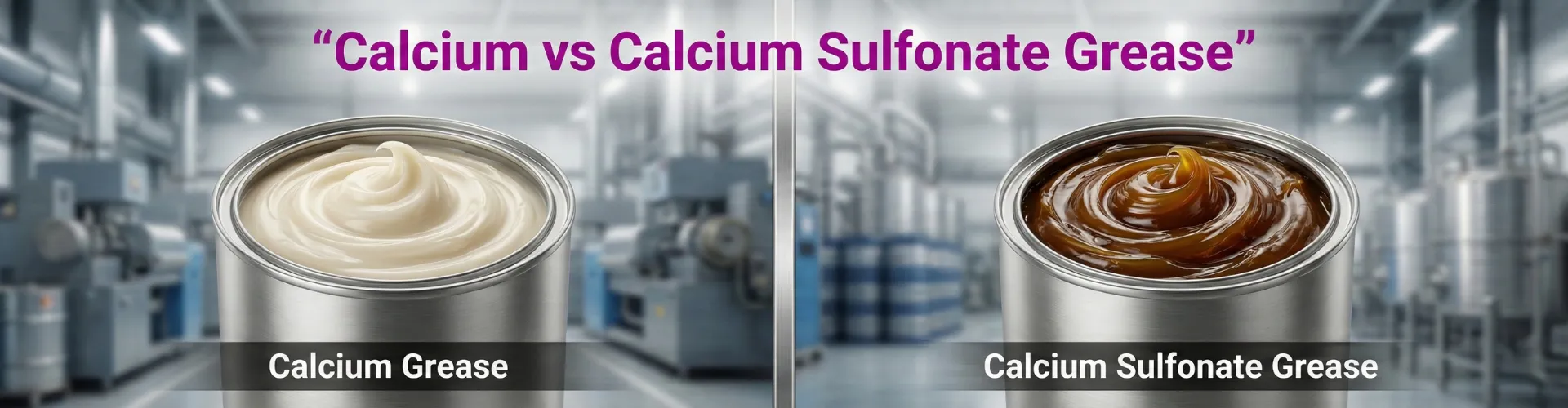
- Calcium Sulfonate grease for wet, marine and harsh conditions
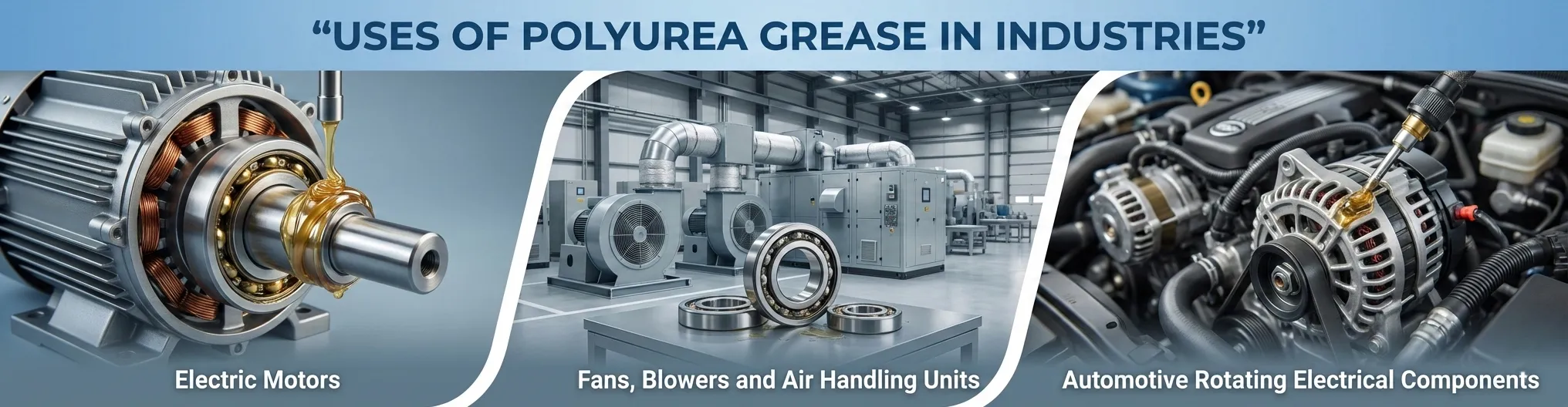
- Polyurea grease for electric motors and long-life bearings
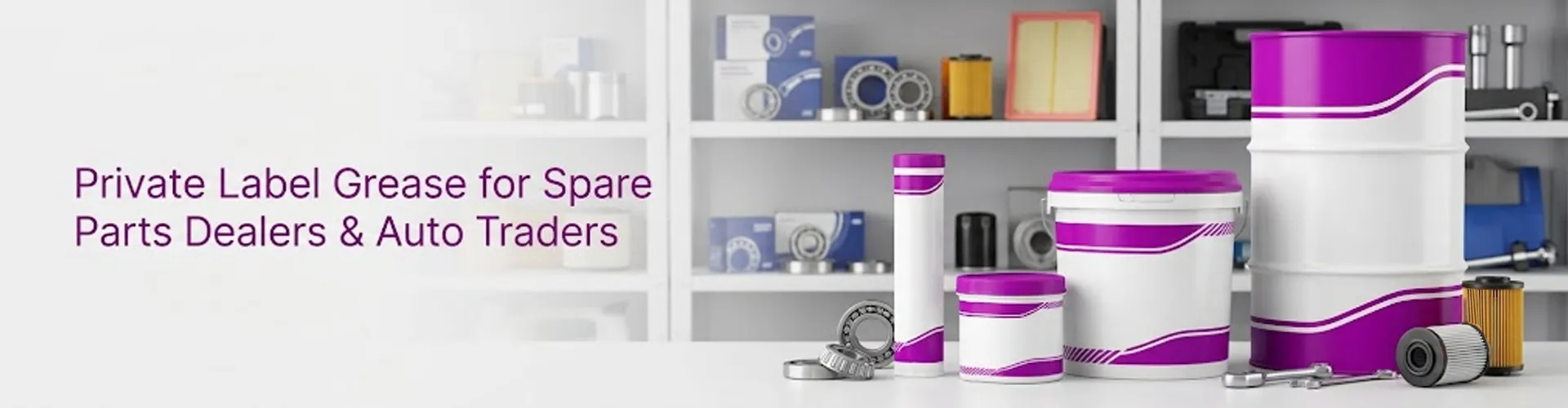
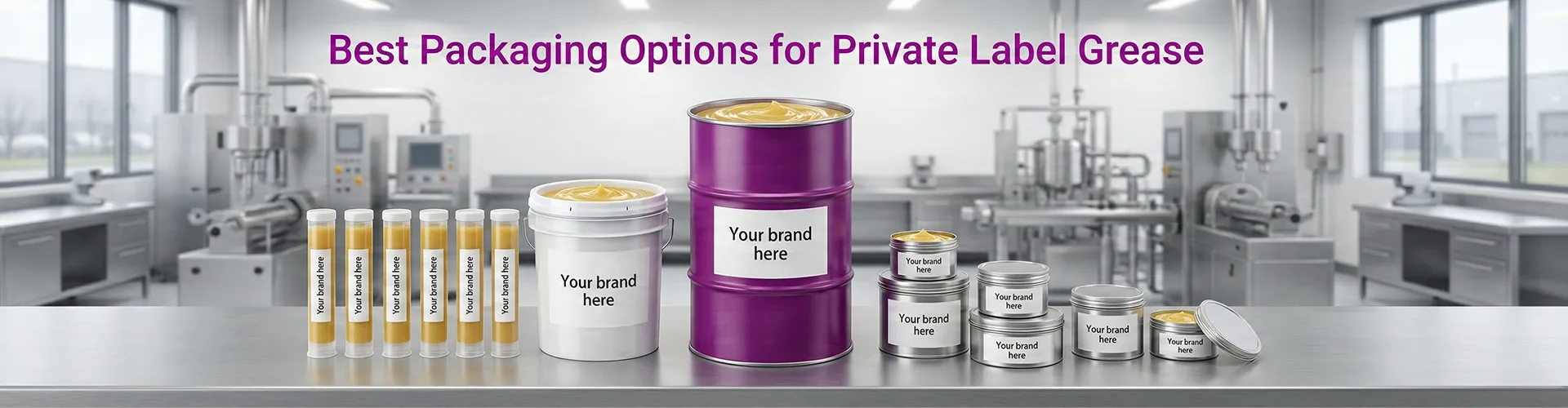
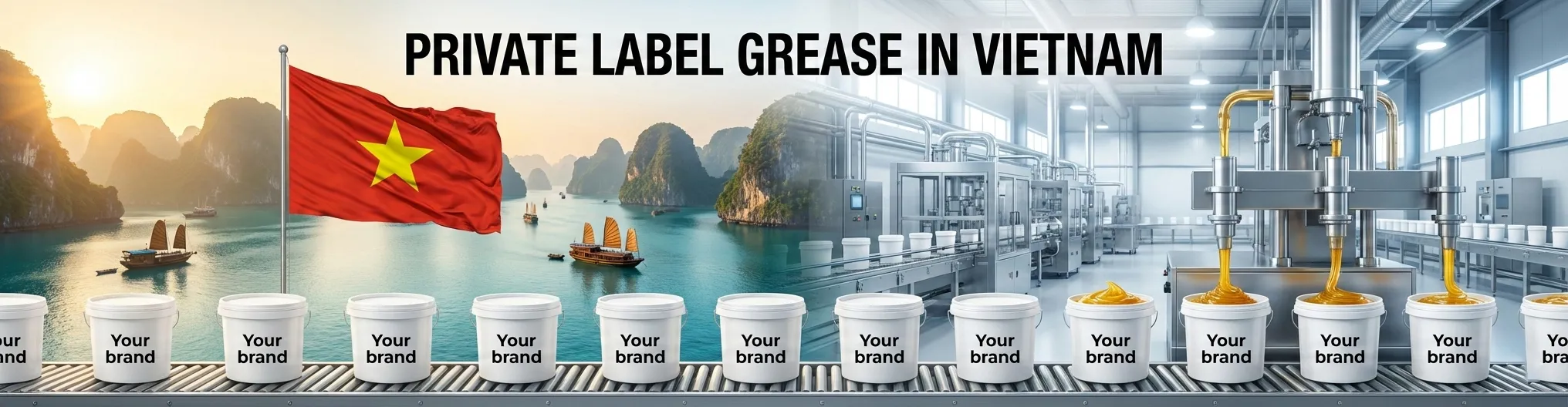
Businesses building their own brand can also check Rexol’s private label grease solutions for product and packaging support.
How Can Private Label Support Brand Expansion?
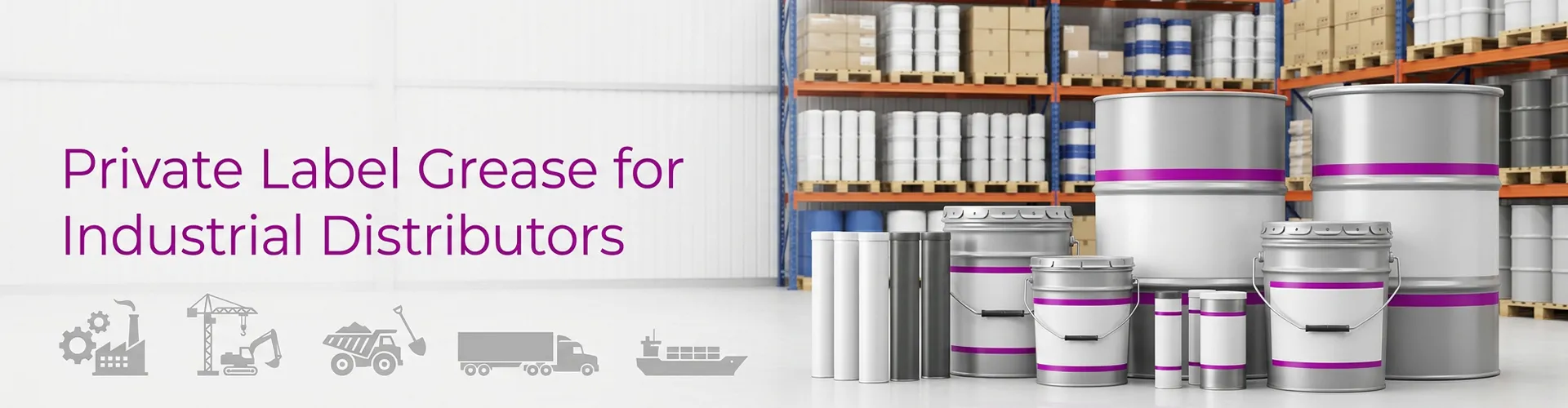
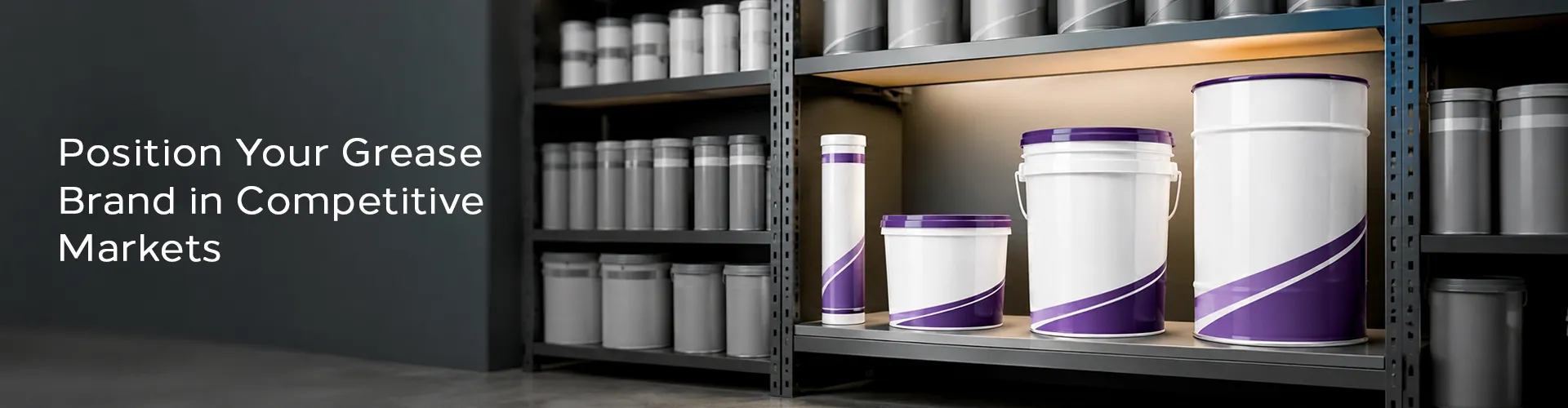
Private label creates a base for expanding into other lubricant categories later. It gives distributors control over branding, packaging, and customer positioning.
It can support brand expansion through:
- Brand ownership
- Consistent product identity
- Market-specific packaging
- Better customer recall
- Application-based product planning
- Stronger distributor positioning
- Long-term customer relationships
Customer’s trust in your grease brand will make them consider your other lubricant products as well.
What Mistakes Should You Avoid?
Multi-product expansion can fail if it is rushed.
Avoid these mistakes:
- Adding too many products too soon
- Choosing products only because competitors sell them
- Not checking customer demand
- Using inconsistent packaging design
- Not preparing technical documents
- Keeping slow-moving stock for too long
- Selling products without application knowledge
- Making unsupported performance claims
- Ignoring cash flow and stock planning
- Expanding without a clear brand message
A strong lubricant brand is not built by having the longest catalog. It is built by offering the right products with the right support.
How Rexol Supports Lubricant Brand Growth
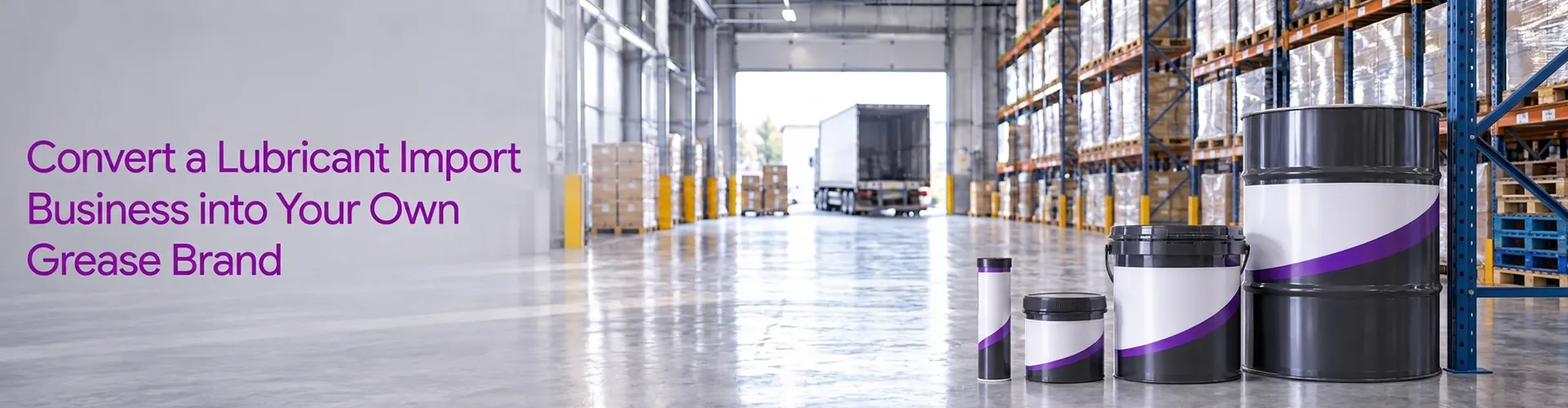
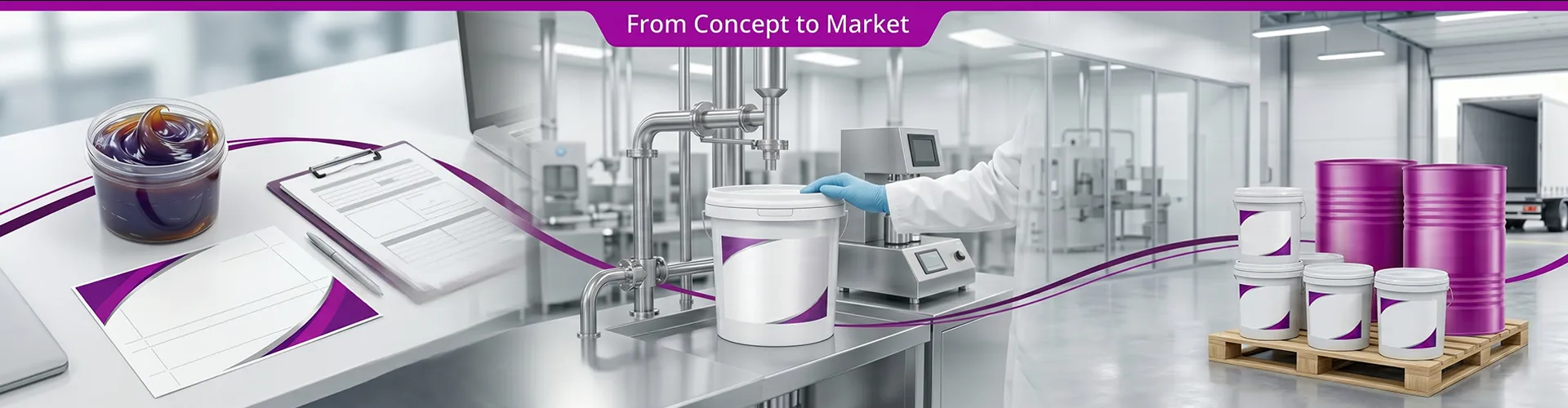
Rexol supports businesses with private label grease manufacturing and product range planning, helping distributors build a stronger foundation before expanding into a wider lubricant brand.
For businesses planning lubricant brand expansion, Rexol can help build a strong grease foundation through a practical range of lithium, lithium complex, moly, calcium sulfonate, and polyurea grease technologies.
This gives distributors a clear starting point before growing into a wider lubricant portfolio for fleet, construction, mining, marine, and industrial customers.
Final Thoughts
Building a multi-product lubricant brand takes planning. Starting with grease can be a strong point, but expansion should be according to customer demand, packaging, documentation, and reliable supply.
A good grease range can help build trust. After that, distributors can expand to a wide product range with more confidence and better market positioning.
For businesses planning lubricant brand expansion, Rexol’s private label grease manufacturing support can help create a practical foundation for long-term brand growth.