Calcium Sulfonate Grease vs Lithium Grease: Which One Should You Use?
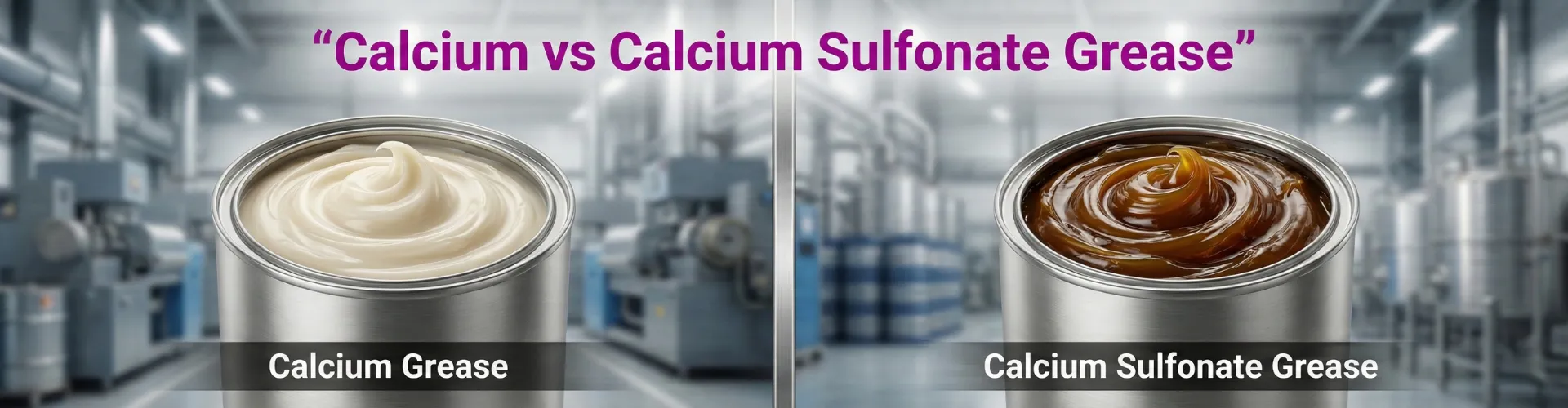
Choosing between lithium grease and calcium sulfonate grease depends on more than price or product popularity. The right choice is determined by operating conditions such as load, temperature, water exposure, corrosion risk, and maintenance requirements.
Both greases are equally popular, and both are widely used. So, what is the difference? Both greases perform well but in different operating conditions. The confusion really starts when one is considered the replacement of the other. You have to understand grease types and applications
This guide compares calcium sulfonate grease vs lithium grease, explains where each type is commonly used, and helps maintenance teams, industrial buyers, and distributors identify the most suitable option for different applications. Find the other guide about NLGI grade comparisons for industrial grease.
In this guide, lithium grease refers primarily to conventional lithium-based grease used for general-purpose applications. Lithium complex grease may provide higher-temperature and heavy-duty performance than standard lithium grease and should be assessed separately when selecting products for demanding industrial equipment. Read our latest update about lithium complex EP grease applications.
Understanding the basics
Before diving in to the difference, first let’s understand what both greases are and what they are made of:
What Is Lithium Grease?
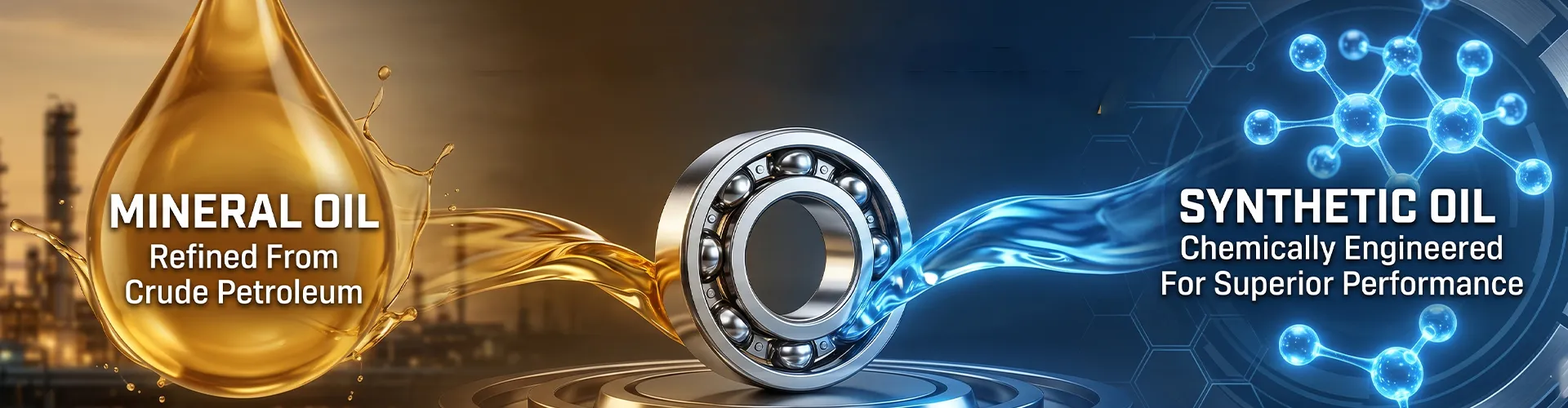
Lithium greases are one of the most used grease types globally. It is made using lithium-based soap thickeners. It is very well known for its versatility and cost-effectiveness.
The most common areas where lithium grease is used are:
- Automotive bearings
- Industrial machinery
- General-purpose lubrication
Lithium grease is popular because of the balance in its performance across different operating conditions like temperature, load, and mechanical stability. Find out more VG-based industrial grease performance.
What Is Calcium Sulfonate Grease?
On the other hand, calcium sulfonate grease is a modern grease technology that uses overbased calcium sulfonate thickener instead of the regular soap-based thickener. This thickener comes with built-in EP performance and exceptional stability. Find out more about moly grease vs standard EP grease.
Calcium sulfonate grease is designed for severe operating conditions. Check out the latest update about non-soap bentonite grease.
Key Differences Between Calcium Sulfonate and Lithium Grease
1. Load-Carrying Capability
This is one of the most important differences. Calcium sulfonate grease is made of the thickener, which itself provides EP protection, which makes it an excellent load-carrying grease under shock loads. While on the other hand, lithium grease has to depend on additives for EP protection.
Generally preferred for heavy loads: Calcium sulfonate grease
2. Temperature Resistance
Calcium sulfonate grease maintains its structure and lubrication in the applications with high temperature. Lithium grease has moderate to good temperature resistance.
Generally preferred for high temperatures grease: Calcium sulfonate grease
3. Water Resistance and Corrosion Protection
Both greases perform reasonably well in wet conditions, but not equally. Calcium sulfonate grease is widely used in marine, coastal, and wet industrial environments where corrosion is a serious concern.
Generally preferred for wet or corrosive environments: Calcium sulfonate grease
4. Mechanical Stability
Mechanical stability defines how well a grease can hold its structure when it undergoes a load. Calcium sulfonate grease surpasses lithium grease when it comes to having good mechanical stability under severe conditions. Find out more about grease for extreme climate conditions.
This makes calcium sulfonate grease ideal for applications with heavy shock loads or continuous vibration.
5. Versatility and Cost
Lithium grease leads when it comes to a more economical and versatile option. Calcium sulfonate grease, on the other hand, is more premium-grade and more costly.
It depends on the requirement of the application whether to choose Lithium grease or calcium sulfonate grease.
Generally preferred for general-purpose use: Lithium grease. Find out more about grease compatibility chart.
Which Grease Should You Choose by Application?
Common applications where Lithium Grease can be used are:
- Wheel bearings
- Electric motors
- Pumps and fans
- General industrial bearings
- Chassis and general maintenance
Lithium grease is the go-to choice for many industrial applications where conditions are more predictable. Check our latest update about grease used in electric motor.
Common applications where Calcium sulfonate grease can be used are:
- Steel mills and rolling bearings
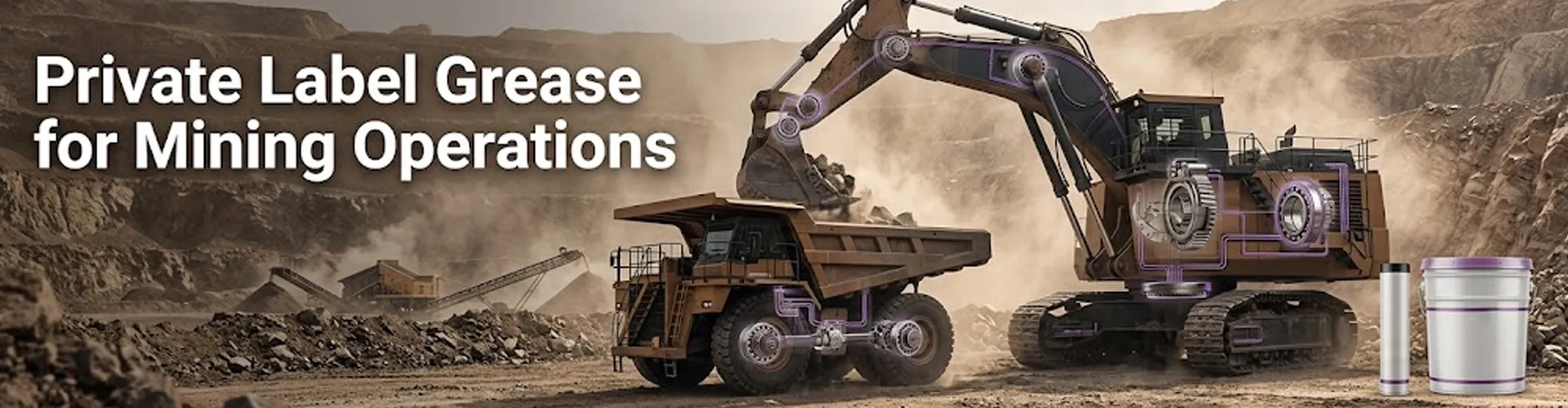
- Mining and quarry equipment
- Marine and offshore machinery
- Construction equipment
- Bearings exposed to heat, water, and heavy loads
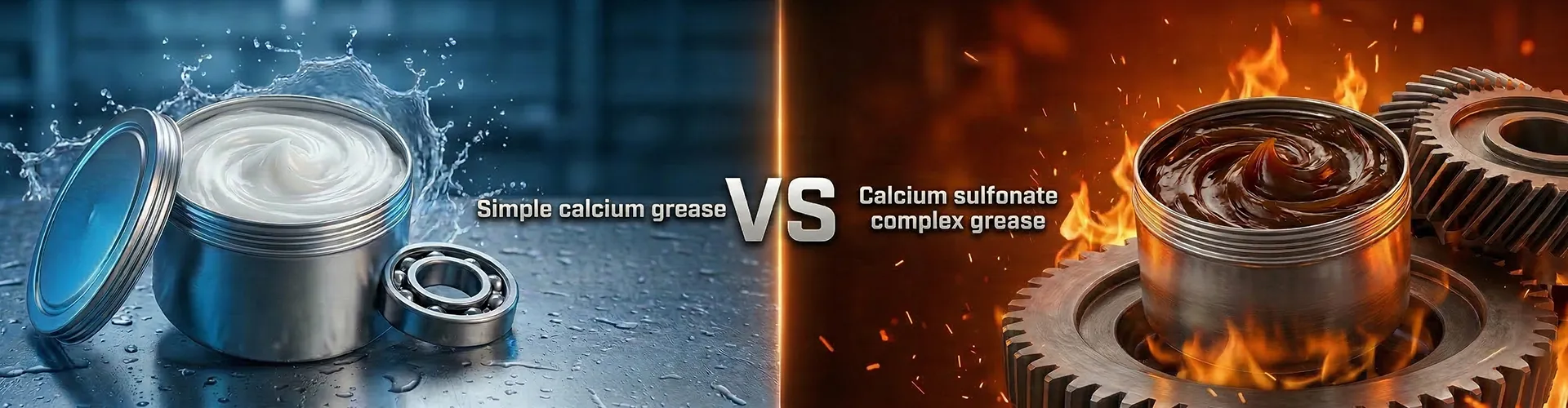
Calcium sulfonate grease is chosen for reliability and longer service life. Explore our latest update about simple calcium grease vs calcium sulfonate complex.
Grease selection is about application, not trend
It is not necessary that in every application calcium sulfonate grease is better than lithium grease
Ask these practical questions:
- Is the bearing heavily loaded?
- Does it operate at high temperature?
- Is water or corrosion a constant issue?
- Is downtime expensive?
If the answer is yes to most of these, calcium sulfonate grease makes sense. If not, lithium grease may be the smarter and more economical choice.

Can You Switch from Lithium Grease to Calcium Sulfonate Grease?
Changing from lithium grease to calcium sulfonate grease should not be treated as a simple top-up decision. Before switching, identify the existing grease, confirm compatibility requirements, and follow the recommended changeover procedure. Where compatibility is unknown, purging the old grease before introducing the new product is generally the safer approach, particularly in critical bearings and heavy-duty machinery.
Before changing from lithium grease to calcium sulfonate grease, review our grease compatibility guide to understand when purging or compatibility checking may be required.
How Rexol positions Lithium and Calcium Sulfonate Greases
Rexol does not treat these greases as competitors but as solutions for different needs.
Designed for:
- General industrial and automotive use
- Balanced performance and cost
- Reliable lubrication in standard conditions
Rexol Calcium Sulfonate Grease Range
Designed for:
- Severe operating environments
- High load and high temperature
- Wet, corrosive, and shock-loaded applications
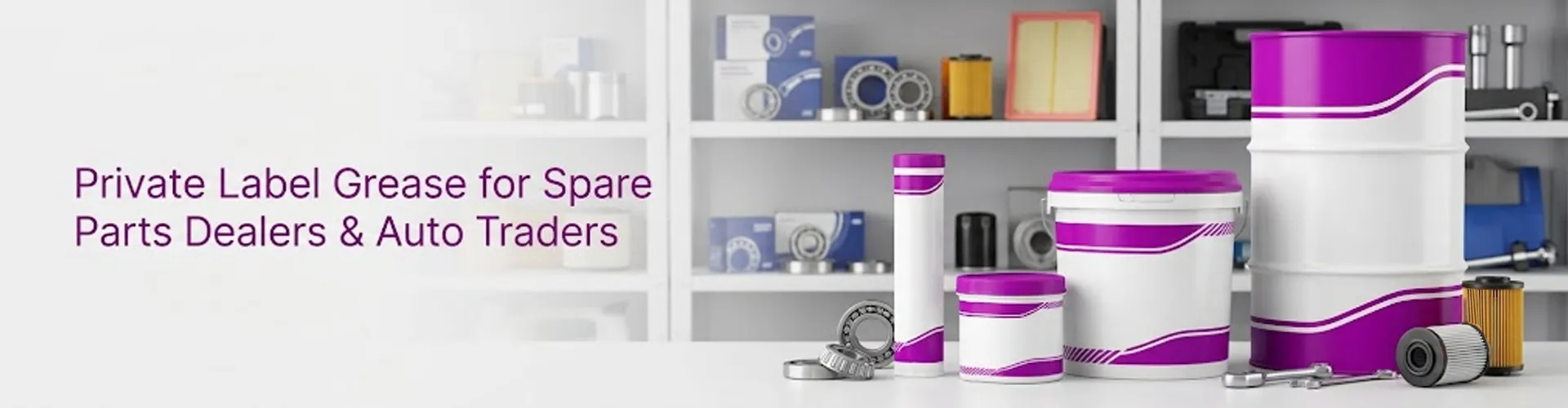
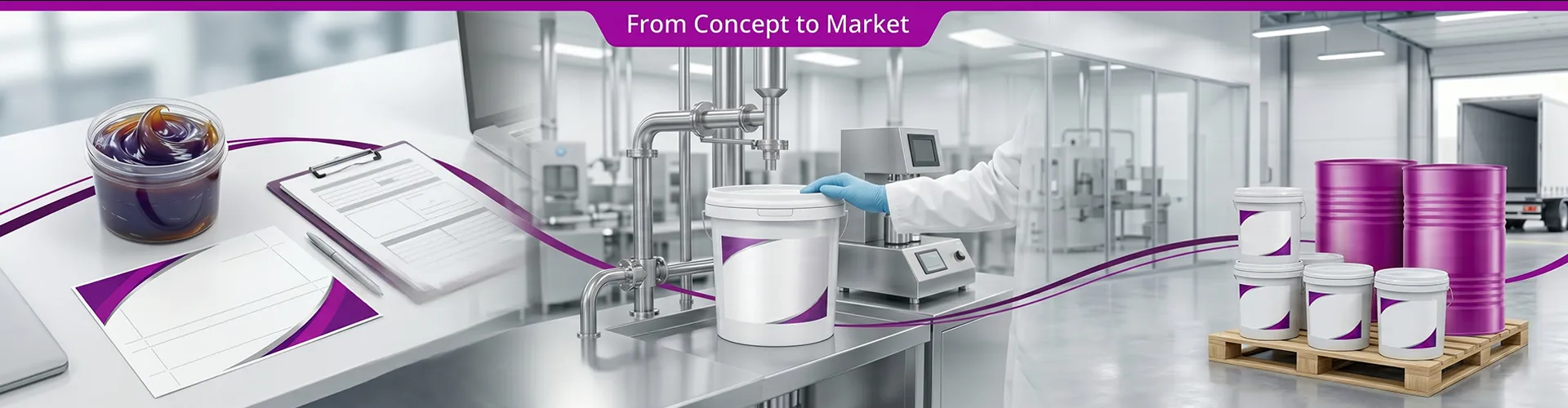
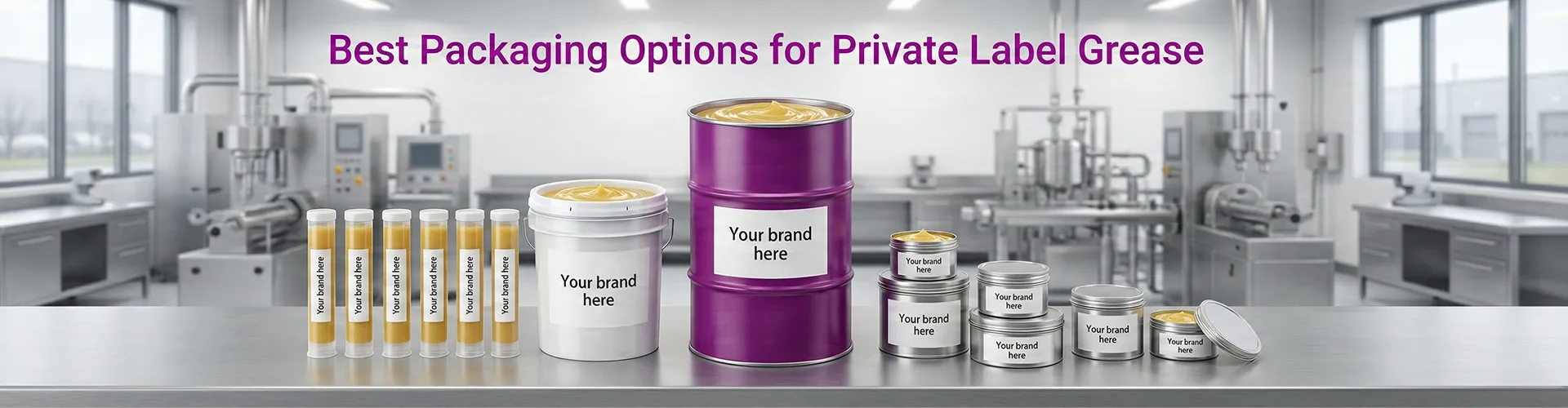
Rexol manufactures both grease types with strict quality control, and they are available in multiple NLGI grades and packaging formats. Both calcium sulfonate grease and lithium grease are also available for private label production under your own brand name.
This allows distributors and industrial suppliers to:
- Choose the grease type that fits their market
- Control branding and positioning
- Offer both standard and premium options
Learn more on the Private Label Grease Manufacturing page.
Lithium vs Calcium Sulfonate: Which Should You Stock?
For distributors, the answer is often both.
- Lithium grease for volume, general-purpose demand
- Calcium sulfonate grease for premium and heavy-duty applications
This combination allows you to serve different customer segments without overcomplicating your product range. You can explore our latest update about calcium sulfonate grease for marine applications.
Final Thoughts
The discussion over which one is better between calcium sulfonate grease and lithium grease, totally depends on the application condition where they are used
Lithium grease remains a practical and economical option for many general-purpose applications, and EP-formulated lithium greases can also support applications requiring additional load protection. Calcium sulfonate complex grease is often selected where severe water exposure, corrosion risk, shock loads or demanding operating conditions require a more specialised solution.
Understanding these differences allows maintenance teams, engineers, and distributors to make informed decisions—and avoid costly lubrication mistakes.