NLGI Grades Explained for Industrial Grease Buyers
Selecting the right grease is not only about thickener type or base oil viscosity. One of the most misunderstood yet critical specifications in lubrication selection is NLGI grease grades.
Understanding NLGI grades ensures proper equipment protection, reduced downtime, and longer bearing life for industrial buyers, procurement managers, and technical decision-makers.
This guide will explain what NLGI grease grade means, why NLGI 2 grease is the most commonly used grade, and how to select the correct consistency for industrial applications. Find out more about select the right grease for different applications.
What Are NLGI Grease Grades?
NLGI stands for the National Lubricating Grease Institute, the organization that developed the standardized classification system for grease consistency.
NLGI grease grades measure how firm or soft a grease is, not how thick the base oil is, Unlike oil viscosity (such as ISO VG 220 or 460).
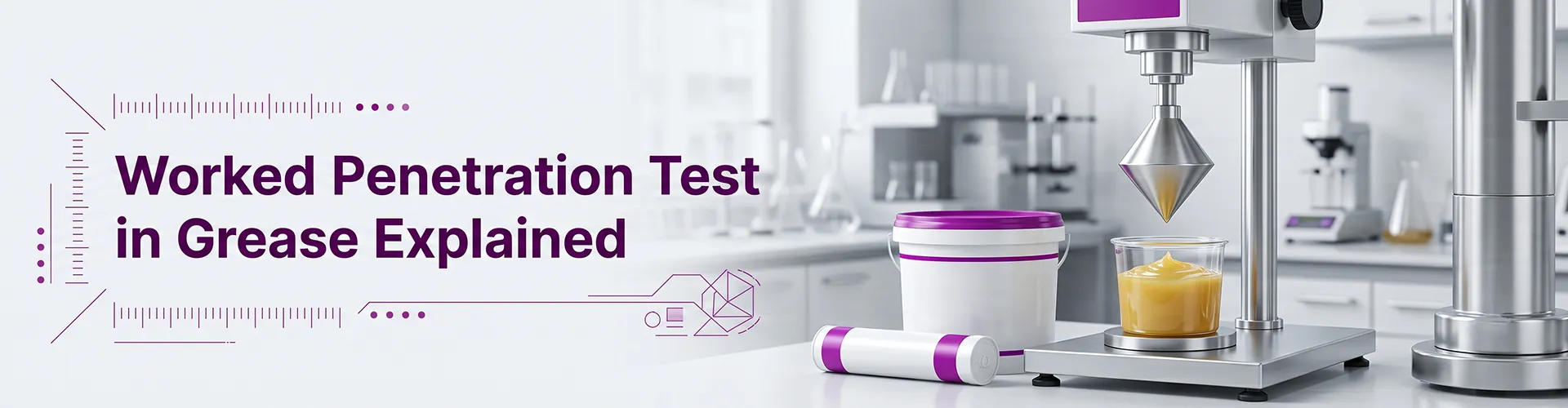
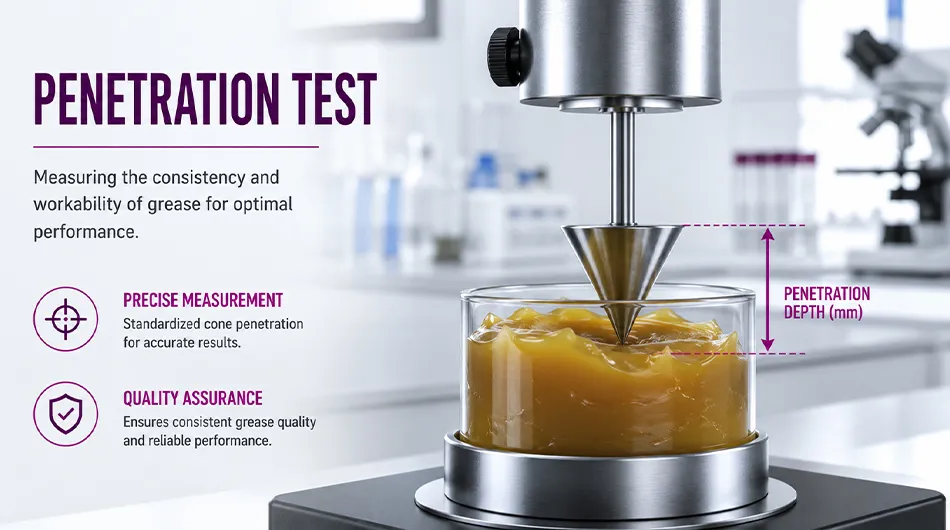
Consistency is determined by a penetration test, which measures how far a cone sinks into the grease under controlled conditions.
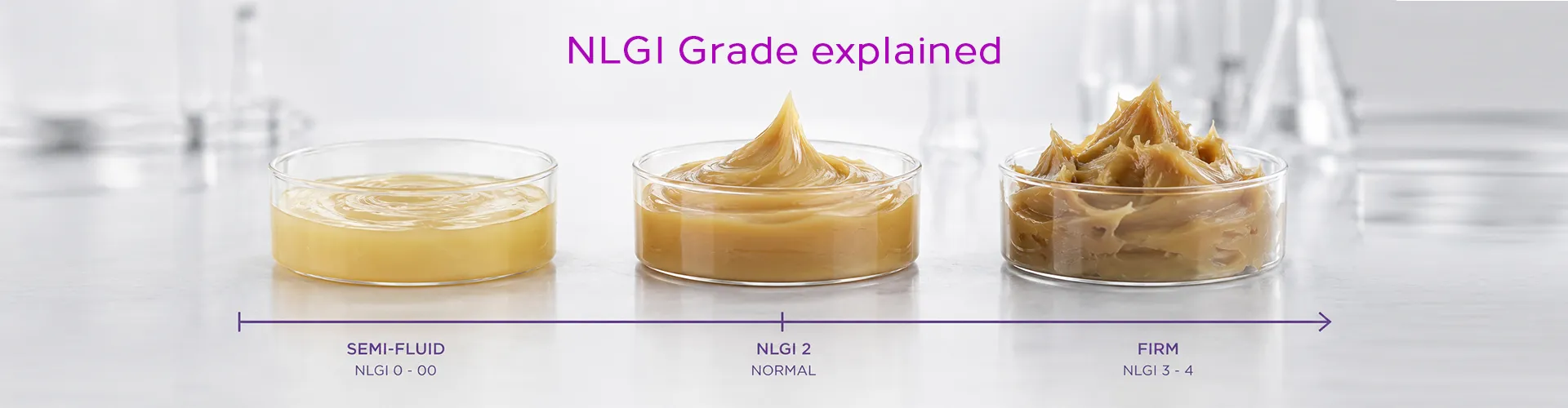
The result places the grease into a grade ranging from 000 (very fluid) to 6 (very hard).
The Full NLGI Grade Scale
A simplified explanation of common grades used in industry is below:
| NLGI Grade | Consistency | Typical Use |
| 000 | Semi-fluid | Centralized lubrication systems |
| 00 | Semi-fluid | Gearboxes |
| 0 | Very soft | Cold climate applications |
| 1 | Soft | Moderate temperature environments |
| 2 | Medium | General industrial & automotive |
| 3 | Firm | High temperature / sealing effect |
| 4–6 | Very firm | Specialized industrial uses |
NLGI 2 grease remains the standard choice for most industrial and fleet applications. Read out more about how VG grade greases improve equipment life
Why NLGI 2 Grease Is the Industry Standard
When industrial buyers are asking for grease without specifying grade, they usually mean NLGI 2 grease.
Why?
Because it offers an ideal balance between:
- Pumpability
- Adhesion to components
- Mechanical stability
- Load protection
NLGI 2 grease has a peanut-butter-like consistency, making it suitable for:
- Rolling element bearings
- Wheel bearings
- Electric motors
- Construction equipment pivot points
- General plant maintenance
This versatility explains why it dominates global grease consumption.
Consistency vs Base Oil Viscosity – Common Confusion
Many buyers confuse NLGI grade with viscosity (VG grade).
There are two different characteristics:
- NLGI grade = Consistency (softness/firmness)
- VG grade = Base oil thickness inside the grease
For example:
- An NLGI 2 grease may contain VG 220 base oil
- Another NLGI 2 grease may contain VG 460 base oil
Both feel similar in firmness but perform differently under load and speed conditions. Explore our latest update about base oil selection in grease.
Understanding this distinction is critical when specifying lubrication for heavy machinery.

How to Choose the Correct NLGI Grade
Industrial buyers should consider:
Application Type
High-speed bearings may require softer grease (NLGI 1–2).
Slow-moving heavy equipment may use firmer grades.
Temperature Conditions
Cold climates may benefit from softer grades for easier pumpability.
High-temperature applications sometimes require slightly firmer grease.
Lubrication Method
Centralized systems often use NLGI 0 or 00.
Manual greasing typically uses NLGI 2.
Equipment Design
Always follow OEM recommendations when available.
NLGI 2 in Fleet & Construction Markets
In emerging industrial markets especially those dominated by trucks, heavy transport, and construction NLGI 2 grease covers most use cases.
It is most commonly used in:
- Wheel hubs
- Chassis lubrication
- Agricultural machinery
- Mining equipment
- Industrial bearings
This is why most lithium, lithium complex, polyurea, and calcium sulfonate greases are manufactured primarily in NLGI 2. Find out more about NLGI grades for calcium sulfonate grease.
When Other NLGI Grades Are Required
Although NLGI 2 grease is the standard, certain applications require alternatives:
NLGI 1
Better pumpability in colder climates.
NLGI 0 / 00
Used in centralized lubrication systems or enclosed gearboxes.
NLGI 3
Offers stronger sealing effect in high-temperature or vertical shaft applications.
Selecting the wrong grade can cause:
- Inadequate lubrication
- Grease leakage
- Overheating
- Reduced bearing life
For technical comparison between grease types and applications, you can explore Rexol’s Technical Hub for detailed breakdowns of grease categories.
Mechanical Stability & Shear Resistance
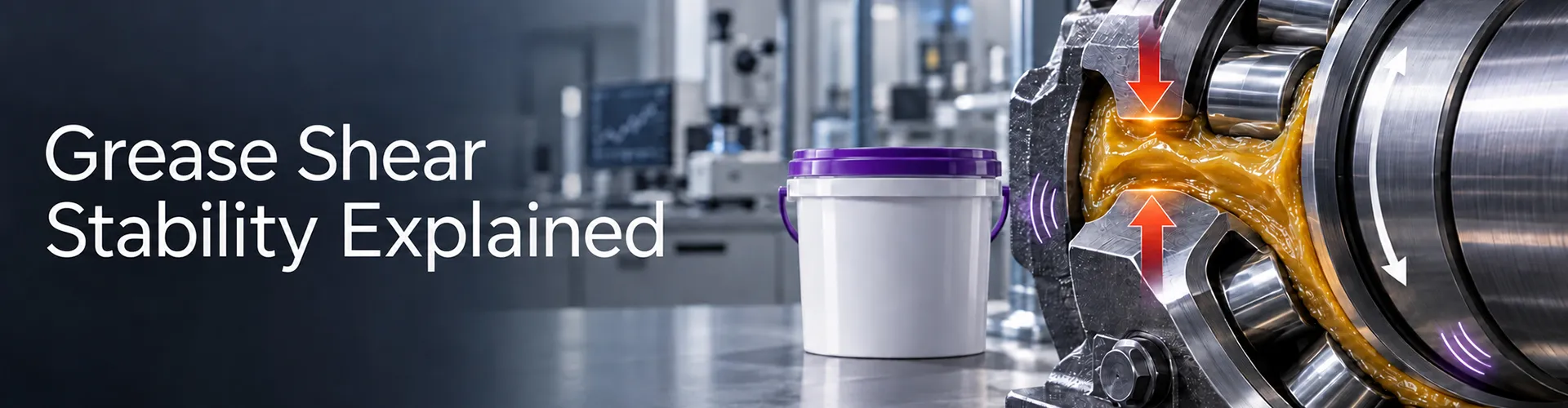
Consistency is not only about initial firmness. High-quality grease must maintain its NLGI grade under mechanical stress.
In industrial equipment, grease experiences:
- Repeated shear forces
- Temperature fluctuations
- Contamination exposure
Premium formulations are designed to retain NLGI consistency even after extended service. Find out more about selecting the right grease for construction and mining equipment.
This is especially important in heavy-duty lithium complex and EP greases. Read out more about lithium complex EP grease explained.
NLGI Grade and Grease Type
Different grease thickeners can be manufactured in various NLGI grades, including:
- Lithium grease
- Lithium complex grease
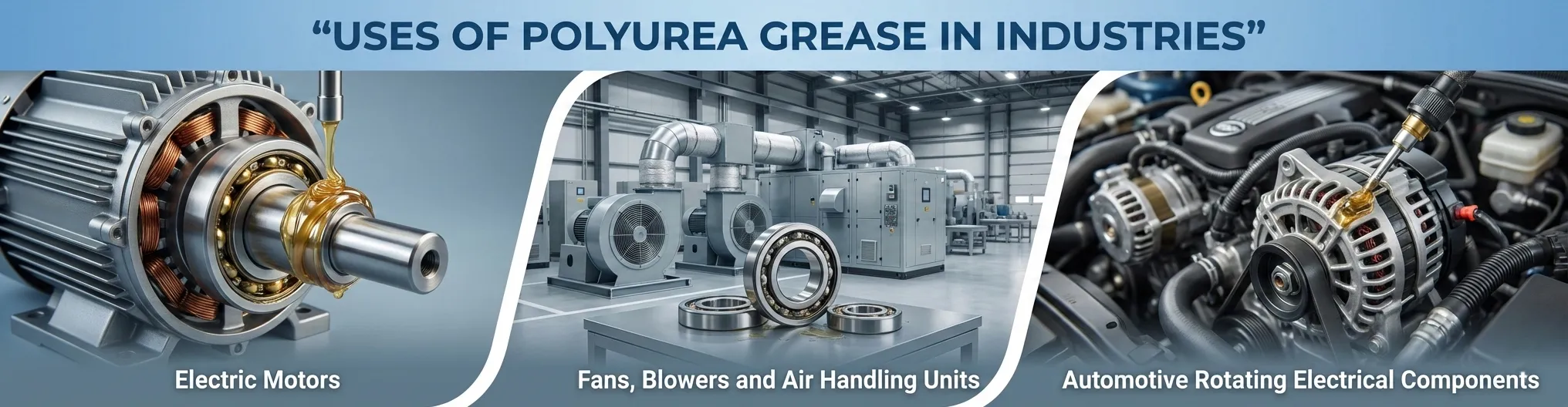
- Polyurea grease
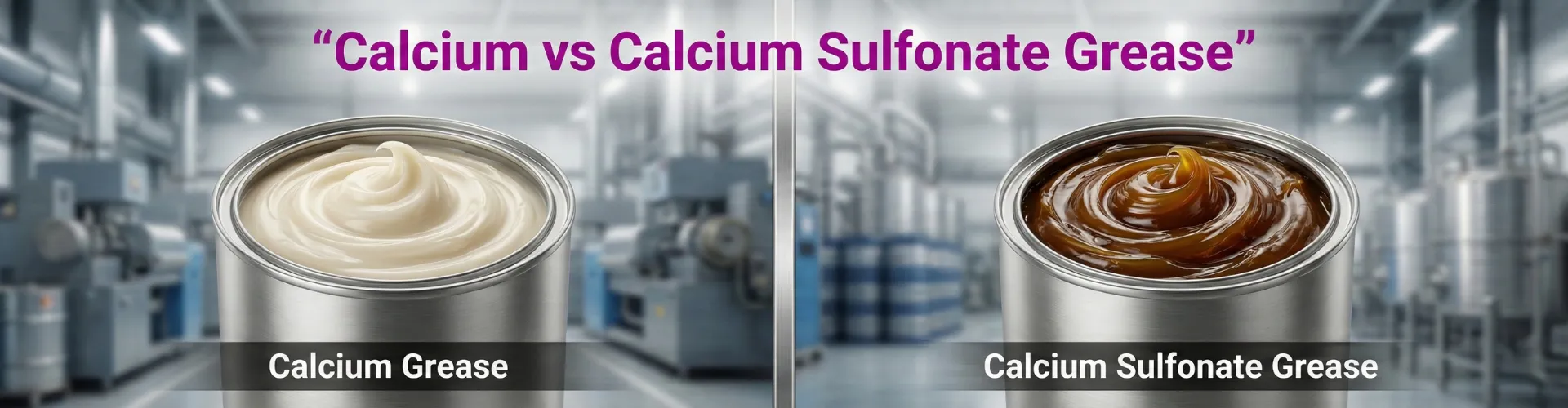
- Calcium sulfonate grease
- Moly-fortified greases
Most industrial-grade options are supplied in NLGI 2, but alternative grades can be produced depending on project requirements. Explore our latest update about grease thickener types explained.
Private Label Availability
For distributors and industrial suppliers looking to expand their lubrication portfolio:
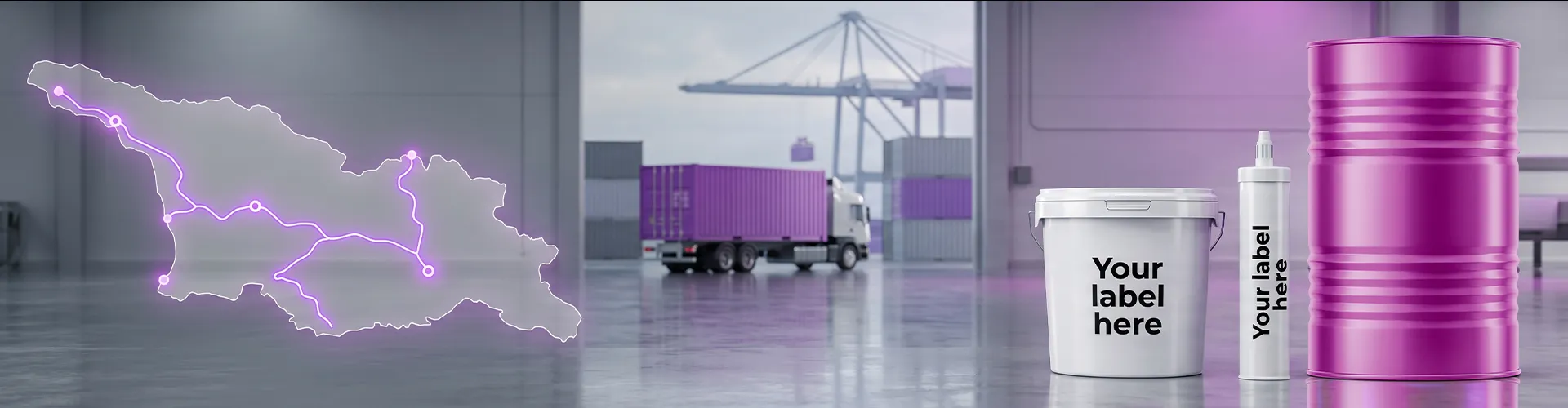
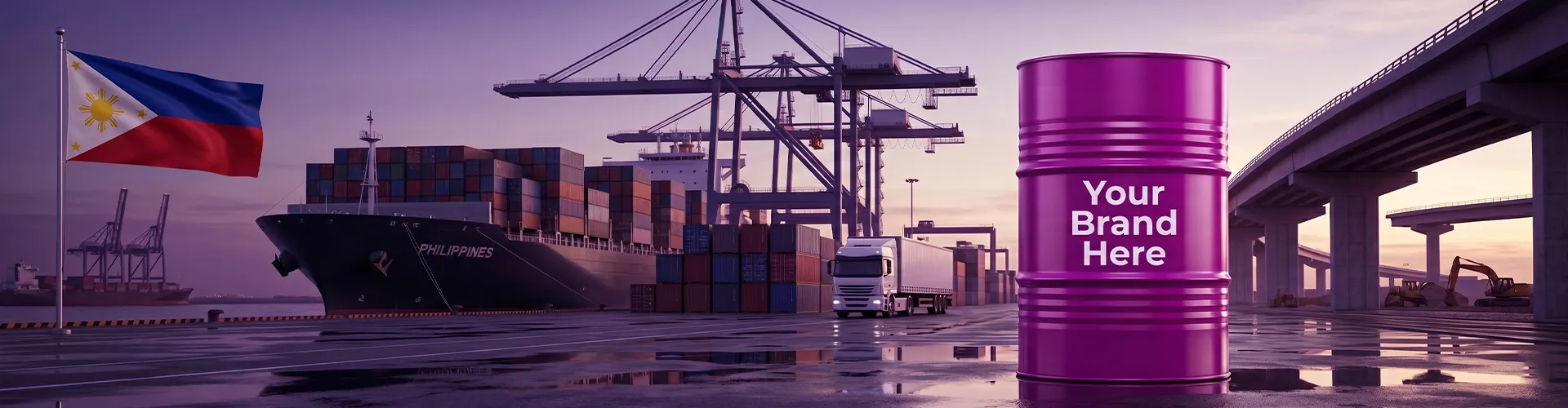
This grease type including various NLGI grease grades is available for Private Label production under your own brand name.
Through Rexol’s Private Label Grease program, partners can:
- Select NLGI grade based on target market
- Choose grease type (Lithium, Lithium Complex, Polyurea, etc.)
- Customize packaging (cartridges, pails, drums)
- Align specifications with fleet or industrial demand
You can learn more about launching your own grease line on our Private Label Grease page. Find out more about grease compatibility before changing grease.
Common Buyer Mistakes to Avoid
- Choosing NLGI grade without checking OEM guidelines
- Confusing consistency with viscosity
- Using overly firm grease in centralized systems
- Ignoring temperature conditions
- Switching grades without compatibility review
For industrial buyers, grease selection should be technical, not guesswork.
Final Thoughts
Understanding NLGI grease grades is essential for proper lubrication management.
While NLGI 2 grease remains the industry standard for most industrial and fleet applications, other grades serve specialized functions.
Consistency selection affects:
- Equipment reliability
- Maintenance intervals
- Bearing life
- Overall operating cost
For deeper technical comparison and grease selection guides, visit Rexol’s Technical Hub.
And if you are planning to supply grease under your own brand, explore our Private Label Grease manufacturing solutions to align NLGI grade, formulation, and packaging with your market strategy.
The right grade protects more than machinery, it protects your business performance.