

Latest Blogs
-
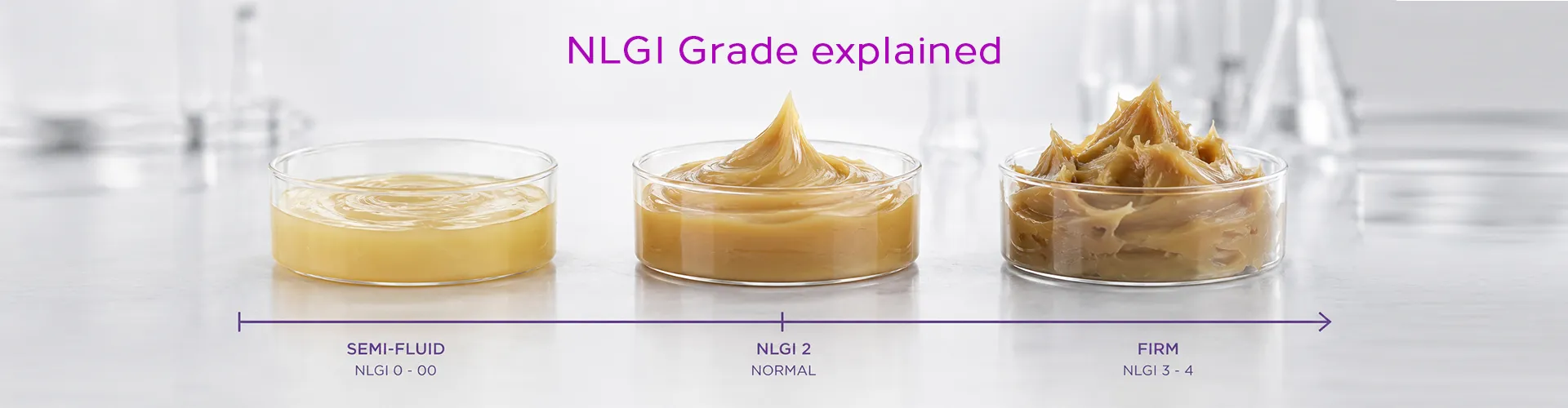
What Is NLGI Grade in Grease? Complete Guide
NLGI grease grade explains the consistency of grease and helps users understand whether a grease is soft, semi-fluid, normal, firm, or hard. This blog explains NLGI 2 grease meaning, how to read a grease consistency chart, and why NLGI grade should not be confused with grease quality or grease type.
-

Private Label Grease for Government & Infrastructure Projects
Private label grease gives distributors and industrial suppliers an opportunity to serve government and infrastructure projects with their own branded grease range. This blog explains what procurement teams look for, including EP protection, water resistance, packaging, technical documentation, reliable supply and long-term partnership capability.
-
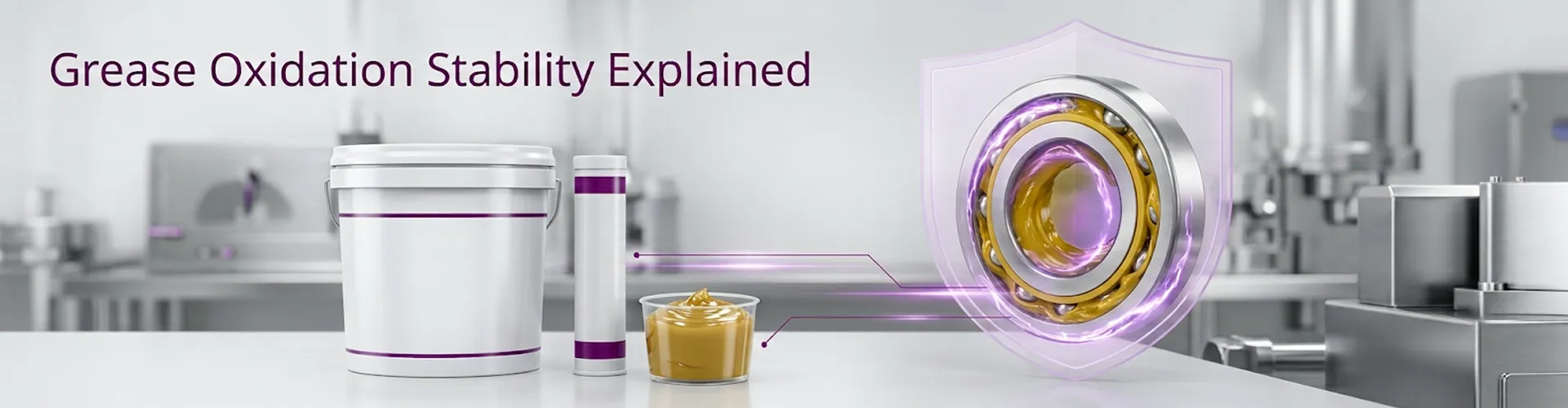
Grease Oxidation Stability: Why It Affects Performance
Grease oxidation stability shows how well grease can resist chemical breakdown caused by heat, oxygen, moisture and contaminants. This blog explains how oxidation affects grease performance, causes hardening and deposits, shortens grease lifespan and increases equipment wear.
-

Understanding Profit Margins in the Grease Distribution Business
Grease distribution profit margin is affected by more than just buying and selling price, including freight, storage, discounts, credit risk, packaging, and slow-moving stock. This blog explains how distributors can calculate real grease resale profit, protect lubricant margins and choose products that support better long-term value.
-

Base Oil Viscosity in Grease (ISO VG Explained)
Base oil viscosity in grease affects the strength of the lubricating film that protects moving parts under different speeds, loads, and temperatures. This blog explains what ISO VG means, how VG220 and VG460 grease differ, and why viscosity should not be confused with NLGI grade.
-

How to Position Your Grease Brand in Competitive Markets
Grease brand positioning helps distributors make their grease brand easier to understand, trust, and remember in competitive lubricant markets. This blog explains how to define target customers, choose the right product range, create clear messaging, and use packaging and technical documents to build brand trust.
-

Grease Dropping Point Explained & Why It Matters
Grease dropping point shows the temperature at which grease becomes soft enough to release a drop under standard test conditions. This blog helps maintenance teams and distributors understand why dropping point is not the same as grease melting point or the actual high-temperature operating limit.
-

How to Build Long-Term Contracts with Fleet Operators Using Private Label Grease
Private label grease fleet contracts help distributors build long-term supply relationships with fleet operators who need consistent lubrication, reliable delivery, and technical support. This blog explains how distributors can win fleet customers by offering the right grease products, packaging options, scheduled supply, and value-added service.
-
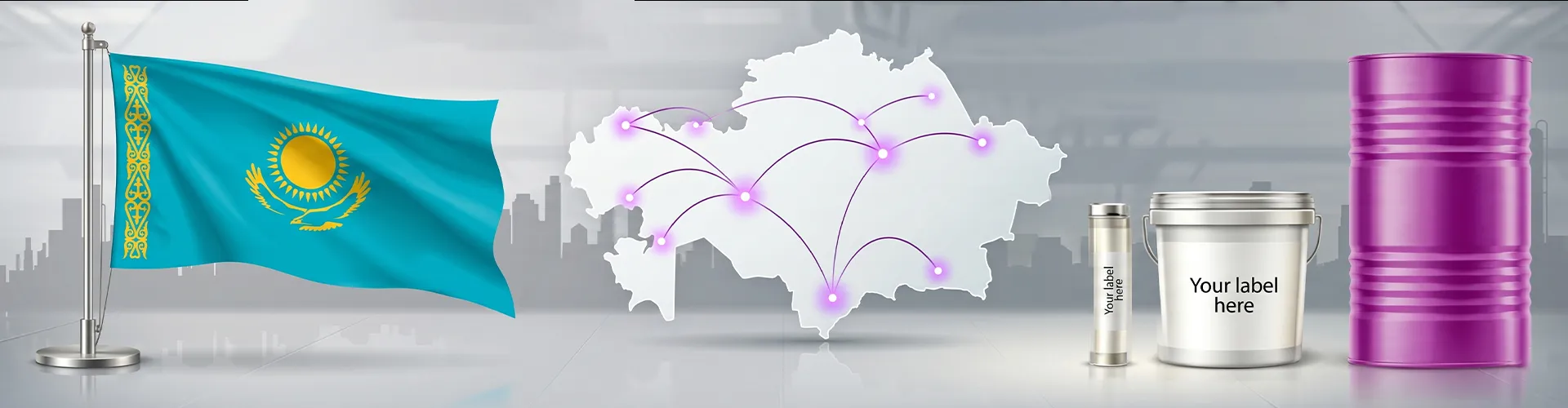
Private Label Grease in Kazakhstan
Private label grease in Kazakhstan gives distributors an opportunity to build their own lubricant brand for mining, transport, construction, agriculture, and industrial customers. This blog explains suitable grease types, packaging options, climate-related product considerations, and export support for businesses targeting the Kazakhstan market.
-

How Rexol Supports New Grease Brands from Concept to Market
Rexol supports new grease brands through every stage, from understanding the target market and choosing suitable formulations to sample approval, packaging, and production. This blog explains how distributors and lubricant businesses can launch a professional grease brand without establishing their own manufacturing facility.
-

Private Label Grease in South Africa: What to Keep in Mind Before Starting
Private label grease in South Africa gives distributors an opportunity to build their own lubricant brand for fleet, mining, construction, agriculture, and industrial customers. This guide explains how to choose the right grease range, packaging, documentation, and manufacturing partner before entering the market.
-
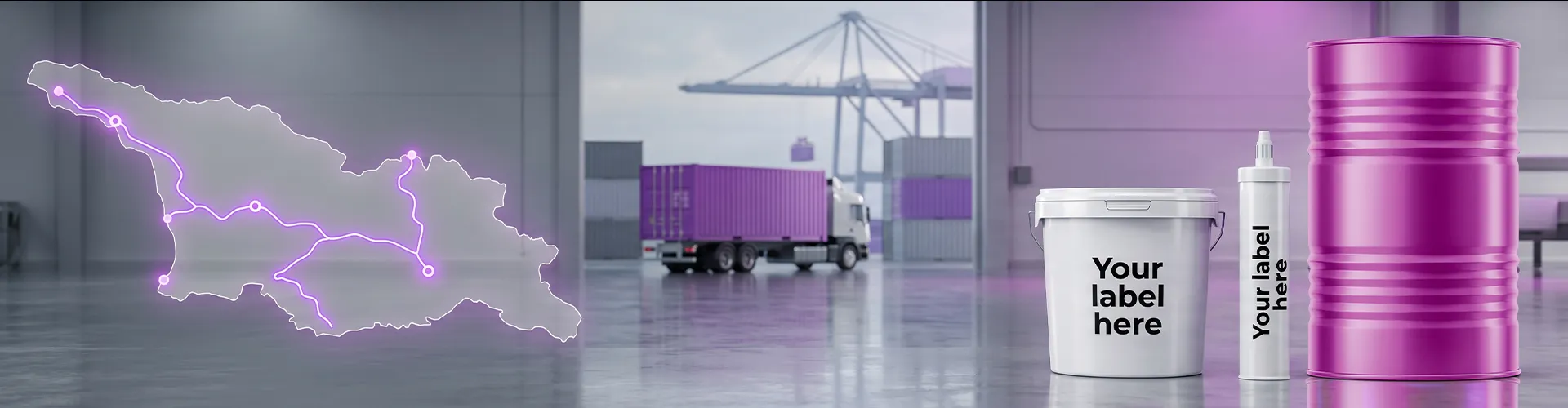
Private Label Grease in Georgia
Private label grease in Georgia gives distributors an opportunity to build their own lubricant brand for fleet, construction, agriculture, and industrial customers. This blog explains suitable grease types, packaging options, and sourcing considerations for businesses planning to serve Georgia and nearby regional markets.