

Latest Blogs
-
Private Label Grease for Equipment Rental Companies
This blog explains how equipment rental companies can use private label grease to standardize fleet maintenance, protect heavy equipment and create an additional revenue opportunity. It covers why rental equipment needs reliable lubrication, which machines require grease, how to choose construction equipment grease, what packaging formats work best and how to build a rental equipment…
-
High Load vs High Speed Grease – Key Differences
This blog explains the key differences between high-load grease and high-speed bearing grease, especially how load, speed, base oil viscosity, temperature, and bearing design affect grease selection. It shows why heavy-load applications often need stronger oil film and EP protection, while high-speed bearings need grease that provides lubrication without creating excessive friction or heat.
-
Private Label Grease for OEM Replacement Parts & Aftermarket Brands
This blog explains how aftermarket brands and OEM replacement parts suppliers can add private label grease to become a more complete maintenance solutions provider. It covers why replacement parts need proper lubrication, which automotive and industrial applications require grease, what products and packaging options to offer, and how to choose a manufacturing partner.
-
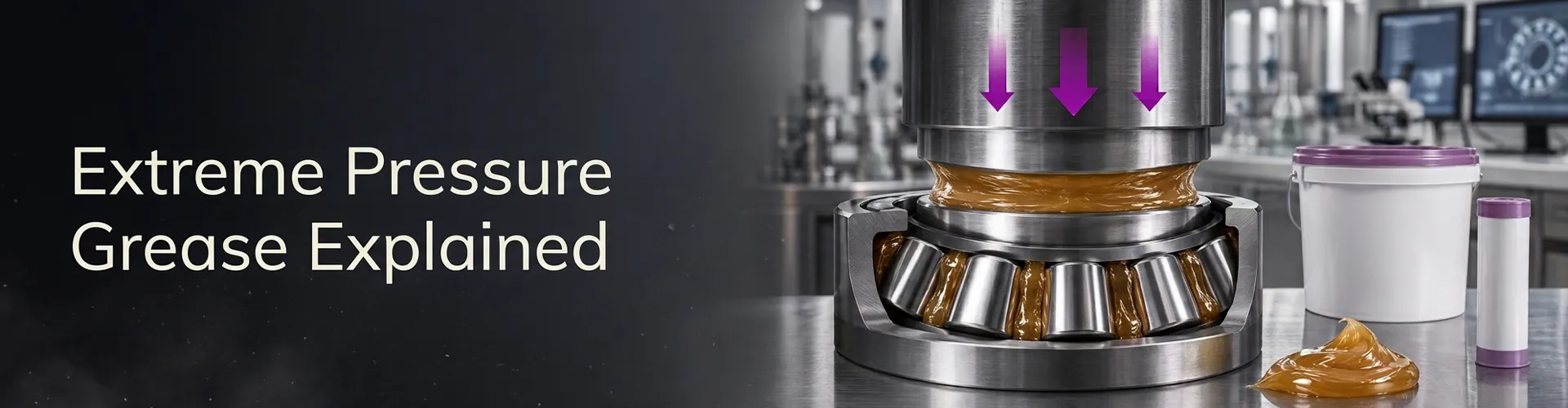
What Makes a Grease “EP” (Extreme Pressure)?
Extreme pressure grease is designed to protect metal surfaces when equipment works under heavy load, shock impact, sliding contact, or high pressure. This blog explains what EP grease means, how EP additives work, where industrial EP grease is used, how it is tested, and why EP performance should not be the only selection factor.
-
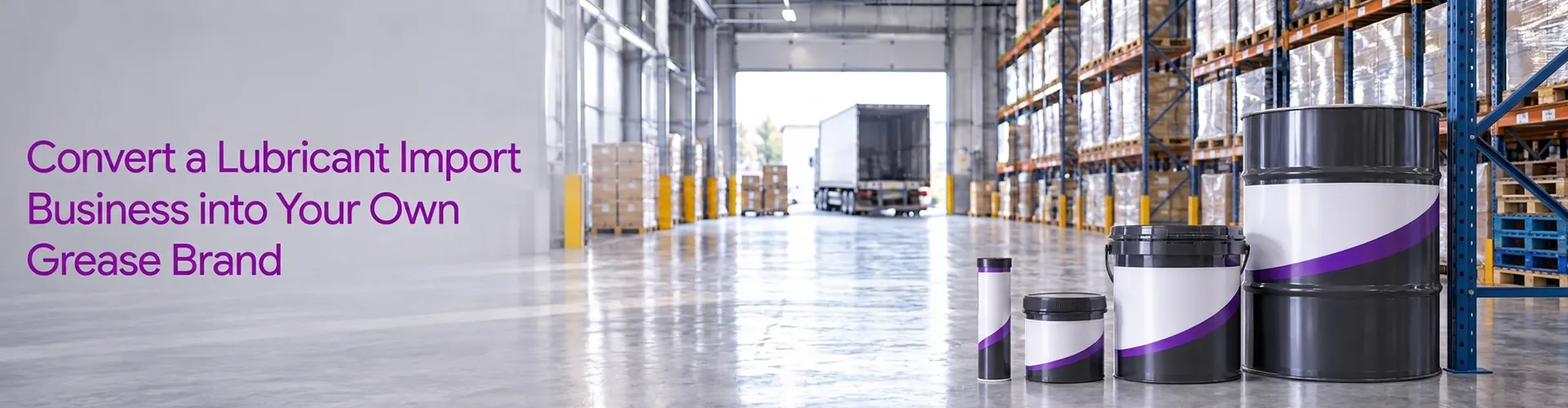
How to Convert a Lubricant Import Business into Your Own Grease Brand
Many lubricant importers start by bringing in products from different suppliers and selling them in their local market. This is a practical business model, especially when you already understand customers, pricing, logistics and demand. But after some time, one question naturally comes up: Can I start my own grease brand instead of only importing and…
-
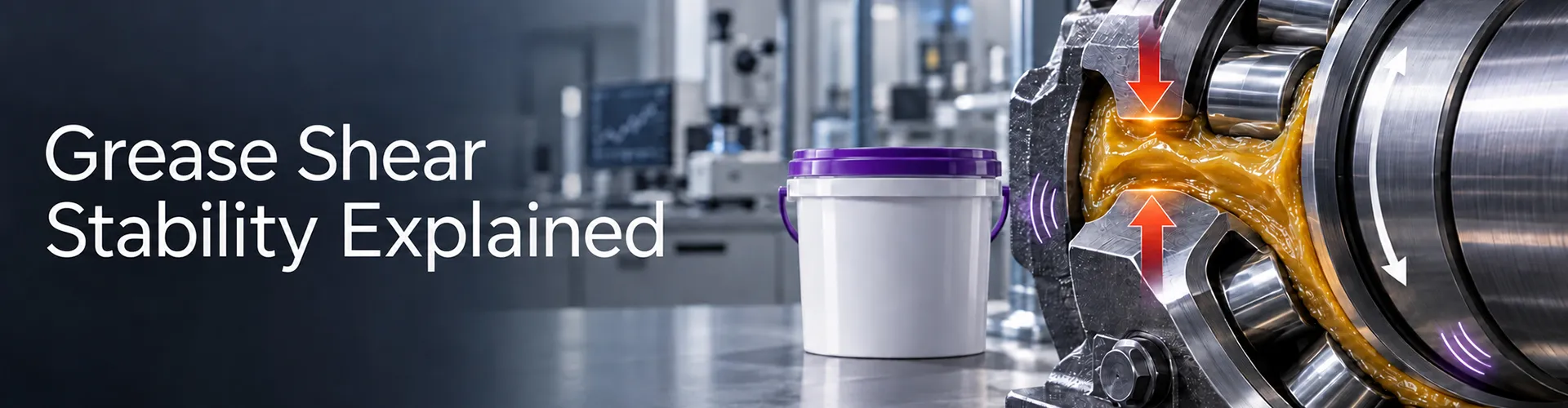
Grease Shear Stability Explained: Why Mechanical Stability Matters
Grease shear stability explains how well grease keeps its consistency when exposed to pressure, friction, vibration, rolling, pumping, and heavy mechanical stress. This blog explains why mechanical stability matters, what causes grease degradation, how shear stability affects equipment performance, and which applications need long-life grease.
-
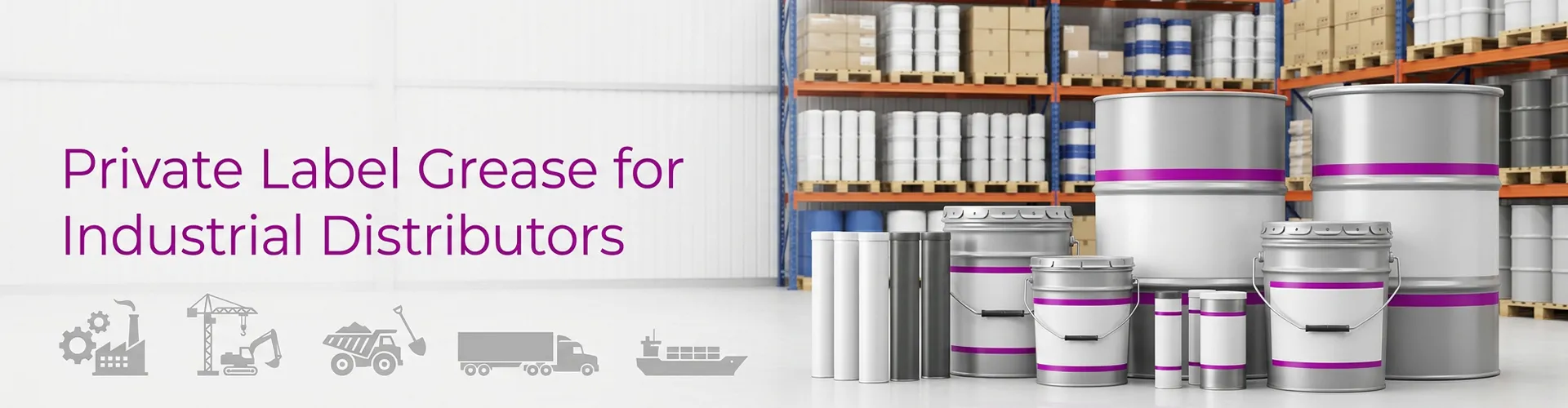
Private Label Grease for Industrial Distributors: Scaling B2B Sales
This blog explains how industrial distributors can move beyond simple resale and build stronger B2B grease sales through private label grease. It covers the growing demand for industrial grease distribution, customer requirements, product portfolio planning, technical support, flexible packaging, and reliable industrial lubricant supply.
-

What Is Four Ball Test in Grease? (Wear & Weld Load)
The Four Ball Test in grease helps evaluate how well grease protects metal surfaces under wear and extreme-pressure conditions. This blog explains the difference between wear scar and weld load, how Four Ball Wear and Four Ball EP tests are used, and why these values matter for heavy-duty applications.
-
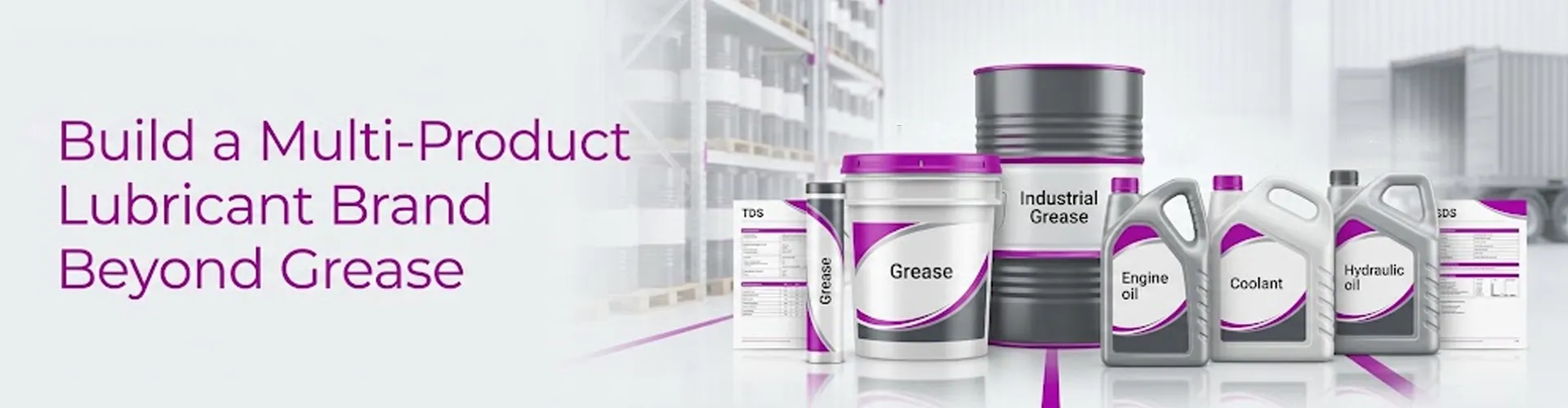
How to Build a Multi-Product Lubricant Brand Beyond Grease
This blog explains how grease distributors can move from a single product category into a wider lubricant portfolio with hydraulic oils, gear oils, engine oils, coolants, and specialty fluids. It highlights why expansion should be based on customer demand, repeat buyers, stock planning, consistent packaging, product documents, and reliable supply.
-
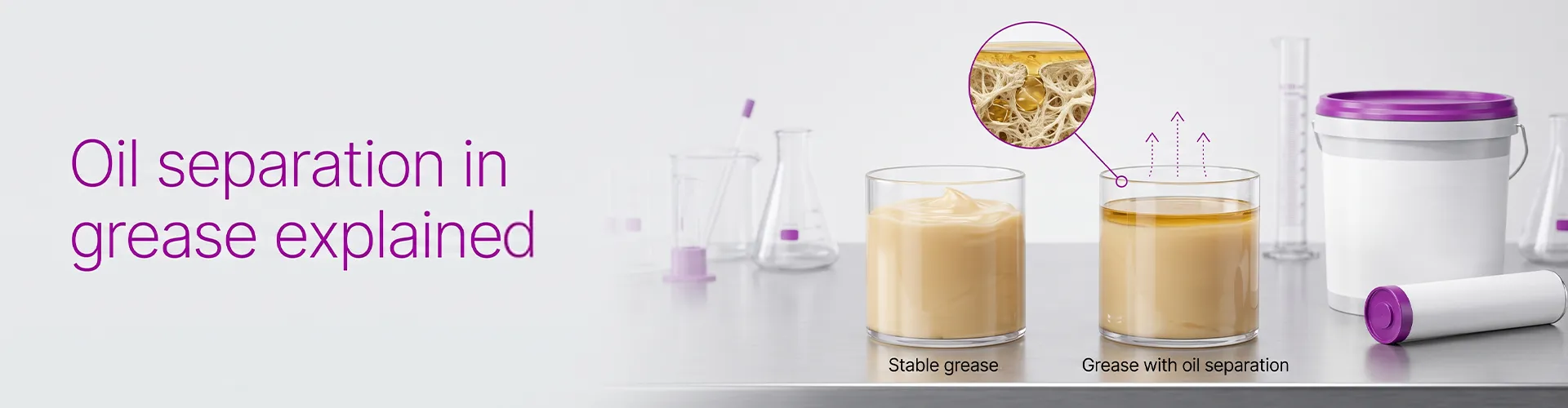
Oil Separation in Grease: Causes & Solutions
Oil separation in grease happens when base oil leaves the thickener structure, and a small amount of oil bleed is normal because it helps lubricate moving parts. This blog explains the main causes of excessive grease bleeding, including high storage temperatures, long storage, mechanical pressure, wrong grease selection, and thickener compatibility issues.
-
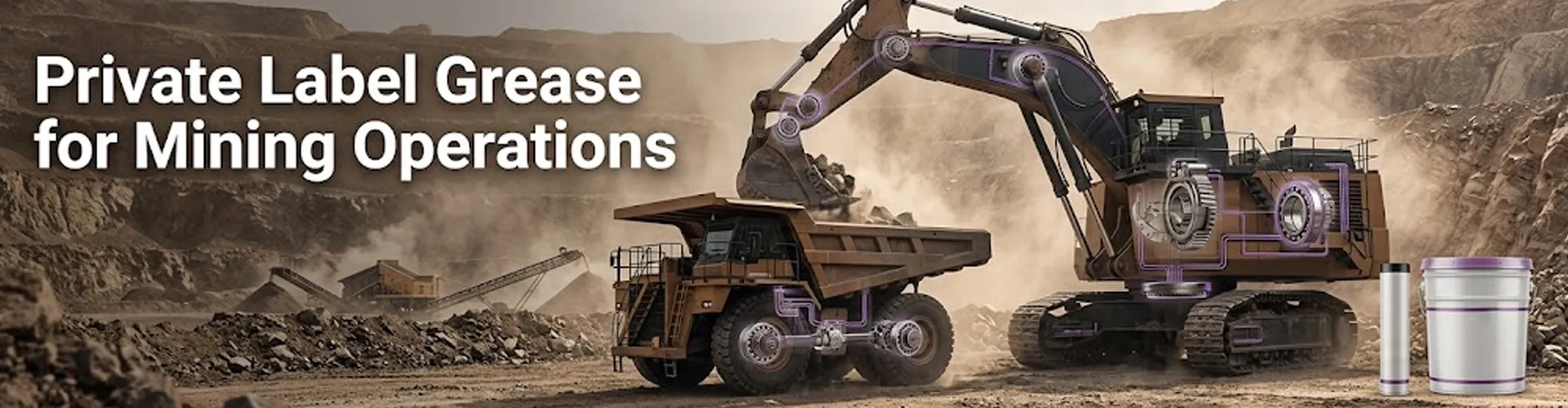
Private Label Grease for Mining Operations: What Buyers Look For
Mining equipment operates under some of the toughest working conditions, making grease performance critical for equipment reliability and maintenance costs. This blog explains what mining buyers look for in a grease supplier, why EP performance, mechanical stability, and water resistance matter, and how the right grease supports long-term equipment protection.
-
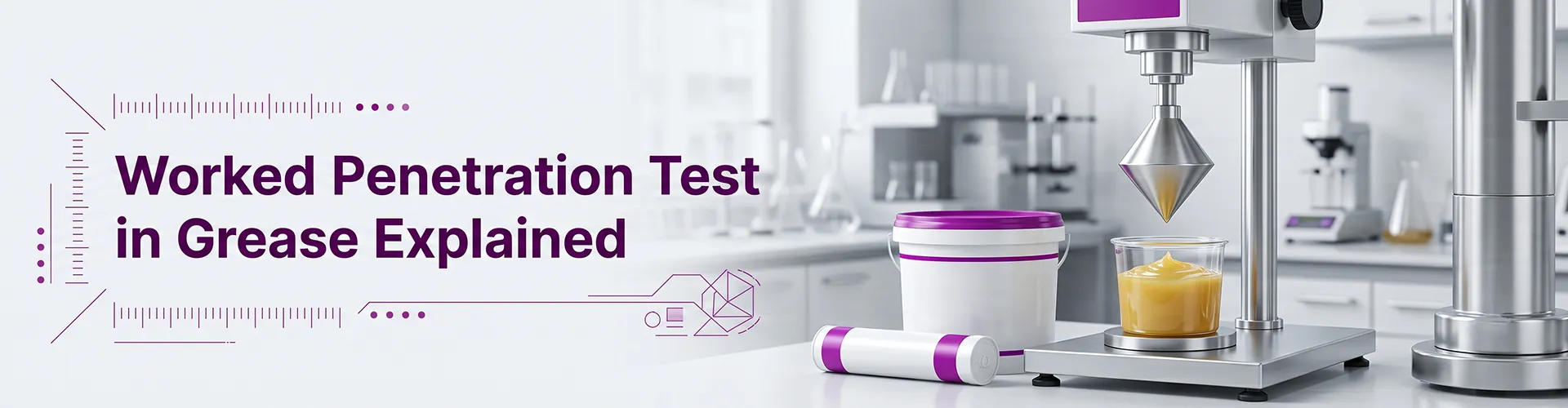
Worked Penetration Test in Grease Explained
Worked penetration grease testing measures the consistency of grease after it has been mechanically worked, helping show how it may behave during service. This blog explains how the grease consistency test is performed, how worked penetration values are used in the NLGI testing method, and why consistency affects pumpability, retention, and equipment protection.