Grease Compatibility Guide: What Happens When Different Greases Are Mixed?
Lubrication mistakes can lead to serious equipment problems in industrial maintenance and fleet servicing. One of the most common issues occurs when different greases are mixed without checking compatibility.
Understanding grease compatibility is critical for maintaining equipment reliability, preventing premature bearing failure, and avoiding costly downtime. While some greases can be safely mixed, others react poorly when combined, causing structural breakdown and loss of lubrication performance.
This grease compatibility guide explains why mixing greases can be risky, what maintenance teams should check before changing products, and why purging or compatibility testing may be required before introducing a new grease. Explore our latest update about grease thickener types explained.
What Is Grease Compatibility?
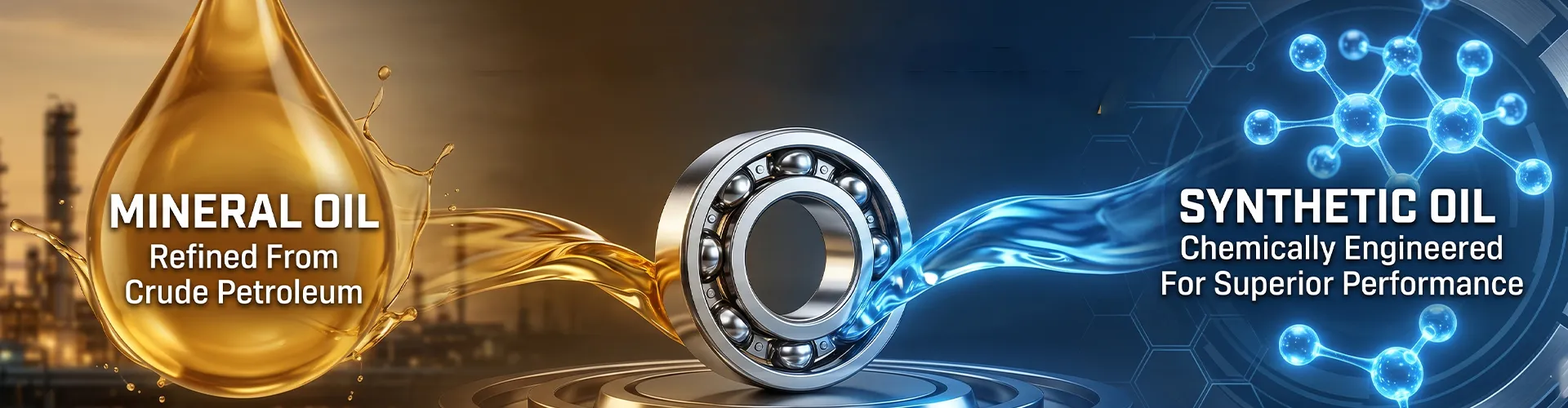
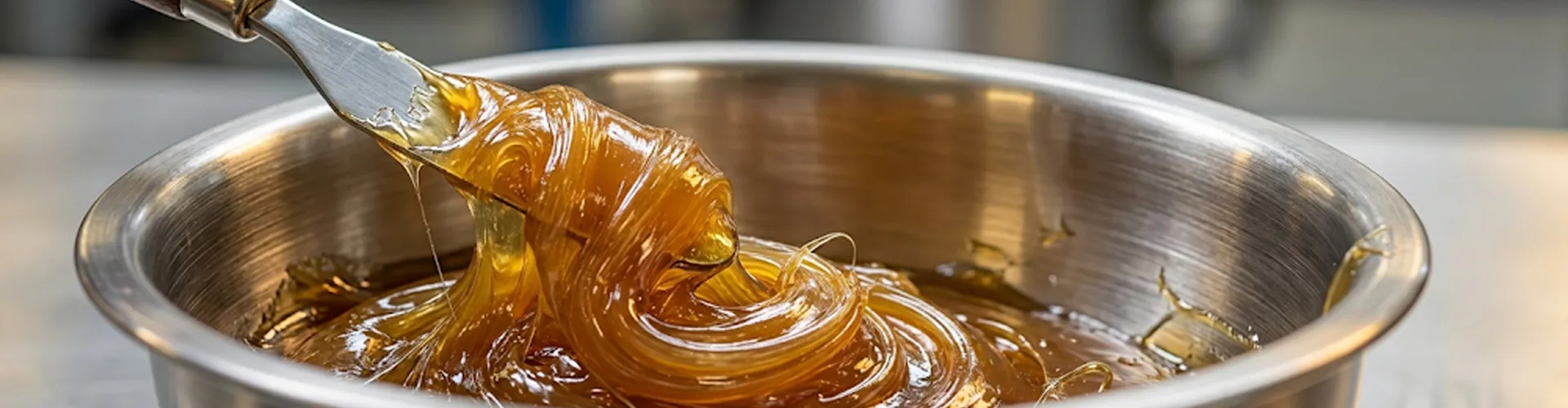
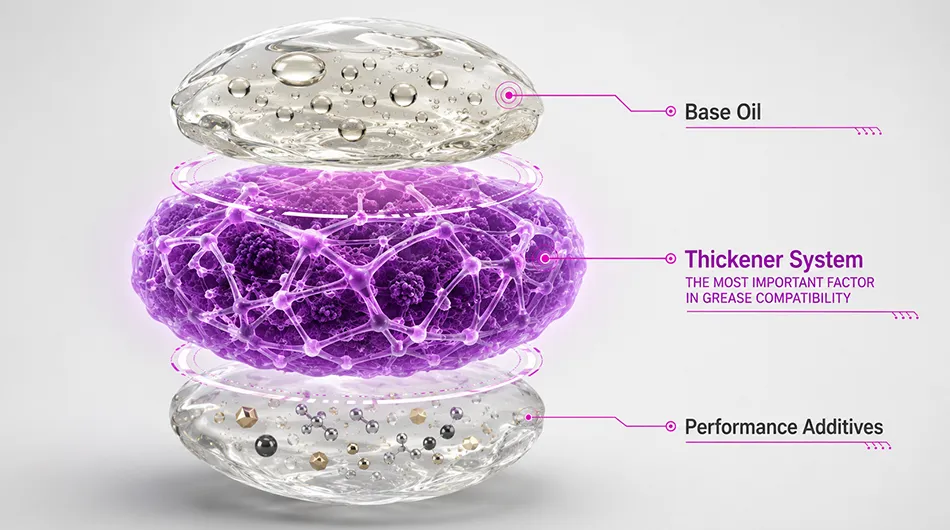
Grease is made from three main components:
- Base oil
- Thickener system
- Performance additives
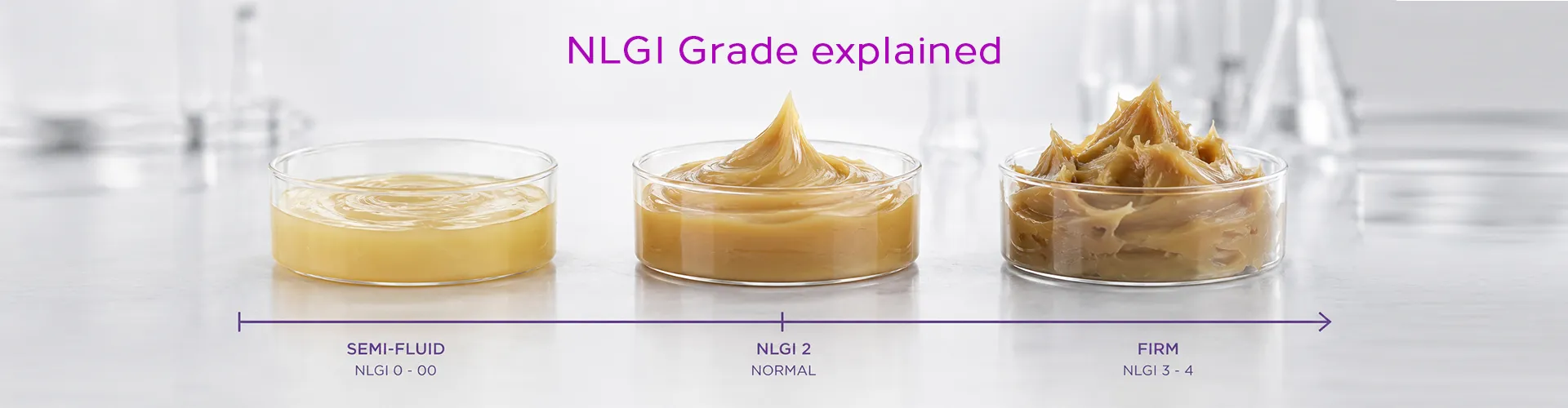
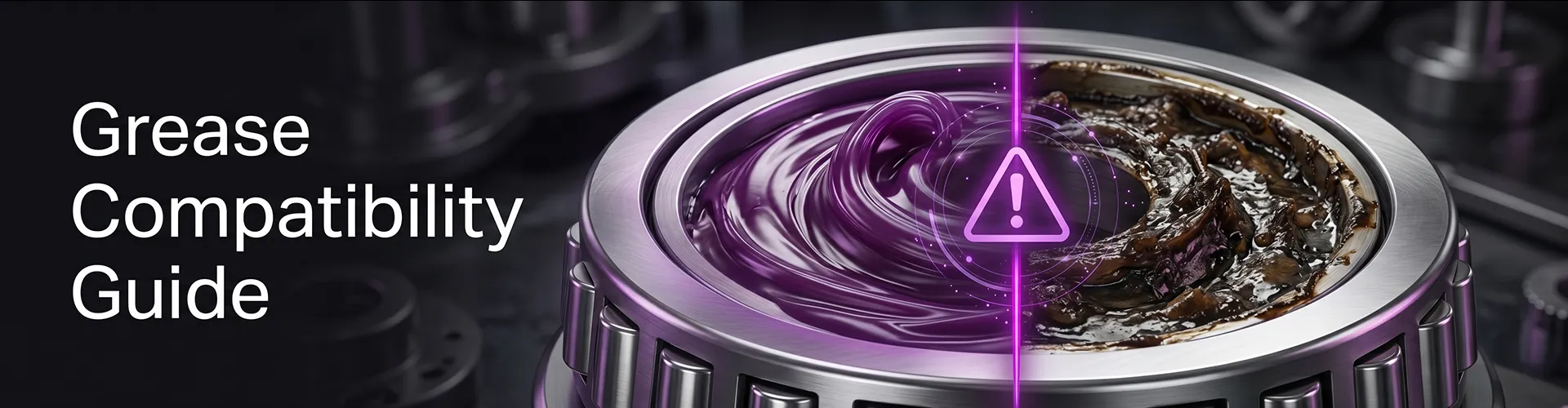
When two greases with different thickener systems are mixed, their chemical structures may react in ways that damage the grease consistency. This can result in grease becoming either too soft or too hard.
If the grease loses its proper structure, it may fail to protect bearings and other moving components.
Compatibility means that two greases can be mixed without unacceptable changes in consistency or performance. It does not simply mean that two products use similar thickener systems. Explore our latest update about base oil selection in grease: mineral vs synthetic.
Why Mixing Greases Can Cause Equipment Problems
Many lubrication failures occur because technicians assume all greases behave the same. In reality, mixing incompatible greases can create several serious problems.
Loss of Consistency
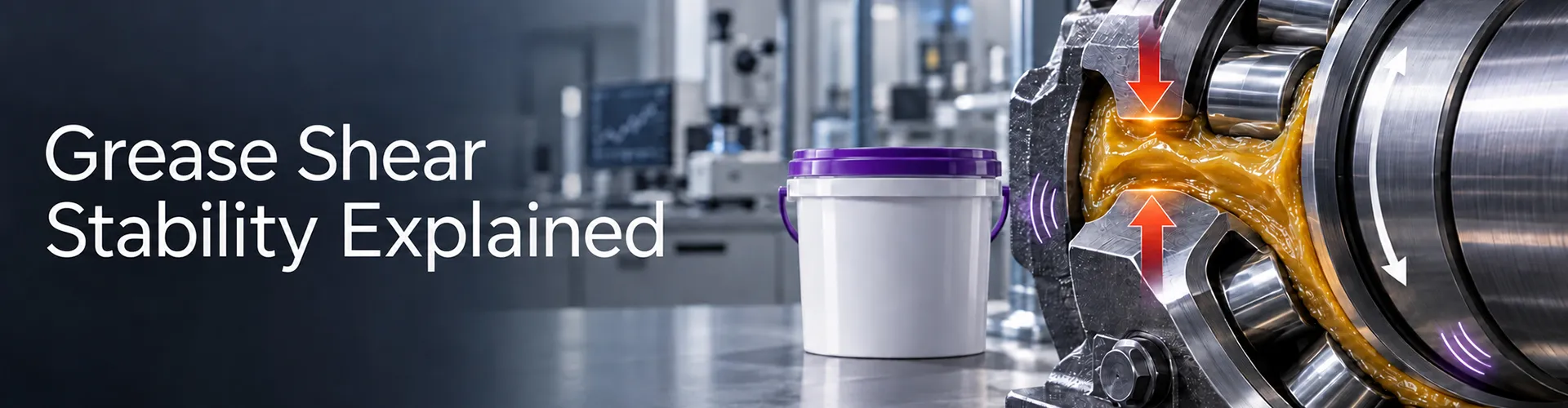
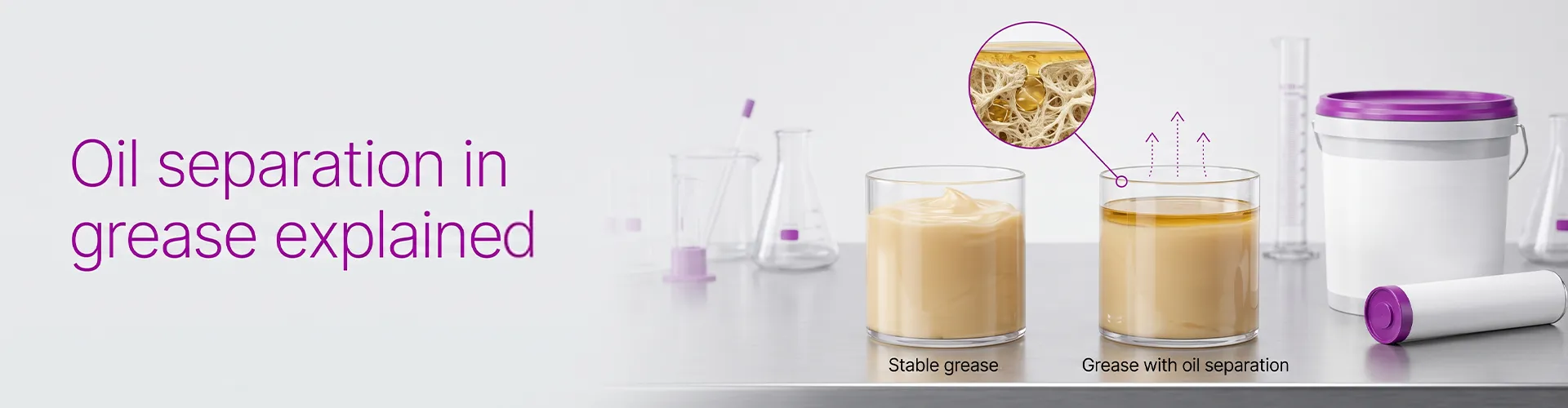
When incompatible greases are mixed, the thickener structure may break down. This can cause the grease to become too soft and leak out of the bearing.
In other cases, the grease may harden and prevent proper lubrication.
Reduced Load Protection
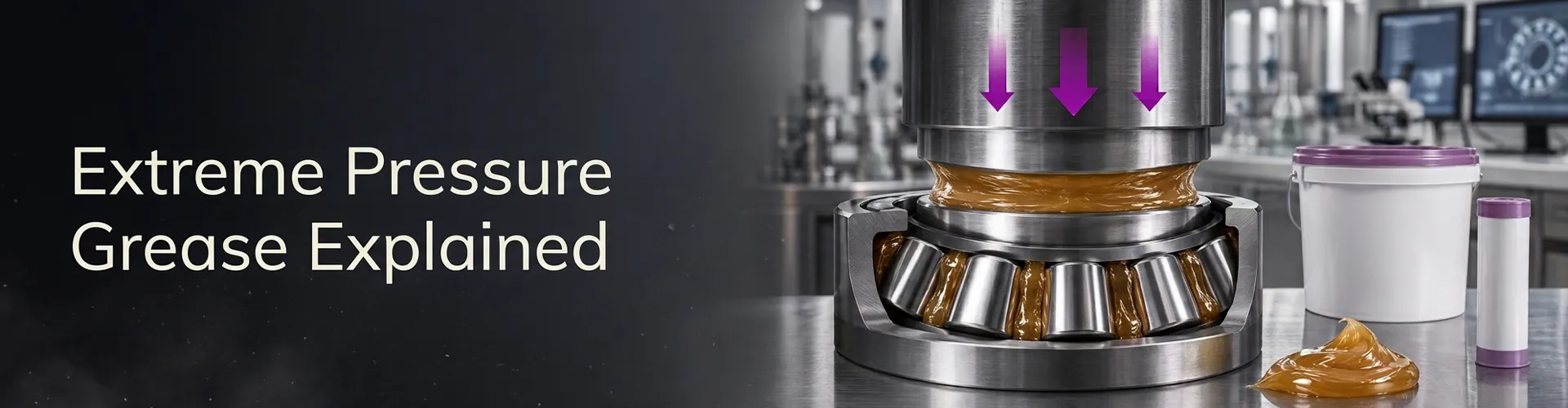
Extreme pressure additives in grease are designed to work within specific formulations. Mixing products can dilute or disrupt these additives, reducing the grease’s load-carrying ability.
Increased Wear
If grease fails to maintain proper film strength, metal surfaces begin to contact each other directly. This will lead to friction, overheating, and accelerated component wear.
Bearing Failure
In some cases, incompatible grease mixtures can cause rapid bearing failure, leading to unexpected downtime and expensive repairs.
These mixing grease risks highlight why compatibility should always be checked before changing grease types. Find more about select the right grease for different applications.
Can Grease Compatibility Be Determined by Thickener Type Alone?
The most important factor in grease compatibility is the thickener system. Different thickeners react differently when mixed. Find more about what is bentonite grease and its applications.
Below are some common grease types used in industrial applications.
Lithium Grease
Lithium grease is the most widely used grease type in automotive and industrial applications. It will offer a good mechanical stability and moderate water resistance. Explore our latest update about lithium complex EP grease explained.
Lithium grease is generally compatible with:
- Lithium complex grease
Many general-purpose products in the Rexol lithium grease range are designed for fleet maintenance, automotive workshops, and industrial equipment where consistent lubrication performance is required.
Lithium Complex Grease
Lithium complex grease provides improved temperature resistance and durability compared to standard lithium grease.
It is typically compatible with:
- Lithium grease
- Some calcium-based greases
For example, Rexol Lithium Complex EP 220 and EP 460 greases are commonly used in heavy machinery, construction equipment, and industrial bearings where higher load protection and thermal stability are needed.
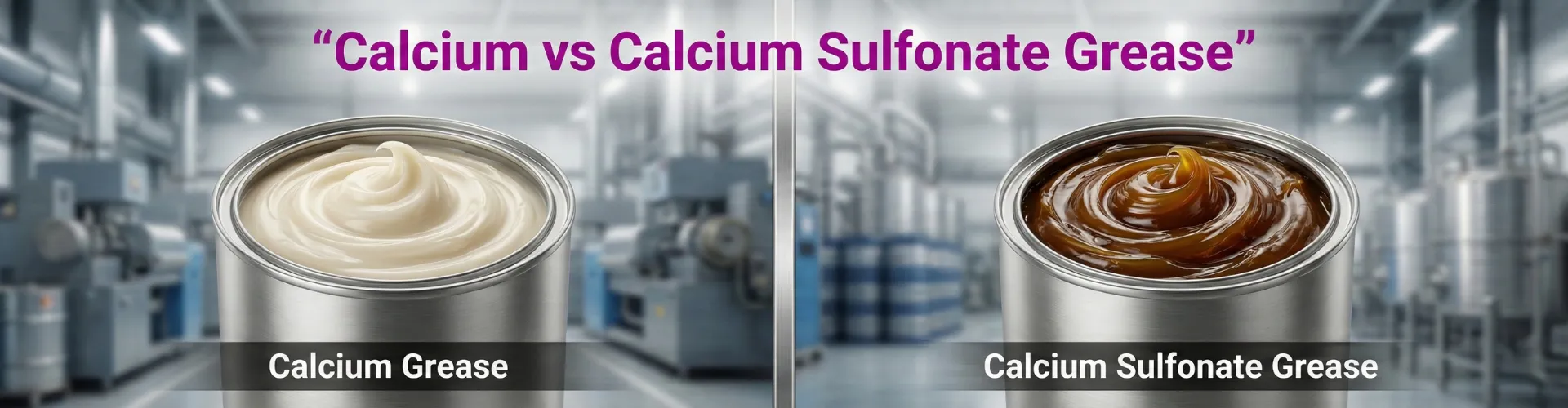
Calcium Sulfonate Grease
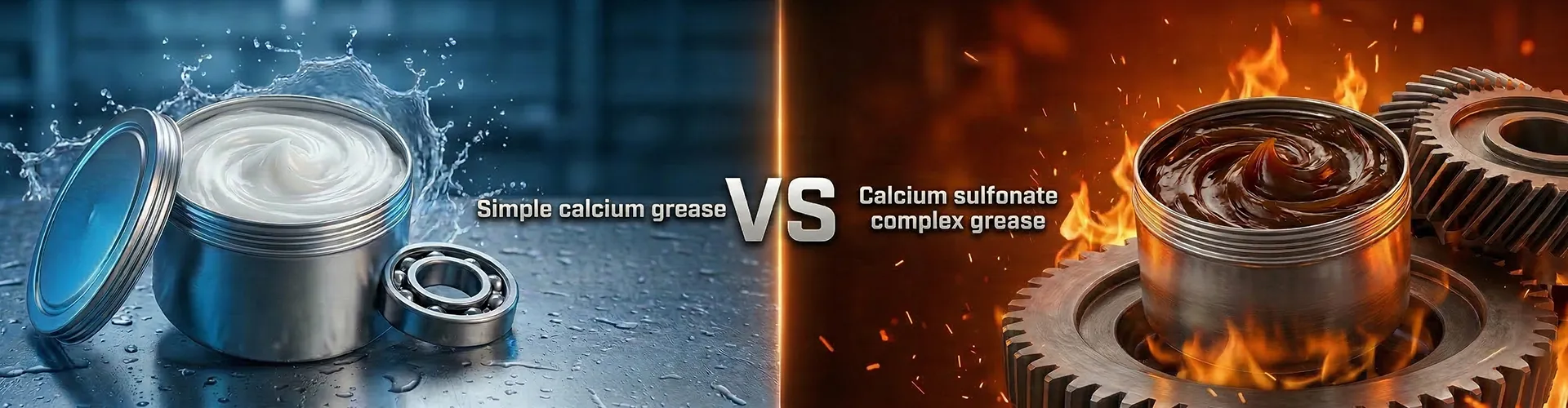
Calcium sulfonate grease is known for excellent water resistance, corrosion protection, and high load capacity.
It is widely used in:
- Marine environments
- Mining equipment
- Heavy construction machinery
High-performance formulations such as Rexol Calcium Sulfonate Complex Grease are designed for applications where moisture, heavy loads, and harsh environments are common. Find more about calcium sulfonate grease vs lithium grease.
However, it may not mix well with certain grease types, especially polyurea-based greases.
Polyurea Grease
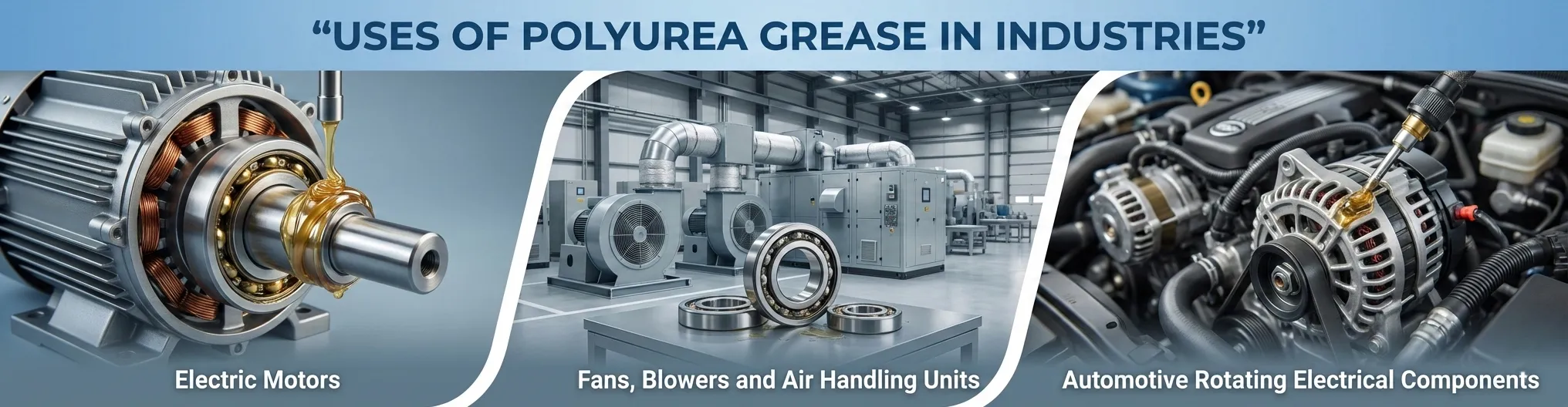
Polyurea grease is commonly used in electric motors and sealed bearings due to its oxidation resistance and long service life. Explore our latest update about where to use polyurea grease.
Rexol also produces polyurea-based greases for electric motors and long-life industrial applications.
However, polyurea greases are often incompatible with many other grease types, making mixing particularly risky.
To understand how different thickener systems affect grease performance and selection, read our detailed guide on grease thickener types.
Grease Compatibility Chart: General Guidance Only
Although detailed compatibility charts are typically used in lubrication engineering, some general guidelines will help you to avoid problems.
Greases with similar thickener systems are more likely to be compatible.
For example:
- Lithium with lithium complex may work in some cases
- Certain calcium greases may mix with lithium greases
Mixing greases with very different thickener systems can cause instability.
Because of these uncertainties, professional maintenance teams usually avoid mixing greases unless compatibility is confirmed. Explore our latest update about NLGI grades explained for industrial grease buyers.
Best Practice When Switching from One Grease to Another
The safest approach when switching grease types is to completely purge the old grease before introducing a new one.
This process typically includes:
- Cleaning the lubrication point if possible
- Removing old grease from the bearing housing
- Refilling with the new grease type
- Monitoring equipment during initial operation
When maintenance teams transition between grease products—such as moving from a standard lithium grease to a Rexol lithium complex or calcium sulfonate grease—a full purge helps ensure optimal performance.
What to Do When Full Purging Is Not Possible
In some industrial situations, complete purging may not be practical. For example:
- Sealed bearings
- Remote equipment
- Emergency maintenance situations
In these cases, technicians should:
- Check manufacturer compatibility charts
- Test grease mixtures when possible
- Introduce the new grease gradually
- Monitor equipment temperature and vibration levels
If abnormal operating conditions appear, the equipment should be inspected immediately.
How Industrial Buyers Can Reduce Grease Mixing Risks
For companies supplying grease to fleets, construction companies, and industrial maintenance teams, providing clear guidance on grease compatibility is important.
Customers often use multiple grease products across different machines. Without proper compatibility management, lubrication errors can occur.
Distributors offering structured lubrication solutions such as the Rexol grease product range can help customers simplify maintenance and reduce compatibility issues by using clearly defined grease types for specific applications.
Building a Consistent Grease Portfolio
One effective way to reduce mixing grease risks is to standardize lubrication products across equipment fleets.
For example, a structured grease portfolio might include:
- Lithium EP2 grease for general fleet maintenance
- Lithium complex EP 220 / EP 460 for heavy machinery
- Calcium sulfonate grease for wet or marine environments
- Polyurea grease for electric motors
This type of product structure allows maintenance teams to easily identify the correct grease for each application while minimizing compatibility confusion. Find our latest update about selecting the right grease for construction & mining equipment.
How Rexol Supports Consistent Grease Selection
For lubricant distributors and entrepreneurs, offering a structured grease product line can be a powerful market advantage.
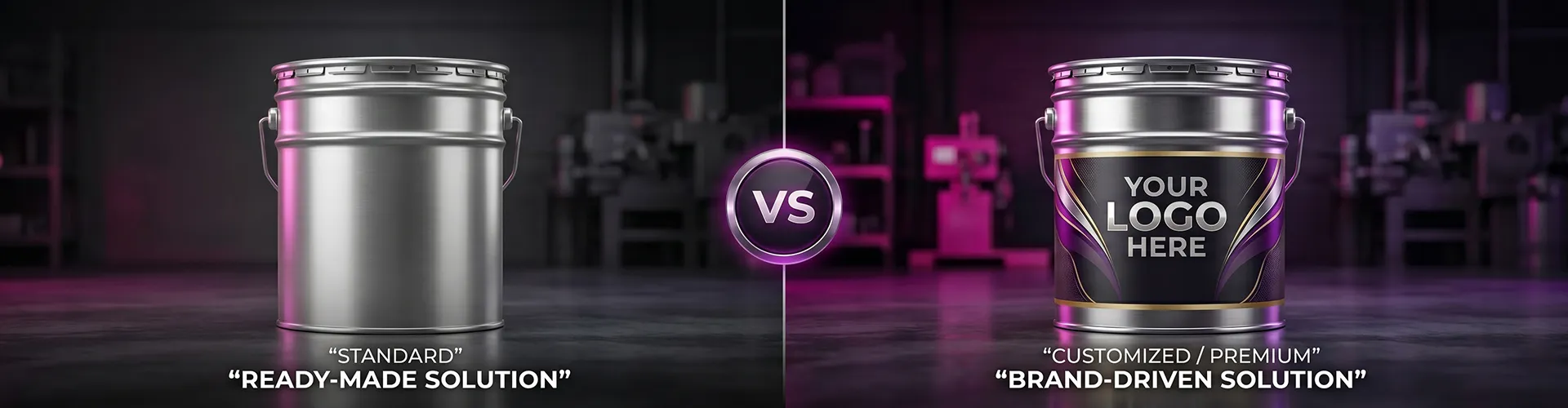
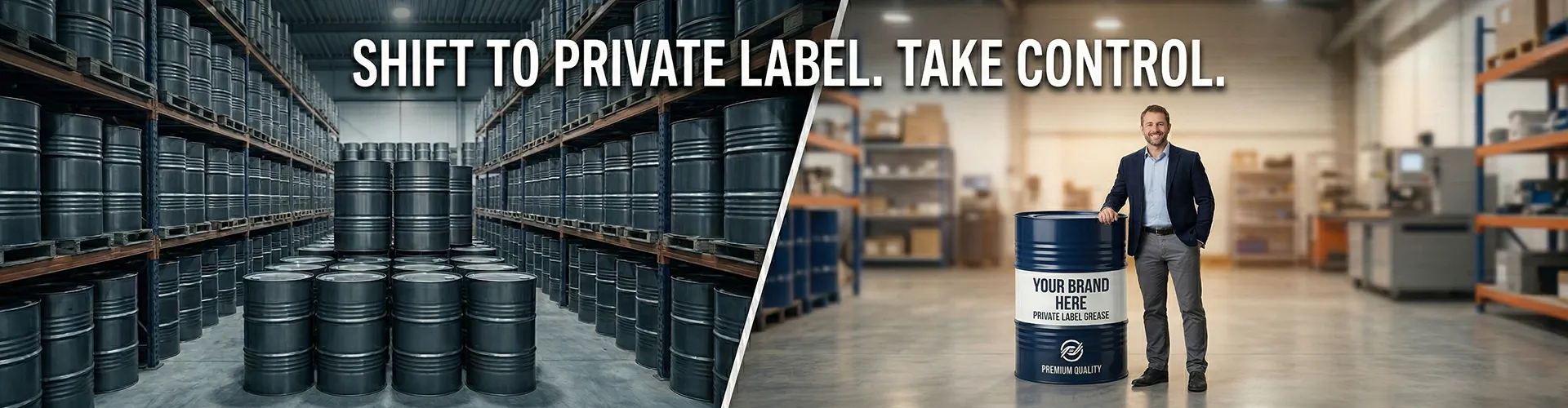
Businesses can launch their own branded grease portfolio designed for fleets, construction equipment, mining operations, and industrial machinery through Private Label Grease manufacturing with Rexol,
This approach allows companies to:
- Build a consistent lubrication product range
- Maintain better grease compatibility across products
- Offer professional lubrication solutions to customers
- Create a strong brand presence in industrial markets
You can learn more about launching your own grease brand by exploring Rexol’s Private Label Grease program.
Final Thoughts
Understanding grease compatibility is essential for protecting equipment performance and preventing lubrication failures.
While some greases can be mixed safely, many combinations can cause serious performance issues. The safest approach is always to verify compatibility or completely purge old grease before introducing a new product.
By using a consistent, high-quality grease portfolio such as those developed by Rexol maintenance teams and distributors can reduce compatibility risks and ensure reliable lubrication across their operations.