Understanding EP Additives in Grease Formulation
In heavy-duty lubrication, grease doesn’t usually fail because it’s the wrong color or wrong NLGI grade. It fails when metal surfaces are exposed to loads that exceed the oil film’s ability to protect them. When that happens, microscopic welding, scoring, and surface damage begin.
That’s exactly why EP additives in grease are critical. EP stands for Extreme Pressure.
In this guide, we’ll understand in depth the chemistry, application, and strategic importance of Extreme Pressure (EP) additives in grease formulation. Whether you are a maintenance manager looking to extend equipment life or a procurement professional sourcing private label solutions, understanding these additives is critical to operational success.
Why EP Additives Are Necessary
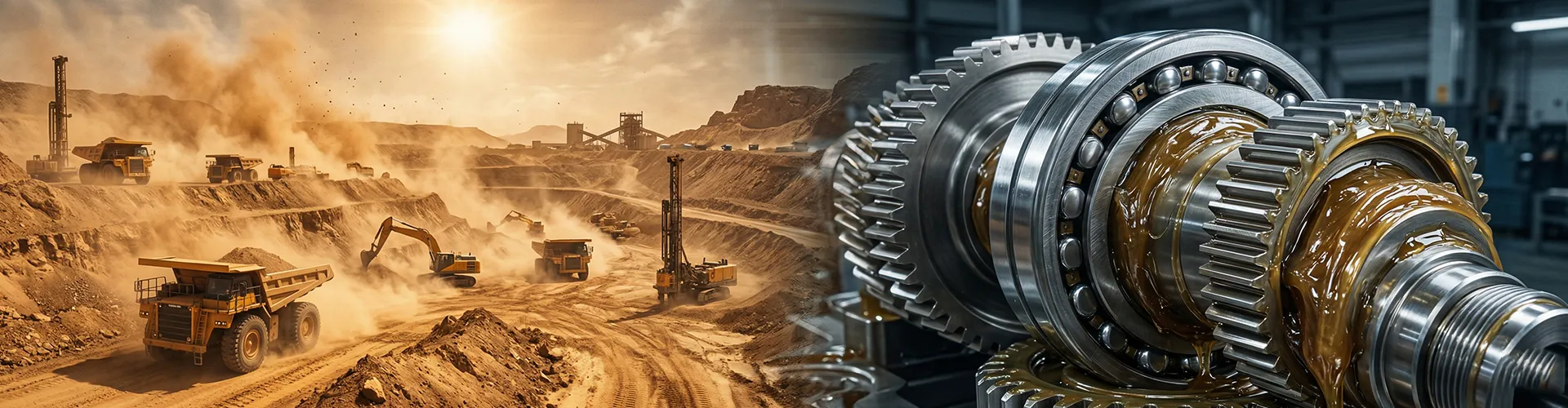
In the ideal lubrication process, oil forms a thick layer that separates the moving surfaces. But, in reality, in real machines, this is not the case. Sometimes oil becomes thin, and the surfaces may touch partially. This is normal and mainly happens when there is heavy load, slow speed, shock impact, or high contact pressure.
Common examples of this include:
- Excavator pins and bushings
- Fifth wheels in heavy trucks
- Mining crusher bearings
- Industrial gear couplings
- Conveyor systems
Metal surfaces touch each other when the pressure is more than the strength of the oil film. This leads to scuffing and rapid wear.
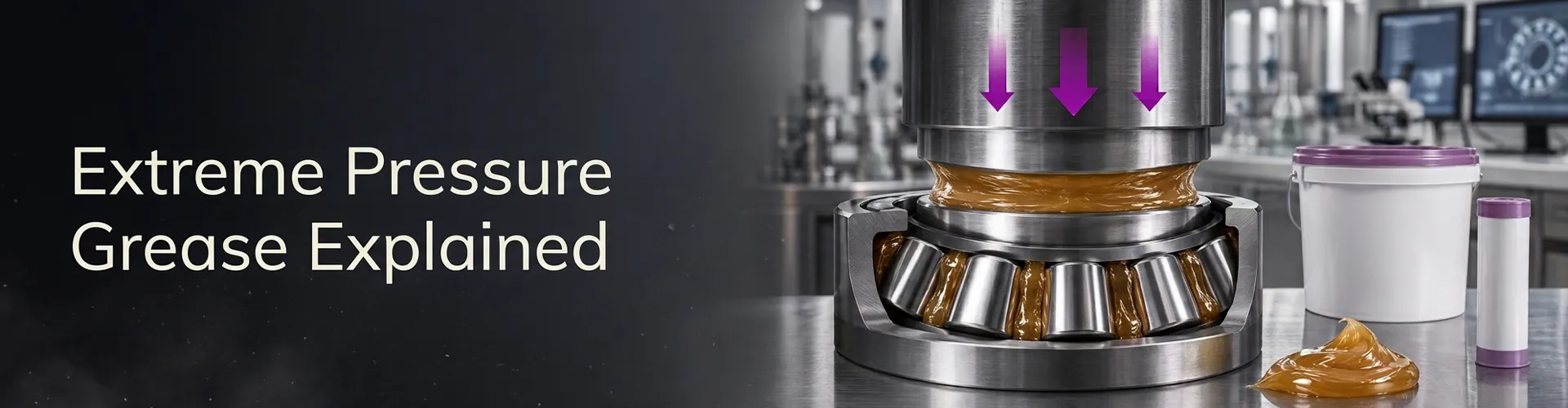
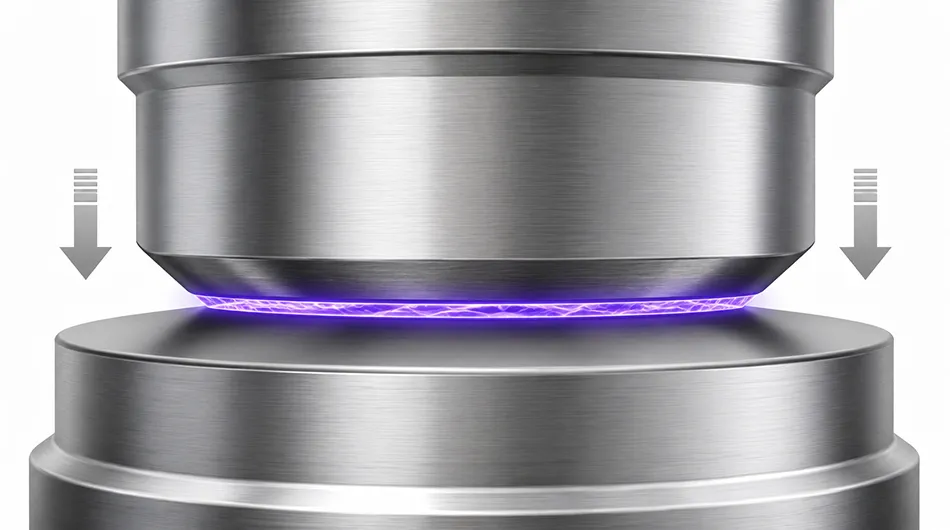
This is the time when an EP additive activates. EP additives form a sacrificial chemical reaction layer on the metal surface, which prevents direct contact and reduces the surface damage.
That’s the core advantage of properly formulated extreme-pressure grease.
Which Additives Support Extreme-Pressure Performance?
In the lubricants industry, EP additives are categorized into two main categories: non-reactive and chemically reactive.
1. Solid Lubricants (Non-reactive)
These include Graphite, Molybdenum Disulfide (Moly), and PTFE. These don’t “react” with the metal; they simply provide a physical barrier.
Moly (MoS₂): Widely used in heavy construction equipment and mining.
Graphite: Excellent for high-temperature environments where liquid oils might evaporate.
2. Chemically Reactive Additives
These are the additives used for industrial lubrication. They include Sulfur, Phosphorus, and Chlorine.
Sulfur-Phosphorus: This is considered the industry standard for heavy-duty greases and gear oils.
Chlorinated Paraffins: These are extremely effective and give excellent performance but are facing restrictions to use because of environmental concerns.
How EP Additives in Grease Work
Most of the EP additives are sulfur-phosphorus compounds or related chemistries. Under heavy loads, they form a protective boundary layer with the metal surface.
This layer helps in:
- Helps reduce scuffing.
- Helps prevent welding at contacting surfaces.
- Supports load-carrying performance.
- Helps protect surfaces during shock loading.
This process is only activated when pressure and temperature increase. Under normal conditions, the grease behaves like any other lubricating product.
How EP Performance Is Measured – Key ASTM Test Methods
In every lubrication system, performance must be proved using some standardized testing. There are several ASTM test methods to evaluate EP additives in grease
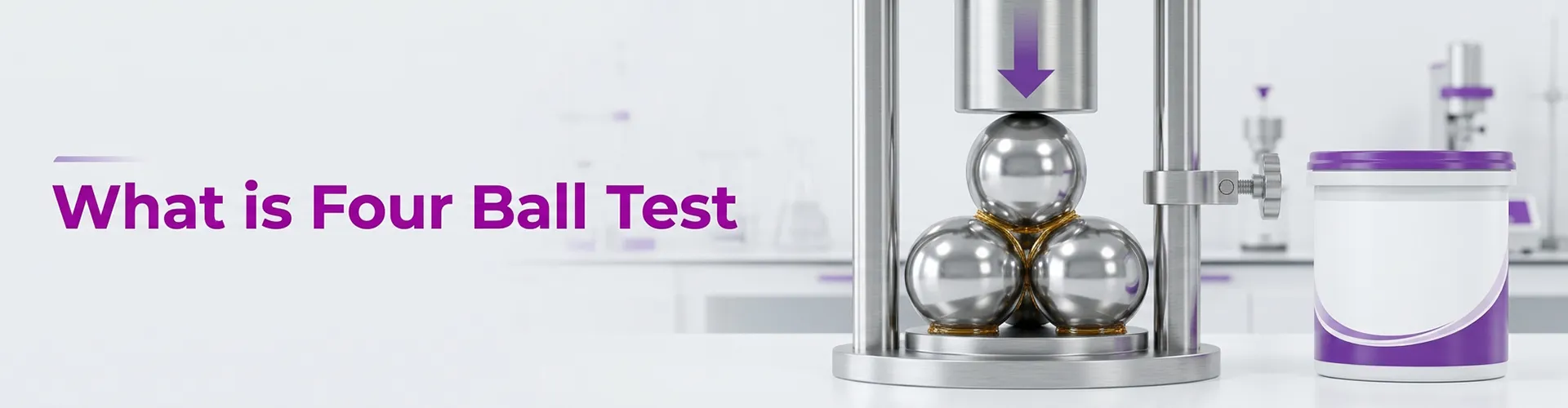
1. ASTM D2596 – Four-Ball EP Test
This is one of the most accepted tests for evaluating EP performance.
- Measures load-wear index
- Determines point where surfaces weld together
- Specify maximum load-carrying capacity
Higher weld load values mean stronger extreme pressure protection.
2. ASTM D2266 – Four-Ball Wear Test
This test evaluates anti-wear performance under moderate load.
- Measures wear scar diameter
- A smaller wear scar indicates better protection
While not purely an EP test, it complements ASTM D2596 in assessing additive performance.
3. ASTM D2783 – EP Properties of Lubricating Fluids
Often used for oils but relevant in additive evaluation, this test measures load-carrying capacity under sliding conditions.
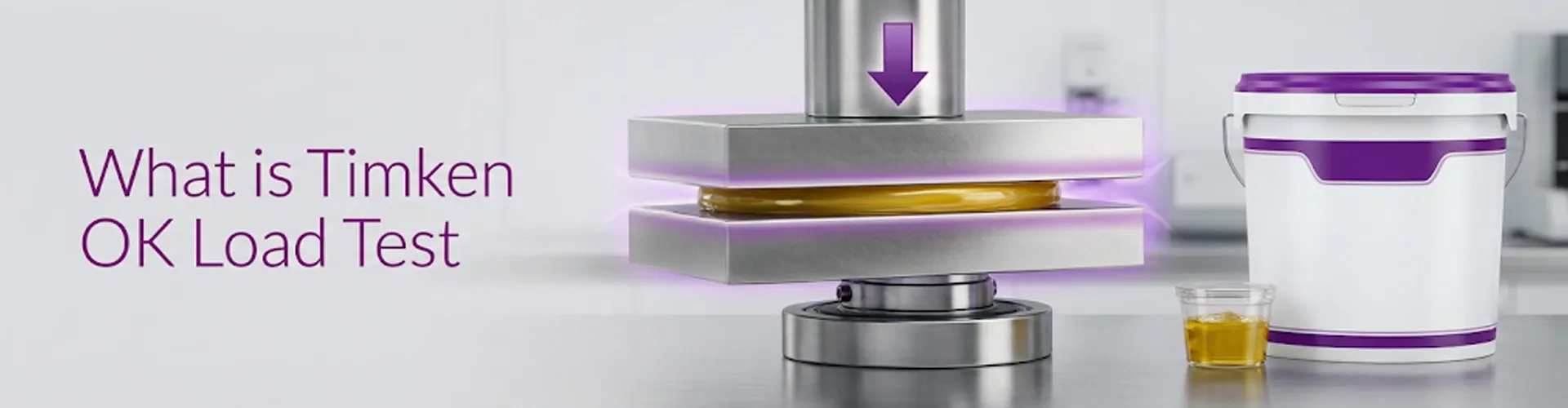
4. ASTM D2509 – Timken OK Load Test
This test measures the load a grease can withstand without scarring.
- A higher OK load rating indicates stronger EP performance
- Commonly referenced for heavy-duty grease applications
These ASTM methods provide objective validation of EP additives in grease rather than relying on marketing claims.
Where Is EP Grease Commonly Used?
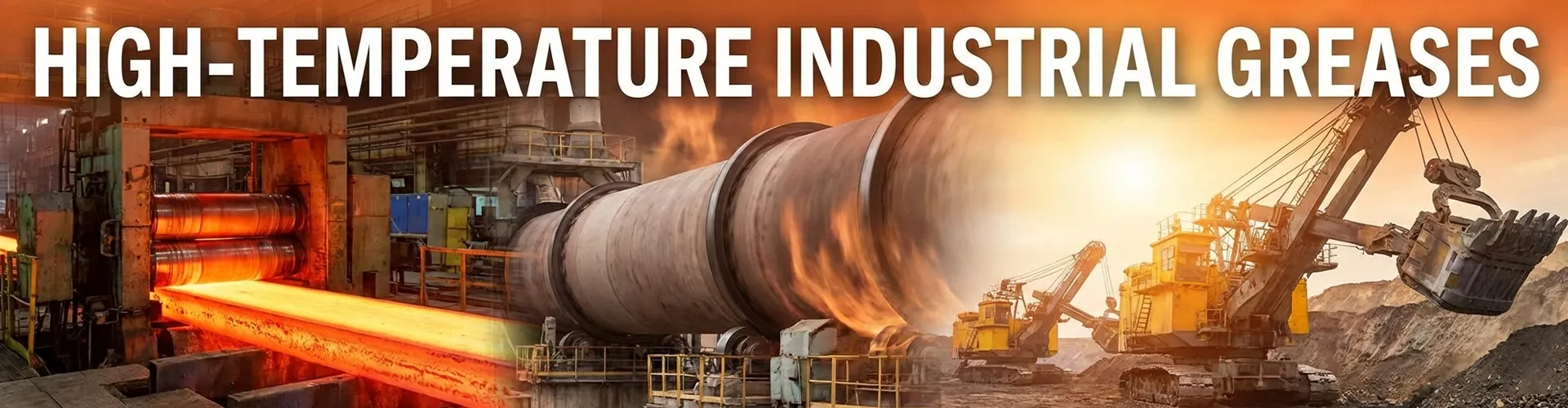
EP grease is suitable for high-load environments like
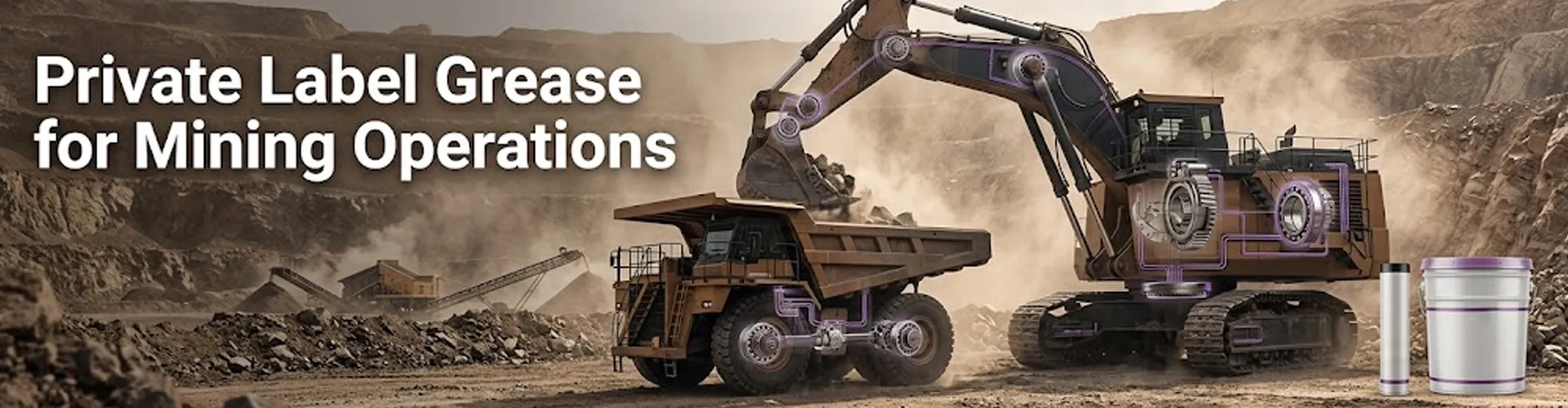
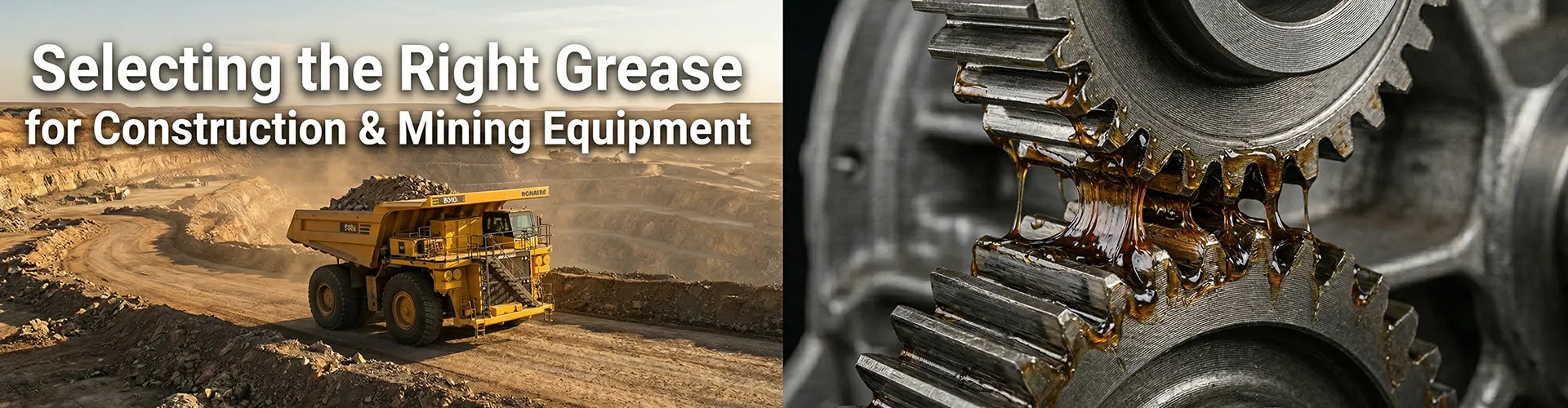
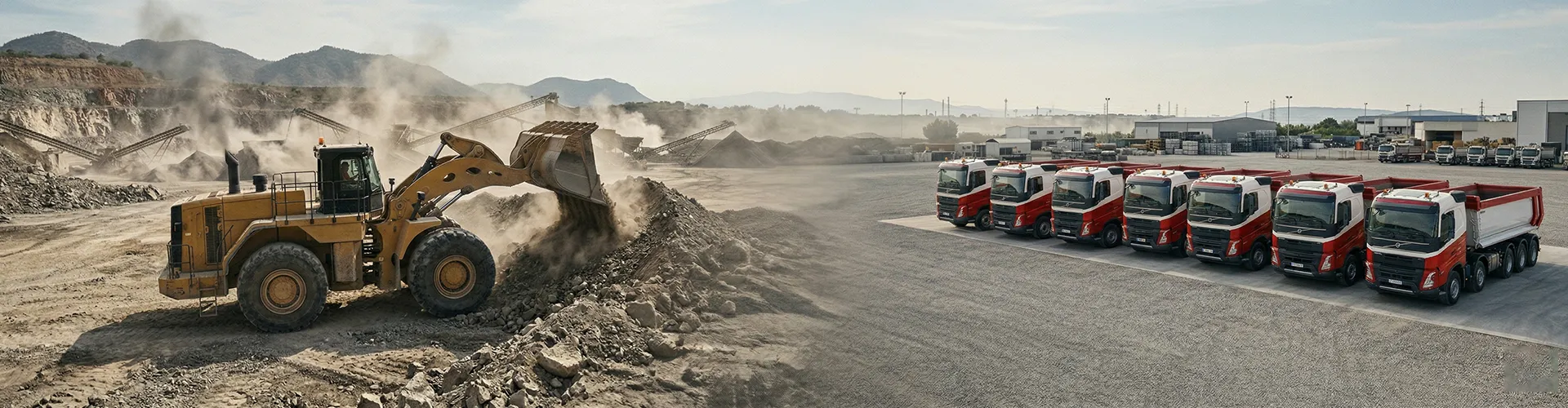
Construction & Mining Equipment
Pins, bushings, and pivot joints operate under slow oscillating motion and extreme pressure. EP grease helps in preventing wear in this condition.
Rexol produces Moly EP Grease and Lithium Complex EP Grease for these applications.
Fleet and Heavy Trucks
Wheel bearings and chassis components in trucks operate under constant vibration and heavy load. EP grease helps in reducing wear and extending component life.
Industrial Gear Systems
Slow-moving gears carry heavy loads, and they need special EP additives to protect them from wear, damage, and scratching.
What Is the Difference Between AW and EP Additives?
It’s important to differentiate between:
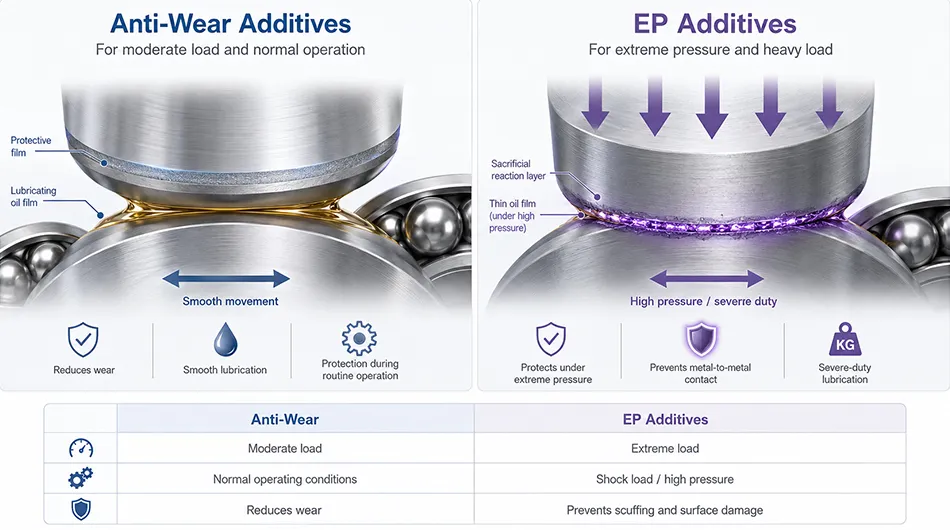
- Anti-wear (AW) additives – AW additives are used to provide protection under moderate loads.
- EP additives – EP additives are activated under extreme load and temperature
AW additives reduce friction in normal operation. EP additives provide protection when loads exceed safe oil film conditions.
In severe-duty applications, both are often included in the grease formulation.
AW and EP functions can overlap, and one additive package may contribute to both. They are not two completely separate operating modes.
The Role of Moly in EP Grease
Molybdenum disulfide, commonly called moly, is a solid lubricant used in some greases for heavily loaded sliding contacts, such as pins and bushings. It can support lubrication where the oil film is insufficient.
A moly-containing grease should still be selected using the equipment manufacturer’s requirements and the complete product specification. Moly content alone does not establish suitability for a particular bearing or application.
When EP Grease Is NOT Recommended
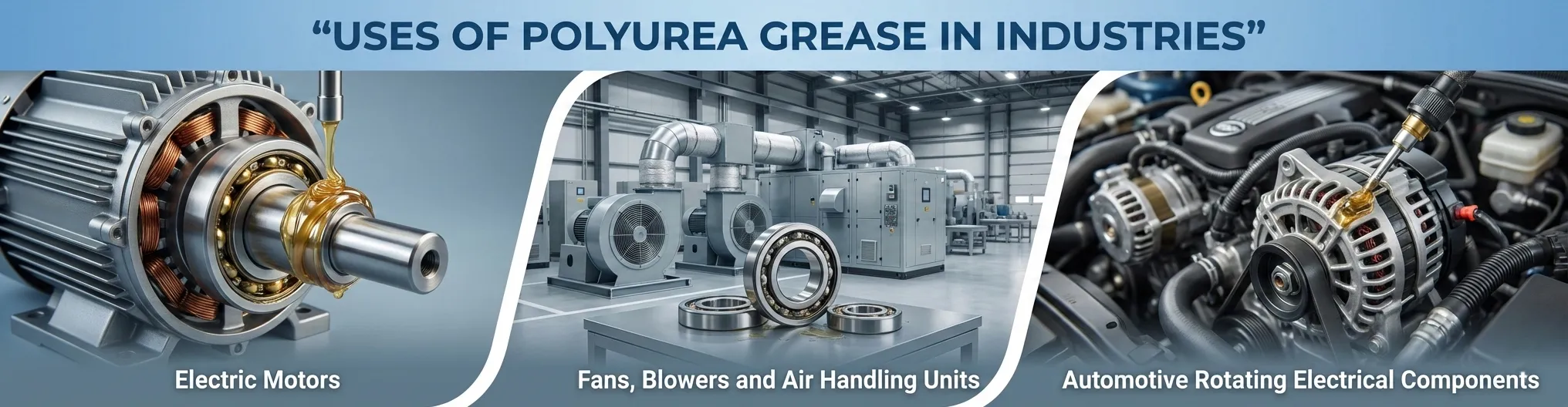
EP performance is not the main selection criterion for every application. Many electric motor bearings need particular attention to base oil viscosity, oxidation resistance, consistency, and bearing speed.
Some motor bearings with significant thrust loading may require EP performance. Follow the motor and bearing manufacturer’s recommendations rather than choosing or rejecting a grease solely because it contains EP additives.
What Should You Check Before Choosing EP Grease?
- OEM requirements: required specifications and approved grease types.
- Speed and load: suitable base oil viscosity for the operating conditions.
- Temperature: the product’s operating limits, not dropping point alone.
- Water and contamination: washout resistance, corrosion protection and sealing.
- Consistency: suitable NLGI grade and delivery-system requirements.
- Compatibility: the existing grease and approved changeover procedure.
- Test results: relevant EP and wear results from the current TDS.
- Maintenance: grease quantity and relubrication interval.
How Rexol Supports EP Grease Applications
Rexol manufactures high-quality EP greases with valid ASTM tests and proven performance.
The Rexol EP grease product line includes:
These formulations are produced to show consistent performance under ASTM D2596, D2266, and Timken testing standards.
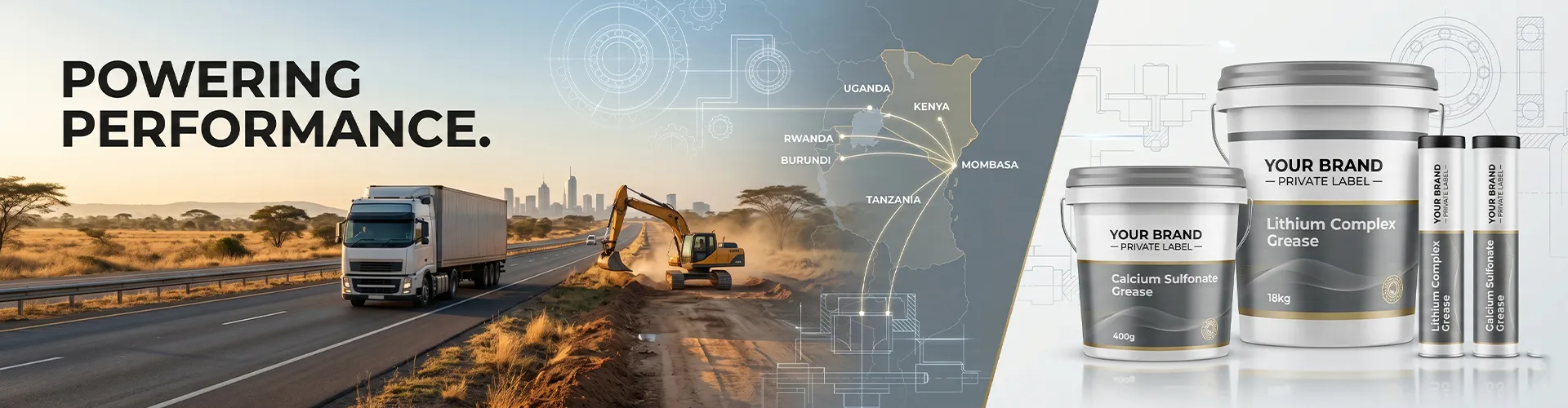
Rexol also offers full private label grease manufacturing, allowing distributors or brand owners to have custom EP formulations under their own brand name. Explore the full process on our Private Label Grease Manufacturing page.
Final Thoughts
It is very important to understand EP additives in grease formulation when working with heavy equipment, trucks, mining machinery, or industrial gear systems.
EP grease protects the components when there is a heavy load. ASTM test methods such as D2596 and D2509 provide the necessary proof of this protection.
The key isn’t simply using EP grease—it’s using it where it’s required.
When matched correctly to application load and operating conditions, EP grease significantly improves component life, reduces downtime, and protects equipment investment.
Contact Rexol today and start your own brand for the EP grease product range.