How to Choose the Right Grease Supplier for Your Brand
Launching a successful lubricant brand requires more than a good product idea. The foundation of your business depends on choosing the right manufacturing partner. Selecting the right grease supplier for private label production is one of the most important strategic decisions for distributors, traders, and lubricant entrepreneurs entering the market.
A reliable manufacturer ensures consistent product quality, scalable supply, and technical support that helps your brand compete in industrial, automotive, and fleet markets. On the other hand, a poor supplier choice will lead to inconsistent performance, delivery delays, and long-term damage to your brand reputation.
This guide will explain the key factors to consider during grease manufacturer selection, helping you build a strong and reliable private label lubricant business.
If you are still planning your product range and launch process, read our guide on how to start your own grease brand.
Why Your Grease Supplier Matters When Building a Brand
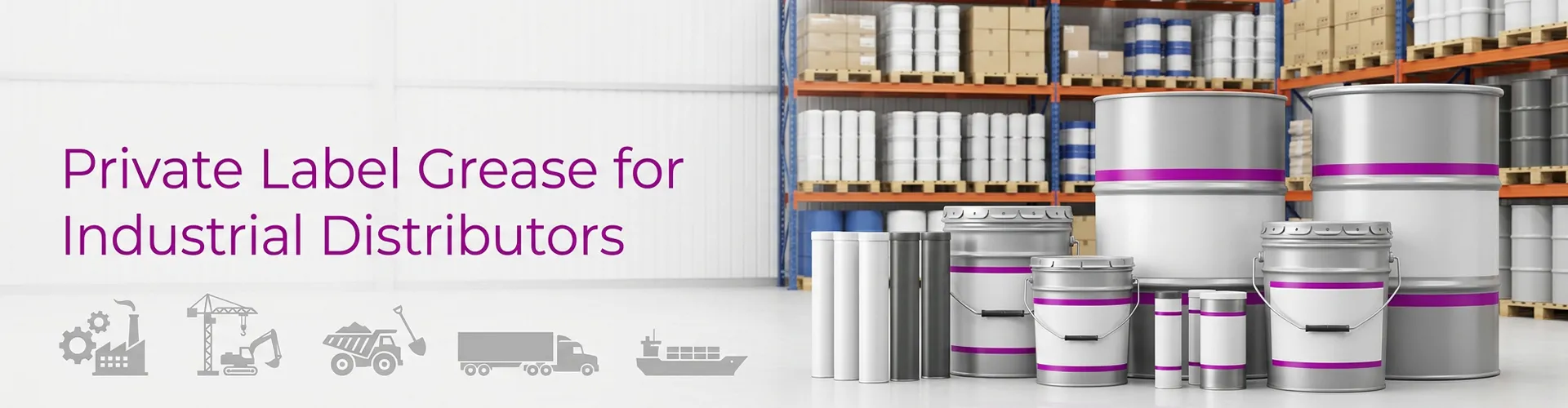
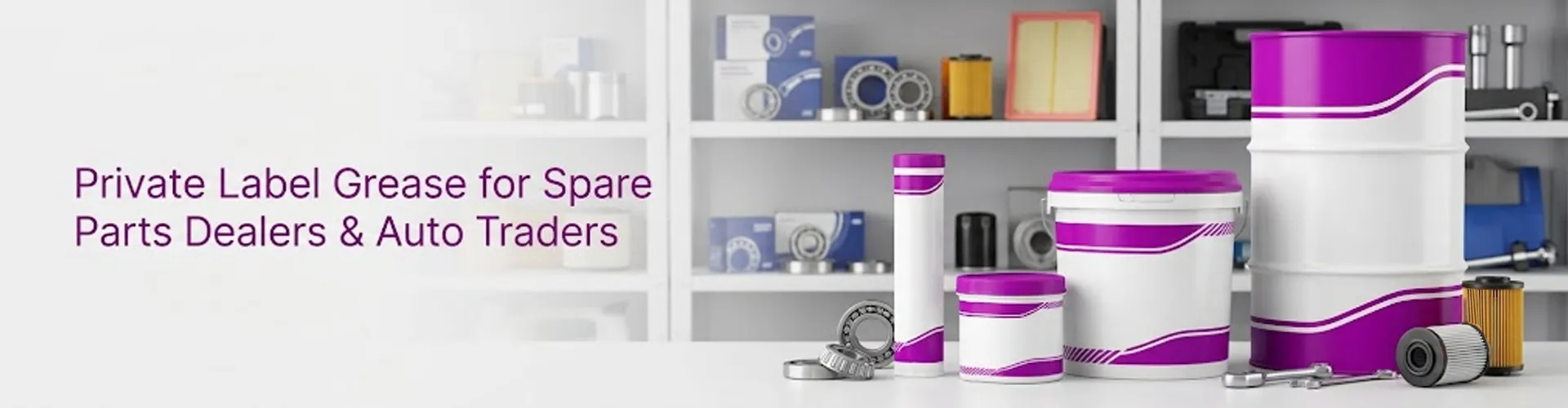
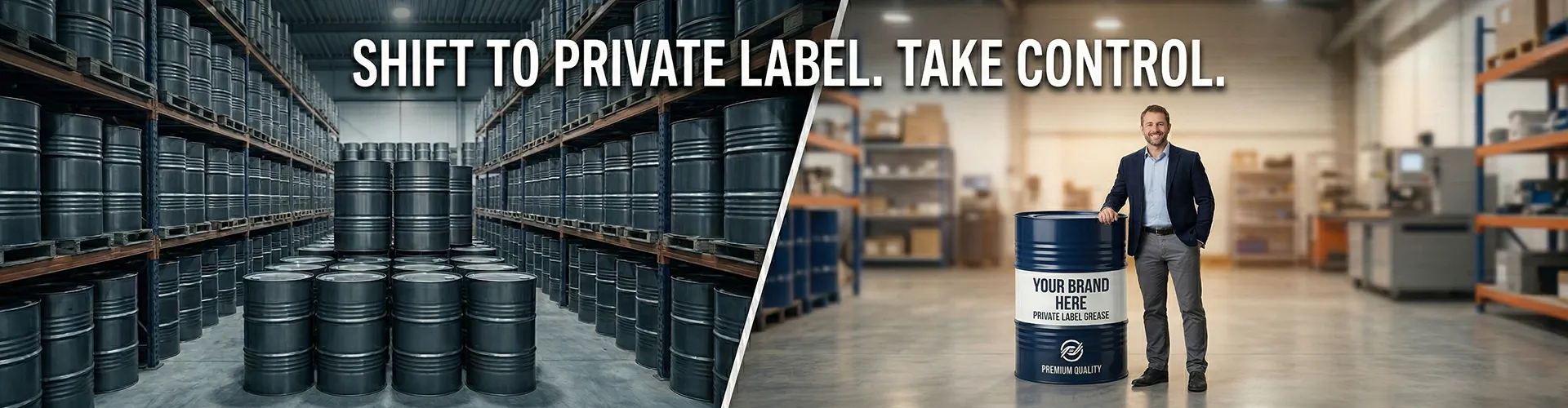
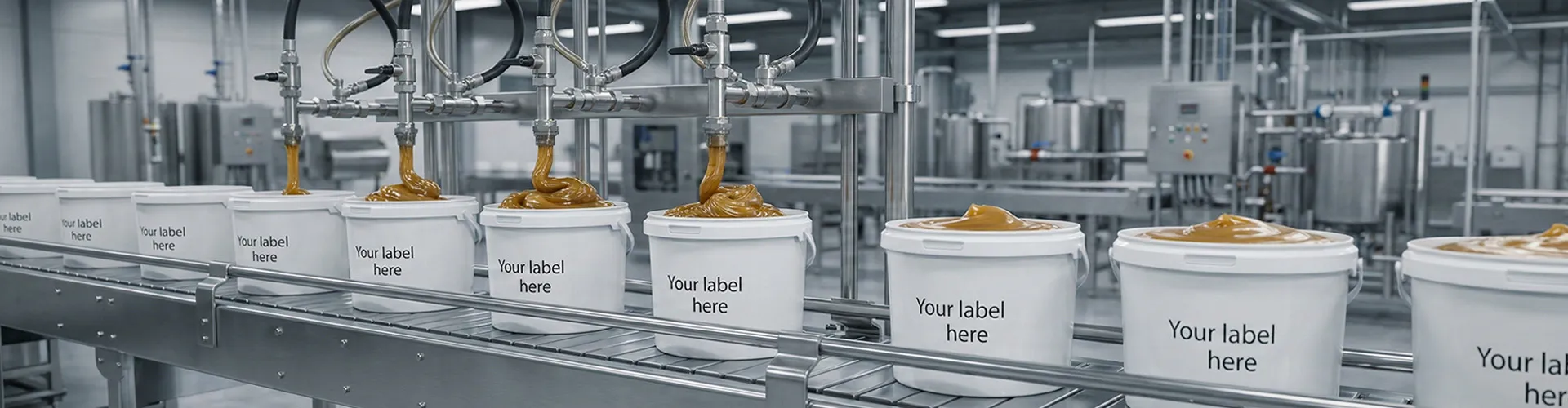
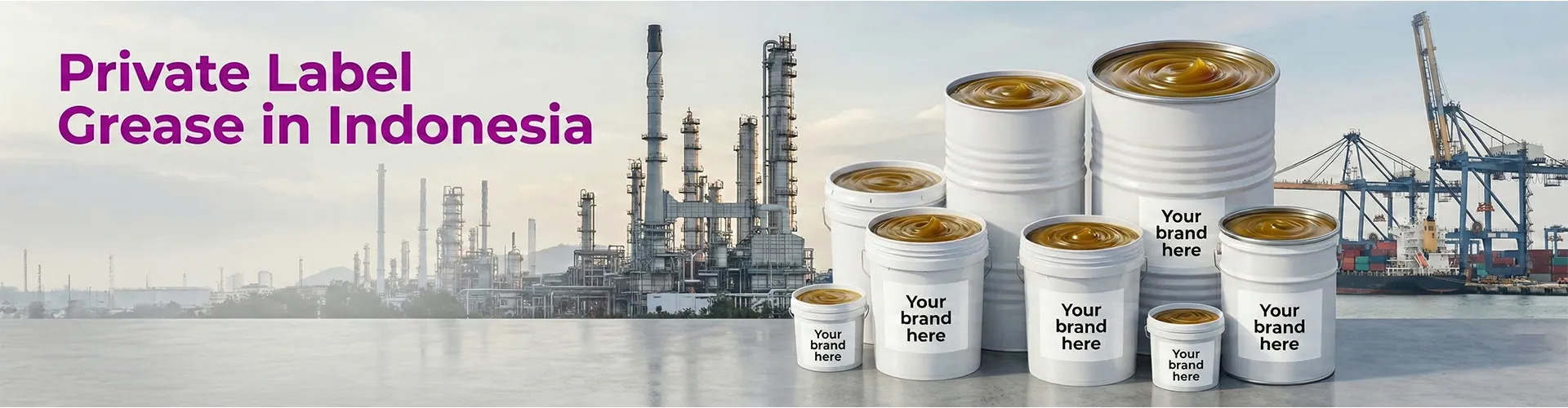
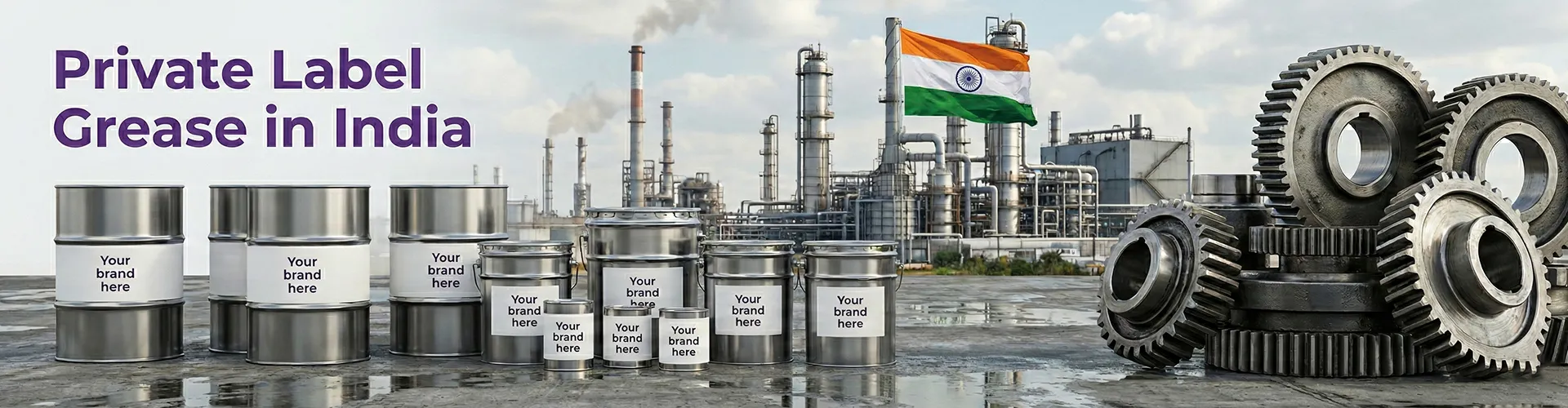
Private label grease manufacturing allows companies to launch their own branded lubricants without building a production facility. The manufacturer will handle formulation, blending, testing, and packaging while the distributor focuses on branding and market development. Find out more about build a grease brand without a factory.
However, the success of this model will depend heavily on the capabilities of the supplier.
A strong manufacturing partner will provide:
- Consistent product performance
- Reliable supply chains
- Technical documentation and certifications
- Flexible packaging options
- Long-term scalability for brand growth
What Should You Look for in a Private Label Grease Supplier?
When evaluating a grease supplier for private label, businesses must look beyond price and consider the supplier’s overall manufacturing capability and market experience.
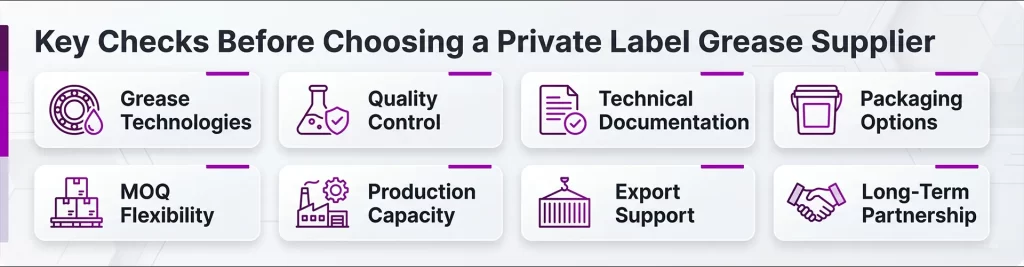
Manufacturing Expertise and Grease Technology Range
The first factor in grease manufacturer selection is technical expertise. Grease manufacturing is a specialized process that requires precise formulation, controlled production conditions, and advanced quality testing.
A reputable supplier should have experience producing various grease technologies, which include:
- Lithium grease
- Lithium complex grease
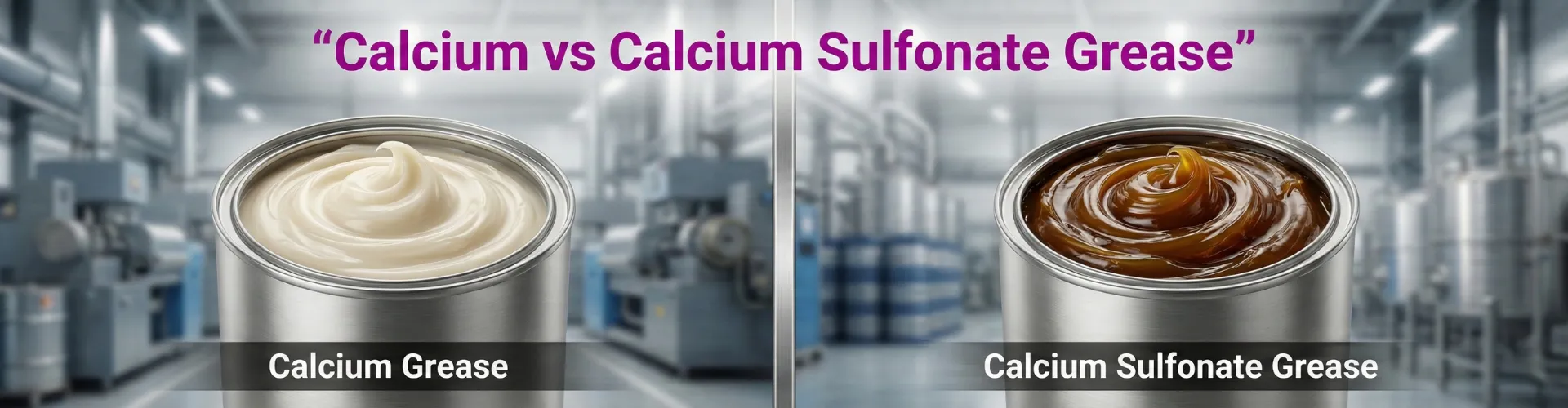
- Calcium sulfonate grease
- Molybdenum disulfide grease
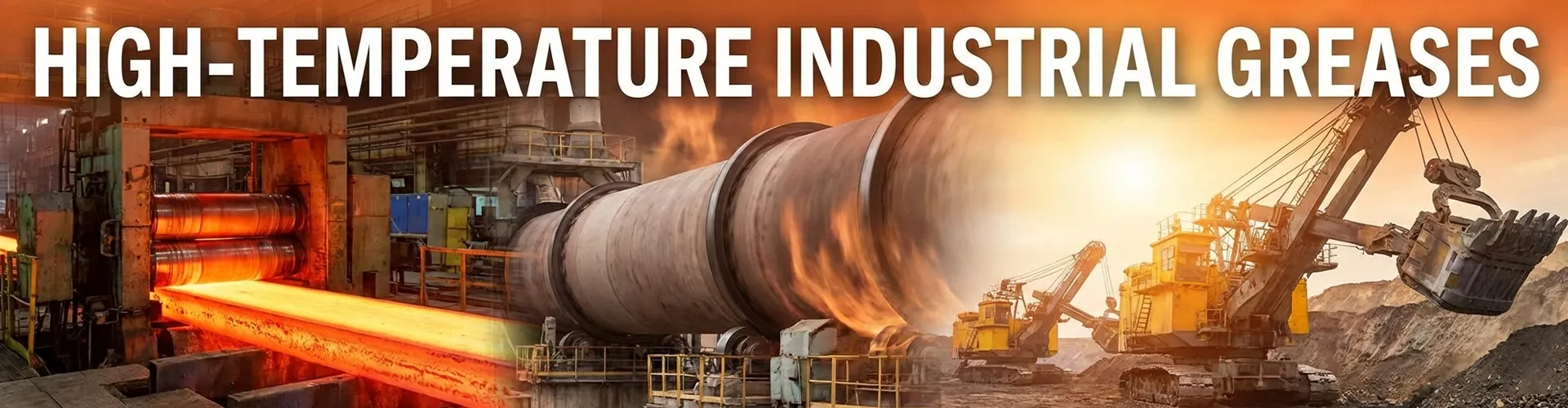
- High-temperature industrial greases
The ability to produce multiple grease types and applications allows your brand to expand its product portfolio as your market grows.
Manufacturers with strong technical capabilities will help you to select the most suitable formulations for your target industries, such as fleets, construction, mining, or industrial machinery. find out more about grease types and applications.
Product Quality Control and Technical Documentation
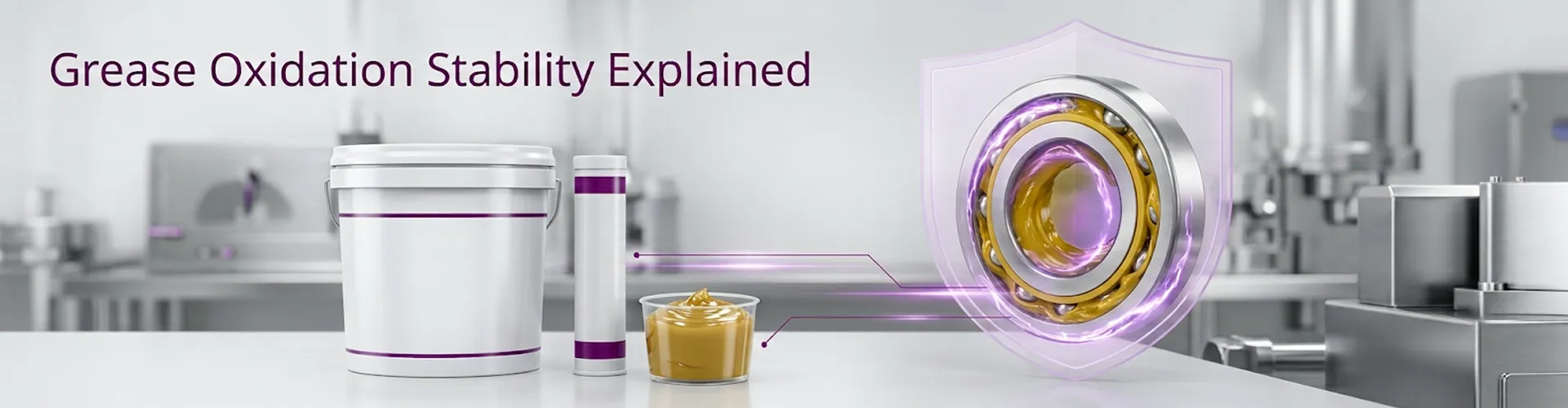
Product quality is not established by appearance or packaging alone. A private label grease supplier should be able to explain how product consistency is maintained, which tests are carried out, and which technical documents are supplied with the product range. For industrial buyers and distributors, this information supports customer confidence and helps communicate product suitability accurately.
Ask whether the supplier can provide:
- Product Technical Data Sheets
- Safety Data Sheets / MSDS
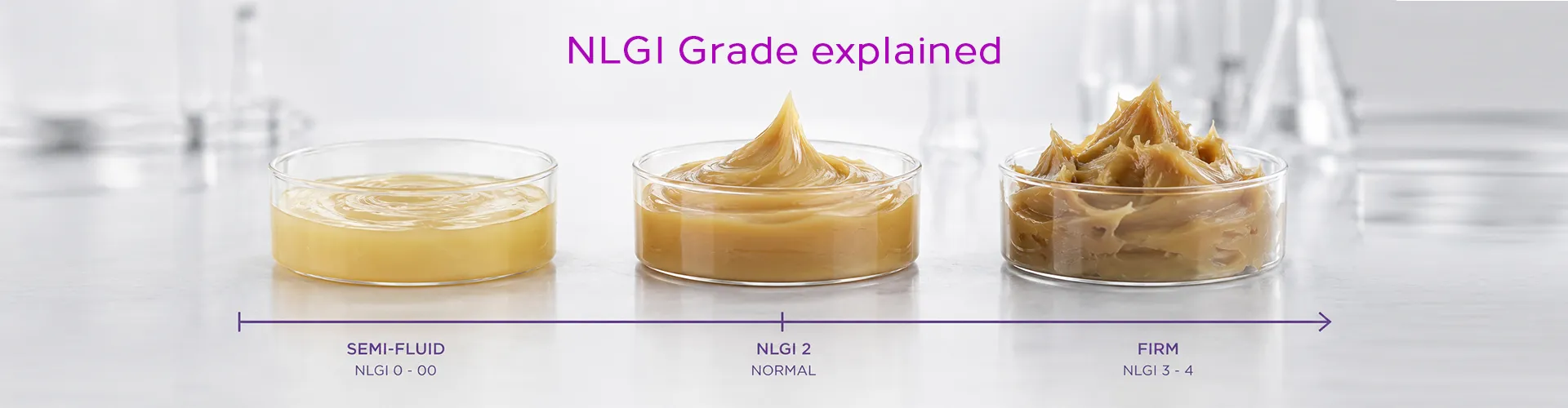
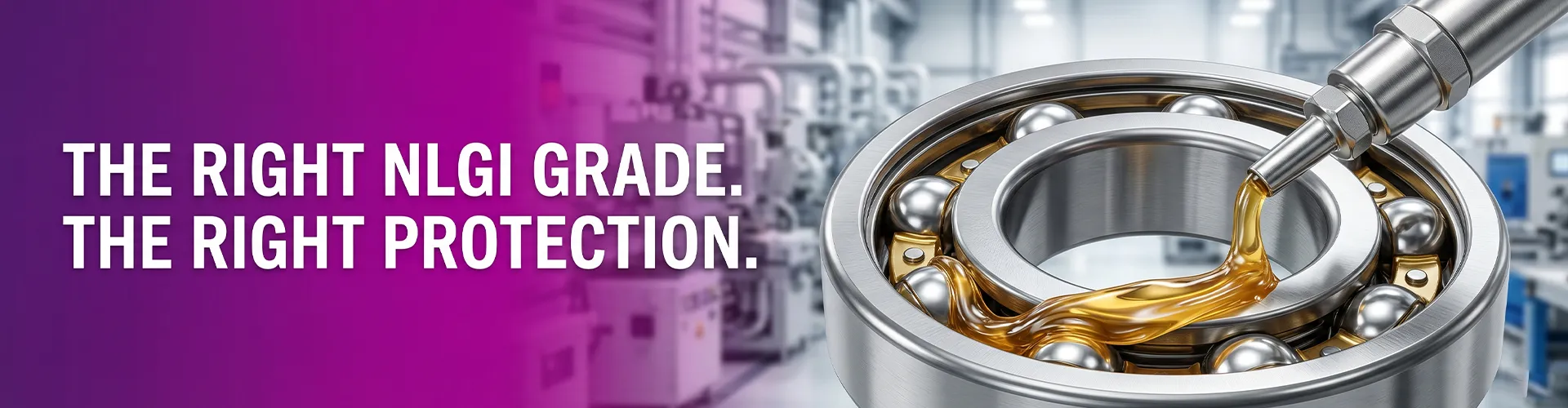
- NLGI grade information
- Thickener type and base oil details
- Operating temperature guidance
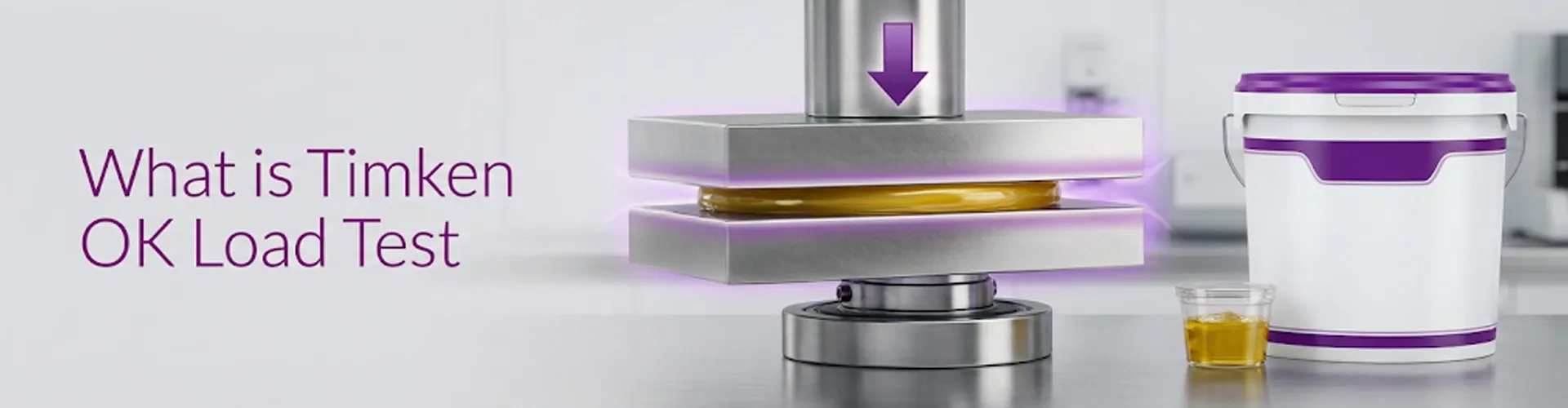
- Load-carrying or EP performance information, where relevant
- Batch or quality-control documentation, where applicable
These documents are critical when selling to large industrial customers or exporting to international markets. Find out more about NLGI grades for industrial grease buyers.

Private Label and Branding Capabilities
Not all grease manufacturers are experienced in private label production. Some will focus on their own brands and provide limited customization.
A dedicated grease supplier for private label should offer full branding support that will include:
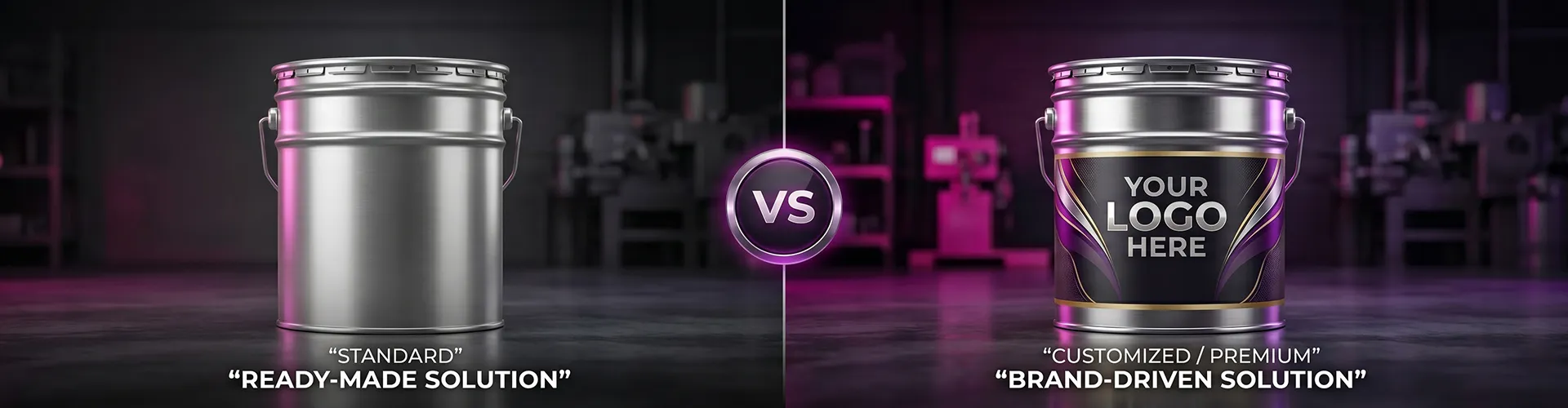
- Custom label design
- Flexible packaging options
- Brand identity integration
- Market-specific product positioning
This support will help distributors build a professional product line that can compete with established lubricant brands.
Private label specialists also understand the challenges of launching new brands and can guide distributors through the process. Explore our latest update about white label vs private label grease.
Packaging Formats and Market Suitability
Packaging plays a major role in grease distribution. Different market segments require different packaging formats.
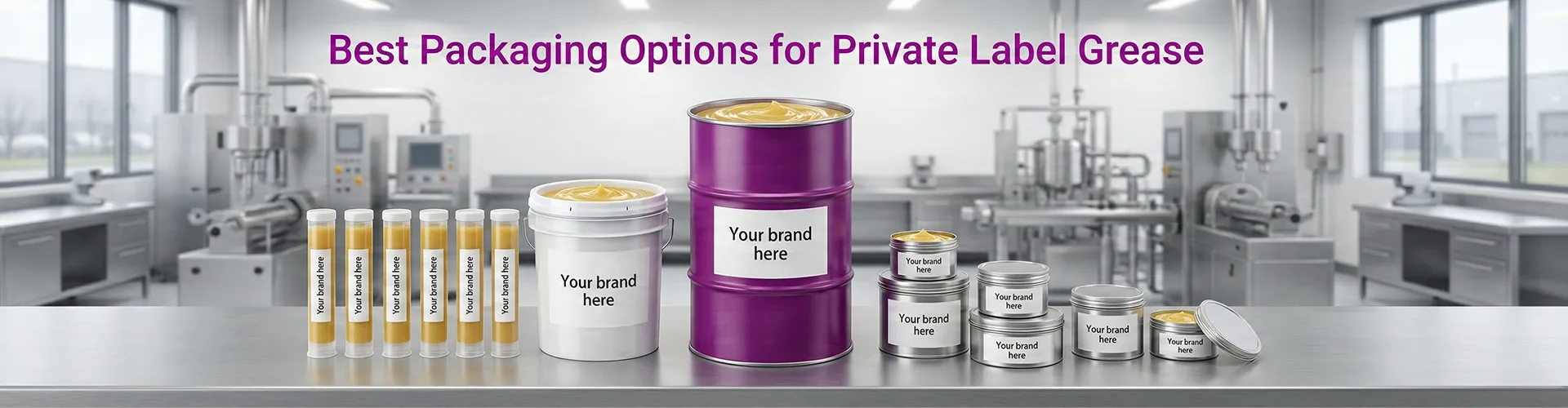
Packaging options to discuss with your supplier
| Packaging Format | Suitable Customer Segment | Typical Buyer Need |
|---|---|---|
| 400 g cartridges | Automotive workshops and maintenance retailers | Easy dispensing and retail sale |
| 500 g and 1 kg packs | Retail and small workshop customers | Convenient small-volume use |
| 15 kg or 18 kg pails | Fleets, contractors and service centres | Regular maintenance requirements |
| 180 kg drums | Industrial users and heavy equipment operations | Higher-volume consumption |
Flexible packaging allows your brand to serve a wider range of customers, from automotive workshops to heavy equipment operators.
It will help distributors optimize logistics and container loading when exporting products internationally. Explain our latest update about best packaging options for private label grease brands.
Check Minimum Order Quantities and Launch Flexibility
A new grease brand may not require large volumes immediately. Before selecting a supplier, distributors should understand the minimum order quantities for each product type and packaging format. A suitable manufacturing partner should be able to discuss realistic starting volumes while also supporting larger orders as the brand develops. Explore our latest update about MOQ for private label grease.
Key questions to ask:
- What is the MOQ for each grease type?
- Does the MOQ vary by packaging format?
- Can multiple products be included in the first order?
- Can packaging volumes be increased as market demand grows?
Production Capacity and Lead Times
Your brand may start with small volumes, but successful lubricant businesses often grow quickly. This will make production scalability an important factor in grease manufacturer selection.
Ask potential suppliers about:
- Monthly production capacity
- Lead times for large orders
- Ability to handle multi-product portfolios
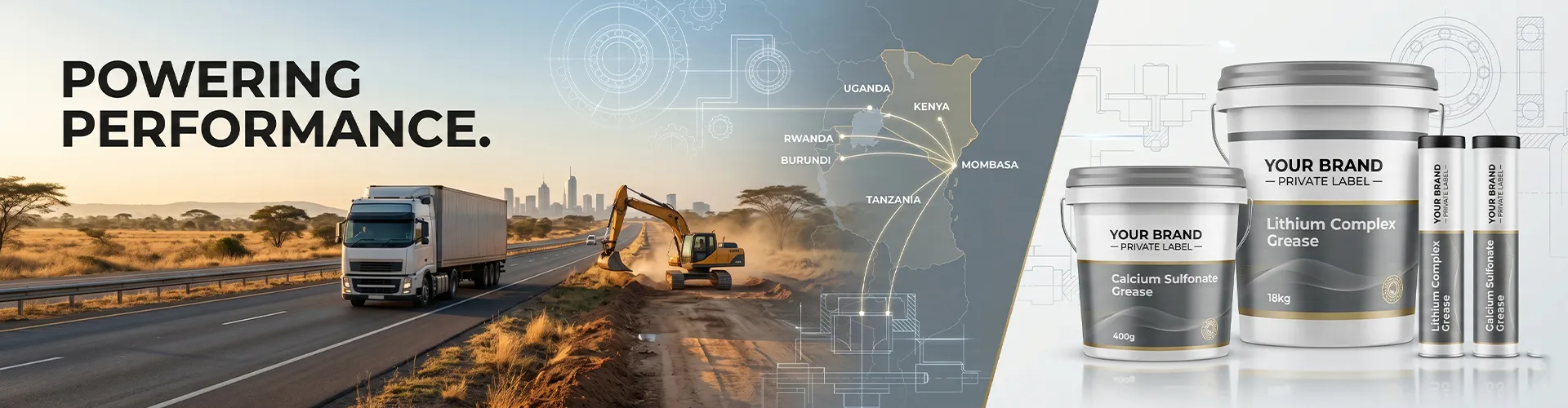
- Export logistics capabilities
A supplier with strong production capacity will support your growth without causing supply interruptions.
Reliable supply chains are especially important when serving industries such as transportation and construction, where customers will depend on consistent product availability. Explore our latest update about private label grease production timeline.
Export Documentation and International Supply Support
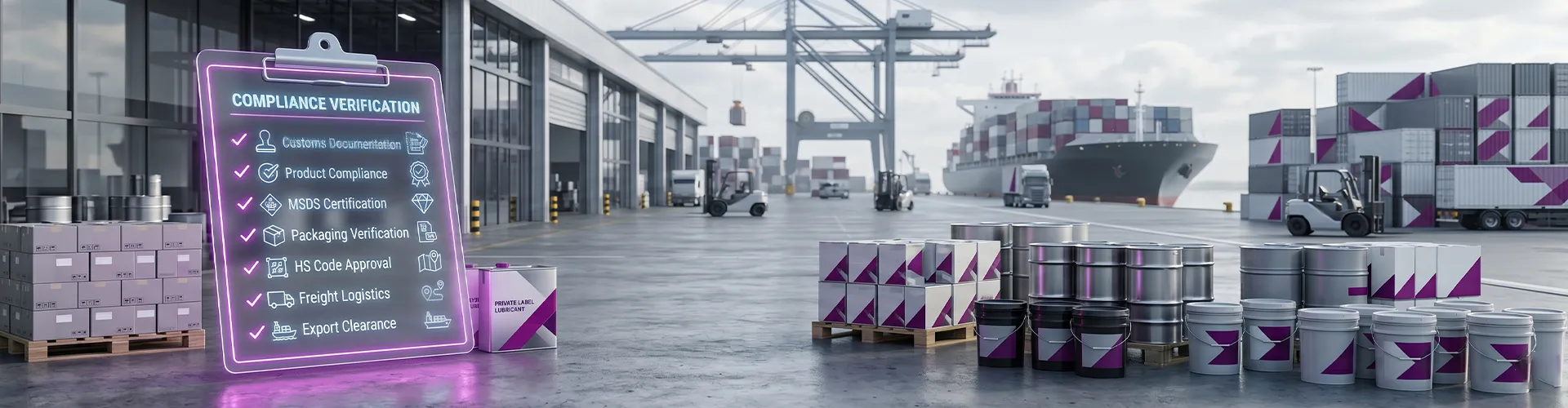
Many lubricant distributors are operating in multiple countries. If your brand will be supplied internationally, confirm which export documents the manufacturer can provide and which product registration, labelling or import requirements must be handled in the destination country. Documentation requirements can vary by market, so these details should be reviewed before confirming an order.
Documents buyers may need to discuss
- Commercial invoice
- Packing list
- Certificate of origin, where applicable
- TDS
- SDS/MSDS
- Product label information
- Packaging details
- Destination-market import or registration requirements
Manufacturers with global export experience will simplify the process of expanding your brand into new regions. Checkout our detailed guide about importing private label grease: documents, HS codes and compliance, and importing private label grease.
Long-Term Support for Brand Growth
Choosing a grease supplier is not just a transactional decision, it is a long-term partnership. As your brand grows, your manufacturing partner should support product expansion, market development, and technical improvements.
A strong partner will:
- Provide formulation advice
- Help introduce new grease technologies
- Support market-specific product development
- Maintain consistent supply over time
Working with a manufacturer that will value a long-term collaboration ensures your brand remains competitive in evolving markets. Explore our latest update about private label grease pricing model.
Questions to Ask Before Choosing a Grease Manufacturer
Before finalizing your supplier, consider asking the following questions:
- What grease technologies do you manufacture?
- Do you specialize in private label production?
- What quality control processes are in place?
- What packaging formats are available?
- What is your typical production lead time?
- Can you support export documentation and logistics?
The answers to these questions will help you evaluate whether the manufacturer can support your brand’s long-term growth.
Warning Signs When Choosing a Grease Supplier
Choosing a supplier only on price can create problems later. Before committing to a manufacturing partner, buyers should be cautious when a supplier cannot clearly explain product specifications, provide technical documents or confirm packaging and delivery capabilities.
Red flags to watch for:
- No clear TDS or SDS/MSDS support
- Unclear product specifications
- Inconsistent packaging information
- No confirmed lead times
- Limited ability to support product growth
- No clear quality-control process
- Poor communication regarding exports or documentation
- Promises that cannot be supported by technical data
Why Consider Rexol as Your Private Label Grease Manufacturing Partner?
Selecting the right grease supplier for private label production is the first step toward building a successful lubricant brand. Rexol supports businesses looking to build branded grease portfolios for automotive, industrial, and heavy-duty markets. As a specialized private label grease manufacturer in the UAE, Rexol offers grease manufacturing support, technical documentation, multiple packaging options, and export-oriented supply solutions for distributors and lubricant brands.
By focusing on technical expertise, product quality, branding support, and reliable supply capabilities, distributors can create a competitive product line that serves the different markets.
If you are planning to launch your own grease brand, explore our Private Label Grease Manufacturing solutions and learn more About Rexol to see how we help our distributors to develop reliable, market-ready lubricant products.