Base Oil Viscosity in Grease (ISO VG Explained)
When engineers and maintenance teams are selecting grease, they often focus on different factors such as NLGI grade, thickener type, or operating temperature. However, one of the most important performance characteristics is frequently overlooked: grease base oil viscosity.
The viscosity of the base oil plays a critical role in determining how well a grease protects equipment under different loads, speeds, and operating conditions. Selecting the wrong viscosity can lead to increased wear, overheating, poor lubrication, and reduced equipment life.
In this guide, we will explore what ISO VG grease means, how viscosity affects grease performance, and when to choose VG220 vs VG460 for industrial applications.
What Is Base Oil Viscosity in Grease?
Grease consists of three primary components:
- Base oil
- Thickener system
- Performance additives
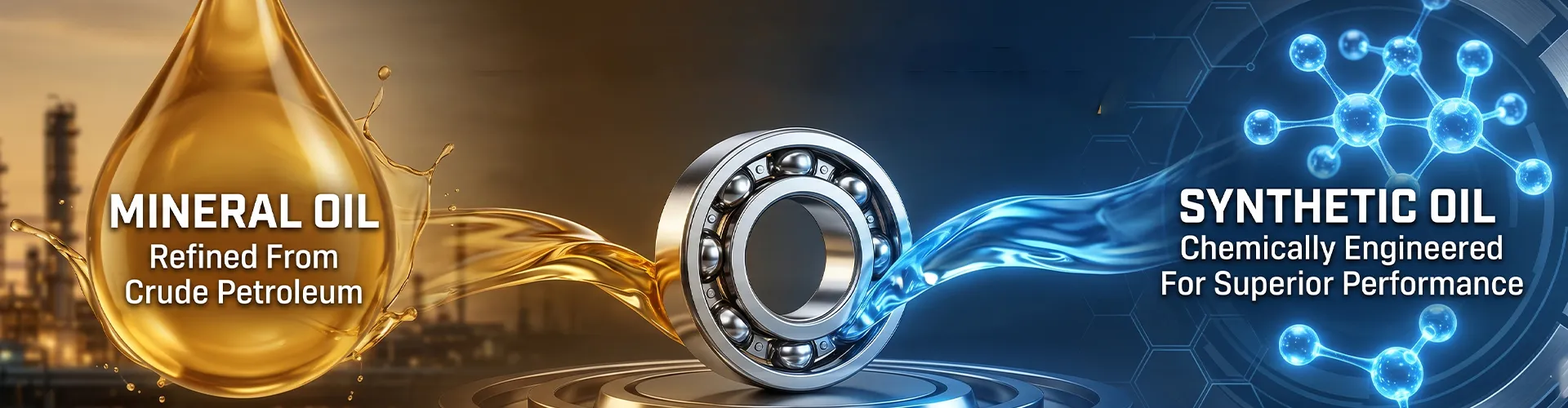
The base oil typically represents 70–95% of the grease formulation and performs the actual lubrication function.
Grease base oil viscosity refers to the thickness or resistance to flow of the oil contained within the grease. It determines how effectively the lubricant film separates moving metal surfaces during operation.
A high-viscosity oil is creating a thicker protective film, while a lower-viscosity oil flows more easily and performs better at higher speeds.
This is why understanding viscosity in grease is essential when selecting products for industrial equipment.
What Does ISO VG Mean?
ISO VG stands for “International Standards Organization Viscosity Grade.” The ISO VG system classifies lubricating oils according to their kinematic viscosity at 40°C.
Common viscosity grades used in industrial greases include:
| ISO VG Grade | Approximate Viscosity at 40°C |
| VG 100 | 100 cSt |
| VG 150 | 150 cSt |
| VG 220 | 220 cSt |
| VG 320 | 320 cSt |
| VG 460 | 460 cSt |
| VG 680 | 680 cSt |
The higher the VG number, the thicker the oil. VG220 and VG460 are among the most widely used options for heavy-duty grease applications.

Why Base Oil Viscosity Matters
The primary purpose of lubrication is to create a protective film between moving surfaces.
The correct viscosity will help:
- Reduce metal-to-metal contact
- Minimize wear
- Protect against heavy loads
- Improve bearing life
- Reduce friction
- Extend maintenance intervals
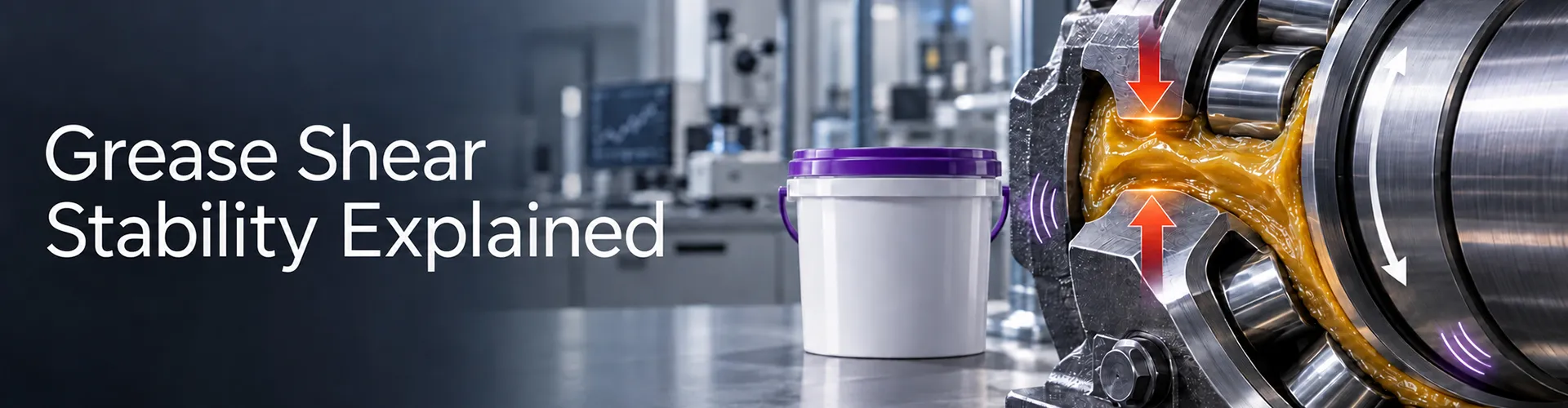
The oil film may break down under load if the viscosity is too low.
Excessive friction and heat may occur, especially in high-speed applications, if the viscosity is too high.
Choosing the proper grease base oil viscosity will ensure optimal equipment protection.
Understanding VG220 vs VG460
One of the most common questions industrial buyers ask is whether they should use VG220 vs VG460 grease.
The answer will depend primarily on operating conditions.
ISO VG220 Grease
VG220-based greases are commonly used in:
- General industrial bearings
- Electric motors
- Conveyor systems
- Fleet maintenance
- Construction equipment
ISO VG220 advantages include:
- Good balance between protection and efficiency
- Suitable for moderate speeds
- Excellent all-around performance
A popular example is Rexol Lithium Complex EP 220, which provides strong load-carrying capability and thermal stability for a wide range of industrial applications.
ISO VG460 Grease
VG460-based greases contain a significantly thicker base oil and are typically selected for:
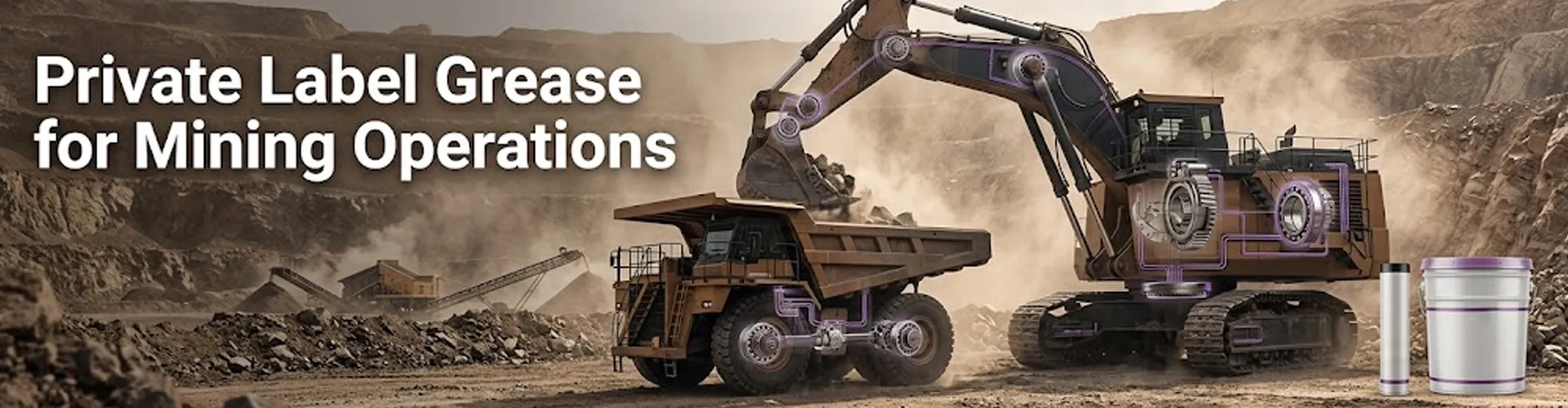
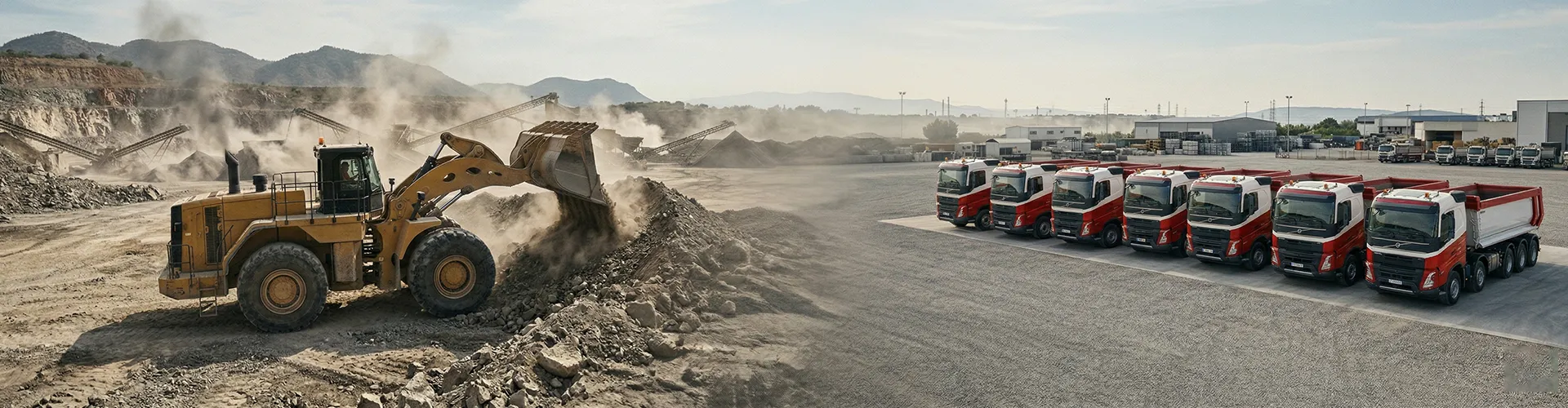
- Heavy-duty mining equipment
- Slow-speed bearings
- Crushers
- Steel mills
- Heavy construction machinery
Benefits will include:
- Thicker lubricating film
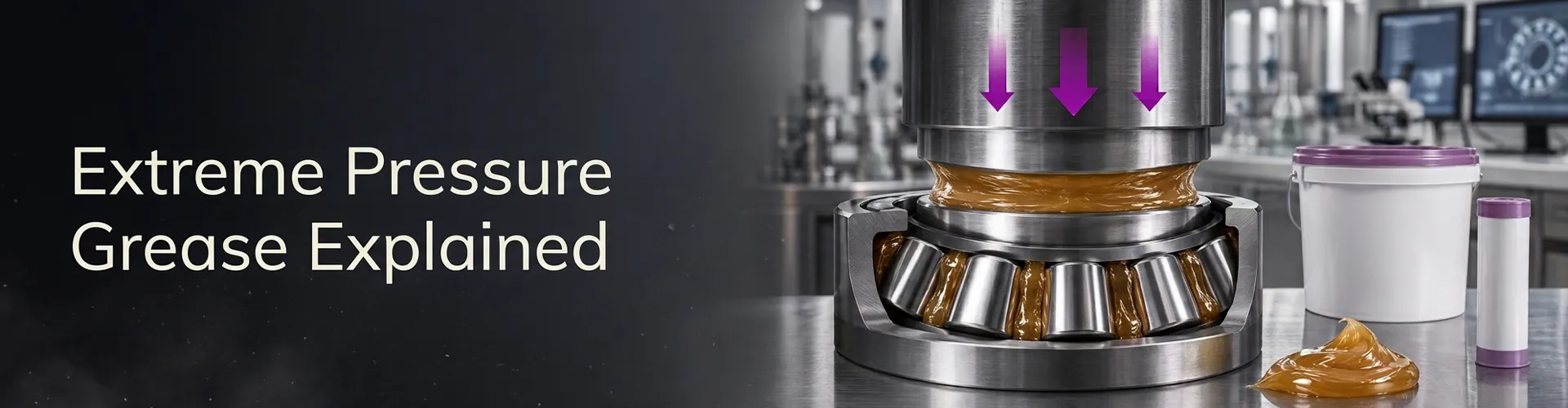
- Enhanced protection under extreme loads
- Improved performance in shock-loaded applications
Rexol Lithium Complex EP 460 is specifically designed for demanding industrial environments where equipment operates under high pressure and heavy loads.
Factors That Influence Viscosity Selection
Several factors determine which viscosity grade will be used.
Operating Load
Higher loads generally require higher-viscosity oils.
Heavy equipment will benefit from VG460 formulations because they provide a thicker protective film.
Operating Speed
High-speed applications generally require having lower-viscosity oils to minimize friction and heat generation.
This is one reason VG220 is often preferred for electric motors and general industrial bearings.
Temperature
Temperature affects the oil viscosity significantly.
As temperature increases, oil becomes thinner.
Higher-viscosity oils may provide more stable lubrication in high-temperature applications,
Equipment Design
Manufacturers often specify recommended viscosity ranges for bearings, gears, and other components.
Always consult equipment recommendations before selecting grease.
Common Industrial Applications
When VG220 Is Typically Used
- General industrial bearings
- Fleet and transport equipment
- Agricultural machinery
- Conveyor systems
- Medium-load applications
When VG460 Is Typically Used
- Mining equipment
- Heavy construction machinery
- Crushers and mills
- Slow-speed bearings
- Extreme pressure environments
Understanding the differences between VG220 vs VG460 helps maintenance teams optimize lubrication programs and reduce equipment wear.
Does NLGI Grade Affect Viscosity?
This is a common misconception.
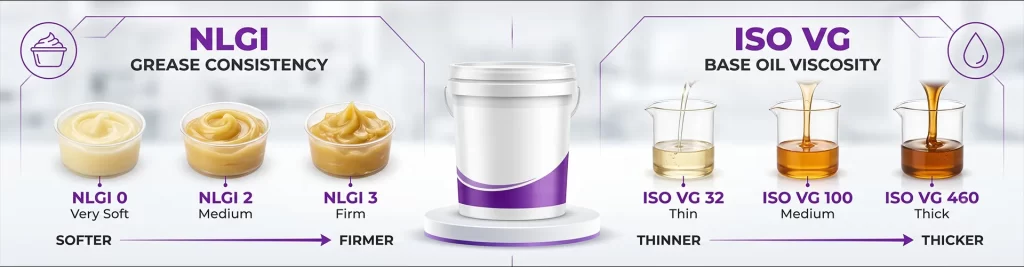
NLGI grade and base oil viscosity are different properties.
For example:
- NLGI Grade 2 indicates grease consistency
- ISO VG220 indicates oil viscosity
Two NLGI 2 greases may have completely different base oil viscosities.
This is why both specifications should always be considered during product selection.
| Specification | What It Tells You | Example |
|---|---|---|
| NLGI grade | Grease consistency or softness/hardness | NLGI 2 |
| ISO VG | Base oil viscosity inside the grease | VG220 or VG460 |
Choosing the Right EP Grease
Lithium complex EP greases remain one of the most popular choices for industrial users seeking reliable extreme-pressure performance.
Rexol offers several options, including:
Rexol Lithium Complex EP 220
Ideal for:
- Fleet maintenance
- Industrial bearings
- Construction equipment
- General heavy-duty applications
Rexol Lithium Complex EP 460
Recommended for:
- Mining operations
- Slow-speed bearings
- Crushers
- High-load industrial equipment
Both products provide an excellent:
- Load-carrying capacity
- Mechanical stability
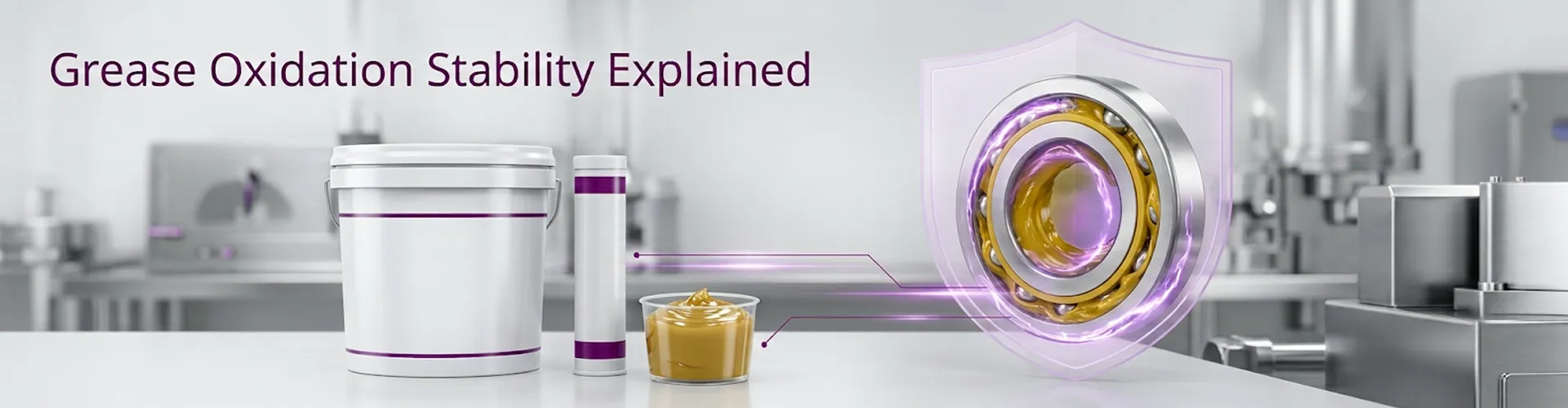
- Oxidation resistance
- Equipment protection
Private Label Opportunities
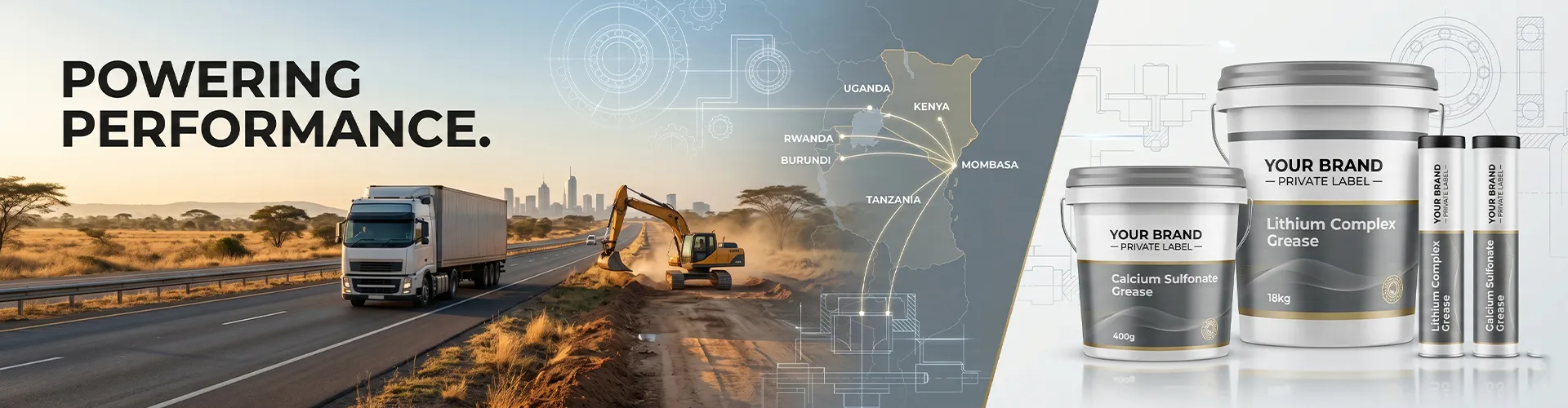
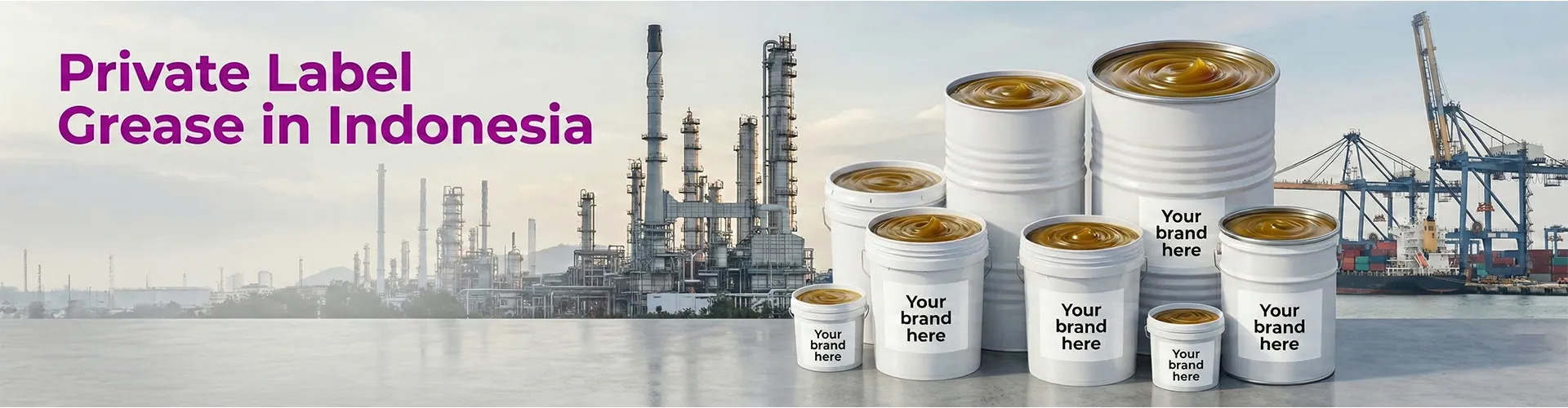
As industrial grease demand continues to grow globally, distributors are increasingly launching their own lubricant brands.
High-performance formulations such as:
- Lithium Complex EP 220
- Lithium Complex EP 460
- Calcium Sulfonate Grease
- Polyurea Grease
can be supplied under custom branding programs.
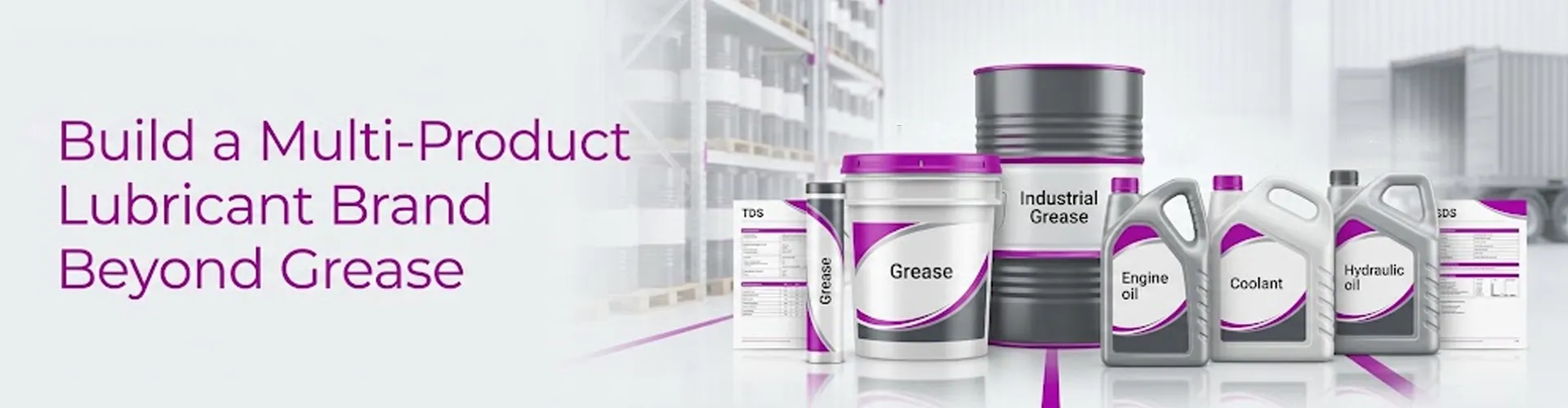
This grease type is also available for Private Label production under your own brand name.
Final Thoughts
Understanding grease base oil viscosity is essential for selecting the right lubricant for industrial equipment. While NLGI grade determines consistency, base oil viscosity determines the strength of the lubricating film protecting critical components.
When comparing VG220 vs VG460, the correct choice depends on operating speed, load, temperature, and equipment requirements.
VG220 often provides the ideal balance of protection and efficiency for general industrial applications. VG460 typically delivers superior performance for heavily loaded, slow-speed equipment.
Selecting the right ISO VG grease helps to extend equipment life, reduce downtime, and improve overall reliability.
Explore Rexol EP Grease Solutions
Looking for high-performance industrial grease?
Find Rexol’s range of Lithium Complex EP 220 and EP 460 greases, engineered for demanding industrial environments. If you’re planning to build your own lubricant brand, explore our Private Label Grease solutions and bring proven industrial formulations to market under your own name.