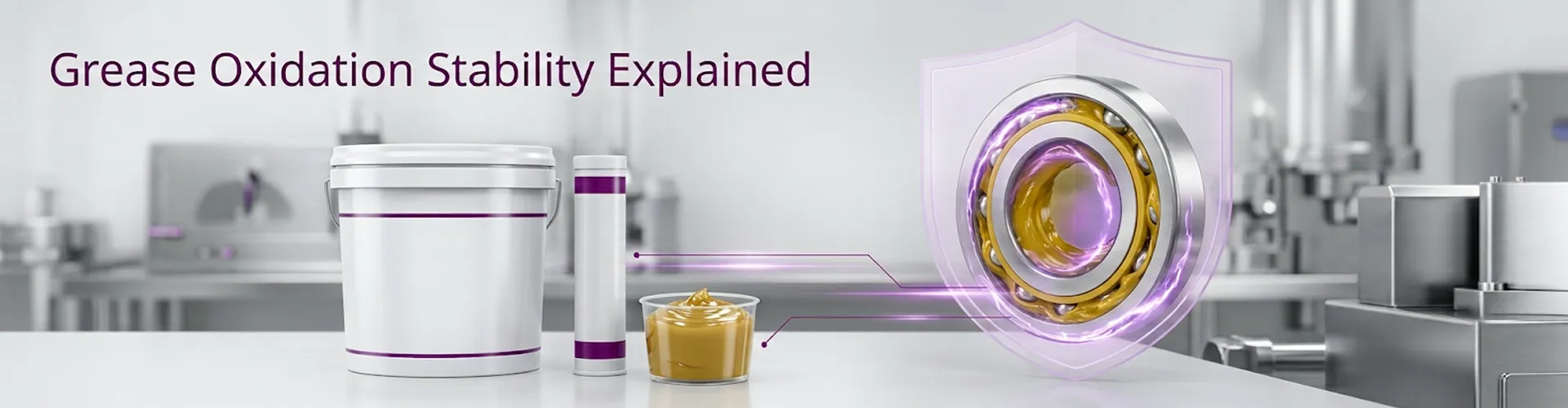
Grease Oxidation Stability: Why It Affects Performance
Industrial grease is expected to perform reliably under demanding conditions and often for extended periods without replacement. However, one of the most important factors affecting grease performance and service life is overlooked: grease oxidation stability.
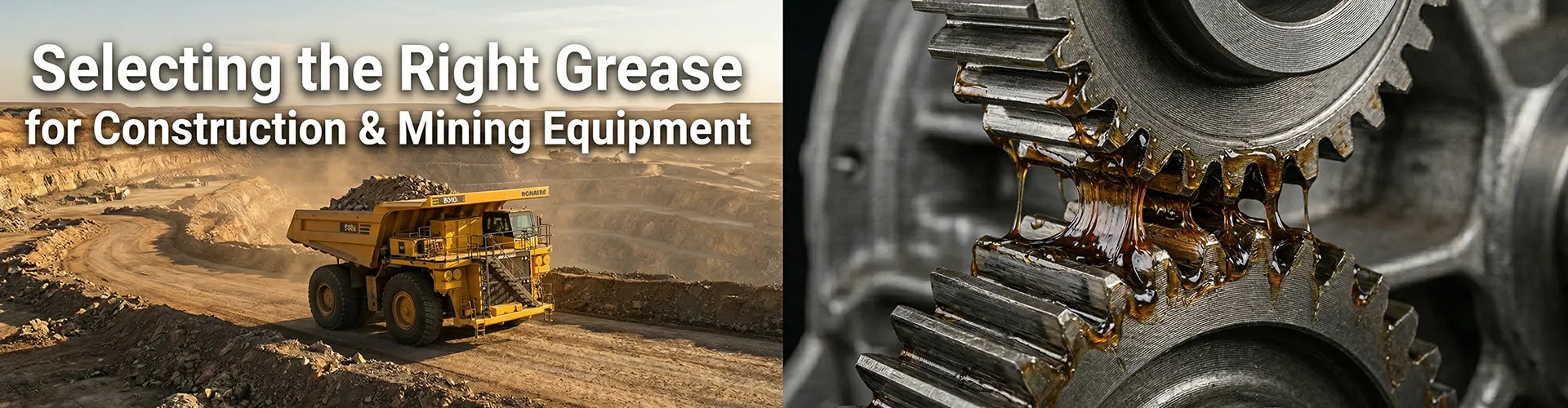
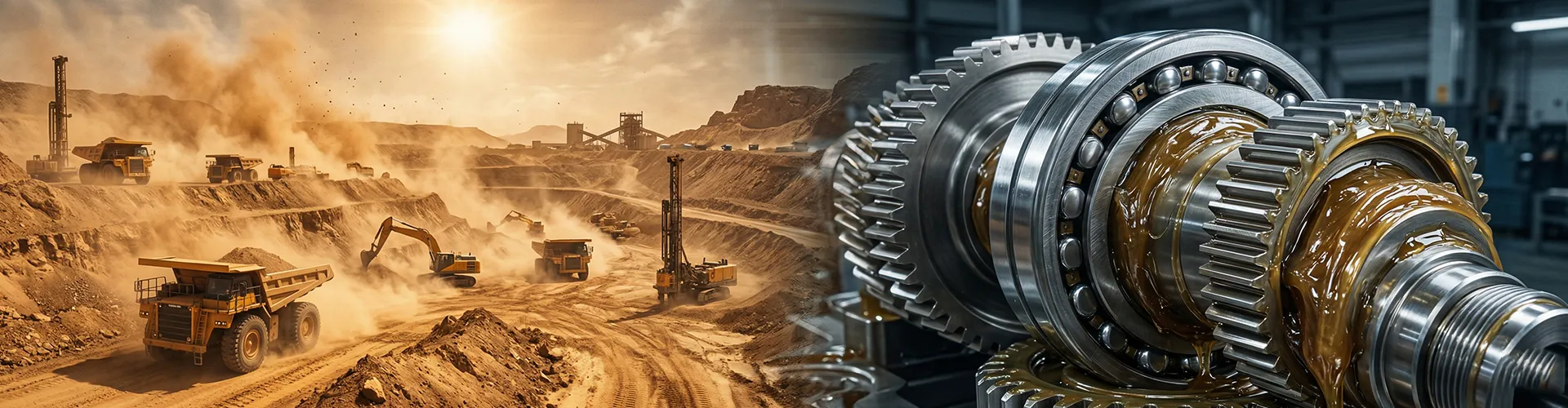
Whether it is used in construction equipment, industrial bearings, mining machinery, or transport fleets, grease is constantly exposed to heat, oxygen, and environmental contaminants. These factors can cause oxidation, leading to grease degradation, reduced protection, and premature equipment wear by the passage of time.
Oxidation stability will help maintenance teams select the right lubricant, optimize service intervals, and extend equipment life. In this guide, we’ll explore what grease oxidation is, why it matters, and how high-quality grease formulations provide superior long-term performance.
What Is Grease Oxidation?
Oxidation is a chemical reaction that occurs when the base oil in grease reacts with oxygen over time.
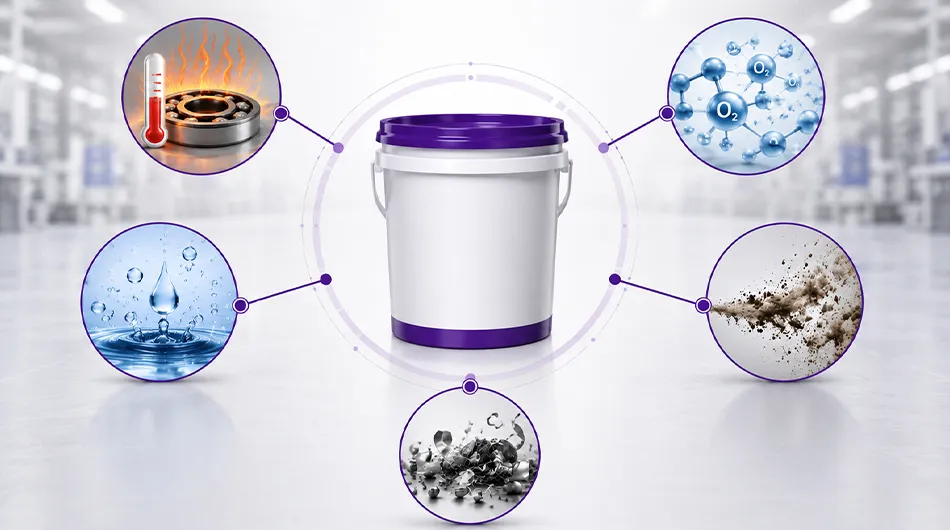
While oxidation is a natural process, it accelerates when grease is exposed to:
- High operating temperatures
- Continuous mechanical stress
- Air and oxygen exposure
- Water contamination
- Metal particles and contaminants
The grease begins to lose its original properties and becomes less effective at protecting equipment as oxidation progresses.
That is why grease oxidation stability is a critical factor in lubricant performance.
Why Oxidation Stability Matters
The primary role of grease is to create a protective lubricating film between moving surfaces.
When oxidation occurs, several negative effects will develop:
Increased Grease Hardening
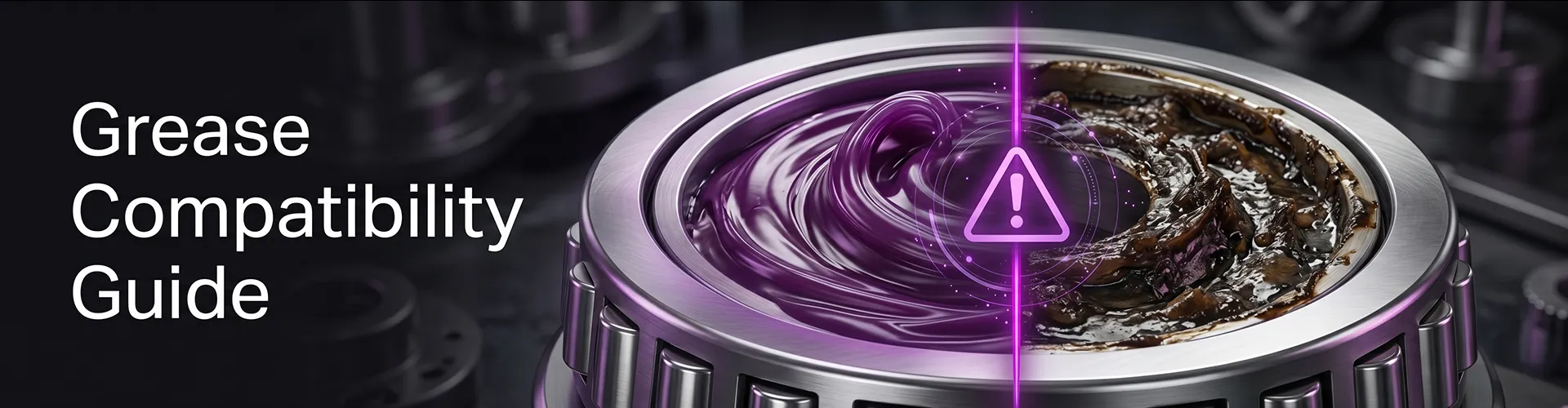
Oxidized grease becomes thicker and harder.
This will:
- Restrict lubricant flow
- Reduce bearing protection
- Increase operating temperatures
Formation of Deposits
Oxidation will create varnish-like deposits and sludge inside bearings and machinery.
These deposits will:
- Restrict movement
- Increase friction
- Accelerate wear
Reduced Lubrication Performance
As grease becomes older, its ability to separate metal surfaces decreases.
This will result in:
- Metal-to-metal contact
- Increased friction
- Component damage
Shorter Grease Lifespan
Low oxidation stability directly impacts grease lifespan and requires more frequent relubrication and maintenance.
Fresh Grease vs Oxidized Grease
| Factor | Fresh Grease | Oxidized Grease |
|---|---|---|
| Consistency | Smooth and stable | Hard, dry or thickened |
| Lubrication film | Maintains protection | Protection becomes weaker |
| Deposits | Minimal | Sludge or varnish-like deposits may form |
| Bearing temperature | More controlled | May increase |
| Service life | Longer | Shorter |
| Maintenance impact | Normal relubrication | More frequent maintenance needed |
What Causes Grease Oxidation?
Several factors influence how quickly grease oxidizes.
High Temperature
Temperature is one of the biggest contributors to oxidation.
When the operating temperatures rise, oxidation rates may increase significantly.
Oxidation will double with every 10°C increase in temperature for many lubricants.
That is why high-temperature applications require products with excellent oxidation resistance grease properties.
Oxygen Exposure
Grease exposed to air for long periods gradually reacts with oxygen.
Equipment operating continuously often experiences greater oxidation stress.
Water Contamination
Moisture may accelerate chemical degradation and may reduce the effectiveness of oxidation inhibitors.
Contaminants
Dust, dirt, and metal wear particles accelerate oxidation and shorten grease life.
How Oxidation Impacts Equipment Performance
The effects of oxidation are extended beyond the lubricant itself.
Equipment may experience:
- Increased bearing temperatures
- Higher energy consumption
- Reduced efficiency
- More frequent maintenance
- Premature bearing failure
These issues will lead to costly downtime and production losses in critical industrial environments.
Choosing a grease with strong oxidation stability will help to reduce these risks.
Characteristics of High-Performance Grease
The same level of oxidation protection is not provided by all greases.
A high-performance grease will offer:
Advanced Antioxidant Additives
Modern grease formulations contain additives specifically designed to slow oxidation and extend service life.
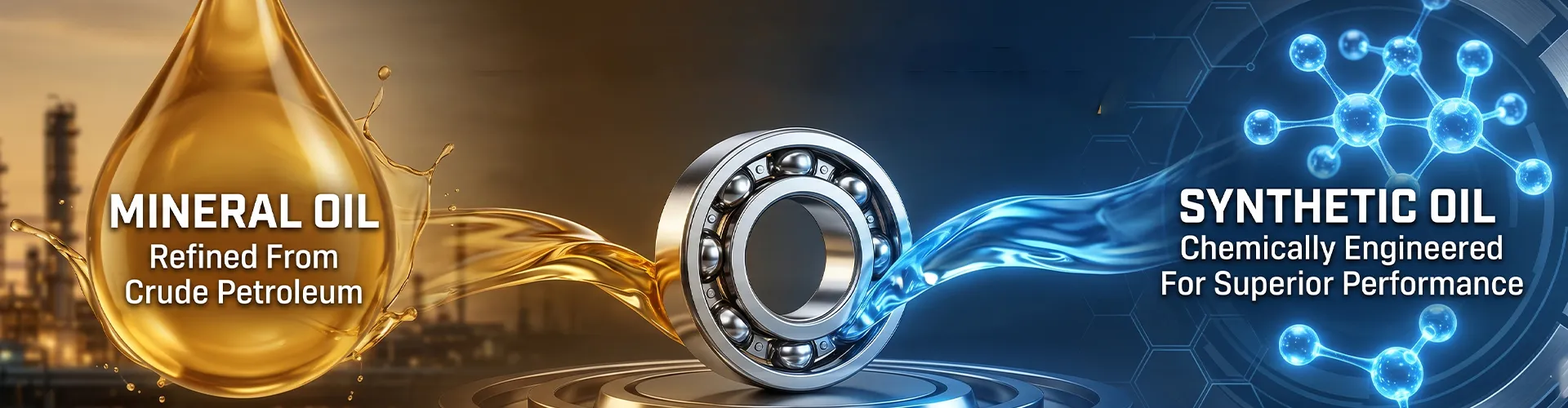
High-Quality Base Oils
Premium mineral and synthetic base oils provide better oxidation resistance than lower-quality alternatives.
Strong Mechanical Stability
Grease will maintain its consistency under prolonged mechanical stress.
Thermal Resistance
The grease remains stable when exposed to elevated operating temperatures.
These properties should contribute to superior long-term performance together.
Which Grease Types Offer Better Oxidation Stability?
Different grease technologies provide different levels of oxidation resistance.
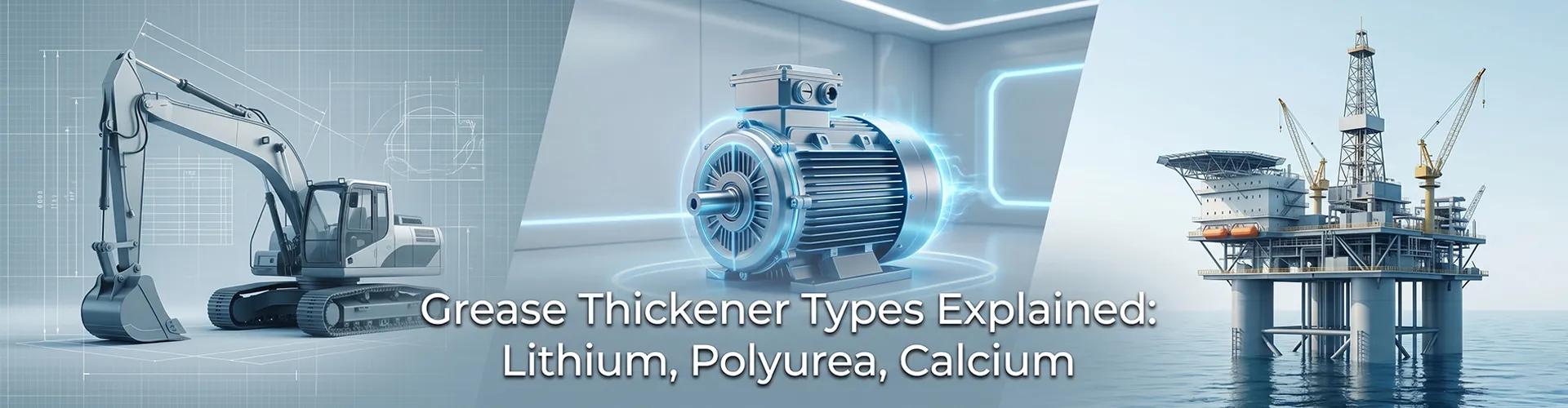
Lithium Complex Grease
Lithium complex greases are used because they offer:
- Excellent thermal stability
- Strong oxidation resistance
- Long service intervals
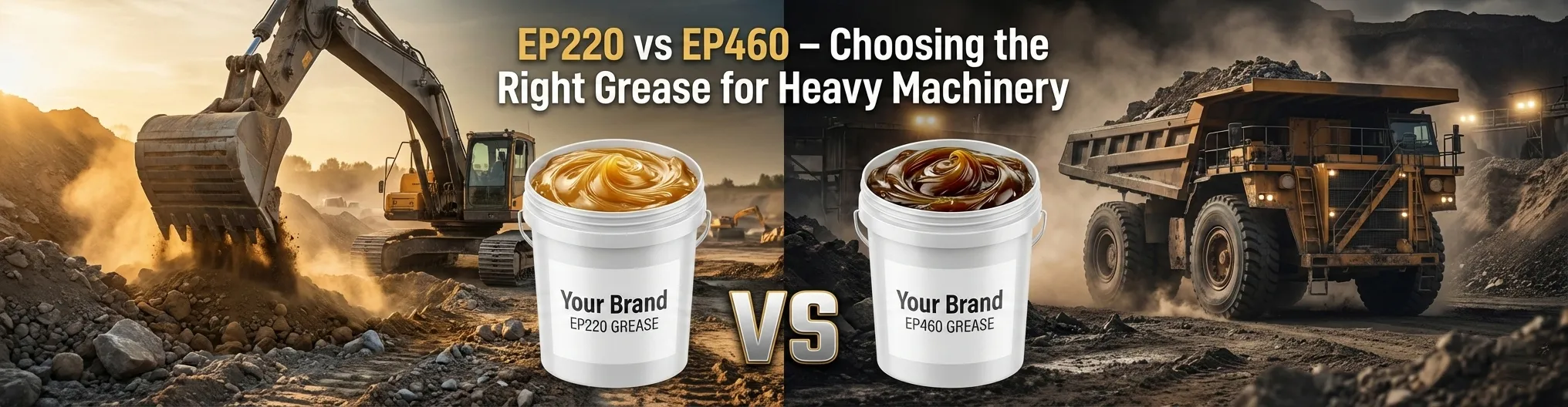
Products such as Rexol Lithium Complex EP 220 and Rexol Lithium Complex EP 460 are selected for industrial equipment operating under heavy loads and elevated temperatures.
Polyurea Grease
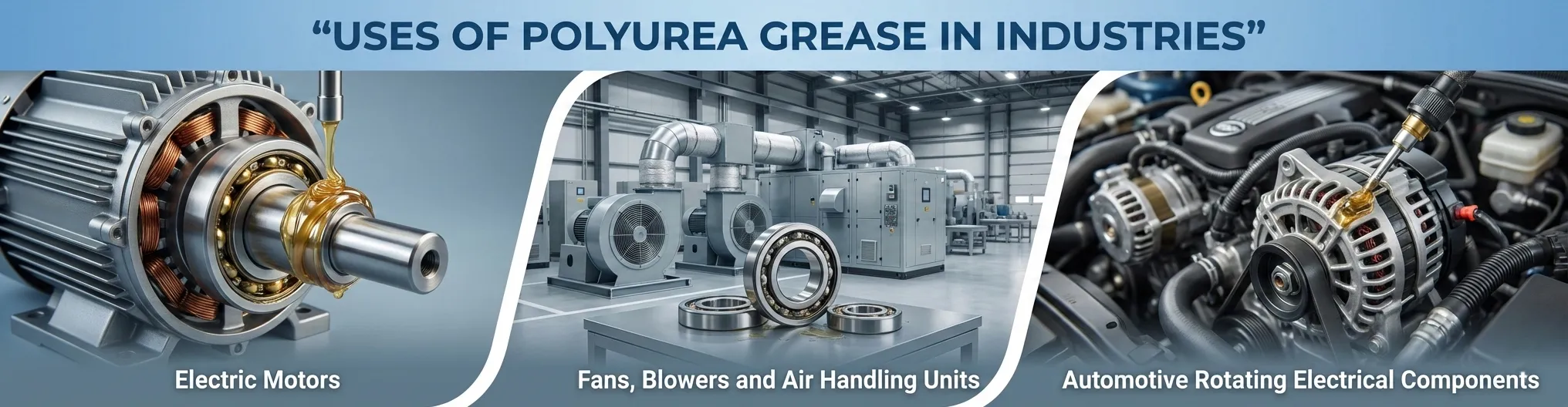
Polyurea greases are known for exceptional oxidation stability.
They are used in:
- Electric motors
- Long-life bearings
- High-speed applications
Polyurea technology delivers an extended service life compared to conventional grease formulations.
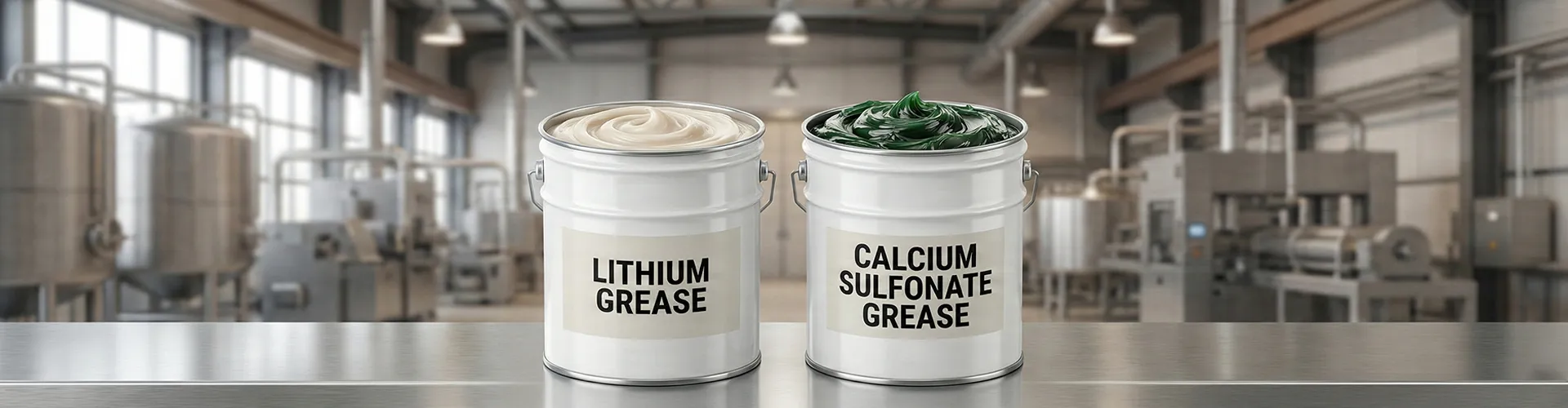
Calcium Sulfonate Grease
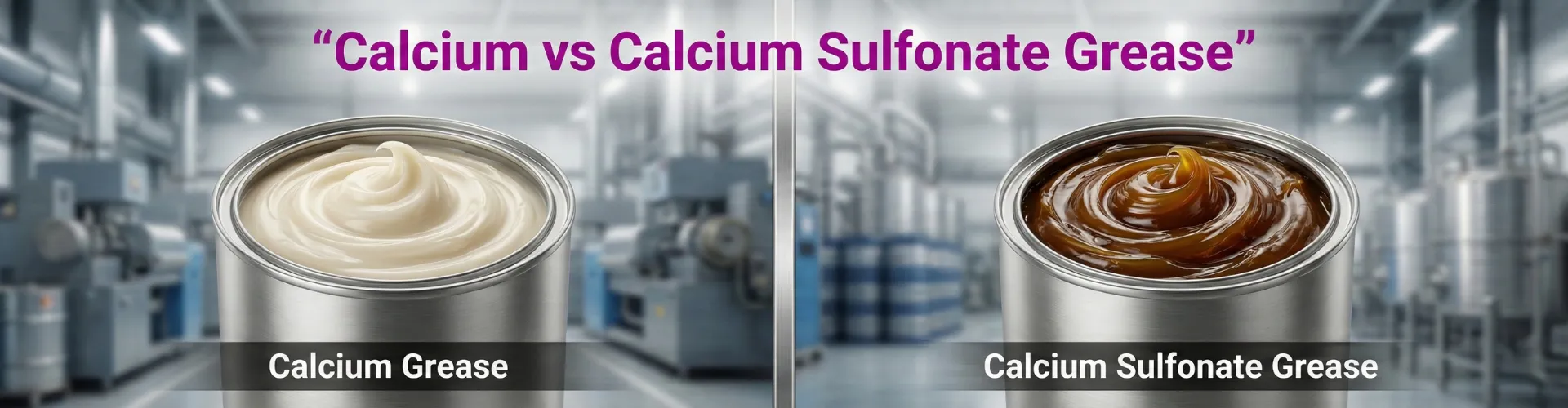
Calcium sulfonate grease will combine:
- Excellent water resistance
- Corrosion protection
- Strong oxidation performance
That makes it suitable for marine, industrial, and outdoor applications.
How Oxidation Stability Extends Grease Lifespan
One of the key benefits of superior oxidation resistance is longer grease service life.
Grease lifespan will provide several advantages that include:
- Fewer relubrication intervals
- Reduced maintenance costs
- Lower lubricant consumption
- Increased equipment uptime
- Better asset reliability
These benefits will generate significant cost savings over time for fleet operators, construction companies, and industrial facilities,
Selecting the Right Grease for Your Application
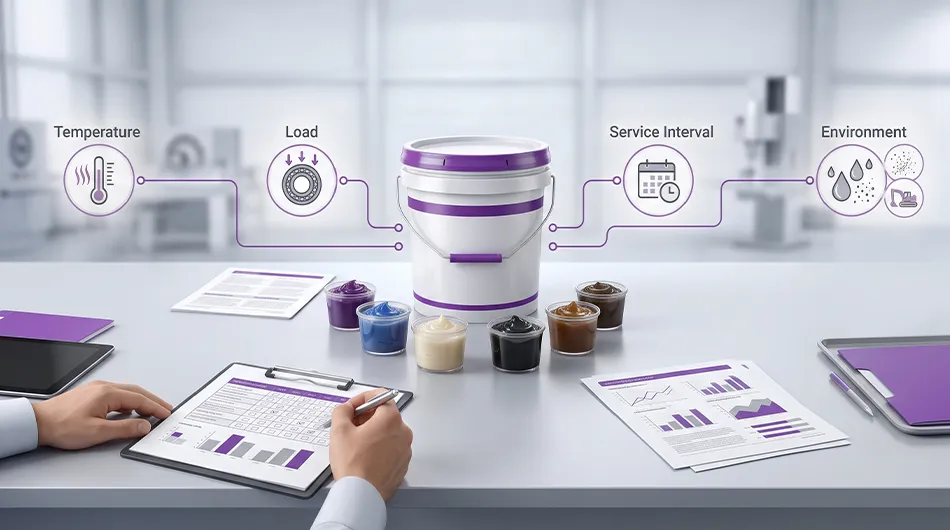
When evaluating grease products, you should consider:
Operating Temperature
Higher temperatures require greases with stronger oxidation stability.
Equipment Load
Heavy-duty applications often benefit from lithium complex formulations.
Service Interval Requirements
Applications that require extended lubrication intervals should prioritize oxidation resistance.
Environmental Conditions
Moisture, contamination, and outdoor exposure accelerate grease degradation.
Selecting the right formulation will help to maximize equipment protection and lubricant life.
Why Rexol Greases Are Designed for Long-Term Performance
Rexol is developing an industrial grease formulation designed to perform under demanding operating conditions.
Our portfolio include:
Rexol Lithium Complex EP 220
Is ideal for:
- Industrial bearings
- Fleet maintenance
- Construction equipment
Rexol Lithium Complex EP 460
Is recommended for:
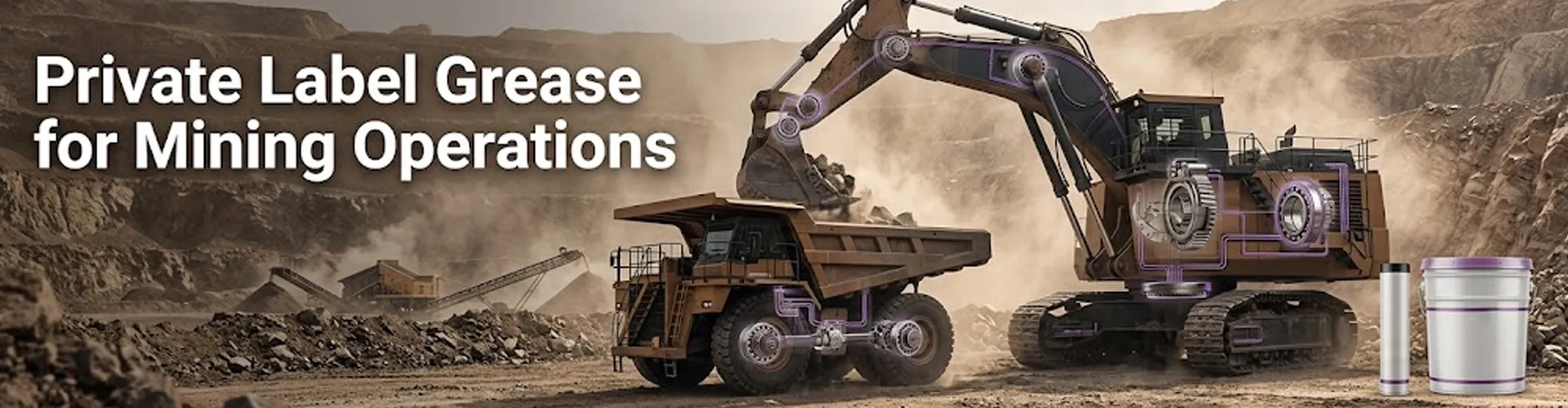
- Mining equipment
- Heavy-load bearings
- Extreme pressure applications
Rexol Polyurea Grease
Is suitable for:
- Electric motors
- High-speed bearings
- Long-life lubrication programs
Rexol Calcium Sulfonate Grease
Is designed for:
- Wet environments
- Marine applications
- Corrosion-prone conditions
These products are formulated to deliver strong grease oxidation stability, extended service life, and dependable equipment protection.
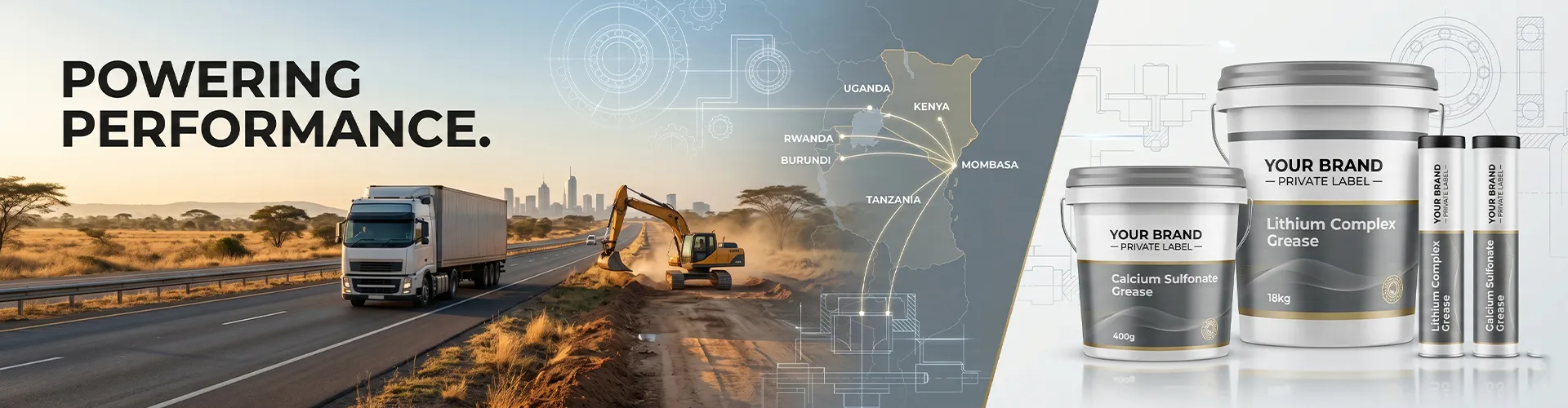
Private Label Opportunities
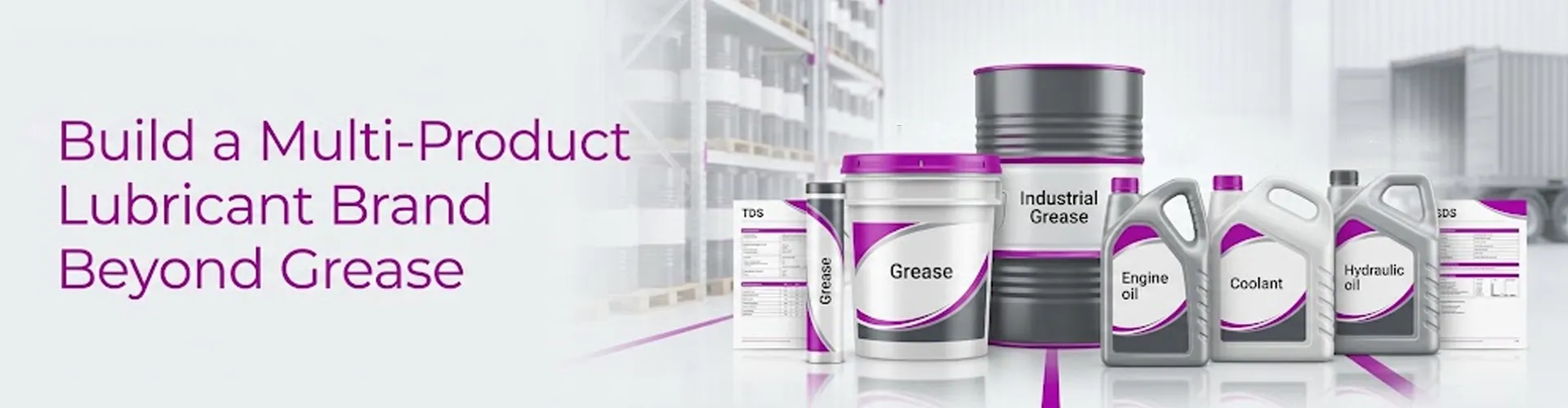
Many distributors are building their own lubricant brands using proven grease formulations as industrial markets continue to grow.
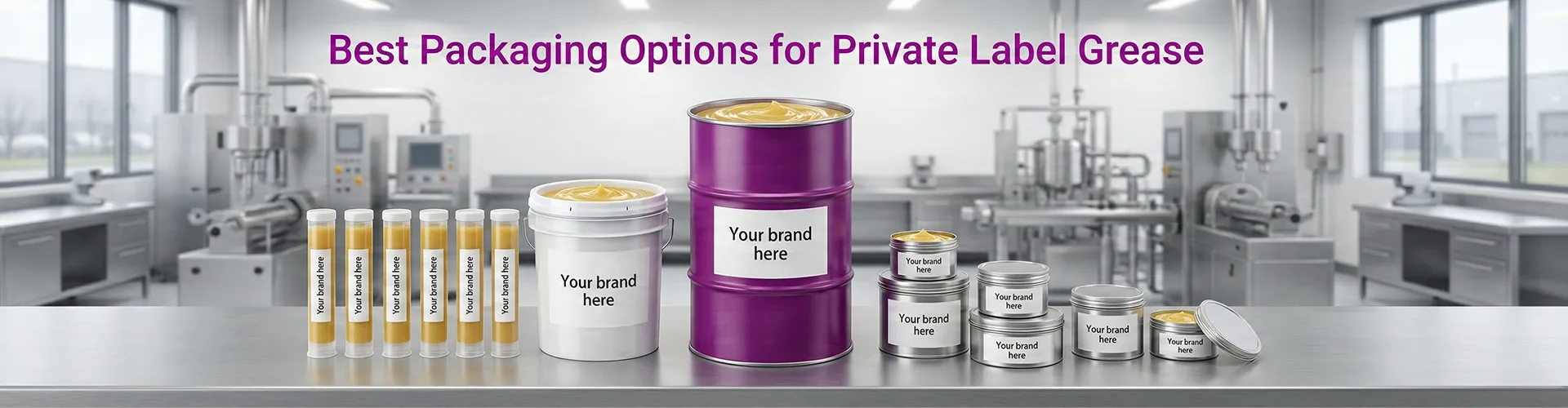
Rexol will support private label programs across a wide range of grease technologies, including:
- Lithium Complex EP Greases
- Calcium Sulfonate Greases
- Polyurea Greases
- Molybdenum Greases
This grease range is also available for Private Label production under your own brand name.
Final Thoughts
While grease consistency and load-carrying capacity are receiving the most attention, grease oxidation stability is equally important for long-term equipment reliability.
A grease with strong oxidation resistance may help to maintain performance, extend grease lifespan, reduce maintenance costs, and improve equipment uptime.
Selecting a high-performance grease with excellent oxidation stability will deliver measurable benefits throughout the life of the equipment for industrial operators seeking dependable lubrication.
Explore Rexol High-Performance Greases
Looking for grease solutions designed for demanding industrial environments?
Explore Rexol’s Lithium Complex EP, Calcium Sulfonate, and Polyurea grease ranges. If you want to launch your own lubricant brand, find our Private Label Grease solutions and bring premium industrial grease technology to your market under your own name.