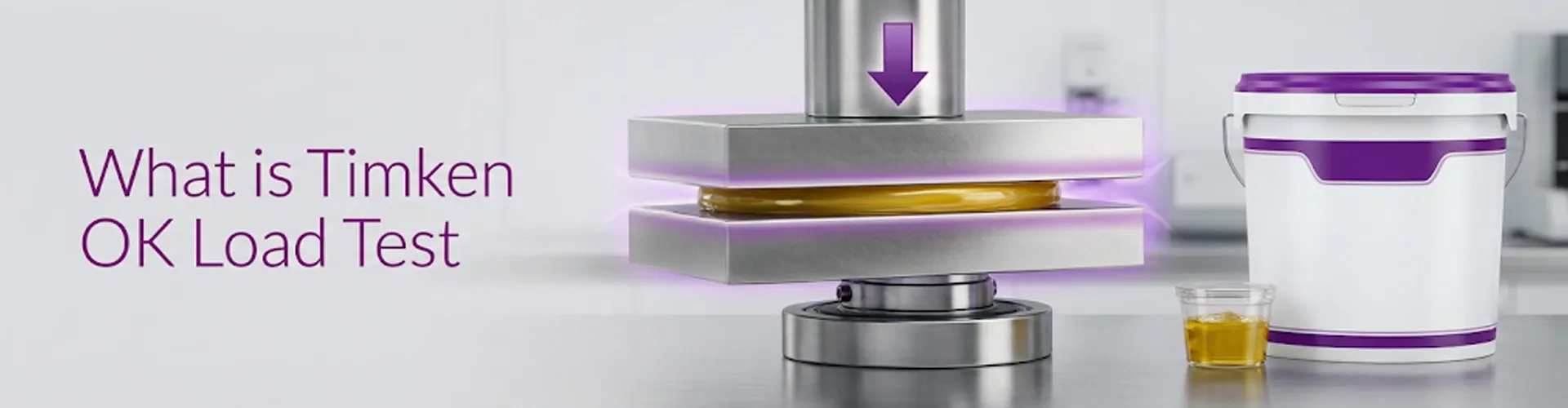
What Is Timken OK Load Test in Grease?
A question that always comes up when using grease for heavy machinery is:
How much pressure can the grease handle before metal surfaces start to suffer damage?
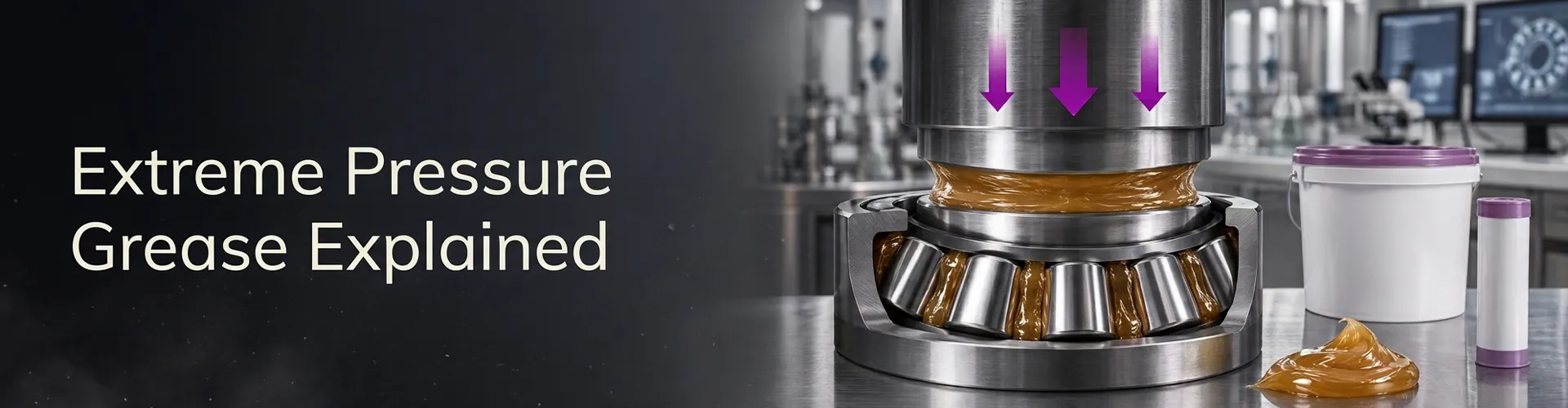
One way to understand this is through the Timken OK Load Test, which helps measure the load-carrying ability of grease under controlled conditions.
For buyers, maintenance teams, and lubricant distributors, this test gives a clearer idea of whether a grease is suitable for heavy-duty or extreme pressure applications.
What Is the Timken OK Load Test?
Timken OK load test for grease shows the highest load a grease can carry before visible scoring or surface damage appears under standard test conditions. It helps compare grease load capacity for heavy-duty and extreme pressure applications, but it should be checked together with NLGI grade, base oil viscosity, thickener type, temperature range and application needs.
In simple words:
Timken OK load shows the maximum pressure a grease can handle before visible surface damage begins under standard test conditions.
This makes it useful for checking grease load capacity in applications where parts operate under heavy loads.
How Does the Timken OK Load Test Work?
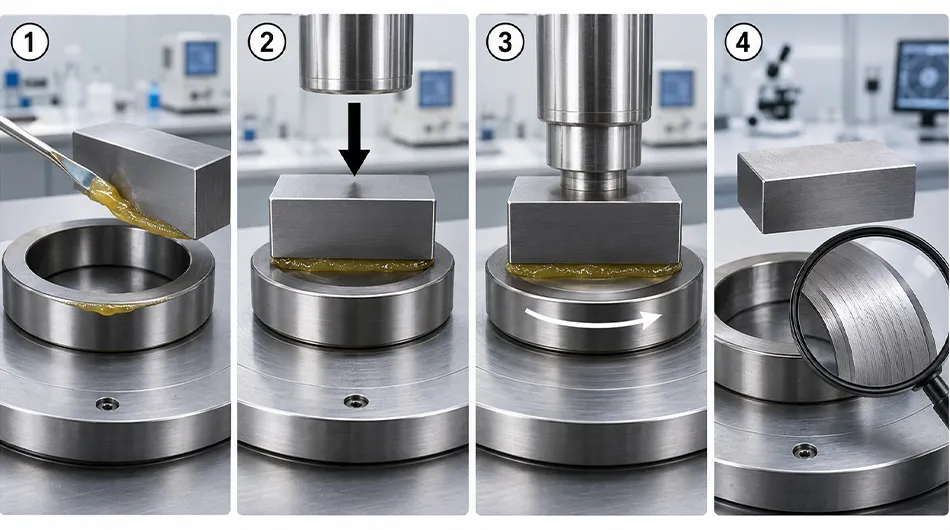
The test is carried out in a controlled setup:
- Grease is applied between a rotating metal ring and a stationary metal block.
- Load is applied to the contact area.
- The load is increased gradually.
- The metal surface is checked for scoring or damage.
- The highest load without scoring is recorded as the OK load.
The highest load at which the test runs without damage is called and noted as the OK load.
Why Is Timken OK Load Important in Grease?
Grease is not only used to reduce friction. In many machines, it also has to protect metal parts from pressure, shock loads and sliding contact.
The Timken OK Load Test helps users understand whether a grease can support:
- Heavy-load conditions
- Sliding metal contact
- Shock loading
- Boundary lubrication
- Extreme pressure protection
- Wear reduction in demanding applications
This is why the test is often discussed when selecting EP grease for construction, mining, fleet, agriculture and industrial machinery.
What Result Can You Expect from the Test?
The result of the Timken test is usually given as a load value, often in pounds or kilograms.
For example, a grease may show a Timken OK load value such as:
- 40 lb
- 45 lb
- 50 lb
- 60 lb
A higher OK load usually indicates better load-carrying performance under the test conditions.
However, it is important to understand one point clearly:
A higher Timken OK load is a useful sign of stronger EP performance, but it should not be the only factor used to choose grease.
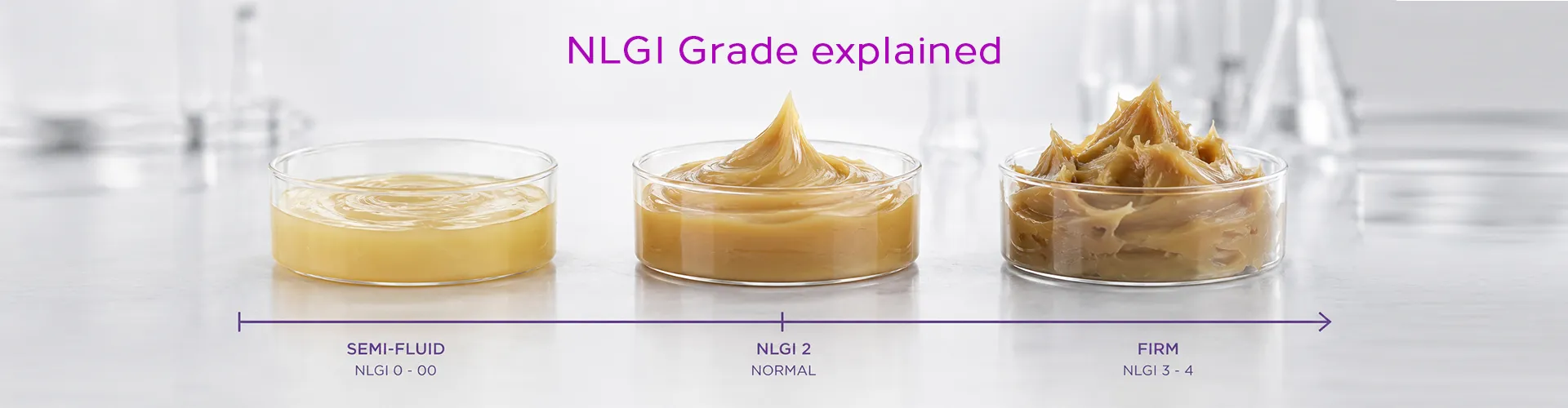
The final grease selection should also consider speed, temperature, water exposure, thickener type, base oil viscosity, NLGI grade and equipment requirements.
What Does “OK Load” Mean?
The term OK load means the highest load the grease can handle in the test without causing scoring on the metal surface.
If the metal surface remains smooth and does not show scoring, that load is considered “OK.”
If visible damage appears, the grease has failed at that load.
So, the test helps compare how different greases perform under pressure.
Timken OK Load Test vs Other EP Tests
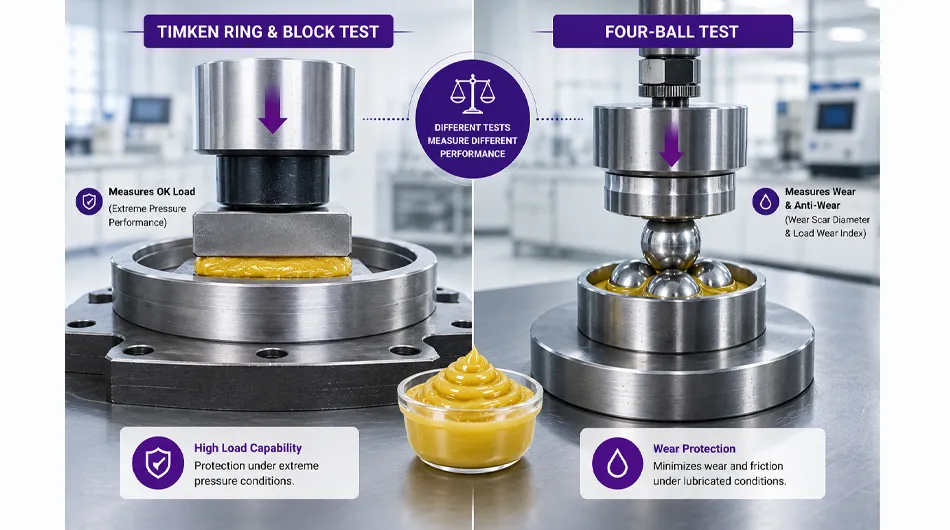
The Timken test is one method used to understand extreme pressure performance. Other tests may also be used depending on the lubricant and application.
| Test | What It Checks | Why It Matters |
| Timken OK Load Test | Load a grease can carry without scoring | Helps evaluate load-carrying ability |
| Four-Ball EP Test | Weld load and extreme pressure behavior | Shows EP performance under point contact |
| Four-Ball Wear Test | Wear scar under controlled load | Helps measure anti-wear protection |
The Timken test is useful, but it gives only one view of grease performance. For serious applications, technical data should be reviewed as a complete package.
Where Is Timken OK Load Grease Used?
Grease with strong Timken OK load performance is commonly used in heavy-duty applications where parts face high pressure and sliding movement.
Common examples include:
- Construction equipment
- Mining machinery
- Agricultural equipment
- Industrial bearings
- Pins and bushings
- Gear couplings
- Fifth wheels
- Heavy fleet components
- Steel and cement plant machinery
In these applications, an extreme pressure test helps confirm whether the grease has the right load protection for demanding service.
Does Every Grease Need a High Timken OK Load?
No. Not every application needs a very high Timken OK load.
For example, high-speed electric motors may need grease with low noise, oxidation stability, and long service life rather than heavy EP chemistry. General light-duty applications may also not require very high extreme-pressure performance.
A high OK load is most useful when equipment works under:
- Heavy load
- Shock load
- Slow movement
- Sliding contact
- High contact pressure
- Harsh industrial conditions
For normal-duty applications, other properties may be more important.
How Should You Read Timken OK Load in a TDS?
When checking a Technical Data Sheet, do not read the Timken OK load value alone. Look at it together with other grease properties.
Check:
- Timken OK load value
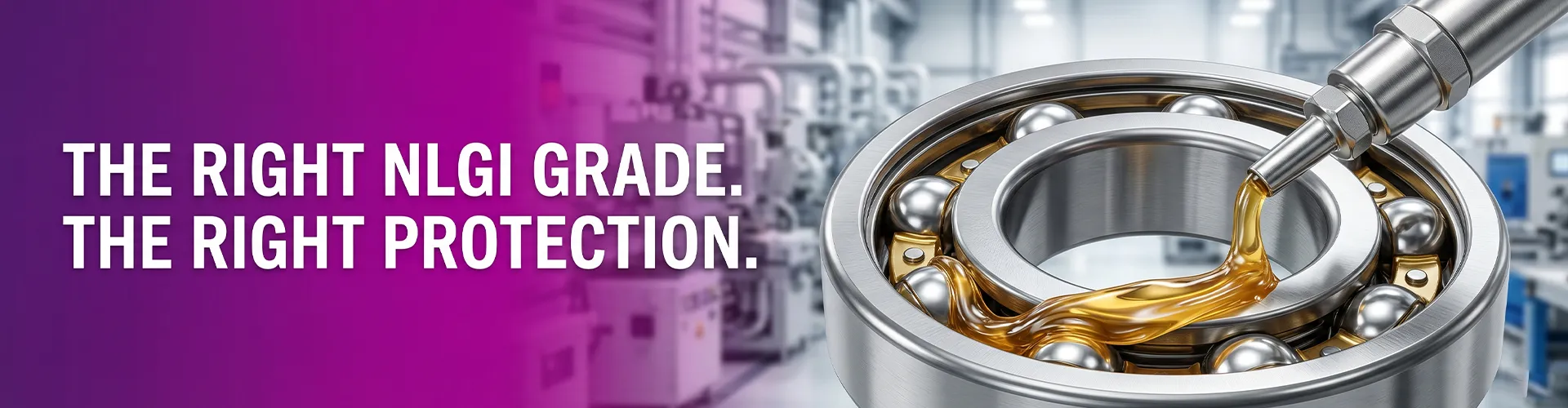
- NLGI grade
- Thickener type
- Base oil viscosity
- Dropping point
- Operating temperature range
- Water resistance
- EP and anti-wear performance
- Application recommendation
This gives a more realistic picture of whether the grease suits your machine.
Why Timken OK Load Matters for EP Grease
EP grease is designed to protect surfaces when normal oil film protection becomes weak under heavy pressure. Additives in EP grease help reduce scoring, scuffing, and surface damage when metal parts come close to contact.
The Timken OK Load Test helps show whether the grease can handle this type of pressure in a controlled test.
If you are selecting grease for heavy-duty machinery, Rexol’s EP grease can be considered for applications where load protection, wear resistance, and reliable lubrication are important.
How Rexol Supports Grease Selection
Technical values like Timken OK load, NLGI grade, dropping point, base oil viscosity, and operating temperature help customers select the right grease for their application. Rexol offers lubricant solutions for different applications like automotive, industrial, fleet, and heavy-duty applications.
Businesses looking to build their own lubricant range can also explore Rexol’s private label grease solutions, where product selection, packaging, and technical documentation can be supported based on market and application needs.
Final Thoughts
The Timken OK Load Test is a useful way to understand how well grease can protect metal surfaces under pressure. It gives a practical indication of load-carrying ability and helps compare greases used in heavy-duty applications.
However, the test result should not be used alone. The right grease should be selected by checking the full technical data, including temperature range, NLGI grade, base oil viscosity, thickener type, water resistance, and application needs.
For heavy-duty and extreme pressure applications, Rexol can support customers with suitable grease solutions and technical guidance for the right product selection.
Contact Rexol and start your own private label grease journey today with expert support.