How to Expand Your Lubricant Business into New Countries
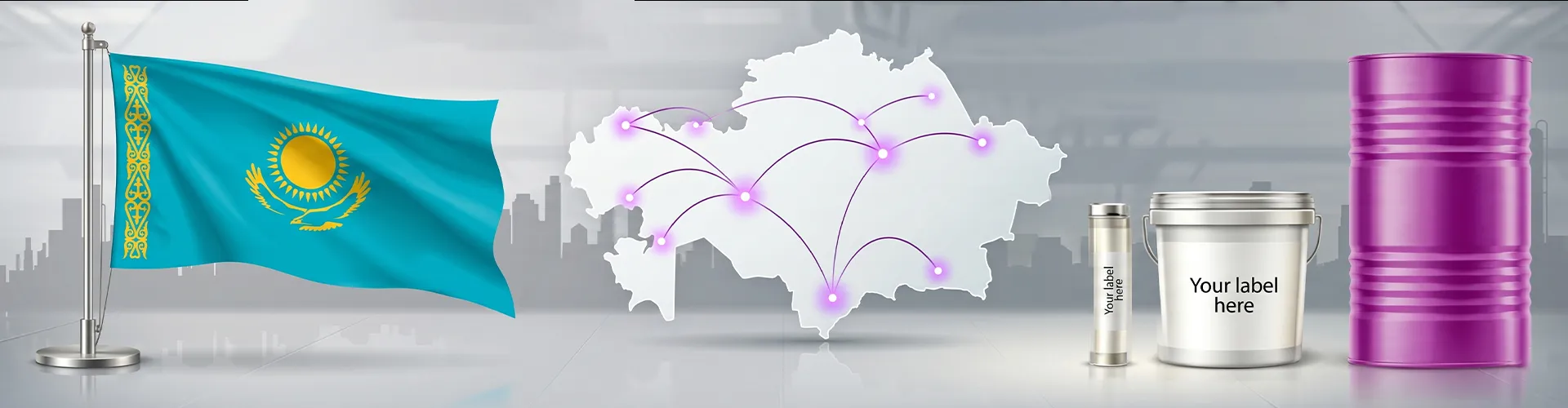
Expanding into new countries can be a strong growth opportunity for a lubricant company. But it needs more than finding a buyer and shipping products. Every market has its own customer needs, regulations, climate, packaging preferences, and competition.
International expansion can open new doors to new customers in different sectors for distributors, traders, and lubricant brand owners. But to be successful, you need a clear lubricant export strategy and the right manufacturing partner.
To expand a lubricant business into new countries, start with market research, choose a focused grease product range, prepare export documents, select suitable packaging, understand local competition, and work with a reliable manufacturing partner. A clear lubricant export strategy helps reduce risk and supports long-term international growth.
In this guide, Rexol explains to you how to plan your lubricant export strategy for your international expansion and open new growth opportunities.
What Is a Grease Export Business?
A grease export business means selling branded grease or private label grease products to distributors, customers, or industrial buyers in other countries.
In simple terms:
A grease export business helps lubricant companies grow beyond their local market by supplying grease products internationally.
This model works well when the product range, documentation, packaging, and logistics are planned properly.
Why Should Lubricant Businesses Expand Internationally?
Many lubricant businesses start in one local market. After building experience, gaining customer trust and a good supplier relationship, these businesses look for growth and want to expand in the nearby or international markets.
Expanding into new countries can help businesses:
- Reach new customers and distributors
- Increase sales volume
- Build a stronger brand
- Reduce dependence on one market
- Serve different industries with growing grease demand
- Improve long-term business stability
What Should You Check Before Entering a New Country?
Research comes first before entering any new market. A product that works well in one country may not necessarily be suitable for another.
Key areas to check before entering include:
- Target industries
- Climate and operating conditions
- Rules and documentation needed for Import
- Packaging preferences
- Competitor pricing
- Local distributor network
- Customer buying behavior
- Required technical documents
- Product registration or labelling needs
- Logistics route and delivery cost
A strong and clear lubricant export strategy starts by understanding the market first and then sending the first shipment.
Step-by-Step Lubricant Export Strategy
A simple lubricant export strategy can follow these steps:
- Select the target country
Study the market size, customer segments, climate, industries, and competition. - Choose the right grease range
Start with a focused range that matches the country’s main industries. - Prepare export documents
Arrange TDS, SDS/MSDS, commercial invoice, packing list, certificate of origin, and other required documents. - Plan packaging formats
Choose cartridges, small packs, pails, or drums based on customer usage. - Find the right market position
Position your grease brand for fleet, construction, mining, marine, or industrial buyers. - Plan repeat supply
Export success should be planned for long-term business, not only one shipment.
How Do You Choose the Right Product Range?
When entering a new country, do not start with too many products. A focused grease range is easier to explain, sell, and manage.
Suggested Grease Range for New Markets
| Product Type | Best For | Export Market Use |
| Lithium EP Grease | Workshops, fleets, and general maintenance | Fast-moving grease for broad demand |
| Lithium Complex Grease | Construction, fleet, and industrial machinery | Better for higher load and temperature needs |
| Moly Grease | Pins, bushings, and shock-loaded parts | Useful for mining and heavy equipment markets |
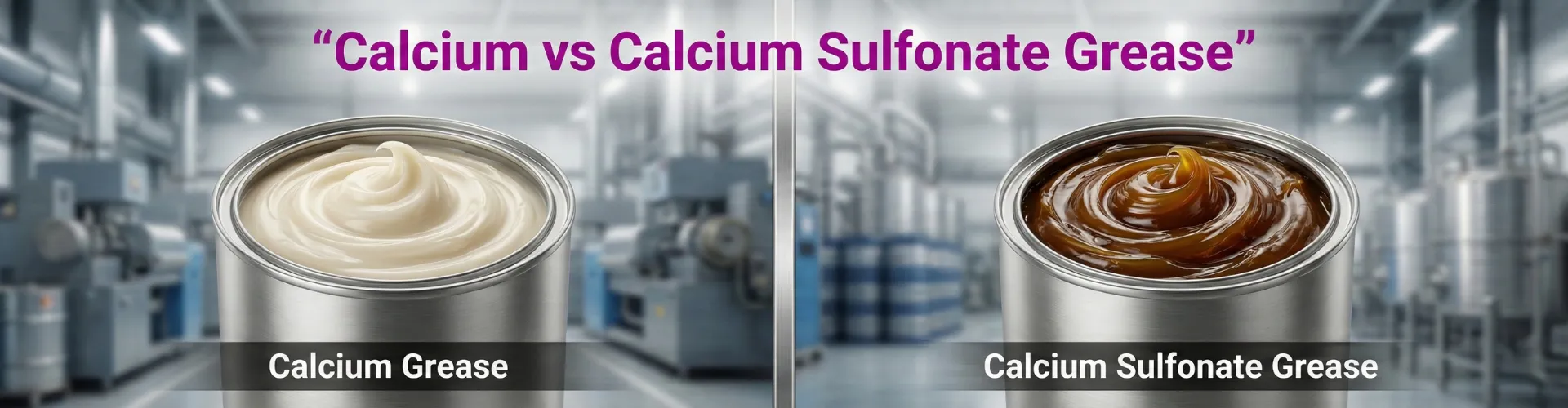
| Calcium Sulfonate Grease | Marine, wet, and harsh environments | Strong option for ports, marine, and outdoor equipment |
| Polyurea Grease | Electric motors and long-life bearings | Suitable for selected industrial buyers |
Businesses should start with products that match the country’s main industries.
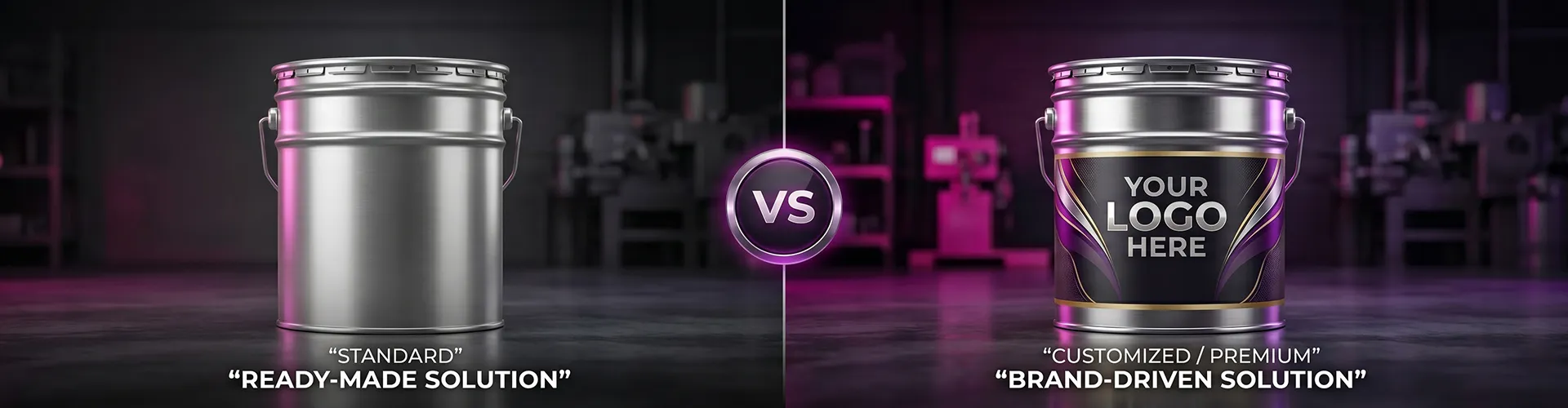
Why Is Private Label Grease Useful for International Expansion?
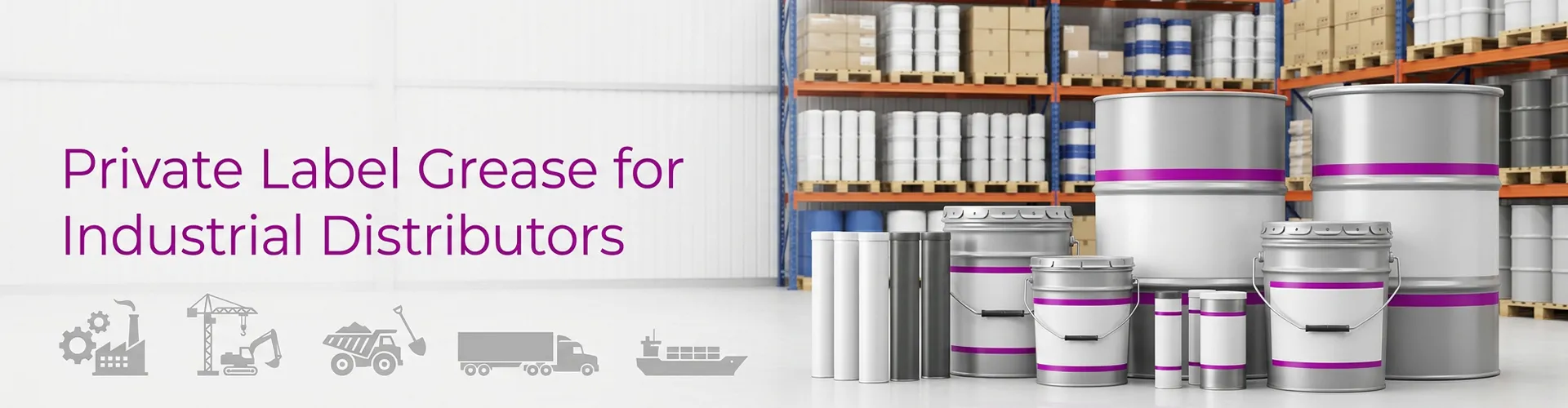
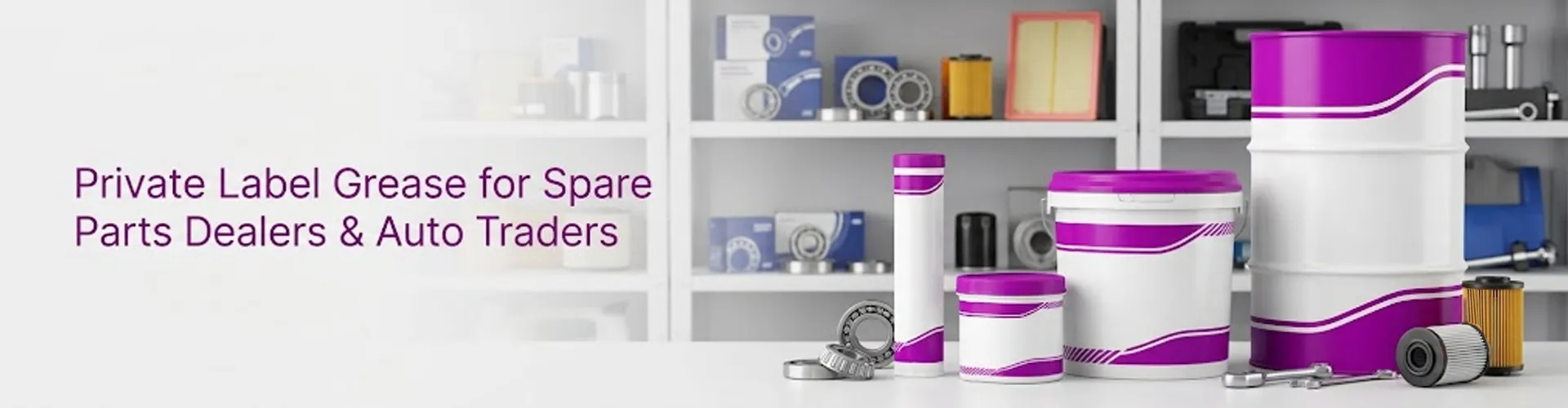
While expanding internationally, private label grease gives more control to distributors. They can create their own market identity instead of reselling another brand.
Private label grease can support through:
- Brand ownership
- Flexible packaging
- Market-specific product range
- Better pricing control
- Localised product positioning
- Stronger customer loyalty
- Long-term distributor relationships
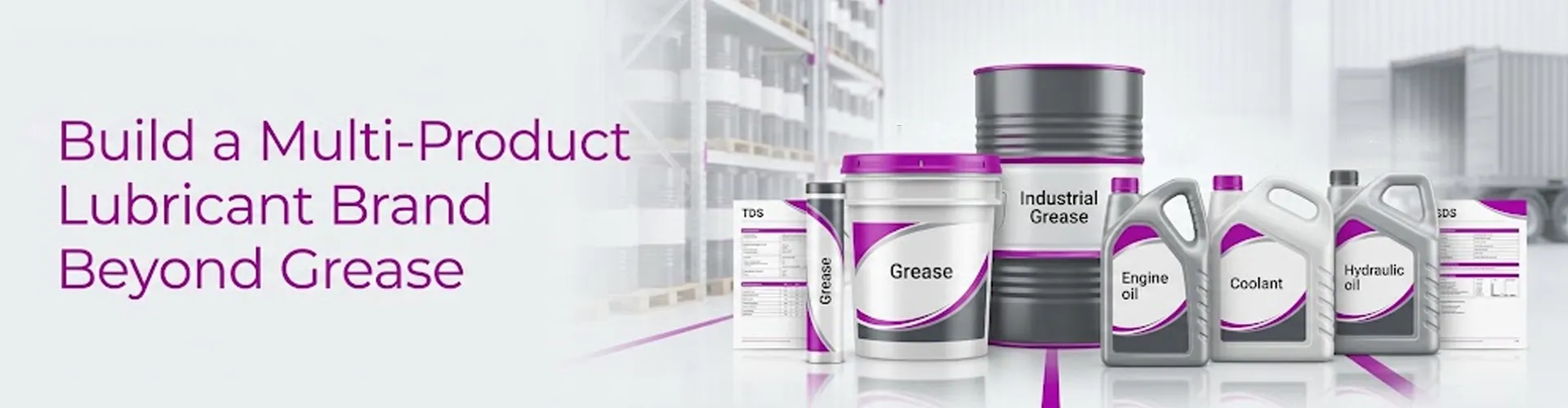
Businesses planning to build their own brand can explore Rexol’s private label grease manufacturing solutions to create a product range suitable for their target country.
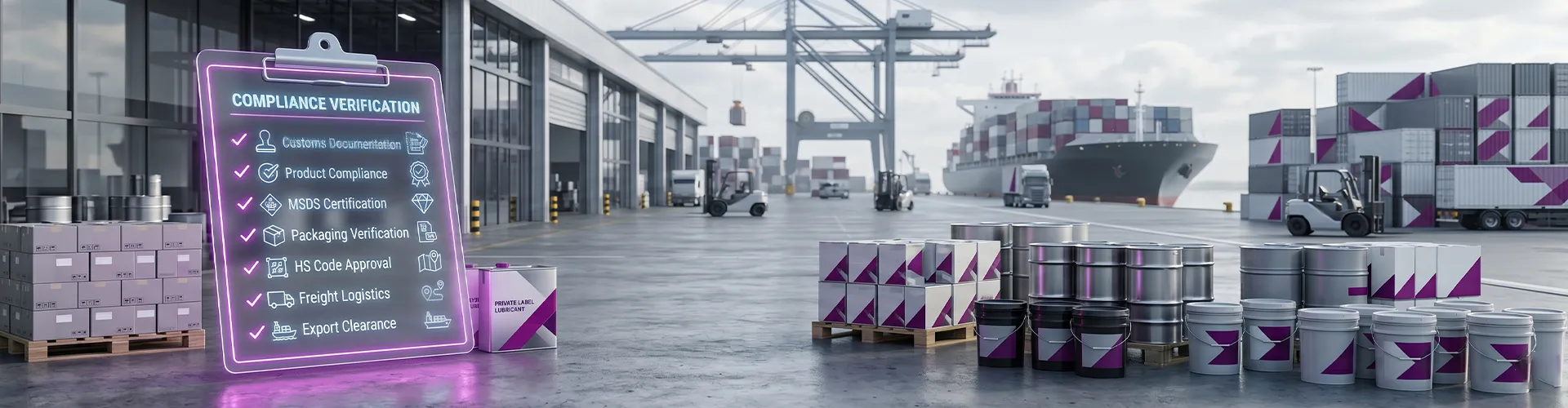
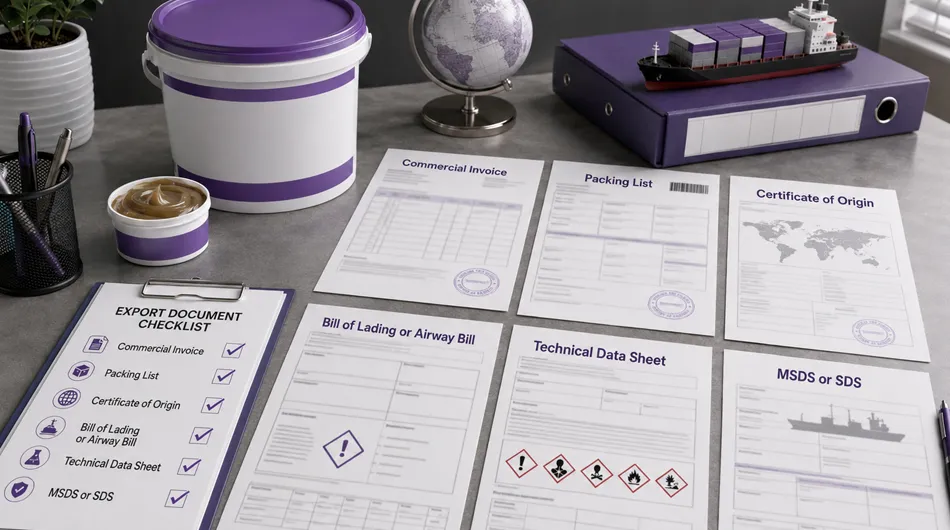
What Documents Are Needed for Grease International Trade?
When dealing with grease, international trade, documentation plays a vital role. Incorrect documentation or missing documentation can lead to delayed shipments, and this can affect buyers’ confidence.
Common documents may include:
- Commercial invoice
- Packing list
- Certificate of origin
- Bill of lading or airway bill
- Technical Data Sheet
- MSDS or SDS
- Product specification
- Label details
- Import-related documents based on destination country
These requirements should be confirmed before shipment because these can vary depending on the country, product type, and buyer needs.
How Does Packaging Affect Export Success?
Packaging is not only about appearance. It affects product handling, customer usage, storage, and resale.
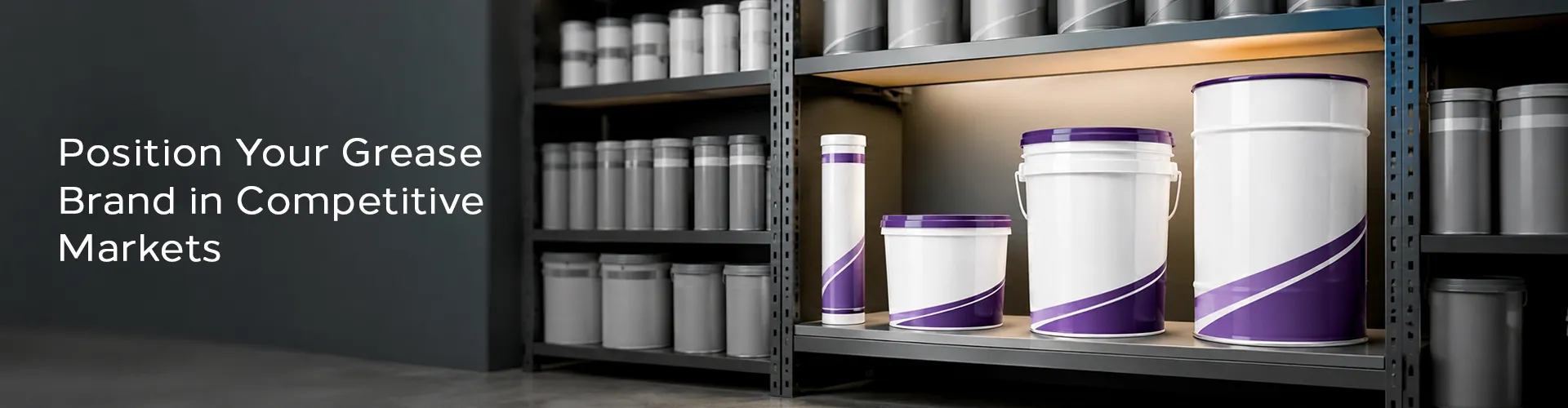
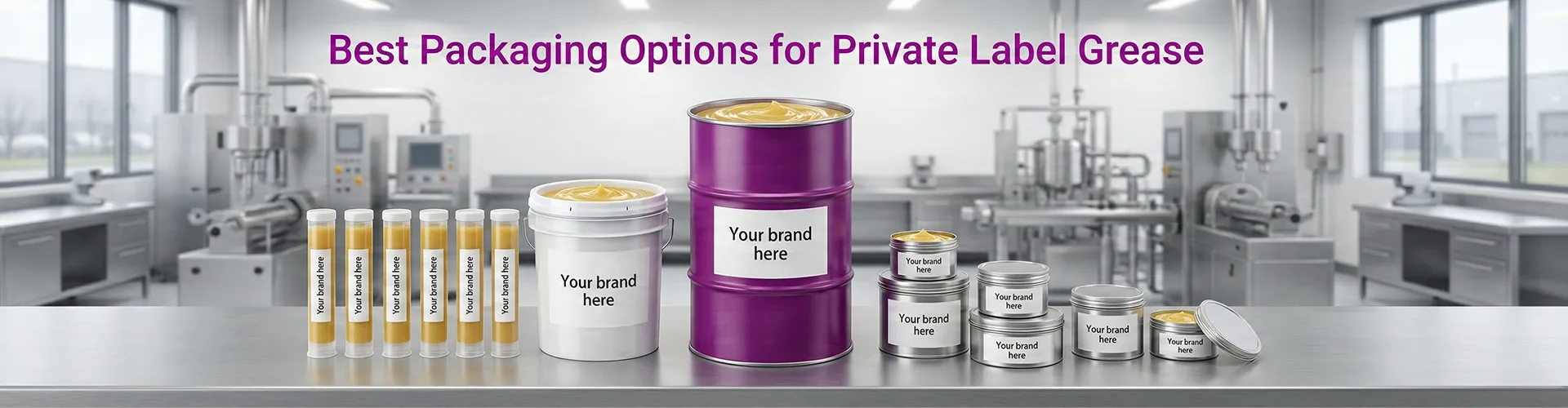
Common grease packaging options are:
- 400g cartridges for workshops
- 500g or 1kg packs for retail and small users
- 15kg or 18kg pails for fleets and service centres
- 180kg drums for industrial and high-volume buyers
For export markets, packaging should be clear, strong, and suitable according to the customer segment. For example, an industrial buyer may prefer drums or pails instead of cartridges.
How Can You Find the Right Market Position?
Every country has competition. If your grease brand looks like every other product, it becomes difficult to compete beyond price.
A good market position should answer:
- Who is the product for?
- What application does it support?
- Why should the buyer trust it?
- What makes the supply model reliable?
Instead of saying “all types of greases available,” use clearer positioning such as:
- Best grease solutions for fleet maintenance
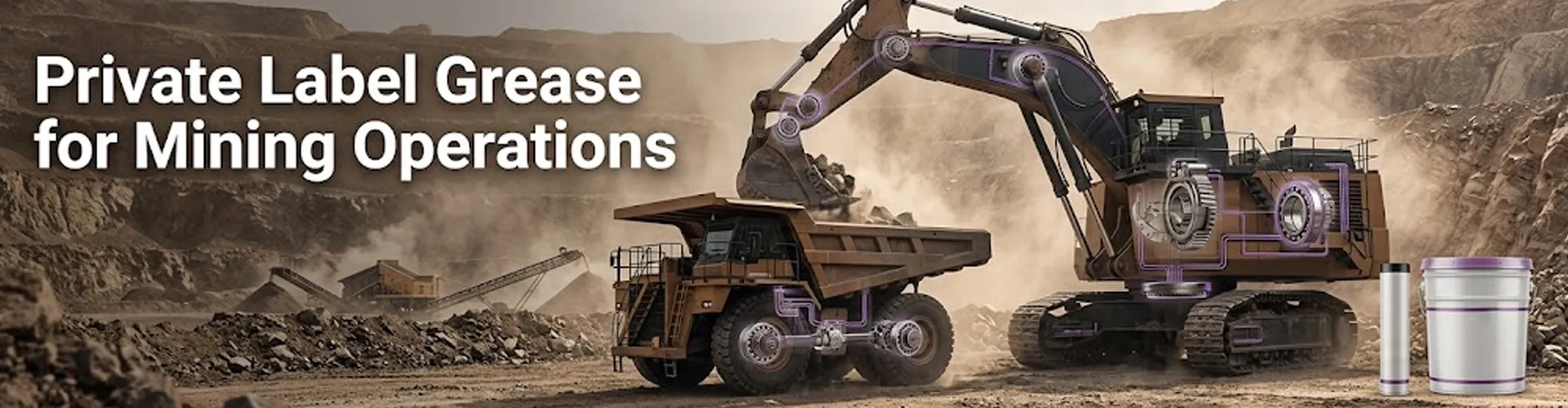
- Heavy-duty grease specially designed for mining and construction
- Water-resistant grease for marine and wet environments
- Private label grease for distributors starting their own brand
Clear positioning helps customers remember your brand and also makes sales easier.
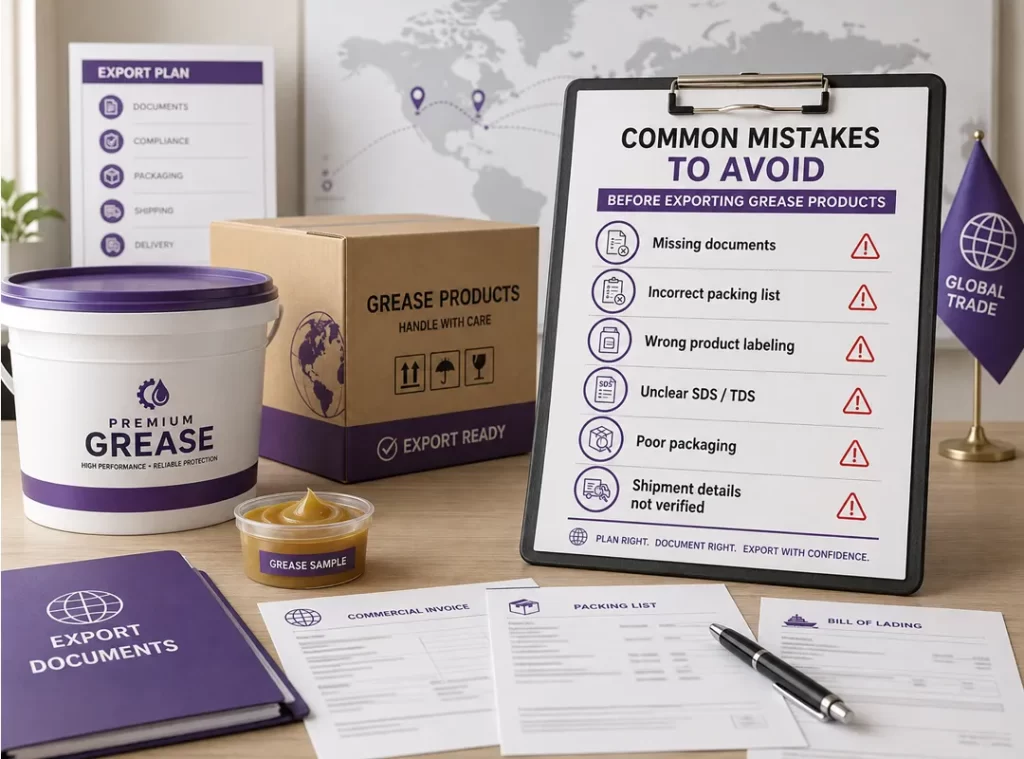
What Are Common Mistakes in Lubricant Export?
Many businesses face problems because they rush into new markets without planning.
Avoid these mistakes:
- Entering a country without market research
- Starting with too many products
- Ignoring local packaging needs
- Competing only on low price
- Not preparing technical documents
- Choosing unsuitable grease for climate or application
- Not checking import requirements
- Using weak packaging for export transport
- Not planning repeat supply
- Depending on one customer only
Export growth should be planned as a long-term business, not a one-time shipment.
How Rexol Supports Lubricant Business Expansion
Rexol supports lubricant distributors, traders, and brand owners with grease manufacturing and export-ready private label solutions. Whether you are entering a nearby country or building a wider regional business, Rexol can help with selecting the right grease, best packaging options, technical documentation, and scalable supply.
Our grease portfolio includes lithium EP, lithium complex, moly, calcium sulfonate, and polyurea grease technologies. These products can be supplied through Rexol’s private label grease support for businesses looking to build their own brand in new countries.
Final Thoughts
Expanding your lubricant business into new countries can create strong growth, but it must be planned carefully. The right market, product range, packaging, documentation, and supply partner all matter.
Clear strategy, trust, and consistency are the main pillars of a successful grease export business.
At Rexol, we support lubricant businesses and distributors to enter a new market with confidence and a scalable approach by providing high-quality private label grease products, packaging options, technical documentation, and export-ready supply.
Contact Rexol today and build a stronger international presence.