Oil Separation in Grease: Causes & Solutions
Grease is designed to provide long-lasting lubrication by holding base oil within a thickener structure and gradually releasing it during operation. This controlled release is what allows grease to protect bearings, gears, and moving components over extended service intervals. However, when too much oil separates from the grease, lubrication performance can be affected.
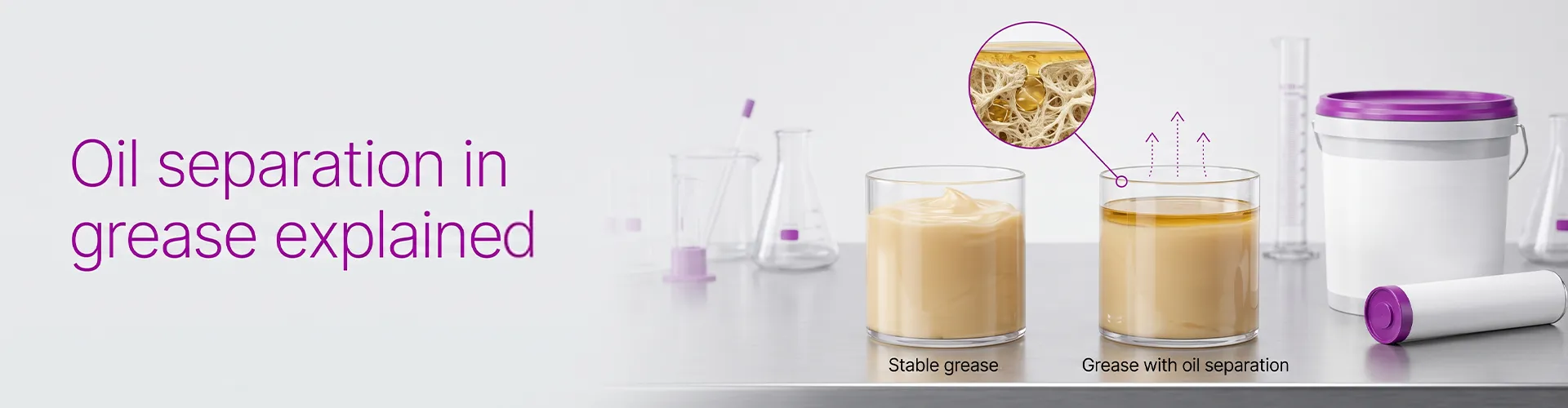
Known as oil separation in grease, this phenomenon is often misunderstood. A small amount of oil separation in grease is normal because grease releases oil to lubricate moving parts. The problem starts when excessive oil bleed reduces grease consistency, causes leakage, or leaves less lubricant available to protect bearings, gears, and moving components.
In this guide, we’ll explain what oil separation is, what causes it, how it affects equipment performance, and how to prevent grease stability issues in industrial applications.
What Is Oil Separation in Grease?
Grease consists of three main components:
- Base oil
- Thickener
- Performance additives
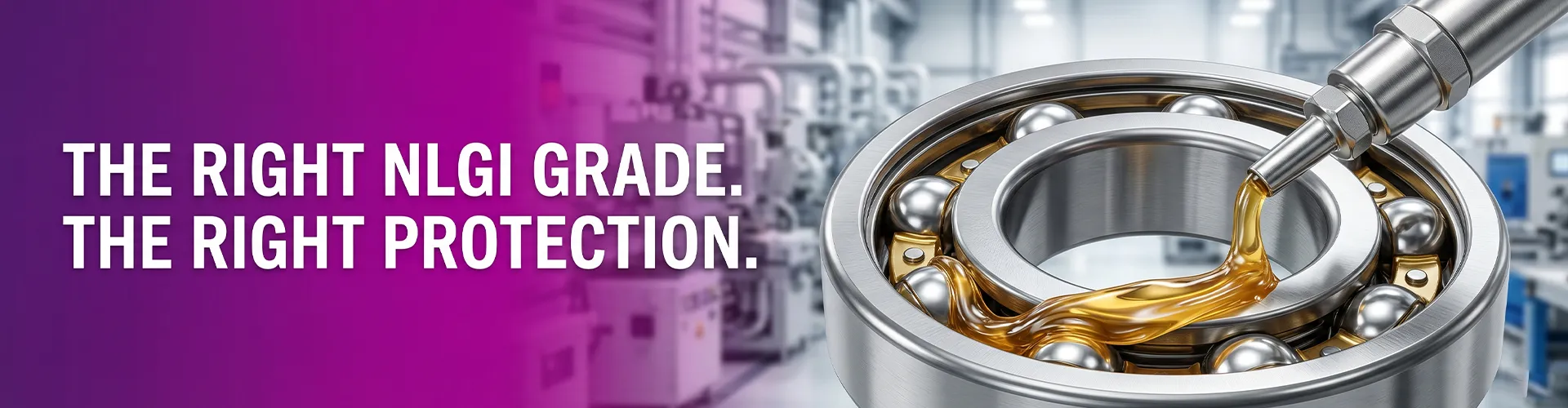
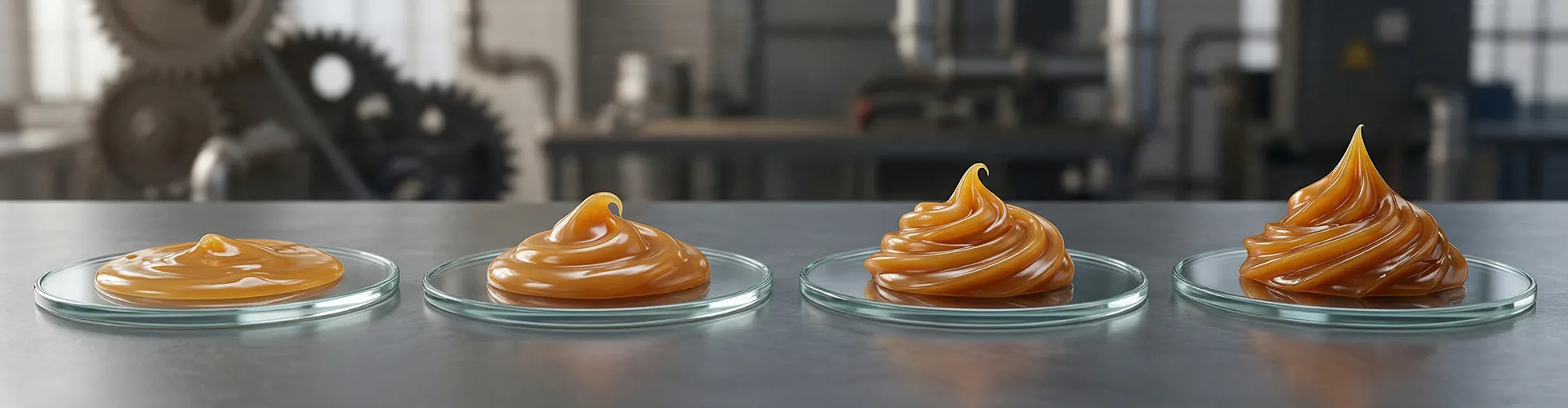
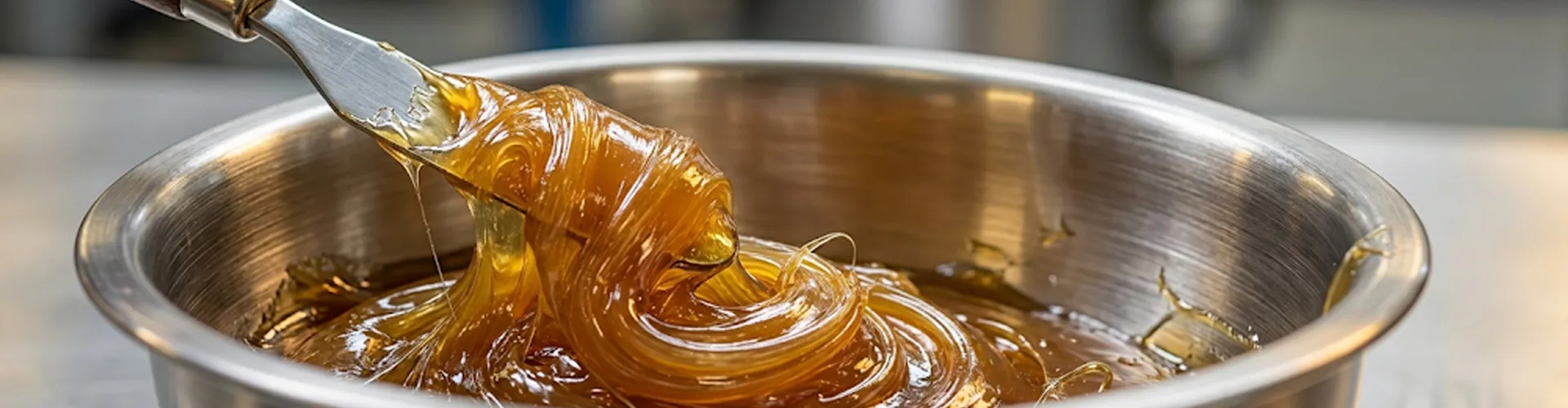
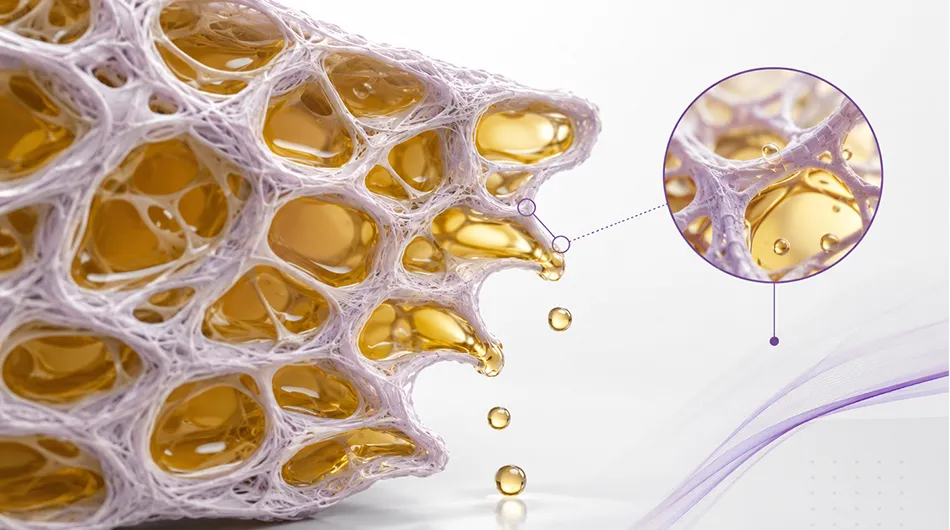
The thickener acts like a sponge, holding the lubricating oil in place. During operation, pressure and movement release small amounts of oil to lubricate contact surfaces.
This process is completely normal.
Oil separation in grease occurs when the base oil leaves the thickener excessively, either during storage or while the grease is in service.
This process is referred to as grease bleeding or oil bleed.
The key point is distinguishing between normal oil bleed and excessive separation that will negatively affect lubrication performance.
Is Oil Separation Always a Problem?
No.
A small amount of oil bleed is actually beneficial because it will provide the lubricant film that protects moving components.
Many grease manufacturers intentionally design formulations to release oil gradually during operation.
Problems occur only when excessive oil separation reduces grease consistency or leaves insufficient lubricant where it is needed.
Understanding this difference will help maintenance teams avoid unnecessary grease replacement.
| Point | Normal Oil Bleed | Excessive Oil Separation |
| Meaning | Controlled oil release from grease | Too much oil leaving the thickener |
| Impact | Helps lubricate moving parts | Can reduce grease consistency |
| When it happens | During normal operation | During poor storage, wrong use, or formulation issues |
| Concern level | Usually acceptable | Needs investigation |
| Result | Supports lubrication film | May cause leakage, wear, or poor protection |
Common Causes of Oil Separation in Grease
Several factors contribute to excessive oil separation in grease. The most common causes of oil separation in grease are heat, long storage, mechanical pressure, wrong grease selection, and incompatible grease mixing.
1. High Storage Temperatures
Heat accelerates oil migration from the thickener.
Grease will be stored nearby:
- Boilers
- Steam pipes
- Direct sunlight
- Hot warehouses
may experience increased oil separation over time.
Following recommended storage conditions will help preserve grease quality.
2. Long-Term Storage
Grease has a recommended shelf life like most lubricants.
Extended storage period will gradually increase oil bleed, particularly if containers are exposed to changing temperatures.
Proper stock rotation might help to maintain product quality.
3. Mechanical Pressure
Grease is subjected to continuous mechanical stress inside bearings and centralized lubrication systems.
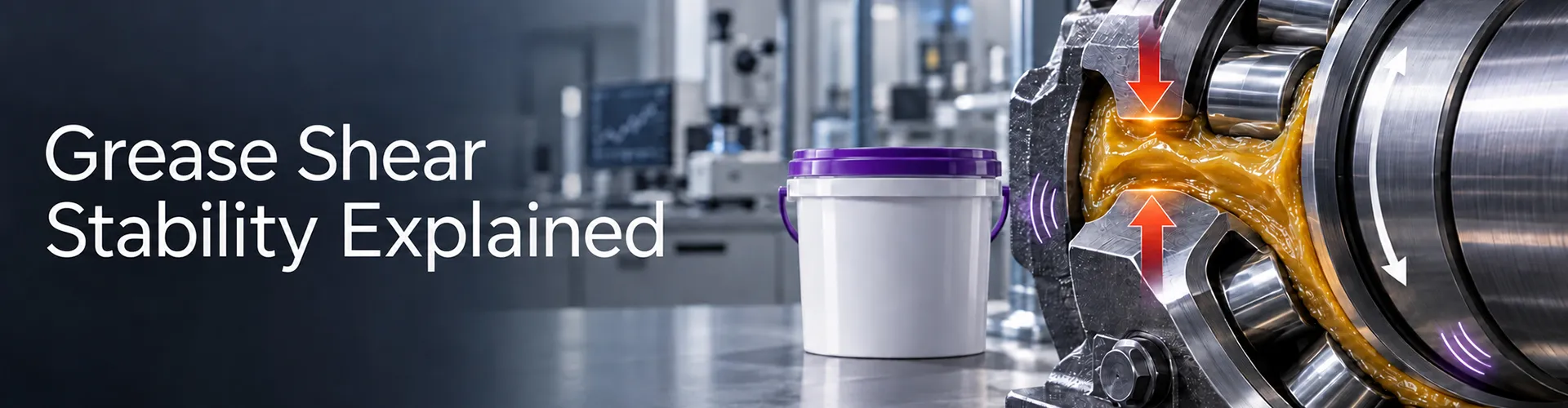
Repeated shearing will weaken the thickener structure and increase grease bleeding.
Premium greases are designed to maintain their consistency under these demanding conditions.
4. Incorrect Grease Selection
Using grease outside its intended application will result in excessive oil separation.
Examples are:
- Using general-purpose grease in high-temperature equipment
- Selecting the wrong base oil viscosity
- Using an unsuitable thickener for wet environments
Choosing the right grease for operating conditions will significantly improve performance.
5. Thickener Compatibility Issues
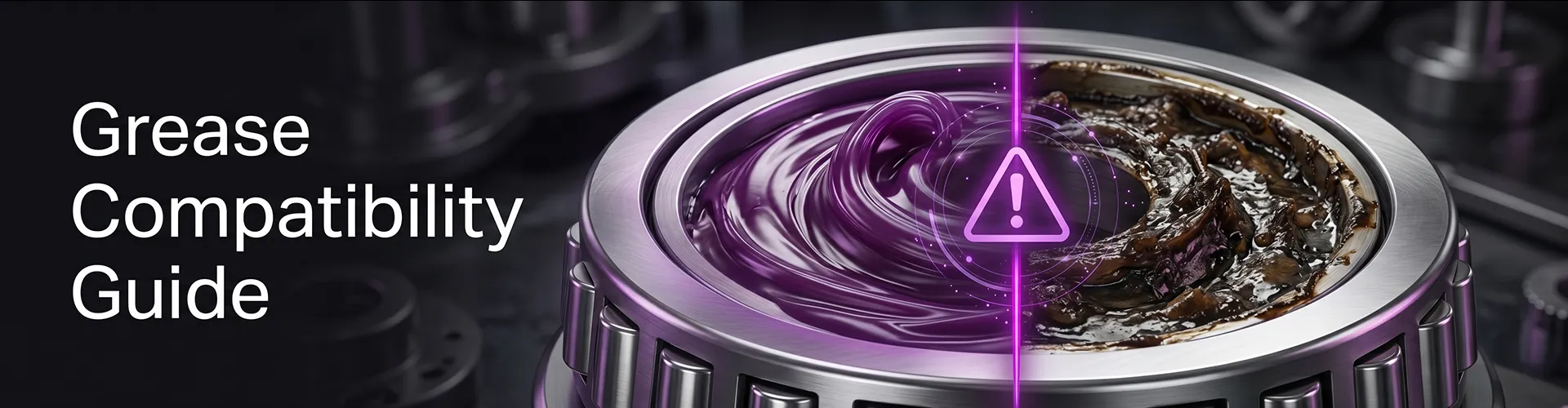
Mixing incompatible grease types will damage the thickener network.
This will often lead to:
- Excessive oil bleed
- Softening
- Hardening
- Reduced mechanical stability
Before changing products, always verify grease compatibility.
How Does Oil Separation Affect Equipment?
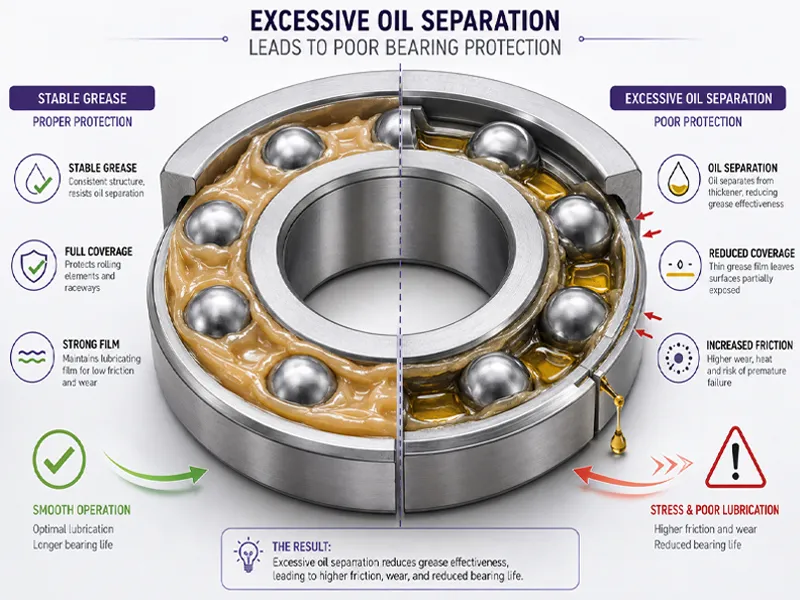
Excessive oil bleed will reduce lubrication effectiveness and increase maintenance requirements.
Some consequences include:
Reduced Bearing Protection
If too much oil will leave the grease structure, there may not be enough lubricant remaining to protect moving surfaces.
Increased Wear
Insufficient lubrication will increase metal-to-metal contact, accelerating component wear.
Leakage
Grease that releases excessive oil will leak from bearings, seals, or housings.
Higher Maintenance Costs
Equipment experiencing lubrication issues often requires more frequent inspection and relubrication.
Maintaining proper grease stability will help to reduce downtime and extend equipment life.
Understanding the Oil Bleed Test
Manufacturers evaluate grease performance using standardized laboratory methods.
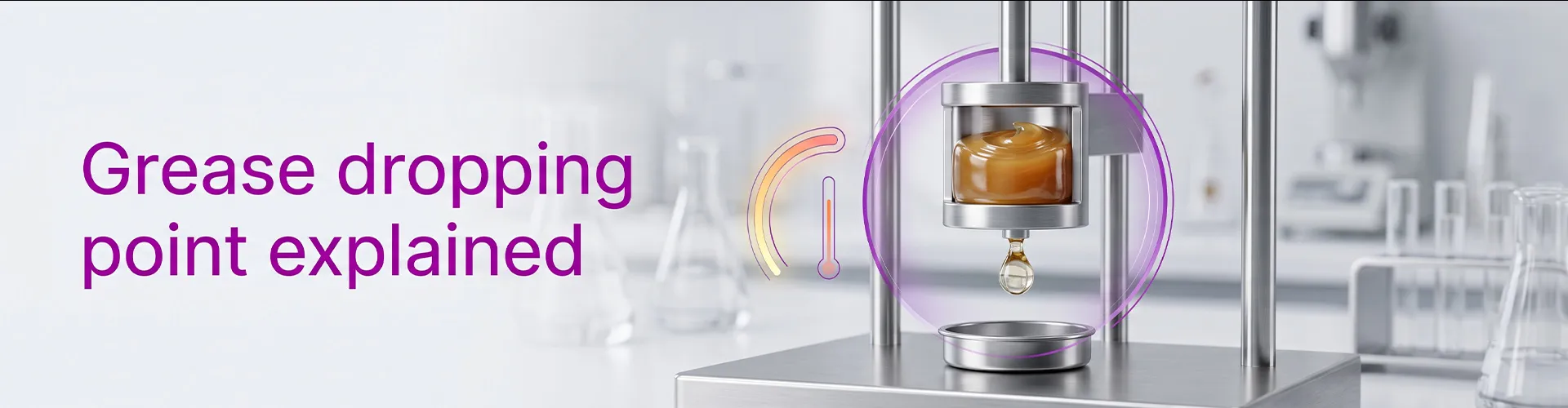
One important procedure is the oil bleed test, which measures the amount of oil released from a grease sample under controlled conditions.
The results will help engineers determine:
- Oil retention capability
- Thickener performance
- Product consistency
- Storage stability
Buyers can compare products from different manufacturers more accurately because testing methods are standardized.
The oil bleed test is an important quality-control measure for industrial grease.
Factors That Improve Grease Stability
High-quality grease formulations are designed to minimize unnecessary oil separation while maintaining controlled lubrication.
Several factors may influence grease stability issues.
Premium Base Oils
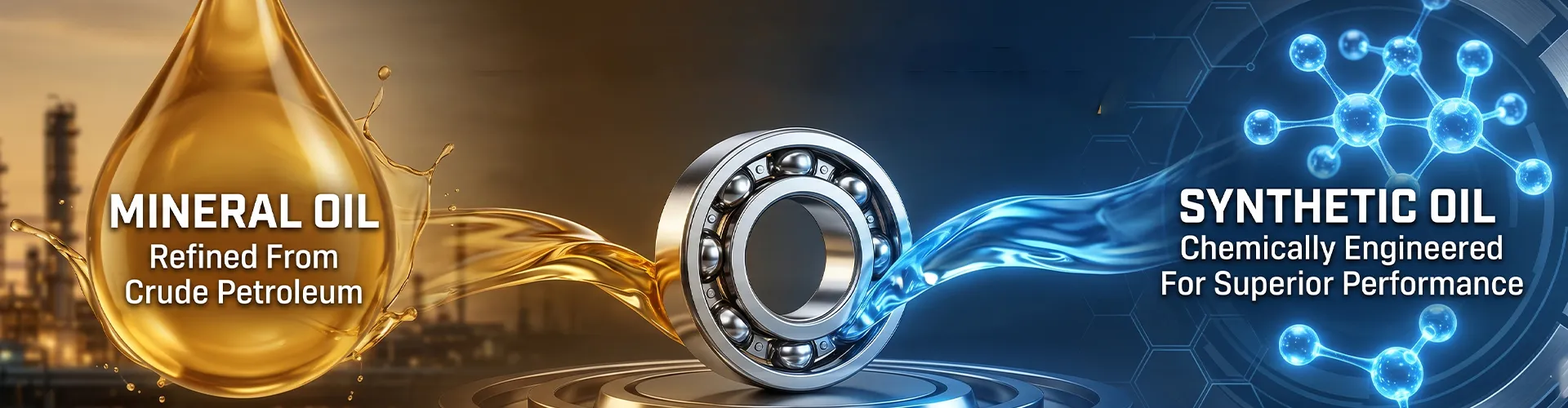
Higher-quality mineral and synthetic oils generally provide better long-term stability.
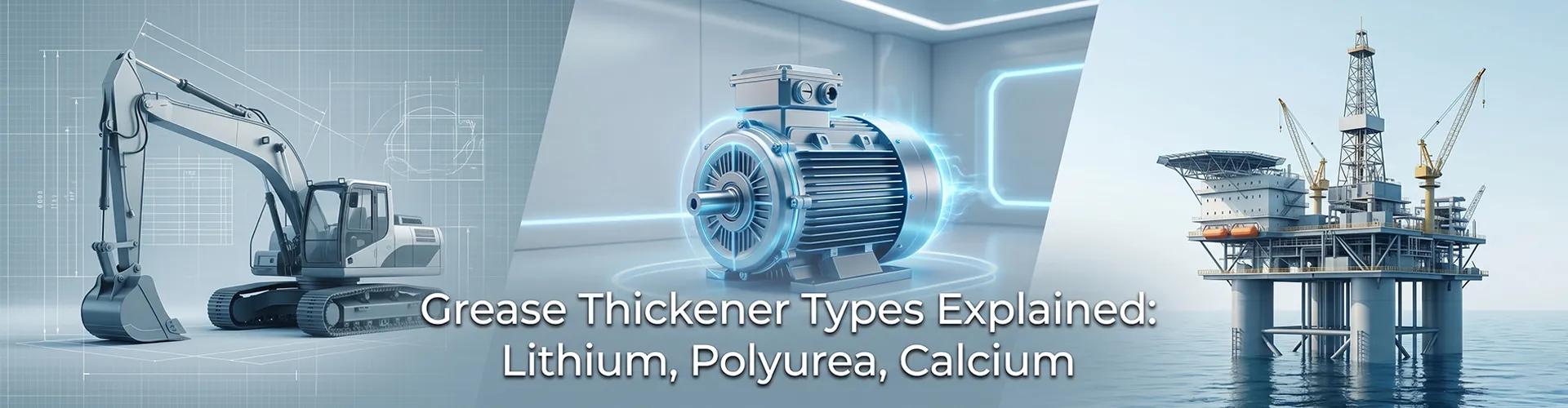
Advanced Thickener Systems
Modern thickeners will help retain oil while releasing it gradually during operation.
Examples include:
- Lithium complex
- Polyurea
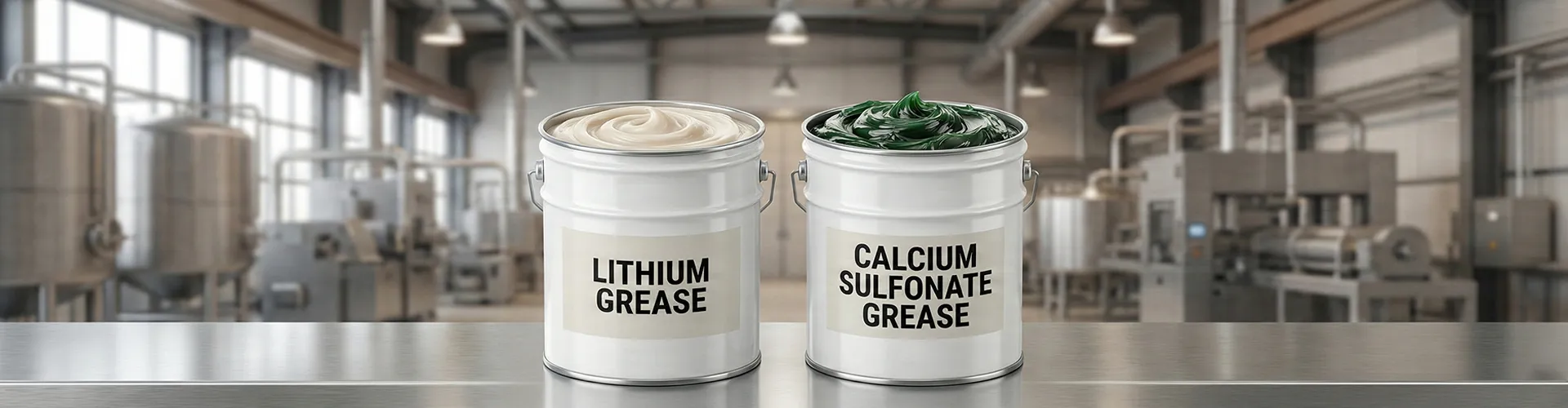
- Calcium sulfonate complex
Quality Additives
Performance additives will improve oxidation resistance, corrosion protection, and mechanical stability.
Proper Manufacturing
Consistent mixing and production will process to ensure uniform grease structure throughout every batch.
Choosing the Right Grease for Demanding Applications
Different industrial environments require different grease technologies.
Rexol Lithium EP Grease
It is suitable for:
- General industrial equipment
- Automotive workshops
- Fleet maintenance
- Agricultural machinery
The benefits include:
- Reliable lubrication
- Good mechanical stability
- Excellent wear protection
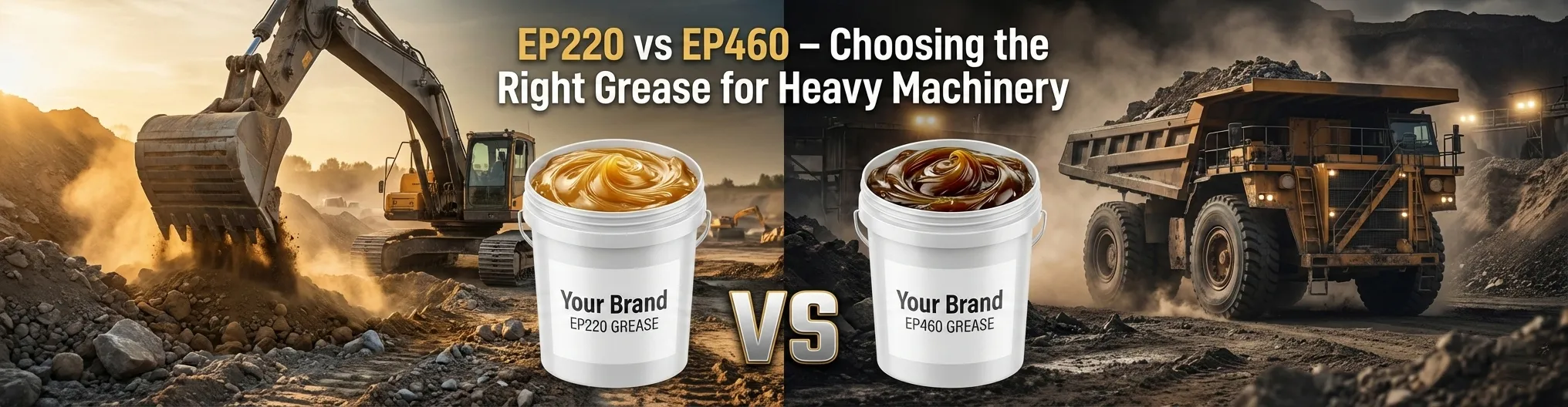
Rexol Lithium Complex EP 220
It is designed for:
- Construction equipment
- Industrial bearings
- Heavy-duty applications
The advantages include:
- Excellent oxidation resistance
- Strong oil retention
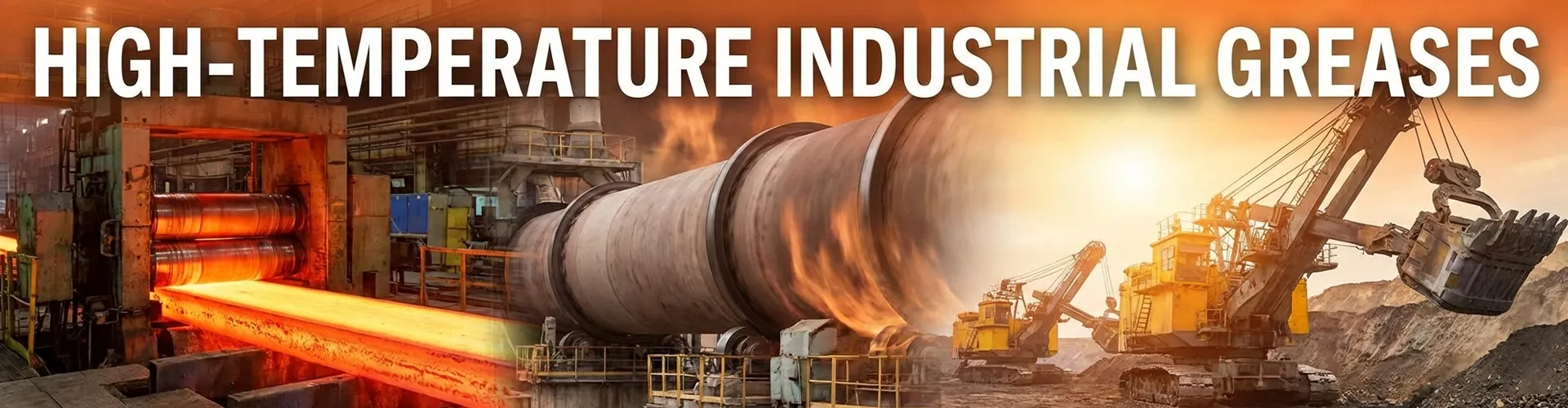
- High thermal stability
- Extended service intervals
Rexol Lithium Complex EP 460
It is recommended for:
- Mining equipment
- Crushers
- Slow-speed bearings
- Extreme pressure applications
Its higher-viscosity base oil provides enhanced lubrication under heavy loads.
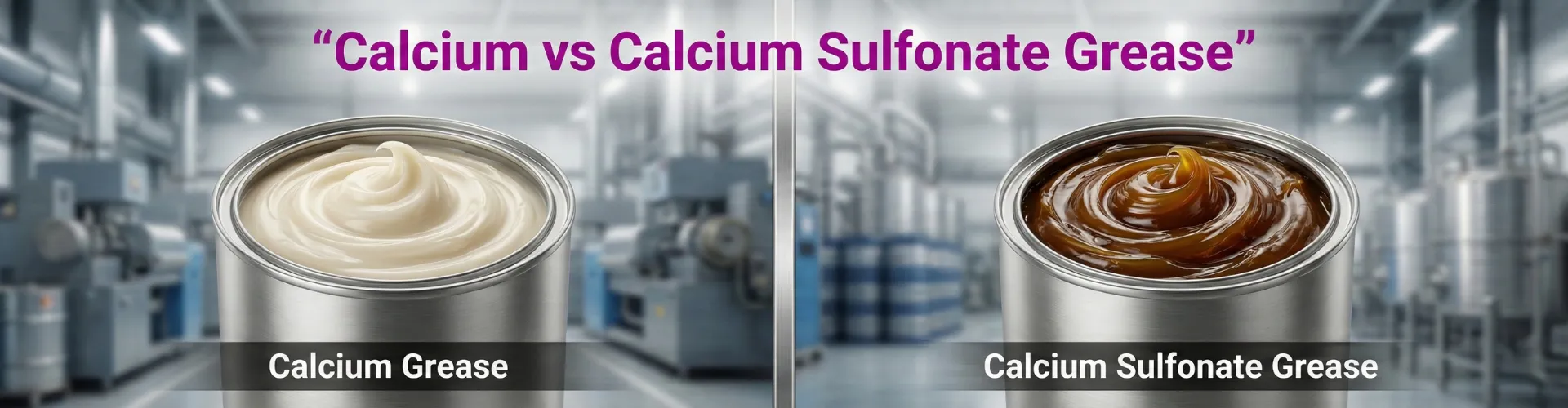
Rexol Calcium Sulfonate Grease
It is ideal for:
- Marine applications
- Wet environments
- Outdoor industrial equipment
The key benefits include:
- Outstanding water resistance
- Superior corrosion protection
- Excellent mechanical stability
Best Practices to Reduce Oil Separation
Maintenance teams will minimize oil separation in grease by following several simple practices:
- Store grease in cool, dry environments.
- Keep containers tightly sealed to prevent contamination.
- Rotate inventory using a first-in, first-out (FIFO) system.
- Avoid mixing incompatible grease types.
- Follow equipment manufacturer recommendations.
- Select grease with the appropriate base oil viscosity and thickener technology.
- Inspect stored grease periodically before use.
These practices are helping to preserve grease quality and maximize equipment reliability.
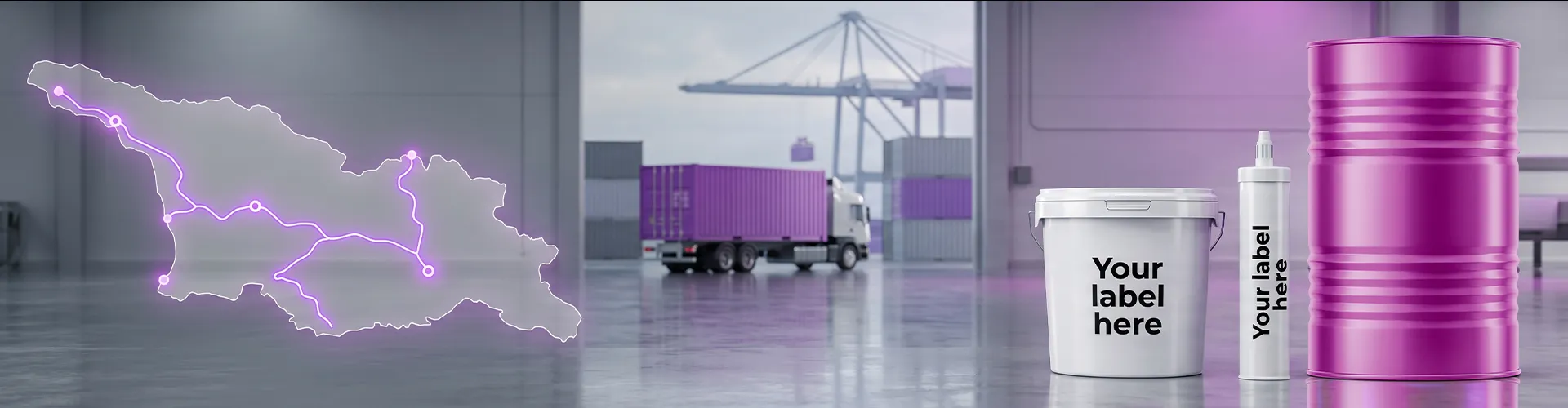
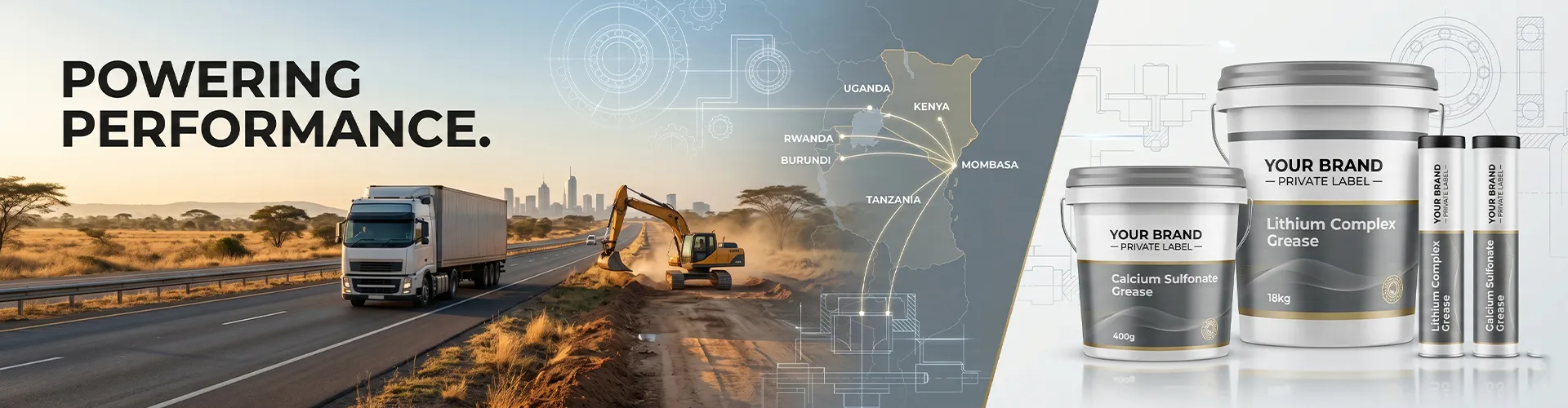
Private Label Opportunities
Many distributors are launching their own grease brands as demand for high-performance industrial lubricants continues to grow.
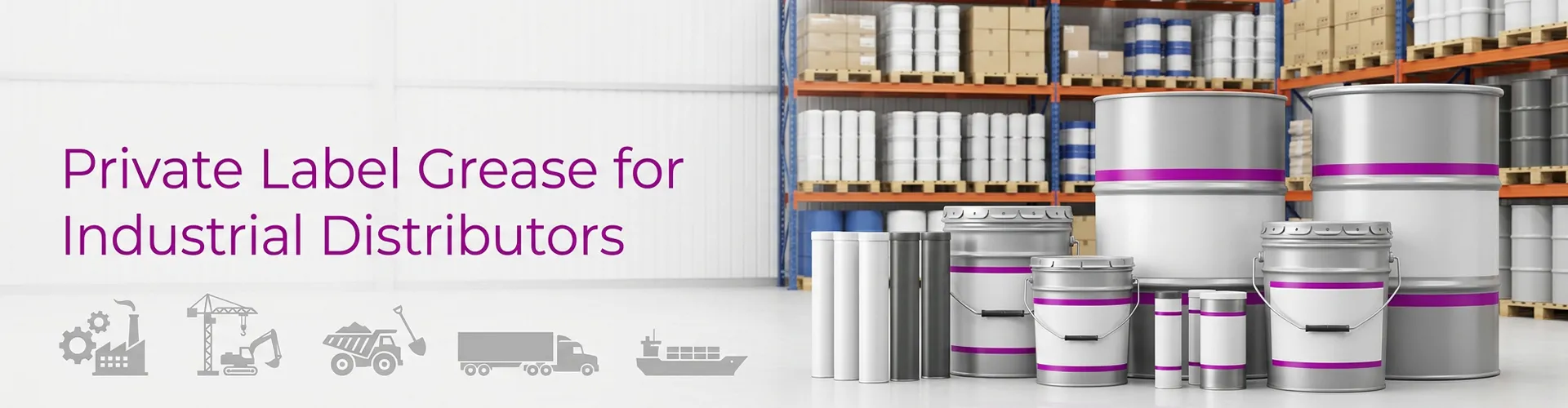
Rexol offers private label manufacturing for a wide range of grease technologies, including:
- Lithium EP Greases
- Lithium Complex EP 220
- Lithium Complex EP 460
- Calcium Sulfonate Greases
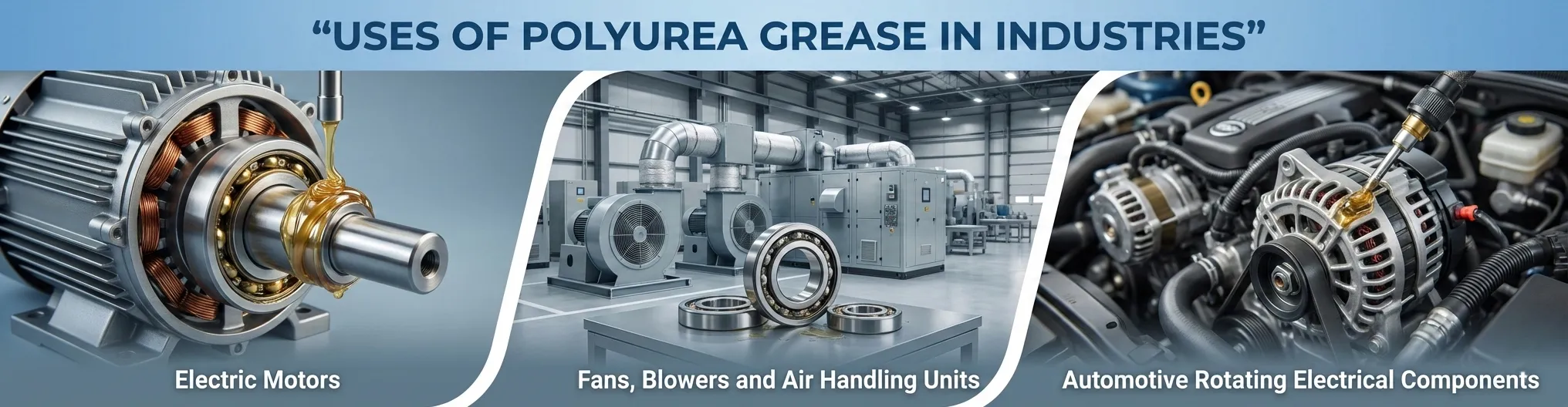
- Polyurea Greases
- Molybdenum Greases
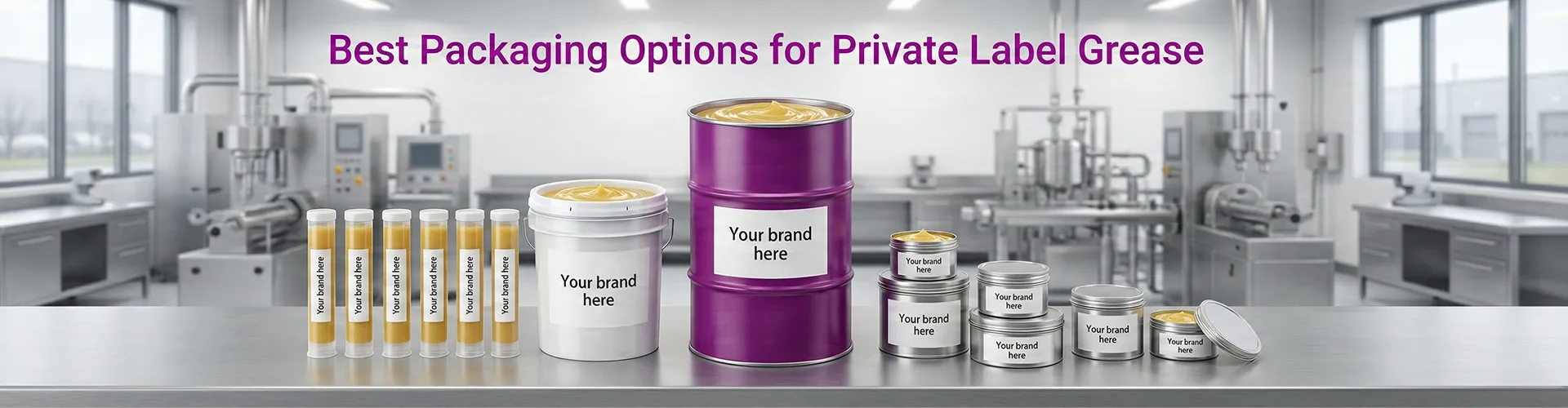
This grease range is also available for Private Label production under your own brand name.
Final Thoughts
A small amount of oil separation in grease is a normal part of how grease lubricates equipment. However, excessive grease bleeding will reduce lubrication effectiveness, increase maintenance costs, and shorten component life.
Understanding the causes of oil separation, recognizing potential grease stability issues, and evaluating products through standardized methods such as the oil bleed test will help maintenance professionals choose the right lubricant for demanding industrial applications.
Selecting high-quality grease with excellent mechanical stability and proper storage practices ensures longer service life, improved equipment reliability, and lower operating costs.
Explore Rexol High-Performance Greases
Are you looking for industrial greases that are engineered for stability, long service life, and demanding operating conditions?
Explore Rexol’s range of Lithium EP, Lithium Complex EP 220, Lithium Complex EP 460, Calcium Sulfonate, and Polyurea greases. If you’re planning to launch your own lubricant brand, discover our Private Label Grease solutions and bring proven grease technology to your market under your own name.