What Makes a Grease “EP” (Extreme Pressure)?
In many industrial and heavy-duty applications, grease has to do more than reduce friction. It also needs to protect metal surfaces when equipment works under heavy load, shock impact or slow movement.
This is where extreme pressure grease becomes important.
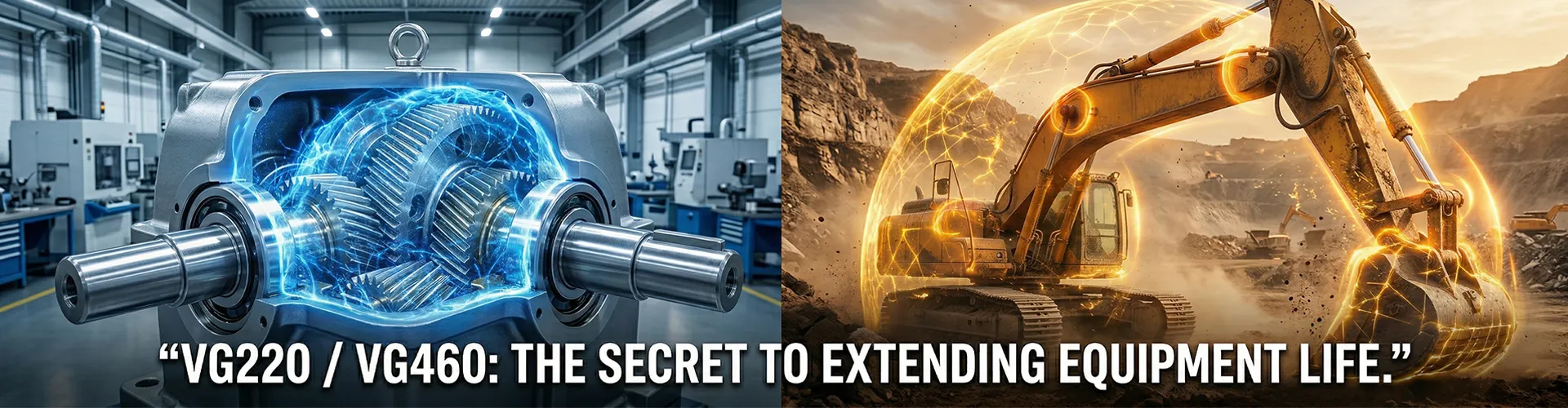
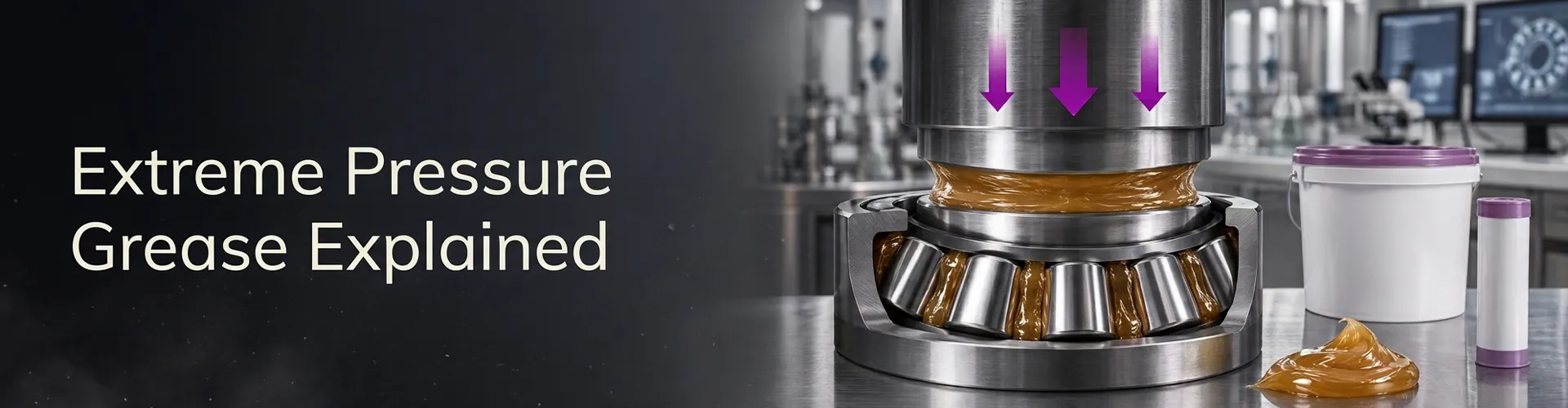
A grease becomes extreme pressure grease when it contains EP additives and performance properties designed to protect metal surfaces under heavy load, shock impact, sliding contact, or high-pressure conditions. EP additives help reduce scoring, scuffing, wear, and surface damage when the normal lubricating film becomes too thin.
What Is Extreme Pressure Grease?
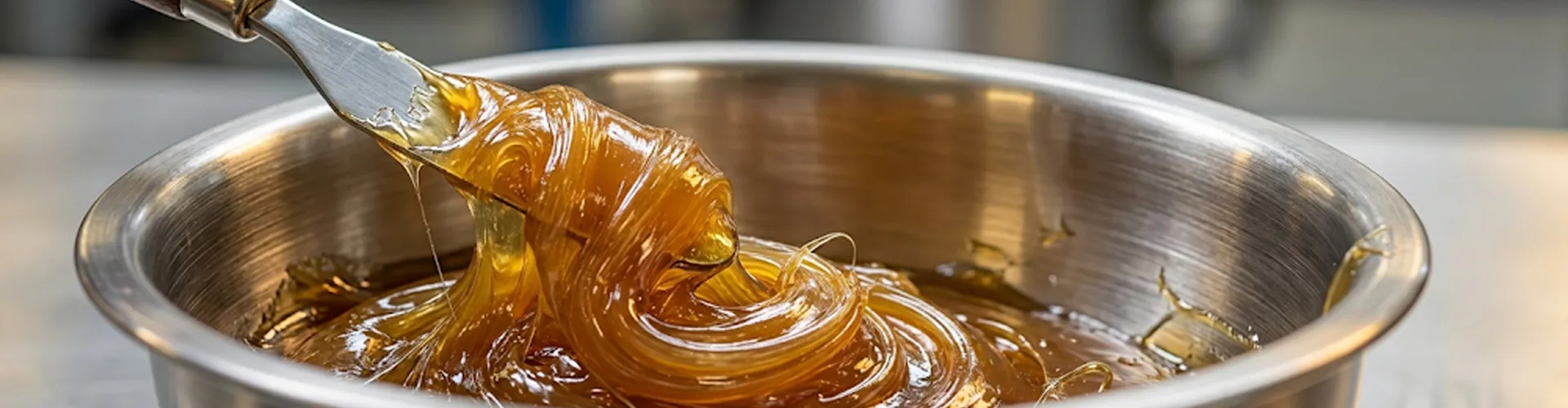
Extreme pressure grease is grease formulated with special additives that help protect metal parts under high load or shock-load conditions.
In simple terms:
EP grease helps protect metal surfaces when pressure becomes too high for normal grease protection alone.
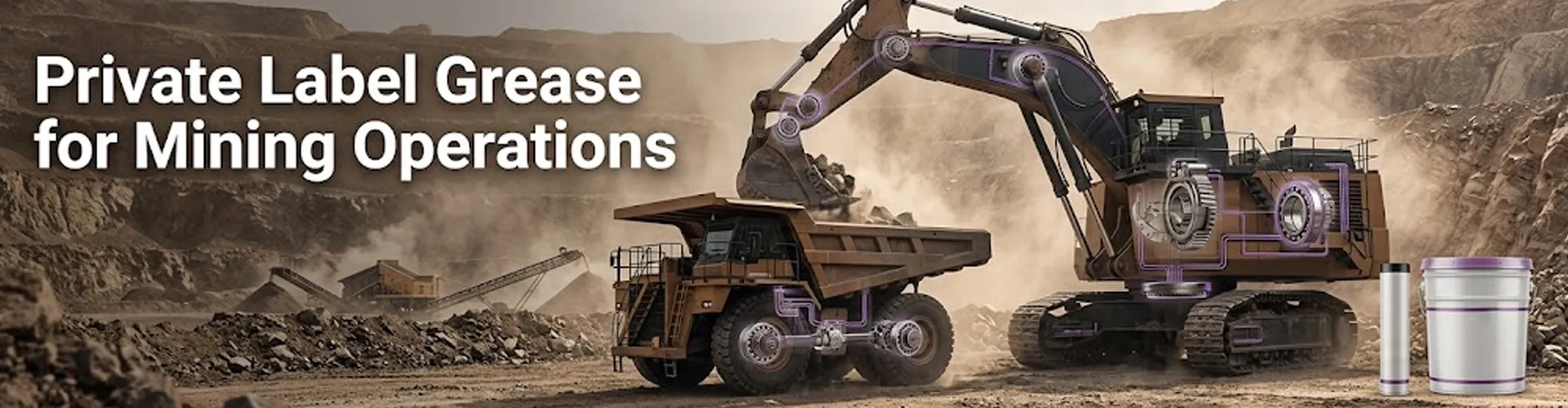
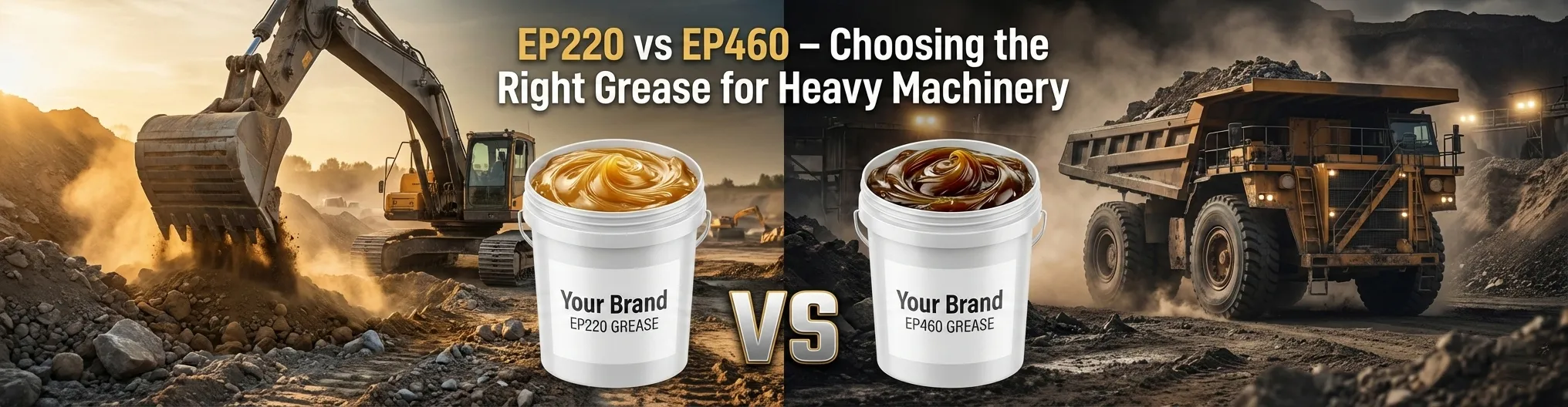
It is commonly used in heavy machinery, construction equipment, mining machinery, industrial bearings, pins, bushings, fifth wheels and other loaded parts.
What Does “EP” Mean in Grease?
EP stands for Extreme Pressure.
It measures the grease’s ability to protect the metal surfaces when the application is running under high pressure. In these conditions, the oil film becomes thin, and the surfaces may touch each other and damage the equipment.
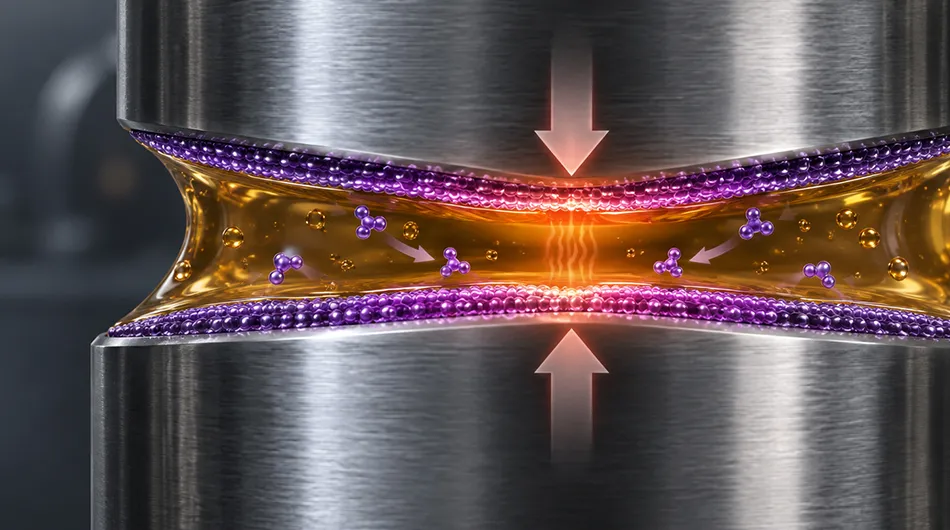
EP grease contains EP additives that form a protective layer on the metal surface when the equipment is running under high pressure.
What Makes Grease an EP?
A grease becomes EP grease when its formulation includes additives and performance properties designed for high-pressure conditions.
The main factors included in EP grease are:
- Chemistry of EP additive
- Ability to carry load
- Anti-wear performance
- Base oil viscosity
- Thickener type
- Mechanical stability
- Resistance to shock loading
- Suitability for heavy-duty applications
So, EP grease does not just carry one additive. It is the full formulation that decides how well the grease performs under pressure.
What Are EP Additives in Grease?
EP additives grease formulations usually contain compounds that react or activate when pressure and temperature rise at the metal contact point.
These additives help:
- Reduce metal-to-metal contact
- Protect surfaces from scoring
- Reduce scuffing and welding
- Improve load-carrying performance
- Support shock-load protection
- Improve grease reliability under boundary lubrication
In heavy-duty applications, EP additives become important because the equipment may not always operate under smooth or ideal conditions.
EP Grease vs Regular Grease
| Factor | Regular Grease | EP Grease |
| Main purpose | General lubrication | Lubrication under heavy load |
| Load protection | Basic to moderate | Stronger load-carrying support |
| Additives | General anti-wear and protection additives | EP additives for pressure conditions |
| Best for | Light to normal applications | Heavy-duty and shock-load applications |
| Common use | General bearings, light equipment | Mining, construction, fleet, industrial machinery |
Regular grease can work well in many normal applications. But when equipment faces heavy load, sliding contact, or shock impact, industrial EP grease is usually a better choice.
Where Is EP Grease Commonly Used?
EP grease is used where parts face high pressure, vibration, impact, or slow movement.
Common applications include:
- Construction equipment
- Mining machinery
- Agricultural machinery
- Industrial bearings
- Pins and bushings
- Fifth wheels
- Gear couplings
- Crushers and conveyors
- Heavy fleet components
- Steel and cement plant machinery
For these applications, a suitable heavy load grease can help reduce wear and improve equipment protection.
How Is EP Grease Tested?
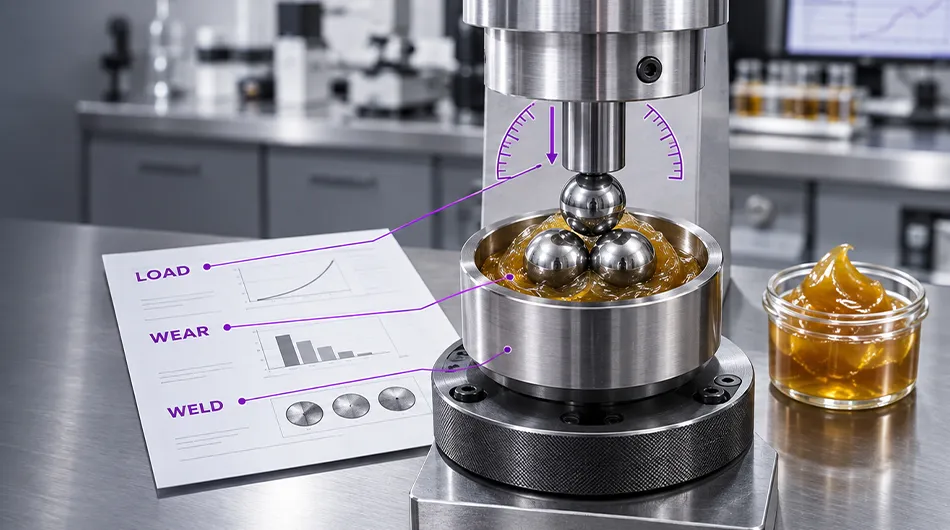
EP grease performance can be checked using various standard laboratory tests. These tests help compare how grease performs under controlled pressure and wear conditions.
| Test | What It Checks | Why It Matters |
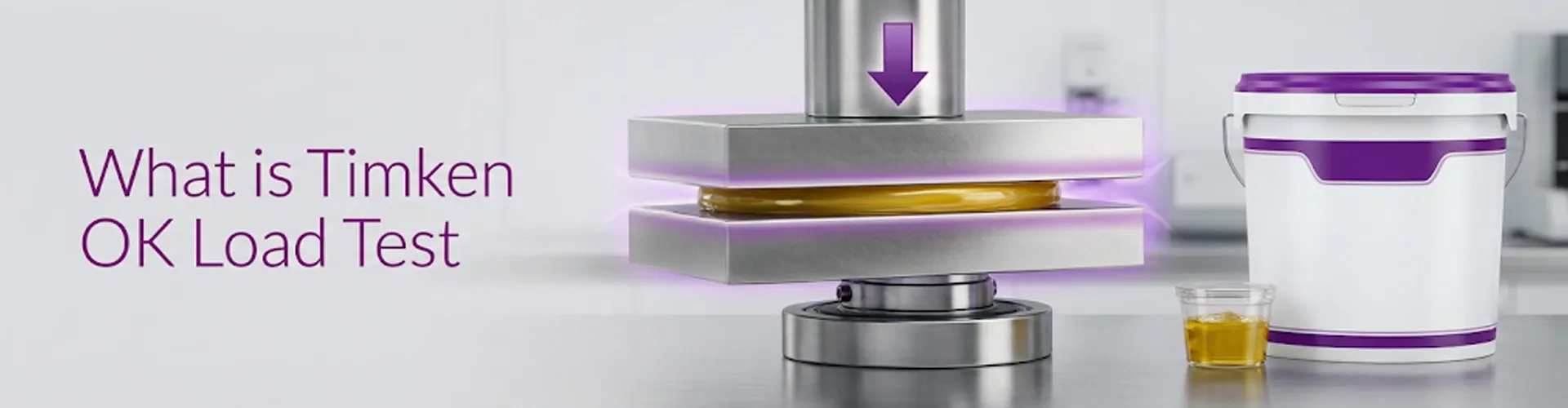
| Timken OK Load Test | Load before visible scoring | Helps evaluate load-carrying ability |
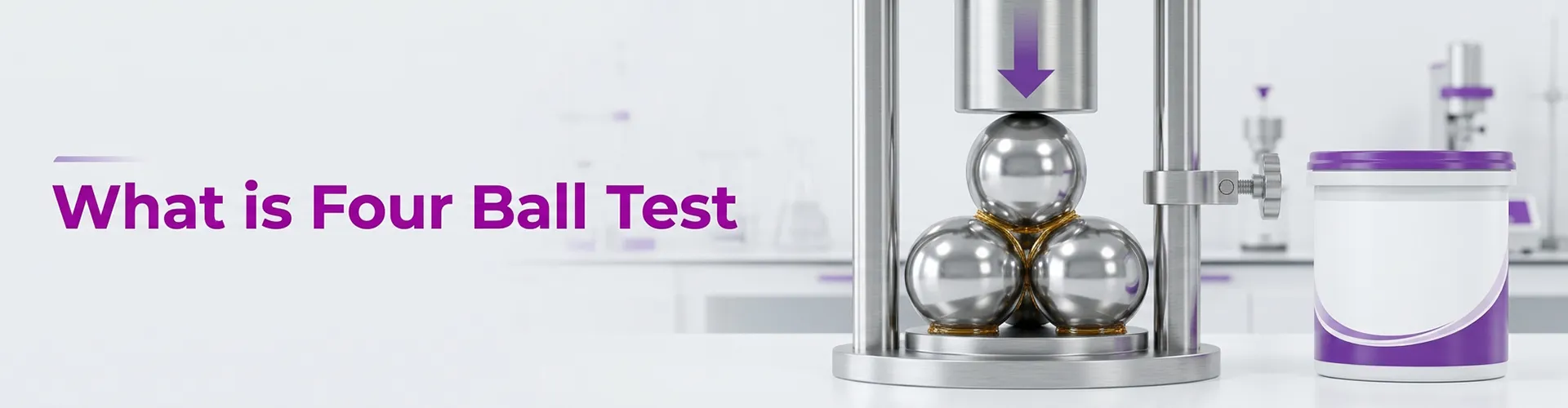
| Four-Ball EP Test | Weld load under pressure | Shows extreme pressure performance |
| Four-Ball Wear Test | Wear scar size | Helps measure anti-wear protection |
These tests are useful, but they should not be considered alone. Grease selection should also consider real operating conditions, temperature, speed, water exposure and equipment requirements.
Does Higher EP Performance Always Mean Better Grease?
Not always.
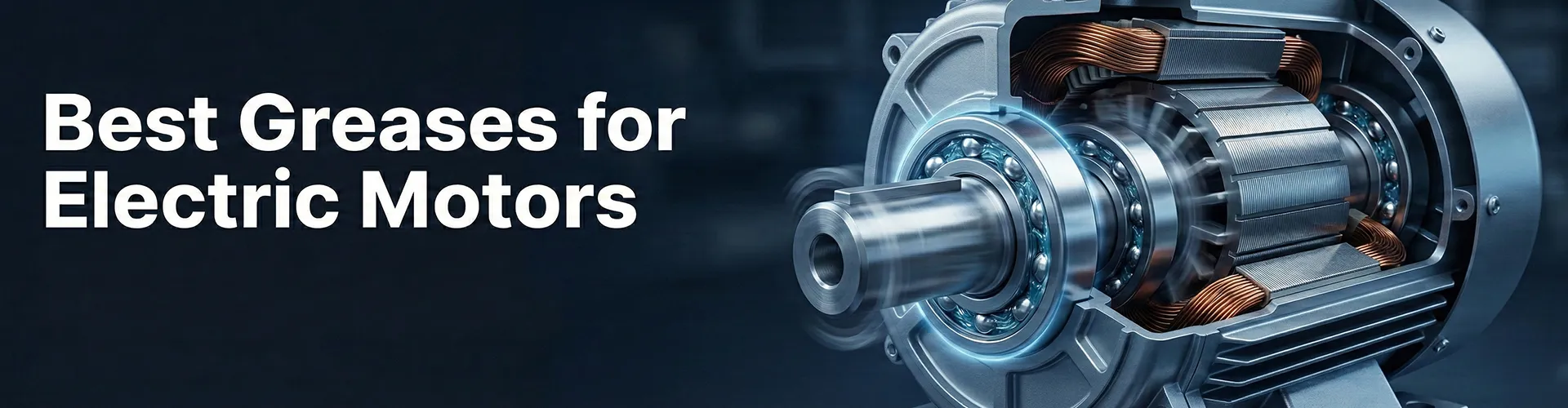
It depends on the application of the grease. A strong EP grease may not be suitable for all kinds of applications. For example, an electric motor bearing may need low noise, oxidation stability and long service life more than high EP protection.
Before choosing EP grease, check:
- Recommended grease for the equipment
- Load condition
- Operating speed of the equipment
- Operating temperature
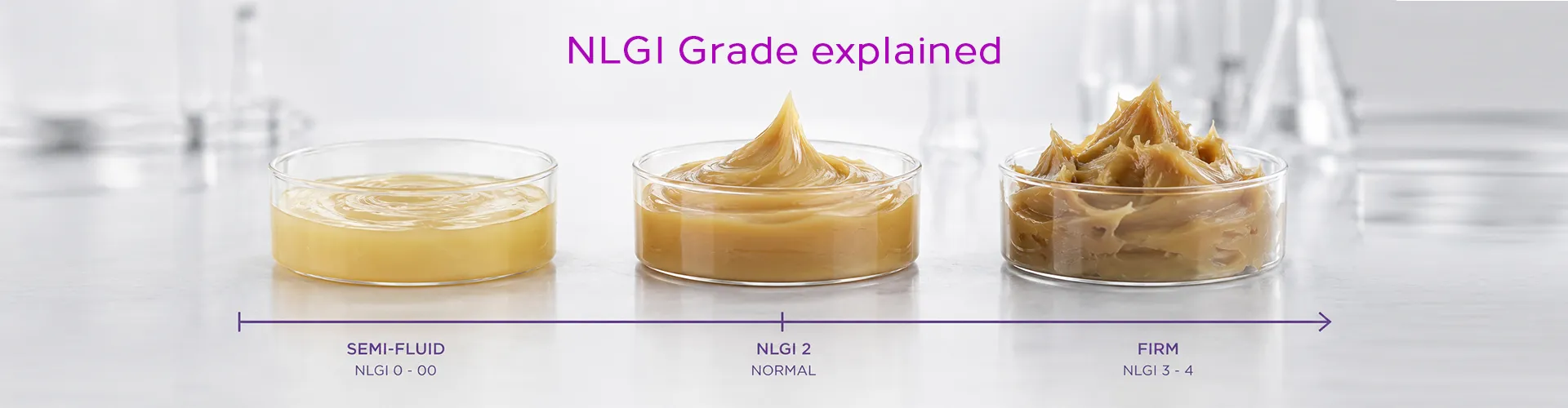
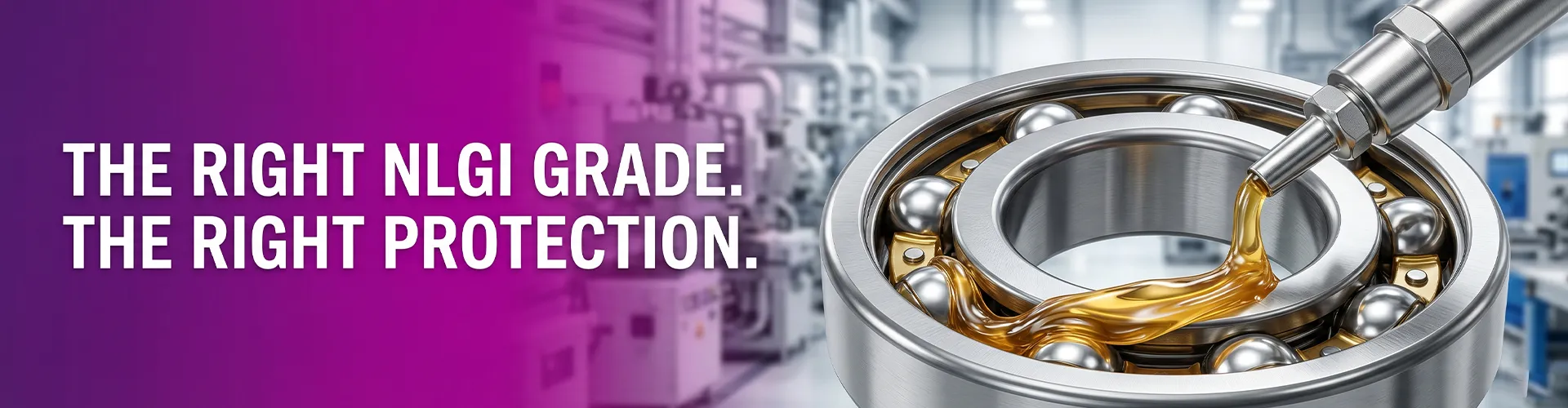
- NLGI grade
- Base oil viscosity
- Thickener type
- Water resistance
- Relubrication interval
- Product technical data sheet
The best grease for an application is the grease that matches the application recommendation and not simple the ones with high EP value.
Which Grease Types Can Be EP Grease?
Different grease technologies can be formulated with EP performance.
Common examples include:
| Grease Type | Typical Use |
| Lithium EP Grease | General automotive, fleet and workshop use |
| Lithium Complex EP Grease | Heavy-duty, high-load and higher-temperature applications |
| Moly EP Grease | Pins, bushings and shock-loaded parts |
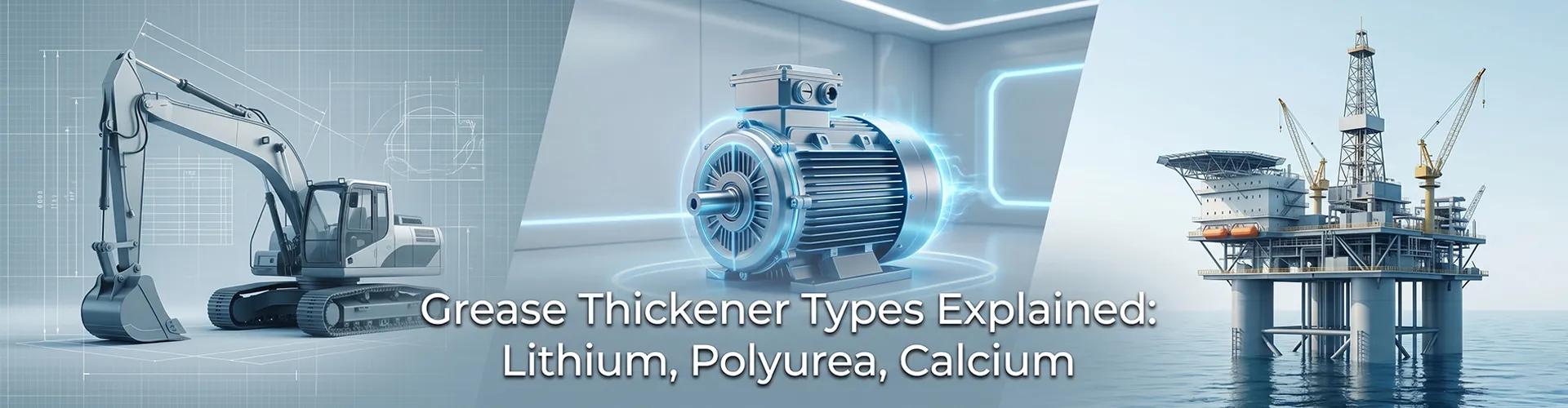
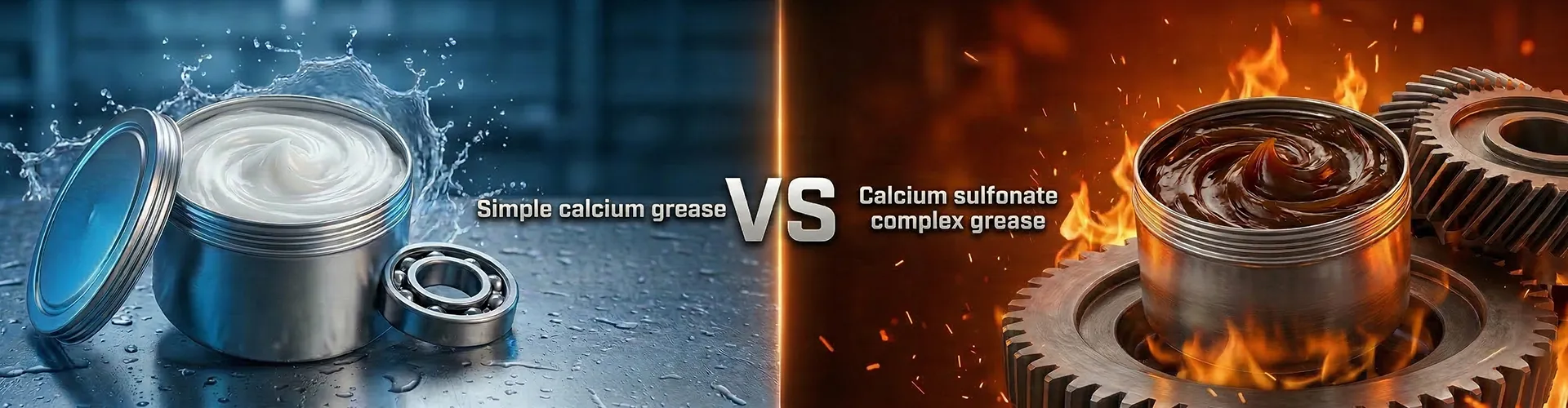
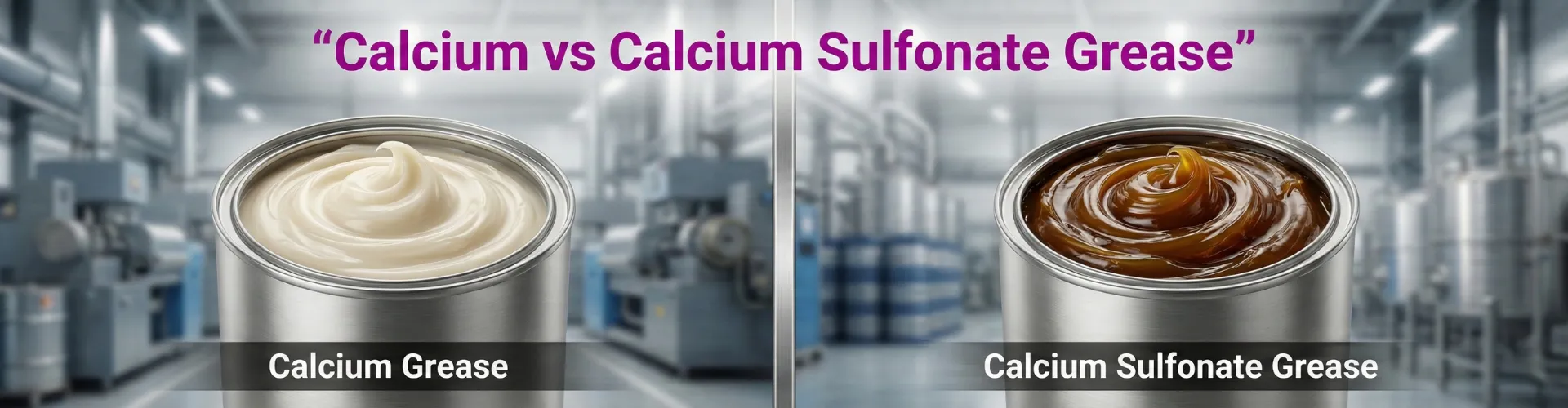
| Calcium Sulfonate Grease | Wet, heavy-load and corrosion-prone conditions |
How Rexol Supports EP Grease Selection
Rexol supports distributors and lubricant brands with grease solutions for different applications like automotive, construction, fleet, mining, and industrial applications.
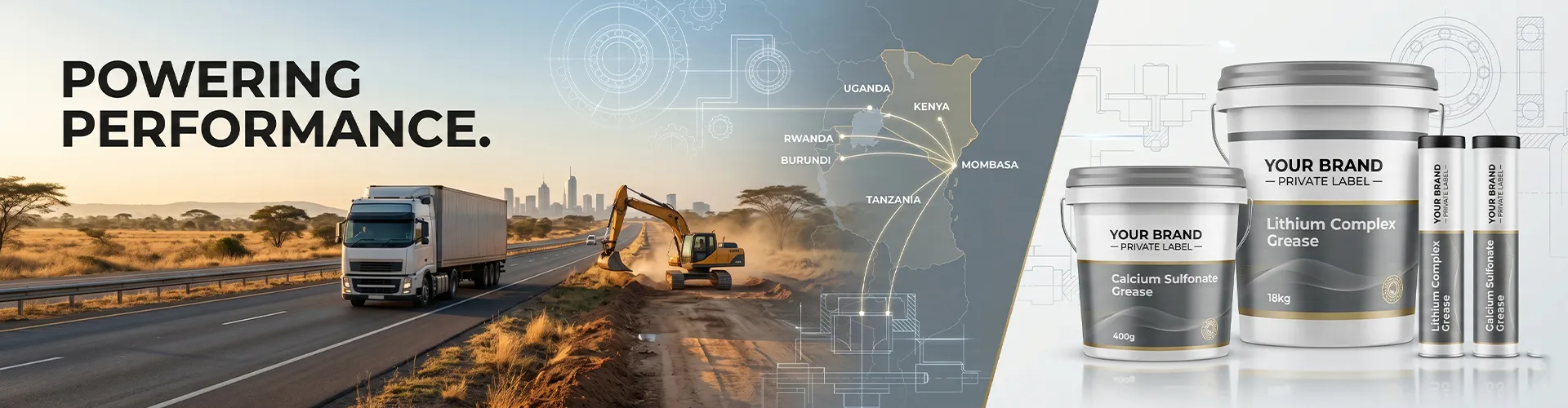
Rexol offers premium EP grease technologies to support different load and high-temperature application needs. These heavy-duty greases include Lithium EP, Lithium Complex EP, Moly EP, and Calcium Sulfonate grease.
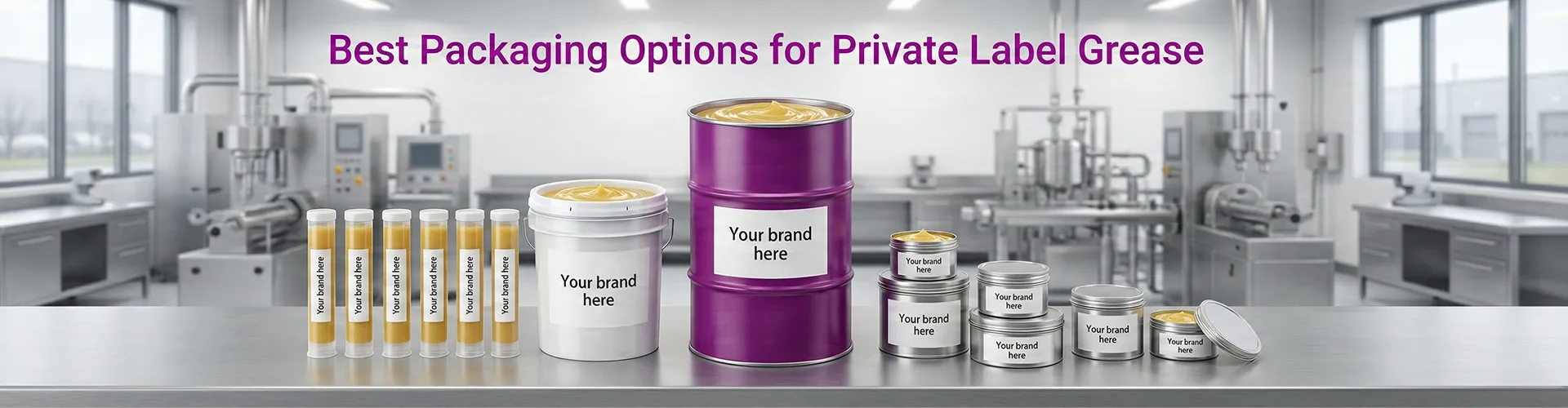
Businesses planning to launch their own grease range can also explore Rexol’s private label grease solutions. Rexol can help in product selection, packaging options, and technical documentation for EP grease products under your own brand.
Final Thoughts
Extreme pressure grease is designed for applications where metal surfaces face heavy loads, shock impact, or high pressure. EP additives help protect equipment when normal lubrication film may not be enough.
However, EP performance should not be the only selection factor. The right grease should match the equipment load, speed, temperature, water exposure, thickener type, and technical requirements.
For distributors and lubricant brands, Rexol can support EP grease selection and private label grease manufacturing for demanding industrial markets.