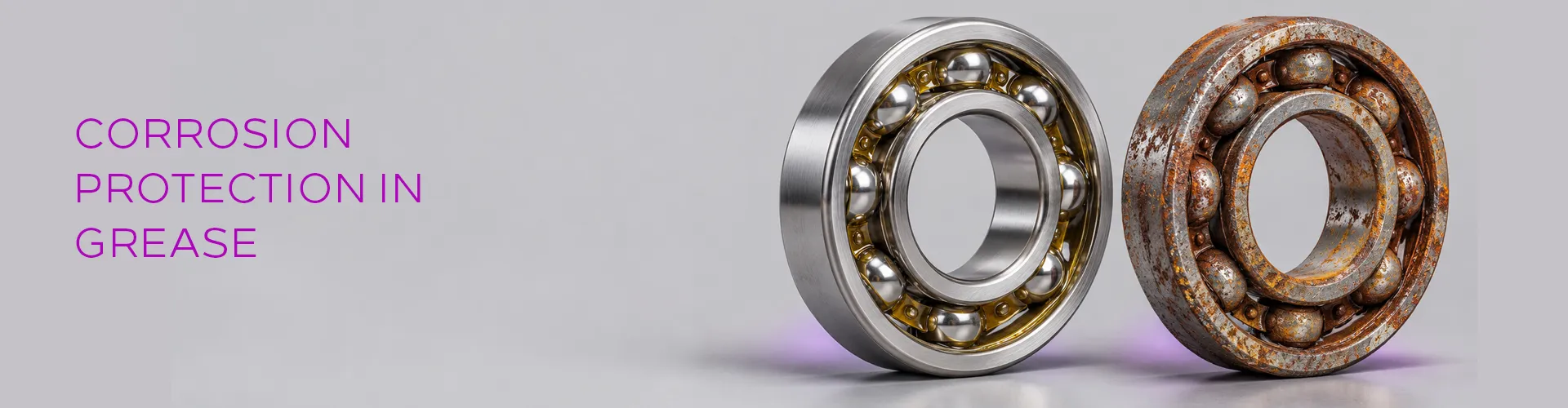
Corrosion Protection in Grease – How It Works
Rust can become a serious problem wherever machinery is exposed to moisture. This is especially true for equipment working outdoors, near the sea, or in industrial environments where water, humidity, salt, and other contaminants are difficult to avoid.
Bearings, pins, bushings, joints, and other metal components depend on grease not only for lubrication but also for protection from their surroundings. A suitable anti-corrosion grease helps keep moisture away from metal surfaces and provides additional protection through its additive system.
For maintenance teams, understanding how this protection works makes it easier to choose grease for wet, humid, and corrosive operating conditions.
Why Can Lubricated Parts Still Corrode?
Having grease on a component does not automatically mean it is protected against corrosion.
Rust can develop when water, oxygen, salt, or other corrosive materials reach the metal surface. This may happen when the grease is washed away, contaminated, incorrectly selected, or no longer capable of maintaining an effective protective layer.
Typical causes include:
- Water entering the bearing or housing
- High humidity and condensation
- Exposure to seawater or salt spray
- Chemical contamination
- Long periods when machinery is not operating
- Insufficient lubrication
- Using grease that is unsuitable for the environment
The problem is particularly common with marine and outdoor machinery because exposure to moisture may be continuous rather than occasional.
How Does Anti-Corrosion Grease Protect Metal?
Corrosion protection in grease works in more than one way.
1. Physical Barrier Protection
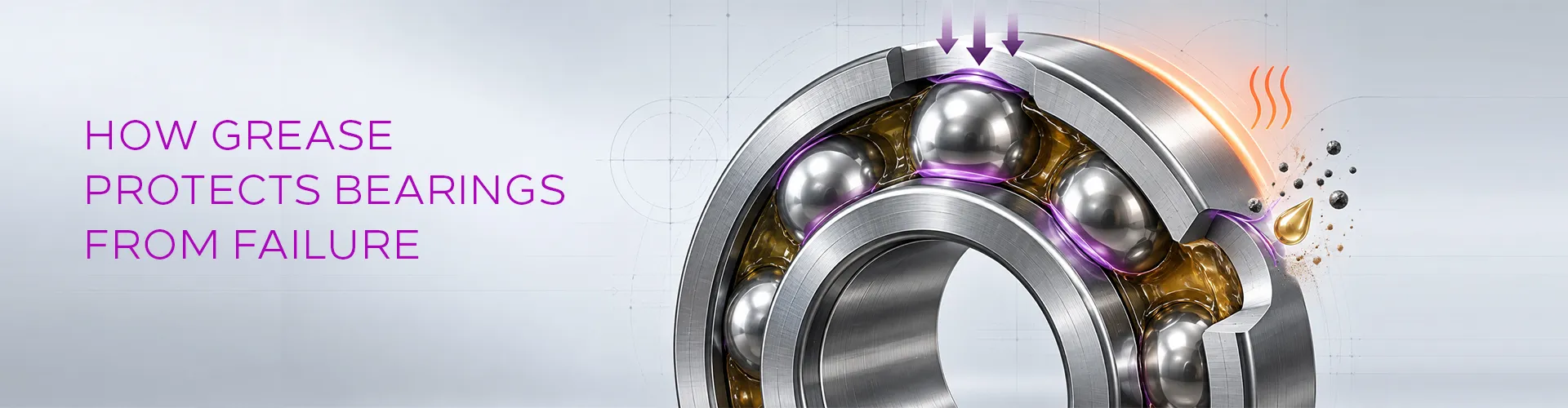
The grease itself provides the first line of defense. Once applied, it covers the lubricated surface and creates a physical barrier between the metal and the surrounding environment. This helps limit direct contact with water, oxygen, and contaminants.
2. Chemical Protection from Additives
The formulation provides another level of protection through corrosion-inhibiting additives.
These additives are designed to interact with the metal surface and reduce the chemical reactions that lead to rust.
As a result, the performance of an anti-corrosion grease depends on the overall formulation. Base oil, thickener, additives, water resistance, and mechanical stability all play a part.
What Do Corrosion Inhibitors Do?
Corrosion inhibitors are additives used to improve the grease’s ability to protect metal.
Rather than simply relying on the grease to cover the surface, these additives help establish a protective film at the metal interface. This becomes particularly useful when equipment regularly encounters moisture.
Corrosion inhibitors grease formulations can be valuable for:
- Marine machinery
- Port and harbor equipment
- Construction equipment
- Agricultural machinery
- Mining operations
- Outdoor bearings
- Industrial machinery in humid environments
The greater the exposure to water or corrosive contaminants, the more important this aspect of grease performance becomes.
Water Resistance and Rust Protection Are Not the Same
These two properties are closely connected, but they should not be treated as interchangeable.
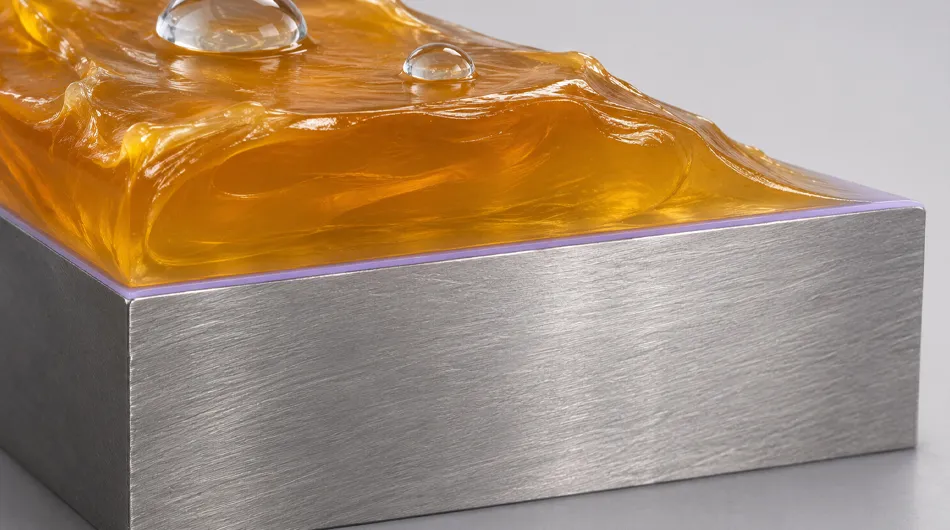
Water resistance refers mainly to the ability of grease to remain in place when it comes into contact with water. If a grease washes away easily, the component may lose its lubricating and protective layer.
Rust protection grease, on the other hand, is formulated to help protect the metal itself from corrosion.
For wet applications, ideally you want both.
A grease with excellent corrosion inhibitors will have limited value if it is quickly washed away. Similarly, grease that remains firmly in place still needs suitable corrosion protection when used in a severe environment.
Why Calcium Sulfonate Grease Is Used in Wet Conditions
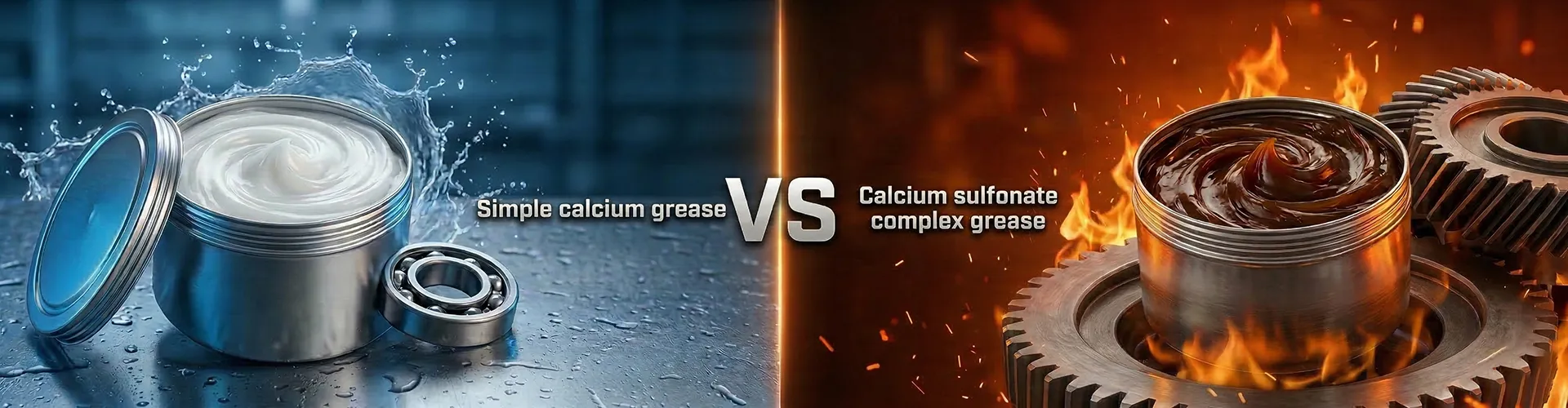
Calcium sulfonate complex grease is particularly relevant when water resistance and corrosion protection are priorities.
This grease technology can combine several useful characteristics, including:
- Strong resistance to water
- Good corrosion protection
- High load-carrying performance
- Mechanical stability
- Good performance at elevated temperatures
For this reason, Rexol Calcium Sulfonate Grease can be considered for demanding marine, industrial, construction, and other wet operating environments.
Its value is not based on one property alone. The combination of water resistance, corrosion protection, load performance, and stability makes calcium sulfonate technology useful where machinery operates under difficult conditions.
Why Marine Equipment Needs Strong Corrosion Protection
Few operating environments are as demanding on lubricated components as marine applications.
Saltwater, humidity, spray, and continuous outdoor exposure create conditions where corrosion can develop quickly if metal surfaces are not properly protected.
Typical lubrication points may be found in:
- Bearings
- Winches
- Deck machinery
- Port equipment
- Other exposed mechanical components
A suitable marine grease therefore needs to do more than reduce friction. It should remain effective in the presence of water while helping protect the underlying metal.
Rexol’s marine-oriented grease solutions and Calcium Sulfonate Greases provide options for applications where water and corrosion resistance are important selection criteria.
What Are the Warning Signs of Poor Corrosion Protection?
Corrosion problems are often visible during routine inspection.
Maintenance teams should pay attention to:
- Rust on exposed surfaces
- Metal discoloration
- Pitting
- Water in the grease
- Grease washing away
- Unusual bearing noise
- Premature component wear
Finding rust does not necessarily mean the grease itself is at fault. A damaged seal, contamination, poor maintenance practices, or an unsuitable relubrication interval could also be responsible.
The cause should be identified before changing products.
How Can Maintenance Teams Prevent Corrosion in Grease-Lubricated Machinery?
- Choose grease suitable for water and corrosion exposure.
- Inspect seals and protective covers regularly.
- Keep grease guns and application tools clean.
- Check for water contamination during maintenance.
- Follow recommended relubrication intervals.
- Inspect exposed metal surfaces for rust or pitting.
- Avoid mixing greases without checking compatibility.
- Follow equipment manufacturer recommendations.
Choosing the Right Rust Protection Grease
There is no single grease that is right for every corrosive environment.
Before selecting a rust protection grease, consider how the equipment actually operates. Water exposure is important, but so are temperature, load, speed, relubrication frequency, base oil viscosity, and thickener technology.
Saltwater exposure deserves particular attention because it creates much more demanding corrosion conditions than many normal industrial environments.
For severe wet applications, calcium sulfonate grease may provide useful performance advantages. In less demanding environments, suitable lithium, lithium complex, or other specialized formulations may provide the required protection.
Equipment manufacturer recommendations should always be checked before making the final selection.
Rexol Grease Solutions and Private Label Options
Rexol offers grease technologies for automotive, industrial, heavy-duty, and marine applications. The range includes Calcium Sulfonate Greases, Lithium EP Greases, Lithium Complex EP Greases, and solutions intended for demanding marine and industrial operating conditions.
For distributors and lubricant companies, corrosion-resistant grease can also become part of a branded product range.
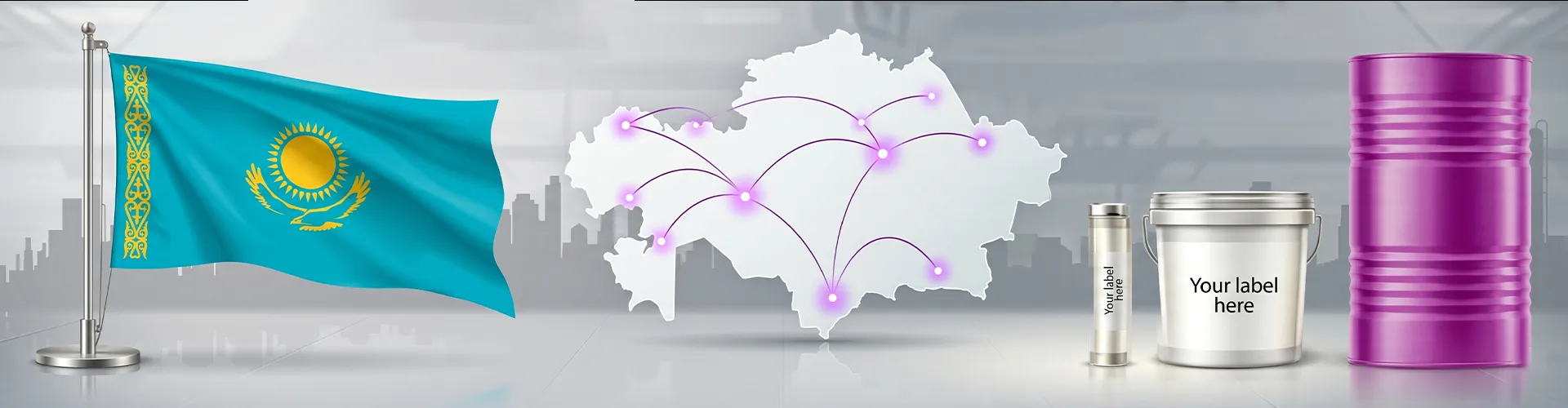
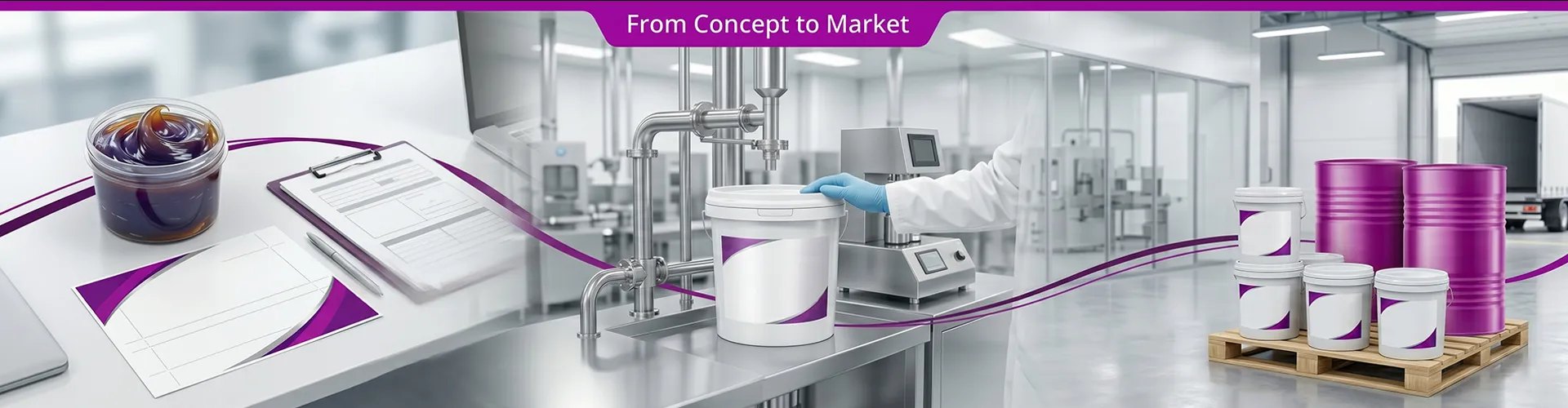
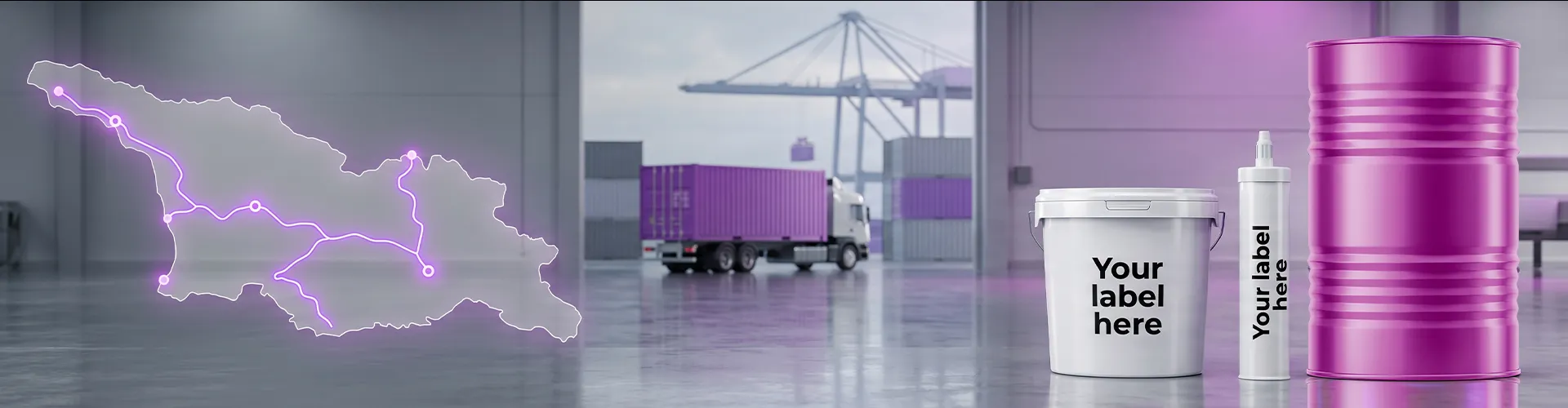
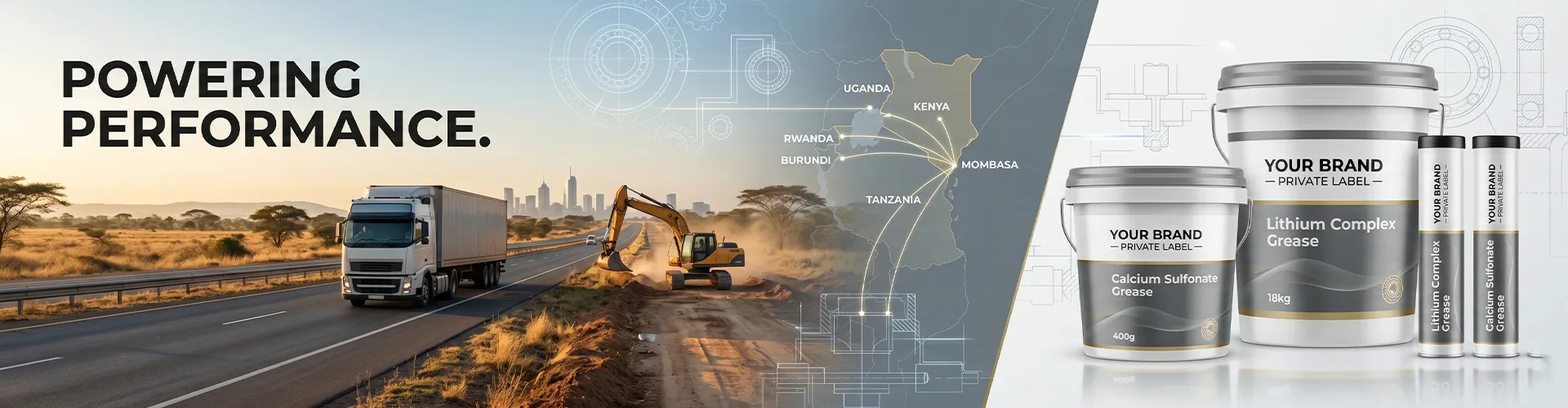
Rexol supports Private Label Grease manufacturing, allowing businesses to develop products for marine, construction, industrial, and other markets under their own brand.
Formulation, packaging, branding, and technical documentation can be developed according to the requirements of the private label project.
Final Thoughts
Good corrosion protection starts with keeping water and contaminants away from the metal, but it does not end there. A well-formulated anti-corrosion grease combines the physical barrier provided by the lubricant with additives that help protect the surface itself.
In marine and other wet environments, water resistance and corrosion protection should therefore be considered together.
For demanding applications, calcium sulfonate grease offers a useful combination of water resistance, corrosion protection, load-carrying ability, and mechanical stability.
Businesses looking to serve these markets can explore Rexol’s Calcium Sulfonate Grease, and Private Label Grease solutions for applications where dependable protection against water and corrosion is required.