Synthetic vs Mineral Grease – Performance Comparison
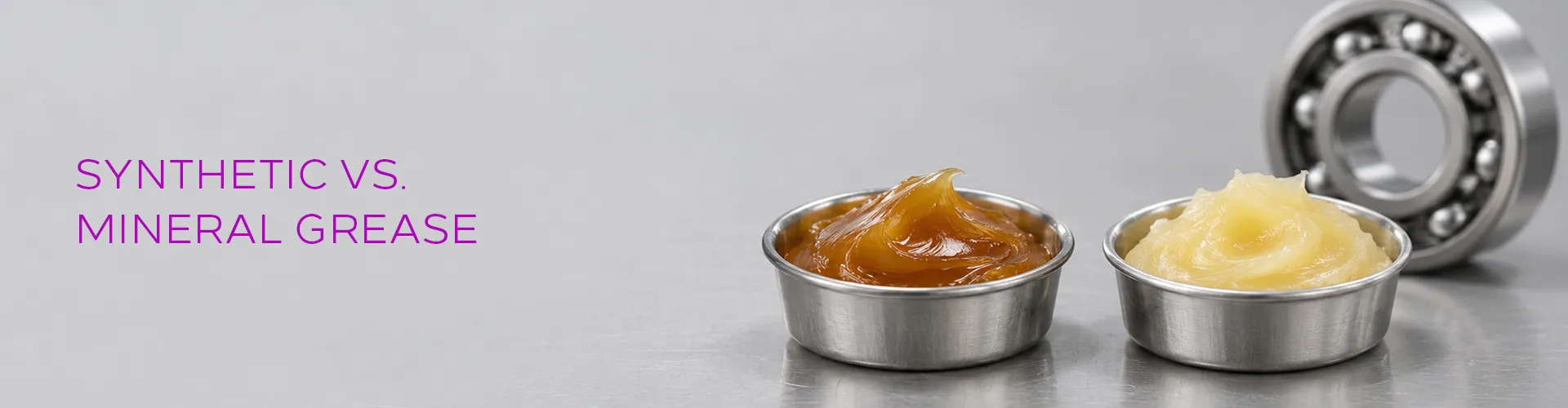
Selecting the right grease is about more than choosing an NLGI grade or thickener type. One of the main important decisions is the type of base oil used in the grease formulation. The base oil largely determines how the grease will perform under different temperatures, loads, speeds, and operating conditions.
The two most common options are mineral oil-based grease and synthetic oil-based grease. While both have their place in industrial and automotive applications, each offers different advantages and limitations.
In this guide, we will compare synthetic vs mineral grease, explain where each will perform best, and help buyers determine which option is right for their equipment.
What Is Grease Made Of?
Before comparing the two, it’s important to understand the basic composition of grease.
A typical grease will consist of three primary components:
- Base oil (70–95%)
- Thickener (3–30%)
- Performance additives
The base oil will perform the actual lubrication, while the thickener holds the oil in place and releases it gradually during operation.
Whether the grease uses synthetic or mineral base oil, it will significantly affect its performance.
What Is Mineral Grease?
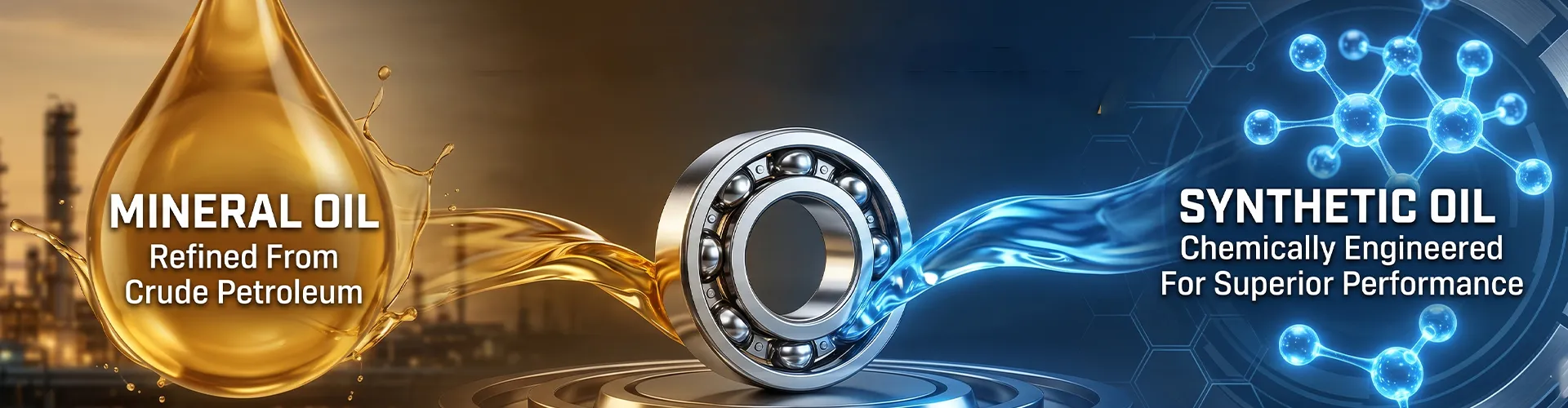
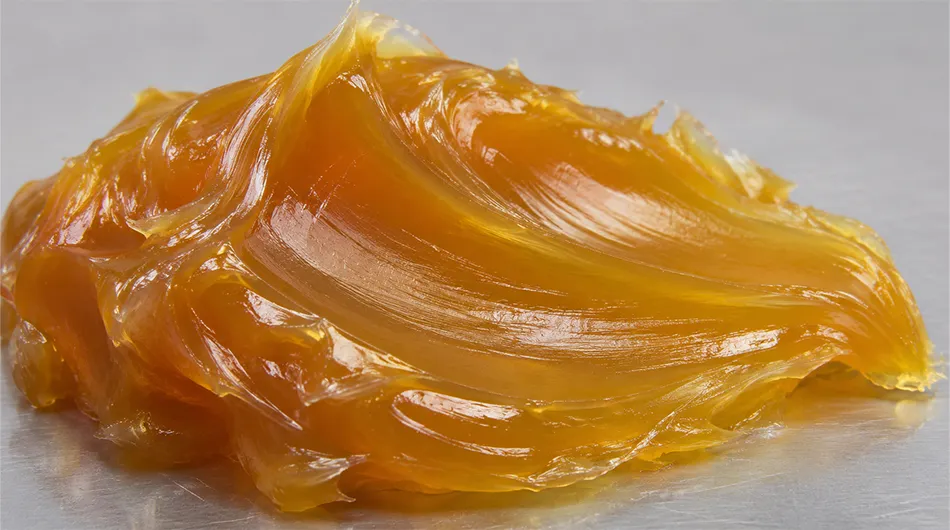
Mineral grease will use a refined petroleum-based oil as its lubricant.
It is the most widely used grease because it offers dependable performance for many industrial and automotive applications at a relatively economical cost.
Mineral grease is used in different forms that include:
- General industrial machinery
- Agricultural equipment
- Automotive workshops
- Construction equipment
- Manufacturing plants
- Fleet maintenance
Mineral grease remains an excellent choice for equipment operating under normal temperatures and standard service intervals.
What Is Synthetic Grease?
Synthetic grease is designed by using chemically engineered synthetic base oils such as:
- Polyalphaolefin (PAO)
- Ester oils
- Silicone oils (specialized applications)
These synthetic oils provide enhanced lubrication properties that outperform mineral oils in demanding operating environments.
Synthetic grease is selected for the following:
- High-temperature applications
- Low-temperature environments
- High-speed bearings
- Electric motors
- Long-life industrial machinery
Although synthetic grease usually costs more, it will reduce a maintenance expense through longer service intervals and improved equipment protection.
Synthetic vs Mineral Grease: Key Differences
1. Operating Temperature
Temperature is one of the biggest differences when comparing synthetic vs mineral grease.
Mineral Grease
Will perform well under moderate operating temperatures but gradually loses effectiveness when exposed to prolonged high heat.
High temperatures accelerate:
- Oxidation
- Oil evaporation
- Grease hardening
Synthetic Grease
Synthetic oils are maintaining a stable viscosity over a much wider temperature range.
Benefits include:
- Better high-temperature stability
- Improved cold-weather performance
- Lower evaporation
- Longer lubricant life
Winner: Synthetic grease often has an advantage in extreme temperatures
2. Oxidation Resistance
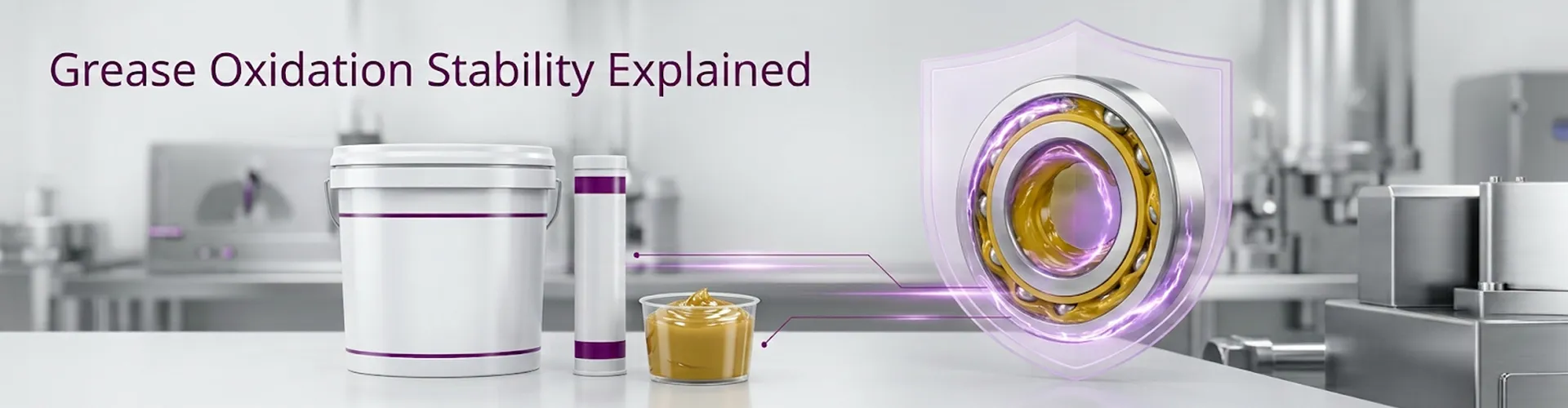
Over time, oxygen and heat cause grease to oxidize, reducing its effectiveness.
Mineral Grease
Oxidizes more quickly under continuous heat, shortening grease life.
Synthetic Grease
Will Offer superior oxidation resistance, allowing longer operating intervals.
This is one of the main synthetic grease benefits for industries operating continuously.
Winner: Synthetic formulations may provide better oxidation resistance
3. Equipment Life
Proper lubrication directly influences equipment reliability.
Synthetic grease will maintain a stronger lubricating film under demanding conditions, reducing friction and wear.
Mineral grease works well in general applications but may require more frequent relubrication in severe operating environments.
Winner: Equipment life depends on suitable grease selection and maintenance
4. Cold Temperature Performance
Equipment operating in cold climates requires grease that remains pumpable and flows easily.
Synthetic grease must retain a better fluidity at low temperatures.
Mineral grease might become stiffer, making lubrication more difficult.
Winner: Certain synthetic base oils offer better low-temperature mobility
5. Cost
One of the main areas where mineral grease maintains a clear advantage is purchase price.
Mineral Grease
- Lower initial cost
- Cost-effective for standard applications
- Ideal for high-volume maintenance
Synthetic Grease
- Higher purchase price
- Lower long-term maintenance costs
- Extended service intervals
Buyers should evaluate the total cost of ownership rather than focusing only on product cost.
Winner: Mineral grease generally has a lower initial purchase cost
6. Service Life
One of the biggest synthetic grease benefits is extended lubricant life.
Synthetic formulations often provide the following:
- Longer relubrication intervals
- Improved oxidation resistance
- Better thermal stability
- Reduced maintenance downtime
Where equipment operates continuously, longer grease life often offsets the higher purchase price for industries.
When Is Synthetic Grease Worth the Higher Cost?
Synthetic grease may justify its higher purchase price when machinery operates under demanding conditions or maintenance access is difficult.
Consider synthetic grease when:
- Equipment operates at unusually high or low temperatures.
- Continuous operation makes maintenance downtime expensive.
- Longer relubrication intervals are supported by the equipment manufacturer.
- The application requires specific oxidation stability or low-temperature performance.
- The overall savings from reduced maintenance justify the additional cost.
For standard applications with manageable maintenance schedules, a suitable mineral grease may offer better value.
Which Applications Benefit Most from Synthetic Grease?
Synthetic grease is recommended for the following:
- Electric motors
- Steel mills
- Paper mills
- Wind turbines
- High-speed bearings
- Continuous manufacturing lines
- Cold storage facilities
- High-temperature industrial equipment
These applications are benefited from the longer service life and enhanced stability offered by synthetic formulations.
Mineral Grease Limitations
Mineral grease is suitable for many applications; it does have certain limitations.
Some common mineral grease limitations are:
- Reduced performance at extreme temperatures
- Faster oxidation under heat
- Shorter service intervals
- Higher evaporation at elevated temperatures
- More frequent relubrication in severe-duty applications
These limitations are becoming more significant in industries such as mining, steel m
When Is Mineral Grease the Better Choice?
Mineral grease remains an excellent solution for many industries.
Typical applications are:
- Agricultural machinery
- Passenger vehicles
- Fleet maintenance
- General industrial equipment
- Construction machinery
- Workshops
- Standard bearing lubrication
When operating conditions are moderate, mineral grease provides dependable performance at an economical cost.
Choosing the Right Grease for Your Equipment
Instead of asking whether synthetic grease is always better, consider the specific operating conditions.
Factors to evaluate will include the following:
- Operating temperature
- Bearing speed
- Load conditions
- Water exposure
- Maintenance intervals
- Equipment criticality
- Operating environment
The right grease is the one that will deliver the best balance between performance, reliability, and operating cost.
Rexol Grease Solutions for Every Application
Rexol manufacture high-performance grease solutions for both standard and demanding industrial applications.
Our product portfolio include:
- Rexol Lithium EP Greases for general industrial and automotive use
- Rexol Lithium Complex EP 220 for high-load industrial applications
- Rexol Lithium Complex EP 460 for heavy-duty and slow-speed equipment
- Rexol Calcium Sulfonate Greases for superior water resistance and corrosion protection
- Rexol Polyurea Greases for electric motors and long-life applications
- Rexol Molybdenum Greases for shock-loaded and extreme-pressure environments
Our technical team will help customers select the most appropriate grease formulation based on operating conditions, equipment requirements, and maintenance objectives.
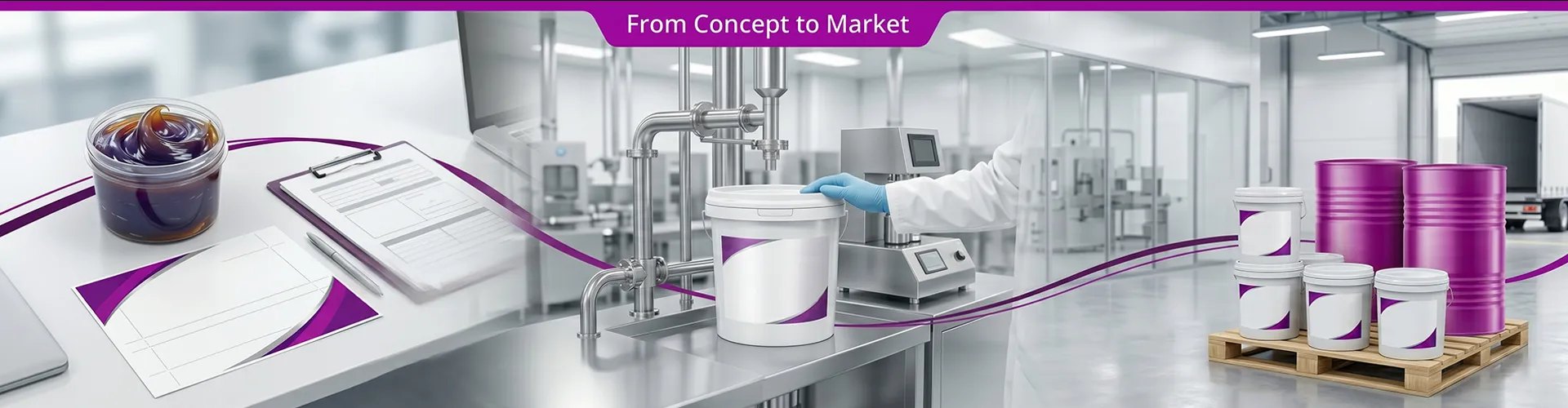
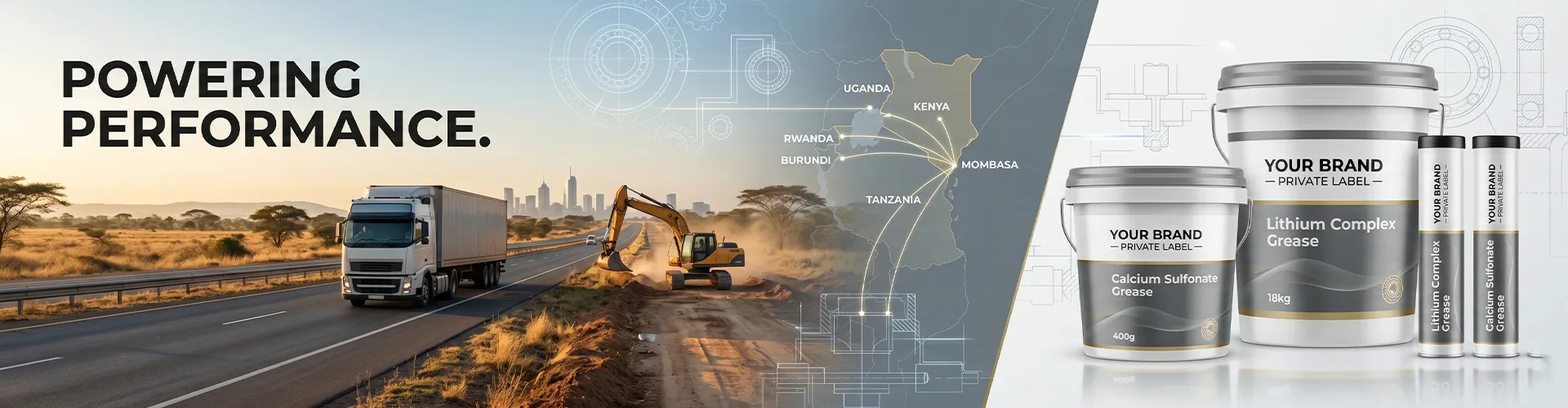
All Rexol grease formulations are also available through our Private Label manufacturing program, allowing distributors and lubricant brands to launch premium grease products under their own brand name.
Final Thoughts
The debate between synthetic vs mineral grease doesn’t have a single answer because each will serve different applications.
Synthetic grease delivers an outstanding performance in extreme temperatures, demanding industrial environments, and long service interval applications. It’s superior oxidation resistance, thermal stability, and durability make it ideal where equipment reliability is critical.
Mineral grease remains a practical and economical choice for general-purpose industrial, automotive, and agricultural equipment operating under normal conditions. Despite some mineral grease limitations, it will continue to provide dependable lubrication for countless applications worldwide.
By understanding the key synthetic grease benefits and matching grease performance to equipment requirements, maintenance professionals can improve reliability, reduce downtime, and optimize lubrication costs.
Explore Rexol High-Performance Grease Solutions
Whether you need a cost-effective multipurpose grease or a premium solution for demanding industrial environments, Rexol offers a complete range of high-performance greases. Explore our product portfolio or contact us to learn more about our Private Label Grease manufacturing services and build your own trusted lubricant brand.